Buying 25mm Pipe Insulation for international projects involves more than comparing prices and thicknesses. The right product must control heat loss, condensation, surface temperature, and energy waste. A pipe in a humid plant room may need a stronger vapor barrier than one in a dry warehouse. Small details matter.
Dr. Joseph Lstiburek, a respected building-science authority, often emphasizes, “Water is a building’s worst enemy.” This warning applies directly to pipe insulation. A damaged jacket, open seam, or poorly sealed joint can allow moisture beneath the insulation. The result may include corrosion, mold, reduced thermal performance, or costly maintenance. A clean product sample proves little. Installation quality matters just as much.
Global buyers also face different climate conditions, fire-safety expectations, testing methods, and shipping requirements. A 25mm thickness may suit one chilled-water system but perform poorly in another application. Material type, operating temperature, density, flexibility, and moisture resistance require careful review. Certification documents should be checked, not merely accepted.
There is no perfect buying shortcut.
This guide presents seven practical tips for evaluating 25mm Pipe Insulation suppliers and products. It considers technical data, factory reliability, packaging, documentation, and long-term performance. Some decisions will remain uncertain without project-specific calculations. That is worth admitting. A lower quotation can become expensive when oversized joints, damaged cartons, or unclear compliance documents delay installation. Careful buyers look beyond the label and examine how the insulation will perform in real conditions.
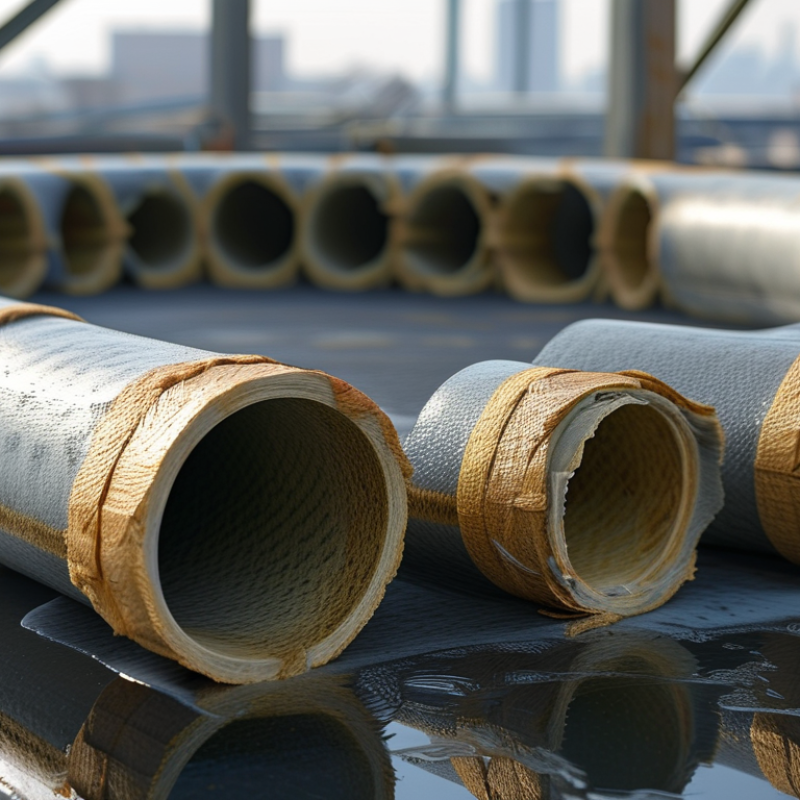
“25 mm pipe insulation” can describe insulation thickness, not pipe diameter. Confirm the pipe’s NPS and actual outside diameter (OD) before ordering. For example, NPS 1 pipe commonly has a 33.4 mm OD, while larger schedules may change the wall thickness but not the OD. Measure a sample where possible. Guessing here causes poor joints and wasted material.
Temperature rating matters as much as size. Match the insulation to the system’s operating and peak temperatures, including shutdown conditions. Check the declared R-value at the relevant mean temperature, not only at room temperature.
A higher R-value can reduce heat loss, but moisture or compression may reduce real performance. The easy assumption is often wrong.
Tips:
Confirm seven details in writing:
Ask for technical data, dimensional tolerances, fire information, and test reports suitable for the destination market.
Inspect several pieces for cracks, uneven bores, or loose surfaces. Small gaps matter.
Consider installation space around valves and supports. Product selection is rarely perfect on the first draft; review actual site measurements before final purchasing.
Compare thermal conductivity targets near 0.035 W/m·K at 24°C before judging insulation quality. A practical check starts with the test report, not the catalog headline. Confirm whether 0.035 is a declared value, a design value, or a temporary laboratory result. The test method and mean temperature must be clearly stated. Otherwise, comparisons may look precise but remain unreliable.
Check the actual wall thickness, because “25mm” can describe a nominal size. Review density, closed-cell structure, and dimensional stability after heating. Ask for water absorption data and vapor resistance, especially for chilled-water pipes. Inspect the permitted service-temperature range for your project. Request aging data, since conductivity can rise after months of use. Verify tolerances, packaging, and storage instructions before shipment.
A neat conductivity figure can still mislead. I would not treat 0.035 W/m·K as a magic number. Installation gaps, compressed joints, wet surfaces, and damaged vapor barriers often reduce real performance. Cut a sample ring and check its fit around the pipe. Also compare test certificates from independent laboratories when the project is sensitive. That extra review takes time. It may prevent costly replacement work across different climates.
When buying 25mm pipe insulation, treat the specification sheet as a starting point, not proof. Confirm the actual thickness at several points. EN 14303 requires declared thermal conductivity, density, dimensions, and reaction-to-fire information for many factory-made mineral wool products. ASTM C518 and ASTM C177 reports should state the test temperature, conditioning, direction, and laboratory method. A report without these details is weak evidence.
Tips: Check seven items before approval: measured thickness, core density, thickness tolerance, thermal conductivity, moisture condition, test standard, and report date. Ask for lot-specific results, not only a generic certificate. ASTM C680 calculations show that surface temperature, pipe diameter, ambient air, and insulation conductivity affect heat loss. Therefore, “25mm” alone cannot predict energy performance. ASHRAE Handbook guidance also treats conductivity as temperature-dependent. This detail is often missed during purchasing.
In practical inspections, compression around bends can reduce the effective layer. Measure the finished section, especially near valves and supports. Density needs context; higher density does not automatically mean better insulation. Compare the declared value with the tested value and tolerance. EN reports may use different units from ASTM documents, so convert them carefully. A small mismatch can change the result. I would also question reports older than the product revision. Certificates are useful, but site verification remains necessary. My earlier assumption that thickness guaranteed performance was incomplete.
Verify thickness, density, tolerance, thermal performance, moisture resistance, fire behavior, and ASTM or EN test reports before approving a shipment.
The chart shows the recommended number of core report fields to confirm for each buying point. For a nominal 25 mm product, request measured thickness in millimetres, density in kg/m³, thermal conductivity in W/m·K, water absorption in %, and test identification against the applicable ASTM or EN method. Always compare the declared values with the project specification and the complete laboratory report.
When buying 25mm pipe insulation, screen fire performance before comparing price or thermal conductivity. ASTM E84 Class A indicates low flame spread and limited smoke development under that test method. However, it does not mean the material is non-combustible. Check the actual flame-spread and smoke-developed values on the report.
For European projects, review the EN 13501-1 reaction-to-fire classification. Classes A1, A2, B, C, D, E, and F describe different performance levels. These classes are not direct equivalents to ASTM E84 Class A. A product with strong results in one test may need separate evidence for another market.
Ask for a current classification report, test scope, specimen thickness, and installation conditions. Do not accept a sales sheet alone.
I have seen installers overlook the outer jacket. That small detail can change the tested assembly. Confirm whether the report covers the 25mm thickness, adhesive, facing, joints, and pipe arrangement you will use. The substrate also matters. Concrete, metal, and plastic supports can produce different outcomes.
Review local fire rules with a qualified engineer or inspector. A certificate may still be unsuitable for a ceiling void, plant room, tunnel, or occupied building.
This check is not perfect. Test methods simplify real fires, and project workmanship can weaken performance. Keep batch records and inspect sealed joints before handover.
25mm Pipe Insulation: 7 Buying Tips for Global Buyers
For 25mm pipe insulation, inspect moisture resistance before checking price. A damaged vapor barrier can trap condensation against cold pipes. Look for sealed joints, low water absorption, and clear test data. Tip two: check UV resistance for outdoor storage or exposed installation. Sunlight can embrittle jacketing faster than expected. Ask for accelerated aging results, but remember that laboratory exposure cannot copy every climate.
Tip three is service life. Match the insulation to pipe temperature, humidity, chemicals, and maintenance access. A product rated for indoor water lines may fail beside hot equipment. Tip four: confirm thickness tolerance and inner diameter. A nominal 25mm size may not fit every pipe accurately. I have seen installers cut oversized sections, creating gaps at elbows. That waste was preventable.
Tip five: examine MOQ against your project schedule and storage space. A low unit price is less useful when cartons sit in a wet warehouse. Tip six: calculate landed cost, including freight, insurance, duties, taxes, packaging, and local handling. Currency changes can also alter the final figure. Tip seven: request samples, installation guidance, and traceable test reports before placing a large order. Photos are helpful, but they cannot reveal compression damage inside a shipment. My own buying mistake was trusting a quotation without checking delivery terms. The “cheapest” offer became expensive after port charges appeared.
: Not necessarily. “25 mm” usually describes insulation thickness, not pipe diameter. Confirm the pipe’s NPS and actual outside diameter. For example, NPS 1 commonly has a 33.4 mm OD. Measure a sample when possible.
Insulation must fit the actual pipe surface. Different pipe schedules can change wall thickness, but the OD may remain unchanged. Guessing can create open joints, loose sections, and wasted material.
Confirm normal operating temperature, peak temperature, and shutdown conditions. Match the insulation rating to the complete temperature range. A product suitable for indoor water lines may fail beside hot equipment.
Check the declared R-value at its relevant mean temperature. Room-temperature data may not represent service conditions. Higher R-value can reduce heat loss, but moisture and compression may reduce performance.
Yes. A damaged vapor barrier can trap condensation against cold pipes. Look for sealed joints, low water absorption, and clear moisture-resistance test data.
Yes, especially during outdoor storage or exposed installation. Sunlight may make the outer covering brittle. Ask for accelerated-aging results, but remember that laboratory exposure cannot copy every climate.
Confirm NPS, pipe OD, insulation wall thickness, inner diameter, and thickness tolerance. A nominal 25 mm thickness may not fit every pipe accurately. Small gaps matter.
Check for cracks, uneven bores, loose surfaces, and compression damage. Inspect several pieces, not just one. Photos help, but hidden shipment damage may remain invisible.
Include unit price, freight, insurance, duties, taxes, packaging, local handling, and currency changes. A low quotation can become expensive after port charges appear. I once trusted delivery terms too quickly.
Yes. Compare the minimum order quantity with your schedule and storage capacity. Wet warehouses can damage cartons. Also allow space around valves, supports, elbows, and maintenance areas.
Choosing the right 25mm Pipe Insulation requires more than confirming a nominal thickness. Global buyers should first define the product by NPS, outside diameter, operating temperature, and expected R-value to ensure proper fit and thermal performance. A practical benchmark is thermal conductivity near 0.035 W/m·K at 24°C, although the target should be matched to the application and environmental conditions.
Before purchasing, verify actual thickness, density, dimensional tolerance, and reliable ASTM or EN test reports. Fire performance should be screened through ratings such as ASTM E84 Class A or EN 13501-1, depending on the destination market. Buyers should also review moisture resistance, UV stability, expected service life, minimum order quantity, packaging, shipping terms, duties, and other landed costs. Comparing these factors together helps prevent hidden expenses, installation problems, and performance gaps while supporting consistent quality across international projects.

Kingflex