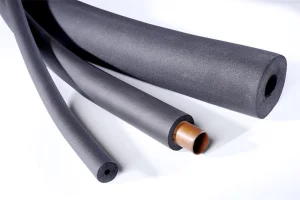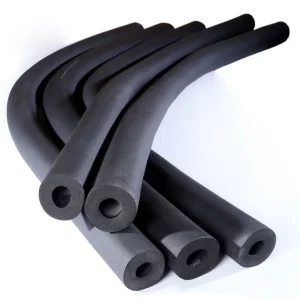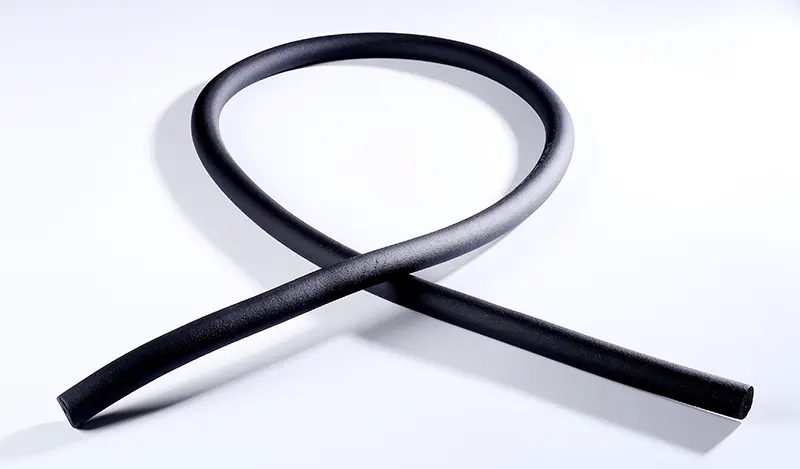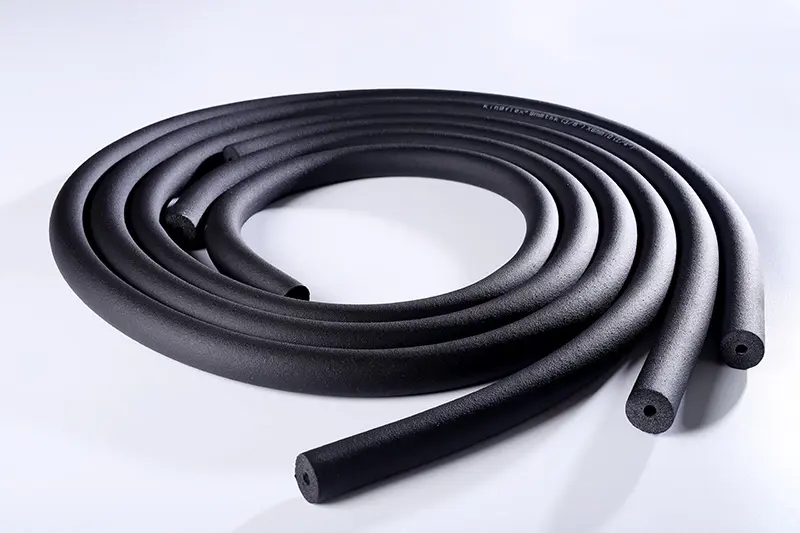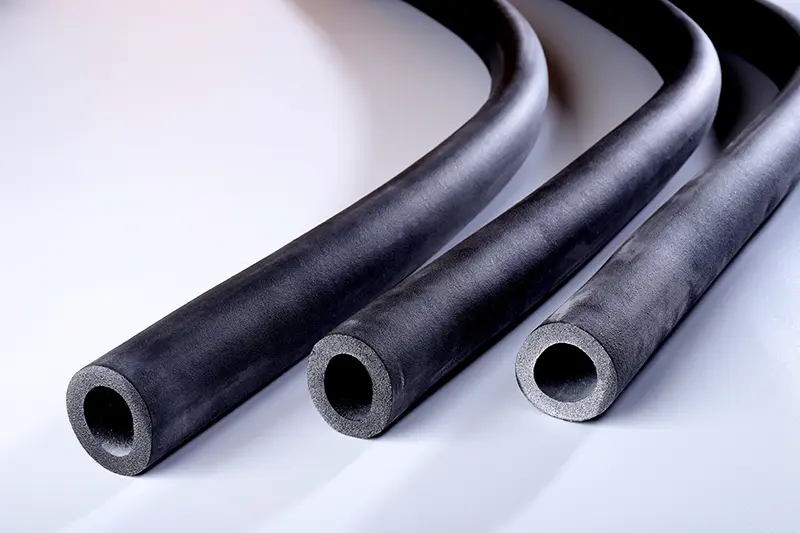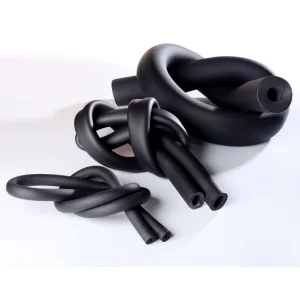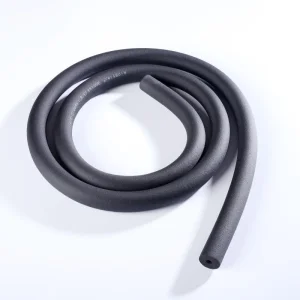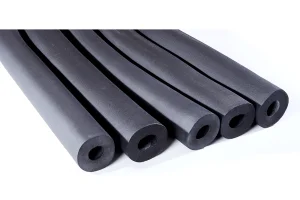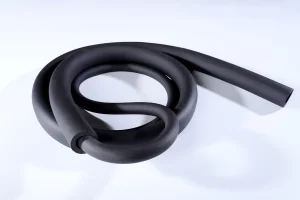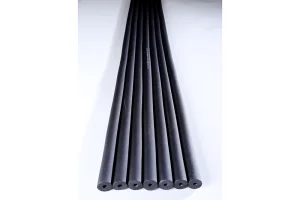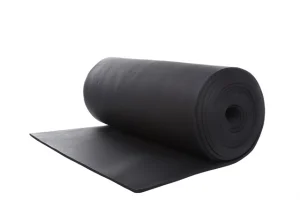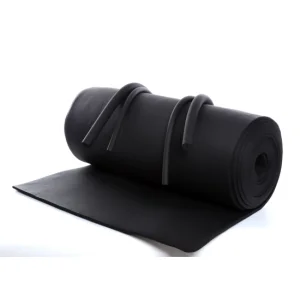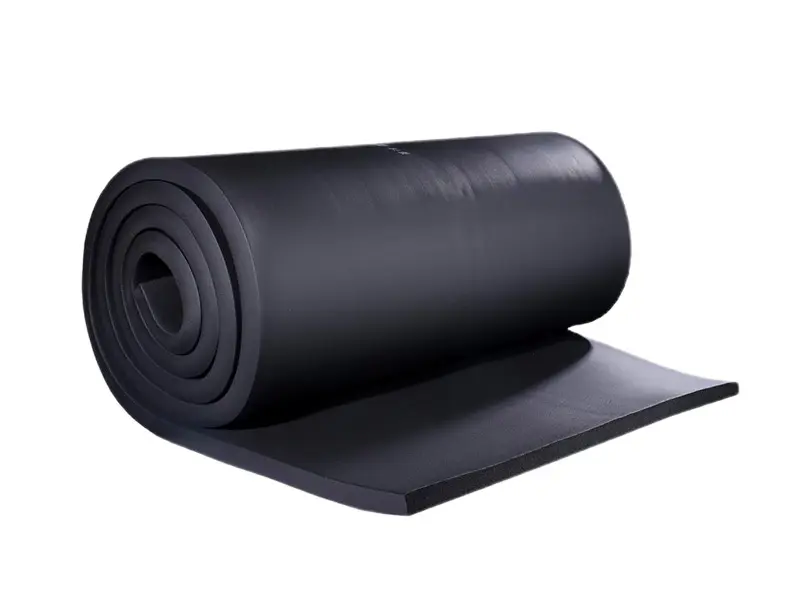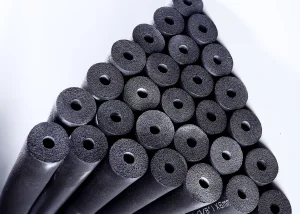
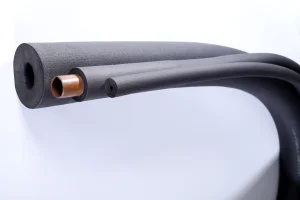
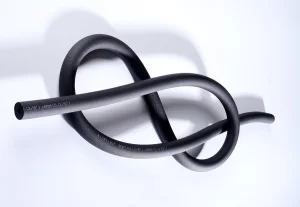
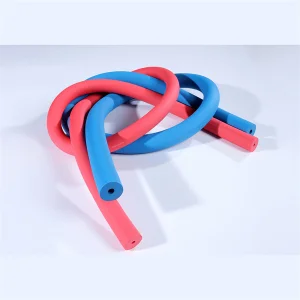
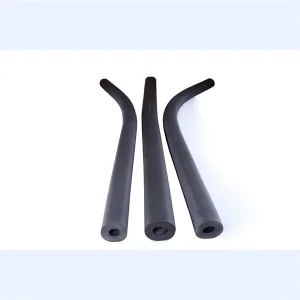
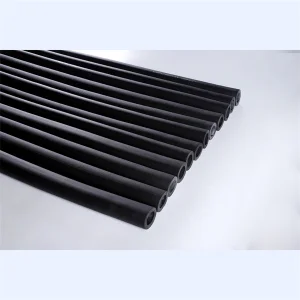
The global demand for high-performance elastomeric insulation solutions is experiencing unprecedented growth. At the core of this transition is the optimization of thermal systems, HVAC system operations, and energy preservation policies in green constructions. Rubber foam insulation tubes, predominantly synthesized from a vulcanized NBR (nitrile-butadiene rubber) and PVC (polyvinyl chloride) blend, represent the gold standard for high-performance thermal insulation. The structural architecture of this material features a closed-cell rate exceeding 98%, which restricts molecular vapor movement and locks down pockets of dry, stagnant air, providing excellent insulation.
From a macro commercial standpoint, industrial manufacturers are shifting from simple volume production to advanced raw material customization. The integration of zero-ozone depletion blowing agents (zero ODP) and low global warming potential (low GWP) alternatives is reshaping chemical manufacturing routes. Leading global economies, particularly in the European Union and North America, have established strict flammability standards (such as BS 476 Part 6 & 7, ASTM E84, and UL94). This makes it essential for factories to improve their production technologies to supply compliant material globally.
Kingflex Insulation Co., Ltd. is a professional manufacturing and trading combo for thermal insulation products. Our research, development, and production facility is located in Dacheng, China, a widely recognized hub for green building materials. As an energy-saving, environmentally friendly enterprise, we integrate research, development, manufacturing, and global sales under one roof. In operation, Kingflex takes energy saving and consumption reduction as its core concept.
We provide comprehensive solutions for thermal insulation, cold insulation, and noise reduction. Our services guide projects from the initial consultation and custom material research and development through to manufacturing, installation instructions, and dedicated post-sale engineering support, leading the development of the global building materials industry.
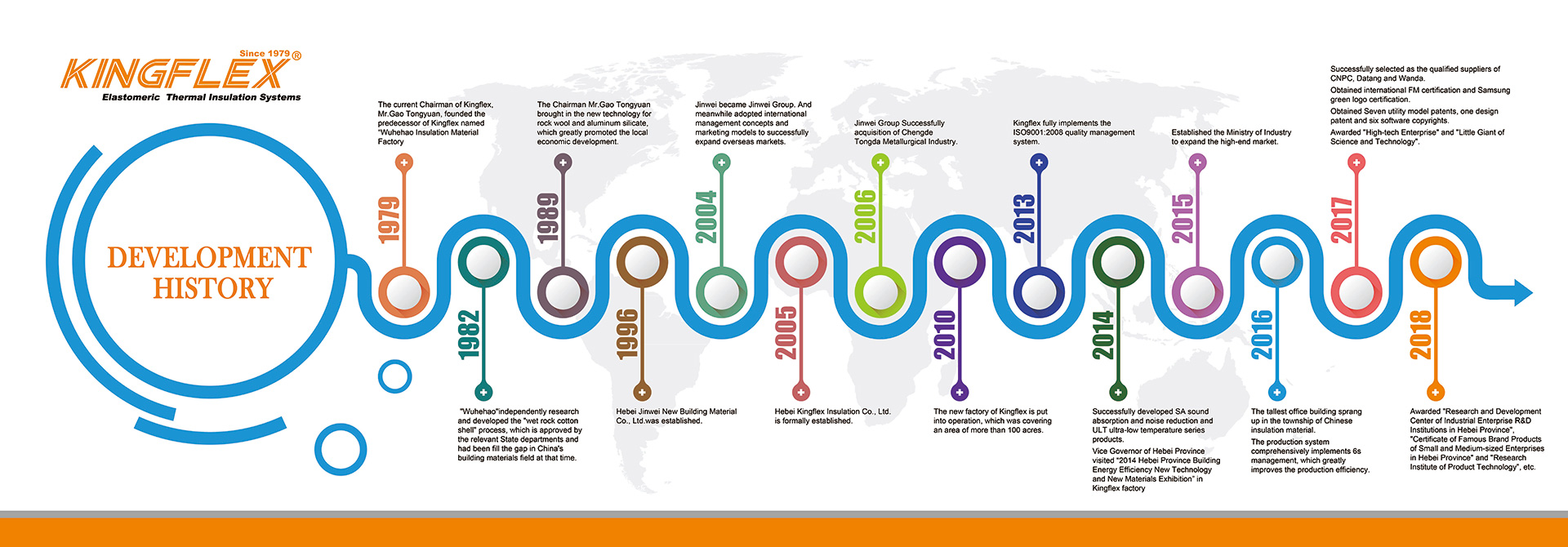
Established by the Jinwei Group, which has more than a 40-year history since its inception in 1979, Kingflex is backed by deep industry experience. Jinwei Group was the first manufacturer of thermal insulation materials north of the Yangtze River, paving the way for thermal conservation technologies in China.

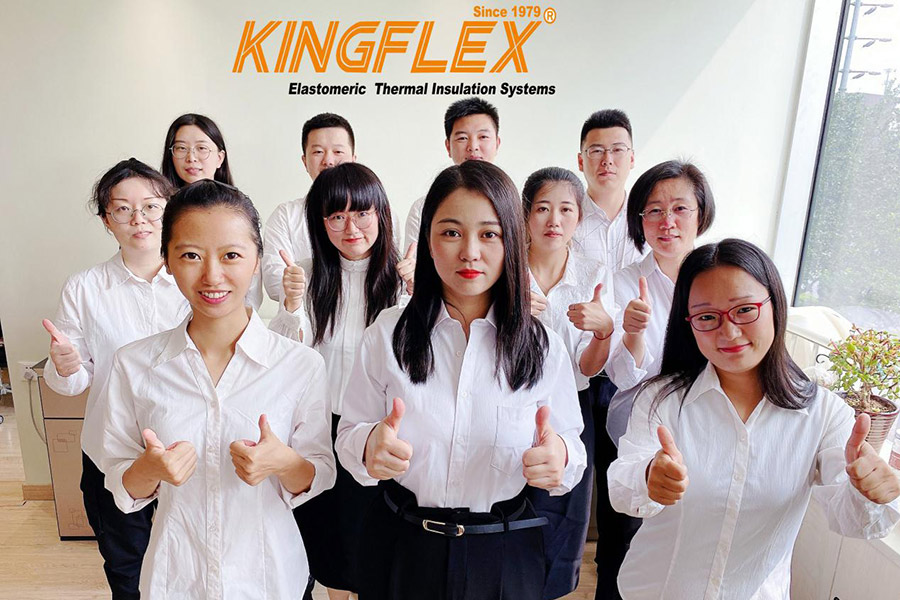
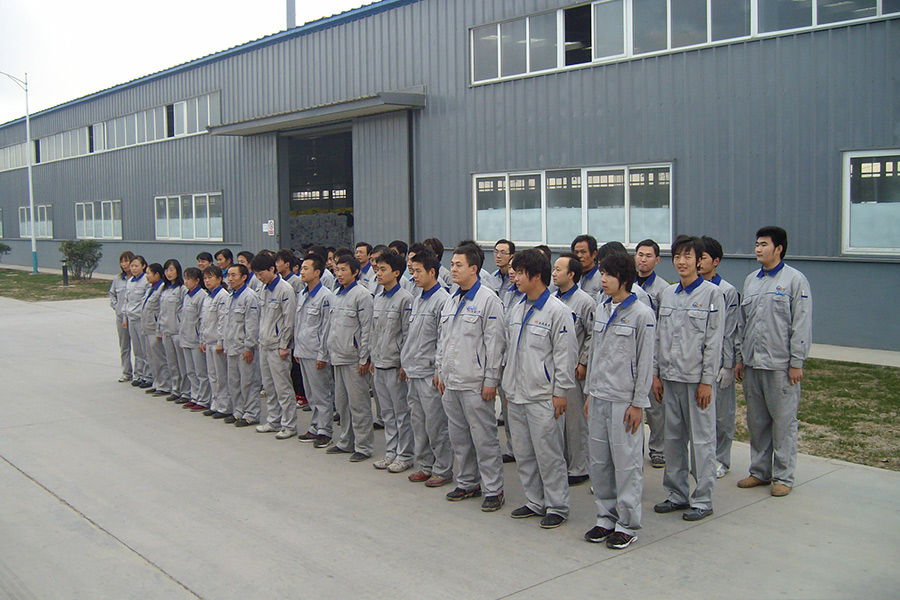
Our team is composed of seasoned material engineers, QA controllers, and international export specialists who drive product quality and supply chain efficiency. Our employees are highly skilled in their own right, but together they make Kingflex a productive and rewarding place to work. The Kingflex team is a tight-knit, talented group with a shared vision of providing consistently first-class service for our clients.
Our engineering division consists of 8 professional engineers in the R&D Department, 6 professional international sales specialists, and 230 skilled production workers. At present, Kingflex operates 5 large automatic assembly lines, maintaining an annual production capacity of over 600,000 cubic meters. We are a designated production enterprise approved by the Ministry of Energy, the Ministry of Electric Power, and the Ministry of Chemical Industry.
Collaborative Team Environment
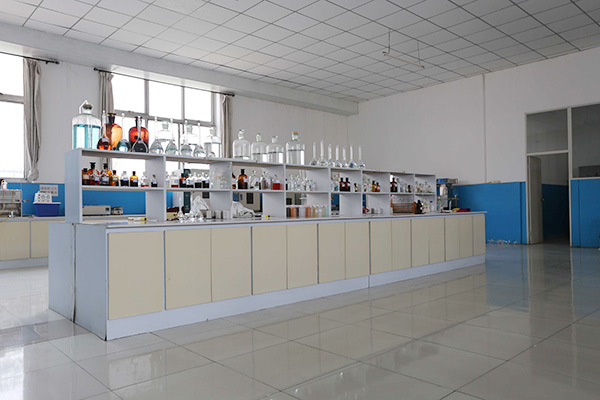
Precision Rheometer Testing

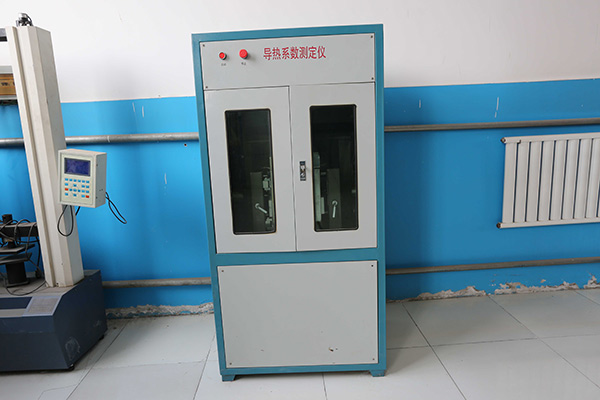
Elastomeric Foam Thermal Diagnostics
Chemical Compounding Station
QC Verification & Compliance Inspection

Export Quality Standards Department
Standard Dimension & Limits:
Product Advantages:
Standard Dimension & Limits:
Product Advantages:
| Physical Parameter | NBR/PVC Foam Tube Standard Value | Test Standard Reference | Industrial Significance |
|---|---|---|---|
| Thermal Conductivity (λ) | ≤ 0.034 W/(m·K) at 0°C | ASTM C518 / ISO 8301 | Prevents thermal transmission, reduces chiller load |
| Moisture Resistance Index (μ) | ≥ 10,000 (Vapor Barrier Built-in) | BS EN 12086 / ISO 12572 | Eliminates external vapor barrier requirements |
| Fire Safety Rating | Class 0 / Class 1 / V-0 | BS 476 Parts 6 & 7 / UL 94 | Ensures high flame retardancy and self-extinguishing |
| Dimensional Shrinkage | ≤ 4% at 105°C | ASTM C534 | Maintains tight seams on hot pipelines over years |
| Density Control | 40 - 55 kg/m³ | ASTM D1622 | Balances flexibility with mechanical resistance |
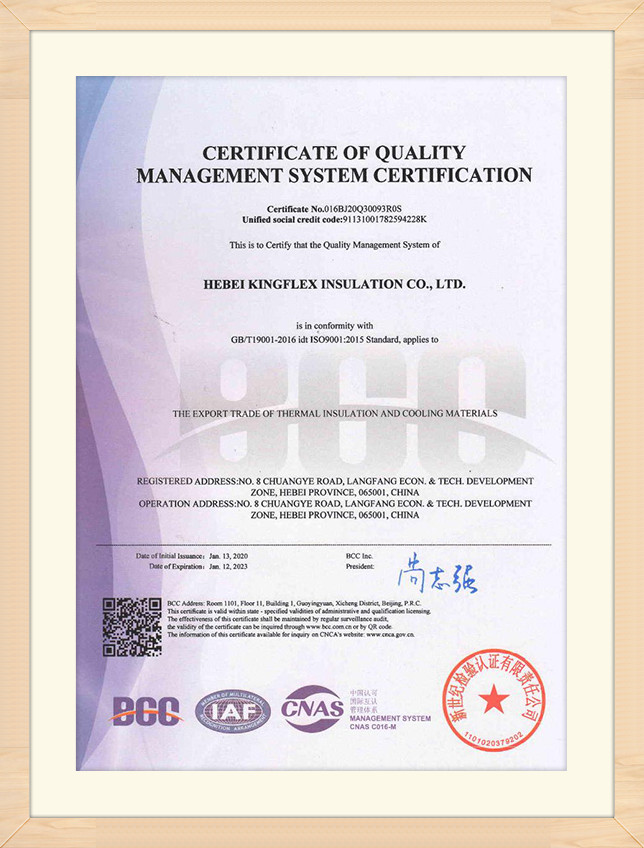


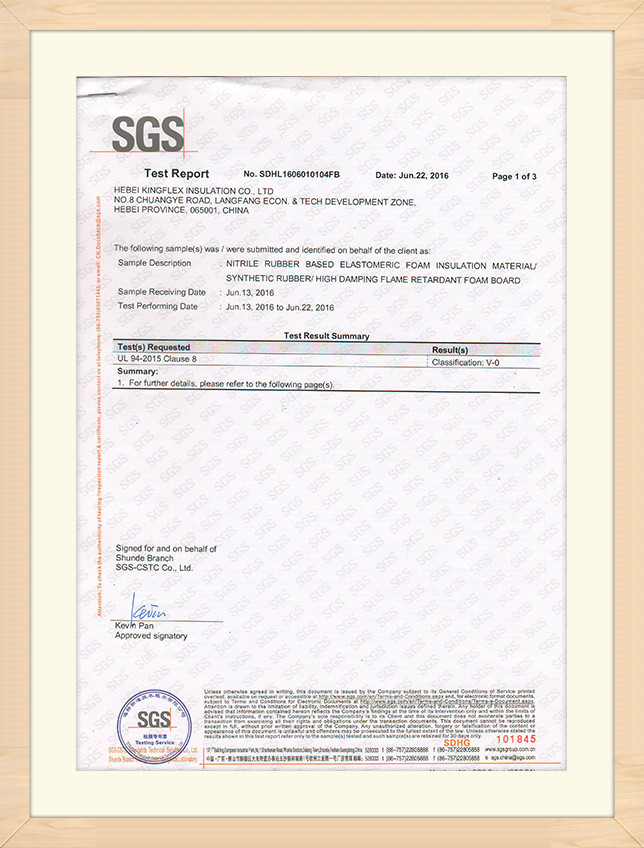

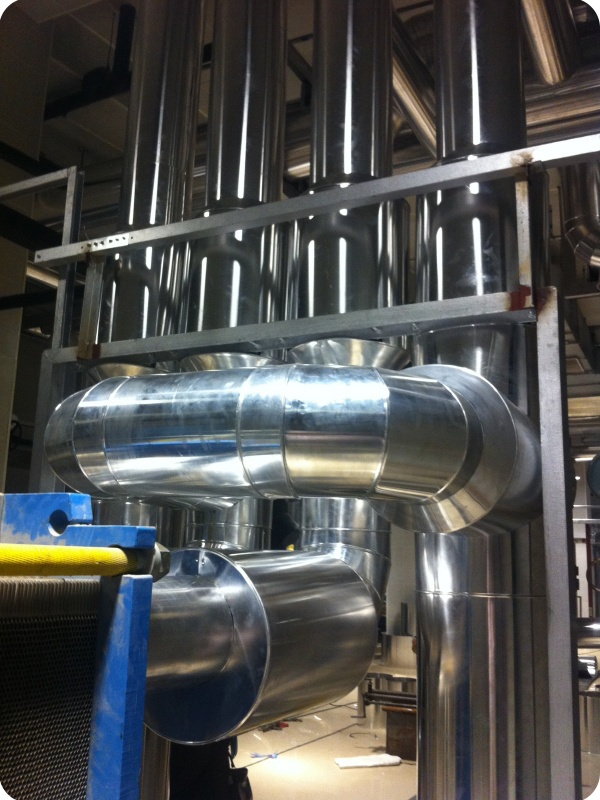
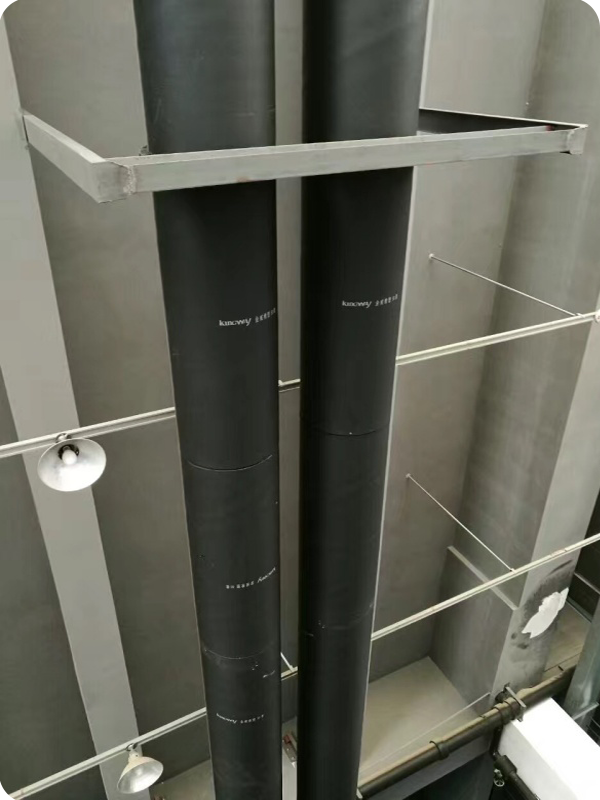
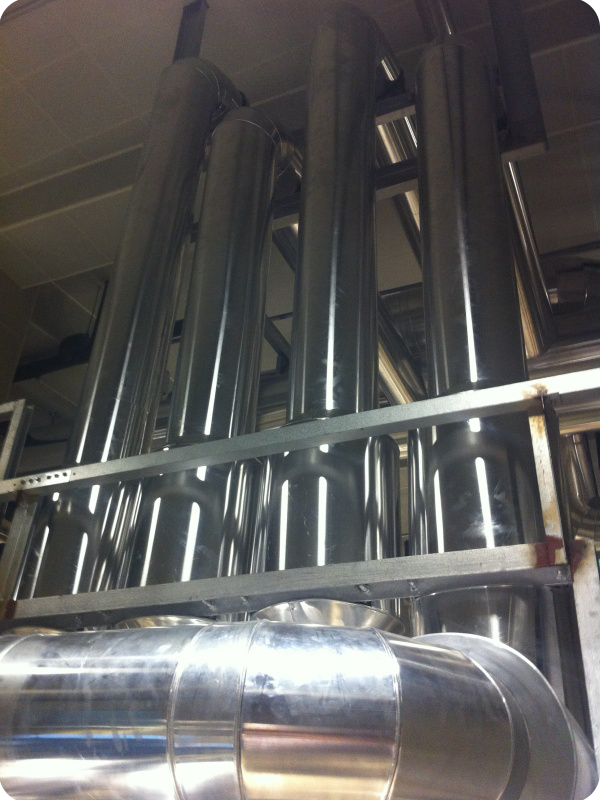
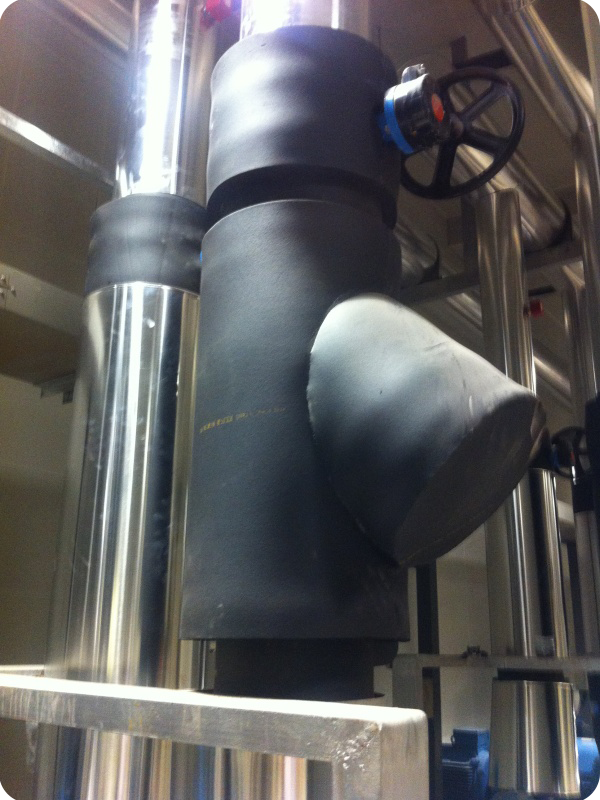
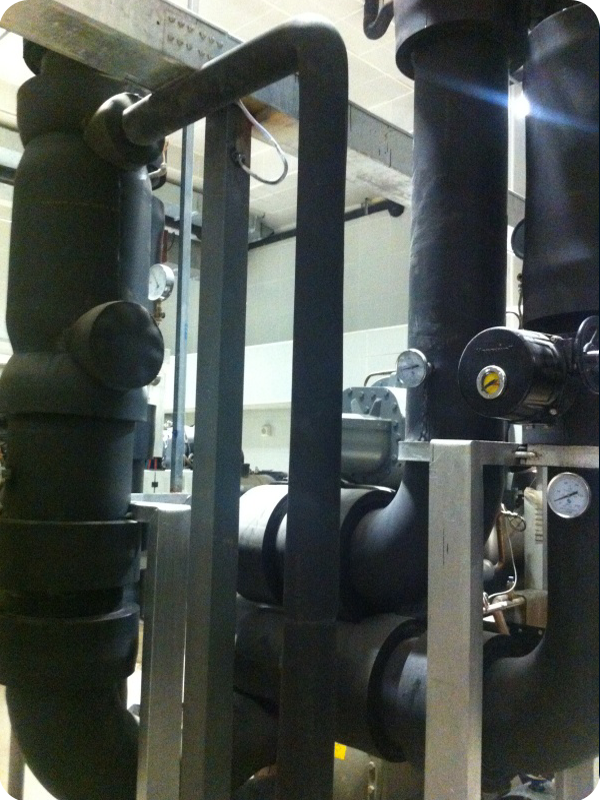
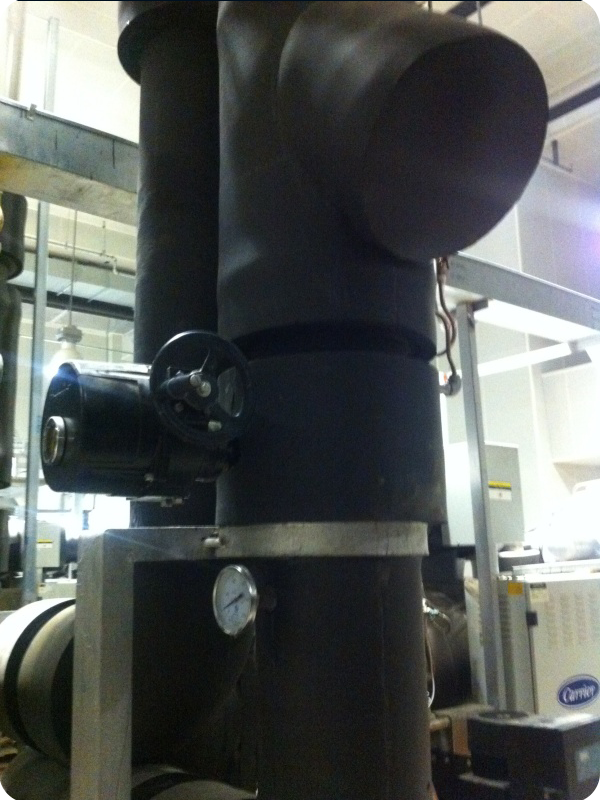
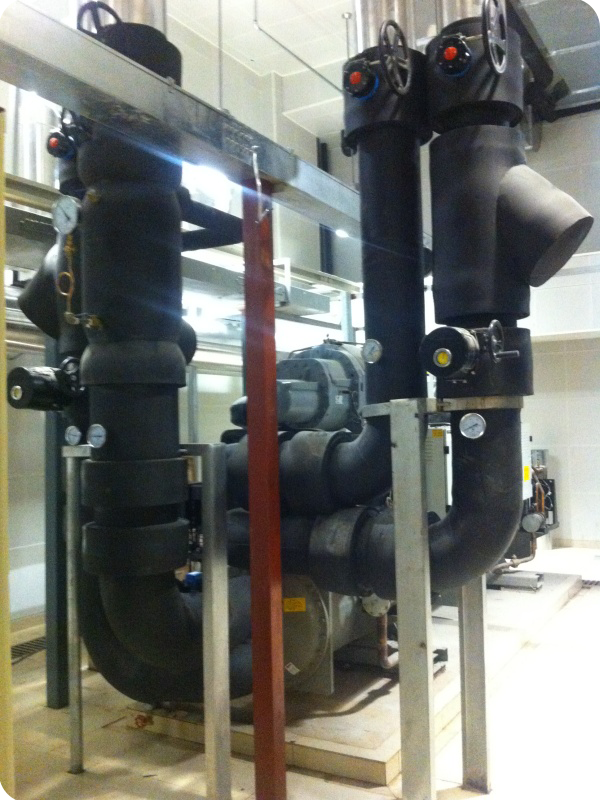
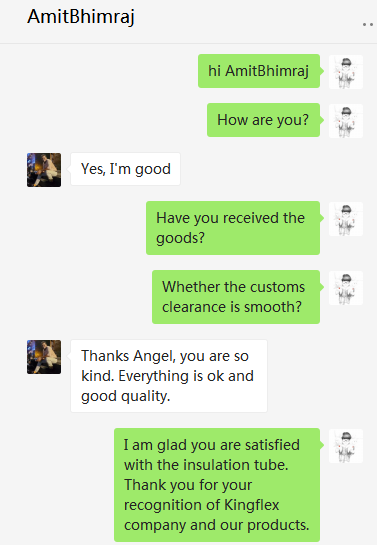
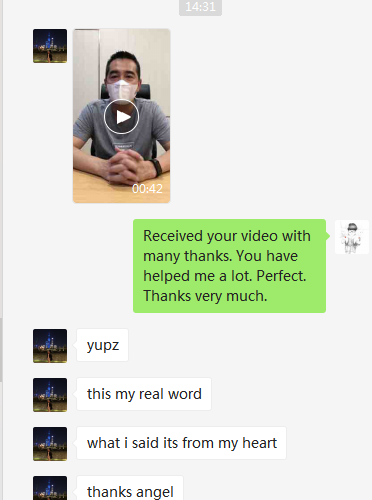
Real-time shipment approvals and customer verification documents



Conventional elastomeric foams often face degradation and density loss under harsh environment cycles. Kingflex research focuses on maintaining structural stability under thermal stress by cross-linking polymers with a custom PVC resin. This matrix locks organic foaming agents inside, resulting in a uniform pore size distribution between 120 and 180 microns. This cellular structure provides high mechanical compressive strength while maintaining flexibility at sub-zero temperatures.
CUI is a major issue in petrochemical and industrial facilities. Moisture ingress can cause carbon steel pipes to oxidize rapidly, often hidden beneath insulation materials. Kingflex NBR/PVC closed-cell structure has a moisture diffusion resistance factor (μ-value) ≥ 10,000, creating a built-in vapor barrier. The material's chemical design remains neutral on copper and steel pipes, preventing acidic chemical breakdown and protecting metal systems.
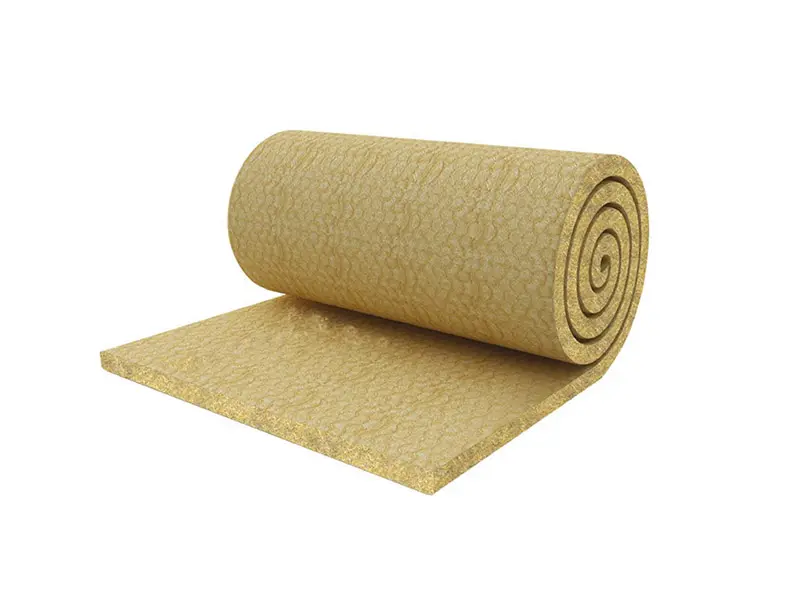
While standard elastomeric rubber foam functions optimally within the -40℃ to +105℃ envelope, next-generation projects require materials that can handle extreme temperatures. Cryogenic pipelines (such as liquefied natural gas or LNG processing loops) require specialized elastomeric systems that stay flexible at temperatures below -150℃ without structural cracking. At high temperatures, Kingflex is integrating rock wool insulation technologies, providing complete thermal systems that can withstand operational levels up to +650℃.
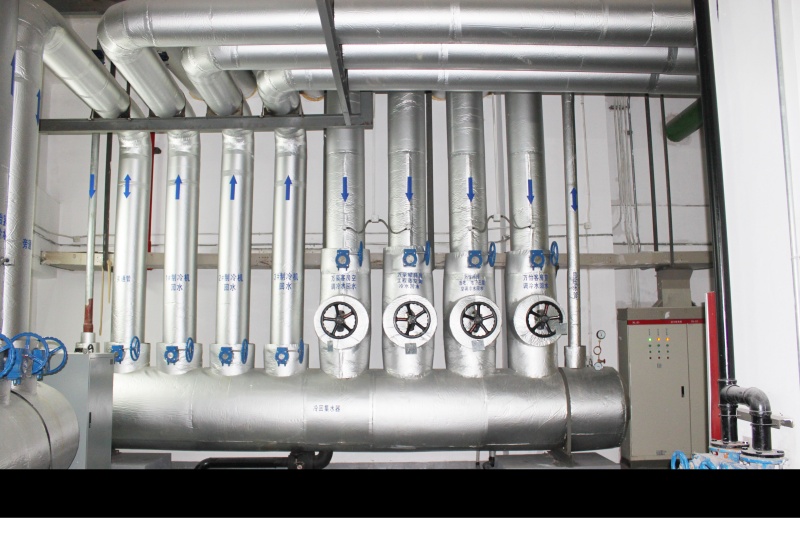


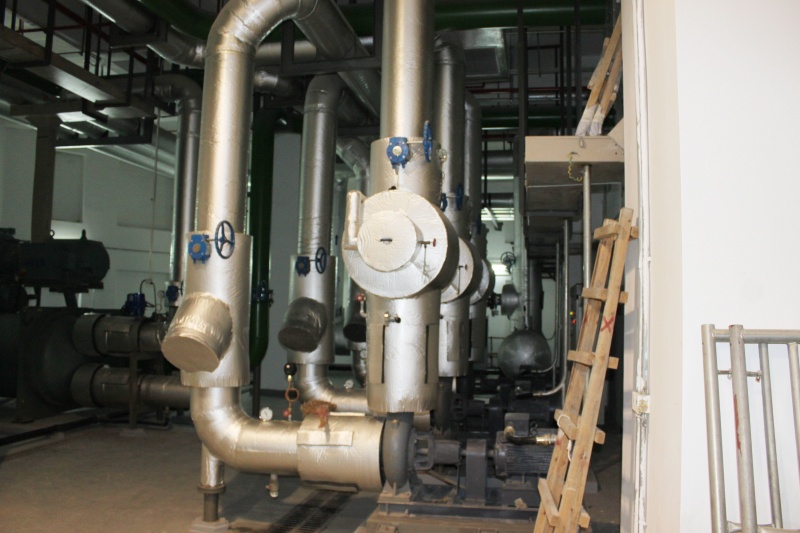
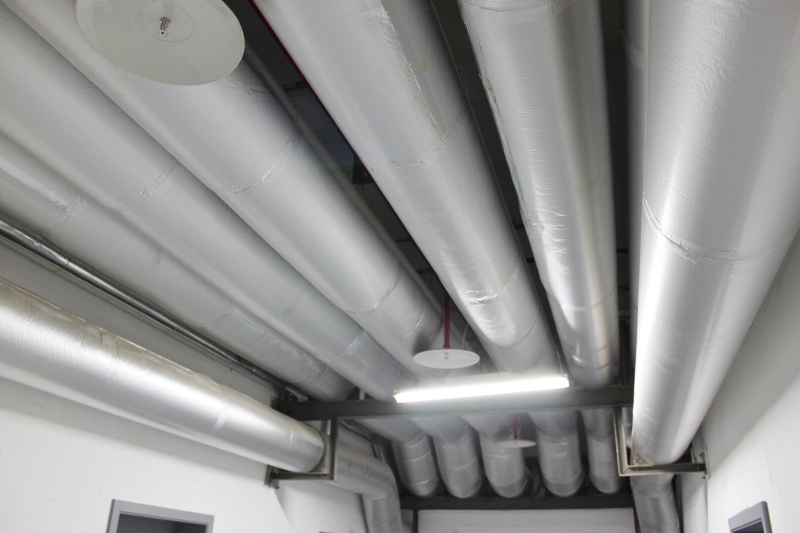
Modern building codes, including ASHRAE 90.1, LEED, and regional energy initiatives, require low thermal conductivity. Using insulation materials with high-density profiles prevents energy loss, reduces heat transfer, and maintains stable temperatures in ventilation networks. By sourcing directly from a scale factory, procurement managers can match material densities (40-55 kg/m³) to structural requirements, ensuring cost-efficient performance in commercial buildings.

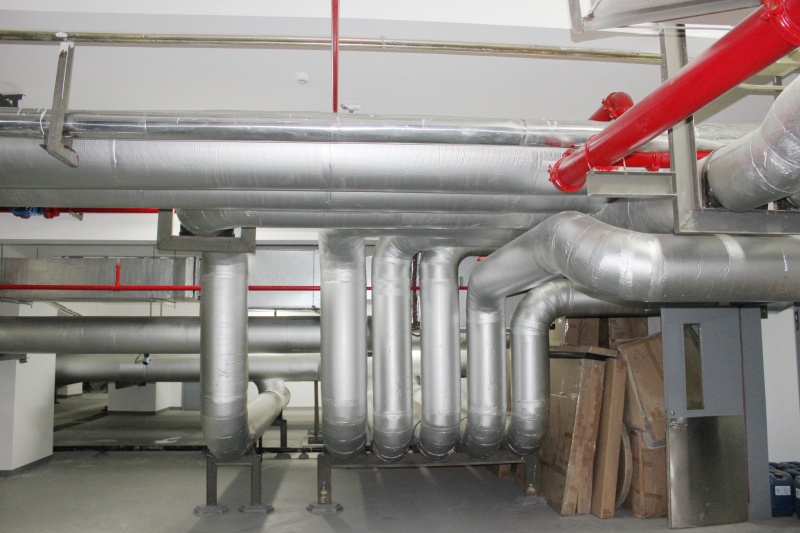
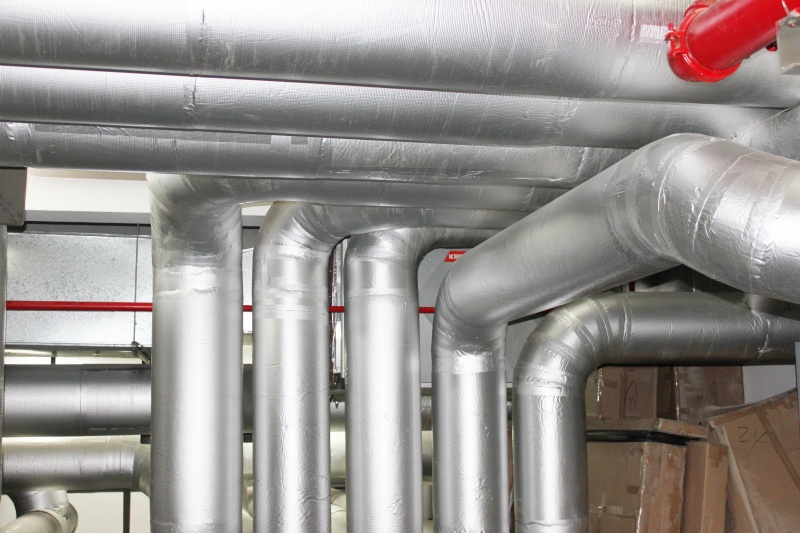
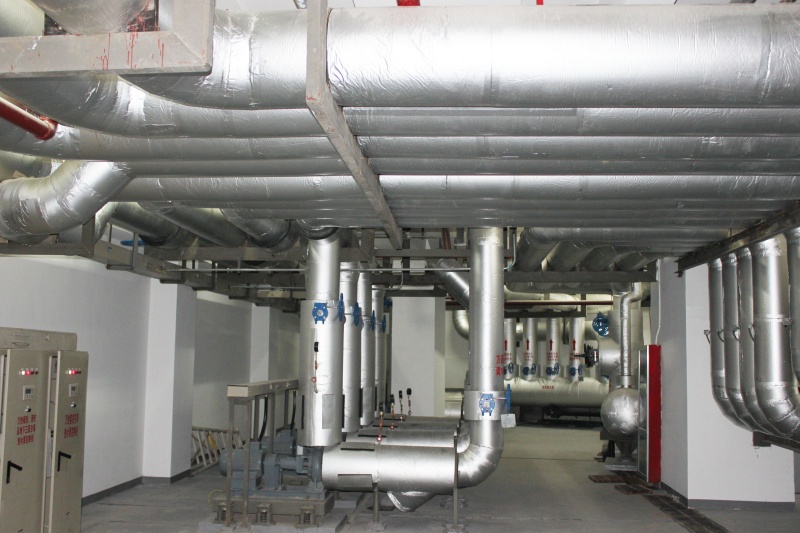
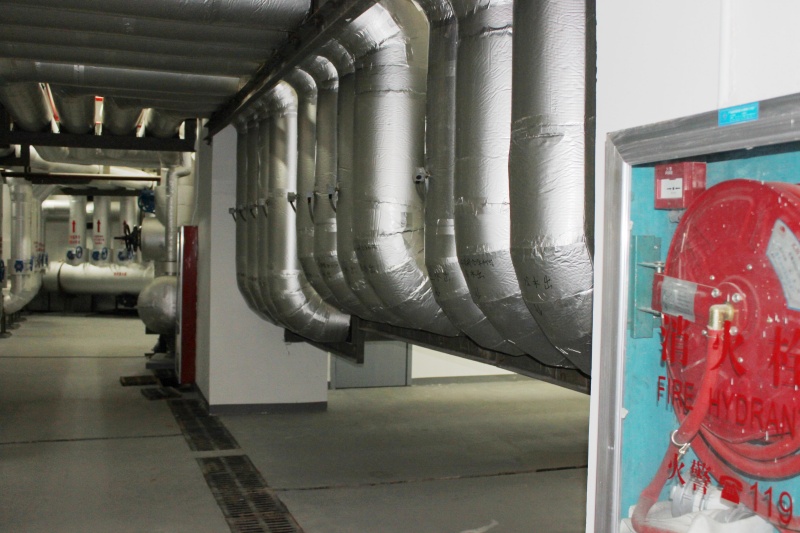
Specifically engineered for sub-zero liquid gas transport systems. Reduces thermal shock risks, controls moisture, and remains flexible to avoid physical cracking.
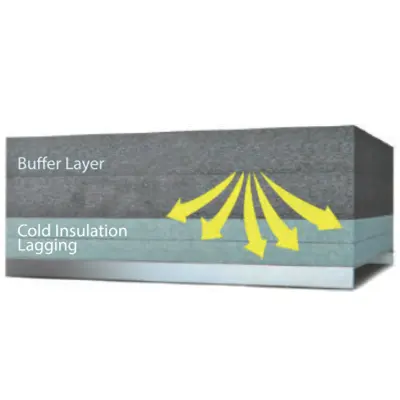
Optimized thickness levels of 6mm-50mm stop condensation and control energy loss in commercial building refrigeration, air handling, and HVAC networks.

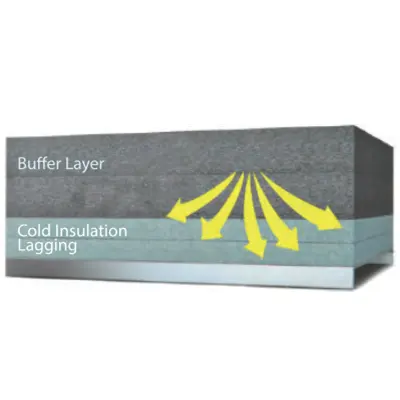
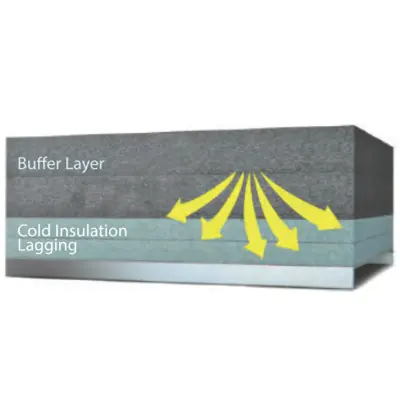
The elastic cell matrix dampens sound waves and structural vibrations in building ventilation shafts, equipment rooms, and chemical processing facilities.

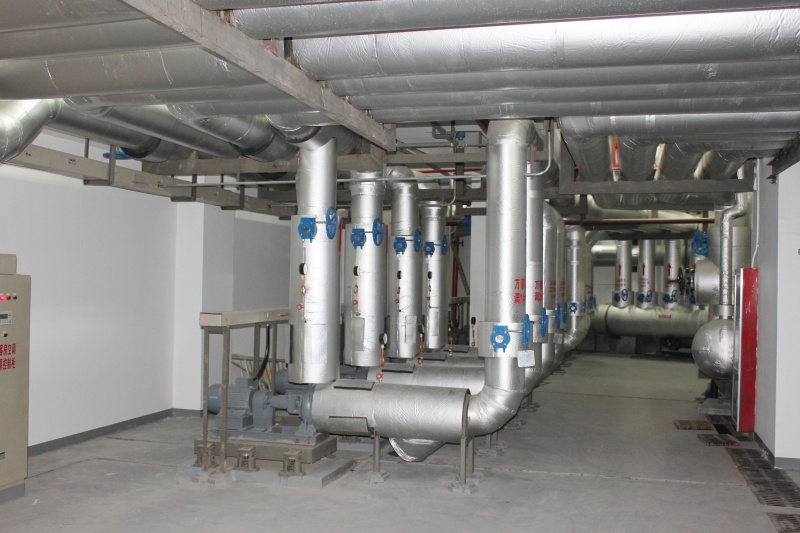








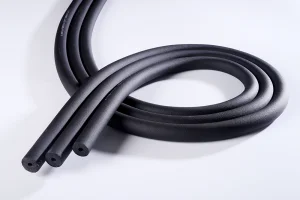
Closed-cell structure blocks moisture vapor transfer, maintaining stable thermal conductivity. Ideal for HVAC chilled water lines, refrigeration loops, and condensate drainage systems.
View Category Data →High-temperature resilience with lightweight fibrous configuration. Suited for larger-diameter air conditioning ducts, mechanical room walls, and industrial process pipelines.
View Category Data →High temperature fire-safety barriers designed to withstand constant exposure up to 650°C. Protects plant piping, furnaces, and boiler facilities from thermal leaks.
View Category Data → Kingflex