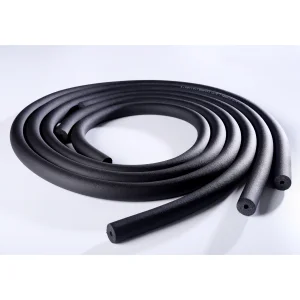
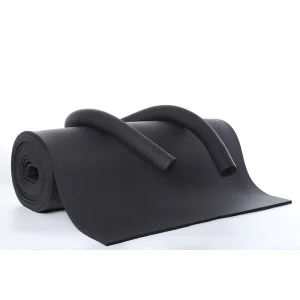
Explore our core engineering catalog featuring advanced closed-cell flexible sheets, tubes, and performance-tested thermal systems.
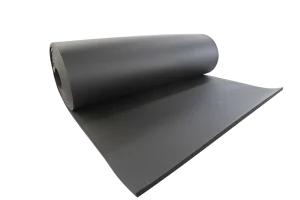
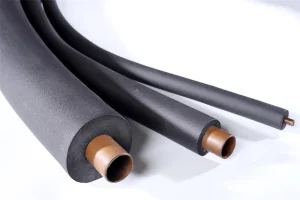
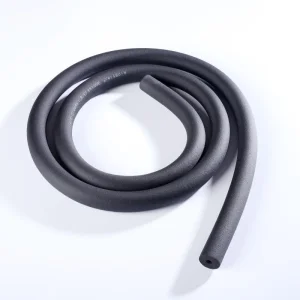
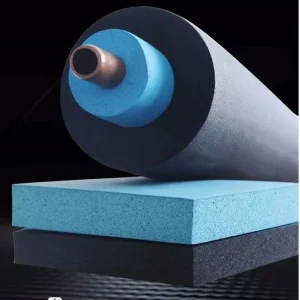
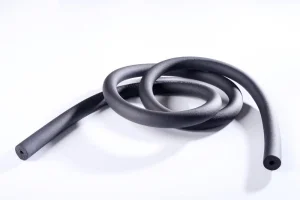
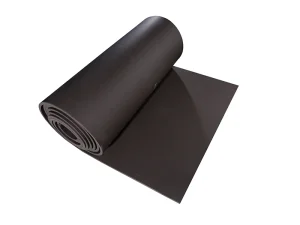
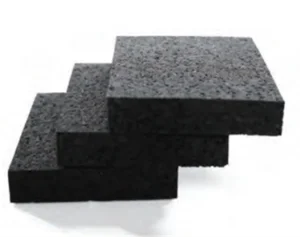
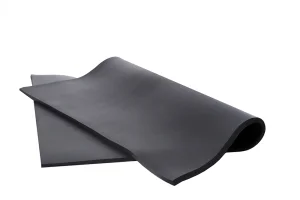
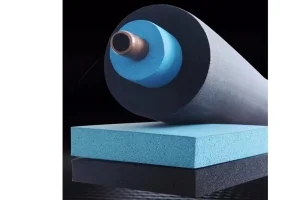
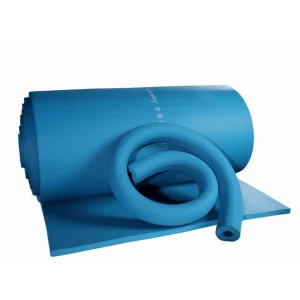
In modern building physics and advanced industrial systems, thermal efficiency is no longer merely a regulatory checkmark but a core operational priority. As global energy consumption regulations tighten, the demand for high-performance thermal insulation materials has surged. Among these materials, **flexible elastomeric foam (FEF)**—commonly referred to in commercial procurement as rubber foam sheets—has emerged as a foundational technology. Manufactured using premium synthetic polymers such as Nitrile Butadiene Rubber (NBR) blended with Polyvinyl Chloride (PVC), these materials are critical in mitigating thermal transfer, eliminating moisture condensation risks, and offering acoustic attenuation across commercial construction, aerospace, marine, cryogenic, and petrochemical fields.
Currently, the global manufacturing hub for green-building insulation materials is heavily consolidated in Dacheng, China. This region operates as the technical center for R&D, processing, and distribution of elastomeric materials. Companies like Kingflex Insulation Co., Ltd. lead this ecosystem. Backed by the historical legacy of the Jinwei Group (established in 1979 as the pioneer manufacturer of thermal insulation north of the Yangtze River), Kingflex has engineered highly automated, high-precision extrusion and foaming lines. With an annual capacity exceeding 600,000 cubic meters, Kingflex represents the standard of Chinese industrial capability, exporting high-density, multi-layer NBR/PVC sheets and pre-formed tubes to over 66 countries.

The outstanding thermal performance of NBR/PVC elastomeric rubber foam sheets is directly linked to their internal microcellular structure. During manufacturing, the polymer matrix is subjected to high-pressure nitrogen gas injection, resulting in a dense, uniform grid of independent cells. Unlike open-cell materials like fiberglass or open-cell polyurethane, which permit gaseous convection and moisture migration, a closed-cell rate of over 98% traps static air pockets. Because dry static air has an extremely low thermal conductivity (λ ≈ 0.024 W/m·K at 0°C), this microscopic layout yields an aggregate thermal conductivity of ≤ 0.034 W/m·K at 0°C.
Furthermore, the polymer matrix itself resists liquid water penetration. In HVAC and low-temperature process piping, condensation is the primary driver of insulation failure and under-insulation corrosion (Corrosion Under Insulation, or CUI). Kingflex rubber foam sheets feature a high moisture resistance factor (μ value), creating a built-in vapor barrier that remains fully functional even if the outer surface is nicked.
For international procurement departments evaluating OEM/ODM rubber foam factories, reliable supply chains and strict quality control systems are essential. Kingflex operates as a fully integrated manufacturing and trading system, removing middlemen to offer transparent pricing and direct technical accountability.
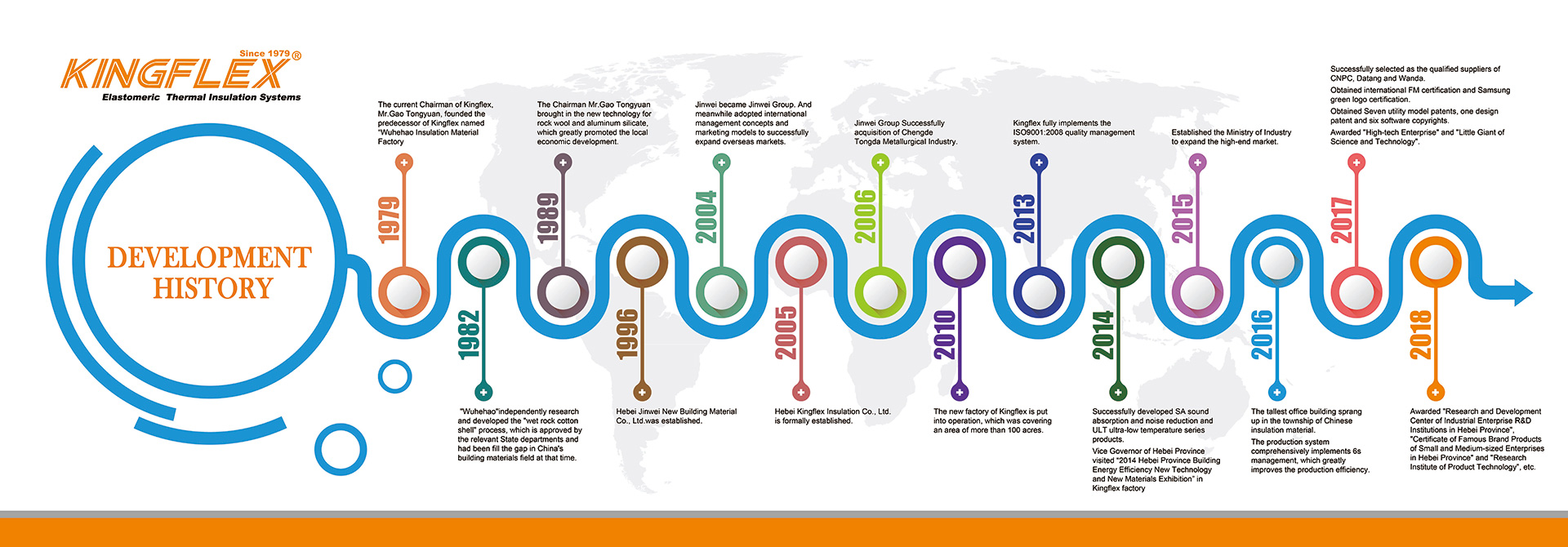
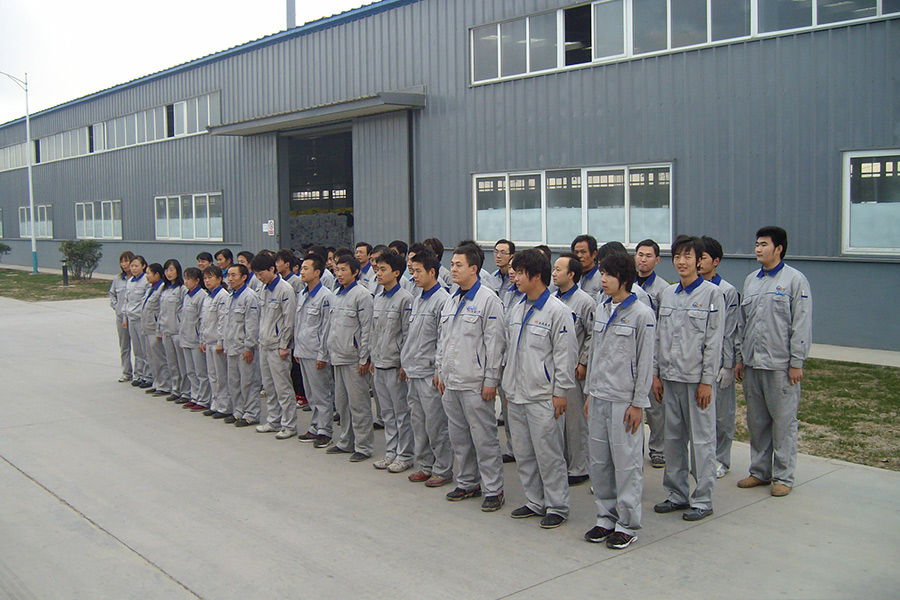
Established in 1979 under the Jinwei Group, Kingflex has accumulated over 40 years of industrial heritage. Today, the factory floor spans multiple fully automated assembly lines designated by the Chinese Ministry of Energy and the Ministry of Chemical Industry for critical infrastructure supply.
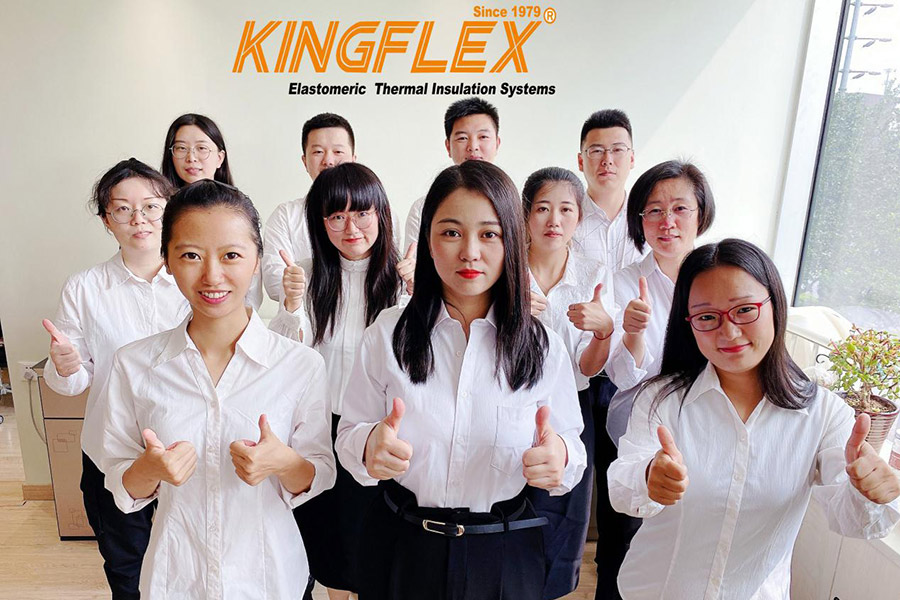
The factory employs an in-house engineering team comprising 8 dedicated R&D engineers, 6 international sales consultants, and a highly trained workforce of 230 operators. This team oversees every stage of manufacturing, from compound mastication and extrusion to continuous vulcanization and dynamic foaming. This internal control ensures that every batch of Kingflex NBR foam sheets conforms strictly to ASTM, BS 476, and European CE standards.
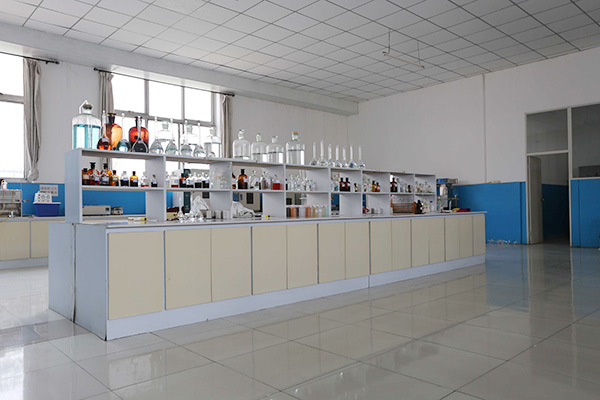

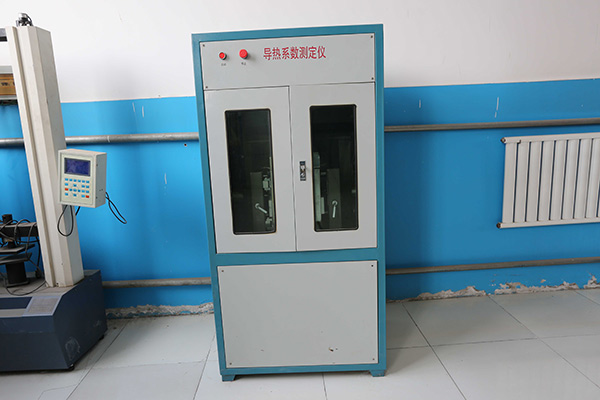
In the global commercial insulation market, product documentation is essential. Building code enforcement agencies, marine registries, and mechanical consultants require verified laboratory test reports to certify project safety.
Assures class-leading performance in flame spread index and heat release rate testing under British Standards (Part 6 and 7).
Conforms to EU safety, health, and environmental protection requirements, confirming zero hazardous chemical off-gassing.
Restricts harmful substances and ensures self-extinguishing behavior without producing highly toxic halogenated smoke.
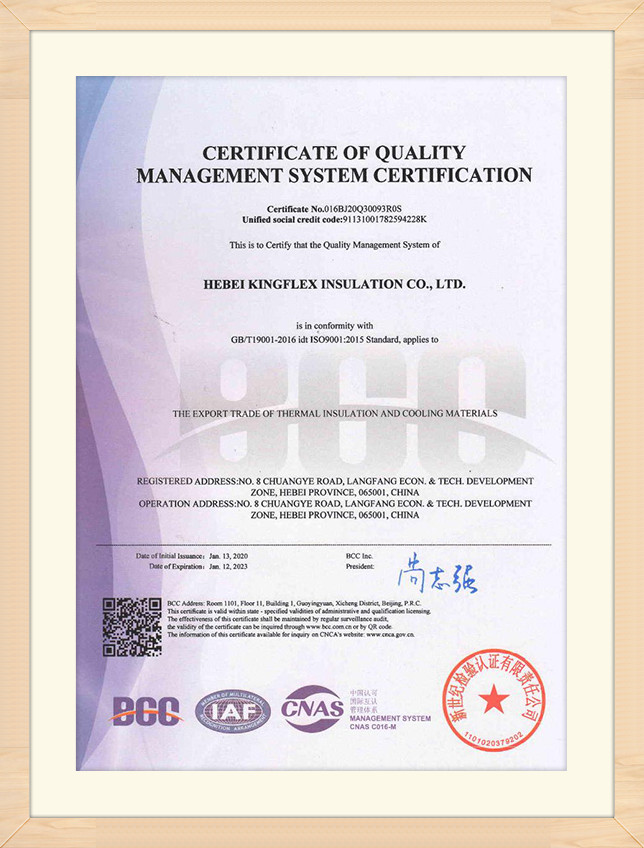


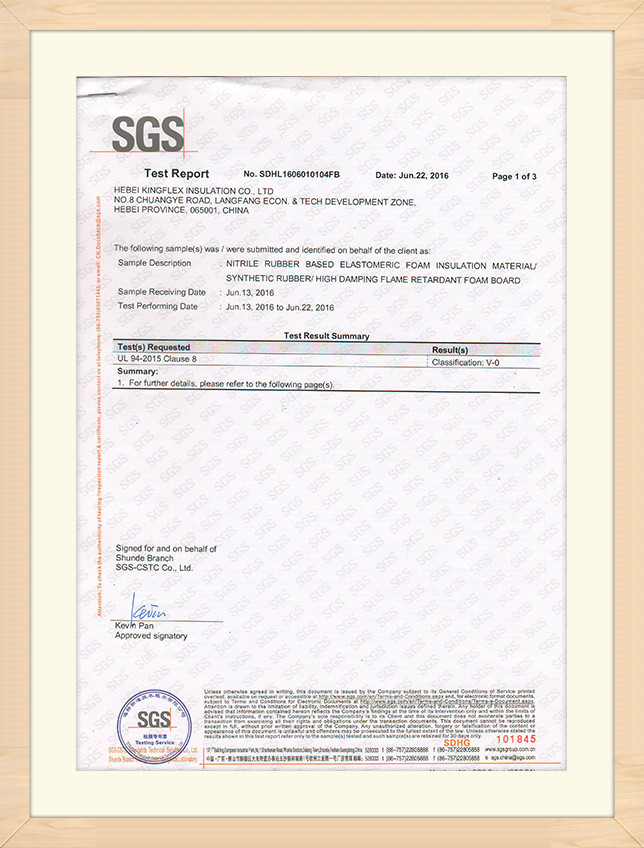
To prove product quality and ensure traceabilty, Kingflex maintains archived records of factory runs and raw material inputs. This high level of diligence protects engineers, contractors, and building owners from failures caused by poor-quality alternatives.
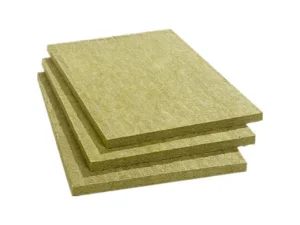
Specifying engineers often compare flexible rubber foam with rock wool (mineral fiber) insulation. Both play critical roles in mechanical systems, but their performance profiles match different application parameters.
| Performance Feature | NBR/PVC Elastomeric Rubber Foam | Rock Wool Insulation (Mineral Fiber) |
|---|---|---|
| Physical Structure | Closed-cell matrix (>98% cell closure) | Open-cell fibrous structure |
| Moisture Resistance | Excellent resistance (built-in vapor barrier) | Hydrophilic (requires external vapor jacket) |
| Thermal Conductivity (λ) | ≤ 0.034 W/m·K at 0°C (highly stable) | ≤ 0.038 W/m·K at 25°C (subject to degradation if damp) |
| Flexible/Acoustic Profile | Highly flexible; excellent structural vibration damping | Semi-rigid; excels in acoustic air absorption |
| Service Temperature Limit | -40°C to 105°C (ideal for HVAC & Cryogenics) | Up to 650°C (ideal for industrial steam) |
The versatility of NBR/PVC elastomeric rubber foam sheets allows them to serve multiple sectors. Below are the primary technical applications for this material:
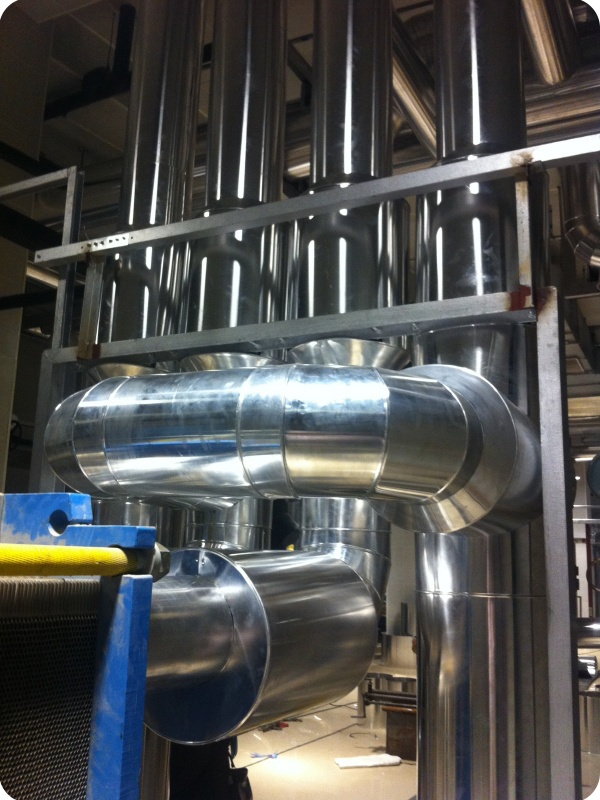
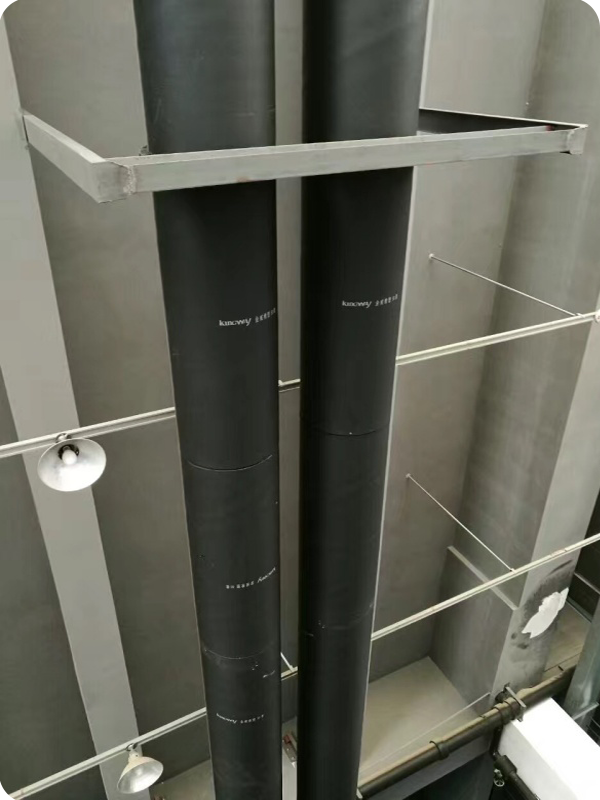
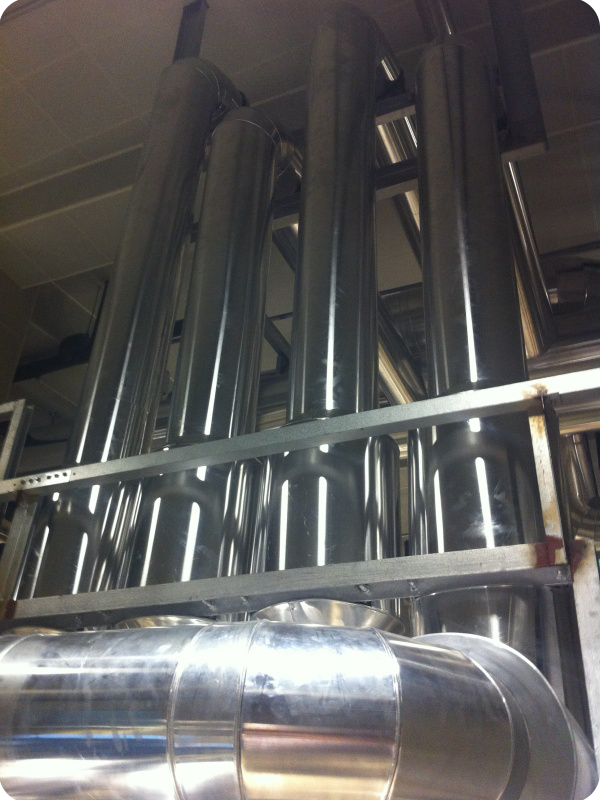
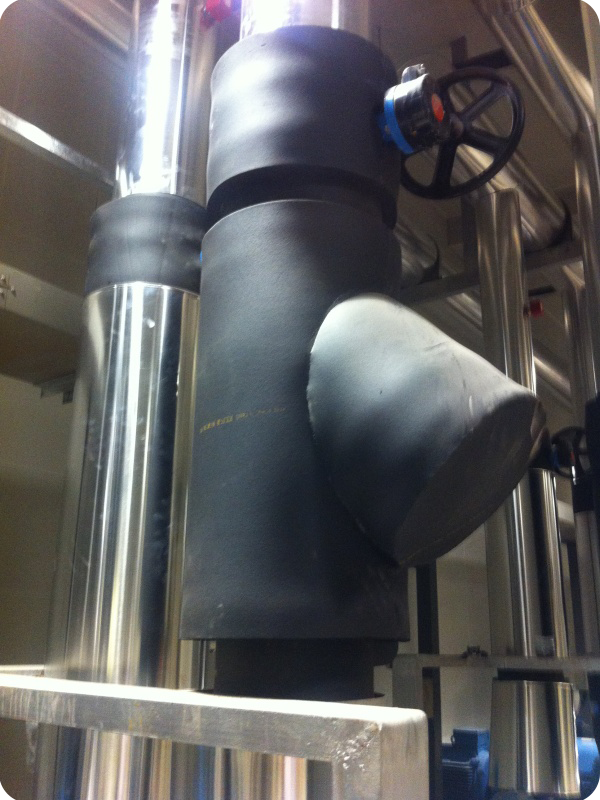
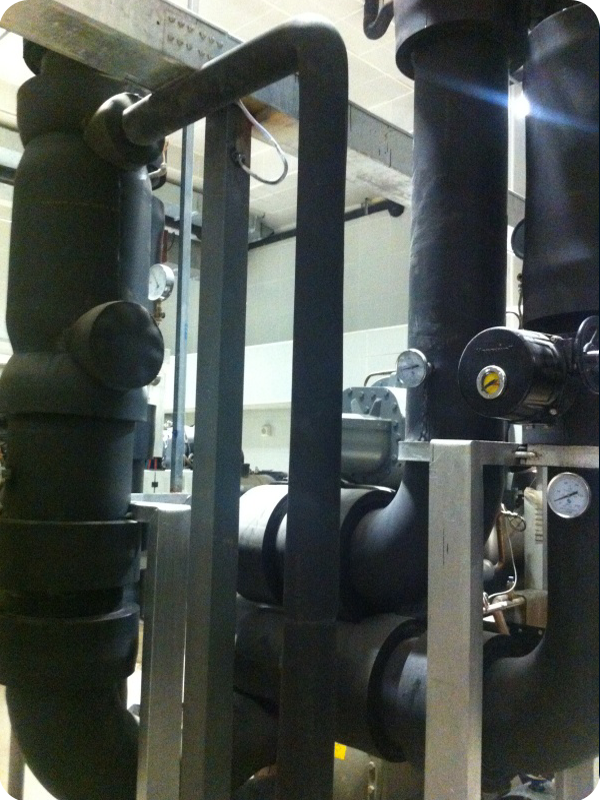
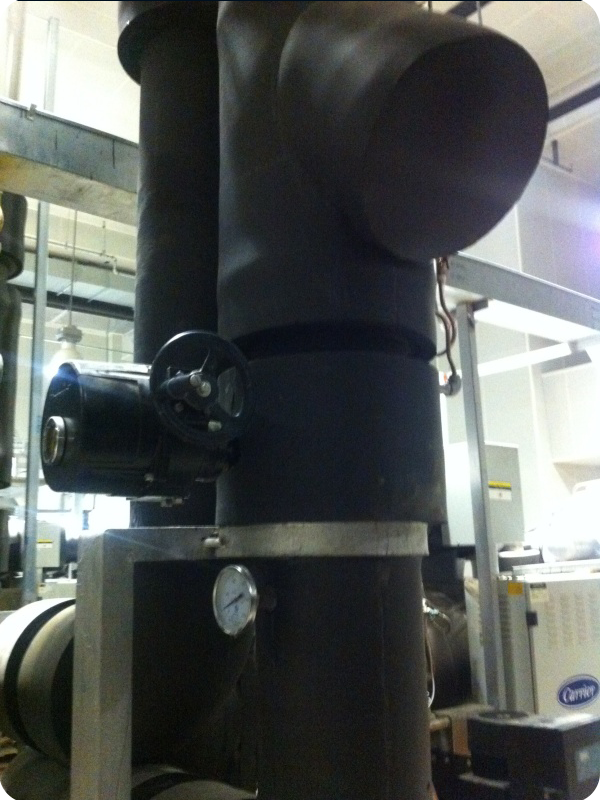
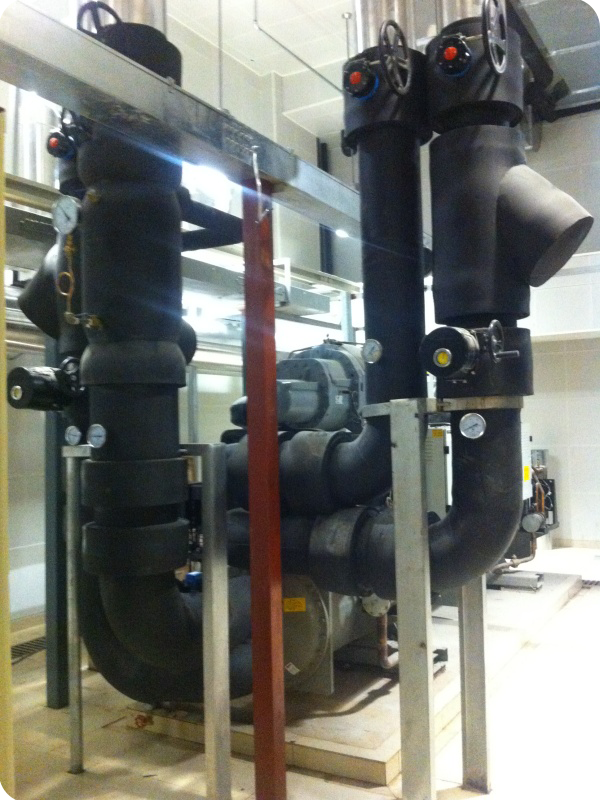
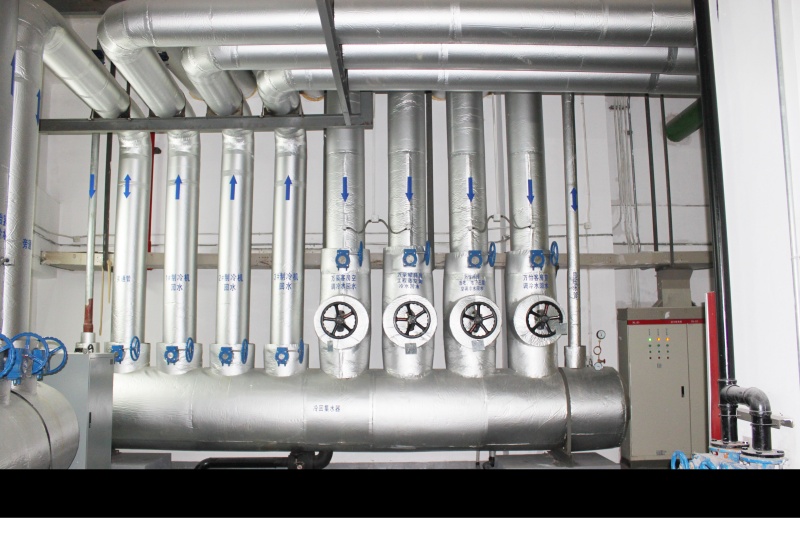
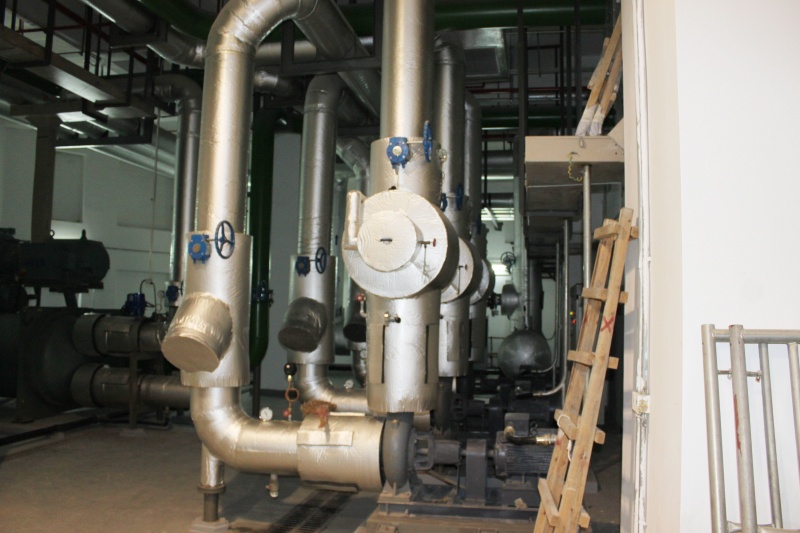
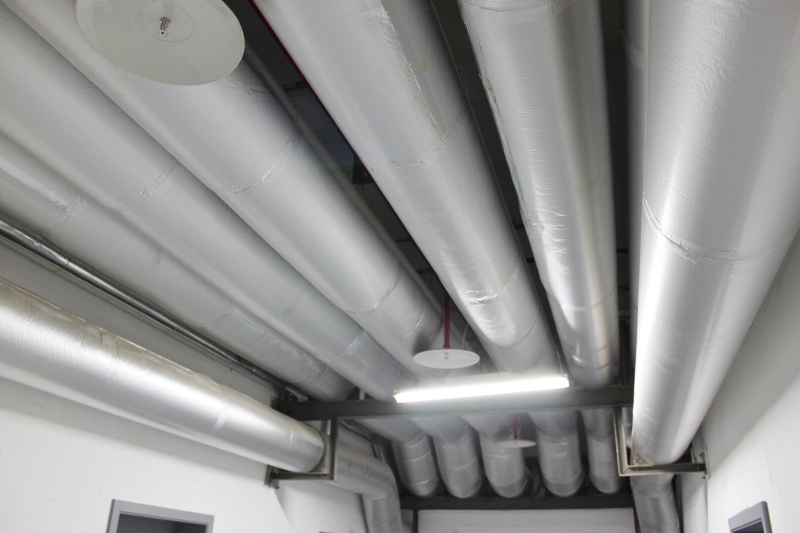
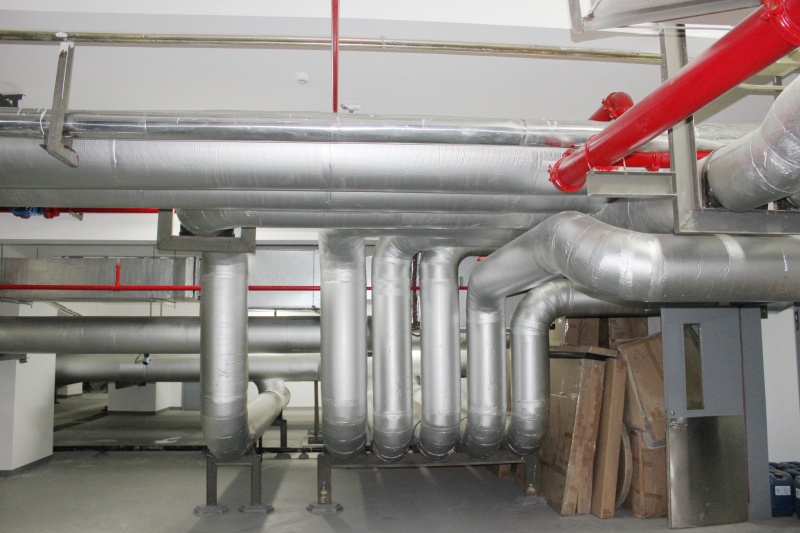
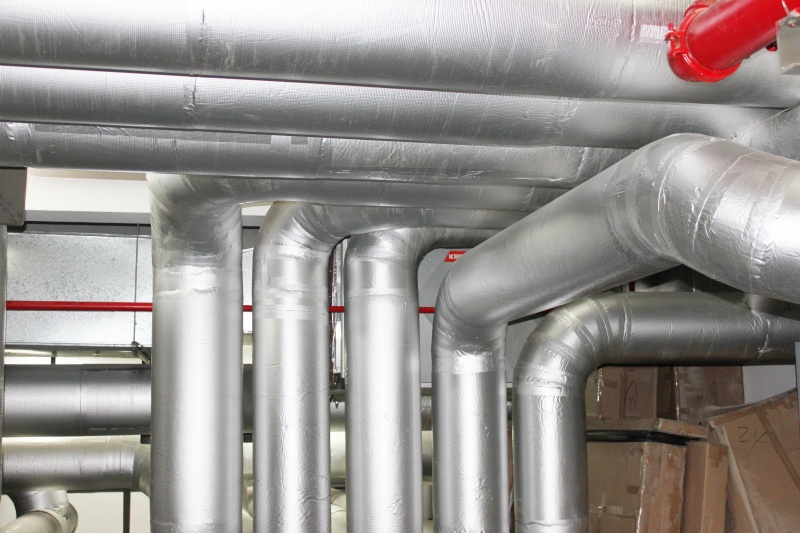
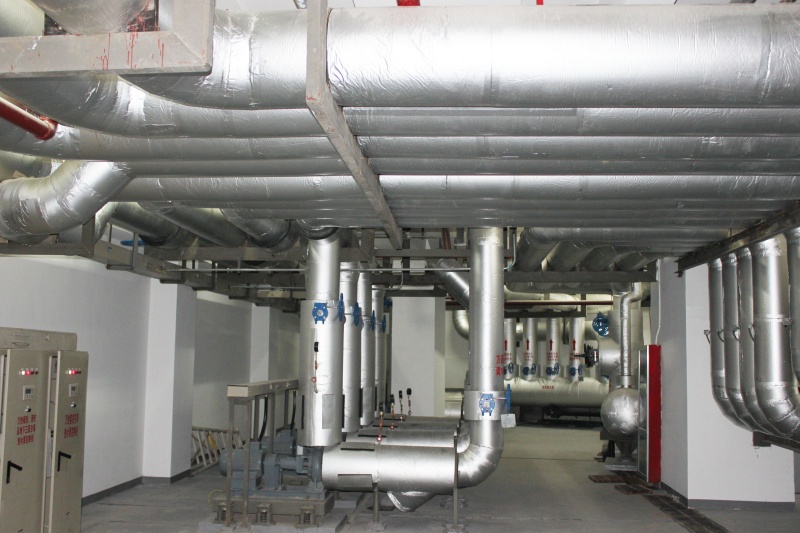
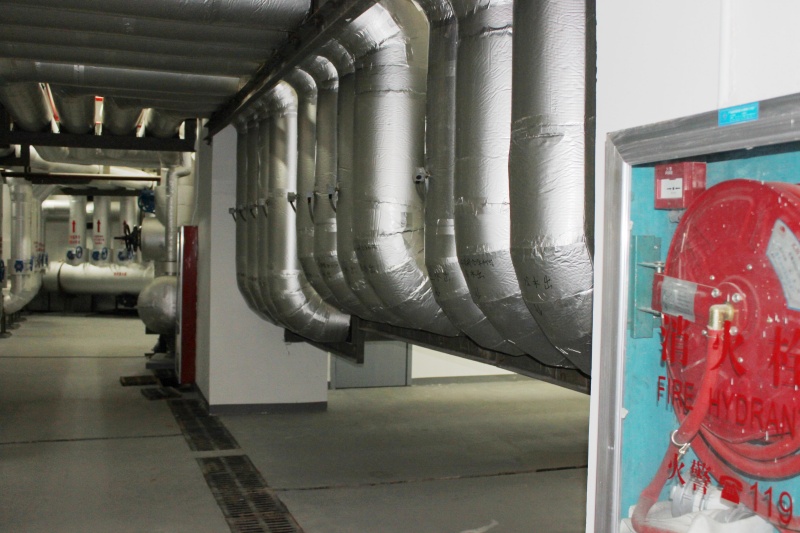
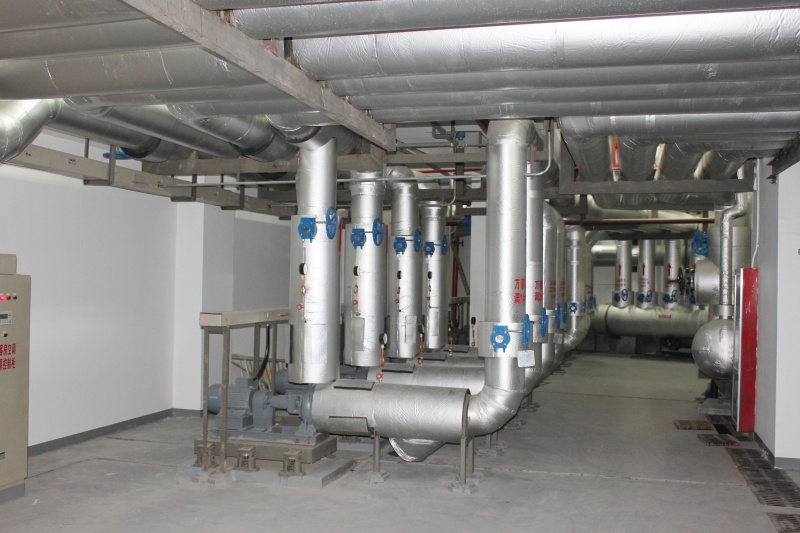
Used to line and wrap air conditioning ducts, chilled water pipes, and condensate drains. Eliminates ambient water condensation and maintains system efficiency.
Specially formulated high-density cryogenic foam manages thermal stress in liquid gas transport lines down to -200°C, preventing thermal bridging.
Protects piping systems in refinery, chemical, and pharmaceutical complexes from humidity, acid rain, and mechanical vibration wear.
Meets strict weight limits and non-flammability standards in ship building and aviation bulkheads while providing vital acoustic insulation.

As global regulatory frameworks target carbon neutrality and stricter environmental limits, the thermal insulation industry is undergoing significant change. Kingflex's engineering team focuses on three key technical areas:
Traditional flame-retardant elastomeric foams rely on halogenated additives to achieve high fire ratings. However, during a fire, these additives can release corrosive hydrogen halides. Kingflex is engineering halogen-free, non-toxic formulations that rely on safe nitrogen-phosphorus synergy, ensuring minimal toxic smoke in public construction projects.
By integrating silica aerogel powders directly into the NBR/PVC matrix, researchers have reduced thermal conductivity down to ≤ 0.028 W/m·K. This allows for thinner insulation layouts without compromising thermal control, saving valuable space in dense ceiling voids and ship bulkheads.
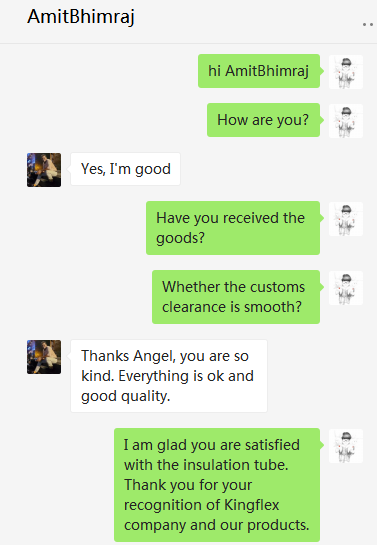
Kingflex maintains open communication channels with international partners, confirming orders and resolving installation challenges in real time. The chat records below highlight our responsive support and commitment to project success.




Comprehensive engineering insights and manufacturing guidelines for structural designers and procurement agents.
A compilation of successful projects utilizing Kingflex thermal systems across various environments.




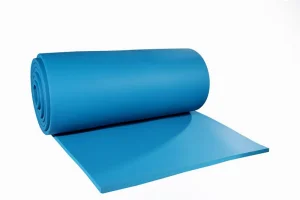
Browse our specialized selection of cryogenic foams, rock wool boards, and high-performance NBR rolls.
 Kingflex