
The global thermodynamic and environmental engineering sectors are undergoing a monumental paradigm shift. As corporate carbon neutrality mandates accelerate globally and building energy performance standards become increasingly stringent, thermal insulation is no longer evaluated as a simple barrier to conductive heat loss. Instead, modern procurement teams view insulation as a critical infrastructure asset designed to secure maximum energy retention, absolute Class A1 fire protection, and robust environmental resilience.
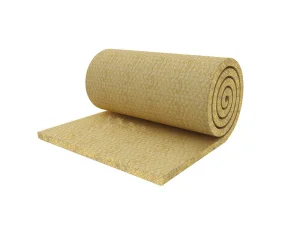
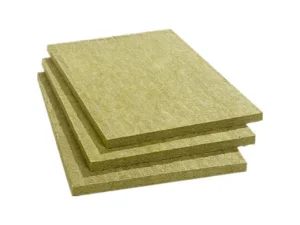
Mineral wool and rock wool products stand at the absolute apex of this materials revolution. Derived from naturally abundant basalt rock and industrial slag through high-temperature molten extrusion, rock wool insulation possesses a complex, isotropic fiber structure. This structural morphology acts as an exceptionally efficient thermal dampener, limiting the movement of molecular air currents. With a melting threshold exceeding 1,000°C, rock wool products represent the first line of defense in structural passive fire protection and extreme-temperature process engineering.
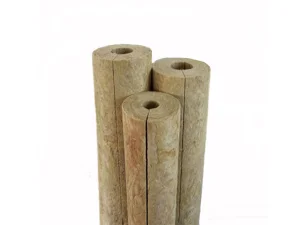
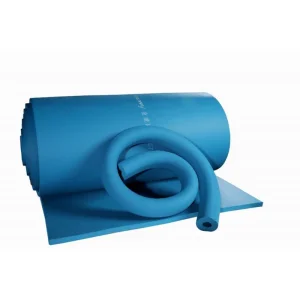
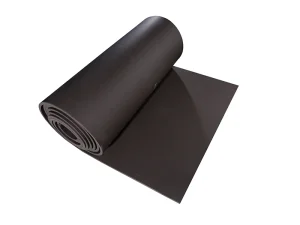
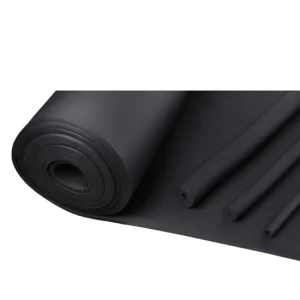
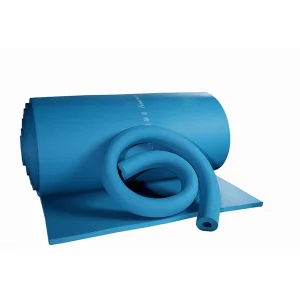
For operations involving high-temperature pipelines, district heating distribution systems, chemical refinery columns, and deep thermal power plants, utilizing premium-grade rock wool blankets and pre-molded pipe insulation ensures operational reliability. Working alongside elastomeric closed-cell insulation for sub-ambient systems (such as HVAC chilled water lines), rock wool systems cover the high-temperature spectrum, creating a total thermal mitigation shield across the global construction and manufacturing landscape.
Kingflex Insulation Co., Ltd. is a leading professional manufacturing and trading combo for thermal insulation products. Our advanced research, development, and high-efficiency production lines are located in Dacheng, China—widely recognized as the green-building materials capital. Operating under strict eco-friendly protocols, Kingflex focuses on energy saving and carbon reduction as core corporate concepts. We deliver customized solutions via continuous consultation, advanced material formulation, dynamic R&D, and post-sale technical guidance.
Established as a strategic division of the Jinwei Group, we build upon a legacy spanning more than 40 years. Founded originally in 1979, the group pioneered the manufacturing of advanced thermal insulation materials north of the Yangtze River. This rich history provides us with decades of field-testing data and process-engineering expertise, ensuring that every product batch conforms strictly to international quality baselines.
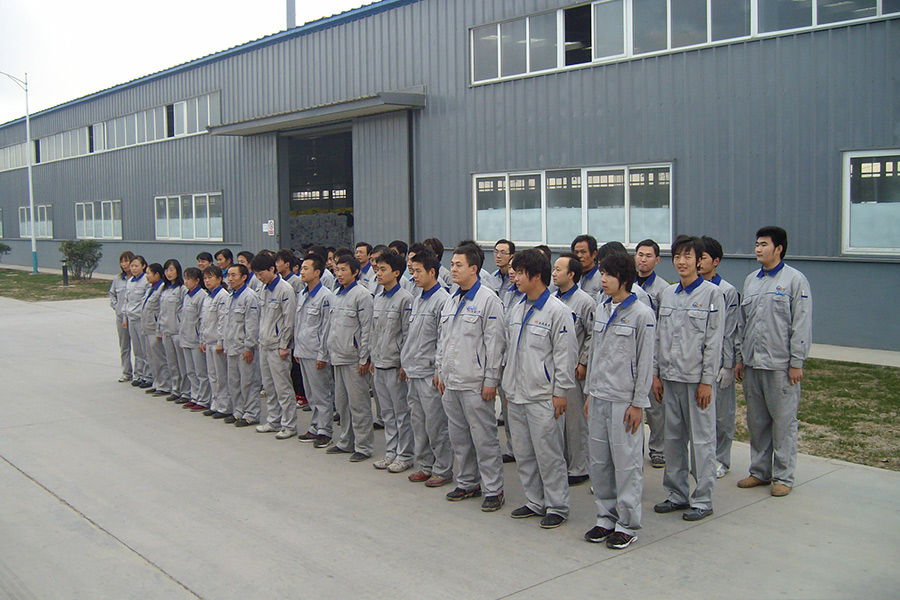
Our operation relies on a talented, tight-knit group sharing a common vision of supplying first-class engineering service. The Kingflex R&D department currently employs 8 professional materials science engineers, supported by 6 international sales specialists and 230 highly trained workers on the factory floor. With 5 fully automated assembly lines, we achieve an annual output capacity exceeding 600,000 cubic meters.

Manufacturing Base in Dacheng
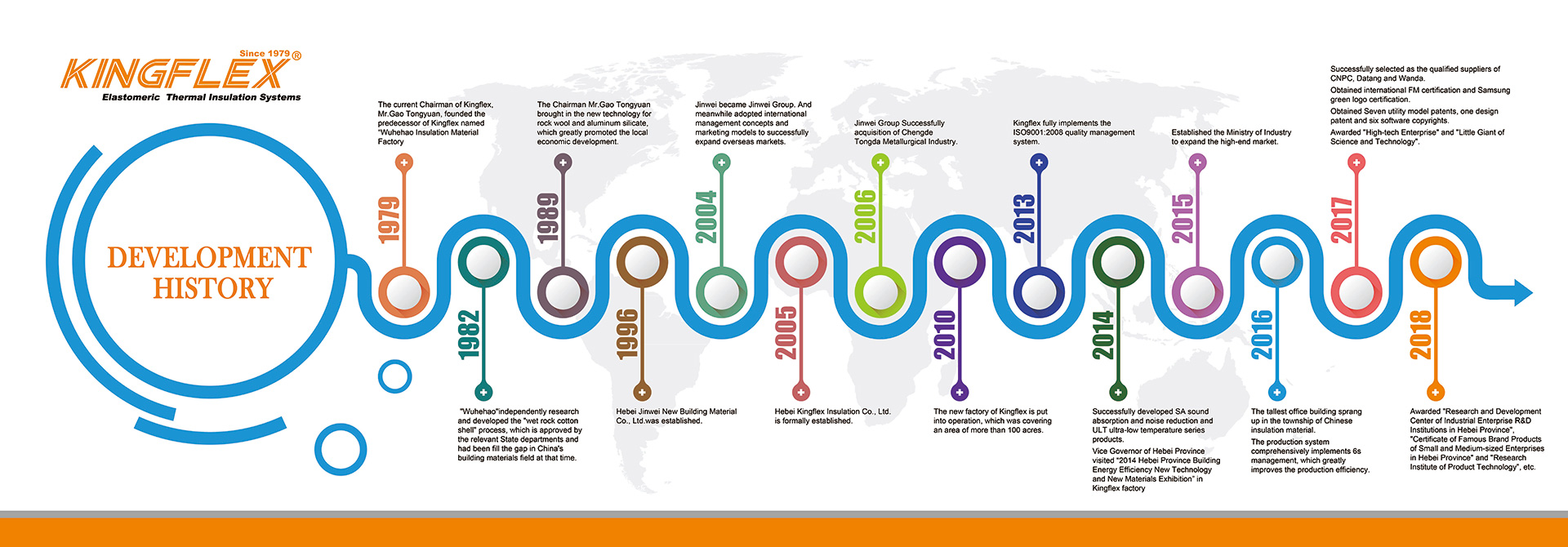
Legacy Since 1979
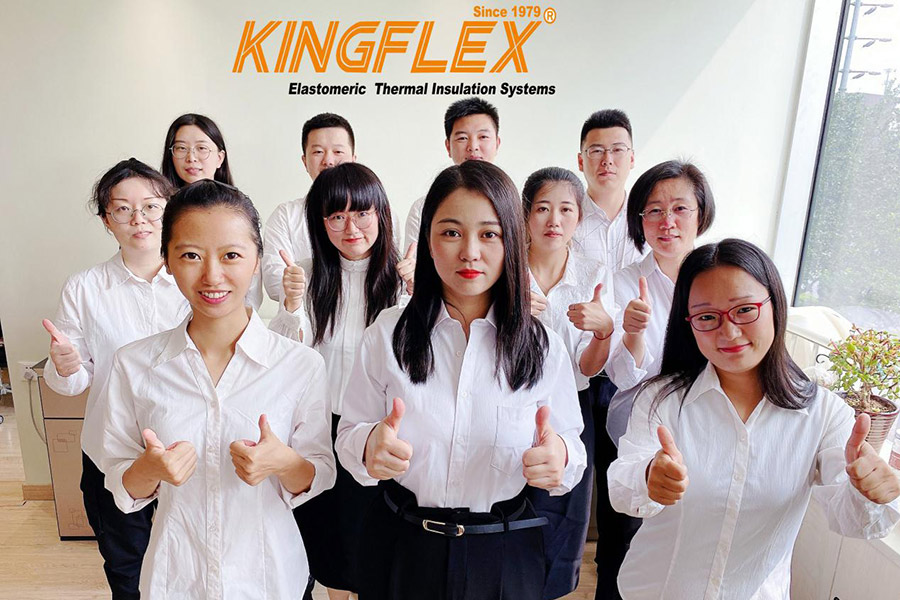
Technical R&D Team
China's advanced thermal insulation manufacturing sector has evolved from a basic supplier model to an intelligent, automated powerhouse. Leveraging integrated supply chains and strict international certifications, Chinese factories offer unparalleled benefits to global distributors and EPC contractors.
Direct proximity to massive basalt deposits in North China guarantees consistent chemical composition and high mineral fiber purity, reducing shot content to less than 4%.
Large-scale, fully automated, continuous melting processes reduce energy input costs per metric ton, allowing us to pass significant savings onto global distributors.
In-house laboratories conduct real-time evaluations of thermal conductivity, hydrophobic performance, tensile strength, and non-combustibility characteristics.
Direct shipping arrangements out of major ports like Tianjin and Qingdao ensure predictable transit times, minimized handling, and streamlined customs clearances.
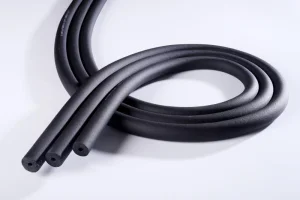
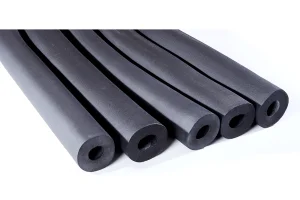
Condensation and thermal transfer represent constant operational challenges in heating, ventilation, and air conditioning systems. Combining flexible closed-cell rubber foam insulation with outer protective layers prevents structural dew points and surface energy loss on chilled and hot water pipes.
Refineries, power plants, and chemical manufacturing facilities operate piping systems at high temperatures. High-density rock wool insulation blankets reinforced with wire mesh provide excellent structural strength and resist mechanical settling caused by system vibration.
Cryogenic storage, LNG ships, and specialized scientific labs require dynamic vapor barriers to prevent thermal bridging and ice buildup. Our elastomeric cryogenic insulation sheets use closed-cell technology to block water vapor intrusion and maintain process control.
To ensure reliable performance in challenging environments, Kingflex maintains a continuous testing program. We verify that our products meet ASTM, BS 476, CE, REACH, ROHS, and UL94 standards.
Our testing labs are equipped with high-precision heat-flow meters, environmental test chambers, and precision furnace controllers. By using laser-diffraction particle analyzers and mechanical crush testers, our engineering team monitors physical characteristics before production runs begin. This scientific approach ensures that all mineral wool matrices remain stable and retain their shape over decades of thermal cycling.
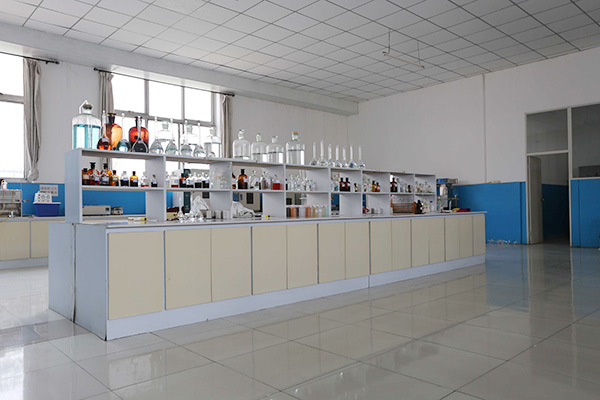

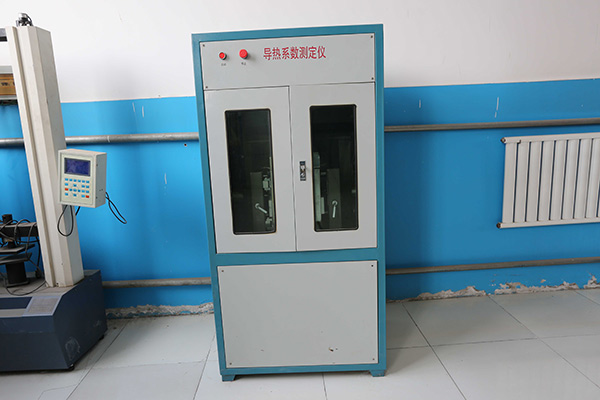
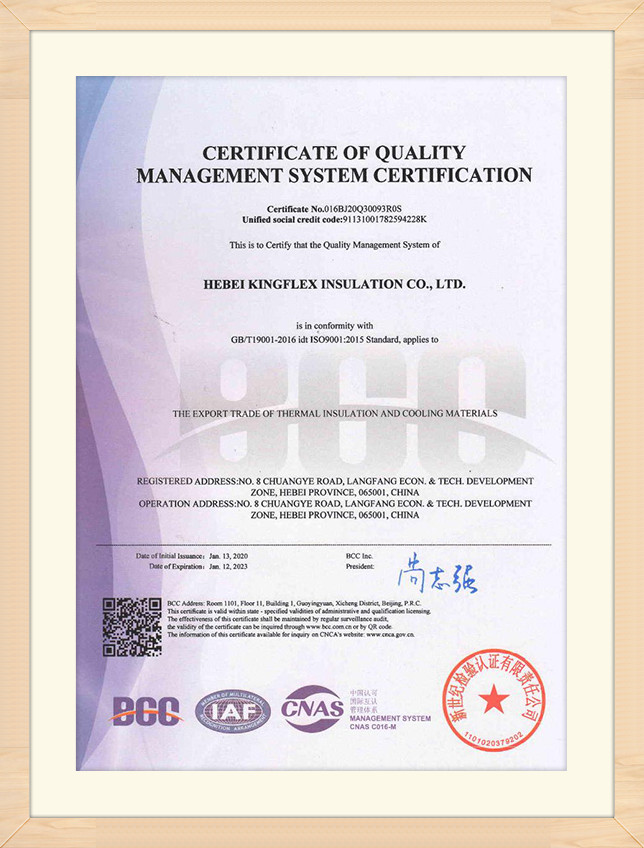
Our quality management systems are certified under ISO9001 and ISO14001, providing documented traceability for every shipment. Kingflex insulation products carry official certifications from international authorities, making them ready for immediate integration into high-profile public, commercial, and industrial construction projects worldwide.


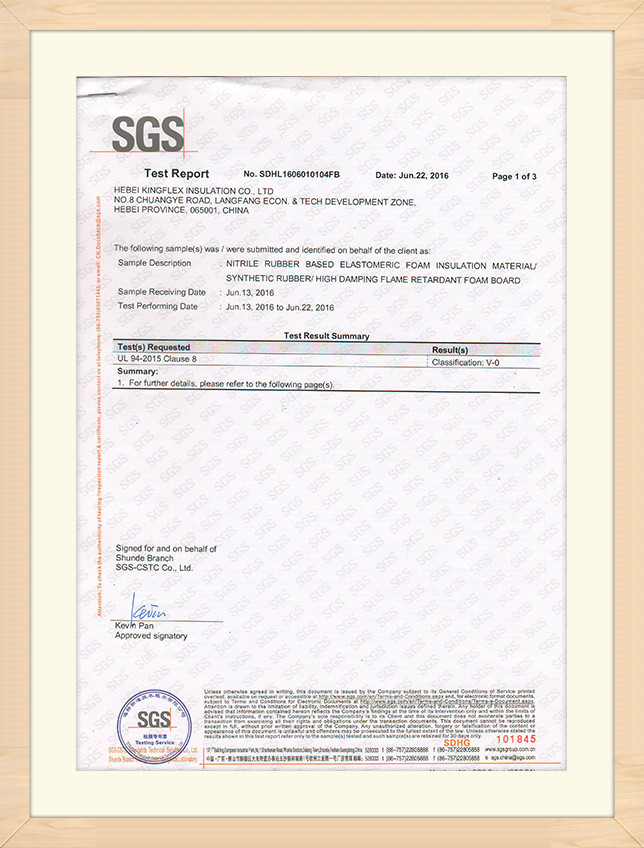
Transparent technical documentation and prompt response times form the backbone of our customer service. Here are real client chat records and product inspection verifications, illustrating our commitment to meeting strict industry standards.


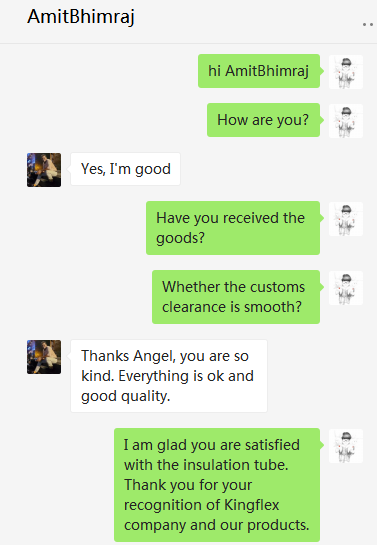

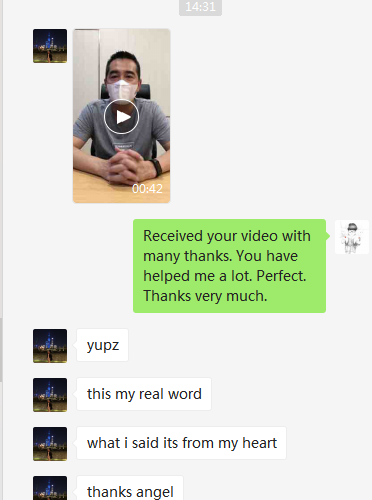
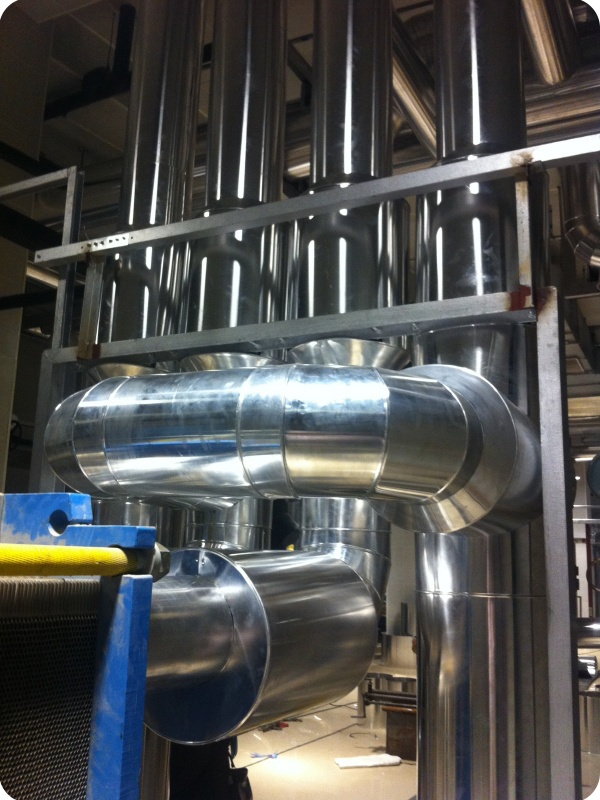
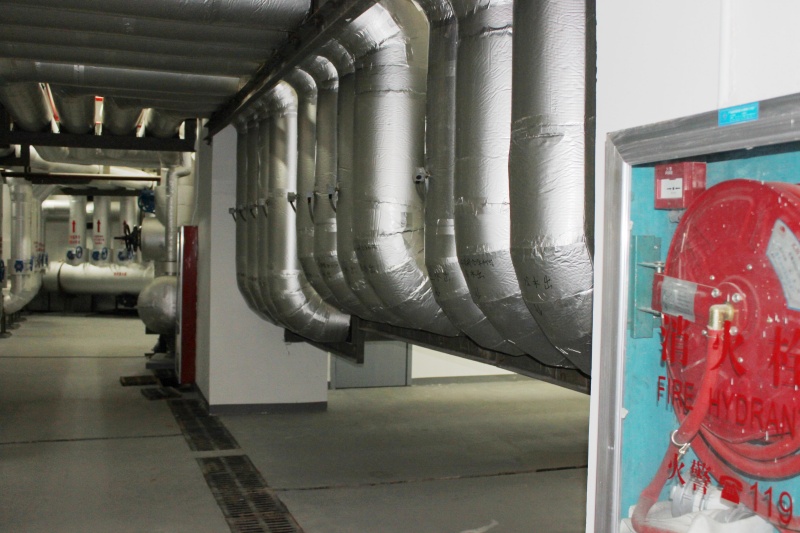
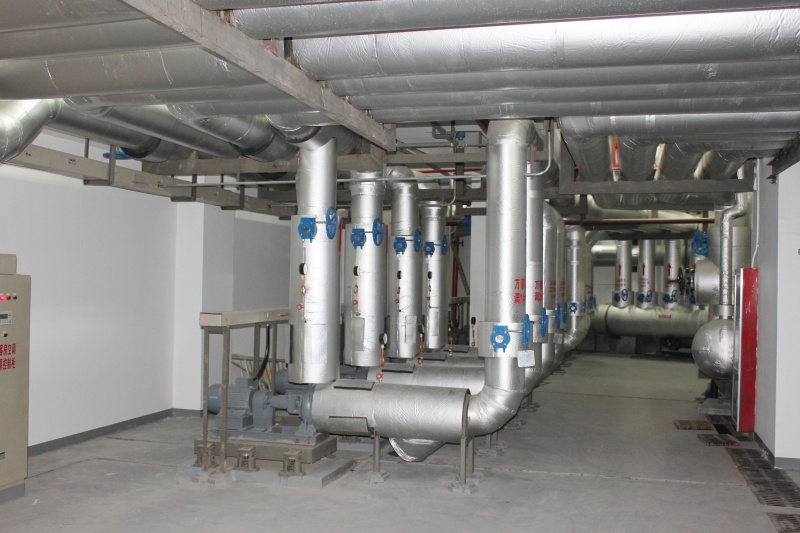
Kingflex insulation materials are used in construction projects, petrochemical refineries, chemical complexes, and HVAC networks across more than 66 countries. Below are photos from actual installation sites, showcasing clean joints, durable fittings, and excellent shape retention.

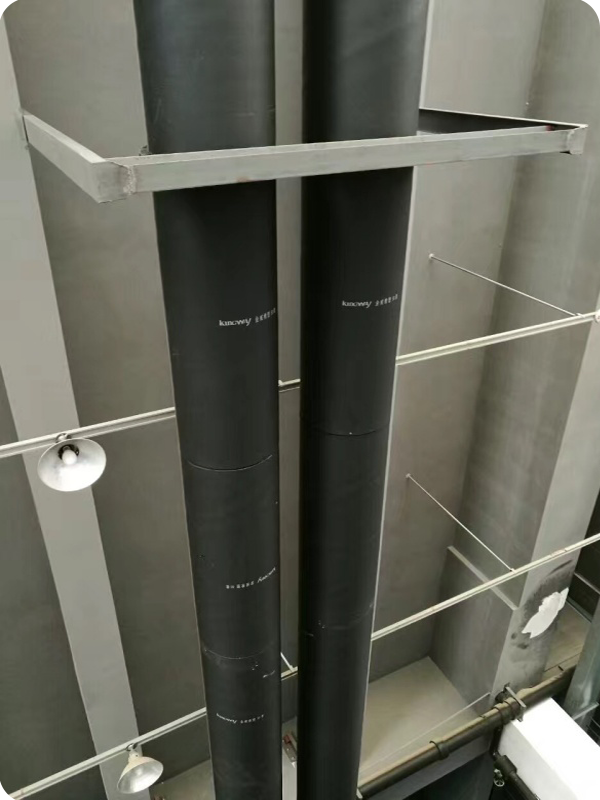
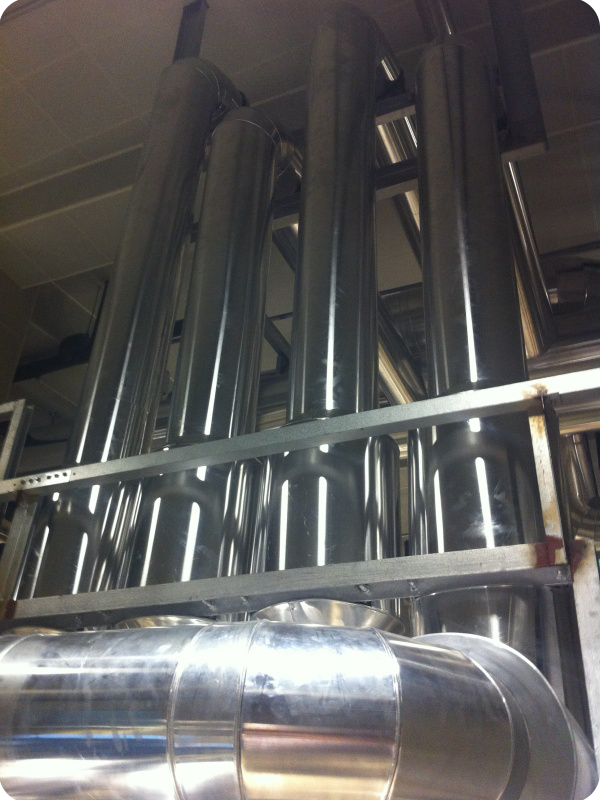
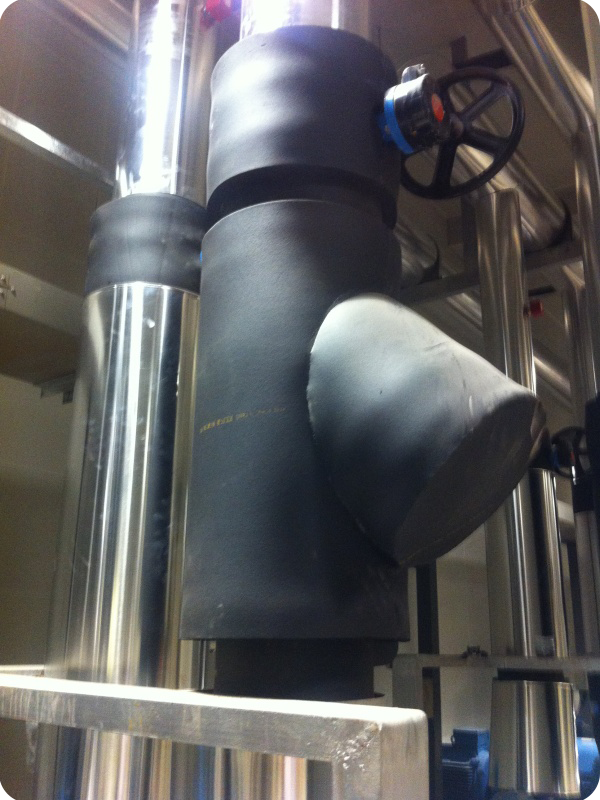
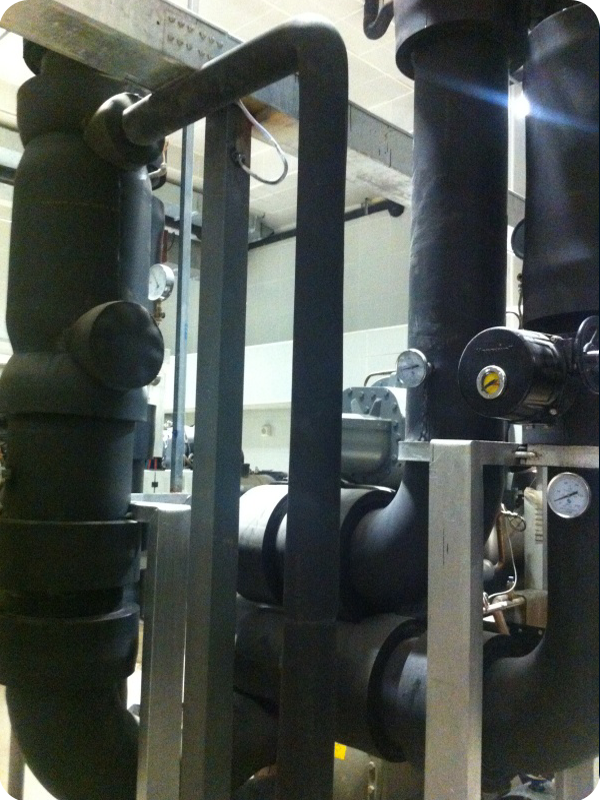
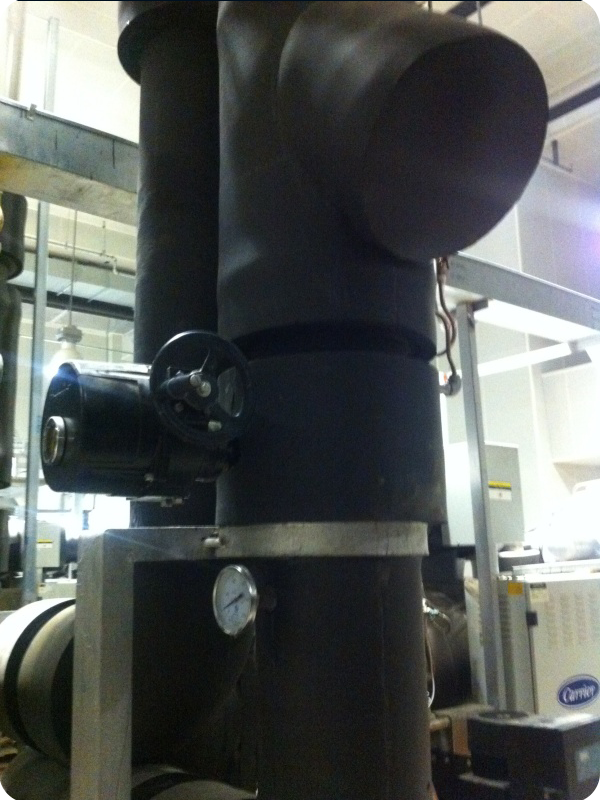
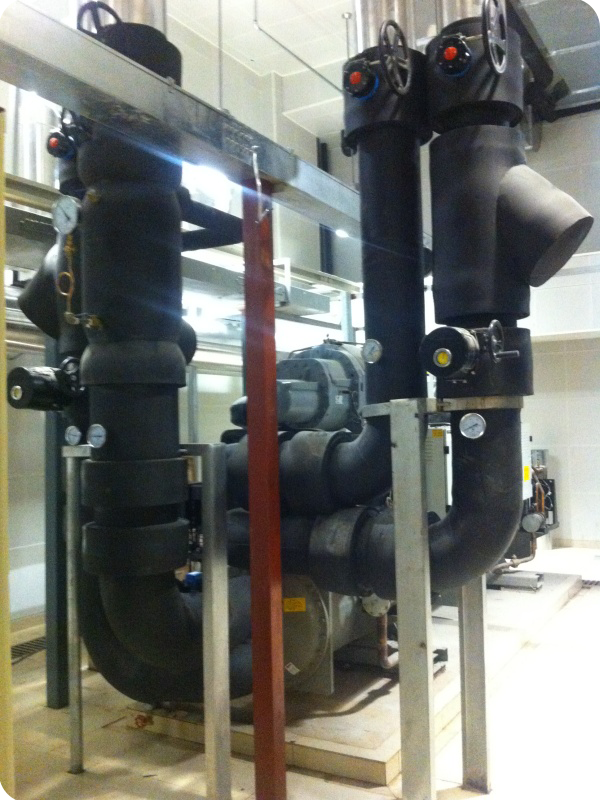
Quality control at Kingflex spans every phase of our manufacturing process. We maintain strict oversight from raw material selection to automated curing, fiber orientation control, cutting, and packaging.
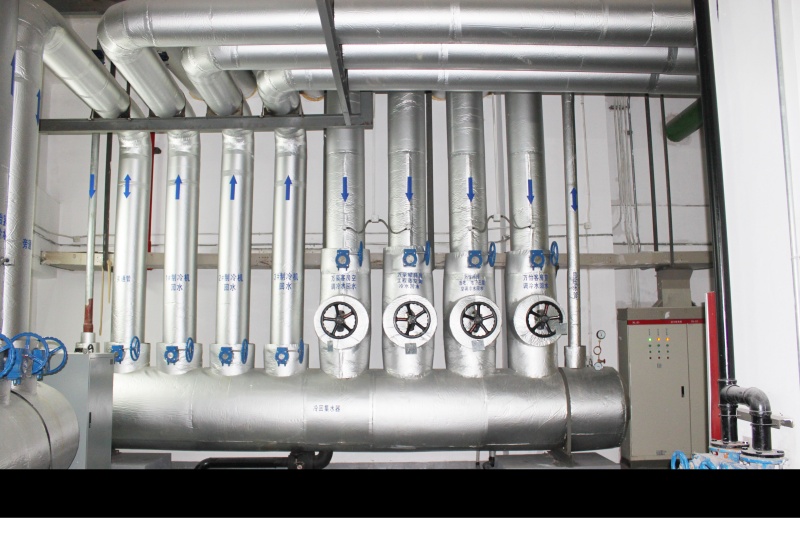


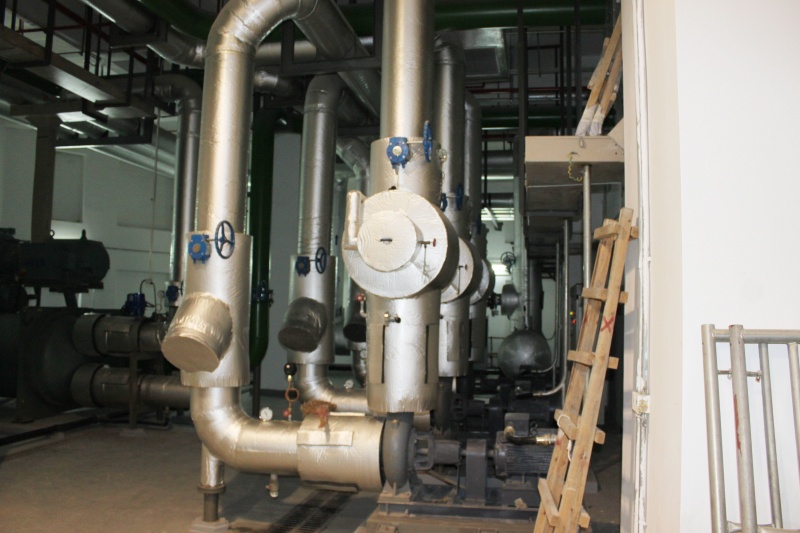
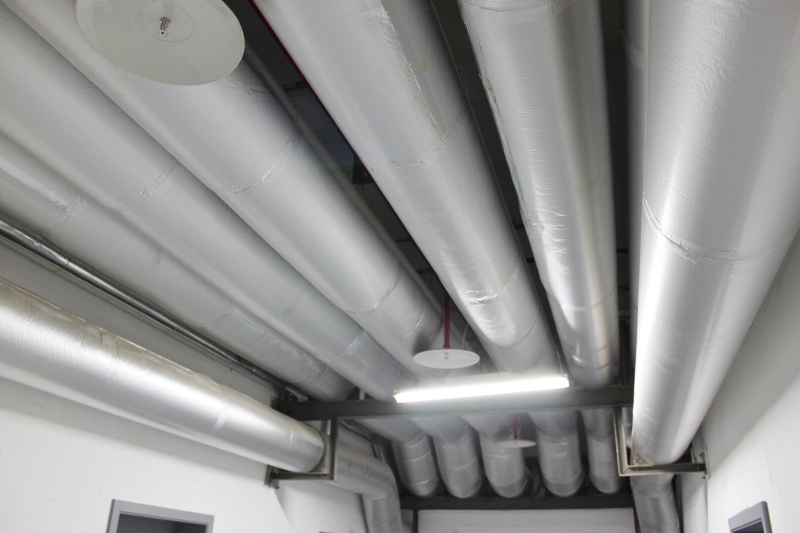

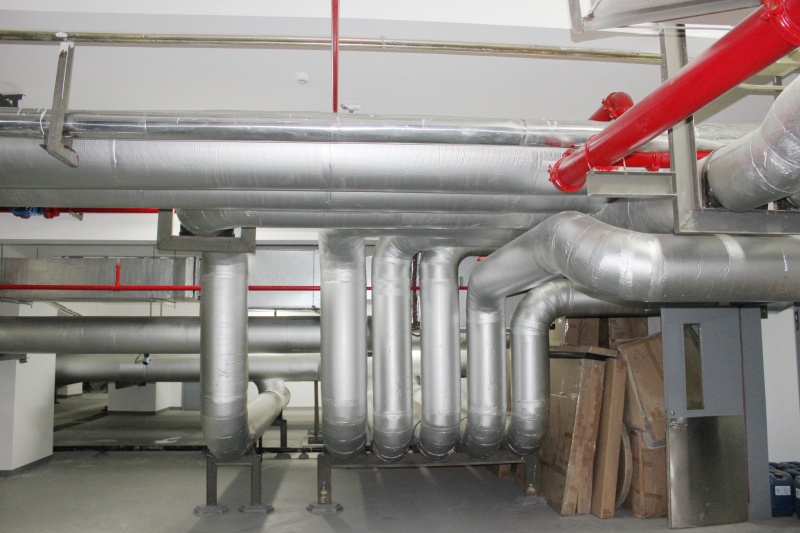
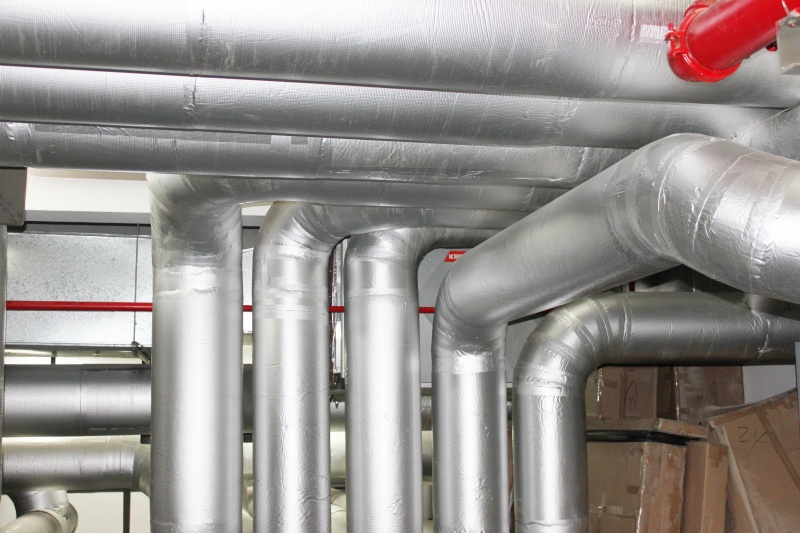
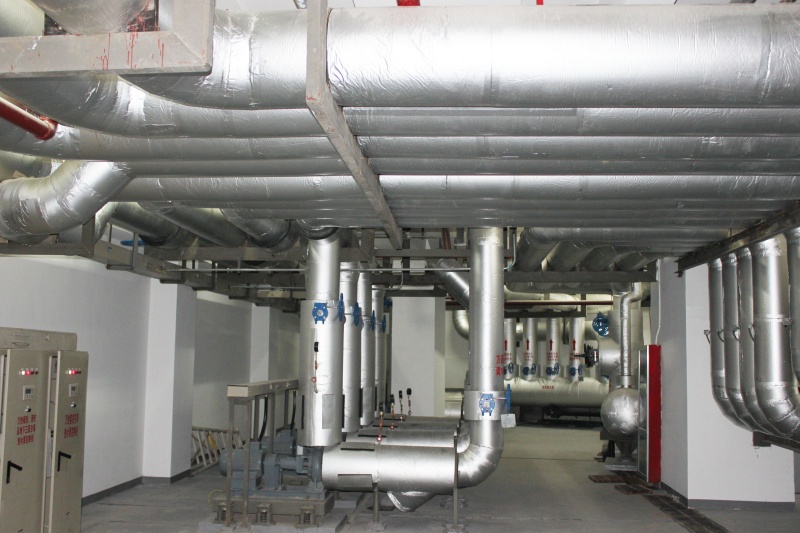









Elastomeric rubber foam insulation is widely used for HVAC systems, air conditioning pipes, building thermal insulation, and sound insulation. Its closed-cell structure blocks moisture ingress, making it highly effective at preventing condensation on chilled water pipes and sub-ambient systems.
Yes, our rubber foam products are fire retardant. They are engineered and tested to meet international building safety standards, including class-leading ratings for flame spread and smoke development.
Rubber foam is a flexible, closed-cell, moisture-proof material optimized for HVAC, chilled water systems, and plumbing lines. Rock wool is a high-density, open-cell mineral insulation designed for extreme temperatures, fire protection, and sound dampening in commercial walls and hot industrial pipelines.
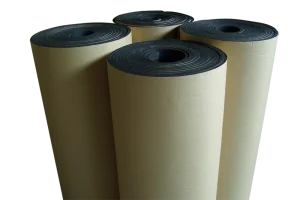
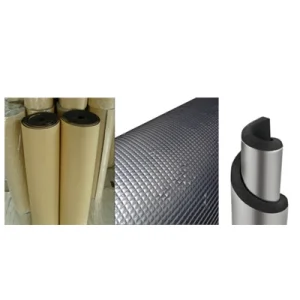
Yes, we support comprehensive OEM services. We can customize sheet dimensions, pre-cut pipe inner diameters, density profiles, and surface finishes—including self-adhesive backings and reinforced aluminum foil facings—to meet specific project needs.
Our products have passed BS 476, CE, REACH, ROHS, UL94, and ASTM testing programs. These certifications verify compliance with global safety, quality, and environmental regulations.
Yes. Every production run is marked with batch codes. Our ISO9001-certified system records raw material inputs, processing parameters, and laboratory test results, ensuring full quality control and traceability.
We manufacture flexible sheets and rolls in thicknesses ranging from 6mm to 50mm, allowing you to select the appropriate thickness to achieve your target R-value and prevent condensation.
Under normal operating conditions and with proper installation, our insulation systems typically deliver a service life of 10 to 15 years, maintaining stable thermal conductivity over time.
 Kingflex