Explore our core product lineup engineered for optimal acoustic attenuation, flame retardancy, and low-temperature durability.
In contemporary building engineering, HVAC design, and heavy industrial processing, managing acoustics and maintaining precise thermal properties are no longer separate concerns. They are now addressed as a unified engineering discipline. Sound absorption insulation products made from elastomeric rubber foam, NBR/PVC blends, and composite rock wool are essential for modern, high-performance infrastructure. These materials are engineered to address both thermal energy loss and environmental noise pollution.
Industrial noise control is critical in commercial complexes, healthcare facilities, marine projects, and data centers. Elevated sound waves not only reduce occupant comfort but also jeopardize mechanical durability through vibration fatigue. By installing open-cell elastomeric nitrile rubber and density-optimized acoustic panels, contractors can achieve high Noise Reduction Coefficients (NRC) and Sound Transmission Classes (STC). Simultaneously, they maintain excellent thermal barriers that prevent condensation and thermal bridging.
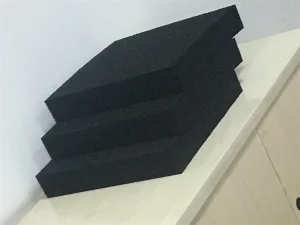
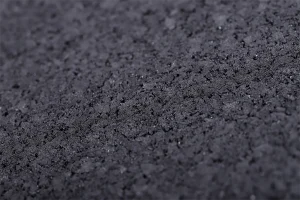
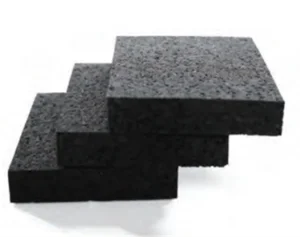
The science of acoustic dampening is based on trapping and dissipating sound waves. Traditional closed-cell elastomeric foam is popular for thermal insulation because it keeps out moisture. However, our new line of open-cell engineered elastomeric rubber foam is designed specifically to capture sound. The interconnected air cavities allow sound waves to enter the material, where they are converted into trace heat energy through friction within the cell walls.
Closed-cell structures prevent moisture from entering. This makes them ideal for plumbing, outdoor pipelines, and cold storage installations. Open-cell rubber foam, on the other hand, features a porous, breathable structure. This design provides high sound absorption across a wide frequency range, especially in the mid-to-high frequencies typical of mechanical rooms, compressors, and air-handling units.
Combining NBR (Nitrile Butadiene Rubber) and PVC (Polyvinyl Chloride) creates a material with balanced elasticity, chemical stability, and flame retardancy. This composite resists mold growth, is ozone-safe, and does not degrade under ultraviolet exposure. It provides a reliable acoustic barrier for demanding industrial settings.

How our smart manufacturing lines in China support global infrastructure demands with high efficiency and strict quality control.
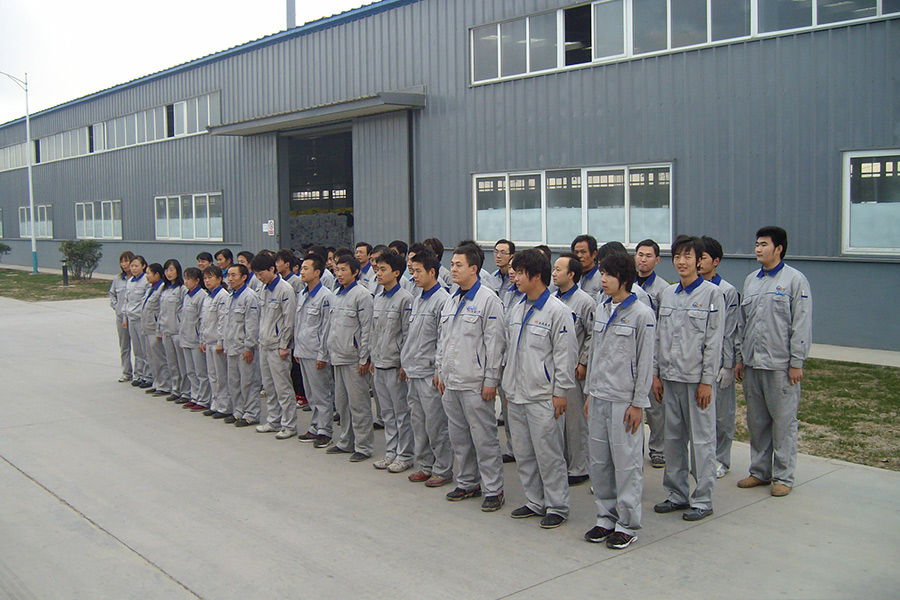
Kingflex Insulation Co., Ltd. operates five large, fully automated assembly lines located in Dacheng, China—a hub for green building materials. This setup yields an annual production capacity of over 600,000 cubic meters. By integrating automated raw material mixing, precise continuous foaming, and real-time electronic thickness monitoring, we ensure that every batch of rubber foam meets strict density and performance tolerances.
This scale of manufacturing protects our global partners from supply chain disruptions. With reliable access to domestic raw materials and a central location near major shipping hubs, we maintain short lead times even during high seasonal demand.
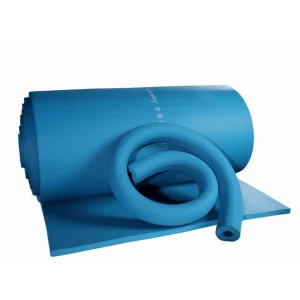
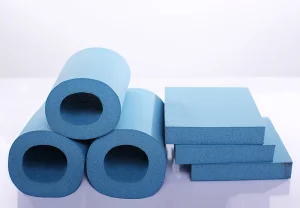
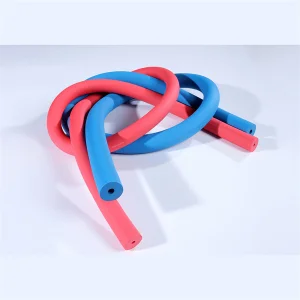
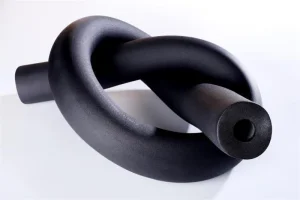
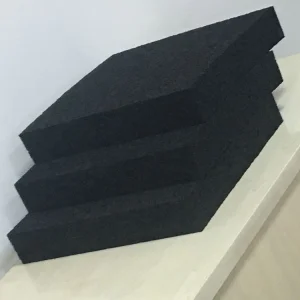
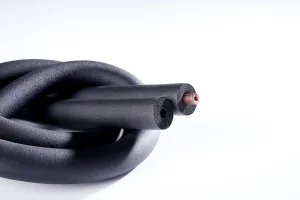
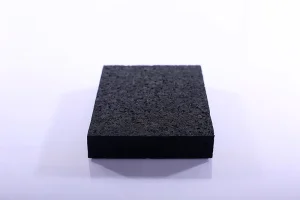
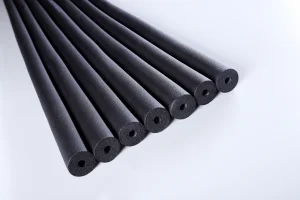
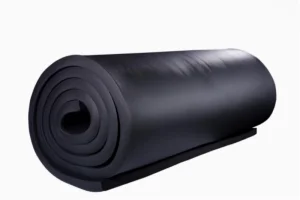
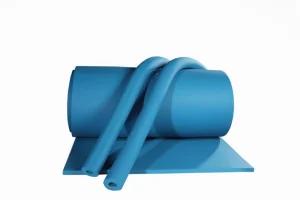
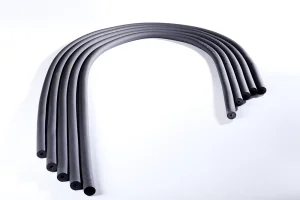
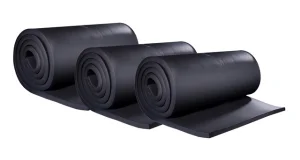
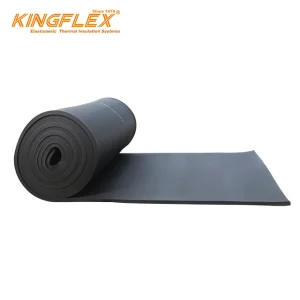
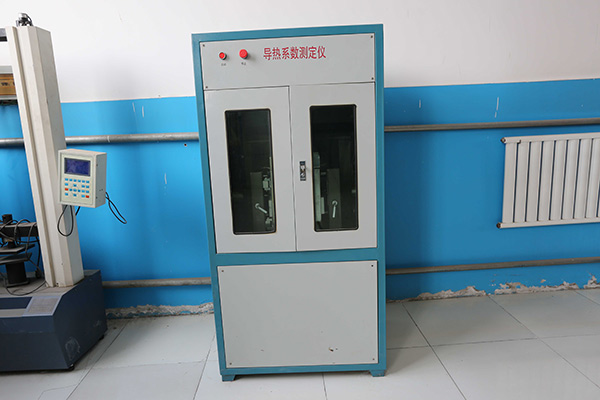
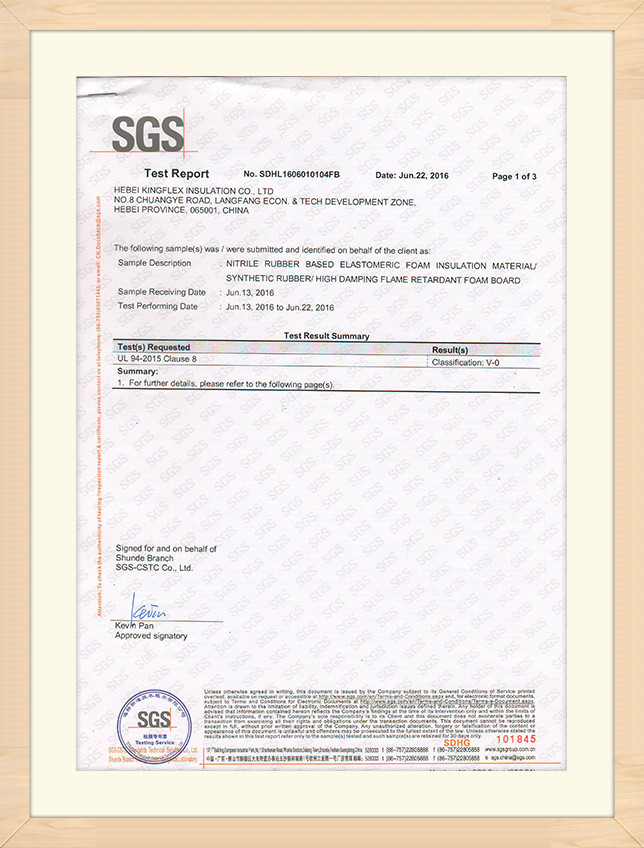
Providing reliable data is a core part of our service. Our elastomeric rubber foam sheets, rolls, and pre-formed tubes are manufactured to strict industrial standards. These products undergo testing for thermal conductivity, water vapor permeability, and fire resistance.
| Property | Rubber Foam Sheet Roll | Rubber Foam Pipe / Tube | Test Standard Reference |
|---|---|---|---|
| Material Base | NBR / PVC Composite Blend | NBR / PVC Composite Blend | ASTM D1667 |
| Available Thickness | 6 mm to 50 mm | 9 mm to 40 mm | EN 822 |
| Inner Diameter (ID) | N/A | 6 mm to 114 mm | EN 824 |
| Foam Density Range | 40 - 55 kg/m³ | 40 - 55 kg/m³ | ASTM D1622 |
| Thermal Conductivity (λ) | ≤ 0.034 W/(m·K) at 0°C | ≤ 0.034 W/(m·K) at 0°C | ASTM C518 / EN 12667 |
| Service Temperature | -40°C to +105°C (Up to -200°C for Cryogenic) | -40°C to +105°C (Up to -200°C for Cryogenic) | ASTM C411 |
| Fire Classification | Class 0 / Class 1, Self-extinguishing | Class 0 / Class 1, Self-extinguishing | BS 476 Part 6/7, UL94 V-0 |
| Moisture Resistance (μ) | ≥ 10,000 (Closed-cell variants) | ≥ 10,000 (Closed-cell variants) | EN 12086 |
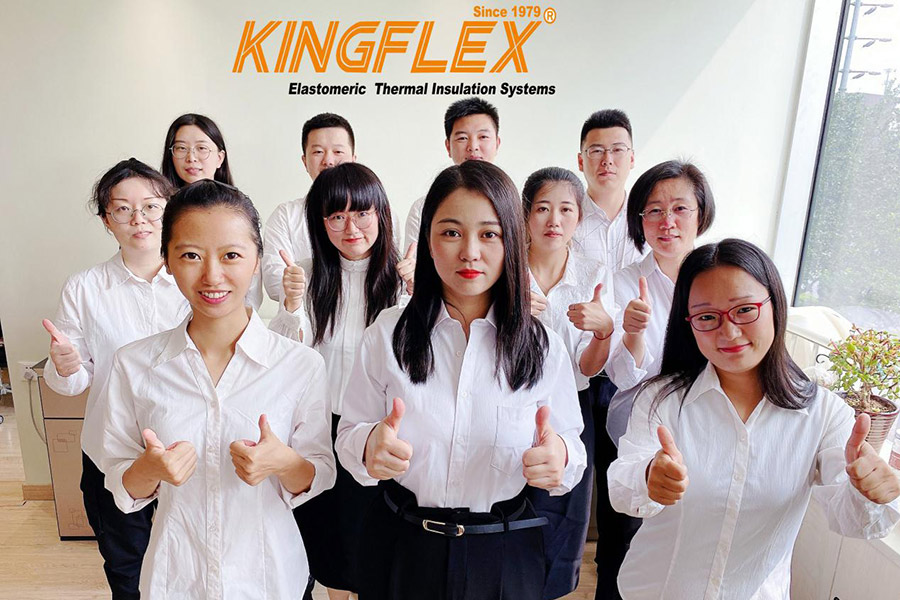
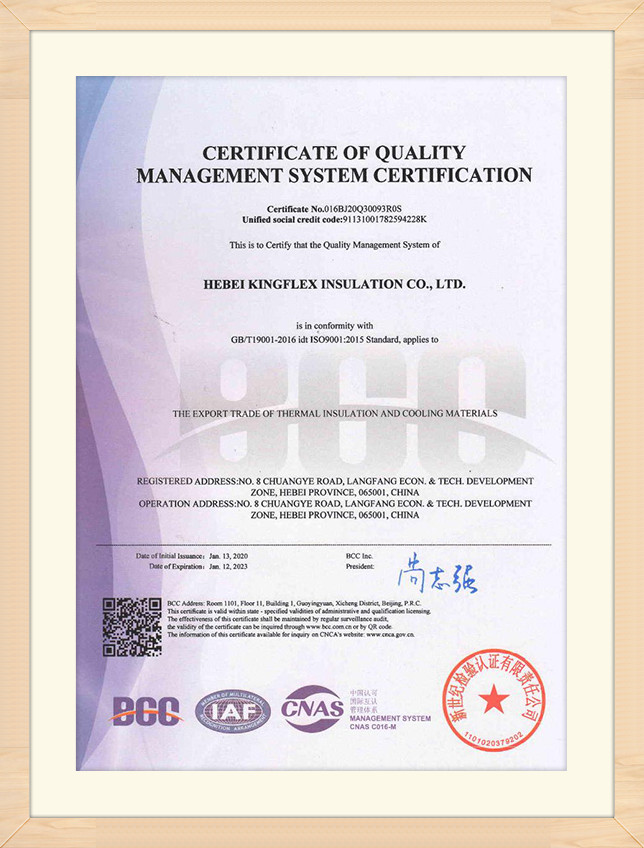
Our dedicated QA team monitors the manufacturing process. From raw chemical receipt to final product packaging, every step is logged. This traceability ensures that global projects—ranging from high-rise office towers to cryogenic petrochemical plants—receive products that perform consistently under demanding field conditions.
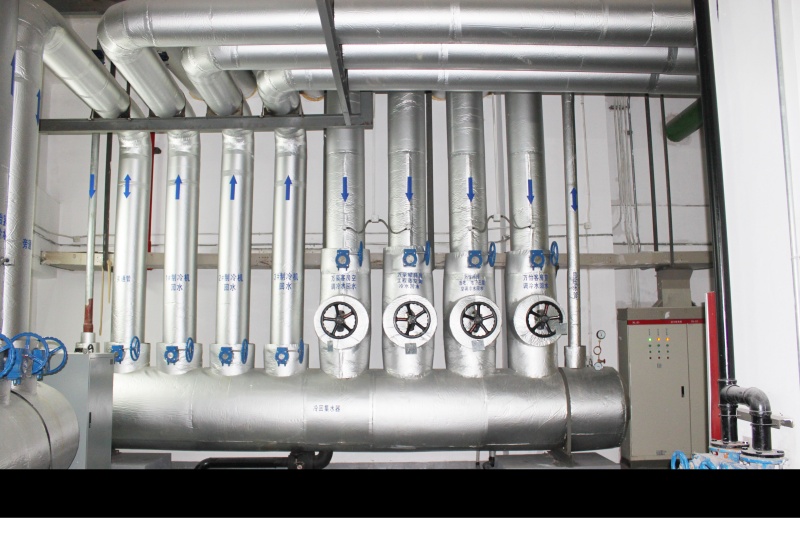
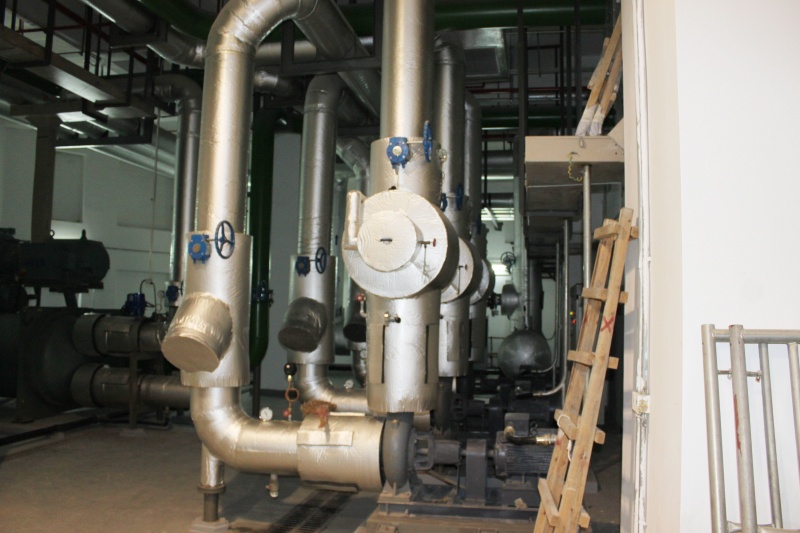
Whether insulating standard water pipelines or implementing extensive cryogenic systems for ultra-low temperature projects, our certified product structures resist physical deformation and degradation over time.
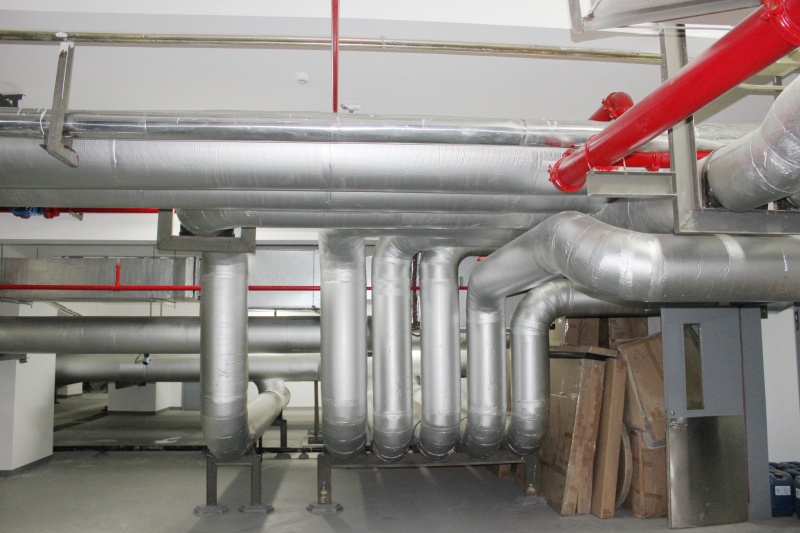
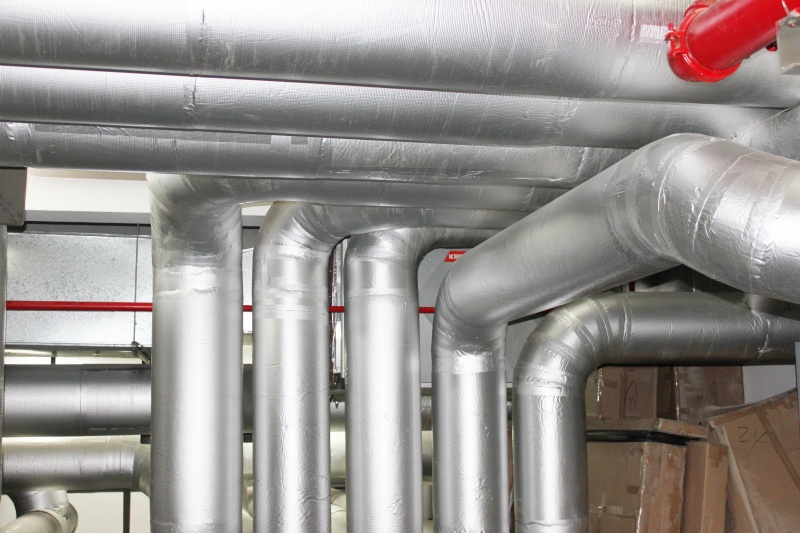
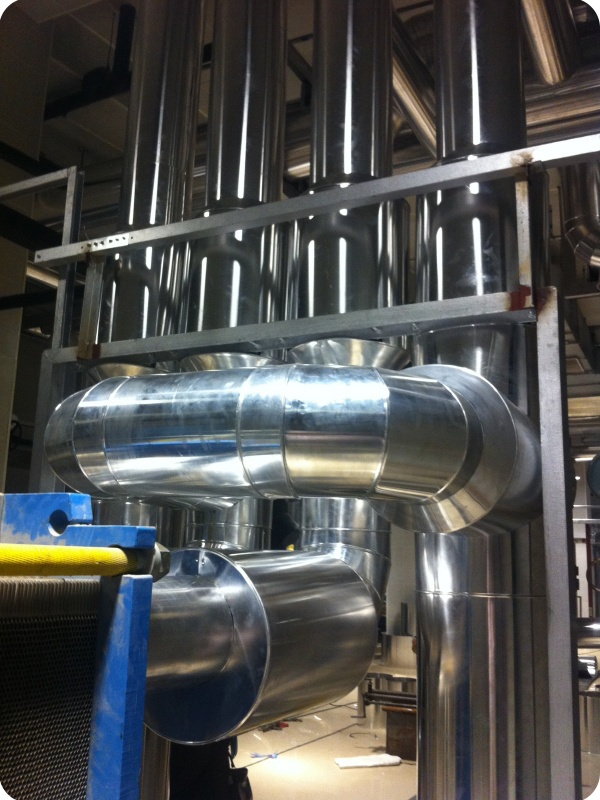
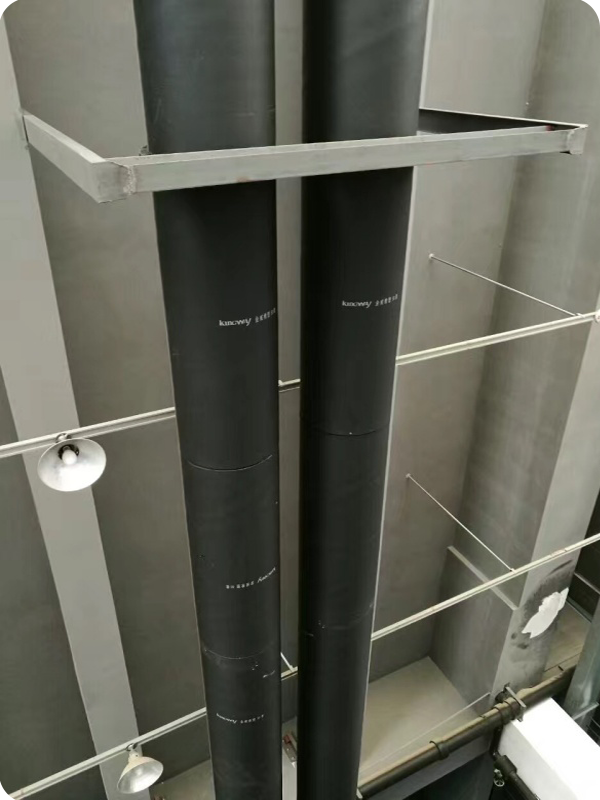
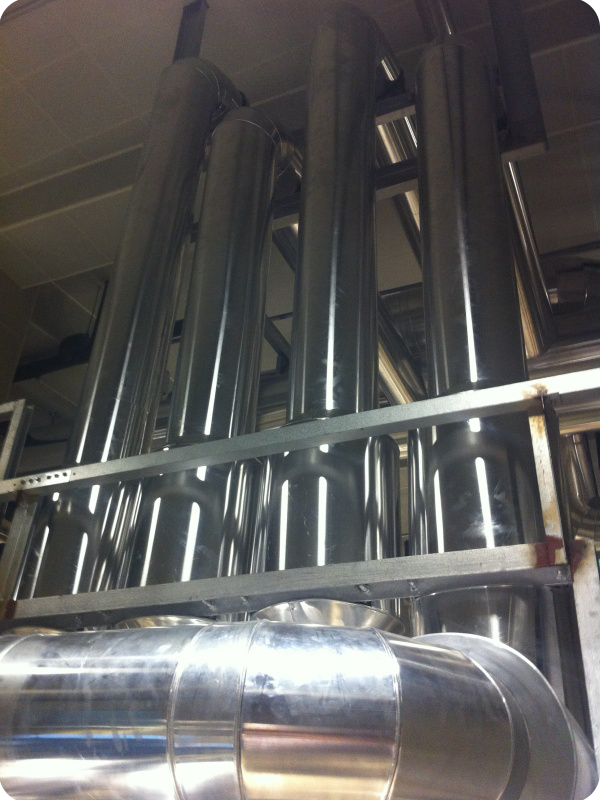
Our acoustic and thermal insulation systems are used in diverse architectural and industrial environments. Below are typical applications where elastomeric foam and rock wool materials provide essential sound damping and heat transfer protection.
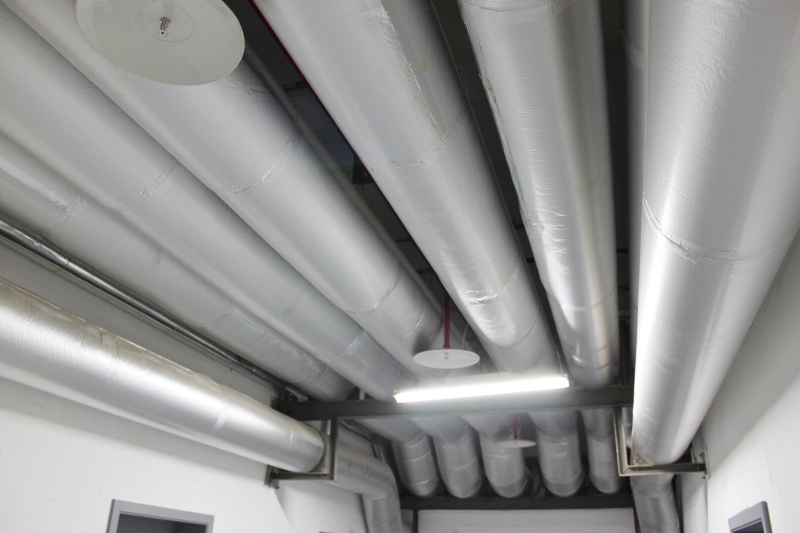
Reducing low-frequency fan noise and mechanical vibration in ventilation ducts. It stops sound from traveling through the ductwork while preventing condensation on metal surfaces.
Providing specialized multi-layered low-temperature insulation for LNG storage terminals and liquid gas distribution piping down to -200°C. It protects against moisture ingress and thermal shock.
Used to line the interiors of elevator machine rooms, generator spaces, and pump stations. High-density acoustic panels keep noise emissions within regulatory limits.



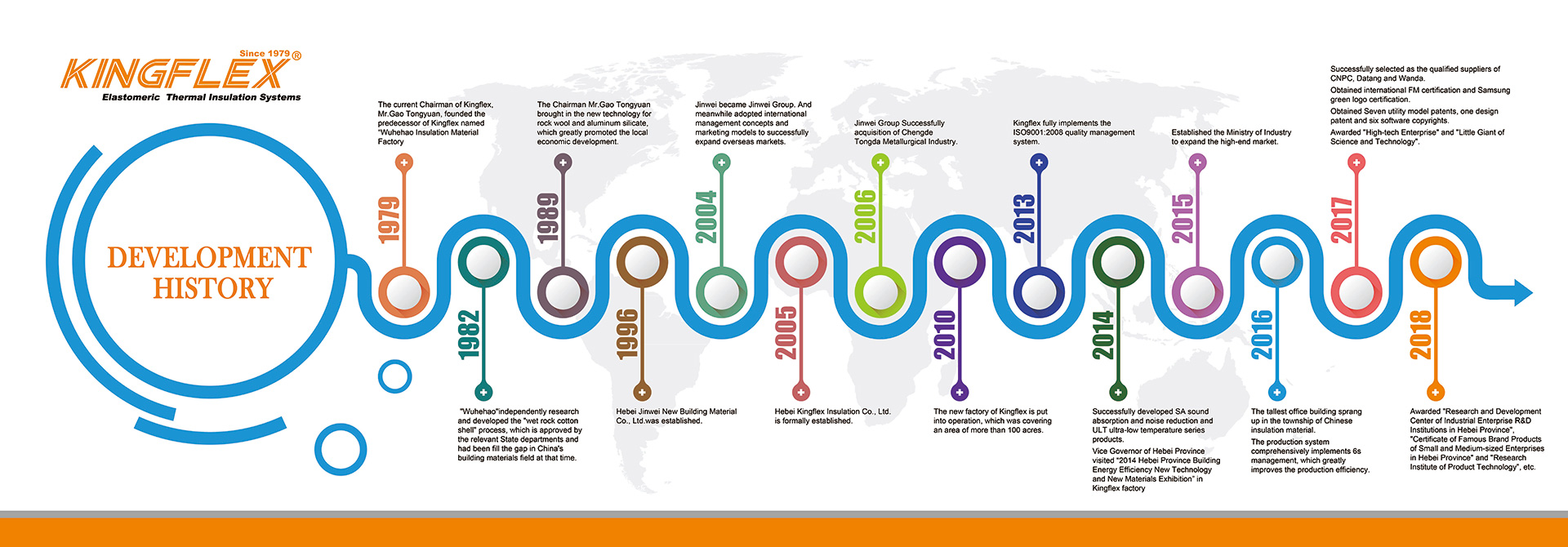
Established in 1979 by Jinwei Group, Kingflex is a reliable choice for global thermal, cold, and acoustic insulation systems.
Kingflex Insulation Co., Ltd. is a professional manufacturing and trading combo for thermal and acoustic insulation products. Our R&D and production facilities are based in Dacheng, China—a region known for green building material manufacturing. As an energy-saving, environmentally conscious enterprise, we focus on research, development, and sales.
We support global building materials development by offering full insulation systems. This includes consultation, custom product development, installation guidance, and post-sale technical support. We aim to supply integrated solutions for thermal, cold, and noise reduction applications in industrial and building environments.




The sound absorption efficiency of elastomeric material is quantified by its sound absorption coefficient ($a_s$) across standard octave bands (125 Hz to 4000 Hz). The composite matrix of NBR and PVC is formulated with specific blowing agents. This creates a semi-open cell geometry that balances sound wave absorption with physical density.
When sound waves strike a hard surface, they bounce back, causing reverberation and echoes. When they hit our NBR/PVC elastomeric matrix, the wave enters the open cell pathways. The air molecules in the cells vibrate against the cell walls, transforming the kinetic energy of the sound wave into thermal energy. This reduces total sound reflection and lowers reverberation times inside rooms.
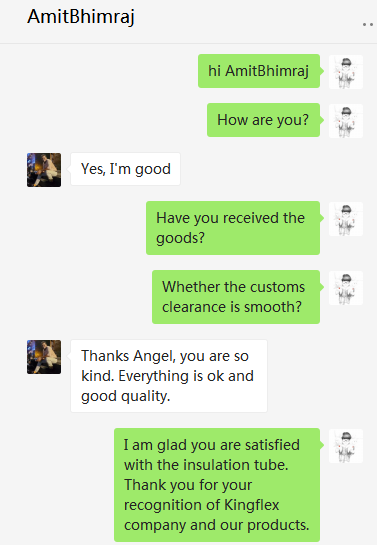
Review client communications and project feedback showing our commitment to quality, compliance, and international standards.





Answers to technical and commercial questions about our sound absorption and thermal insulation products.
Additional commercial products, tubes, and specialized cryogenic formulations designed for complex system configurations.
Connect with our technical engineering department for design guidance, customized sizes, and direct factory pricing.
Request Free Technical Consultation Kingflex