When it comes to insulation, 35mm Pipe Insulation stands out as a crucial component for various applications. Selecting the right insulation material can significantly impact energy efficiency and cost-effectiveness. This article explores the best options available for 35mm pipe insulation.
With numerous products on the market, making an informed choice requires expertise and knowledge of key features. Different materials offer unique benefits, from thermal performance to moisture resistance. Buyers need reliable data to navigate these options effectively.
Venturing into this selection process may lead to pitfalls. Some products may promise more than they deliver. Exploring recent innovations can help identify top performers. Focusing on trusted brands ensures that buyers get quality solutions for their insulation needs.
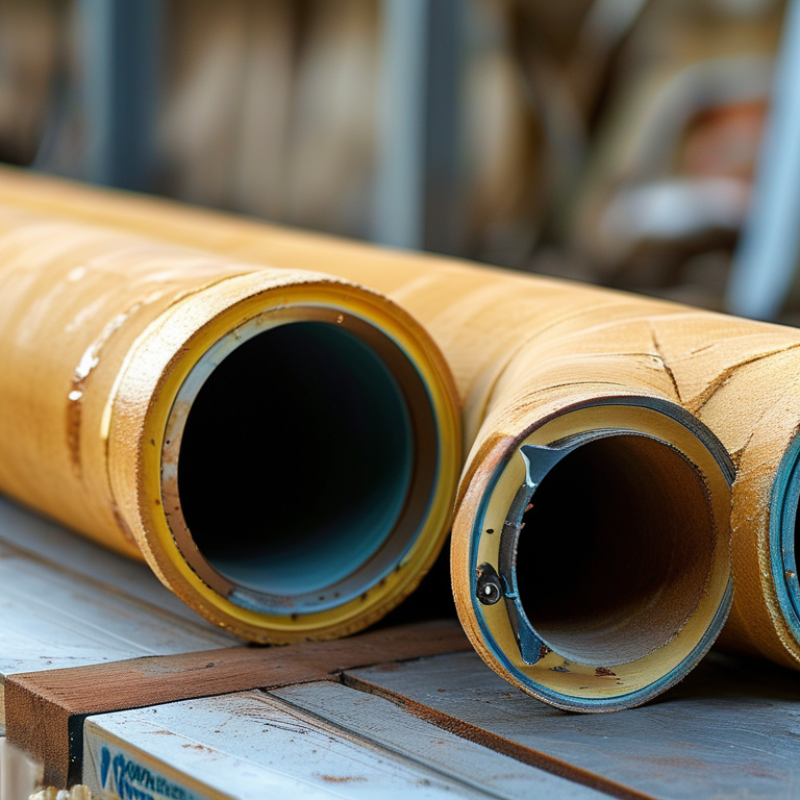
When analyzing the best materials for 35mm pipe insulation, several factors come into play. Thermal efficiency is crucial. According to industry reports, insulation can reduce heat loss by up to 90%. This means significant energy savings for both residential and commercial buildings.
Common materials in this field include fiberglass, foam rubber, and polyethylene. Fiberglass is known for its high thermal performance but can be less flexible. Foam rubber offers excellent adaptability for various pipe shapes. Polyethylene, while lightweight, provides good insulation at a lower cost. Each material presents its own pros and cons, requiring careful consideration based on project needs.
A deeper look into cost-effectiveness reveals that while upfront costs vary, the long-term savings substantially affect the overall budget. For example, insulation types with lower performance may lead to higher energy bills. It’s essential to weigh these factors and consult with experts in the field to make informed choices. The right material choice contributes significantly to sustainability goals and operational efficiency.
When considering the best 35mm pipe insulation options, thermal performance ratings are crucial. These ratings, often measured in R-values, help assess a material's resistance to heat flow. Higher R-values indicate better insulating properties. According to the Department of Energy, improving insulation can reduce energy bills by 10-50%. This emphasizes the role of efficient insulation in energy management.
Choosing the right insulation can significantly impact energy efficiency. For instance, fiberglass insulation typically offers decent thermal performance but may absorb moisture. This can lead to mold and reduced effectiveness. Alternatively, foam insulation provides superior thermal resistance and moisture control. The International Association of Certified Home Inspectors suggests that maintaining insulation prevents energy loss and promotes a healthier environment.
Tips: Regularly inspect your insulation for wear. Look for gaps or areas that may need re-insulation. Educate yourself on local building codes. Understanding your climate zone can guide your choice in insulation materials, enhancing energy savings over time. Always prioritize materials with proven thermal performance ratings to ensure longevity and efficiency.
When evaluating 35mm pipe insulation types, cost and benefits must be examined closely. The market offers various materials, including fiberglass, foam, and rubber. Fiberglass insulation usually provides high thermal resistance but can be more costly. Foam insulation is lighter and offers decent insulation at a lower price. Rubber materials, while slightly more flexible, often come with a reasonable price tag and effective insulation properties.
Buyers should weigh the upfront costs against energy savings over time. In colder climates, higher initial investments in materials may lead to substantial savings on energy bills. However, the durability of the insulation is also crucial. Certain materials can wear and tear faster than others, affecting long-term performance. Side effects from moisture retention might occur, causing mold growth, which adds future expenses.
Ultimately, the right choice depends on specific needs. Environmental impact should not be ignored. Sustainable options are becoming increasingly available. Buyers must conduct thorough research. Spend time matching insulation types to local weather patterns and pipe use. Consider consulting with industry professionals. Expert advice can clarify the ideal insulation type for distinct applications, ensuring an informed decision.
When insulating 35mm pipes, installation techniques play a crucial role in overall effectiveness. Properly chosen materials can significantly reduce energy loss. However, the method of application matters just as much. For example, gaps in insulation can lead to heat loss and moisture buildup. Aimed at both residential and commercial projects, effective installation involves careful measurements and applying insulation tightly around the pipes.
Another key aspect is the environmental conditions where the pipes are located. Cold or damp areas require more attention during the installation process. Pipes that are frequently exposed to high humidity should receive a vapor barrier. This additional step can prevent condensation from forming, reducing the risk of pipe corrosion. It is essential to evaluate the physical layout and potential obstacles beforehand.
The global market for 35mm pipe insulation products is experiencing significant growth. Increasing energy efficiency awareness drives demand in various industries. Building construction, HVAC systems, and petrochemicals all require effective insulation solutions. These products enhance thermal performance, reduce energy costs, and improve system longevity.
Another aspect affecting market trends is environmental sustainability. Buyers now seek materials that are eco-friendly yet effective. This shift opens opportunities for innovative insulation solutions. However, manufacturers must address the challenge of balancing performance with sustainability. Some current offerings may still rely on materials that do not meet modern eco-standards.
Market research shows a variety of preferences shaping buyer behavior. Some customers prioritize price, while others focus on quality or brand reputation. This complexity makes it imperative for suppliers to adapt their strategies. Understanding regional differences in insulation needs can lead to more tailored solutions. Manufacturers must reflect on their practices to align better with evolving consumer expectations.
This chart illustrates the projected global demand for various types of 35mm pipe insulation products over the next few years.
: Thermal performance ratings measure a material's resistance to heat flow. Higher ratings indicate better insulation properties.
Efficient insulation can reduce energy bills by 10-50%. This shows its importance in managing energy usage.
Common materials include fiberglass and foam. Each has different thermal performance and moisture control features.
Moisture can lead to mold and decrease insulation effectiveness. Proper moisture control enhances longevity.
Regularly inspect for wear and gaps. Re-insulation may be necessary to keep energy efficiency high.
Increased awareness of energy efficiency and sustainability is boosting demand across various industries.
Preferences vary; some focus on price, while others prioritize quality or environmental impact. Understanding these can guide suppliers.
Yes, buyers seek eco-friendly options. However, balancing performance with sustainability remains a challenge for manufacturers.
Regular inspections are essential. They help identify areas needing attention and ensure optimal performance.
Understanding your climate can guide insulation material selection. This can enhance energy savings and efficiency in your home.
The article "Best 35mm Pipe Insulation Options for Global Buyers" provides a comprehensive overview of various materials suitable for 35mm Pipe Insulation. It conducts a comparative analysis of the best insulation materials, highlighting their thermal performance ratings and how they influence energy efficiency. Additionally, the article presents a cost-benefit analysis of different 35mm pipe insulation types, considering both initial investment and long-term savings.
Installation techniques are also discussed, emphasizing their effectiveness in enhancing the performance of pipe insulation. The article concludes with insights into global market trends and the rising demand for 35mm pipe insulation products. Overall, it serves as a valuable resource for buyers seeking to make informed decisions in the insulation market.

Kingflex