In an era where energy efficiency is paramount, choosing the right Flex Pipe Insulation has become crucial for industries worldwide. Experts agree that effective insulation not only enhances energy savings but also prolongs the lifespan of piping systems. Renowned insulation specialist Dr. Emily Parker states, "Flex Pipe Insulation is not just a choice; it's an investment in efficiency and sustainability."
Selecting the best insulation type can sometimes feel overwhelming. Numerous options exist, and each has distinct benefits and drawbacks. Buyers must analyze factors such as thermal resistance, moisture resistance, and installation ease. Despite these complexities, the right Flex Pipe Insulation can result in substantial long-term savings.
However, not every insulation strategy is flawless. Some products might not perform as expected in extreme conditions. It’s essential to conduct thorough research and consult experts in the field. Mistakes in selection can lead to higher costs and environmental impact. With careful consideration, global buyers can find reliable Flex Pipe Insulation that meets their specific needs.
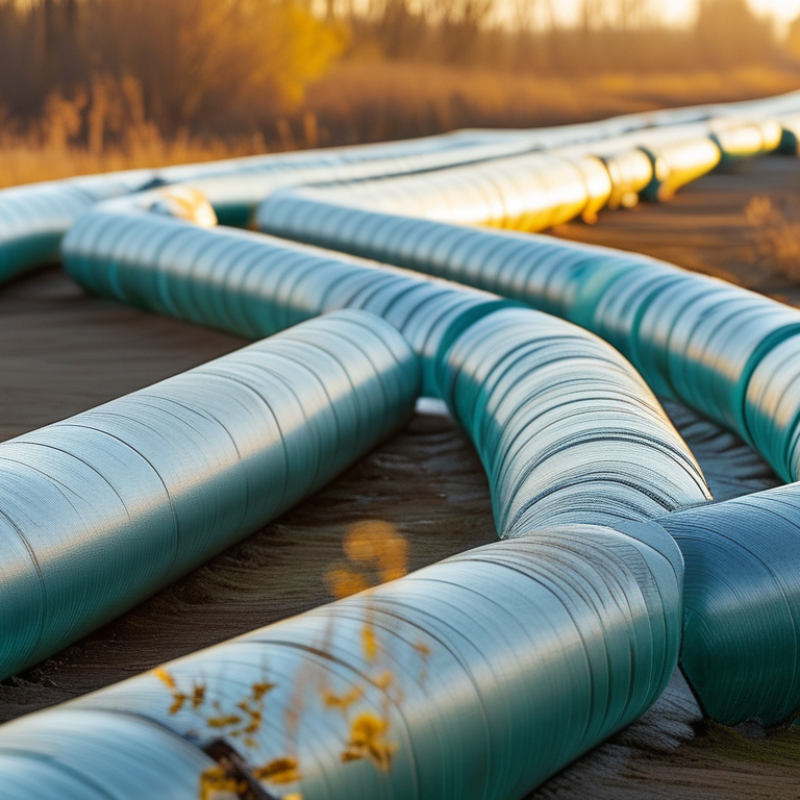
When considering flex pipe insulation options, material choice is critical. Flexible materials can significantly reduce thermal losses. Common insulation types include fiberglass, foam, and mineral wool. Each option has unique properties affecting performance and cost.
Fiberglass insulation is lightweight and effective. It resists high temperatures, making it suitable for various applications. However, installation can be tricky. Proper protective gear is essential to avoid skin irritation during handling. Some users struggle with the fragility of fiberglass, leading to potential damage before installation.
Foam insulation, on the other hand, is easier to handle. Its flexibility allows it to conform to pipe shapes easily. Yet, it may not provide sufficient fire resistance for certain applications. Users often question its longevity in extreme environments. Mineral wool offers excellent sound and thermal insulation but can be heavy. This can complicate installation, especially in tight spaces. Each material requires careful consideration of the application environment.
When selecting flex pipe insulation, several performance metrics are essential. The most critical factor is thermal resistance. This metric indicates the insulation's ability to reduce heat transfer. High thermal resistance is crucial for maintaining temperature stability. It directly affects energy efficiency and operational costs.
Moisture resistance is another vital performance metric. Insulation that absorbs water can lead to mold growth and pipe corrosion. Choosing materials that are resistant to moisture prolongs the lifespan of both insulation and pipes. Additionally, consider the ease of installation. Struggles during installation can lead to imperfections in insulation coverage.
Durability and chemical resistance are also important. Flex pipe insulation frequently encounters various environmental conditions. It must withstand fluctuations in temperature and exposure to chemicals. Material integrity over time is paramount to ensure ongoing effectiveness. Overall, evaluating these metrics leads to better-informed decisions, though it’s not always simple. Testing different products under real-world conditions can reveal unexpected outcomes.
When choosing flex pipe insulation, it is crucial to consider environmental impacts. Many common materials, such as fiberglass and foam, can have harmful effects on our planet. Production processes may release toxins. Additionally, improper disposal of these materials can lead to landfill overflow.
One way to mitigate environmental risks is to select sustainable options. Look for products made from recycled materials or those with minimal ecological footprints. Biodegradable insulation alternatives are becoming more available and should be prioritized.
Tips: Always verify the sustainability credentials of insulation materials. A good rule is to seek certifications that ensure environmental safety. It may require research, but the benefits to the environment are worth it. Remember, the cost of cheaper materials might be higher due to their long-term environmental impact. Be mindful of how insulation choices extend beyond immediate performance; they affect the planet’s health.
| Insulation Type | Thermal Conductivity (W/m·K) | Fire Rating | Environmental Impact | Average Cost (per meter) |
|---|---|---|---|---|
| Fiberglass | 0.04 | Class A | Recyclable, low impact | $3.00 |
| Foam Rubber | 0.03 | Class B | Moderate impact, some VOCs | $4.50 |
| Mineral Wool | 0.034 | Class A | Natural materials, low impact | $5.00 |
| Aerogel | 0.013 | Class A | Low impact, highly efficient | $20.00 |
| Polyurethane Foam | 0.025 | Class B | Moderate impact, some chemicals | $6.00 |
Flex pipe insulation plays a vital role in maintaining energy efficiency across various industries. The global market for insulation solutions is projected to reach $81.07 billion by 2025, driven primarily by increasing energy costs and environmental regulations. However, not all insulation options deliver the same value. For instance, some materials may have high initial costs, which can deter buyers despite their long-term savings.
When considering the cost-benefit analysis of insulation solutions, important metrics emerge. A report from the U.S. Department of Energy indicates that proper insulation can reduce energy costs by up to 30%. However, some traditional insulation materials may have shorter lifespans. This necessitates periodic replacements, ultimately increasing the total cost of ownership. Moreover, advancements in technology have led to innovative materials that offer better thermal performance, albeit at a higher upfront cost.
Certain insulation products can absorb moisture, leading to mold or decay if not selected carefully. Exporters should assess their materials and applications to ensure they choose the right solution for their specific needs. Evaluating performance metrics and long-term benefits requires industry expertise and awareness of local climate conditions. Buyers often overlook these factors, which can significantly impact their decision-making process.
Emerging technologies in flex pipe insulation are shaping the landscape for global markets. The demand for efficient insulation solutions has surged due to increasing energy costs and environmental concerns. Innovative materials are being developed to enhance thermal performance while ensuring durability. For instance, new composite materials show promise in resisting harsh conditions without significant degradation.
Advanced manufacturing techniques offer new avenues for insulation design. 3D printing allows for customized shapes and sizes, catering to specific industrial needs. This approach reduces waste and optimizes resource usage. However, the transition to such technologies can be challenging. Not all companies are equipped to adapt quickly. Aligning technology with existing production methods requires investment in training and equipment.
Sustainability remains a key focus as well. Eco-friendly insulation materials are gaining traction. Such materials reduce the carbon footprint and support global regulatory standards. Yet, the availability and scalability of these options still pose questions. The path to widespread adoption is not always clear. Not every manufacturer can ensure the same level of performance and safety.
: Common materials include fiberglass, foam, and mineral wool. Each has different properties affecting performance and cost.
Fiberglass is lightweight and effective, resisting high temperatures. However, installation can be complicated.
Many struggle with its fragility. Proper protective gear is necessary to avoid skin irritation during installation.
Foam insulation is easier to handle and conforms to shapes better. Yet, it may lack sufficient fire resistance.
Users often question its longevity in extreme environments. This can lead to doubts about its reliability.
Mineral wool provides excellent sound and thermal insulation but can be heavy, complicating installation.
Proper insulation may reduce energy costs by up to 30%. However, traditional materials often require replacements.
Some materials can absorb moisture, leading to mold and decay. Selection must be done carefully to avoid issues.
Local climate conditions significantly impact insulation performance. Buyers often overlook this in their decision-making.
Yes, advancements have led to materials offering better thermal performance, though they may have higher initial costs.
The article "Best Flex Pipe Insulation Options for Global Buyers" provides a thorough comparative analysis of various materials used in Flex Pipe Insulation, highlighting their specific advantages and disadvantages. It examines key performance metrics that determine the effectiveness of these insulation solutions, such as thermal resistance, durability, and ease of installation. Furthermore, it addresses the environmental impact of commonly used insulation options, considering factors like sustainability and recyclability.
Additionally, the piece delves into a cost-benefit analysis, assessing how different Flex Pipe Insulation solutions can provide value for money in global markets. The article also explores emerging technologies that are shaping the future of Flex Pipe Insulation, presenting innovative solutions that promise enhanced performance and environmental benefits. Overall, this comprehensive guide serves as a valuable resource for global buyers seeking effective and sustainable options in Flex Pipe Insulation.

Kingflex