In today’s world, efficient energy usage is critical, especially in HVAC systems. The global HVAC foam insulation market has shown significant growth, reaching approximately $5.1 billion in 2022, with an expected CAGR of 7.4% until 2030. This growth highlights the increasing importance of effective insulation solutions. HVAC foam insulation plays a vital role in enhancing energy efficiency and reducing utility costs.
Many manufacturers focus on innovative foam technologies that improve thermal resistance and air quality. For instance, closed-cell foam insulation offers superior R-values and moisture resistance, proving essential for residential and commercial applications. However, buyers often face challenges in selecting the right type of insulation for their needs. Not all solutions meet stringent environmental standards, and performance can vary significantly across products.
Furthermore, the industry must address concerns about installation and long-term performance. Inadequate installation can lead to air leaks, undermining energy-saving benefits. As global buyers seek reliable HVAC foam insulation solutions, it’s essential to weigh options carefully. Understanding the balance between cost, performance, and compliance can ensure a sound investment in energy efficiency.
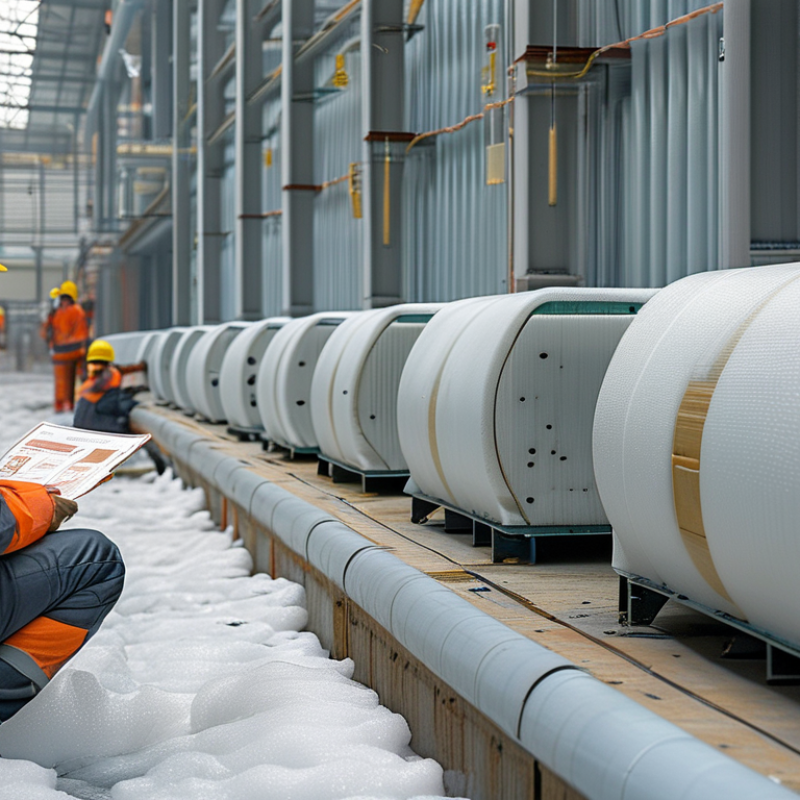
Best HVAC Foam Insulation Solutions for Global Buyers
In recent years, the importance of effective HVAC foam insulation has gained significant attention in the global market. Data from the International Energy Agency indicates that buildings account for nearly 40% of global energy demand. Foam insulation plays a crucial role in enhancing energy efficiency. It reduces heating and cooling costs, leading to substantial savings over time.
Current studies show that closed-cell foam insulation provides a higher R-value per inch compared to traditional materials. Its ability to create an airtight seal significantly lowers air leakage. However, the initial cost of foam insulation can deter some buyers. This investment often leads to long-term savings on energy bills, making it a sound choice.
Global buyers face a diverse range of options. Each region has unique climatic conditions that can affect insulation performance. For example, in colder climates, thicker foam layers may be essential. In contrast, warmer environments might benefit from reflective properties. Buyers must evaluate their specific needs carefully. While foam insulation offers several advantages, improper installation or selection can lead to inefficiencies. This highlights the need for informed decision-making in the HVAC market.
Overview of HVAC Foam Insulation and Its Importance for Energy Efficiency
HVAC foam insulation plays a crucial role in energy efficiency. It helps reduce heating and cooling costs significantly. According to the U.S. Department of Energy, proper insulation can cut energy bills by up to 30%. This means a substantial reduction in both environmental impact and utility expenses for homeowners and businesses alike.
Foam insulation also improves indoor air quality. It minimizes air leakage and prevents dust and allergens from entering living spaces. A study by the North American Insulation Manufacturers Association highlights that well-insulated buildings can lead to a 25% improvement in overall comfort levels. However, the application of foam insulation is not without challenges. Installation errors can occur, leading to inadequate sealing and diminished performance.
Long-term performance is another concern. Some types of foam insulation may degrade over time or lose their insulating properties. Experts recommend regular assessment to ensure continued efficiency. Balancing cost, performance, and installation quality is vital for optimal results. Consideration of these factors is essential for global buyers seeking effective HVAC foam insulation solutions.
Types of Foam Insulation: Comparing Polyurethane, Polystyrene, and Spray Foam
When selecting foam insulation for HVAC systems, understanding the differences is crucial.
Polyurethane, polystyrene, and spray foam each have unique properties.
Polyurethane foam offers excellent thermal resistance. It adapts well to irregular shapes, ensuring a tight seal.
However, its installation can be complex and requires skilled professionals.
Polystyrene is another popular option. It is lightweight and easy to handle. This type can be rigid or foam board, allowing flexibility in application.
However, its thermal performance is generally lower than polyurethane. Consideration of moisture resistance is necessary as well.
Spray foam insulation provides superior air sealing. It expands on application, filling gaps effectively.
Yet, it can be costlier and may require careful installation. Improper application could lead to issues such as uneven surfaces.
Each type has its merits and drawbacks. Evaluating specific needs is essential for the best choice.
Global Market Trends: Demand for HVAC Foam Insulation Solutions by Region
HVAC foam insulation solutions are gaining traction globally, driven by increasing energy efficiency demands. Different regions show varied trends, influenced by climate, local regulations, and market maturity. North America leads with innovation in insulation technology, focusing on residential applications. Meanwhile, Asia Pacific is observing rapid growth due to urbanization and increased construction activities.
In Europe, sustainability remains a priority. Eco-friendly insulation materials are becoming more popular as regulations tighten. Countries like Germany and Sweden emphasize low-impact solutions. Buyers here prioritize products that comply with stringent environmental standards.
**Tips:** When selecting foam insulation, consider both thermal performance and fire resistance. Research local regulations to ensure compliance. Assess the long-term benefits versus the initial investment.
Investors should remain cautious. The market is dynamic, with frequent changes in consumer preferences. Emerging economies may face challenges, such as access to high-quality materials. Understanding regional demands is crucial for making informed decisions.
Key Performance Metrics: R-Values and Thermal Resistance in HVAC Insulation
When selecting HVAC foam insulation, understanding R-values is crucial. R-value measures thermal resistance. Higher values indicate better insulation performance. Thus, choosing materials with high R-values is essential for energy efficiency. This means more stable indoor temperatures and lower energy costs over time.
Thermal resistance is not just about numbers. It also depends on the installation process. If insulation isn't installed properly, its performance suffers. Gaps or compression can significantly reduce its effectiveness. So, adequate training and proper techniques during installation are critical. Analyze installation details as much as the R-values themselves.
Different foam types provide varying levels of thermal resistance. Understanding your climate's needs can guide your choice. Consider how the insulation behaves under specific temperatures and humidity. This insight can prevent future regrets. Low-quality performance can lead to unexpected energy bills or discomfort. Seek guidance from industry experts to avoid mistakes often made by DIY enthusiasts.
Environmental Impact and Sustainability Considerations in Foam Insulation Choices
When considering foam insulation for HVAC systems, environmental impact and sustainability should be at the forefront. Many foam insulation products contain chemicals harmful to the environment. They can contribute to greenhouse gas emissions during production and disposal. Opting for eco-friendly alternatives can mitigate these effects.
Bio-based materials are gaining attention as sustainable options. These materials reduce reliance on fossil fuels and lower overall carbon footprints.
Tips: Look for insulation with third-party certifications. They can indicate lower environmental impact. Always check for safety data sheets to understand any harmful substances present.
Energy efficiency is another crucial factor. Effective insulation can lower energy consumption, reducing the carbon footprint of HVAC systems. However, not all insulating materials perform the same. Some may require more energy to produce than they save. It is essential to assess the life cycle impact of each product carefully.
Tips: Conduct a life cycle analysis if possible. This will provide insight into the long-term sustainability of your choice. Don’t overlook local regulations regarding insulation materials. They often motivate better environmental practices.
FAQS
It minimizes air leakage, keeping dust and allergens out, leading to cleaner air in living spaces.
Yes, installation errors can occur that may lead to inadequate sealing and reduced performance over time.
Experts recommend regular assessments to ensure that it maintains its insulating properties and efficiency.
Many regions prioritize eco-friendly materials due to strict regulations and a growing concern for environmental impact.
It's important to evaluate thermal performance, fire resistance, and compliance with local regulations.
Demand is influenced by climate, regulations, and urbanization, with regions showing distinct trends.
European buyers often look for products that meet high environmental standards due to their focus on sustainability.
The market is dynamic, with changing consumer preferences, making research essential for sound investment decisions.
Yes, some foam types may lose insulating properties over time, requiring careful consideration of long-term performance.
Conclusion
The article titled "Best HVAC Foam Insulation Solutions for Global Buyers?" provides a comprehensive overview of HVAC foam insulation, highlighting its critical role in enhancing energy efficiency. It delves into various types of foam insulation, including polyurethane, polystyrene, and spray foam, allowing readers to compare their properties and applications.
Furthermore, the article examines global market trends, revealing the increasing demand for HVAC foam insulation across different regions. Key performance metrics such as R-values and thermal resistance are discussed to underscore their significance in insulation effectiveness. Lastly, the environmental impact and sustainability considerations are emphasized, guiding buyers toward making informed decisions that balance both performance and ecological responsibility in their HVAC foam insulation choices.

 Kingflex