Best Thin Pipe Insulation Options for Maximum Energy Efficiency?

Time:2026-07-28 Author:Madeline
0%

Thin Pipe Insulation plays a crucial role in energy efficiency. According to the U.S. Department of Energy, insulated pipes can reduce energy loss by 80%. This reduction leads to significant cost savings in heating and cooling expenses.

Many homeowners overlook insulation in smaller pipes. However, studies show that neglecting Thin Pipe Insulation can increase energy bills by up to 30%. Choosing the right materials is essential. Options like foam, fiberglass, and rubber each offer unique benefits and drawbacks.

Given the diverse climate zones, the effectiveness of Thin Pipe Insulation can vary. For instance, in colder areas, the right insulation can prevent freezing and bursting. Yet, some materials may not perform well in high-temperature settings. Understanding these nuances is vital for making informed decisions.
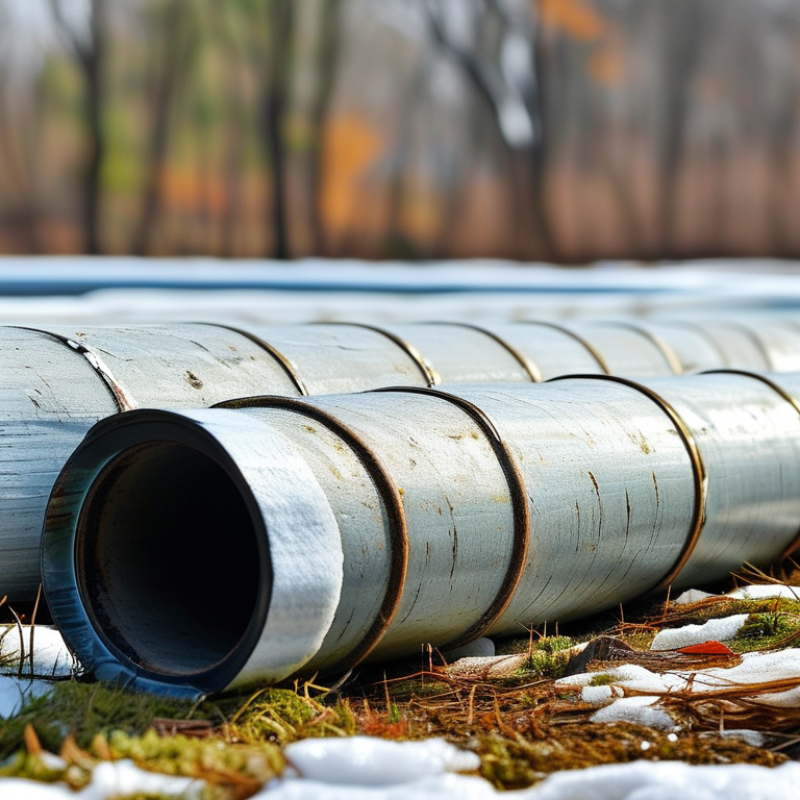
Best Thin Pipe Insulation Options for Maximum Energy Efficiency?

Types of Thin Pipe Insulation Materials and Their Properties

When considering thin pipe insulation materials, there are several options that stand out for their unique properties. Fiberglass insulation is popular due to its lightweight and flexibility. It's easy to install and effectively reduces heat loss. However, it can be susceptible to moisture, which may lead to mold issues. Thus, regular inspections are important.

Another viable choice is foam insulation, known for its excellent thermal resistance. This material is dense and can conform to various pipe shapes. It's also moisture-resistant, making it less prone to mold. However, some foam types may be vulnerable to UV degradation if exposed to sunlight. Homeowners might overlook this detail during installation.

Mineral wool insulation is also noteworthy. It is fire-resistant and soundproof, providing additional benefits. But, it is heavier, making it slightly more difficult to work with. Proper handling is crucial to avoid irritation during installation. Each material has its pros and cons, and analyzing these factors is essential for optimal energy efficiency.

Benefits of Using Thin Pipe Insulation for Energy Efficiency

Thin pipe insulation plays a crucial role in enhancing energy efficiency in buildings. According to the U.S. Department of Energy, insulating pipes can reduce heat loss by 90% in certain applications. This reduction translates into substantial energy savings. Thinner insulation takes up less space, making it ideal for retrofitting older systems without compromising functionality. This is especially beneficial in urban areas where space is at a premium.

The benefits extend beyond just maintaining temperature. Energy-efficient insulation materials also help minimize condensation issues. A report from the American Society of Heating, Refrigerating and Air-Conditioning Engineers states that properly insulated pipes can prevent water damage and mold growth. By maintaining optimal temperatures, facilities can reduce operational costs and create a healthier environment.

However, some users might overlook the importance of installation quality. Poorly installed insulation can lead to gaps, reducing its effectiveness. Also, thinner materials may not provide as much thermal resistance as thicker options, depending on the application. This makes proper assessment crucial before making a decision. An informed approach to choosing the right insulation thickness can significantly impact overall energy efficiency.

Installation Techniques for Optimal Thin Pipe Insulation Performance

When it comes to thin pipe insulation, proper installation is crucial for maximizing energy efficiency. A 2021 report from the Department of Energy indicates that properly insulated pipes can reduce energy losses by 90% or more. This significant reduction illustrates the importance of meticulously following installation techniques.

Start by measuring the pipe diameter accurately. Use a fitting tape to get the right size. This ensures that the insulation fits snugly, preventing air gaps that can cause heat loss. After cutting the insulation to length, apply adhesive or tape to secure it. Pay attention to the joints, as they are common areas for leaks. A study by the Building Efficiency Initiative highlighted that unsealed joints could result in energy losses equivalent to up to 30% of the insulated pipe's energy savings.

Consider environmental factors during installation. If pipes are exposed to high humidity, using moisture-resistant insulation is vital. This can prevent mold growth and ensures long-term performance. Additionally, maintaining a consistent insulation thickness across pipes can help achieve uniform energy efficiency. Reflect on the installation process regularly. Are there areas that consistently underperform? Assessing these points can lead to improved techniques in the future.

Comparative Analysis of Insulation Options for Cost-Effectiveness

When evaluating insulation options for thin pipes, cost-effectiveness is crucial for maximizing energy efficiency. According to a report by the U.S. Department of Energy, proper insulation can save up to 10% on energy bills. This highlights the importance of selecting the right materials and techniques.

A comparative analysis of different insulation types shows various outcomes. Fiberglass insulation is often regarded as cost-effective, with an average R-value of 2.2 to 4.3 per inch. However, closed-cell foam has a higher R-value, around 6 to 7 per inch, but at an increased cost. Mineral wool also stands out for its fire resistance, making it a solid choice despite potentially higher upfront costs. It's essential to balance initial investments against long-term savings.

Tip: Always consider the long-term energy savings when selecting insulation. A higher upfront cost may lead to lower energy bills. Additionally, ensure proper installation to avoid gaps that reduce efficiency. Errors in installation can negate potential savings, leading to frustration and wasted resources. Overall, analyzing these factors can lead to better decisions in pipe insulation that align with budget and efficiency goals.

Best Thin Pipe Insulation Options for Maximum Energy Efficiency

Maintenance Tips for Prolonging the Life of Pipe Insulation

Pipe insulation is crucial for energy efficiency in any building. Maintaining it properly prolongs its lifespan and performance. A recent report from the U.S. Department of Energy highlights that proper insulation can reduce energy consumption by 10-30%. To achieve these savings, it's essential to regularly inspect pipe insulation.

Look for signs of wear or damage. Moisture can lead to mold, which reduces insulation effectiveness. If you observe damp spots, address them quickly. Regular inspections can help catch small issues before they become major problems. Additionally, check for gaps or loose fittings. These can lead to energy loss, undermining insulation benefits.

Cleaning can also aid in maintenance. Dust and debris can gather over time. Using a soft cloth can help maintain the surface of the insulation. This simple step can enhance performance. Furthermore, consider the environment where the insulation is located. Extreme temperature fluctuations can impact its longevity. Keeping an eye on these factors will ensure efficient operations. Optimal conditions yield the best results.

FAQS

: What are the main benefits of thin pipe insulation?

: Thin pipe insulation enhances energy efficiency and can reduce heat loss by up to 90%.

How does insulation help with condensation?

Proper insulation prevents condensation, which can lead to water damage and mold growth.

Why is installation quality important?

Poor installation can create gaps that reduce insulation effectiveness, leading to higher energy costs.

Is thinner insulation always the best option?

Thinner insulation takes up less space but may provide less thermal resistance than thicker options.

How can insulation impact operational costs?

By maintaining optimal temperatures, insulation can significantly lower operational costs in facilities.

What should I consider when selecting insulation materials?

Balance initial costs with long-term energy savings; sometimes higher upfront costs offer better savings later.

Are there differences among insulation types?

Yes, options like fiberglass, closed-cell foam, and mineral wool each have unique benefits and costs.

What common mistakes should be avoided?

Errors in installation can waste resources and negate potential energy savings, leading to frustration.

What is an effective insulation strategy?

A proper assessment of needs and conditions can lead to better insulation choices and energy efficiency.

Can insulation affect health in facilities?

Yes, effective insulation contributes to a healthier environment by reducing issues like mold growth.

Conclusion

Thin pipe insulation is an essential component in enhancing energy efficiency within residential and commercial buildings. This article explores various types of thin pipe insulation materials, highlighting their unique properties and benefits. By utilizing thin pipe insulation, users can effectively reduce energy loss, leading to cost savings on heating and cooling expenses.

Installation techniques play a crucial role in optimizing the performance of thin pipe insulation. Proper application ensures maximum thermal resistance, resulting in better energy conservation. The article also conducts a comparative analysis of different insulation options to determine their cost-effectiveness, providing valuable insights for homeowners and contractors alike. Finally, maintenance tips are offered to help prolong the life of pipe insulation, ensuring sustained energy efficiency and protection against environmental factors.

Madeline

Madeline

Madeline is a dedicated marketing professional with a wealth of expertise in our company's core offerings. With a keen understanding of the industry, she brings a unique perspective to her role, consistently delivering high-quality content that highlights the superior aspects of our products. As......