In the dynamic world of construction and insulation materials, "Insulation Foam Tape" stands out as a vital component. As global demand rises, buyers seek reliable options. Industry expert Dr. Emily Chen, a leading researcher in adhesive technologies, emphasizes, "Choosing the right insulation tape can make or break a project." This insight underscores the importance of informed selection.
With numerous options on the market, the quality of foam tape varies significantly. Some products may not meet quality standards, risking efficiency and safety. A reliable source can guide buyers toward top choices. Dr. Chen reminds us that "the wrong tape often leads to more costs in the long run," highlighting the need for careful evaluation.
As we explore the top 10 insulation foam tape options, remember that not all tapes are created equal. Understanding performance specifications is crucial. In this quest for quality, questioning what defines "best" is essential. In an industry plagued by fluctuating standards, ensuring that your choice aligns with project requirements is paramount. The right insulation foam tape not only enhances performance but also ensures peace of mind.
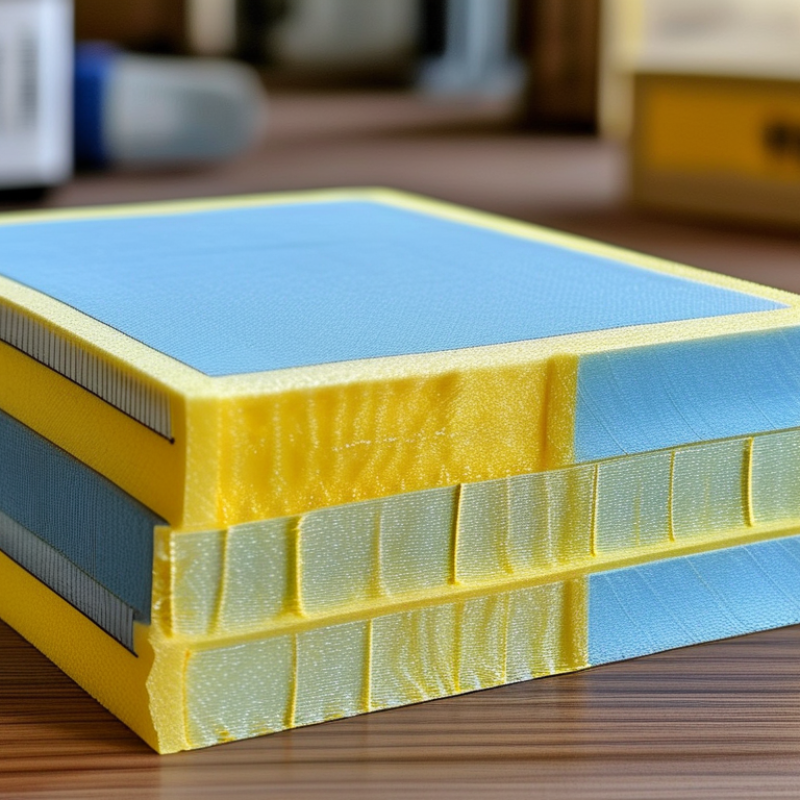
Insulation foam tape plays a crucial role in various industries. It is widely used in HVAC systems, electronics, and packaging. This adhesive tape provides thermal insulation and sound dampening, making it essential for energy-efficient designs. According to a report by Allied Market Research, the global insulation tape market is projected to reach $6.95 billion by 2025.
In construction, insulation foam tape helps improve energy conservation. Its applications can be seen in sealing windows and doors, where it reduces air leaks. Statistics show that proper insulation can lead to energy savings of up to 30%. However, not all tapes are created equal. Some may lose adhesive strength over time, leading to ineffective insulation.
In the automotive sector, insulation tape is used to minimize noise and vibration. The demand for lightweight and durable materials ensures its relevance. As manufacturers strive for better quality, there’s room for improvement in adhesive technology. Many products still don't meet the rigorous standards that engineers expect. Continuous innovation is needed to enhance performance and reliability in various applications.
When selecting high-quality insulation foam tape, consider its material properties. Closed-cell foam is often preferred due to its excellent resistance to moisture and air infiltration. This type of foam minimizes thermal transfer, making it ideal for energy efficiency. The thickness of the tape also matters; thicker tapes often provide better insulation.
Another crucial characteristic is adhesion. Strong adhesive ensures the tape sticks effectively to various surfaces. It should bond well with both smooth and uneven areas. Additionally, check for temperature resistance. A tape that can withstand extreme heat or cold will perform better over time.
Lastly, verify the durability of the foam tape. It should resist tearing and wear, especially in outdoor applications. Look for tapes that maintain flexibility while resisting degradation from UV exposure. Testing these qualities beforehand can prevent future issues. Sometimes, initial choices might not meet expectations, prompting a need for reevaluation. This can lead to discovering higher-performing alternatives better suited for specific needs.
When it comes to insulation foam tape, China offers several quality options for global buyers. These products vary in thickness, adhesive strength, and purpose. Many manufacturers focus on creating tapes that provide excellent insulation and sealing capabilities. This makes them ideal for construction, automotive, and consumer goods industries. The versatility is impressive, ensuring that professionals can find a product to meet specific needs.
Some tapes are designed for extreme temperatures, while others excel in noise reduction. Buyers should carefully consider their applications. Each product has unique qualities that may not suit all situations. There is significant variation in material composition as well. Some foams are made from polyurethane, while others use polyethylene. This diversity allows users to choose based on performance needs, but it can also lead to confusion.
Relying solely on product descriptions can be risky. Testing samples before placing bulk orders is a common practice among informed buyers. Quality control varies among manufacturers, and some may not meet expectations. The importance of thorough research cannot be overstated in this competitive market. Finding a reliable supplier often involves trial and error. This journey can be enlightening, revealing both strengths and weaknesses in products.
When selecting insulation foam tape, various factors must be considered to make an informed decision. One vital aspect is the tape's thermal resistance. Industry reports indicate that insulation materials can significantly impact energy efficiency. For instance, improved insulation can lead to energy savings of up to 30% in residential buildings. This highlights the importance of choosing the right foam tape to enhance insulation.
Another critical factor is adhesion quality. The effectiveness of insulation foam tape heavily relies on its ability to bond securely to different surfaces. Studies show that tapes with superior adhesive properties last longer and perform better in diverse environments. Choosing a tape that can withstand variations in temperature and humidity is also essential, as these conditions can compromise its integrity.
Moreover, evaluating the tape’s environmental impact is becoming increasingly important. Manufacturers are exploring eco-friendly materials, which reduce waste and promote sustainability. Data suggests that consumers are more likely to choose products that align with environmental standards. However, finding a balance between performance and sustainability can be challenging. It's vital to research and compare options to avoid compromising either aspect.
When sourcing insulation foam tape, global buyers face unique challenges. Understanding the manufacturing landscape in China is crucial. According to industry reports, the insulation foam tape market is projected to grow at a CAGR of 5.8% from 2021 to 2026. This growth is driven by the demand in construction and automotive sectors.
Buyers should prioritize specifications. Insulation properties, adhesion strength, and durability are critical factors. Foam tape varies widely in density and thickness, significantly impacting performance. Data shows that the thermal resistance of quality foam tape can reach R-values over 4 per inch. This can contribute to energy efficiency in buildings, aligning with global sustainability goals.
Quality assurance is vital. Manufacturers should provide certifications like ISO 9001. Some reports highlight that nearly 30% of imported insulation tape fails to meet safety standards. Buyers must insist on transparency in sourcing to ensure reliability. Evaluating supplier credentials helps mitigate risks. Engaging in thorough due diligence can uncover potential issues in the production process.
| Option | Material Type | Thickness (mm) | Width (mm) | Length (m) | Thermal Conductivity (W/mK) | Temperature Range (°C) |
|---|---|---|---|---|---|---|
| Option 1 | PE Foam | 5 | 25 | 30 | 0.038 | -20 to 70 |
| Option 2 | EVA Foam | 3 | 20 | 50 | 0.040 | -30 to 80 |
| Option 3 | Nitrile Rubber | 6 | 50 | 20 | 0.035 | -40 to 90 |
| Option 4 | PVC Foam | 4 | 30 | 25 | 0.042 | -10 to 60 |
| Option 5 | Polyethylene | 7 | 40 | 10 | 0.036 | -20 to 75 |
| Option 6 | Cross-linked Foam | 2 | 22 | 35 | 0.034 | -30 to 85 |
| Option 7 | Neoprene | 5 | 15 | 20 | 0.039 | -25 to 60 |
| Option 8 | Polypropylene | 4 | 28 | 15 | 0.045 | -20 to 70 |
| Option 9 | Rubber Foam | 6 | 33 | 10 | 0.037 | -40 to 80 |
| Option 10 | Silicone Foam | 3 | 35 | 20 | 0.033 | -50 to 90 |
: Key factors include thermal resistance, adhesion quality, and environmental impact. Each plays a role in your project's success.
Improved insulation can lead to energy savings of up to 30% in homes. Choosing the right foam tape is crucial.
Strong adhesion ensures lasting performance across different surfaces and environments. Poor adhesion can lead to failures.
Yes, many manufacturers offer eco-friendly materials. They help reduce waste but may impact performance.
No, relying only on descriptions can be risky. Testing samples is advisable before bulk orders to gauge quality.
Some tapes are designed for extreme conditions. It's essential to check product specifications to ensure suitability.
Common materials include polyurethane and polyethylene. Each has different performance qualities to fit various needs.
Finding a reliable supplier often requires trial and error. It's a learning process that reveals product strengths and weaknesses.
Investigate the quality control of the manufacturer. Reevaluating your choice or supplier may be necessary to avoid similar issues.
Adhesive integrity can be compromised by temperature and humidity changes. Select tapes that can withstand these variations safely.
The article titled "China Top 10 Insulation Foam Tape Options for Global Buyers" provides a comprehensive overview of insulation foam tape, highlighting its various applications across industries such as construction, automotive, and electronics. It emphasizes the key characteristics that define high-quality insulation foam tape, including thermal insulation, sound dampening, and essential adhesion properties.
Furthermore, the piece lists the top ten insulation foam tape products sourced from China, offering valuable insights for global buyers on their options. It also outlines critical factors to consider when selecting the right insulation foam tape, such as thickness, material, and intended use. Lastly, the article presents guidelines for effectively sourcing insulation foam tape in global markets, ensuring that buyers can make informed decisions to meet their specific insulation needs.

Kingflex