How to Choose the Best Heat Insulation Tube for Your Needs?

Time:2026-09-01 Author:Ethan
0%

Choosing the right heat insulation tube is crucial for efficiency and safety. A suitable heat insulation tube can impact energy savings and overall system performance. It's vital to understand your specific needs before making a decision.

Many options are available in the market. Factors such as material, thickness, and temperature range play a significant role in the selection process. Not all heat insulation tubes perform equally, and sometimes, consumers overlook critical details. This oversight can lead to inefficiencies, increased energy costs, and potential safety hazards.

Moreover, it is essential to consider environmental conditions and application use. This can affect the durability and effectiveness of the heat insulation tube. Reflecting on your unique situation is necessary. Researching and consulting with professionals could prevent regrettable choices. The right insulation tube enhances performance, but the wrong one may cause harm.
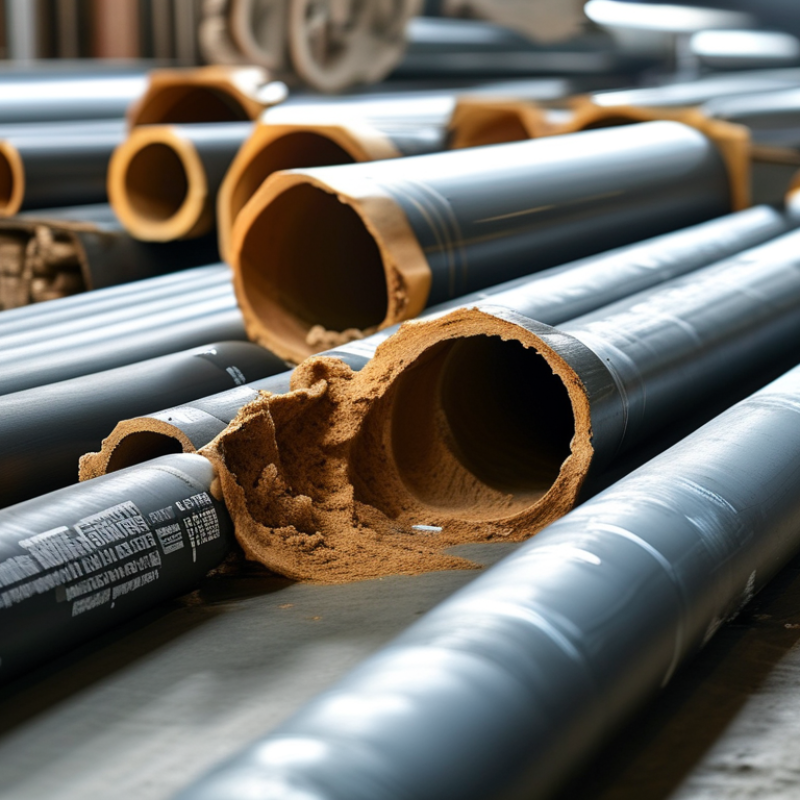
How to Choose the Best Heat Insulation Tube for Your Needs?

Understanding the Different Types of Heat Insulation Tubes Available

When selecting heat insulation tubes, understanding the available types is essential. Insulation tubes come in various materials like fiberglass, foam, and rubber. According to a recent report by the International Institute of Insulation, fiberglass tubes provide high thermal resistance. They are effective in reducing heat loss in industrial applications. However, they can be heavy and may require additional support during installation.

Foam insulation tubes, on the other hand, are lightweight and flexible. They offer a quick and easy installation process. Data from the Thermal Insulation Handbook indicates that foam insulation can reduce thermal conductivity significantly. However, it may not withstand high temperatures as well as fiberglass. For environments with extreme heat, other materials like silicone-based insulation should be considered for their durability.

Rubber insulation tubes are another viable option. They come in various thicknesses and are commonly used in HVAC systems. Their flexibility allows for easy installation around bends and corners. Industry reports often highlight that while rubber is somewhat more expensive, its longevity and ease of maintenance can justify the investment. In assessing these types, detailed evaluations of the environment and specific installations are crucial.

Factors to Consider When Selecting Heat Insulation Tubes

When choosing the best heat insulation tube, several factors significantly impact your decision. First, consider the material of the insulation tube. Common options include rubber, fiberglass, and foam. Each material has different thermal resistance properties. Fiberglass, for instance, offers excellent insulation but can be difficult to handle. Choose what suits your project best.

Density is another crucial factor. Higher density tubes typically provide better thermal performance. However, they can be heavier and harder to install. Balancing insulation effectiveness and ease of handling is essential. Additionally, evaluate the temperature range the insulation will face. Certain materials perform better under specific conditions.

Tips: Look for insulation tubes with certifications. This ensures they meet safety and efficiency standards. Always check reviews from credible sources. Understanding past user experiences can guide your selection. Lastly, don't overlook the cost versus performance ratio. Sometimes the cheapest option may not offer the best insulation.

Taking time to research each factor will enhance the quality of your choice. Each project has unique requirements. Therefore, reflect on your specific needs before making a final decision.

Evaluating Thermal Conductivity for Effective Insulation

When selecting the best heat insulation tube, evaluating thermal conductivity is essential. This property determines how well a material resists heat transfer. Materials with low thermal conductivity are ideal for maintaining temperature, whether for heating or cooling applications. Polyethylene and rubber are often cited as effective insulators. However, the exact performance can vary significantly based on thickness and installation method.

Thermal conductivity is measured in watts per meter-kelvin (W/m·K). Lower values indicate better insulation. It's critical to assess the specific needs of your project. For example, high-temperature environments may require specialized materials that can withstand extreme conditions. The surrounding environment and potential exposure to moisture should also be considered. Sometimes, a less obvious choice might be more effective, prompting a reevaluation of commonly used materials.

Furthermore, it's advisable to consult manufacturers' data and guidelines. This ensures informed decisions based on tested and reliable information. Despite the data available, making the right choice still involves some uncertainty. You might find yourself questioning the effectiveness of a seemingly suitable option. Experimentation and feedback during installation can lead to better insights.

Thermal Conductivity of Different Insulation Materials

This bar chart illustrates the thermal conductivity of various insulation materials. Lower values indicate better insulation properties, making it essential for selecting the appropriate material based on your insulation needs.

Assessing Environmental Resistance and Durability

When selecting heat insulation tubes, durability and environmental resistance are crucial factors. These attributes determine the product's lifespan and efficacy in various conditions. High levels of moisture or extreme temperatures can degrade insulation materials. Therefore, choose tubes designed to withstand such environments. Look for materials that resist both corrosion and UV damage.

Testing and certification often indicate a product's reliability. It's essential to check if the insulation tube has been subjected to rigorous testing. Lab results can provide insights into its performance over time. Inspect for any signs of wear or potential failure points. Regularly reassess the condition of the tubes you choose.

Moreover, environmental impacts play a role in the decision-making process. Sustainable options are increasingly available. However, keep in mind that not all eco-friendly materials offer the same level of insulation. Balancing durability with environmental concerns requires careful consideration. Ask critical questions about the trade-offs involved. Are you prioritizing longevity over sustainability? Evaluating these factors ensures you choose an insulation solution that meets both demands.

Cost vs. Performance: Making an Informed Choice

When selecting a heat insulation tube, it's essential to weigh cost against performance. Many assume that higher-priced materials provide better insulation. However, this isn’t always true. Some affordable options deliver adequate thermal resistance without breaking the bank. Looking closely at thermal conductivity ratings can guide your choice wisely.

Additionally, consider the longevity of the materials. A less expensive product might save money upfront, but could lead to higher costs in the long run if it requires frequent replacements. Research shows that investing in durable insulation can result in significant savings on energy bills. Sometimes, prioritizing initial cost can lead to regrets down the road.

Moreover, don’t overlook the installation process. Some high-performance tubes may offer superior insulation but require specialized skills for installation. An easier-to-install tube, even if slightly lower in performance, can save time and ensure a proper fit. Balancing these factors can lead to better decision-making. Reflect on your unique circumstances to find the best insulation solution that truly meets your needs.

FAQS

: What is thermal conductivity?

: Thermal conductivity measures how well a material resists heat transfer. Lower values indicate better insulation.

Why is material thickness important?

Thickness affects insulation performance. Thicker materials often provide better thermal resistance.

How do environmental factors influence insulation choice?

Moisture and extreme temperatures can degrade insulation. Choose materials that can withstand these conditions.

Should I trust all manufacturers' data?

Not always. It’s wise to verify the reliability of the information through testing and certification.

Is cost a reliable indicator of performance?

Higher prices don’t guarantee better insulation. Some affordable options perform well too.

How does installation affect insulation effectiveness?

Poor installation can undermine insulation performance, even with high-quality materials. Consider ease of installation.

What should I look for in sustainable materials?

Ensure that eco-friendly options offer sufficient insulation. Not all sustainable materials perform equally.

Can less expensive materials lead to regrets?

Yes. Cheaper products may need more frequent replacements, increasing long-term costs.

How often should I reassess insulation tubes?

Regular assessments are crucial. Look for wear or potential failure points to maintain effectiveness.

What balance should I strive for in insulation selection?

Aim for durability and performance while considering cost and environmental impact. Reflect on your specific needs.

Conclusion

Choosing the right Heat Insulation Tube is crucial for achieving optimal energy efficiency in various applications. The article begins by outlining different types of heat insulation tubes available in the market, helping readers understand their specific characteristics. Key factors to consider when selecting these tubes include thermal conductivity, which directly affects insulation effectiveness, as well as environmental resistance and durability, ensuring long-term performance in challenging conditions.

Moreover, the article emphasizes the importance of evaluating the cost versus performance of heat insulation tubes. By making an informed choice based on these critical aspects, individuals and businesses can find the most suitable heat insulation solutions tailored to their specific needs, ultimately enhancing efficiency and reducing energy costs.

Ethan

Ethan

Ethan is a seasoned marketing professional with a deep expertise in our company's innovative product line. With a passion for sharing knowledge and insights, he takes the lead in regularly updating our corporate blog, where he explores industry trends, product features, and effective marketing......