What is Heat Insulation Tape and How Does it Work?

Time:2026-07-21 Author:Charlotte
0%

Heat Insulation Tape is a specialized product designed for thermal management. It plays a crucial role in keeping surfaces at stable temperatures. Its applications range from industrial settings to home use. Understanding how Heat Insulation Tape works can illuminate its benefits.

The tape functions by reducing heat transfer between surfaces. It creates a barrier that reflects heat or minimizes heat flow. This helps maintain energy efficiency in various applications. It can prevent heat loss in pipes or protect sensitive electronics from overheating. Such features make Heat Insulation Tape invaluable in construction and manufacturing industries.

However, not all applications are equal. Effectiveness may vary based on the environment or material used. Users should conduct careful evaluations. This awareness prompts responsible use, ensuring optimal results. Balancing its strengths with potential limitations invites a thoughtful approach.
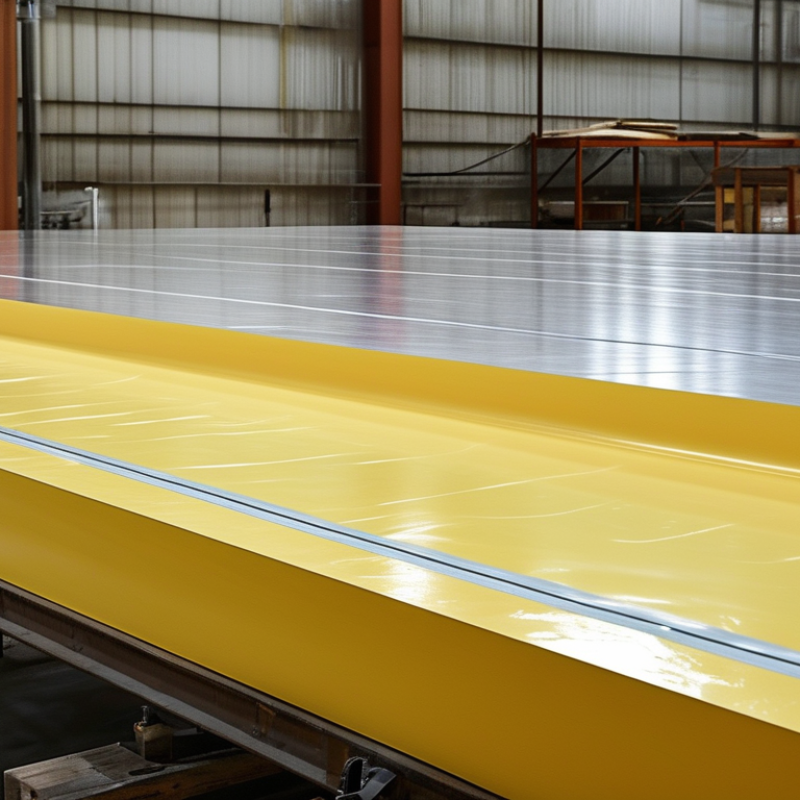
What is Heat Insulation Tape and How Does it Work?

What is Heat Insulation Tape? Definition and Overview

Heat insulation tape is a specialized adhesive tape designed to prevent heat transfer between surfaces. Typically made from materials like fiberglass or silicone, this tape acts as a barrier against heat. It is a common choice in industrial settings, where machinery generates significant heat. However, its applications extend to home improvement and automotive use as well.


The working principle of heat insulation tape relies on its low thermal conductivity. When wrapped around pipes or electrical components, it minimizes heat loss. This can lead to energy savings and improved efficiency. Many users face challenges when applying the tape. Proper surface preparation is crucial for adhesion and effectiveness. Incorrect application may result in premature failure, diminishing its benefits.


Moreover, while heat insulation tape provides excellent protection, it is not infallible. Users sometimes overlook the importance of temperature limits. Each type of tape has specific operational thresholds. Using tape beyond these limits can lead to melting or degradation. Regular inspections are necessary to ensure long-lasting performance.

The Science Behind Heat Insulation: How It Works Mechanically

Heat insulation tape is an essential tool in various applications. Its function relies on the principles of thermal resistance. The tape is designed to minimize heat transfer between surfaces. It achieves this by employing materials that trap air, an excellent insulator. The trapped air reduces energy flow, which helps maintain stable temperatures.

Mechanically, heat insulation tape works through conduction and convection. Conduction occurs when heat travels through a solid material. Insulation tape interrupts this process. Then there’s convection; heat movement within fluids or gases. The materials in the tape disrupt airflow, enhancing its effectiveness. This dual-action approach provides a robust barrier against heat loss.

Using heat insulation tape isn't always flawless. The application must be precise for optimal performance. Misalignment or improper adhesion can lead to gaps, reducing efficacy. One must consider the environment as well. Extreme temperatures or moisture can impair the tape's longevity. A careful assessment of these factors is vital for ensuring the tape's reliability and durability.

Types of Heat Insulation Tapes and Their Applications in Various Industries

Heat insulation tape comes in various types, each specialized for different applications across industries. For instance, fiberglass insulation tape is widely used in the aerospace sector. It's effective for high-temperature applications, sustaining temperatures up to 550°F (288°C). This type of tape is crucial for maintaining energy efficiency and safety in aircraft.

Another notable type is ceramic insulation tape. Its unique properties make it ideal for the automotive industry, particularly in exhaust systems. Reports indicate that proper insulation can improve vehicle efficiency by 20%. This reduction in heat loss not only enhances performance but also extends the lifespan of components.

While many applications benefit from heat insulation tape, not all types suit every environment. Certain tapes may degrade under extreme conditions, leading to reduced effectiveness over time. This highlights the importance of selecting the right type based on specific operational needs. As industries evolve, continuous research is necessary to develop more resilient materials that meet rigorous standards.

Types of Heat Insulation Tape and Their Applications

This bar chart illustrates the various types of heat insulation tapes used across different industries and their respective percentage of applications. Foam tape is the most widely used, while thermal conductive tape shows the least usage among the listed types.

Performance Metrics: Thermal Resistance and Efficiency Ratings Explained

Heat insulation tape is essential for safeguarding materials from extreme temperatures. This tape can significantly reduce heat transfer. Its effectiveness is determined by several performance metrics, especially thermal resistance and efficiency ratings.

Thermal resistance measures the tape's ability to resist heat flow. Higher values denote better insulation. This is crucial for installations in high-temperature environments. The efficiency rating measures how well the tape performs in real-world applications. It's based on factors like durability and ease of application. An ideal tape should withstand varying conditions without losing its insulating properties.

However, using insulation tape is not always straightforward. Some products may not adhere well to certain surfaces. Others can degrade over time if exposed to moisture or chemicals. Users must consider these aspects when selecting the right tape. Testing under specific conditions can reveal unknown weaknesses in insulation tape. Understanding these metrics helps in making informed decisions for thermal management.

Best Practices for Application and Installation of Heat Insulation Tape

When applying heat insulation tape, it's essential to ensure a clean and dry surface. Dust or moisture can prevent a secure bond. Use a suitable cleaning solution to wipe the area thoroughly. After cleaning, allow it to dry completely. This step is crucial for effectiveness.

Precision in cutting the tape enhances performance. Use scissors to cut the tape to the desired length. Avoid tearing it, as uneven edges can lead to gaps. When applying the tape, press it firmly onto the surface. This ensures there are no air bubbles. Failing to do so may compromise insulation.

Regularly check the tape's integrity over time. Heat exposure can affect adhesion. If you notice peeling or wear, it’s time to reapply. Use these best practices to maximize efficiency. Adjusting your approach can lead to better heat retention and energy savings.

What is Heat Insulation Tape and How Does it Work? - Best Practices for Application and Installation of Heat Insulation Tape

Dimension Value
Material Polyimide, Fiberglass, PVC
Temperature Resistance -50°C to 260°C (-58°F to 500°F)
Thickness 0.1 mm to 2 mm
Width 5 mm to 100 mm
Applications Electrical insulation, HVAC systems, piping
Adhesive Type Acrylic, Rubber, Silicone
Key Benefits Heat resistance, durability, flexibility
Installation Method Clean surface, apply tape, trim excess
Maintenance Inspect regularly, replace as needed

FAQS

: What is heat insulation tape?

: Heat insulation tape is an adhesive tape that prevents heat transfer between surfaces. It blocks heat effectively.

What materials are commonly used for heat insulation tape?

Typical materials include fiberglass and silicone. These materials enhance the tape's insulating properties.

How does heat insulation tape work?

It minimizes heat transfer by trapping air, which acts as an insulator. This helps maintain stable temperatures.

What are the common applications of heat insulation tape?

It is used in industrial settings, home improvement, and automotive applications. Its versatility is noteworthy.

What challenges do users face when applying the tape?

Users struggle with proper surface preparation and application. Misalignment can lead to gaps and reduce effectiveness.

Are there temperature limits for heat insulation tape?

Yes, each type has specific operational thresholds. Exceeding these can cause melting or degradation of the tape.

Why are regular inspections necessary?

Regular checks ensure the tape's performance. They help identify any wear that could lead to premature failure.

How does moisture affect the tape's performance?

Extreme moisture can impair the tape's longevity. It's crucial to assess the environment before application.

Can heat insulation tape be used in all temperature conditions?

No, it has limits. Using it outside these limits may lead to failure in insulation properties.

What factors impact the reliability of heat insulation tape?

Factors like environment, proper application, and material quality must be considered. Ignoring these can lead to inefficient insulation.

Conclusion

Heat Insulation Tape is a specialized material designed to reduce the transfer of heat, making it essential in various industrial applications. It works mechanically by creating a barrier that minimizes thermal conductivity, thus enhancing energy efficiency. The tape comes in several types, each tailored for specific uses across industries such as construction, automotive, and manufacturing, showcasing versatility in insulating pipes, ducts, and equipment.

Performance metrics such as thermal resistance and efficiency ratings play a crucial role in determining the effectiveness of Heat Insulation Tape. Understanding these metrics helps users select the right type for their needs. Furthermore, adhering to best practices during application and installation is vital to maximize the tape's insulating properties, ensuring a reliable and effective solution in temperature management.

Charlotte

Charlotte

Charlotte is a seasoned marketing professional with a deep understanding of the company's portfolio and a passion for elevating its presence in the market. With a keen eye for detail and a commitment to excellence, she ensures that our professional blog is regularly updated with insightful articles......