What Is Jacketing Insulation and Why Is It Important?

Time:2026-09-11 Author:Charlotte
0%

Jacketing Insulation is the protective outer layer around insulated pipes, ducts, tanks, and equipment. It shields insulation from moisture, impact, chemicals, sunlight, and daily wear. Without this barrier, even excellent insulation can lose performance quickly. A torn seam or open joint may allow water to reach the insulation beneath. The damage is often invisible at first.

Building-science expert Dr. Joseph Lstiburek has stated, “You can’t fix a bad building by adding insulation.” His warning applies to industrial systems too. Insulation alone cannot solve every thermal problem. The jacket must match the environment, temperature, surface, and maintenance conditions. Aluminum jacketing may suit outdoor piping, while PVC or stainless steel may perform better in other areas. The wrong choice can create new weaknesses.

A careful installation matters just as much. Seams need proper overlap. Penetrations need secure sealing. Fasteners should not leave unnecessary openings. On a busy plant floor, forklifts, weather, vibration, and repeated maintenance can test every detail. Good Jacketing Insulation reduces heat loss, condensation, energy waste, and premature repair costs. It also supports safer working conditions around hot or cold surfaces.

Still, no jacket lasts forever. That reality is easy to overlook. Regular inspections remain necessary, especially around elbows, supports, valves, and low points where water can collect. This article explains how Jacketing Insulation works, which materials are commonly used, and why proper design and installation deserve more attention than they often receive.
What Is Jacketing Insulation and Why Is It Important?

Definition and Core Function of Jacketing Insulation

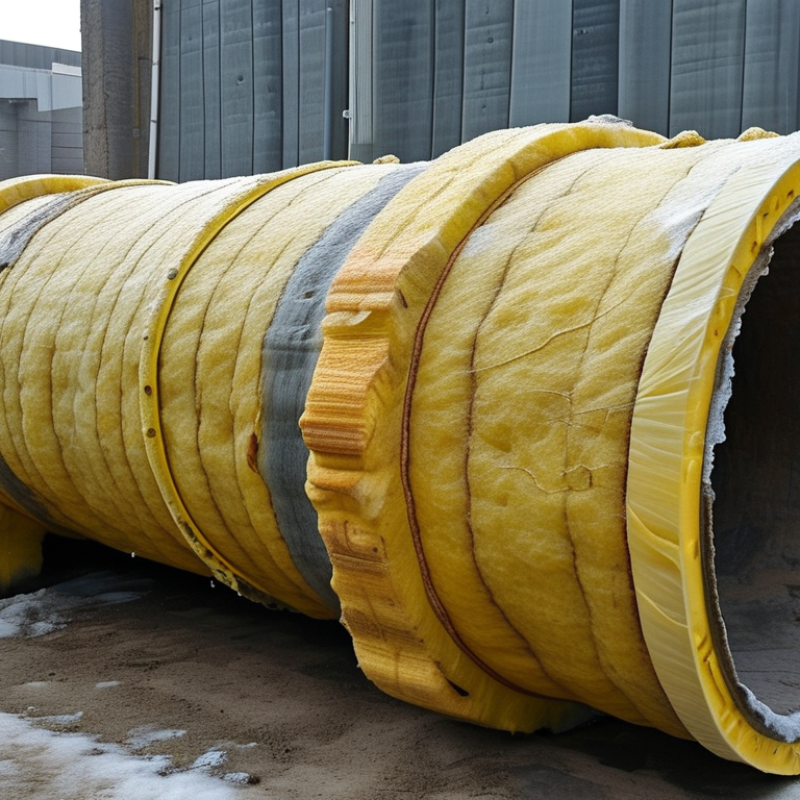
Jacketing insulation is the protective outer layer installed over thermal insulation. It usually consists of metal, polymer, or reinforced fabric. Its core function is simple: control heat transfer while protecting the insulation underneath. A jacket also resists moisture, impact, chemicals, ultraviolet exposure, and surface contamination. Without it, damaged insulation can lose performance quickly.

The U.S. Energy Information Administration’s 2020 Residential Energy Consumption Survey attributes about half of household energy use to space heating and air conditioning. Industrial systems face similar heat-control demands, often at higher temperatures. ASHRAE’s Handbook stresses that insulation design must consider heat flow, surface temperature, condensation, and operating conditions. A well-sealed jacket keeps insulation dry and stable. Small gaps can still create cold spots, energy loss, and corrosion beneath insulation. This problem is commonly called corrosion under insulation. It is easy to underestimate.

Tips: Choose the jacket according to temperature, weather, and mechanical exposure. Seal joints carefully around valves and supports. Check for dents, open seams, and trapped water during inspections. Field experience shows that the jacket is often treated as a finishing layer, not a performance component. That assumption needs reconsideration. Even excellent insulation performs poorly when its outer protection is poorly fitted.

Main Materials Used for Insulation Jacketing

Insulation jacketing protects thermal insulation from rain, impact, ultraviolet light, and daily handling. The jacket material matters because a warm, dry pipe needs more than thick insulation. It needs a durable outer skin.

Aluminum is widely used for outdoor pipework because it is lightweight, reflective, and resistant to corrosion. Its smooth surface also sheds rain quickly. However, thin aluminum can dent around valves and service areas.

Stainless steel offers stronger mechanical protection and performs well in harsh or humid environments. It costs more and requires careful cutting. Poorly sealed joints can still allow water behind the jacket.

PVC jacketing is practical for indoor systems and clean mechanical rooms. It is easy to wipe and comes in several colors. Yet it may become brittle under strong sunlight or extreme cold. Reinforced foil and kraft-faced materials are common beneath or around insulation, especially where vapor control is important. Fiberglass cloth with a weather-resistant coating can handle irregular shapes, but its installation demands patience. Small gaps matter.

In field inspections, the weakest point is often not the main surface. It is a seam, elbow, penetration, or damaged fastener. Material selection should consider temperature, moisture, UV exposure, impact risk, fire performance, and local requirements. No jacket is perfect. I have seen well-insulated pipes lose efficiency because one overlooked joint stayed wet for months.

How Jacketing Insulation Protects Insulated Systems

What Is Jacketing Insulation and Why Is It Important?

Jacketing insulation protects insulated systems from water, impact, ultraviolet exposure, and airborne contaminants. It acts like a durable outer skin around pipes, ducts, tanks, and equipment. Without this layer, wet insulation can lose much of its thermal performance. Moisture also increases corrosion risks beneath the insulation.

Small gaps matter.

The International Energy Agency’s Energy Efficiency 2023 report identifies efficiency improvements as a major route for reducing industrial energy demand. The U.S. Department of Energy’s Industrial Decarbonization Roadmap also reports that industry uses roughly 30% of total U.S. energy. These figures show why insulation protection deserves engineering attention. A damaged jacket can raise surface temperatures, increase heat loss, and create uncomfortable work areas. Properly sealed seams, overlaps, bands, and penetrations help preserve the designed thermal resistance. Field experience shows that these details often fail first.

Jacketing also improves safety and service life. A rigid metal jacket can resist foot traffic and accidental impact, while flexible systems suit irregular equipment. Material selection should match temperature, chemicals, weather, and cleaning methods. ASTM C680 supports heat-loss and surface-temperature calculations, while ISO 12241 provides principles for thermal insulation design. Yet calculations do not guarantee performance. Poor installation, trapped water, and unsealed joints can defeat excellent specifications. Inspectors should look for dents, open seams, staining, and soft insulation during maintenance rounds.

The smallest defect may become the expensive one.

Key Benefits in Industrial and Building Applications

What Is Jacketing Insulation and Why Is It Important?

Key Benefits in Industrial and Building Applications

In industrial plants and commercial buildings, insulation reduces heat transfer around pipes, ducts, tanks, and equipment. Jacketing is the protective outer layer installed over that insulation. It may use metal, polymer, or reinforced sheet materials. The jacket shields insulation from water, impact, chemicals, dust, and sunlight. Dry insulation performs more consistently. Wet insulation often loses thermal efficiency and creates maintenance problems.

Industrial applications gain stronger temperature control and improved equipment protection. On hot pipes, suitable jacketing helps maintain process temperatures and limits surface heat. On chilled lines, sealed joints help reduce condensation. This can lower corrosion risks beneath the insulation, although it cannot eliminate them. In buildings, jacketing protects duct insulation and supports more stable heating and cooling performance. It also creates a cleaner finish in plant rooms and service areas. Field inspections often show that small openings cause large problems. A damaged seam may admit water for months. No jacket lasts forever.

Tips: Check seams, fasteners, and penetrations during routine inspections. Repair torn sections before moisture spreads. Select materials according to temperature, impact, weather, and chemical exposure. Do not compress soft insulation unnecessarily. It can reduce its designed thickness and performance. Installation quality matters as much as material choice. Even careful work deserves a second inspection.

Selection, Installation, and Maintenance Considerations

Jacketing insulation is the protective outer layer wrapped around thermal insulation. It shields the insulation from water, impact, chemicals, and sunlight. A suitable jacket also keeps fibers contained and supports a cleaner work area. Selection depends on temperature, moisture exposure, mechanical risk, and local safety requirements. Metal jacketing suits outdoor piping and high-impact areas. Flexible polymer jackets can work better around valves and irregular shapes. Always confirm service-temperature limits before ordering materials. A jacket that looks strong may soften or crack under heat.

Installation quality matters as much as material choice. Surfaces should be clean, dry, and free from sharp edges. Installers need tight joints, controlled overlaps, and sealed penetrations around supports. Water often enters through small gaps near elbows, seams, and inspection points. Use compatible sealants, bands, and fasteners for the operating environment. Do not compress insulation unnecessarily. It loses performance.

Maintenance should include visual inspections after storms, repairs, or equipment changes. Look for dents, open seams, corrosion, staining, and loose bands. Touching the jacket can reveal unusual warm spots, but contact requires proper safety controls. A thermal scan may identify hidden moisture or damaged insulation. Record findings with photographs and dates. Small defects are easier to repair. I have seen minor seam damage become widespread wet insulation after one rainy season. No system is perfect. Review the design when repeated failures occur, rather than repairing the same weak point indefinitely.

FAQS

: What is jacketing insulation?

: It is a protective outer layer covering thermal insulation. It helps control heat transfer and protects the insulation underneath.

Why is jacketing insulation important?

It blocks moisture, impact, chemicals, sunlight, and airborne dirt. Wet insulation can lose much of its thermal performance. Small gaps matter.

Where is jacketing insulation commonly used?

It covers pipes, ducts, tanks, valves, supports, and industrial equipment. It also suits outdoor and high-temperature systems.

How should the jacket material be selected?

Match the material to temperature, weather, chemicals, cleaning, and impact risks. Metal suits exposed piping and heavy-impact areas. Flexible materials fit irregular shapes.

What installation details affect performance?

Keep surfaces clean, dry, and free from sharp edges. Use tight joints, controlled overlaps, sealed penetrations, bands, and compatible fasteners.

Where does water usually enter?

Water often enters near elbows, seams, supports, valves, and inspection points. Small openings can create wet insulation and hidden corrosion.

How can jacketing insulation be inspected?

Look for dents, open seams, loose bands, stains, corrosion, and soft insulation. Thermal scanning may reveal hidden moisture or damaged areas. Record photos and dates.

Can a jacket fail even when the insulation is excellent?

Yes. Poor fitting can defeat a strong insulation design. That assumption is easy to miss. Repeated repairs may signal a weak design point.

Conclusion

Jacketing Insulation is the protective outer layer installed over thermal, acoustic, or fire-resistant insulation systems. Its core function is to shield insulation from moisture, mechanical damage, chemicals, dirt, ultraviolet exposure, and temperature changes while helping maintain stable system performance. Common jacketing materials include aluminum, stainless steel, galvanized metal, PVC, reinforced plastic, and flexible laminated coverings. The appropriate choice depends on operating temperature, environmental conditions, durability requirements, appearance, and project budget.

In industrial facilities and buildings, Jacketing Insulation improves energy efficiency, supports personnel safety, extends insulation service life, and reduces maintenance needs. It is used around pipes, tanks, ducts, equipment, and other insulated surfaces. Proper selection should consider compatibility with the insulation, joint design, corrosion resistance, vapor control, and accessibility for inspection. Installation should create continuous coverage with secure seams, suitable overlaps, and effective protection around openings and fittings. Regular maintenance should include checking for dents, loose sections, water entry, corrosion, and damaged seals so that problems can be corrected before the insulated system loses efficiency or suffers further damage.

Charlotte

Charlotte

Charlotte is a seasoned marketing professional with a deep understanding of the company's portfolio and a passion for elevating its presence in the market. With a keen eye for detail and a commitment to excellence, she ensures that our professional blog is regularly updated with insightful articles......