Top 10 Warehouse Insulation Types for Global Buyers

Time:2026-10-01 Author:Mason
0%

Choosing the right Warehouse Insulation can shape energy costs, product quality, and worker comfort for decades. Global buyers face different climates, building codes, budgets, and installation conditions. A solution that performs well in a dry European warehouse may struggle in a humid coastal facility.

Dr. Joseph Lstiburek, a respected building-science expert, has stated, “A building is a system.” This principle matters when comparing mineral wool, fiberglass, spray foam, rigid boards, reflective insulation, and other options. Insulation does not work alone. Roof design, vapor control, ventilation, drainage, fire protection, and thermal bridging also influence performance.

This guide examines ten common Warehouse Insulation types for international purchasing decisions. It considers thermal resistance, moisture behavior, fire performance, durability, installation speed, maintenance needs, and total lifecycle cost. Small details matter. A poorly sealed panel joint can leak warm air. A wet insulation layer can lose effectiveness. A high-performance material may still disappoint when installers lack training.

There is no universal winner. Sometimes, the cheapest quote becomes the most expensive choice. Sometimes, a premium product exceeds the building’s real needs. Buyers should verify technical data, local certification, supplier experience, and site conditions before ordering. Product names can sound impressive, but measured performance matters more.

The rankings offer practical direction, not a substitute for engineering review. Warehouse projects vary widely. That uncertainty deserves attention.
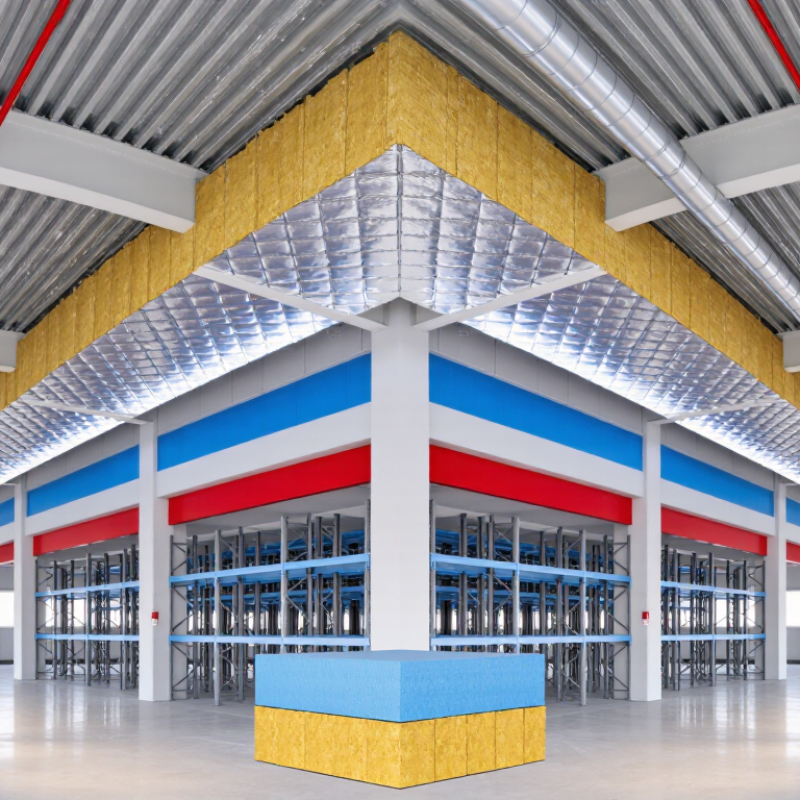
Top 10 Warehouse Insulation Types for Global Buyers

Warehouse Insulation Basics and Global Buyer Selection Criteria

Warehouse insulation begins with control, not just thickness. It slows heat flow, limits condensation, and protects stored goods from rapid temperature changes. In a coastal warehouse, warm air can meet a cold roof and create hidden moisture. That moisture may stain cartons, corrode steel, and weaken electrical fittings. Common systems include mineral fiber, glass fiber, rigid foam boards, spray foam, insulated panels, and reflective layers. Each behaves differently under humidity, fire exposure, impact, and aging. A thicker layer is not automatically a better layer.

“ Global buyers should compare thermal performance using the declared U-value or R-value, while checking the test standard behind it. Values from different climates are not always directly comparable. Fire classification, smoke behavior, water absorption, and acoustic performance deserve equal attention. Ask for technical datasheets, installation instructions, safety documents, and independent test evidence. Local building rules may require specific fire ratings or vapor-control details. Customs paperwork and transport volume also affect the landed cost. A low purchase price can become expensive after damage, delays, or specialist installation.

Site conditions should guide the decision. Measure roof spans, wall movement, loading patterns, ventilation, and seasonal temperatures. In my project reviews, small gaps around doors often caused more heat loss than expected. Sealing details matter. So does workmanship. Buyers should inspect joints, fasteners, and penetrations before closing the ceiling. I still question generic “all-climate” claims; warehouses differ sharply between dry inland sites and humid ports. A pilot area, moisture check, and realistic maintenance plan can expose weaknesses early. Perfect selection is unlikely. Careful verification is practical.

The Top Ten Warehouse Insulation Types by Material and Structure

Top 10 Warehouse Insulation Types for Global Buyers

Warehouse insulation varies by material, structure, climate, and installation skill. Fiberglass batts suit framed walls and roofs with regular spacing. Mineral wool batts offer strong fire resistance and useful acoustic control. Expanded polystyrene panels are lightweight and economical for dry environments. Extruded polystyrene panels resist moisture better, especially near foundations and cold storage floors. Polyisocyanurate panels provide high thermal resistance within limited wall thickness.

Polyurethane panels deliver efficient insulation in many sandwich wall systems. Spray polyurethane foam seals irregular gaps, roof joints, and difficult penetrations. However, poor application can create uneven thickness and hidden defects.

Cellulose loose-fill works in selected framed ceilings, but humidity control must be carefully designed. Reflective foil insulation performs best when facing a clean, continuous air space. It cannot replace bulk insulation in every warehouse.

Insulated metal sandwich panels combine steel skins with a rigid foam core. Their factory-controlled structure can speed installation and reduce thermal bridging. Yet panel joints, fasteners, and door openings still need careful inspection. In field evaluations, moisture is often more damaging than a small insulation value difference. Buyers should compare thermal performance, fire behavior, compressive strength, vapor control, and local code requirements. A cold warehouse needs different detailing from a dry distribution center. Installation quality matters greatly. I have seen attractive specifications fail because roof penetrations were poorly sealed. The best choice is not always the thickest material. It is the system that remains dry, continuous, safe, and serviceable.

Thermal, Moisture, Fire, and Acoustic Performance Comparison

Top 10 Warehouse Insulation Types for Global Buyers

Thermal, Moisture, Fire, and Acoustic Performance Comparison

Choosing warehouse insulation requires more than comparing R-values. Mineral wool offers strong fire resistance and excellent noise control around loading bays. Fiberglass provides affordable thermal and acoustic performance, but wet fibers lose efficiency. EPS is lightweight and economical, while XPS resists ground moisture better. Both need protected surfaces in fire-sensitive areas. PIR delivers high thermal performance in thin panels, although joints require careful sealing.

PUR spray foam fills irregular gaps around doors, beams, and service penetrations. Its performance depends heavily on installation quality and protective coatings. Phenolic foam provides impressive thermal resistance, but it can be brittle during transport or cutting. Cellulose supports sound absorption and uses recycled fibers, yet moisture management and fire treatment demand regular inspection. Glass foam resists water and fire, but its higher weight may increase structural demands. Reflective foil can reduce radiant heat, but only when an air space is designed correctly.

Cold-chain warehouses need low moisture absorption and stable thermal values near large doors. Food storage areas also benefit from smooth, cleanable finishes. Manufacturing warehouses may prioritize acoustic control beside compressors or conveyors.

Fire performance must be checked with the complete wall or roof assembly, not insulation alone. A small gap can become a large energy loss.

I have seen specifications favor thin panels, then struggle with condensation at metal joints. That mistake deserves more attention.

Local climate, building codes, installers, and maintenance access can change the best choice.

Installation Methods, Maintenance Needs, and Service Life

Warehouse insulation choices include mineral wool, fiberglass, EPS, XPS, PIR, PUR, spray foam, cellulose, reflective systems, and insulated panels. Installation conditions determine their real performance.

The UNEP 2023 Global Status Report for Buildings and Construction reports that buildings consume about 30% of global final energy. Small installation defects therefore deserve serious attention.

Mineral wool and fiberglass need tight joints, dry cavities, and protected facing. Rigid boards require staggered seams, mechanical fixing, and carefully sealed penetrations.

Spray foam demands trained applicators, controlled temperatures, and ventilation during curing. Insulated panels install quickly, but damaged edges can admit water. Reflective insulation works only with an adjacent air space. That detail is often missed.

Maintenance should include annual roof checks, moisture inspections, and thermal-camera surveys after major repairs. Replace crushed sections and reseal gaps around doors, lights, and service pipes.

Most mineral wool, fiberglass, and rigid boards can serve for 25 to 50 years when kept dry. Properly protected spray foam may last several decades, but ultraviolet exposure and movement can reduce performance.

The IEA’s Energy Efficiency 2023 report identifies building efficiency as a major route for lowering energy demand.

In practice, however, warehouse traffic, condensation, and rushed repairs create exceptions. Service-life estimates are useful, not guaranteed. A cold corner beside a loading door can reveal more than a product datasheet.

Regional Climate, Compliance, Cost, and Sustainability Considerations

Top 10 Warehouse Insulation Types for Global Buyers

Warehouse insulation must match the climate, building code, budget, and operating schedule.

Common options include fiberglass blankets, mineral wool, EPS, XPS, PIR, PUR, spray foam, cellulose, reflective foil, and aerogel panels.

Hot, humid regions need vapor control and mold resistance. Cold areas require strong thermal continuity around doors, roofs, and metal frames.

Mineral wool can support fire performance, while PIR and PUR often provide high insulation value in limited space. Local testing remains essential.

Compliance differs by country and sometimes by city.

Buyers should verify fire ratings, smoke performance, thermal limits, worker safety rules, and disposal requirements before purchase.

Cost comparisons should include installation, maintenance, energy use, and replacement risk.

A cheaper panel may create condensation problems later.

Sustainability also needs a wider view. Recycled content matters, but so do transport distance, durability, repairability, and end-of-life recovery. No ranking stays perfect across every market.

Tips:

Request climate data, product test reports, and installation details from qualified local professionals.

Inspect joints, fasteners, skylights, and loading doors during commissioning.

Small gaps become expensive in busy warehouses.

We have seen projects focus too heavily on initial price.

That decision can be difficult to reverse.

Recheck assumptions when energy prices, regulations, or storage temperatures change.

FAQS

Why is warehouse insulation needed beyond reducing heat flow?

It limits condensation and protects cartons, steel, and electrical fittings from moisture damage. A cold roof can meet warm coastal air. Hidden water may appear.

Does thicker insulation always provide better performance?

No. Thickness alone does not guarantee better results. A suitable system must match humidity, fire exposure, impact, and aging conditions.

Which insulation materials are commonly used in warehouses?

Common options include mineral fiber, fiberglass, rigid boards, spray foam, insulated panels, reflective layers, and cellulose. Each behaves differently.

How should global buyers compare insulation products?

Compare declared U-values or R-values using the same testing basis. Also request fire, smoke, water absorption, and acoustic data. Numbers can mislead.

What documents should buyers request before purchasing?

Request technical datasheets, installation instructions, safety documents, and independent test reports. Check local building requirements too. Generic claims need verification.

Which installation details most affect real performance?

Tight joints, staggered board seams, sealed penetrations, and secure fasteners are essential. Inspect doors, lights, pipes, and roof edges. Small gaps matter.

What maintenance does warehouse insulation require?

Check roofs and moisture conditions every year. Use thermal-camera surveys after major repairs. Replace crushed sections and reseal damaged joints. A cold corner can expose hidden failure.

How long can warehouse insulation last?

Mineral fiber, fiberglass, and rigid boards may last 25 to 50 years when kept dry. Protected spray foam may last several decades. These are estimates, not promises.

How should climate affect insulation selection?

Hot, humid regions need vapor control and mold resistance. Cold regions need continuous insulation around doors, roofs, and metal frames. Dry inland sites differ from humid ports.

What costs should buyers include in the budget?

Include transport volume, installation, maintenance, energy use, repairs, and replacement risk. A cheap panel may cause expensive condensation later. Initial price is not the whole cost.

Conclusion

Warehouse Insulation is essential for controlling indoor temperature, reducing energy consumption, protecting stored goods, and improving working conditions. This article introduces the basics of warehouse insulation and explains how global buyers can evaluate options based on thermal resistance, moisture control, fire performance, acoustic comfort, durability, installation complexity, and total lifecycle cost. It compares ten major insulation types by material and structural design, including flexible, rigid, sprayed, reflective, and composite solutions.

The discussion also examines how each option performs in different climates, from hot and humid regions to cold or highly variable environments. Readers will learn about installation methods, maintenance requirements, expected service life, compliance considerations, and sustainability factors such as recyclability and embodied energy. By balancing performance, budget, local regulations, and long-term operating needs, buyers can select an insulation system that supports reliable warehouse operations and responsible facility development.

Mason

Mason

Mason is a seasoned marketing professional with a deep expertise in the company's offerings and a passion for driving brand awareness. With a strong background in digital marketing strategies, he has an innate ability to connect with diverse audiences and effectively communicate product benefits.......