Choosing a China-based 15mm Insulation Pipe supplier requires more than comparing online prices. Global buyers need consistent dimensions, dependable insulation performance, and clear technical documentation. A pipe that fits perfectly during sampling may perform differently in repeated production. Details matter.
This introduction examines how experienced buyers can evaluate leading Chinese suppliers for international projects. It considers material quality, wall thickness, thermal conductivity, moisture resistance, and temperature range. It also reviews factory experience, production control, testing methods, and export packaging. These points help buyers connect product claims with measurable evidence.
A reliable supplier should provide samples, product specifications, test reports, and traceable batch information. Independent inspection can add confidence before shipment. Factory audits may also reveal storage conditions, cutting accuracy, and packaging discipline. Small gaps often become costly problems.
The best supplier is not always the cheapest. That is worth remembering. A low quotation may exclude custom lengths, protective cartons, testing, or replacement support. Buyers should compare the complete supply offer, not one number. Communication also matters when technical drawings change or delivery schedules become tight.
No supplier is perfect. Even qualified manufacturers may face material variation or delayed feedback. The stronger ones identify weaknesses openly and improve their process. This guide helps global buyers assess China’s 15mm Insulation Pipe suppliers with practical questions, realistic expectations, and evidence-based judgment.
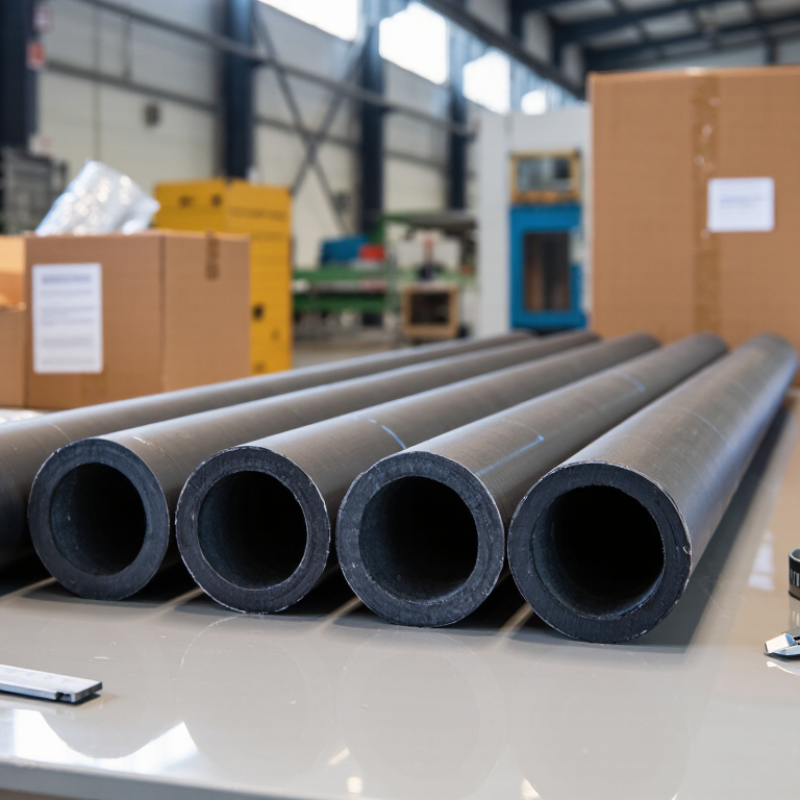
A 15mm insulation pipe is usually a flexible tube made to cover a pipe with approximately 15mm outside diameter. It is not normally 15mm thick. This distinction matters when ordering from a Chinese supplier. Measure the pipe’s outside diameter, then check the insulation’s internal diameter and wall thickness. A loose fit creates air gaps. A tight fit can compress the material and reduce performance.
Common materials include elastomeric rubber, polyethylene, and mineral wool sections. Closed-cell products help limit surface condensation on chilled-water lines. For hot-water systems, insulation reduces heat transfer and protects workers from hot surfaces. The 2023 Global Status Report for Buildings and Construction reported that buildings and construction used about 34% of global energy and produced roughly 37% of energy-related carbon emissions. Small pipe sections cannot solve that problem alone, but repeated thermal losses across large projects deserve attention.
Look for tested thermal conductivity, water-vapour resistance, temperature range, and fire performance. EN and ASTM test methods can support reliable comparisons. Check length, slit quality, density, and dimensional tolerance before shipment. A sample should fit without tearing. This is practical evidence.
The label can mislead. A “15mm pipe” may describe the pipe, not the insulation. Ask for a cross-section drawing and inspection data. Also confirm local fire and building requirements, because one specification may not suit every market. Even experienced buyers sometimes overlook moisture sealing at joints. That small gap can become the weakest point.
Technical reference and purchasing comparison for insulation used on nominal 15 mm water, heating and refrigeration pipes
| Data Dimension | Technical Data or Typical Range | What Global Buyers Should Check | Common Application |
|---|---|---|---|
| Meaning of “15 mm Pipe” | Usually refers to a nominal pipe size used in plumbing and heating systems. The actual outside diameter depends on the pipe material and applicable standard. | Confirm the pipe’s measured outside diameter before selecting insulation. Do not size insulation from the nominal designation alone. | Domestic water, radiator, hydronic heating and general building services. |
| Typical Pipe Outside Diameter | Approximately 15 mm for many copper and multilayer plumbing pipes; other pipe systems may use different actual dimensions. | Request the pipe outside diameter in millimetres and confirm tolerance requirements. | Copper tube, plastic composite pipe and selected plumbing systems. |
| Common Insulation Materials | Elastomeric rubber foam, polyethylene foam, mineral wool and polyurethane-based products. | Compare thermal performance, moisture resistance, fire classification, flexibility and installation method. | Pipework insulation, condensation control and energy conservation. |
| Typical Wall Thickness | Approximately 6–25 mm, depending on the required thermal performance, operating temperature and local building requirements. | Specify insulation thickness separately from the 15 mm pipe size. A 15 mm pipe does not mean 15 mm insulation thickness. | Indoor hot-water lines, heating circuits and chilled-water services. |
| Internal Diameter Selection | The insulation bore should closely match the pipe outside diameter to reduce air gaps and improve installation quality. | Check the manufacturer’s internal-diameter tolerance and compatibility with the actual pipe surface. | Pre-slit tubes, continuous tubes and retrofit insulation systems. |
| Thermal Conductivity | Typical values vary by material and test temperature; flexible elastomeric and polyethylene foams commonly fall within about 0.030–0.045 W/(m·K). | Compare values tested at the same reference temperature and according to the same standard. | Reducing heat loss from hot pipes and heat gain into chilled pipes. |
| Operating Temperature | Material-dependent. Flexible polymer foams are commonly used across low and moderate temperature ranges, while high-temperature systems may require mineral wool or other specialist products. | Verify the continuous and maximum service temperature against the application. | Hot water, heating, cooling and industrial auxiliary pipework. |
| Water Vapour Resistance | Closed-cell foams generally provide better resistance to water vapour ingress than open-cell materials when joints are properly sealed. | Ask for water-vapour resistance data and joint-sealing instructions for chilled-water use. | Condensation prevention on cold-water and refrigeration lines. |
| Fire Performance | Fire behaviour differs significantly by material, formulation, thickness and facing. Classification must be confirmed through the applicable test method. | Request fire-test reports and the required classification for the destination market. | Commercial buildings, public facilities and regulated construction projects. |
| Standard Tube Length | Common commercial lengths include 1 m and 2 m sections, although other lengths may be produced for project requirements. | Confirm packed length, usable length, cutting tolerance and the number of pieces per carton. | Retail installation, contractor supply and project orders. |
| Typical Product Form | Pre-formed tubular sections, slit tubes with adhesive closure, or unslit tubes for installation before pipe connection. | Choose the form according to installation access, joint design and labour conditions. | New construction, maintenance and pipe retrofitting. |
| Installation Requirements | Cut cleanly, keep joints tight, avoid excessive compression and seal longitudinal and butt joints where moisture control is required. | Check compatibility of adhesive, tape, sealant and insulation material. | Professional plumbing, HVAC and building-services installation. |
| Quality-Control Items | Internal diameter, wall thickness, density, dimensional tolerance, thermal conductivity, surface finish and packaging condition. | Request a specification sheet, batch inspection data and pre-shipment inspection criteria. | OEM purchasing, distributor sourcing and international project supply. |
| Export Documentation | Commercial invoice, packing list, product specification, country-of-origin information and transport documents are commonly required. | Confirm destination-country labelling, customs classification and required conformity documents before shipment. | Cross-border procurement and container or consolidated cargo shipments. |
| Buyer’s Final Specification | Pipe outside diameter, insulation internal diameter, wall thickness, material, temperature range, fire requirement, colour, length and quantity. | Use a written specification and approve a sample before mass production. | Reliable comparison of suppliers without depending on brand names. |
Note: Dimensions and performance values are typical reference ranges. Final selection should be based on the actual pipe outside diameter, operating conditions, applicable building codes and verified product test data.
It usually covers a pipe with an approximately 15mm outside diameter. It is not normally 15mm thick. Measure the pipe first.
Check the insulation’s internal diameter and wall thickness. A loose fit creates air gaps. A tight fit may compress the material.
Common materials include elastomeric rubber, polyethylene, and mineral wool. Closed-cell materials help reduce condensation on chilled-water lines.
Request thermal conductivity, water-vapour resistance, temperature range, fire performance, density, and dimensional tolerance. Also check length and slit quality.
Fit the sample over a pipe without tearing it. Measure its diameter, wall thickness, density, and surface finish. Do not trust photographs alone.
Review batch records, inspection reports, calibration dates, and quality documents. Ask how rejected materials are separated and controlled.
It may hide inconsistent foam density, poor packaging, or unrealistic lead times. A damaged carton can expose insulation to moisture.
Send identical technical questions to several suppliers. Compare their precision, correction plans, and responses to damaged or undersized products.
A small trial order is safer. Supplier websites may look polished. Factory performance still needs proof.
Moisture sealing at joints is often missed. Even a narrow gap can become the weakest point. I might overlook it too.
A 15mm Insulation Pipe is a compact, pre-insulated pipe solution commonly used for protecting small-diameter water, heating, cooling, and HVAC lines. Its value depends on the quality of the core pipe, insulation layer, and outer protective covering. Buyers should review material type, thermal conductivity, temperature resistance, pressure performance, dimensional accuracy, fire behavior, moisture protection, and applicable testing standards before placing an order. Clear technical specifications are essential because “15mm” may refer to the pipe diameter, insulation thickness, or another product dimension.
For global buyers, selecting a China-based supplier requires more than comparing prices. Evaluate manufacturing capability, production consistency, customization support, inspection procedures, packaging, communication, and export experience. Before ordering, confirm samples, drawings, tolerances, labeling, quantity, lead time, payment terms, and quality-control responsibilities. Independent inspections or documented factory testing can reduce risk, while suitable moisture-resistant packaging and accurate shipping documents help prevent damage and customs delays. A reliable supplier should provide transparent specifications and stable service from inquiry through delivery.

 Kingflex