Direct access to Kingflex premium-grade elastomeric insulation formulations engineered for high thermal performance and moisture barriers.
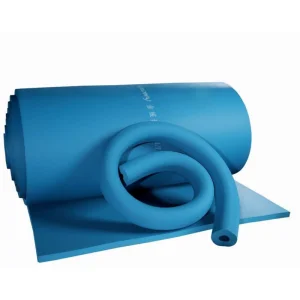
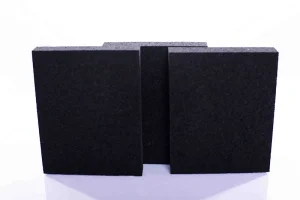
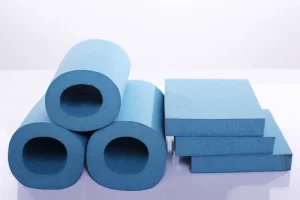
The global demand for high-efficiency insulation has undergone a significant transformation. As mechanical infrastructure expands across urban centers and industrial corridors, managing thermal transfer is no longer just about operational output—it is a critical driver of decarbonization and life-cycle economics.
Closed-cell elastomeric foam (specifically NBR/PVC blended formulations) has emerged as the global benchmark for low-to-medium temperature insulation. Unlike fibrous alternatives, the intrinsic physical structure of elastomeric foam contains billions of individual, micro-encapsulated gas pockets. This closed-cell morphology functions as a continuous air barrier and a built-in vapor retarder, yielding an exceptionally low water vapor permeability rating.
In regions such as North America, Europe, and Asia-Pacific, stringent building energy codes (e.g., ASHRAE 90.1, IECC, and European EN standards) require materials that sustain thermal conductivity values (K-values) over long operational cycles. Elastomeric foam insulation excels here by mitigating Corrosion Under Insulation (CUI), preventing mold cultivation, and minimizing ambient energy losses in HVAC/R, petrochemical, and power generation pipe systems.

A comparative analysis of NBR/PVC elastomeric properties shows why closed-cell matrices excel in moisture and thermal performance compared to traditional materials.
| Physical Parameter | Kingflex Elastomeric Foam (NBR/PVC) | Fiberglass Insulation | Polyethylene (PE) Foam |
|---|---|---|---|
| Thermal Conductivity (λ at 0°C) | ≤ 0.034 W/(m·K) | ~ 0.040 W/(m·K) | ~ 0.038 W/(m·K) |
| Water Vapor Permeability (μ) | ≥ 10,000 (Built-in Vapor Barrier) | Requires external jacket (1.0) | ~ 3,500 |
| Service Temperature Limit | -40°C to +105°C (Cryogenic lines up to -200°C with custom systems) | Up to +540°C | -40°C to +90°C |
| Flame/Smoke Rating (BS 476, Class 0) | Compliant (Self-Extinguishing, zero flame propagation) | Non-combustible | Class 1 / Class 2 typical |
| Corrosion Under Insulation (CUI) risk | Negligible (Active resistance, zero water trapping) | High (Acts as sponge for atmospheric moisture) | Low-Medium |
With an even cellular structure (>98% closed-cell rating), Kingflex insulation resists drift in thermal conductivity caused by humidity absorption, keeping HVAC/R systems operating efficiently over decades.
Engineered rubber matrices absorb structural vibrations and flow noise across mechanical conduits, reducing airborne decibels by up to 28dB in HVAC duct systems.
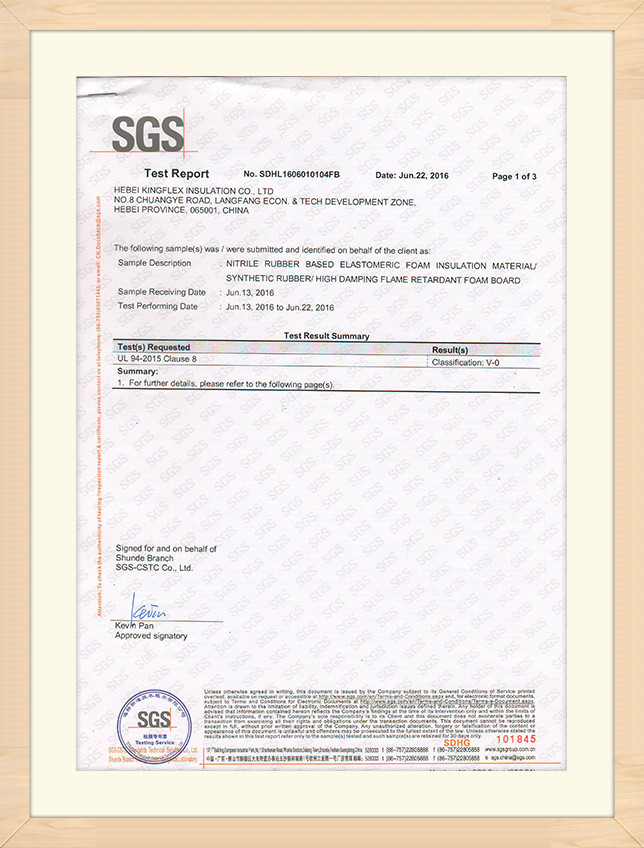
Tested against rigorous international building standards (UL94, ASTM E84, BS 476 Part 7). Formulations are designed to prevent flame spread and self-extinguish when flame sources are removed.
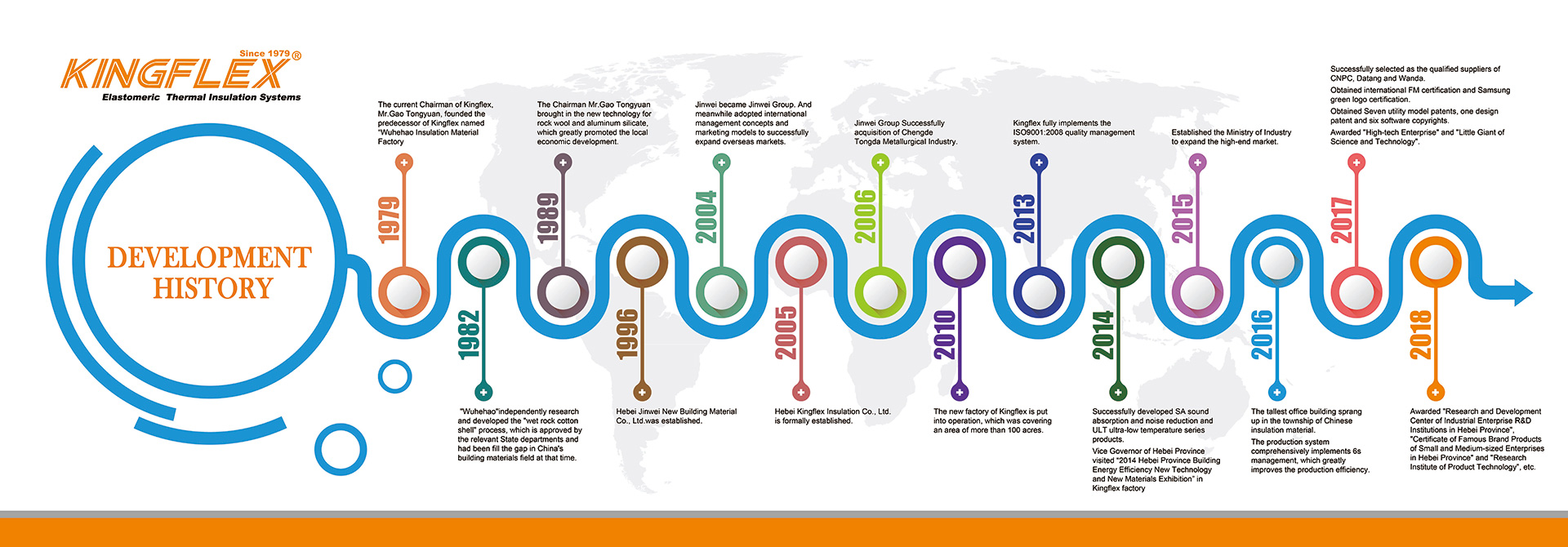
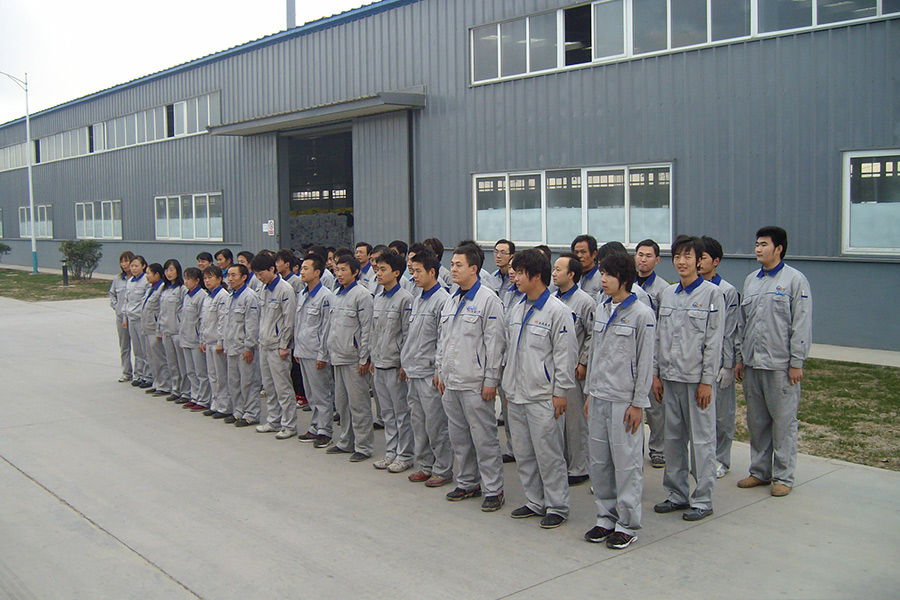
Founded by the Jinwei Group, which brings over 40 years of manufacturing history (since 1979) as the first thermal insulation factory north of the Yangtze River, Kingflex Insulation Co., Ltd. is a leading global manufacturing and trading enterprise.
Our operations prioritize energy efficiency and resource conservation. We provide end-to-end insulation systems, from R&D and manufacturing to installation guidance and technical support, helping lead the global building materials industry forward.
Mechanical designs require specific density, thickness, and temperature compatibility properties. Below are the primary application domains for Kingflex elastomeric closed-cell systems:
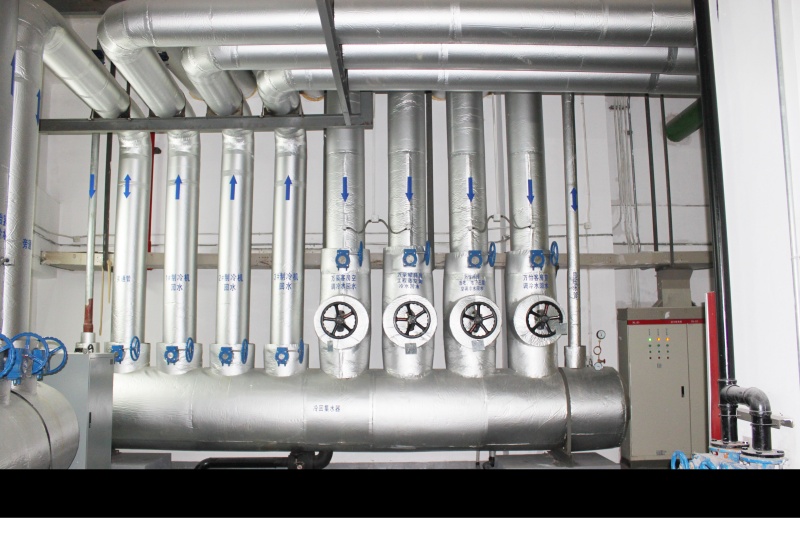
Designed for cold-water chillers, VRF refrigerant piping, and air handler connections. It prevents surface condensation, controls energy loss in humid conditions, and eliminates the need for separate vapor barriers.
For systems handling liquid nitrogen, LNG, or ethylene, Kingflex cryogenic structures remain flexible at ultra-low temperatures, preventing thermal shock and cracking.
In processing plants, chemical lines face high temperatures, ambient humidity, and chemical exposure. Kingflex NBR/PVC blends provide chemical resistance and CUI protection.
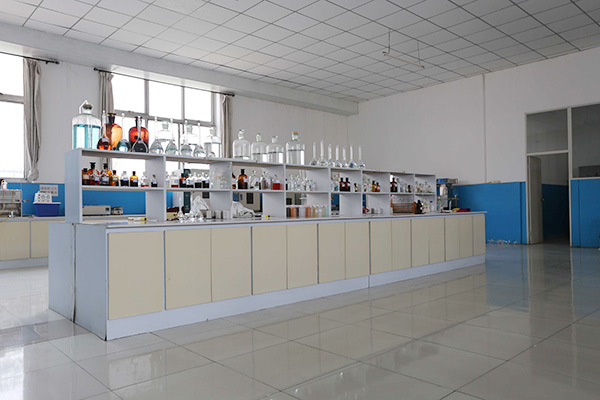
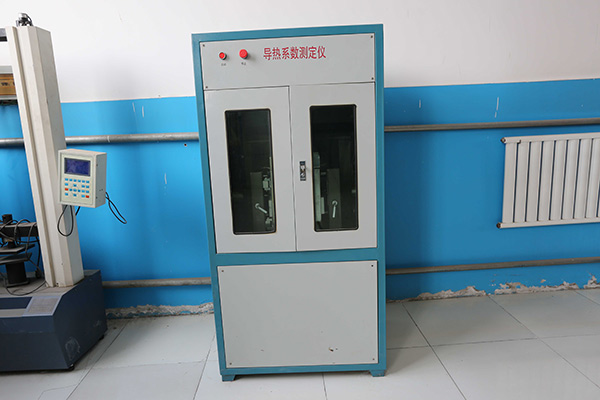
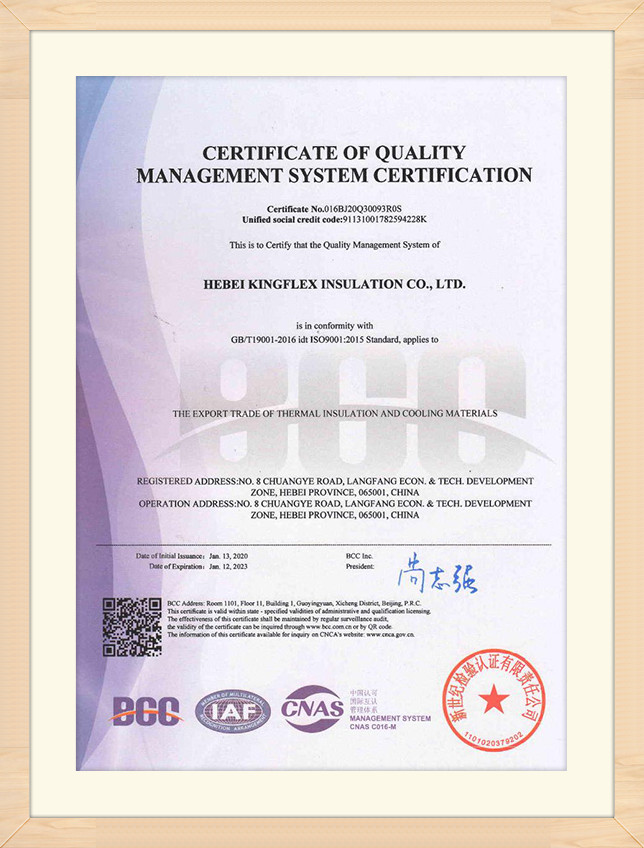
Our engineering team develops high-performing polymers to meet global safety standards. Our production processes are verified by international testing labs.



As the industry moves toward greener chemistry and smarter mechanical networks, Kingflex is targeting three main development paths:
Developing thermal barriers that emit no halogenated acids during fire events, improving passenger safety in marine, transit, and cleanroom applications.
Incorporating renewable plant-derived feedstocks into our NBR rubber synthesis lines to lower carbon footprint without losing mechanical properties.
Integrating thin moisture-sensing layers beneath the insulation jacket to monitor CUI risk in real-time for large chemical processing plants.
Kingflex systems are specified in major commercial builds and extreme-temperature industrial systems worldwide.

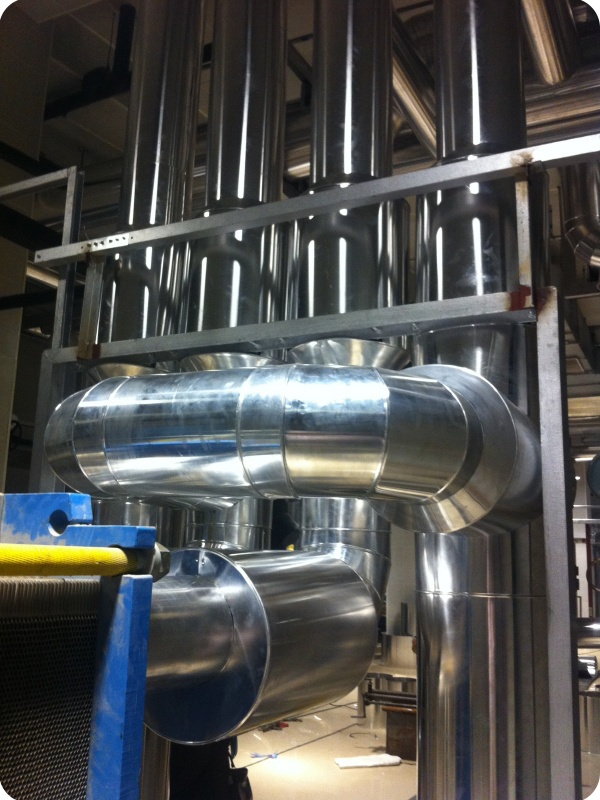
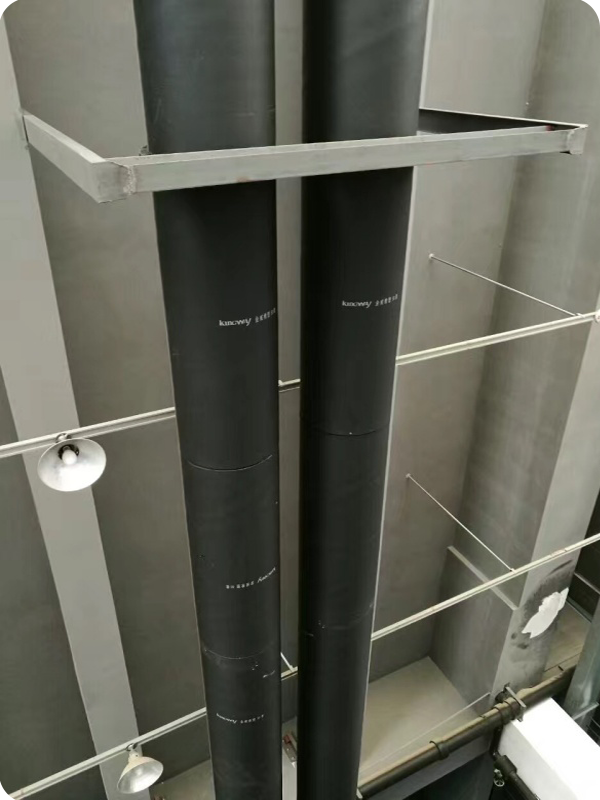
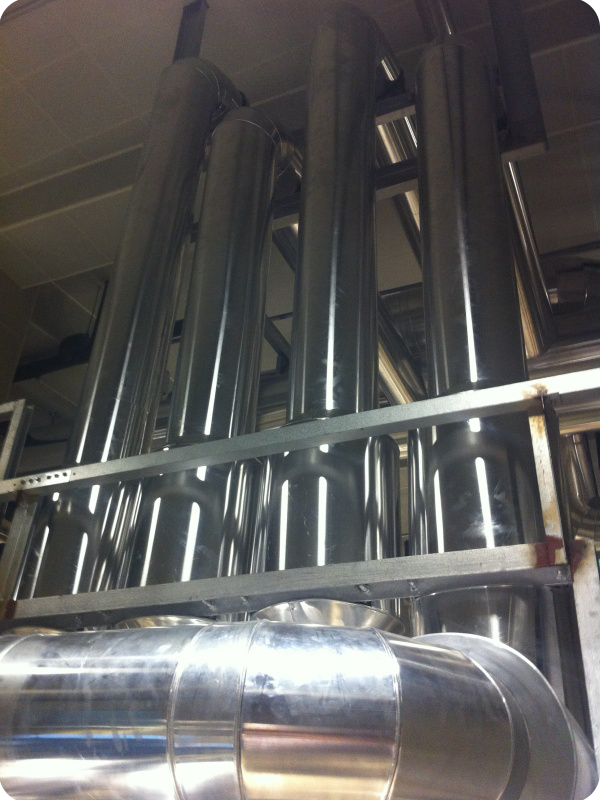
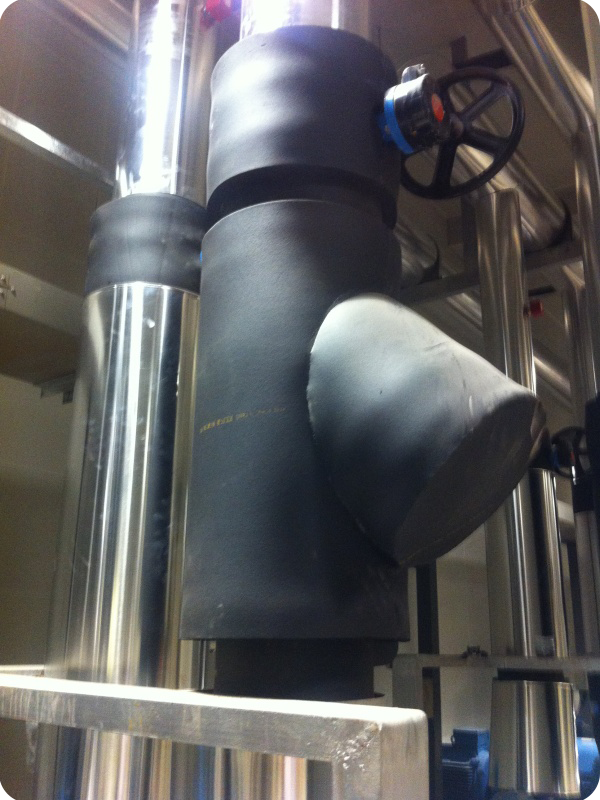
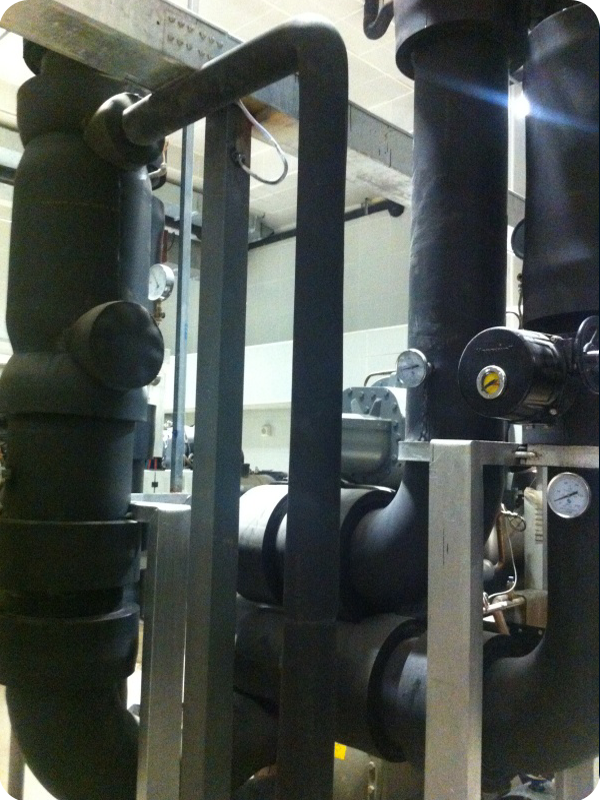
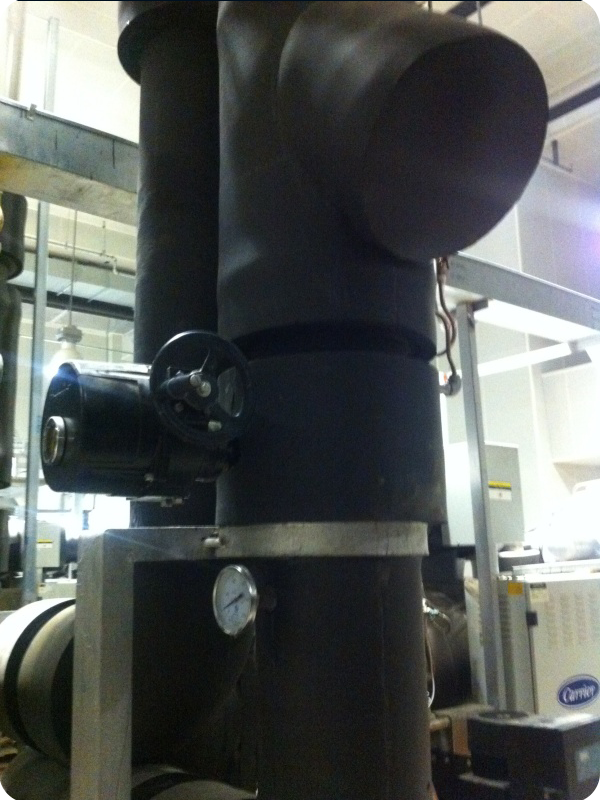
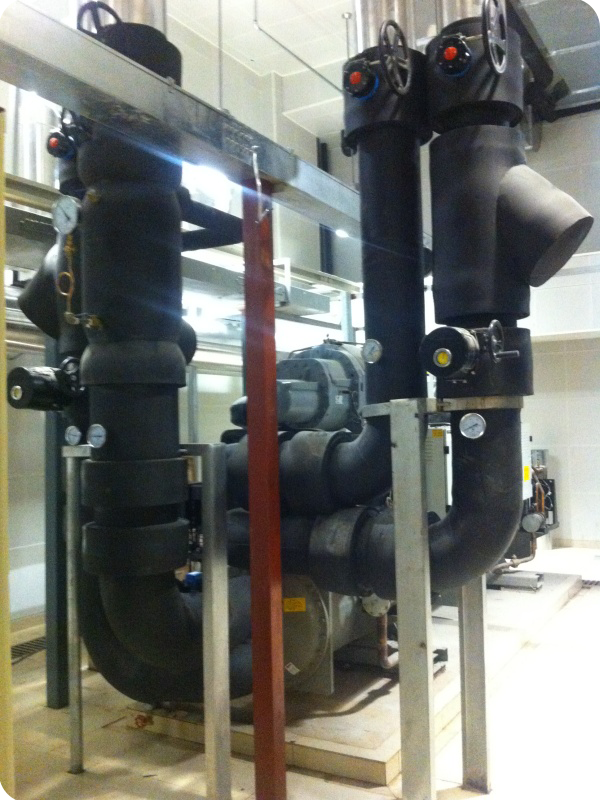
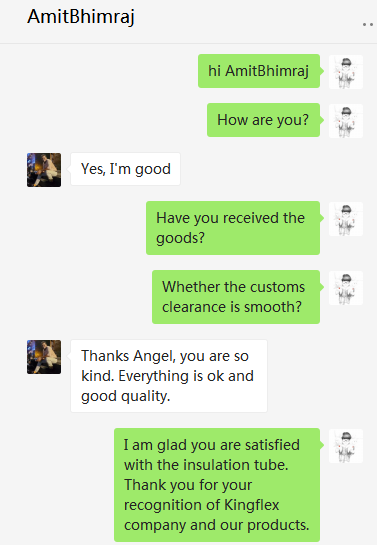
Our production facilities utilize automated lines to ensure consistency across batches. We maintain transparent communication channels with our global B2B clients, tracking requirements from initial RFQs to dispatch.




Detailed explanations regarding physical specifications, safety certifications, and installation procedures for Kingflex products.
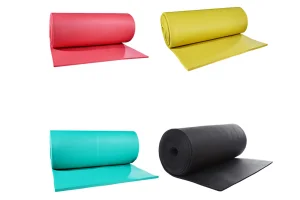
Browse additional items in our production catalog, featuring heavy-walled pipes, soundproofing sheets, and specialized cryogenic line insulation.
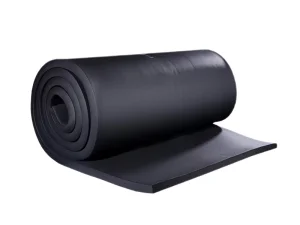
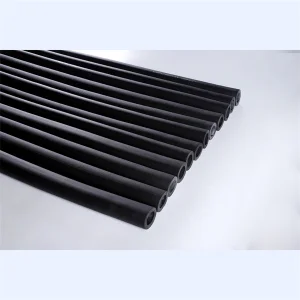
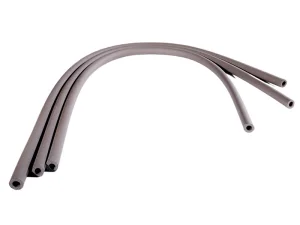
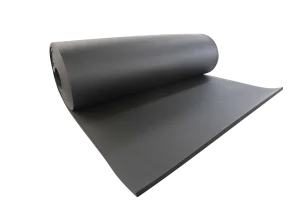
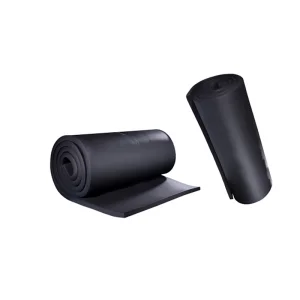
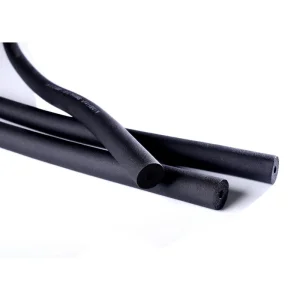
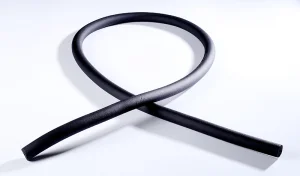
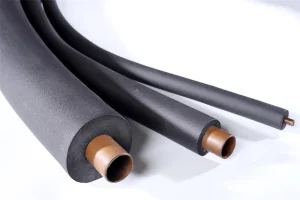
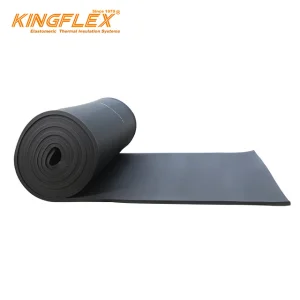
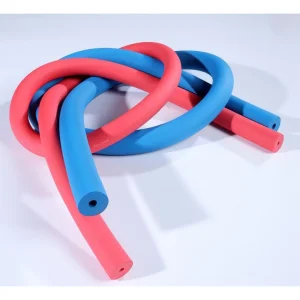
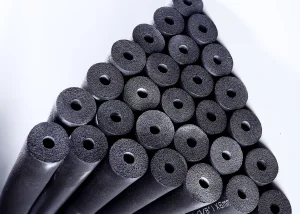
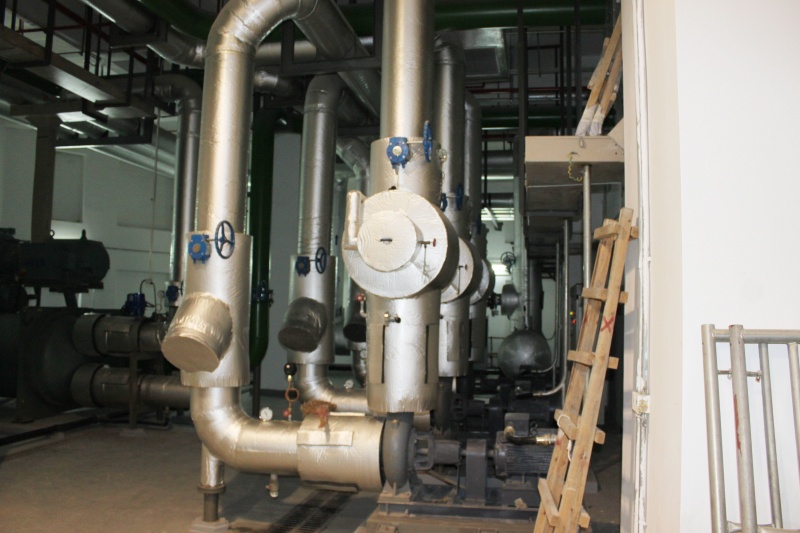
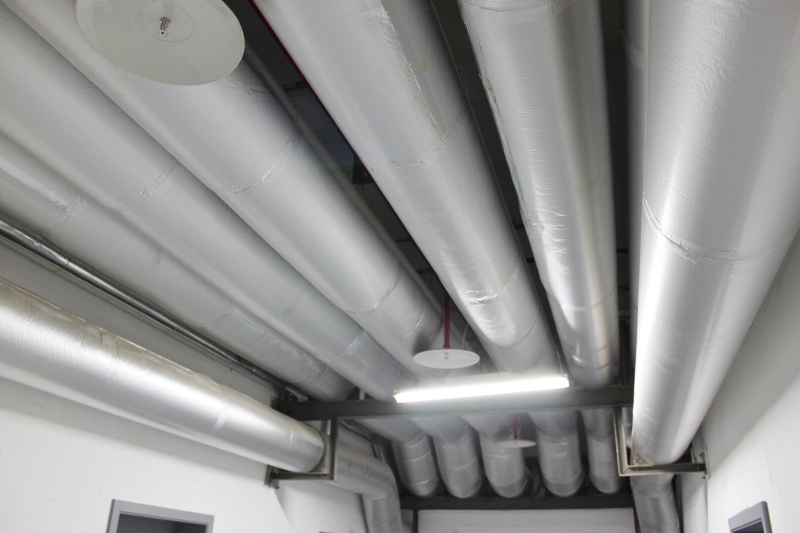
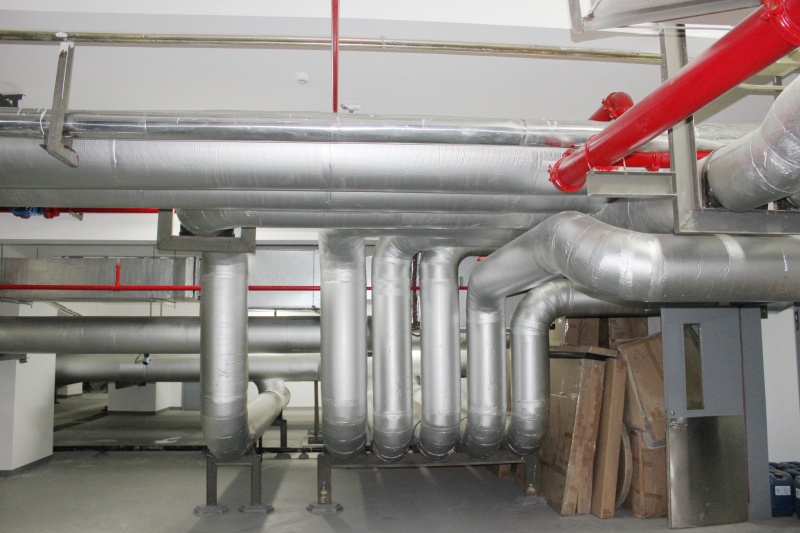
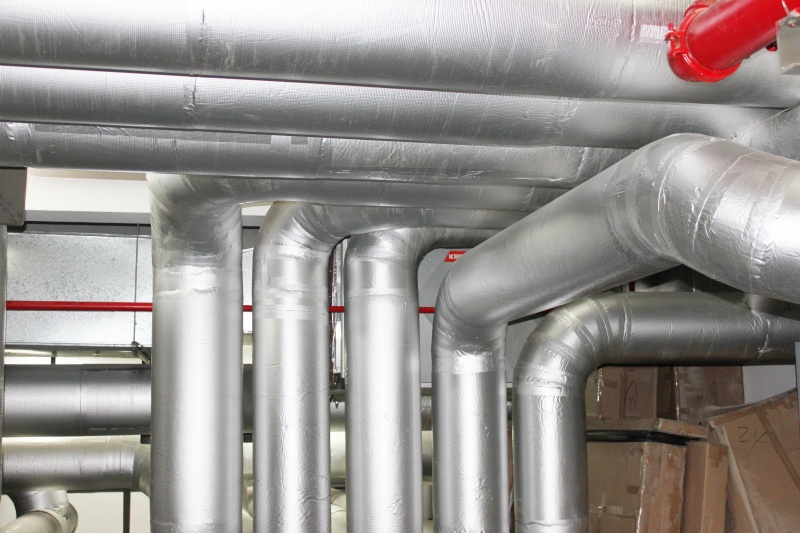
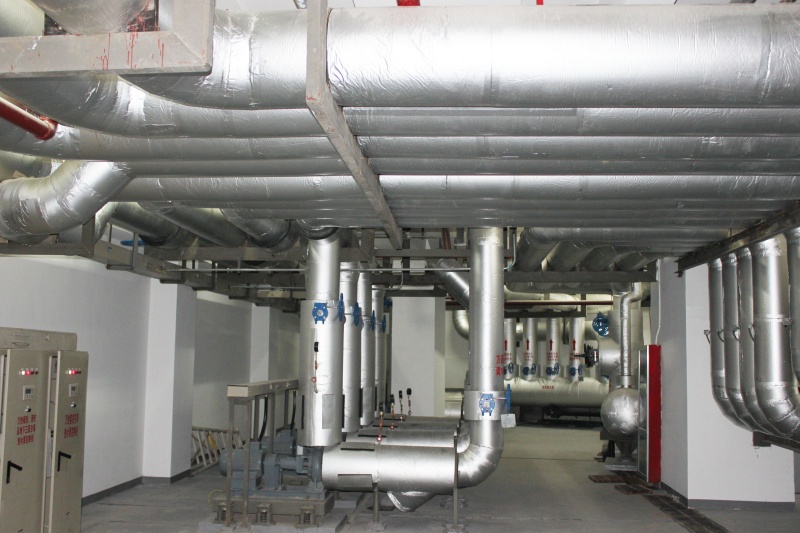
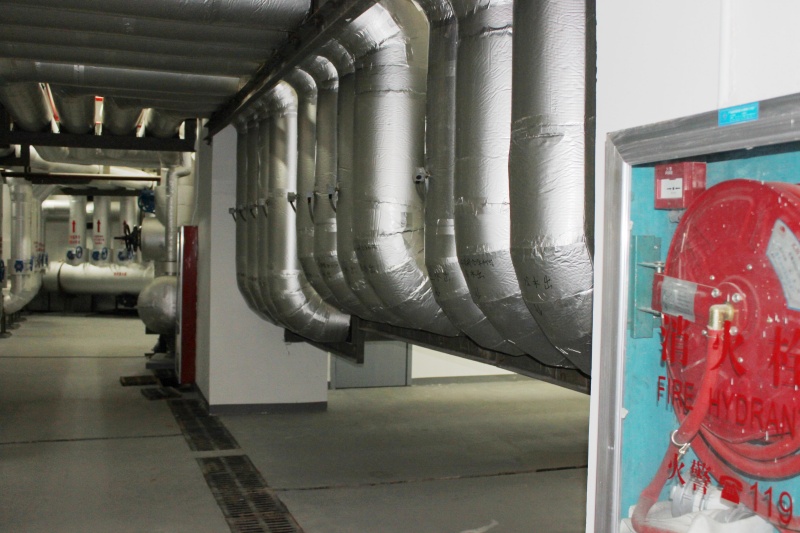
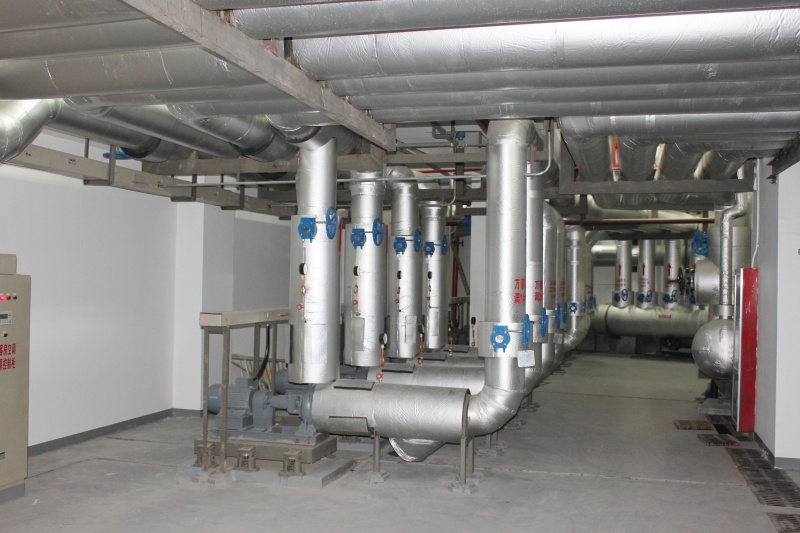
Detailed views of our NBR/PVC elastomeric foam tubes, sheets, and process lines.




 Kingflex