Explore our core engineering catalog, designed to meet rigorous global standards including BS 476, CE, REACH, and UL94.
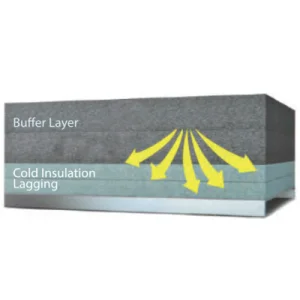
In modern industrial, commercial, and residential building designs, Polyvinyl Chloride (PVC) piping is widely favored due to its lightweight properties, chemical resistance, and cost efficiency. However, PVC pipes present a critical vulnerability in the event of a fire. As a thermoplastic material, PVC softens, melts, and burns at relatively low temperatures, creating penetrations in fire-rated walls and floors that allow toxic smoke, flames, and hot gases to migrate rapidly between building compartments.
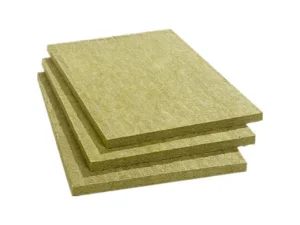
Fire Wrap Insulation serves as a passive fire protection (PFP) barrier. By incorporating advanced elastomeric rubber foam or high-density mineral rock wool with intumescent fire-resistant jackets, Kingflex systems seal pipe penetrations and shield PVC lines. This whitepaper analyzes the technical mechanisms, supply chain advantages, and procurement standards for engineering leaders worldwide.
When exposed to thermal radiation exceeding 180°C, high-performance fire wraps undergo a chemical reaction causing them to expand up to 25 times their original thickness. This expansion exerts strong radial pressure on the softening PVC pipe, crushing it and forming a dense, carbonaceous char seal that maintains the integrity of the fire-rated assembly for up to 120-240 minutes (Class 0 / Class 1 performance).
Next-generation polymer science and sustainable engineering directions at Kingflex.
As regulatory frameworks like the European Green Deal and the US EPA restrictions on halogenated flame retardants tighten, the thermal insulation industry is undergoing rapid material transformations. Our R&D division focuses on three major technical vectors:
Eliminating brominated and chlorinated additives from nitrile rubber (NBR) structures to prevent toxic hydrogen chloride and dioxin gas emission during combustion, achieving UL 94 V-0 ratings with minimal smoke toxicity.
Integrating silica aerogel particles within the elastomer matrix to lower thermal conductivity ($\lambda \le 0.031$ W/m·K at 0°C), reducing the required wrap thickness in tight service shafts.
Developing outer jacketing materials that turn into solid ceramified shells upon direct flame contact, providing high-velocity gas erosion protection for high-risk industrial installations.
Customized insulation and safety configurations designed for diverse infrastructure challenges.
| Industry Sector | Core Vulnerability | Kingflex System Configuration | Performance Target |
|---|---|---|---|
| High-Rise Commercial Buildings | Vertical pipe shafts acting as chimneys during fire events. | Closed-cell NBR/PVC Rubber Foam Pipe + Class 0 Aluminum Foil Face Wrap. | Prevent condensation; BS 476 Part 6 & 7 certified barrier. |
| Petrochemical & Industrial Processing | Exposure to corrosive environments, acids, and thermal shock. | Corrosion-Resistant Rubber Foam + Intumescent Stainless Steel Cladded Jacket. | 120-min structural integrity; severe environment resistance. |
| Marine & Offshore Platforms | Vibration, salt spray, and extreme space constraints. | Ultra-low temperature flexible cryogenic foam + sound dampening layers. | SOLAS class fire ratings, low flame spread, high acoustic attenuation. |
| Healthcare & Food Processing Facilities | Bacterial growth, chemical cleaning sanitizers, and air quality. | Anti-microbial treated closed-cell elastomeric wrap (self-adhesive). | Zero fiber emission, FDA-compliant surface contact safety. |
Meeting regional architectural and building safety codes around the globe.
Navigating varying regional building standards is a primary barrier for global procurement departments. A product that complies with BS 476 in the Middle East may require ASTM E84 testing in North America or EN 1366 certification in Europe.
At Kingflex, we resolve this through systematic, pre-certified compliance pathways:
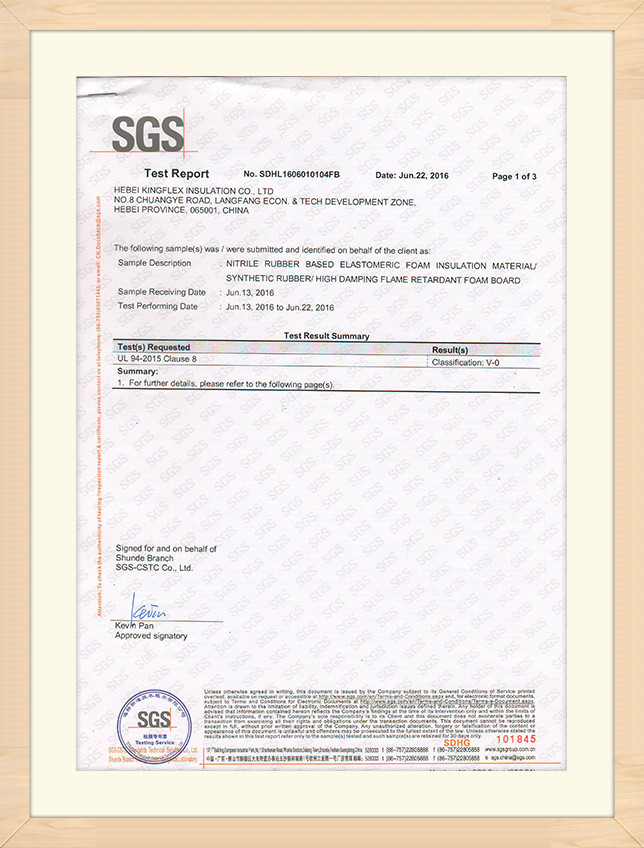
We provide localized engineering submittal packages, material safety data sheets (MSDS), and independent third-party test reports from laboratories such as SGS, TÜV Rheinland, and Intertek.
Leveraging manufacturing depth in Dacheng, the green building materials capital of China.
Annual Production Capacity
Large Automatic Assembly Lines
Established Jinwei Group History
Export Destinations Worldwide
Kingflex Insulation Co., Ltd. is positioned within Dacheng, China, utilizing automated assembly lines that integrate computerized chemical blending, continuous extrusion, and precise thermal curing. This automation ensures cellular consistency (above 98% closed-cell rate), which translates to uniform density and consistent K-value performance in the field.
Our raw material sourcing benefits from long-term contracts with regional chemical suppliers, shielding global buyers from sudden supply chain volatility. With our high capacity and logistics connections to major northern Chinese shipping ports, we maintain consistent supply lines even during peak global freight demands.
Kingflex Insulation Co., Ltd. is a manufacturing and trading combo for thermal insulation systems.
Kingflex Insulation Co., Ltd. is a professional manufacturing and trading combo for thermal insulation products. Kingflex research development and production department is located in the well-known capital of green-building materials in Dacheng, China. It is an energy-saving environmentally friendly enterprise concentrating on research and development, production, and sales. In operation, Kingflex takes energy saving and consumption reduction as its core concept. We provide insulation solutions by means of consultation, research and development production, installation guidance, and post-sale service to lead the development of the global building materials industry.
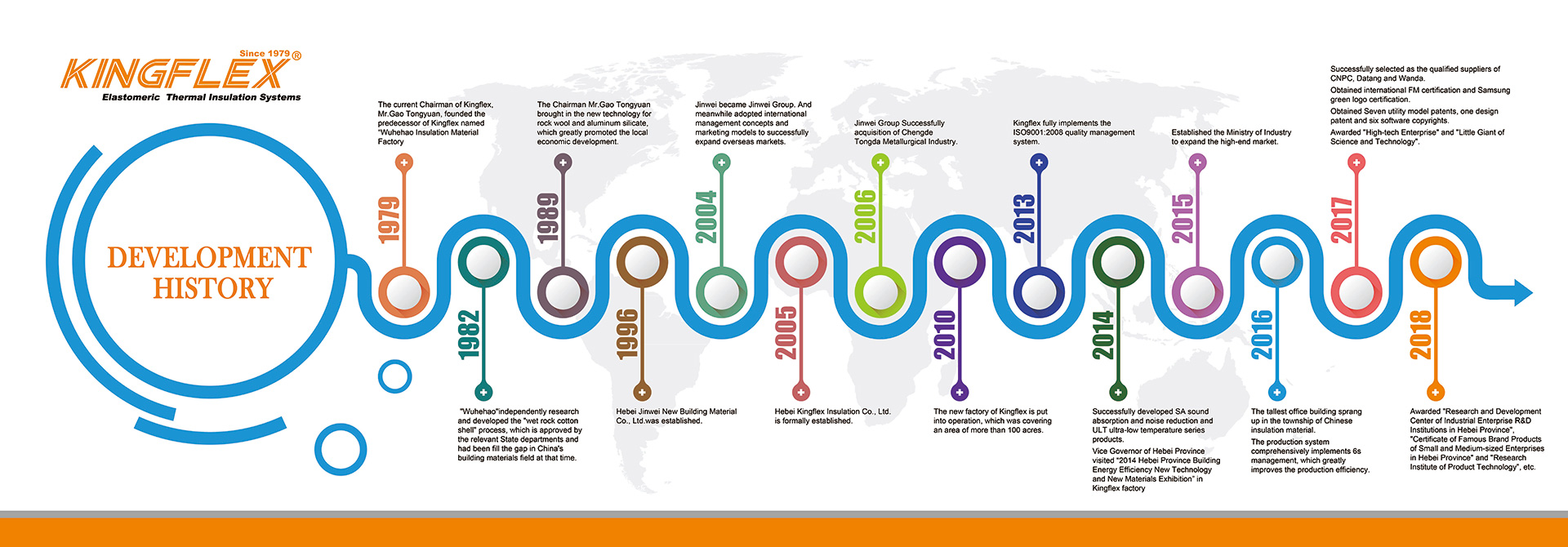
Kingflex was established by the Jinwei Group, which has more than 40 years of history. Kingway Group was established in 1979. It was the first manufacturer of thermal insulation materials north of the Yangtze River, creating a historical baseline for premium insulation fabrication in China.

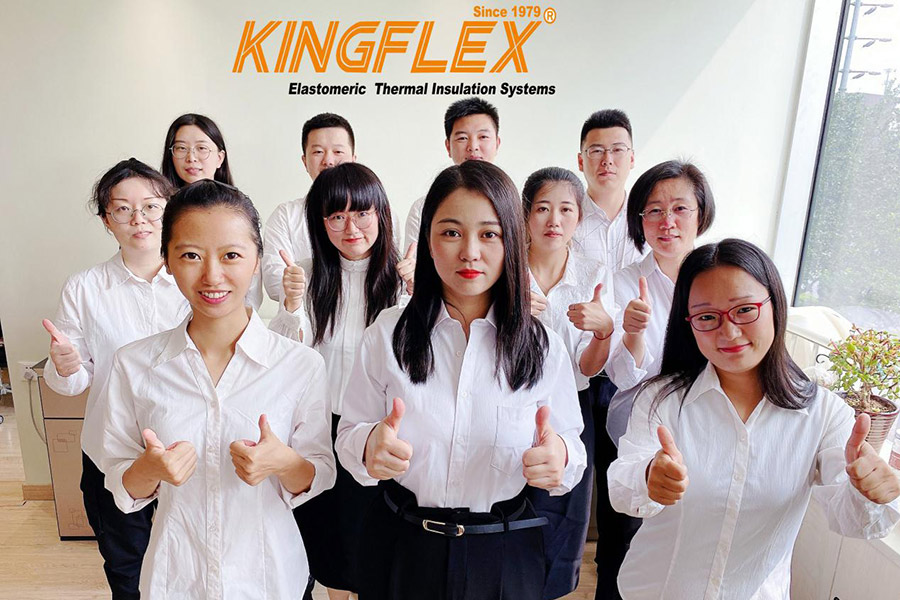
Our employees are amazing in their own right, but together they are what makes Kingflex a fun and rewarding place to work. The Kingflex team is a tight-knit, talented group with a shared vision of giving consistently first-class service to our clients. Kingflex has eight professional engineers in the R&D Department, 6 professional international sales specialists, and 230 dedicated workers in the production department.
Our R&D laboratory is equipped to run ongoing tests, validating properties such as flame spread index, smoke density, thermal conductivity, and aging resilience. This ensures every batch of elastomeric rubber foam or rock wool meets precise specifications before shipping.
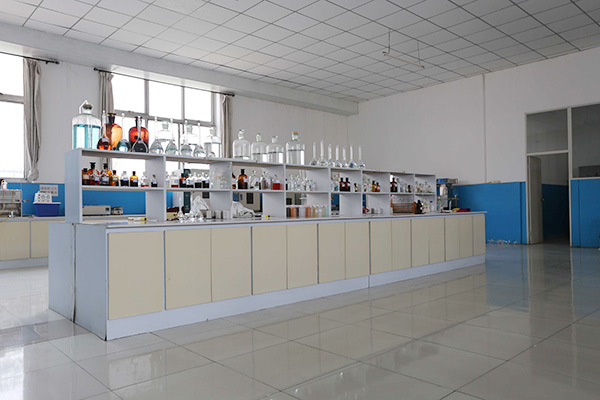

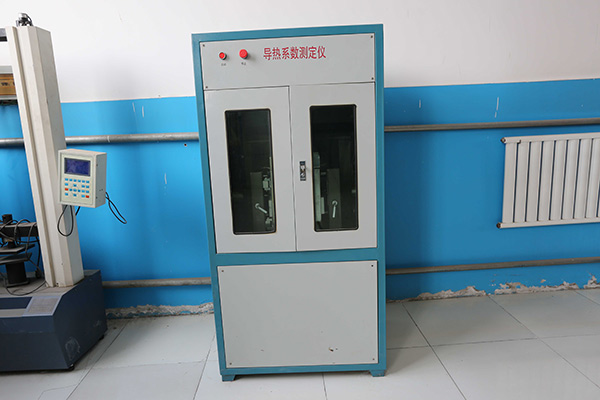
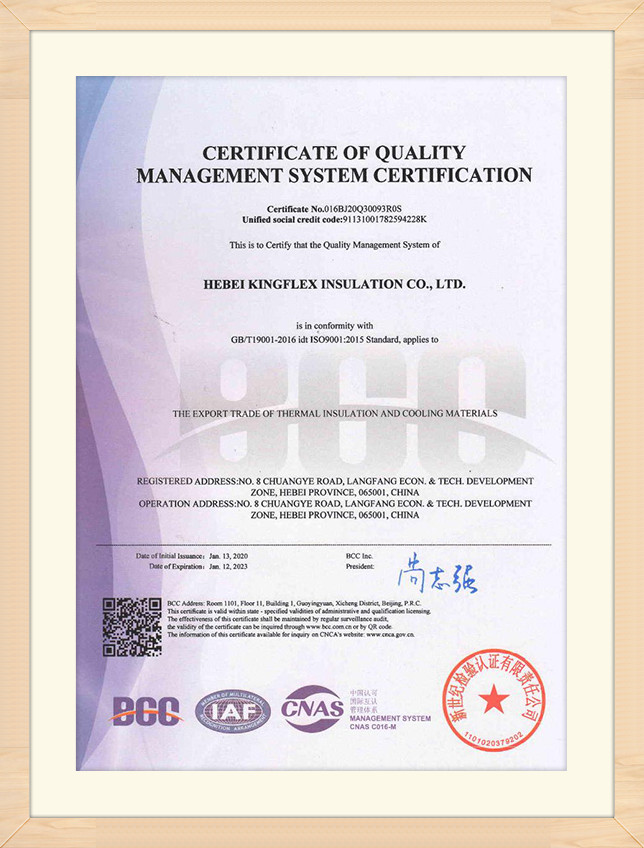
Our manufacturing and processing adhere to international certification standards.








See our insulation systems implemented in commercial and industrial settings, with feedback from project managers.

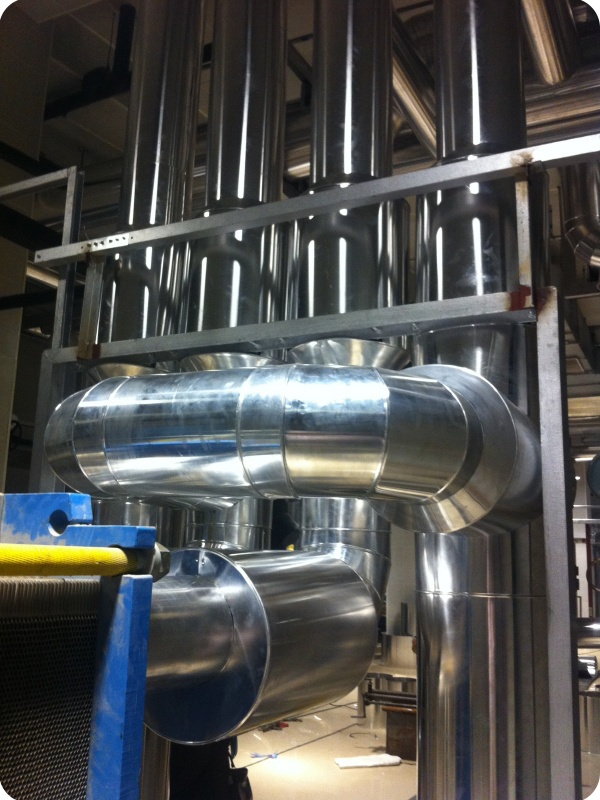
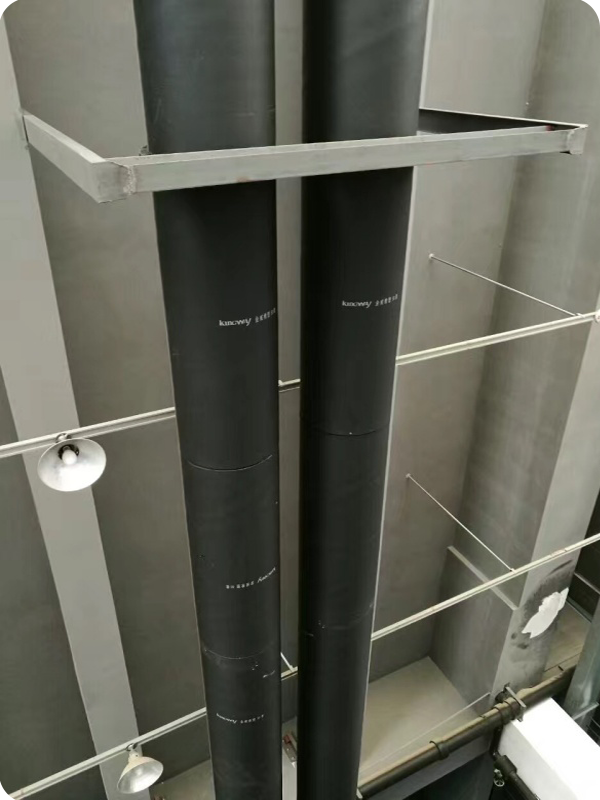
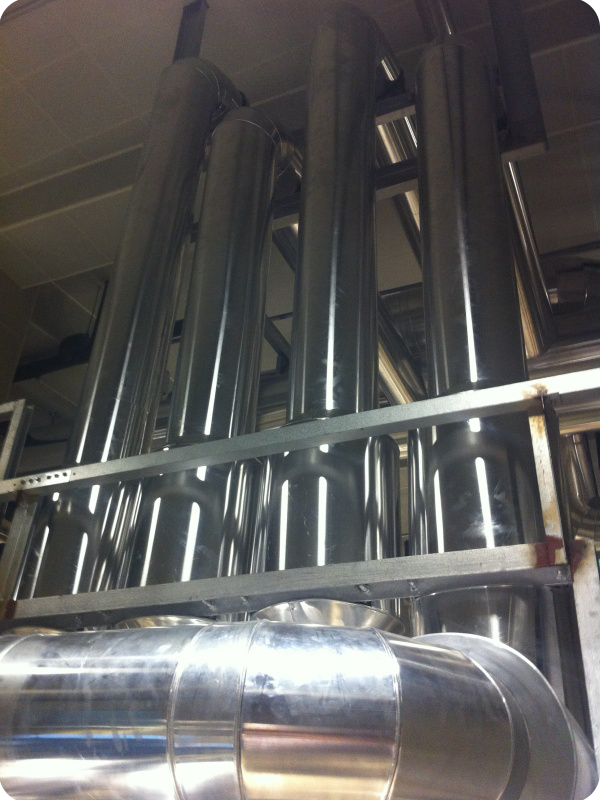
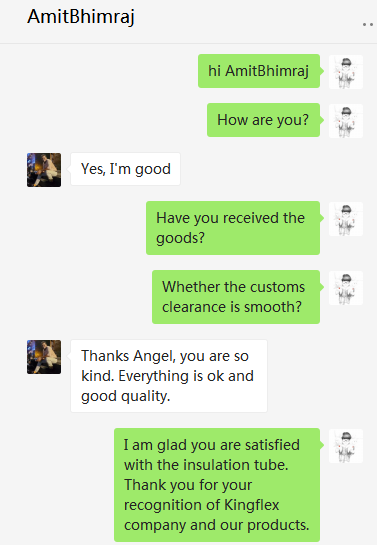
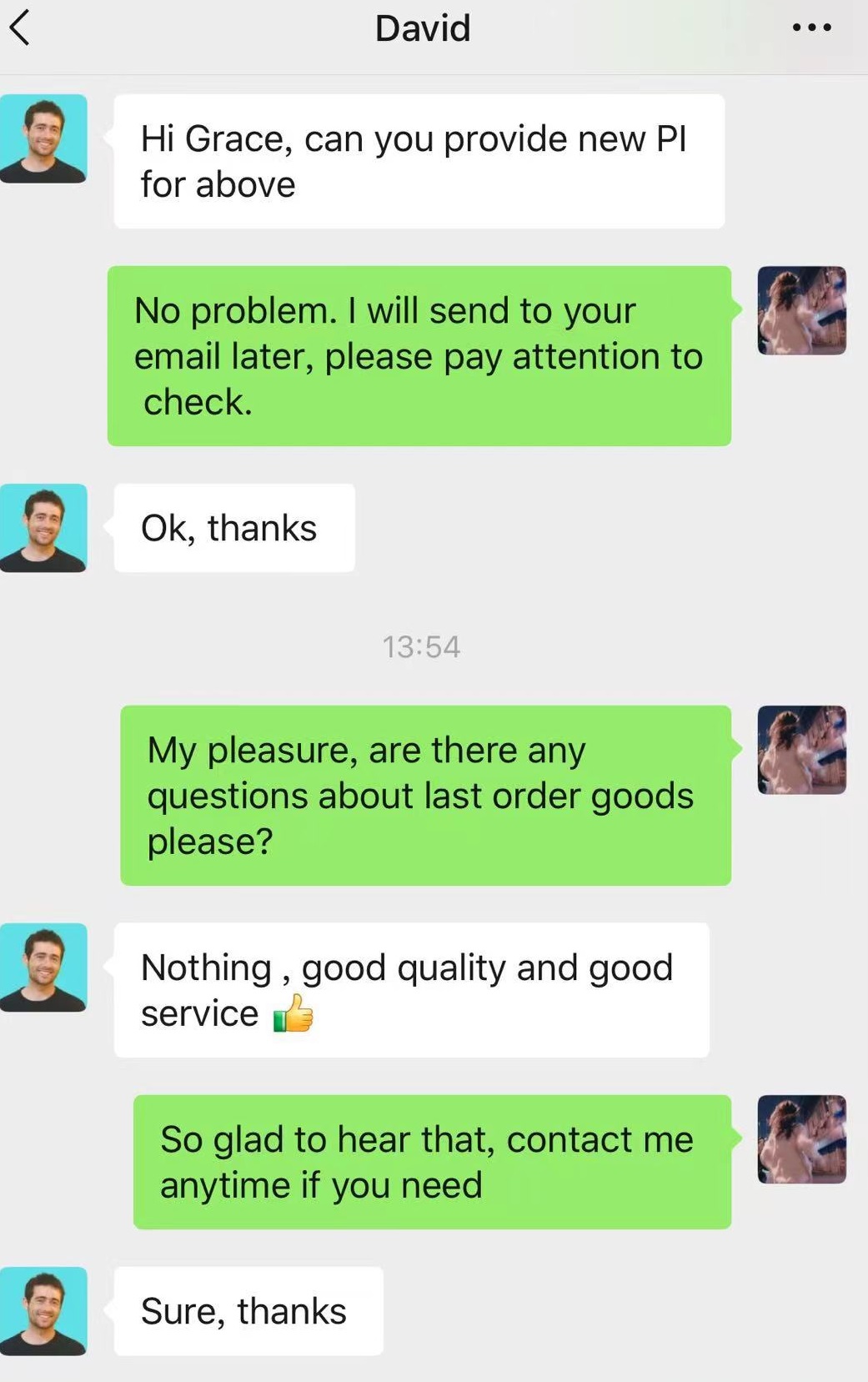
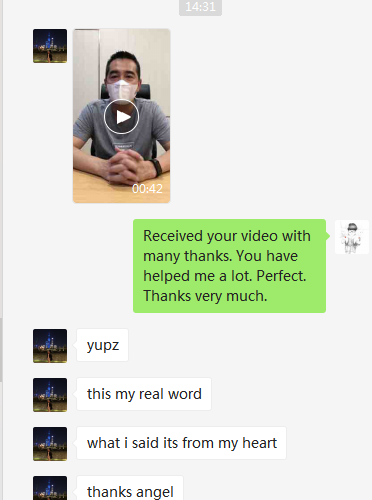
We work closely with global procurement divisions, ensuring full tracking, fast turnaround times, and verified specifications. Below are direct coordination records showing delivery validation.


Comprehensive values for architects and mechanical engineers.
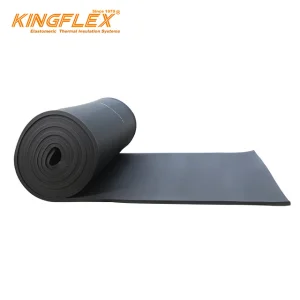
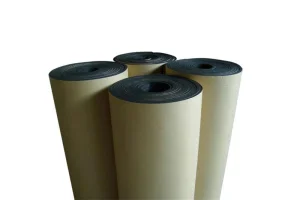
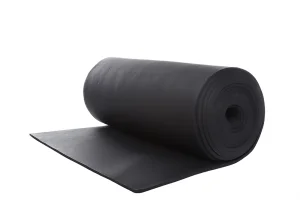
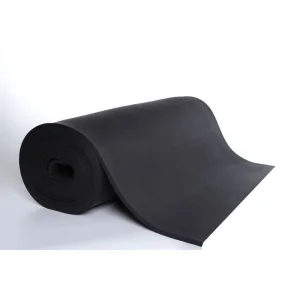
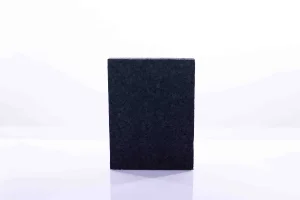
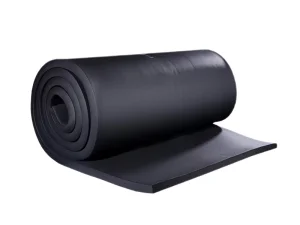
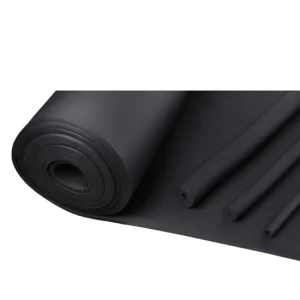
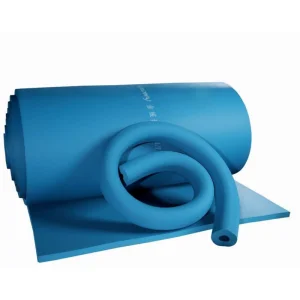
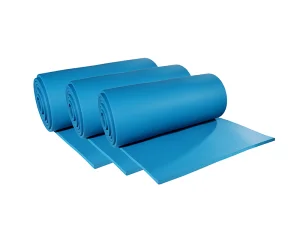
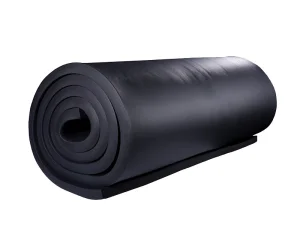
Our premium NBR/PVC elastomeric rolls offer high flexibility, protecting air ducts, process pipelines, and complex fittings.
| Material | NBR/PVC |
| Thickness | 6mm - 50mm |
| Density | 40 - 55 kg/m³ |
| Service Temp. | -40℃ to 105℃ |
| Closed-Cell Rate | > 98% |
Key Advantages: High compression resilience (>80%), low moisture vapor transmission, and self-extinguishing fire response.
Applications: Central HVAC ducts, wall/roof thermal insulation, cryogenic storage facilities, chemical vessels.
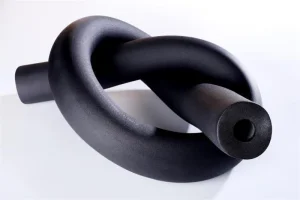
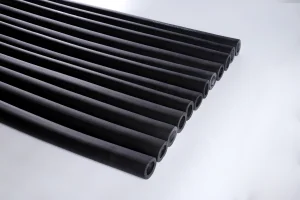
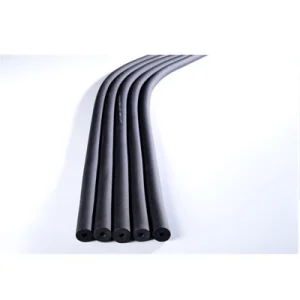
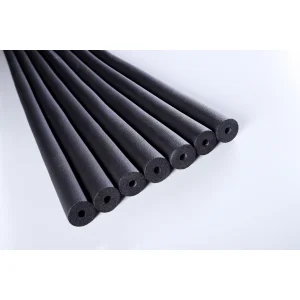
Specially manufactured for seamless slide-on application or slit-and-seal installation over existing PVC, copper, and steel pipes.
| Material | NBR/PVC |
| Thickness | 9mm - 40mm |
| Inner Diameter (ID) | 6mm - 114mm |
| Density | 40 - 55 kg/m³ |
| Service Temp. | -40℃ to 105℃ |
Key Advantages: Fully enclosed cell matrix prevents cold-bridge thermal leaks and protects PVC from external stress cracking.
Applications: Chilled water pipelines, hot water plumbing, refrigeration lines, solar installations, and acoustic decoupling.
Crucial answers to assist engineers and procurement professionals in selecting the right fire wrap and thermal solutions.
Direct sourcing from our ISO-compliant China manufacturing facility. Get volume discount quotes today.
 Kingflex