Natural gas LNG cold energy utilizationNitrogen factoryCoal to olefinsCoal chemical MOTTransport ship LNG carrier insideFiber-free & Dust-freeCFC & HCFC freeDrilling platform pipelineEthylene projects
Mechanical insulation systems require different layers of thickness depending on the temperature of the environment. With the correct insulation installed, the plant becomes more energy efficient, which in turn reduces operating costs. If a mechanical insulation contractor lacks thorough knowledge about a manufacturer’s product installation standards, the risk of system damage or lack of efficiency increases. Improper insulation can lead to excessive heat transfer and that loss of heat affects the conservation of energy and ultimately the cost to operate the plant.
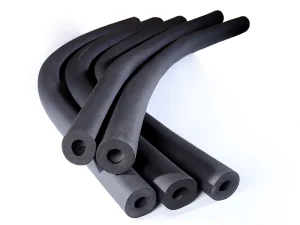
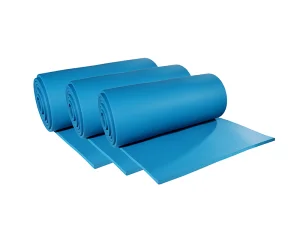
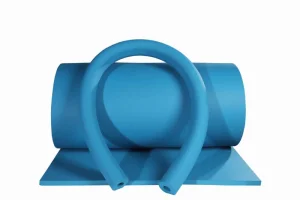
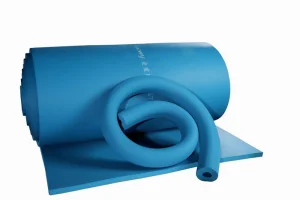
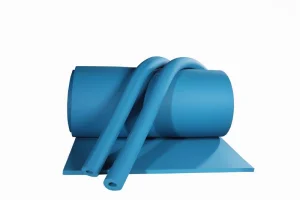
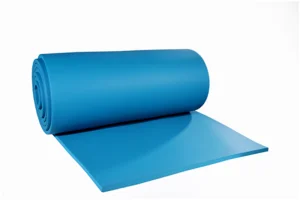
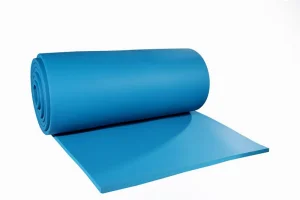
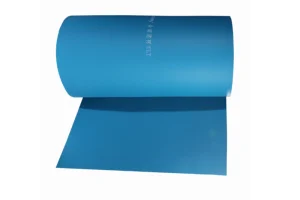
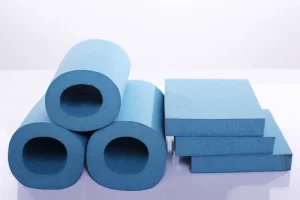
Featuring 4 advanced rubber foam production lines, the manufacturing capability supports both tube and sheet roll production, delivering a capacity output double that of standard industry lines. With 36 years of experience in thermal insulation material fabrication, every processing stage conforms strictly to domestic and international verification standards, including UL, BS476, and ASTM E84.
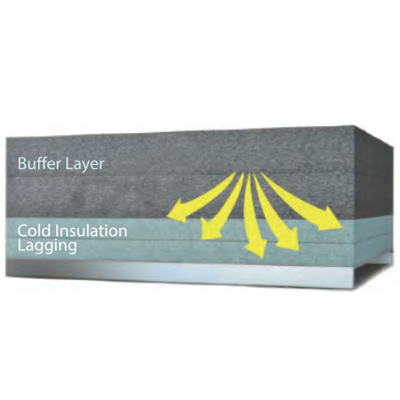
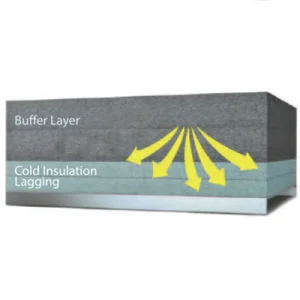
Stays flexible at low temperatures
Reduces the risk of crack development and propagation
Reduces the risk of corrosion under insulation
Protects against mechanical impact and shock
Low thermal conductivity
Low glass transition temperature
Easy installation even to complex shapes
Less wastage compared to rigid/pre-fabricated pieces
A sound and strict Quality Control System is maintained throughout operations. Every order is meticulously checked starting from the raw materials up to the final product stage. To guarantee stable, long-term insulation performance, custom testing protocols are instituted that hold higher specifications than standard testing codes locally and internationally.
Frequently Asked Questions (FAQ)
Q1: Why is correct thickness important for mechanical insulation?
Mechanical insulation systems require specific thickness tiers adapted to environmental temperatures to prevent excessive heat transfer. Installing the correct thickness optimizes energy usage, decreases structural operating costs, and minimizes the risk of condensation or thermal energy loss.
Q2: What standards do these thermal insulation materials meet?
The insulation is strictly produced according to rigorous domestic and international testing regulations, complying with well-recognized certifications such as UL, BS476, and ASTM E84 to ensure high performance under extreme conditions.
Q3: How does the rubber foam maintain performance at low temperatures?
This insulation material is designed with a low glass transition temperature, allowing it to stay flexible under low-temperature environments. This flexibility significantly minimizes structural crack propagation and resists mechanical impact shocks.
Q4: Does this product help prevent Corrosion Under Insulation (CUI)?
Yes, the structural design and material compound prevent external moisture ingress. By blocking moisture accumulation on pipe surfaces, the insulation substantially reduces the risk of corrosion under the insulation layer.
Q5: Can this material be installed on complex system configurations?
Yes. Due to its flexible, elastomeric nature, this insulation adapts easily to complex system shapes and fittings. It produces far less material waste during installation compared to pre-fabricated rigid insulation segments.
 Kingflex