China Self Adhering Foam Tape Factory & Quotes

High-Performance Elastomeric Thermal Insulation & Acoustic Sealing Systems by Kingflex Insulation Co., Ltd.

Section 1: Executive Overview of the Global Self-Adhering Foam Tape Market

The global demand for energy-efficient materials in modern infrastructure has elevated the importance of advanced elastomeric insulation systems. Among these, self-adhering foam tapes represent a critical component. These materials provide high-performance sealing, thermal dampening, and acoustic separation. Traditionally, mechanical insulation projects required manually painting contact adhesives on elastomeric foams. Today, factories supply self-adhering materials with pre-applied pressure-sensitive adhesives (PSA), reducing installation times on site, lowering VOC emissions, and ensuring a uniform bond across complex geometries.

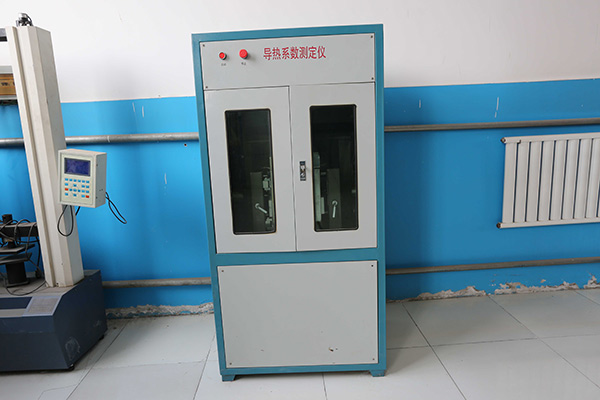
Key Thermodynamic Parameters: Thermal conductivity is maintained at ≤ 0.034 W/(m·K) at 0°C, and the water vapor diffusion resistance index (μ) regularly exceeds 10,000. These metrics ensure that the closed-cell rubber matrices perform under humid environmental conditions.

As governments globally enforce strict code requirements for building envelope performance and carbon offsets, mechanical contractors specify self-adhering foam tapes for duct joints, pipe clamps, split-system line sets, and chilled water distribution lines. The application of elastomeric NBR/PVC structures with high initial tack adhesives minimizes air leakage and thermal bridging, protecting systems from condensation damage and corrosion under insulation (CUI).

Global Market Drivers & Sourcing Challenges

The industrial sector faces rising labor costs and demands for shorter construction cycles. Mechanized prep, pre-fabricated piping, and self-adhesive insulation rolls address these bottlenecks. However, global supply chains must navigate strict certification requirements such as BS 476, UL 94 fire ratings, and environmental compliance certifications (REACH, RoHS). Procuring directly from established manufacturing facilities in mainland China provides cost-efficiency, consistent chemical compounding, and high production volume capacity to meet global demand.

Industrial Scale & Capabilities

Kingflex Insulation Co., Ltd. leads thermal and acoustic insulation innovation through manufacturing capacity, quality control, and testing standards.

40+
Years Industry Heritage
600,000m³+
Annual Production Capacity
5
Automatic Assembly Lines
66+
Export Countries Worldwide

Section 2: Chemistry, Compounding, and Adhesive Performance

Self-adhering foam tapes must withstand operational temperature cycles, shear stresses, and high humidity levels. At Kingflex, we blend Nitrile Butadiene Rubber (NBR) and Polyvinyl Chloride (PVC) to form a co-polymer matrix. This composition balances flexibility, low density, oil resistance, and low thermal transmission properties.

1. The Foaming and Vulcanization Process

High-tech processing lines introduce eco-friendly blowing agents into the compounded rubber base. Under monitored temperature and pressure profiles inside the continuous vulcanization ovens, nitrogen gas micro-bubbles expand, creating a closed-cell density profile ranging between 40 kg/m³ and 55 kg/m³. By keeping over 98% of the cells closed, the material acts as a barrier against air, moisture, and water vapor infiltration.

2. Adhesive Engineering: The Pre-Applied PSA Layer

The reliability of a self-adhering tape depends heavily on its adhesive system. We offer customized pressure-sensitive systems designed for specific surface materials and operating temperatures:

  • High-Tack Modified Acrylic PSA: Provides long-term aging resistance, UV stability, and performance across thermal ranges from -40°C up to 105°C. Highly recommended for metal ductwork and outdoor applications.
  • Synthetic Rubber Hot-Melt Adhesive: Offers high initial tack for immediate mechanical grip onto plastic pipelines and PVC fittings.
  • Reinforced Glass Scrim Carrier: For high mechanical stress installations, the adhesive is reinforced with a glass fiber mesh grid. This grid prevents the elastomeric backing from stretching and thinning during manual application, maintaining standard thermal density.
Physical/Chemical Property NBR/PVC Elastomeric Foam Base Pressure-Sensitive Adhesive (PSA) International Standard Reference
Operating Temperature -40°C to +105°C -20°C to +90°C (Standard) ASTM C534 / ASTM C411
Thermal Conductivity (λ) ≤ 0.034 W/m·K (at 0°C) N/A ASTM C177 / EN ISO 12667
Water Vapor Resistance (μ) ≥ 10,000 Vapor-impermeable adhesive film EN 12086 / ASTM E96
Fire Classification Class 0 / Class 1 / V-0 Flame-retardant formulation option BS 476 Part 6/7, UL94, ASTM E84
Density Profile 40 - 55 kg/m³ Dry adhesive film layer ASTM D1622

Section 3: Production Capability & China's Supply Chain Efficiency

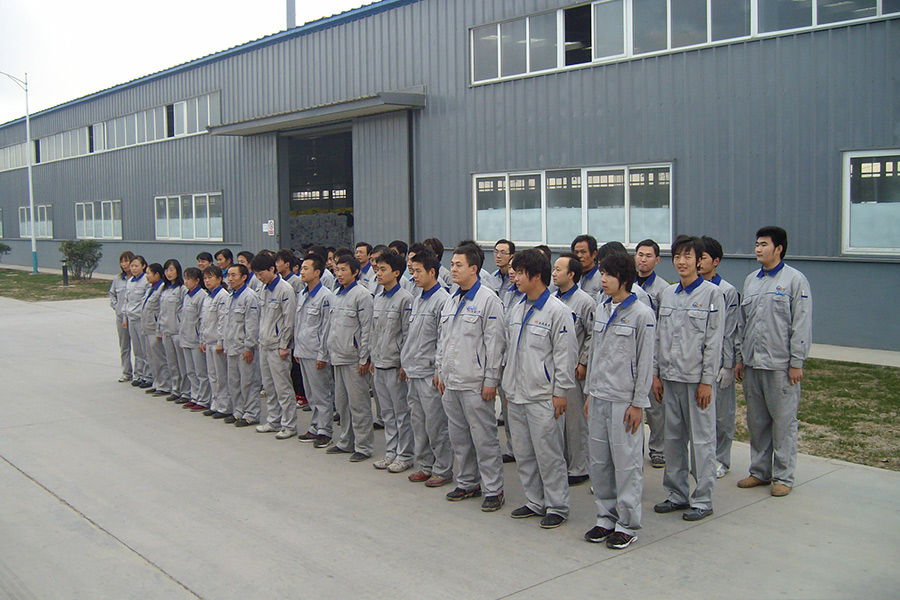
Kingflex Insulation Co., Ltd. operates within the Dacheng green-building materials manufacturing industrial cluster. Since establishment by Jinwei Group in 1979 (accumulating over 40 years of thermal material production history), Kingflex has grown from a regional producer into a globally certified manufacturing facility. We operate 5 automated production assembly lines capable of yielding over 600,000 cubic meters of high-density elastomeric materials annually.

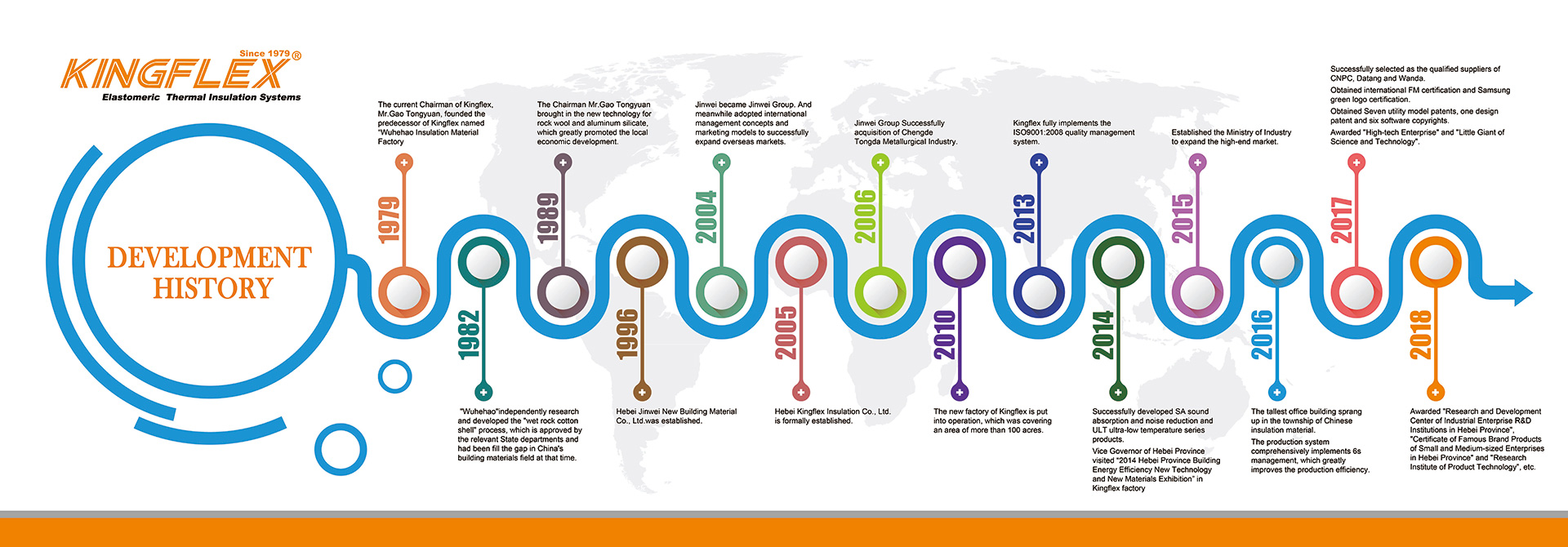
Our workforce features an experienced balance of R&D expertise and scale: 8 dedicated R&D engineers, 6 international sales agents, and 230 specialized production employees. By housing mixing, extrusion, vulcanizing, adhesive-lamination, slitting, and logistics within a centralized plant footprint, we minimize manufacturing costs. This vertical integration allows us to offer competitive factory-direct quotes to international buyers, mechanical construction firms, and OEM distributors.

Research and Development (R&D) Focus Areas

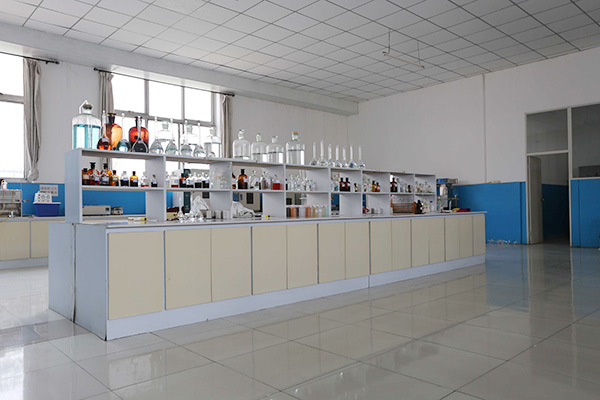
Our engineers prioritize chemical foam optimization and surface adhesion technology. We test compounding variations to reduce the flame spread index without increasing smoke density. Additionally, we evaluate how adhesive backings perform over extended service lives under cyclic vibration stresses.
Section 4: Technical Specifications & Architectural Standards

For engineering specifications, we divide our product lines into two categories: Self-Adhering Foam Sheet Rolls and Self-Adhering Foam Tubes/Pipes.

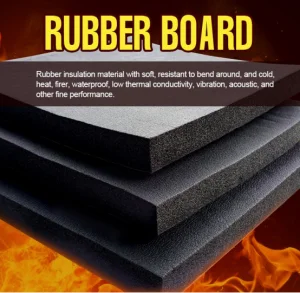
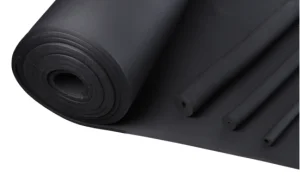
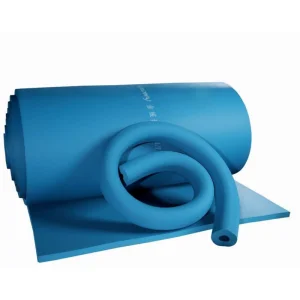
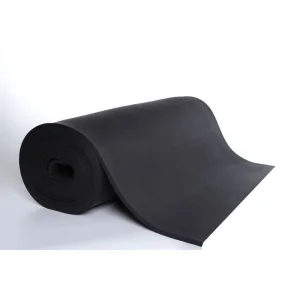
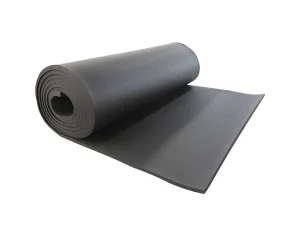
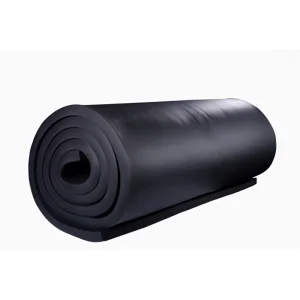
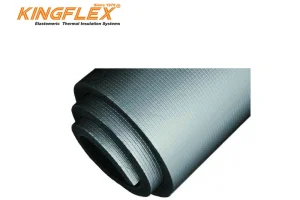
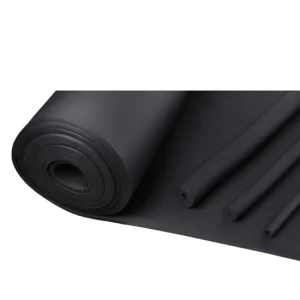
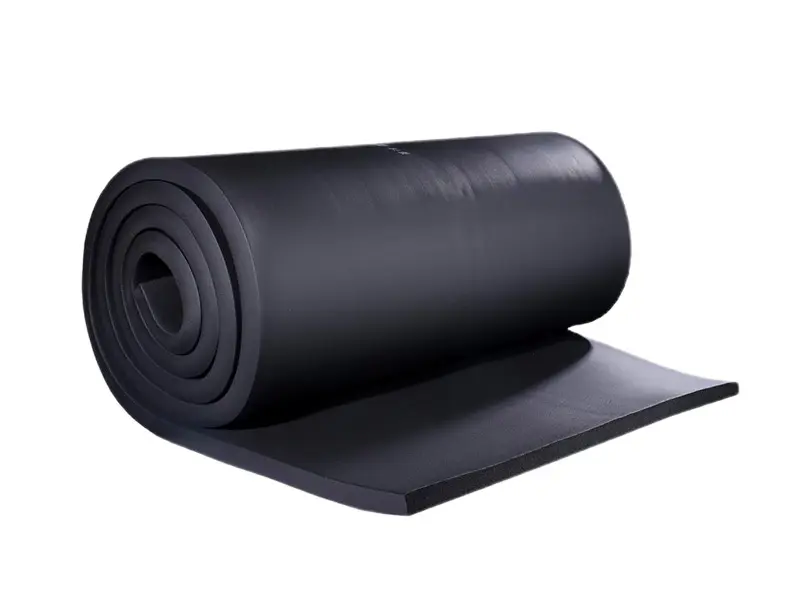
Black Rubber Foam Insulation Sheet Roll

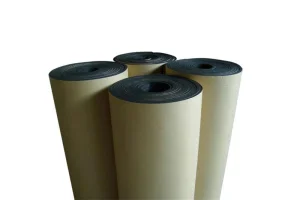
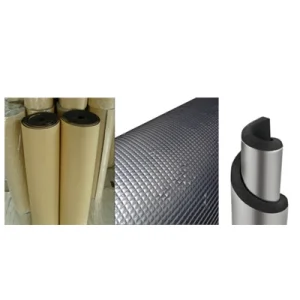
Designed for large surface areas such as ductwork headers, storage vessels, chillers, and large diameter valves. The pre-applied self-adhesive film eliminates the need for brush-on adhesives on metal sheets.

  • Material Compound: Industrial NBR/PVC closed-cell foam
  • Thickness Capacity: 6mm up to 50mm
  • Material Density: 40 to 55 kg/m³
  • Operating Temperature Range: -40℃ to 105℃
  • Moisture Permeability: High vapor resistance factor
  • Roll Dimensions: Customizable width (typically 1m or 1.2m wide rolls)

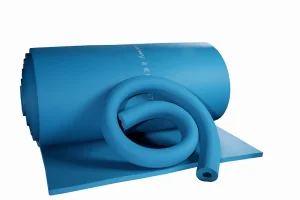
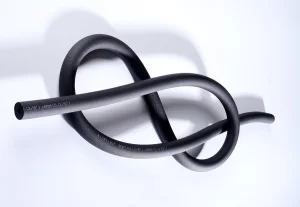
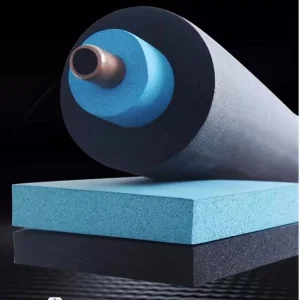
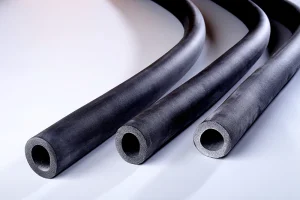
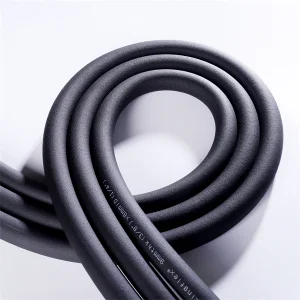
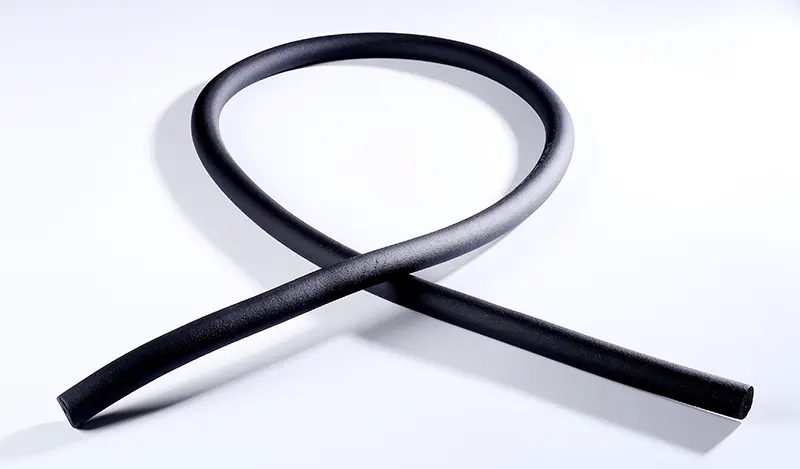
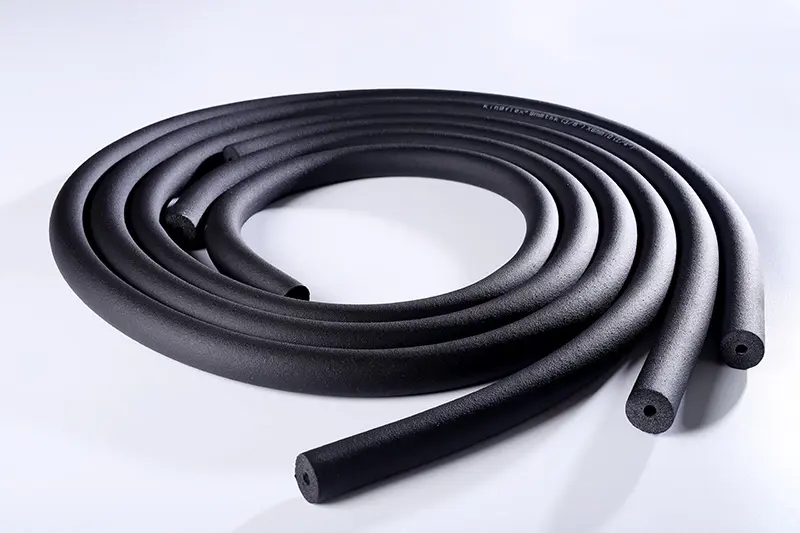
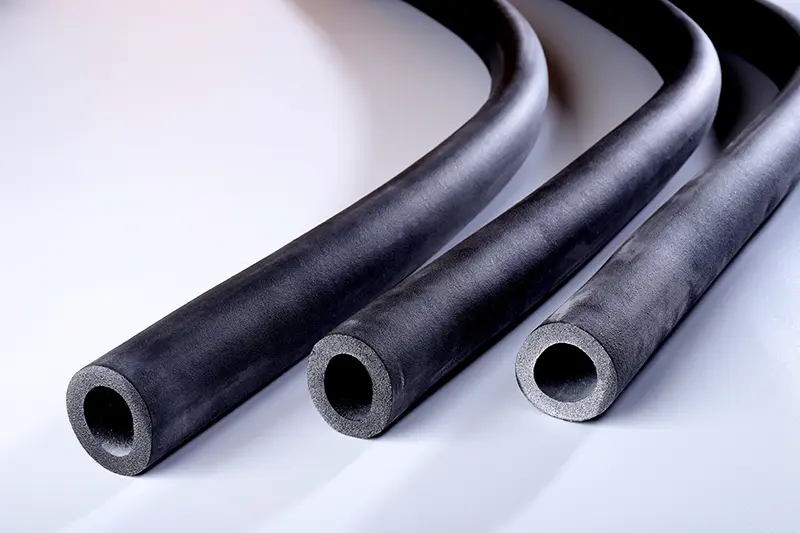
Black Rubber Foam Insulation Pipe

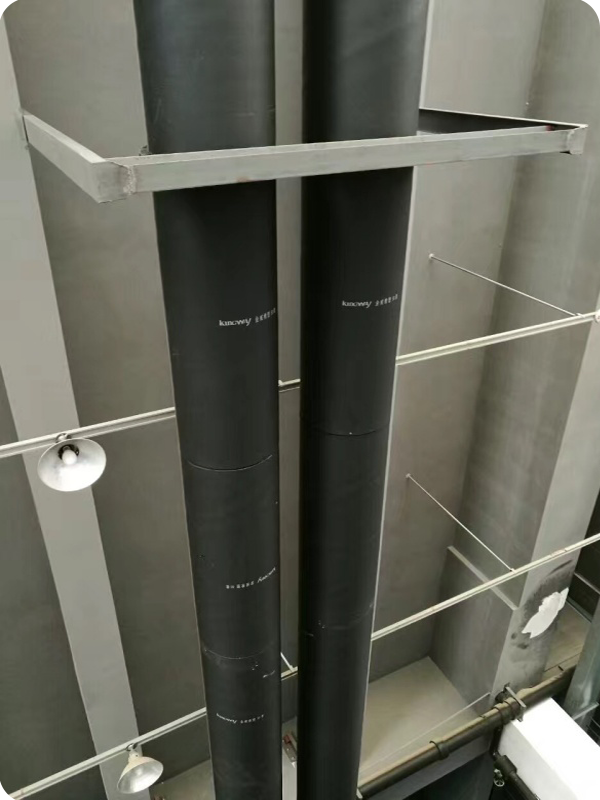
Designed for residential split systems, VRF lines, commercial HVAC piping, and industrial cooling loops. The split-tube style with self-adhesive seams reduces installation times on site.

  • Material Compound: NBR/PVC with high flex elasticity
  • Thickness Capacity: 9mm to 40mm
  • Inner Diameter Range (ID): 6mm to 114mm
  • Precision Coatings: Available with aluminum foil jackets
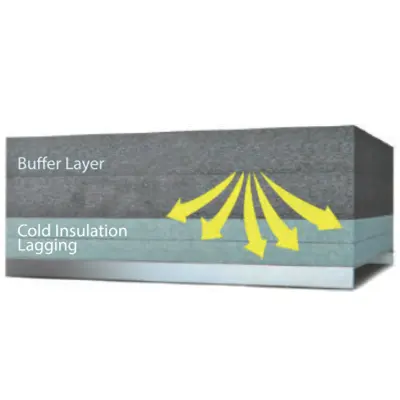
  • Vibration Dampening: Reduces mechanical acoustics
  • Self-Seal Seam: Double-sided adhesive tape along the slit

Section 5: Industry Compliance & Testing Certifications

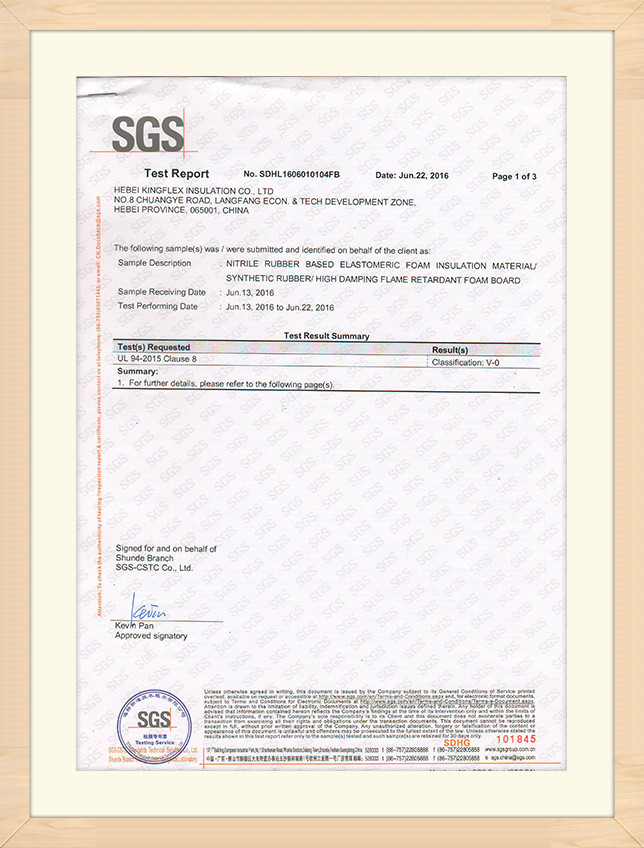
Mechanical insulation materials must comply with local fire safety codes and environmental standards. Kingflex products undergo third-party certification testing to verify compliance for international construction bids.
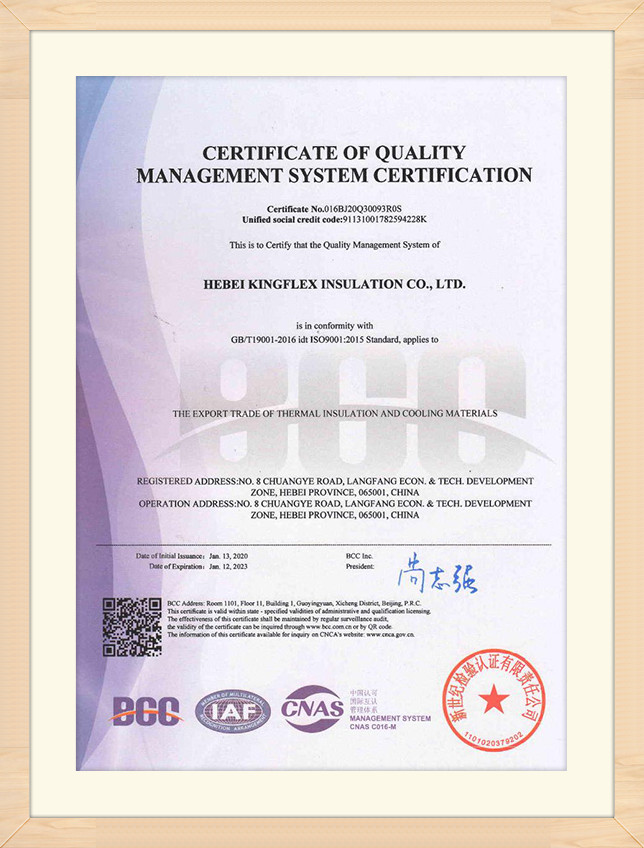
  • BS 476 Part 6 & 7: Class 0 and Class 1 designations verify low heat release and low flame spread across critical structural zones.
  • UL 94 (V-0 / V-1 / V-2): Classifies self-extinguishing behavior, preventing flame spread along vertical vertical riser runs.
  • ASTM E84: Verifies flame spread indexes below 25 and smoke developed indexes below 50, meeting standard requirements for plenum spaces.
  • REACH & RoHS Directives: Confirms the chemical matrices are free of polybrominated diphenyl ethers (PBDEs), halogenated fire retardants, heavy metals, and carcinogenic blowing agents.

Factory Transparency & Global Client Feedback

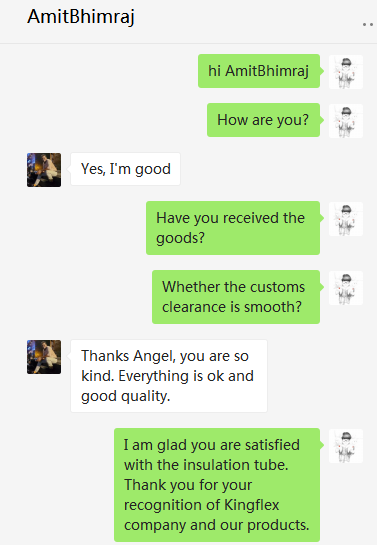
We maintain transparent communications with global distribution and procurement networks. Here is feedback from regular importers regarding our order processing, testing support, and lead times.

Order negotiation log showing prompt factory quote response
Shipping logistics chat detailing container stuffing configurations
Engineering discussion confirming ASTM testing procedures
OEM design file exchange confirming custom adhesive mesh widths
Post-shipment review confirming trace-ability number verification

Section 6: Real-World Applications & Case Studies

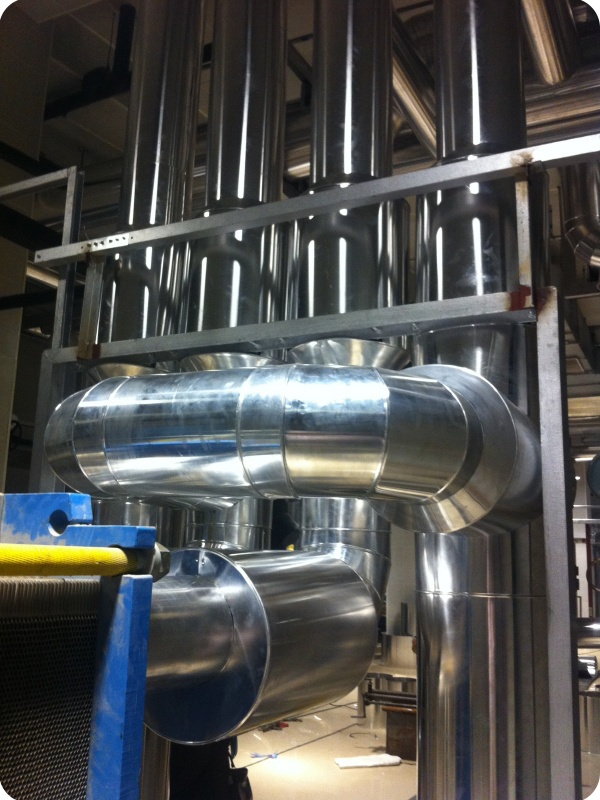
Kingflex elastomeric closed-cell materials and self-adhering foam tapes are installed in complex HVAC systems, chemical plants, transport systems, and energy facilities globally.

Key Installation Scenarios

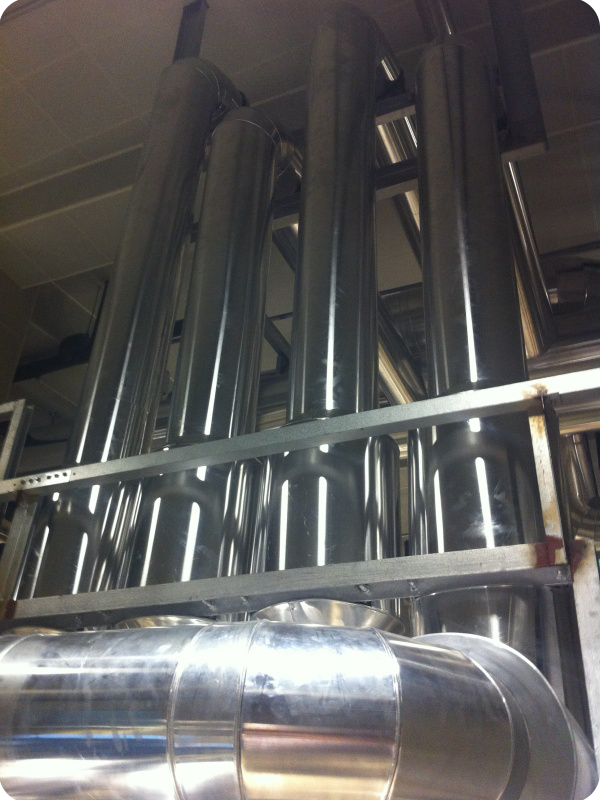
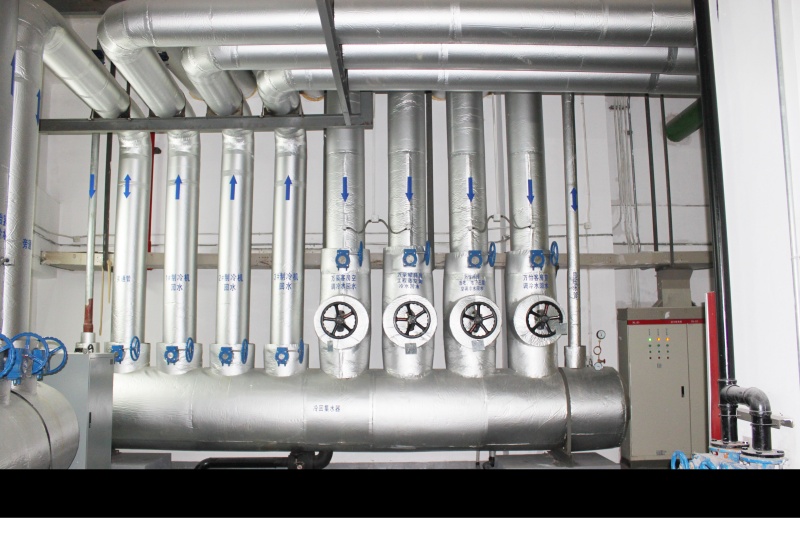
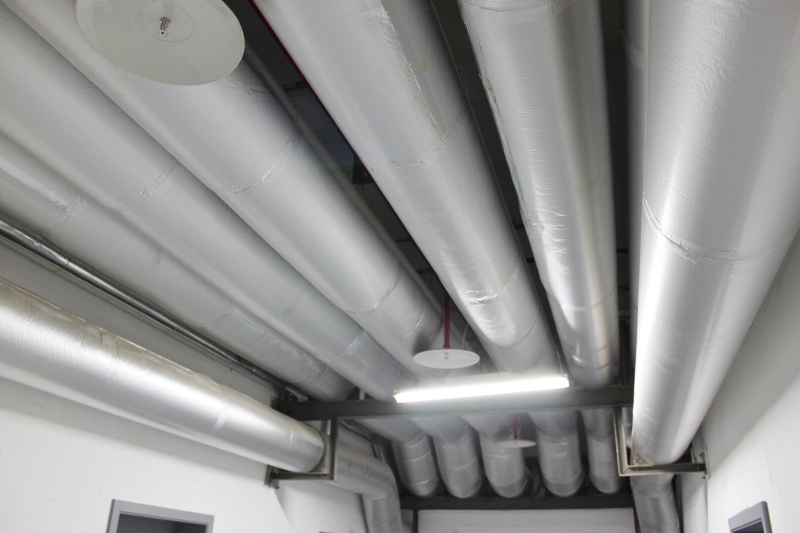
  1. Commercial HVAC Air Distribution Systems: Sheet insulation rolls wrap large rectangular supply air ducts to reduce heat gain and absorb fan vibration, lowering noise transmission.
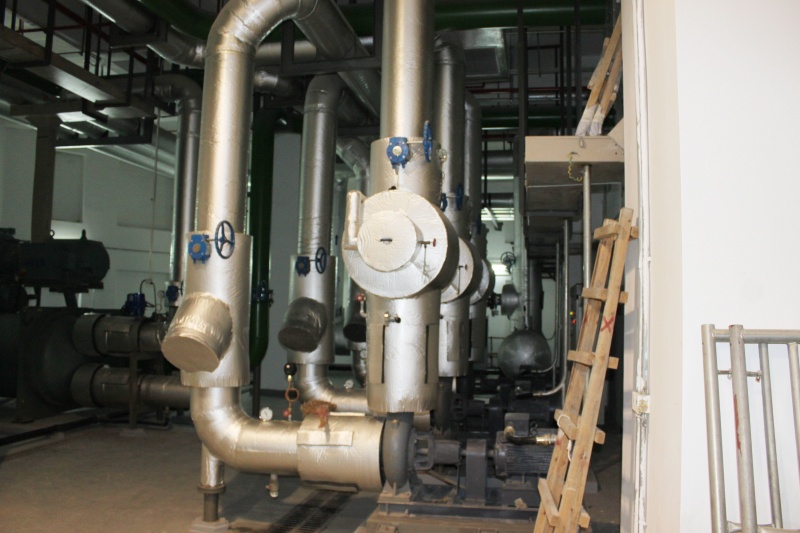
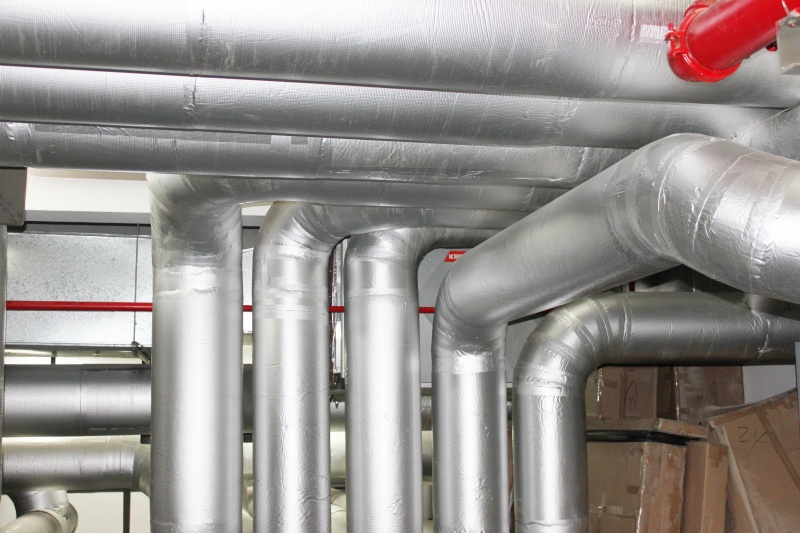
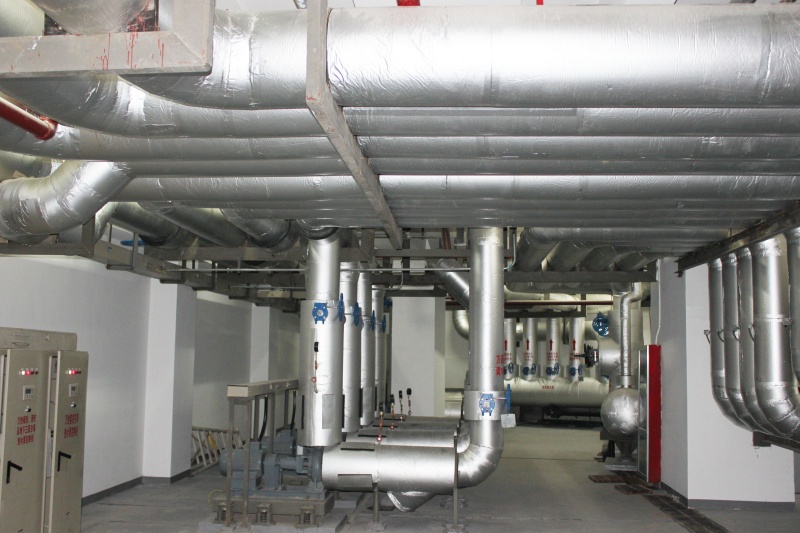
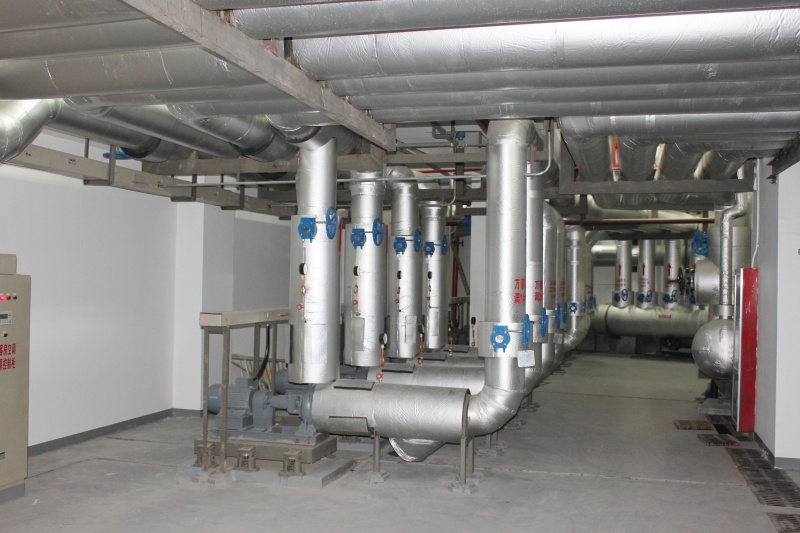
  2. VRF/VRV Piping Layouts: Elastomeric self-adhering foam pipes seal tight copper refrigerant lines. The high-tack adhesive joints prevent humid ambient air from contacting the cold line, eliminating sweating.
  3. Acoustic Isolation: Placed between pipe hang clamps and metallic supports, self-adhering foam tapes decouple vibration pathways, preventing mechanical humming in offices, hospitals, and hotels.
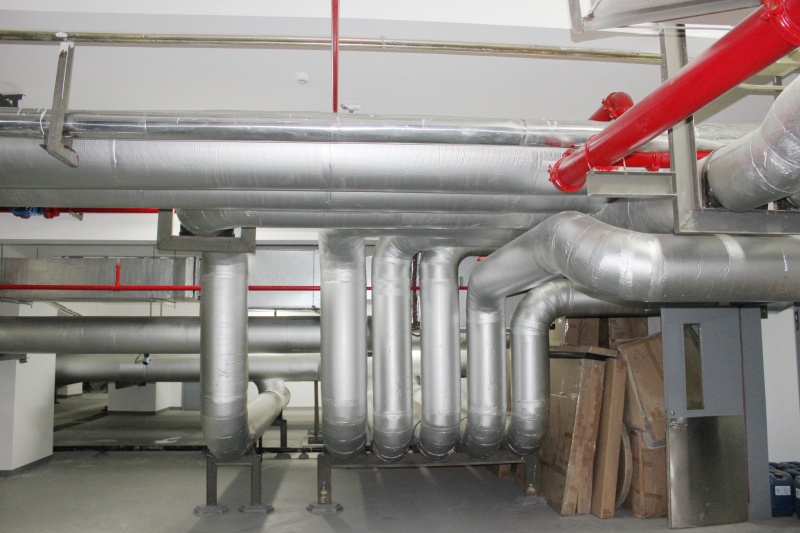
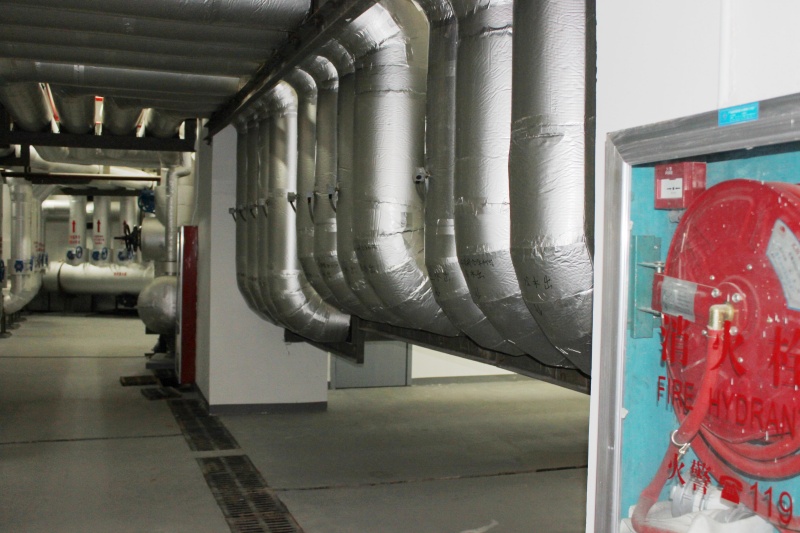
  4. Industrial Process Cooling & Petrochemical Pipelines: Self-adhering systems provide thermal barriers that protect carbon steel pipelines from corrosion under insulation (CUI) by preventing moisture infiltration.

Frequently Asked Questions

Technical answers from Kingflex engineering department regarding product applications, chemical configurations, and shipping policies.

Q1: What is elastomeric rubber foam insulation used for?
A1: It is primarily used for sealing HVAC ducts, cold/hot air conditioning pipes, building thermal envelopes, industrial process pipeline cold insulation, and acoustic sound insulation in high-occupancy structures.
Q2: Is Kingflex rubber foam insulation fire resistant?
A2: Yes. Kingflex rubber foam is formulated with flame retardants, allowing it to meet safety standards like BS 476 (Class 0 and Class 1), UL 94 V-0, and ASTM E84, ensuring it is self-extinguishing when exposed to fire.
Q3: What is the difference between rubber foam and rock wool insulation?
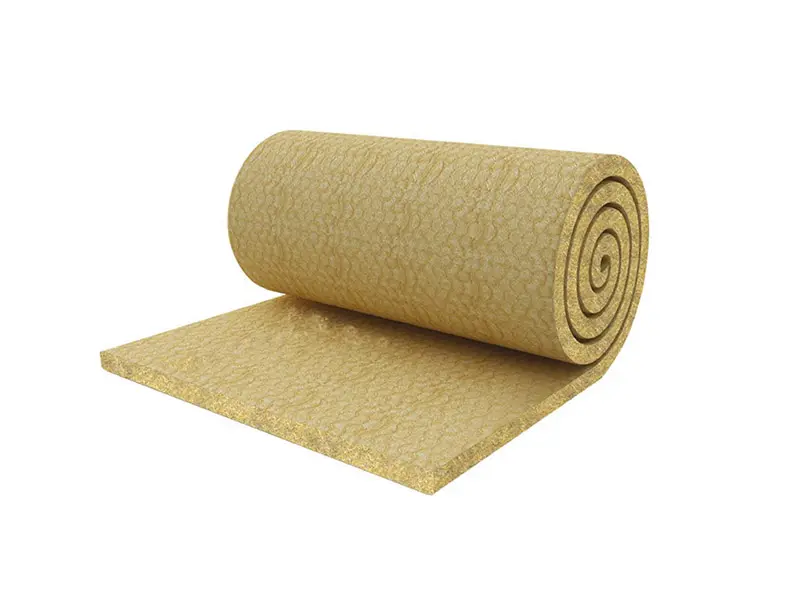
A3: Rubber foam is flexible, closed-cell, and moisture-proof, making it suitable for HVAC, refrigeration, and condensation control. Rock wool is high-temperature resistant and fireproof, making it suitable for industrial high-temperature pipelines and high-heat furnaces.
Q4: Do you provide customized insulation products?
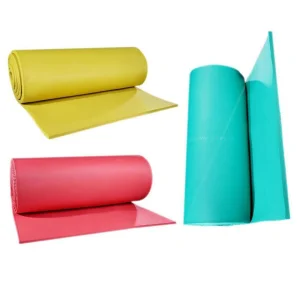
A4: Yes, we support OEM/ODM services. We customize thickness, width, chemical compounds (such as low-smoke formulations), adhesive backing systems (reinforced grid tapes), and surface laminates (such as aluminum foil or fiberglass fabrics).
Q5: What certifications do your products have?
A5: Our products have passed BS 476, CE, REACH, RoHS, UL 94, and ASTM testing certifications, ensuring compliance with global building codes and environmental regulations.
Q6: Does Kingflex products have traceability?
A6: Yes. Every production batch of Kingflex foam insulation is marked with tracking codes. This system tracks raw material compounds, manufacturing conditions, curing parameters, and inspection checks for quality assurance.
Q7: What thickness of Rubber foam insulation sheet roll can you produce?
A7: We produce rubber foam sheets and rolls in thicknesses ranging from 6mm to 50mm, allowing engineers to choose the correct size based on environmental dew point calculations.
Q8: What is the typical service life of rubber plastic pipe and board?
A8: When installed according to manufacturer guidelines, the typical service life is 10 to 15 years, depending on environmental exposure, mechanical wear, and outdoor UV levels.
Q9: How do you verify the adhesive shelf life of self-adhering foam tapes?
A9: We store self-adhering foam tapes at temperatures below 25°C with relative humidity levels under 60%. The shelf life under these conditions is typically 12 to 18 months from the manufacturing date, maintaining its pressure-sensitive adhesion properties.
Q10: What shipping parameters does the factory offer?
A10: We offer flexible commercial shipping terms, including FOB, CIF, CFR, and EXW, with loading services at Tianjin Port or Qingdao Port.