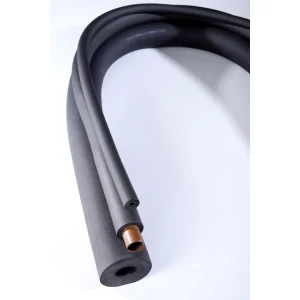
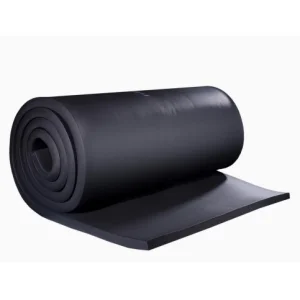
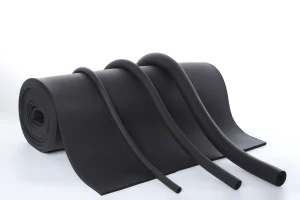
Premium thermal barrier configurations engineered for HVAC efficiency, moisture-drive defense, and industrial refrigeration environments.
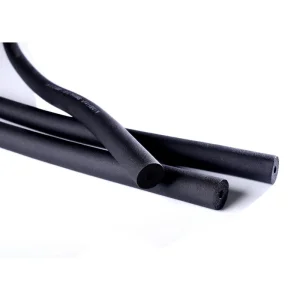
An in-depth analysis of thermodynamic mechanisms, material resilience, and systems engineering for extreme thermal environments.
In modern industrial processing, cryogenics plays a key role. Deep refrigeration systems, liquefied natural gas (LNG) distribution chains, liquid nitrogen lines, and advanced aerospace propellants require temperatures ranging from -40°C down to below -160°C. Standard thermal insulation materials fail under these conditions. The extreme thermal gradient between the ambient air and the sub-zero process fluid creates a strong thermodynamic drive. This drive moves both heat and atmospheric moisture inward toward the cold pipe or vessel surface.
Without a high-performance insulation barrier, ambient moisture immediately condenses and freezes on cold surfaces. This leads to ice formation, which degrades thermal efficiency and can cause severe structural damage. Ice buildup has a high thermal conductivity compared to insulation foam. If ice penetrates the insulation layer, it creates a thermal bridge, increasing energy loss and risking catastrophic Corrosion Under Insulation (CUI). Selecting the right cryogenic insulation material is critical for system safety and operating efficiency.
The global transition toward cleaner fuels has increased the demand for cryogenic infrastructure. LNG processing, maritime transport terminals, and hydrogen storage plants require reliable low-temperature insulation systems. For example, maritime LNG carrier vessels need insulation that can handle continuous motion, mechanical vibration, and extreme temperature changes without cracking or losing thermal efficiency.
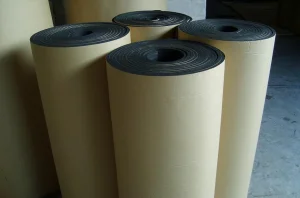
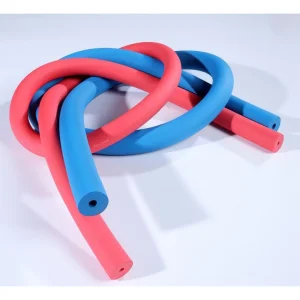
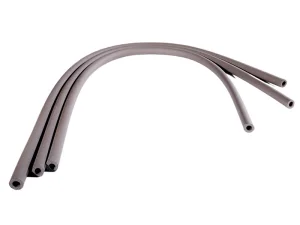
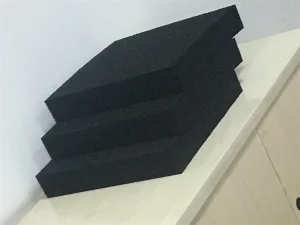
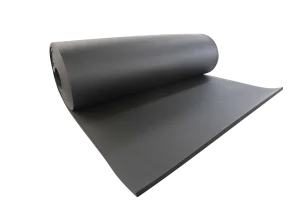
At the same time, petrochemical plants, cleanrooms, and medical storage facilities require strict thermal control. This has led to a shift away from traditional fibrous insulation materials toward advanced elastomeric rubber foams. Flexible, closed-cell elastomeric systems, such as NBR/PVC and halogen-free variants, are increasingly preferred because they do not require separate vapor barriers, lower installation labor costs, and prevent moisture ingress.
Kingflex insulation materials are formulated to provide high thermal efficiency and mechanical durability across a wide range of temperatures. Below is a comparative performance table illustrating standard specifications and operational thresholds:
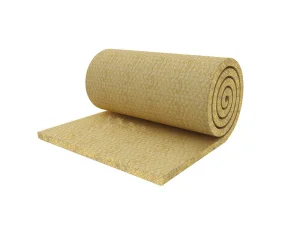
| Performance Indicator | NBR/PVC Elastomeric Foam | Traditional Rock Wool | Fiberglass Blanket |
|---|---|---|---|
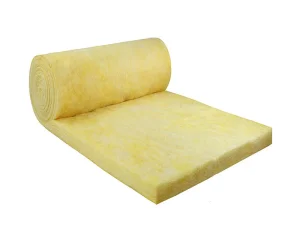
| Service Temp. Range | -40℃ to 105℃ (Extended systems lower) | Up to 650℃ (Poor low-temp performance) | Up to 400℃ (Requires outer vapor jacket) |
| Closed-Cell Rate | >98% (Even micro-foaming) | 0% (Fibrous open structure) | 0% (Fibrous open structure) |
| Thermal Conductivity (λ) | ≤ 0.035 W/(m·K) at 0℃ | ≤ 0.044 W/(m·K) at 70℃ | ≤ 0.042 W/(m·K) at 25℃ |
| Moisture Permeability Factor | μ ≥ 10,000 (Built-in vapor barrier) | μ = 1 (Zero moisture resistance) | μ = 1 (Zero moisture resistance) |
| Compression Resilience | >80% recovery under load | Very low recovery | Moderate recovery |
| Fire Retardancy Standards | BS 476 Part 7 Class 1 / UL94 V-0 | Non-combustible (Class A) | Non-combustible (Class A) |

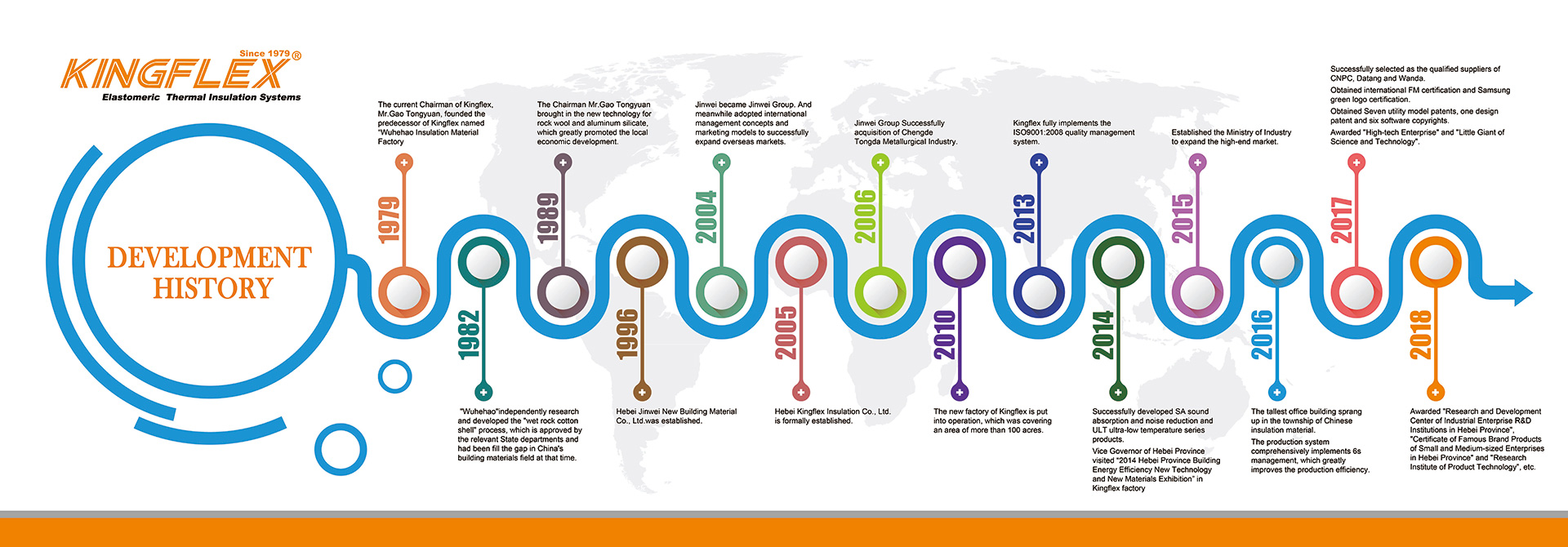
Established by the Jinwei Group, which holds more than 40 years of history since its founding in 1979, Kingflex Insulation Co., Ltd. has developed into a leading industrial manufacturer of high-performance thermal and cryogenic insulation systems. As the first thermal insulation manufacturer established north of the Yangtze River, our heritage is built on continuous technical R&D and strict quality assurance.
Operating out of Dacheng, China—the capital of green building materials—our production base covers the entire lifecycle of environmental conservation, raw material synthesis, precision cell formulation, and global logistics. Today, Kingflex runs five large automated assembly lines, delivering an annual production capacity of over 600,000 cubic meters. This scale has earned Kingflex designation as a key production enterprise by the Ministry of Energy, the Ministry of Electric Power, and the Ministry of Chemical Industry.
Our dedicated R&D department is led by eight professional engineers who focus on expanding cryogenic limits, improving elastomer molecular configurations, and optimizing smoke-suppression profiles.
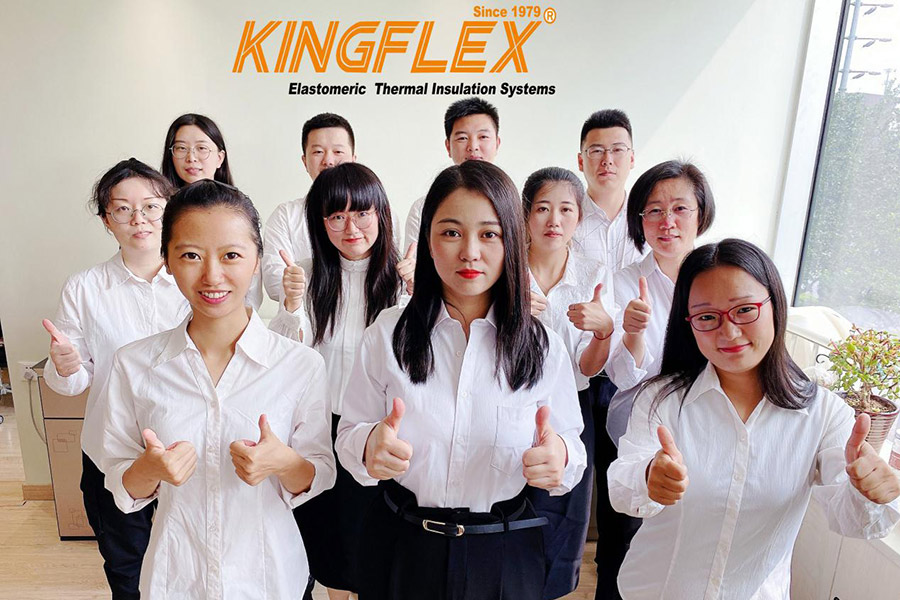
With six dedicated international sales professionals and 230 production workers, Kingflex provides project support from technical design through shipping coordination to more than 66 countries.
We supply complete insulation solutions, providing anti-condensation engineering, cryogenic cold conservation, and industrial acoustic dampening configurations customized for each project.
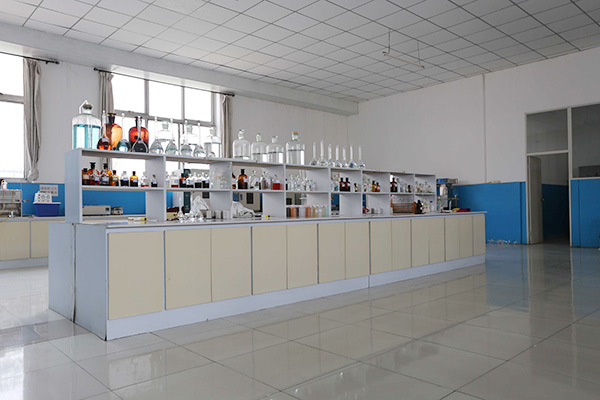

Operating in high-risk sectors like petrochemical processing and cryogenic logistics requires strict compliance with international safety and performance standards. Kingflex maintains a strict quality control system to ensure every production batch meets global regulations.
Our materials are tested and certified under BS 476 (Parts 6 & 7), CE, REACH, RoHS, UL94, and ASTM. This guarantees that our insulation products meet fire safety, smoke density, and environmental toxicity standards worldwide, including in the EU, Americas, and Middle East.
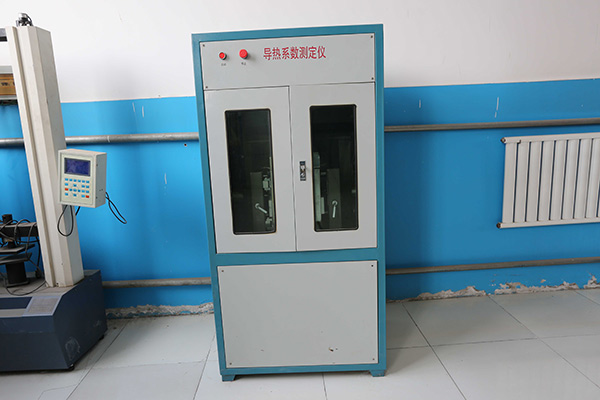
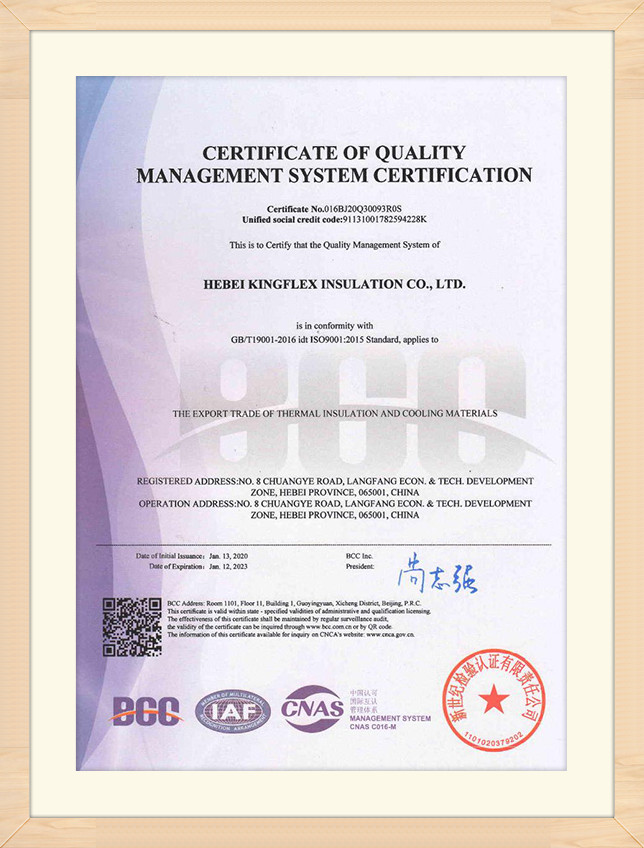


As environmental regulations become stricter, the insulation industry is shifting toward greener materials. Key areas of development include halogen-free formulations, reduced smoke toxicity, and increased resistance to extreme temperatures.
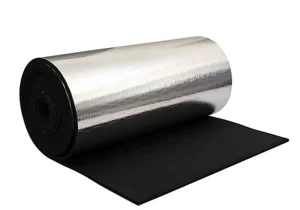
Kingflex is currently developing advanced closed-cell elastomers that remain flexible at lower temperatures without using halogenated flame retardants. Our research focuses on modifying polymer structures to lower the glass transition temperature ($T_g$), keeping the insulation flexible under deep sub-zero conditions. Additionally, we are working on multi-layered composite systems that combine elastomeric barriers with sound-dampening foils and protective outer jackets to prevent mechanical damage and weather wear in harsh outdoor settings.
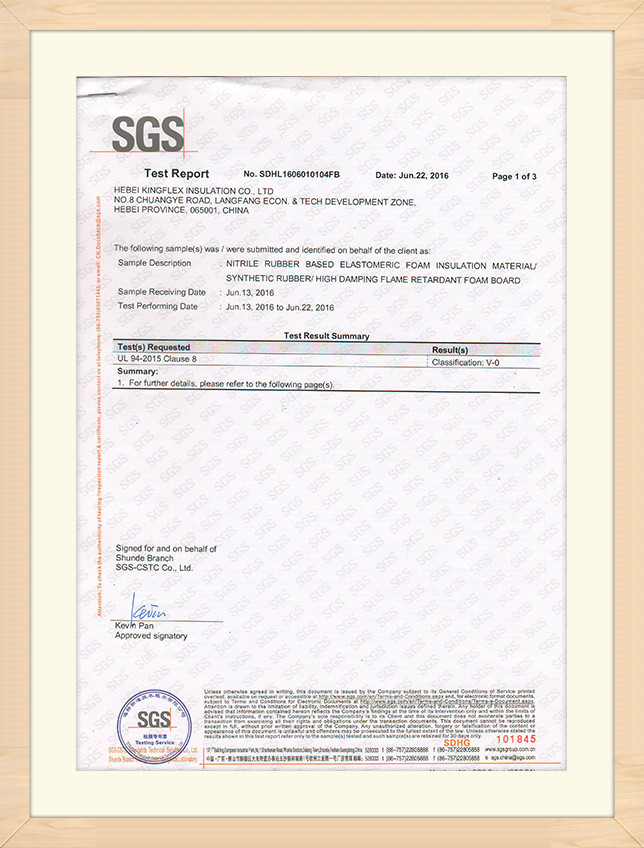
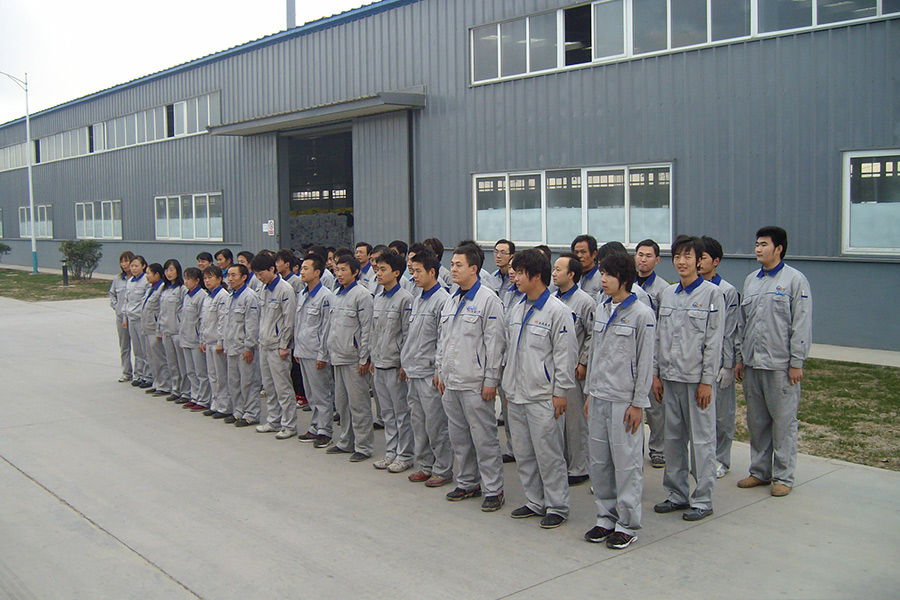


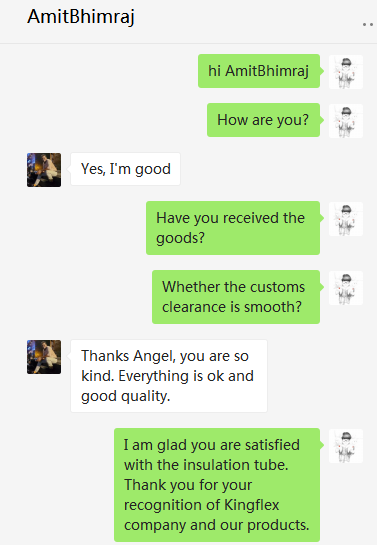
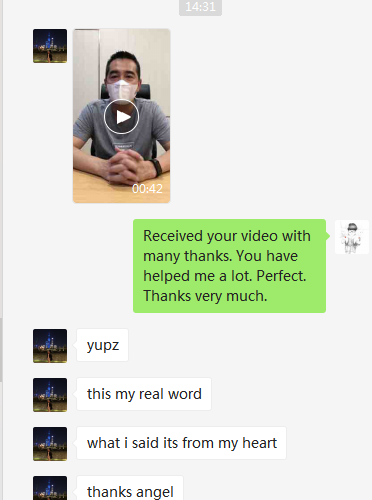
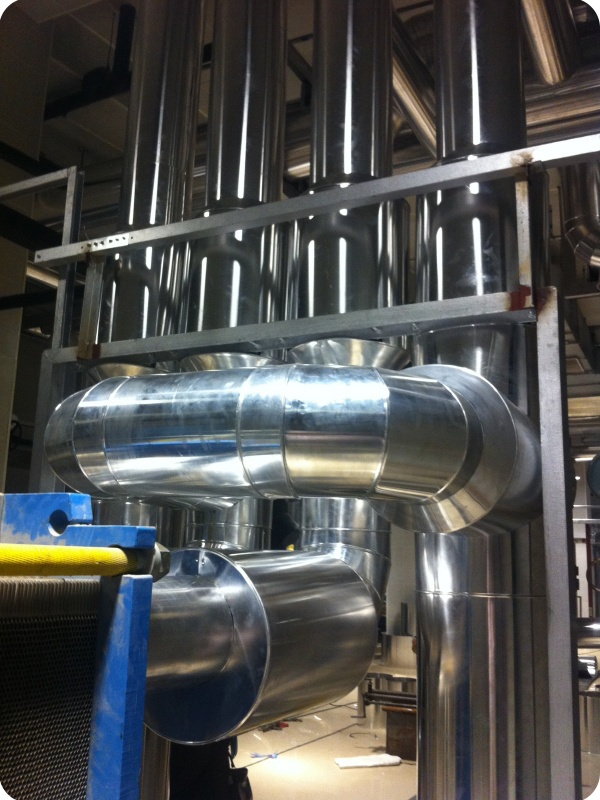
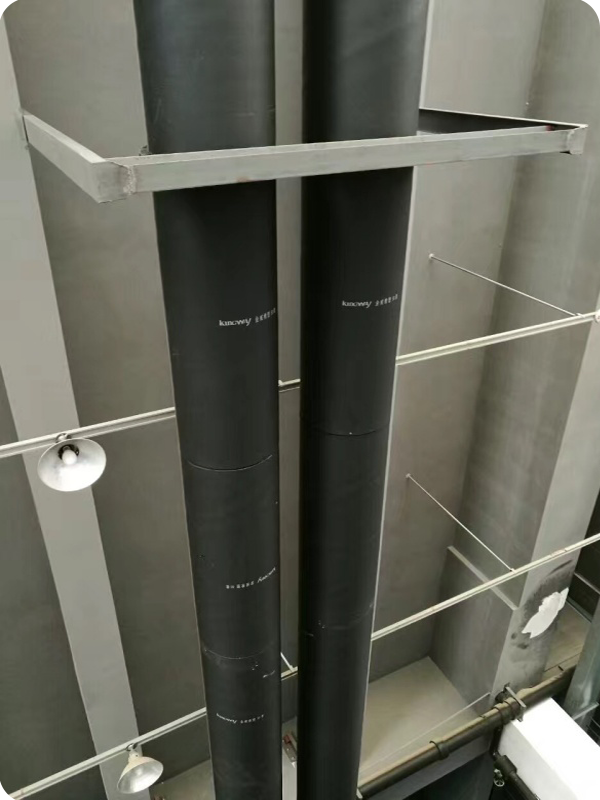
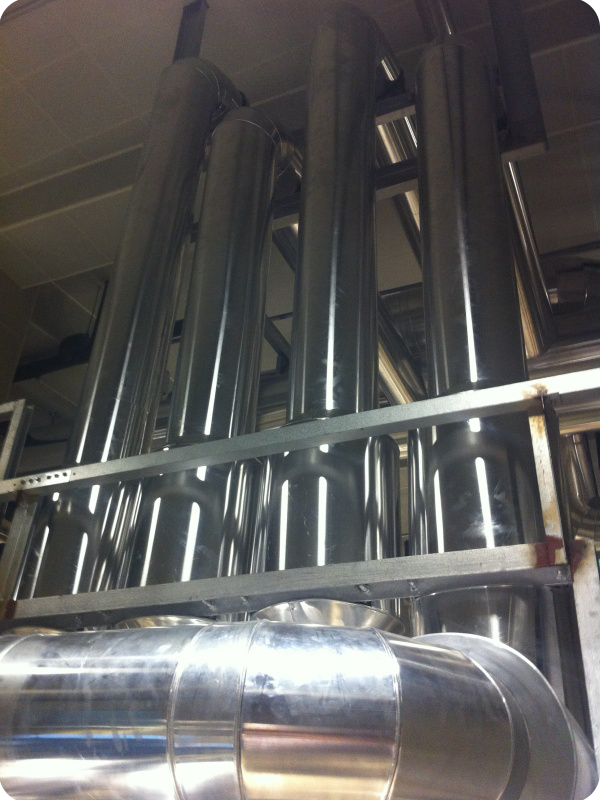
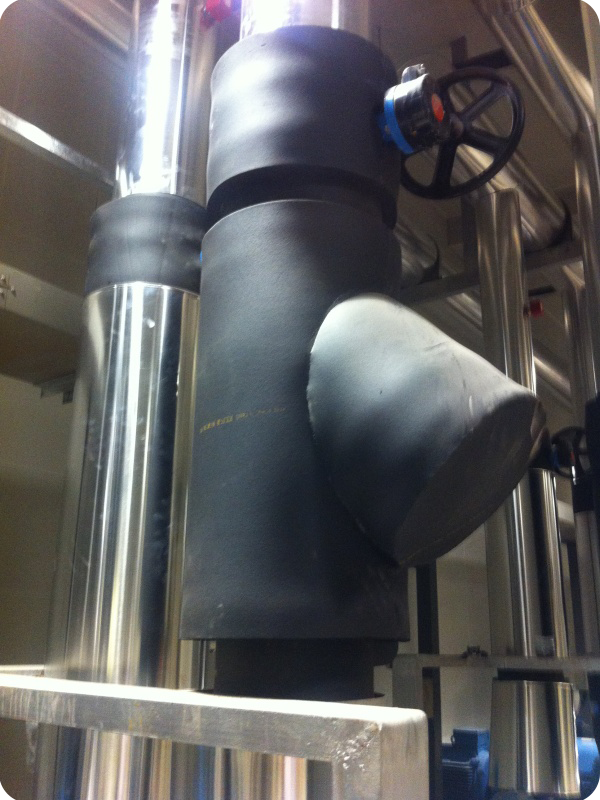
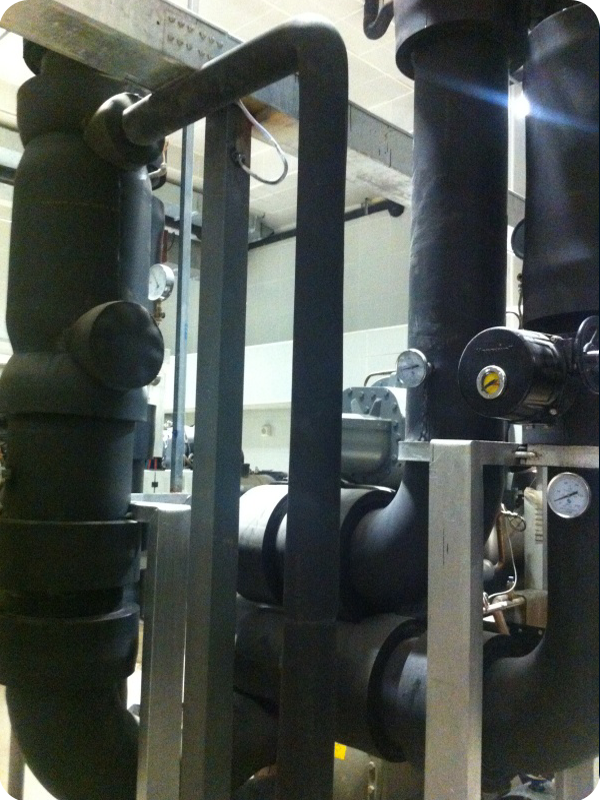
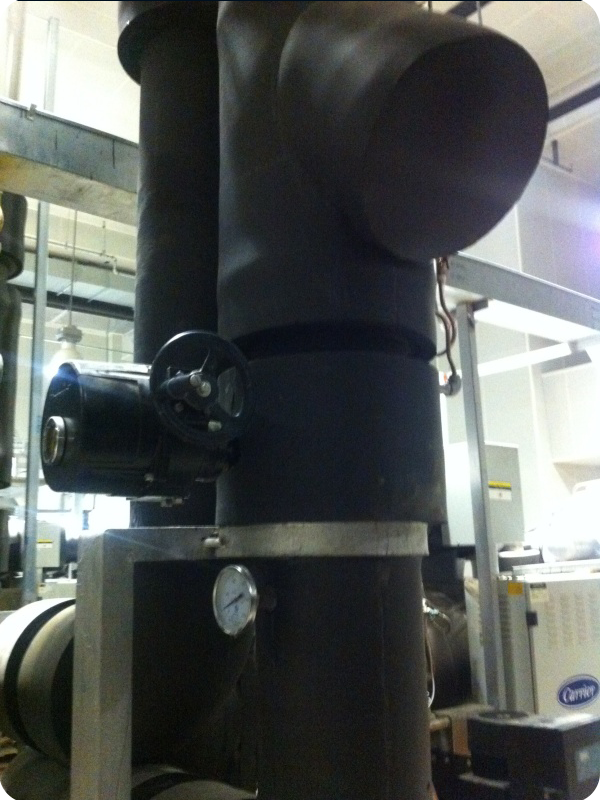
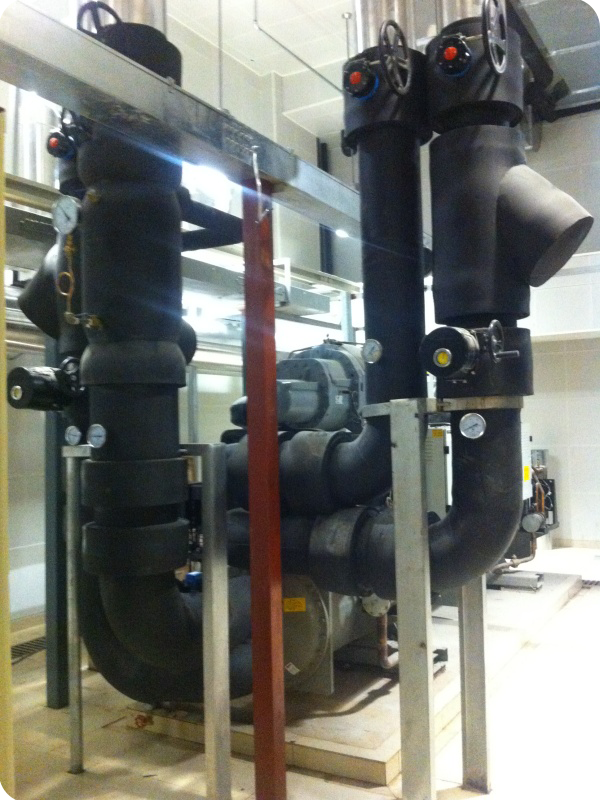
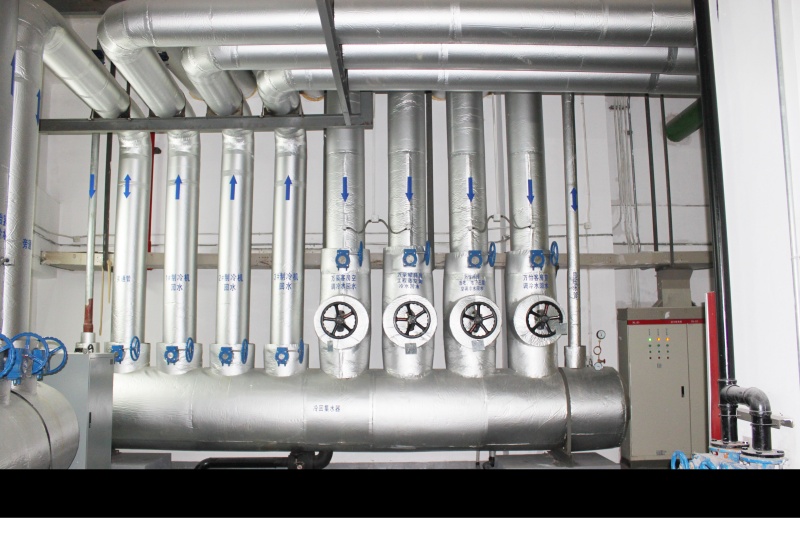
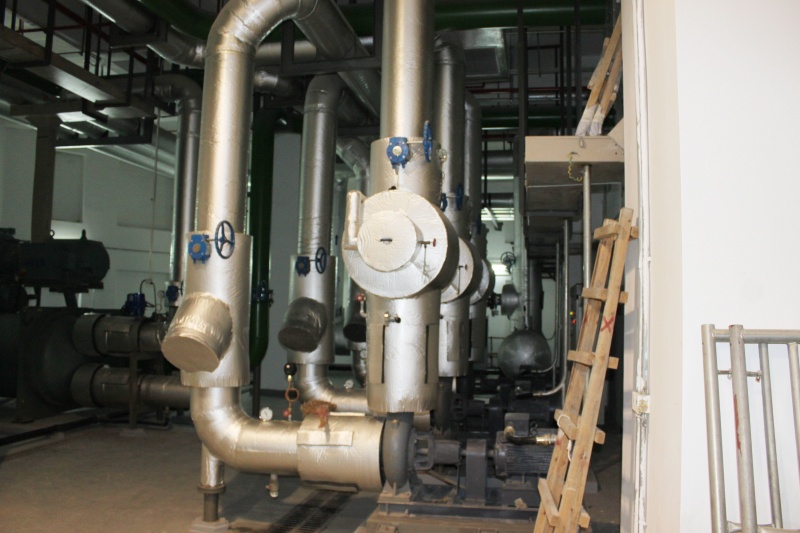
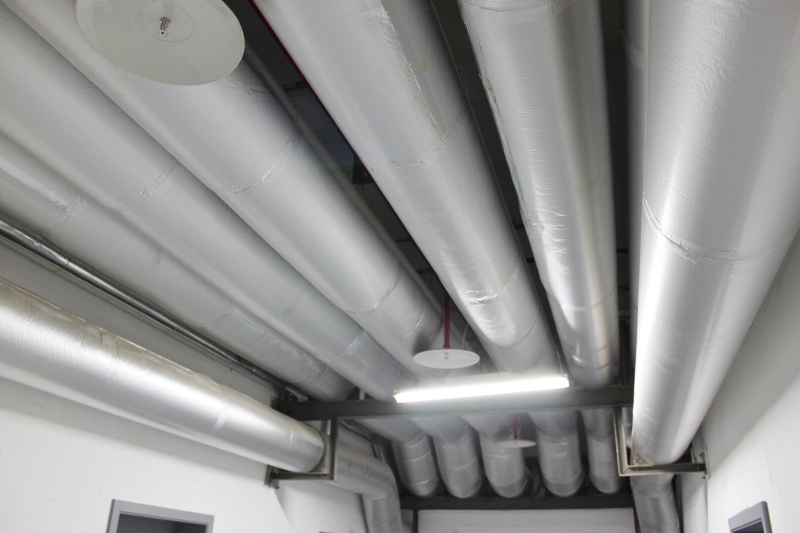
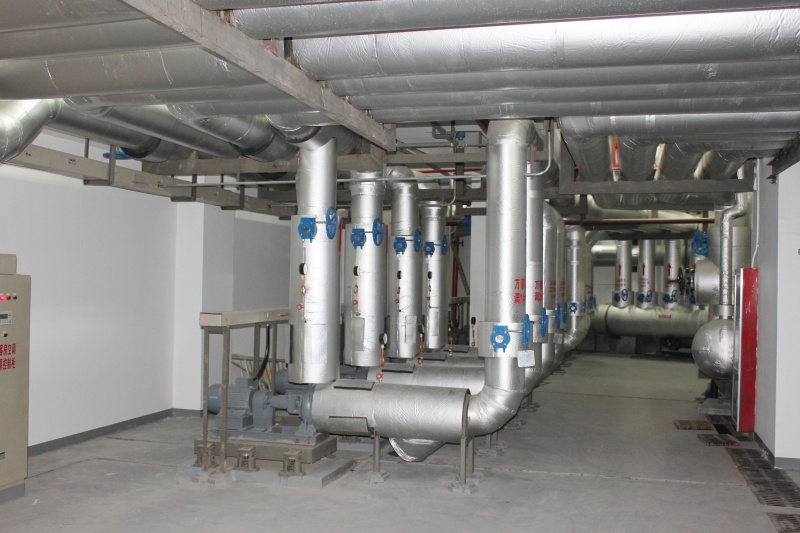
We build long-term relationships with global buyers by delivering consistent material quality and transparent service. Below are verification records and design plans from our ongoing export operations:






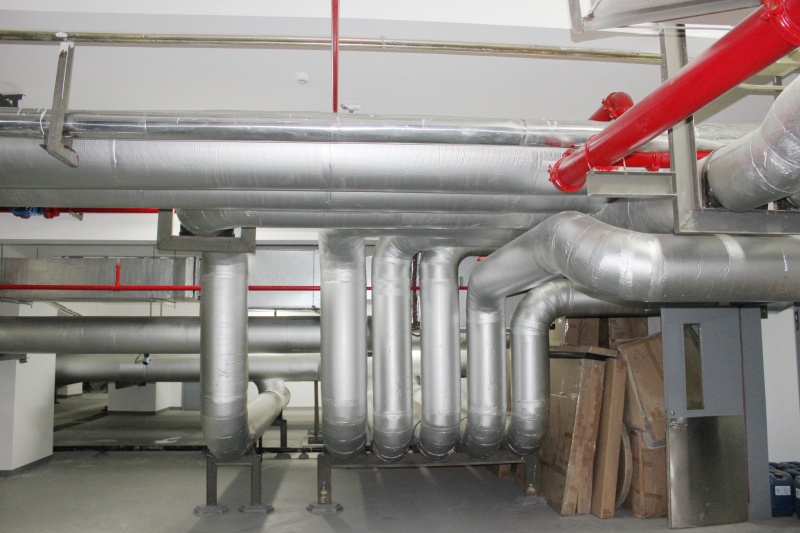
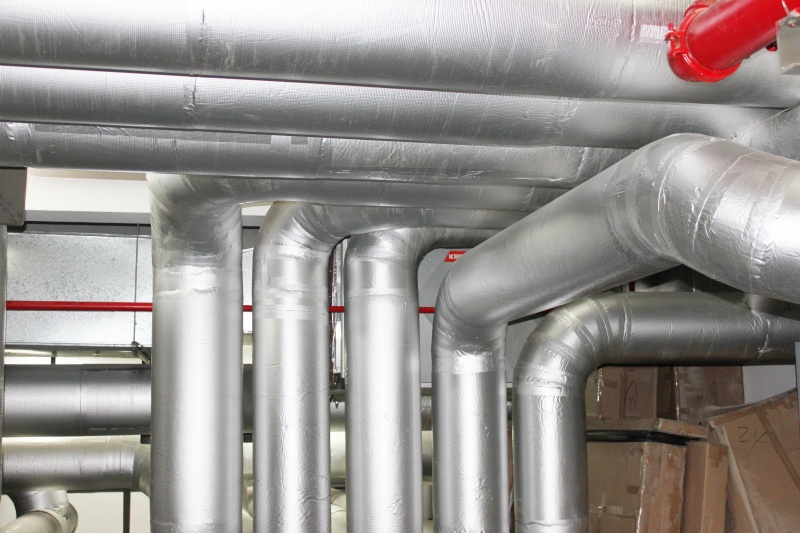
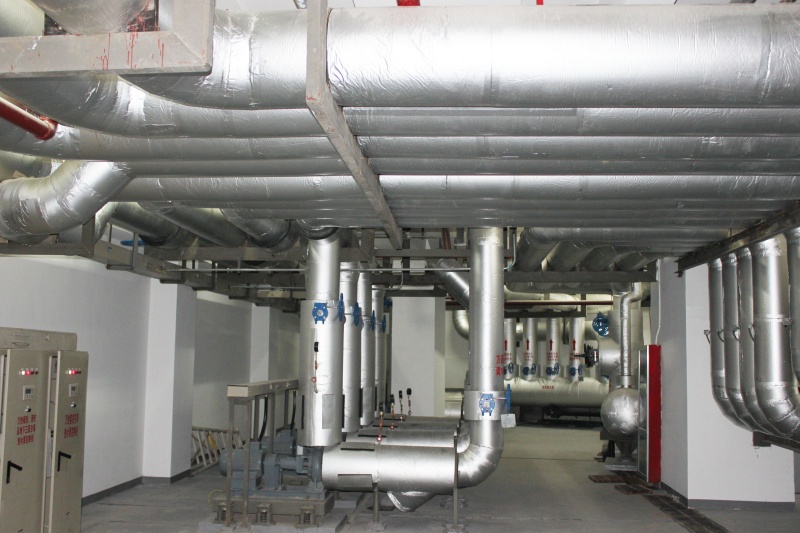
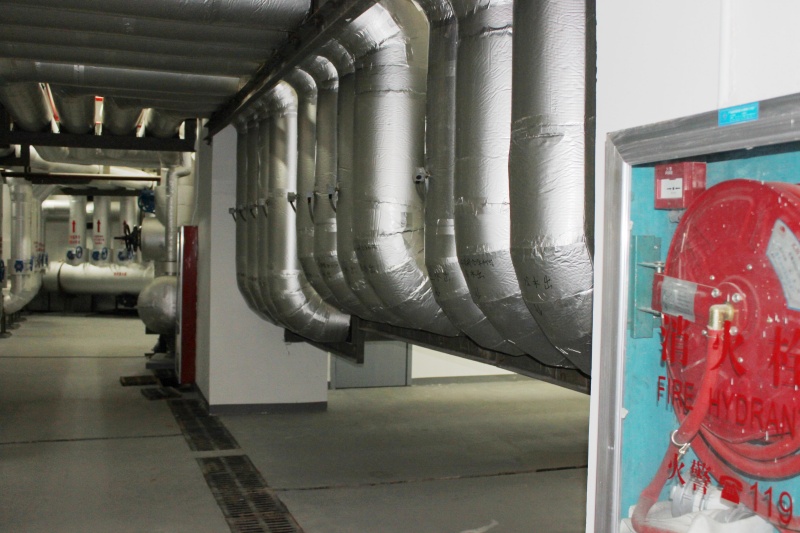

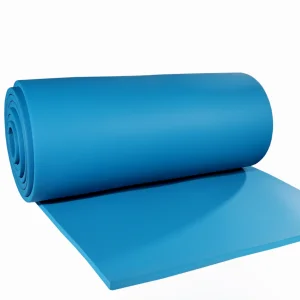
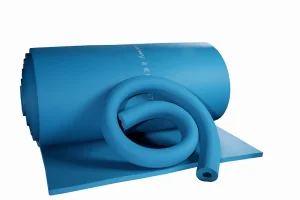
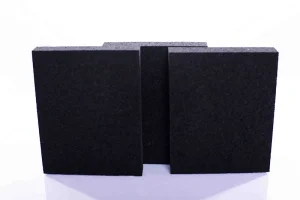
Explore our full range of industrial insulation products, from flexible halogen-free tubes to mineral-wool composites and aluminum-clad systems.
 Kingflex