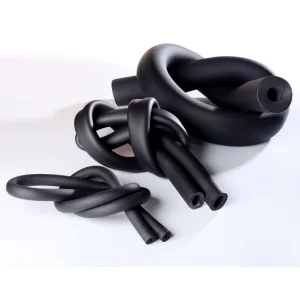
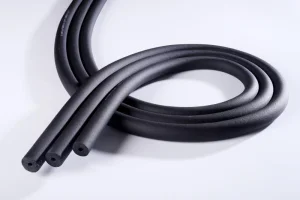
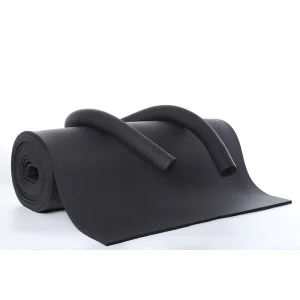
Explore our core range of advanced rubber foam insulation tubes, sheets, and cryogenic containment solutions.
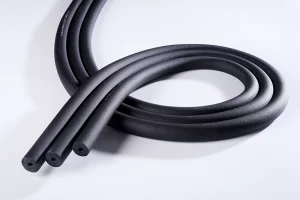
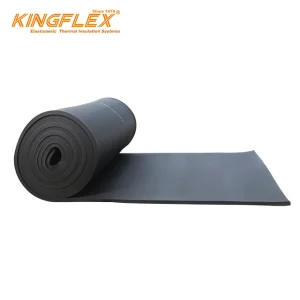
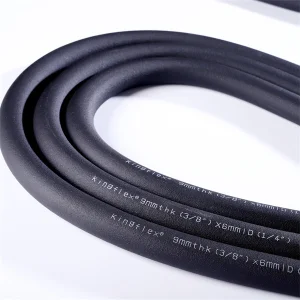
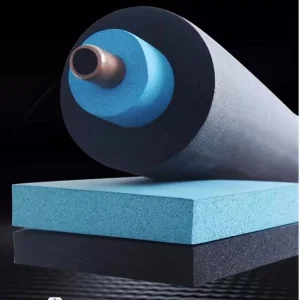
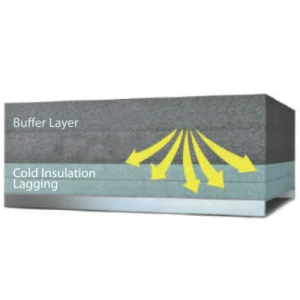
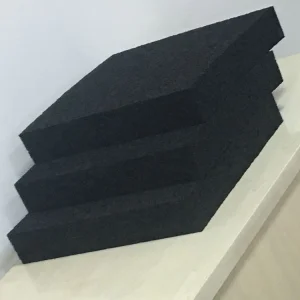
In modern building construction, industrial facilities, and HVAC systems, the fields of thermal insulation and acoustics are deeply connected. Closed-cell elastomeric rubber foam materials, containing over 98% uniform microscopic voids, are highly effective solutions that address both heat transfer prevention and structure-borne noise damping. This technical whitepaper discusses the design, manufacture, and deployment of NBR/PVC-based insulation platforms for high-demand international markets.
The global demand for high-performance sound absorption and thermal isolation continues to grow. Driven by strict energy efficiency policies and industrial noise pollution limits, engineering groups rely on flexible elastomeric foams to reduce thermal losses and mechanical resonance in complex pipe and duct networks.
From industrial projects in Northern Europe to cold chain storage facilities in Southeast Asia, our elastomeric compounds are formulated to resist environmental degradation. They provide moisture barrier performance in high-humidity zones and physical durability in ultra-low cryogenic systems down to -200 °C.
Next-generation R&D is focused on incorporating aerogel materials into elastomeric structures to achieve lower thermal conductivity (k-value). We are also working to optimize open-cell structures for enhanced high-frequency sound absorption while maintaining core fire-retardant performance.
Managing acoustics requires a clear distinction between two main mechanisms: Sound Insulation and Sound Absorption.
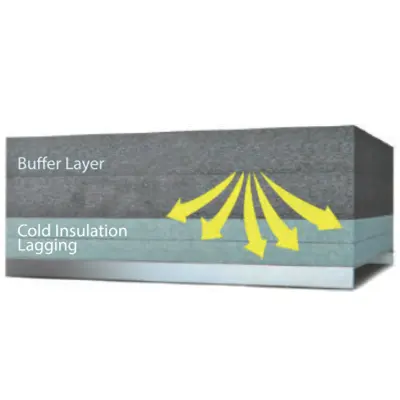
This mechanism blocks noise from traveling between spaces. High-density structures, such as thick rubber-plastic plates, reflect sound waves to reduce transmission. This is key for mechanical rooms, duct linings, and pipe enclosures where noise must be contained.
This mechanism minimizes sound reflections within a room. Open-cell structures allow sound waves to enter the material, converting acoustical energy into minimal thermal energy through friction. This is ideal for interior wall linings and ventilation ducts.

| Performance Indicator | NBR/PVC Elastomeric Sheet | NBR/PVC Elastomeric Pipe | Testing Methods & Standards |
|---|---|---|---|
| Service Temperature Range | -40℃ to 105℃ (Up to -200℃ for Cryogenic) | -40℃ to 105℃ | ASTM C534, DIN EN 14706 |
| Thermal Conductivity (k-value) | ≤ 0.034 W/(m·k) at 0℃ | ≤ 0.034 W/(m·k) at 0℃ | ASTM C518 / ISO 8301 |
| Moisture Resistance Factor (μ) | ≥ 10,000 (Highly resistant closed-cell) | ≥ 10,000 | BS EN 12086 / DIN 52615 |
| Fire Safety Rating | Class 1 / Class O, Self-Extinguishing | Class 1 / Class O, Self-Extinguishing | BS 476 Part 6/7, UL94 V-0 |
| Density Range | 40 - 55 kg/m³ | 40 - 55 kg/m³ | ASTM D1622 |
| Compression Resilience | ≥ 80% | ≥ 80% | GB/T 17794 |
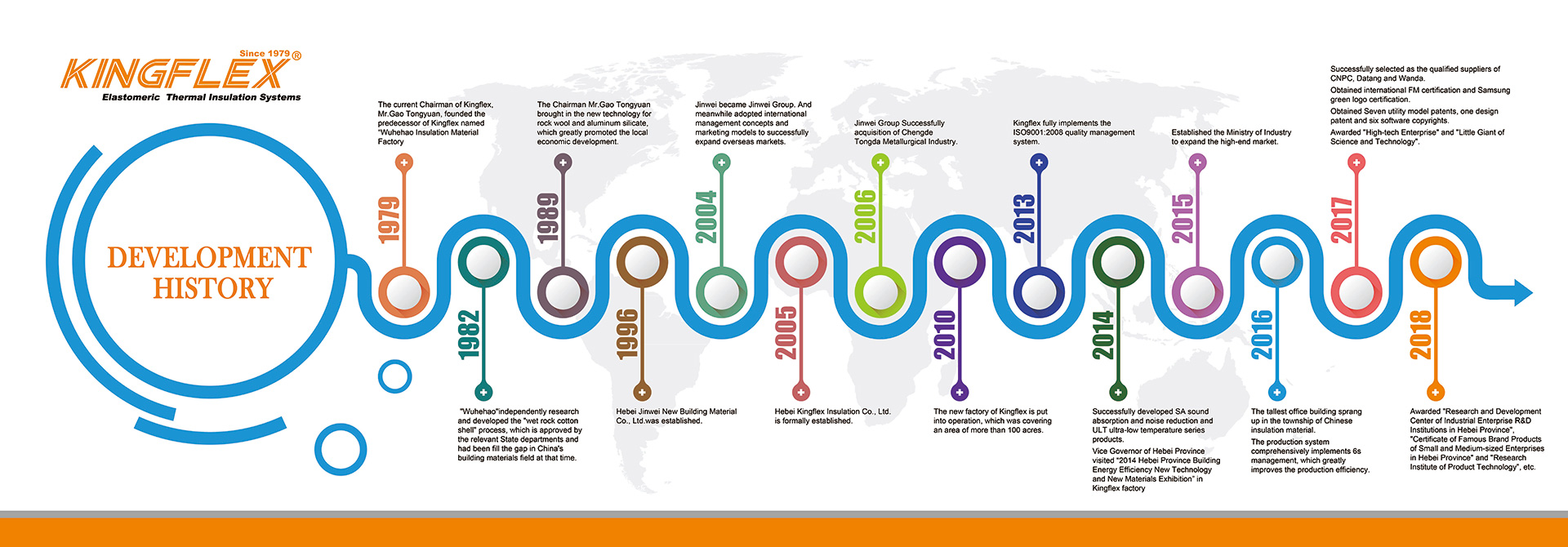
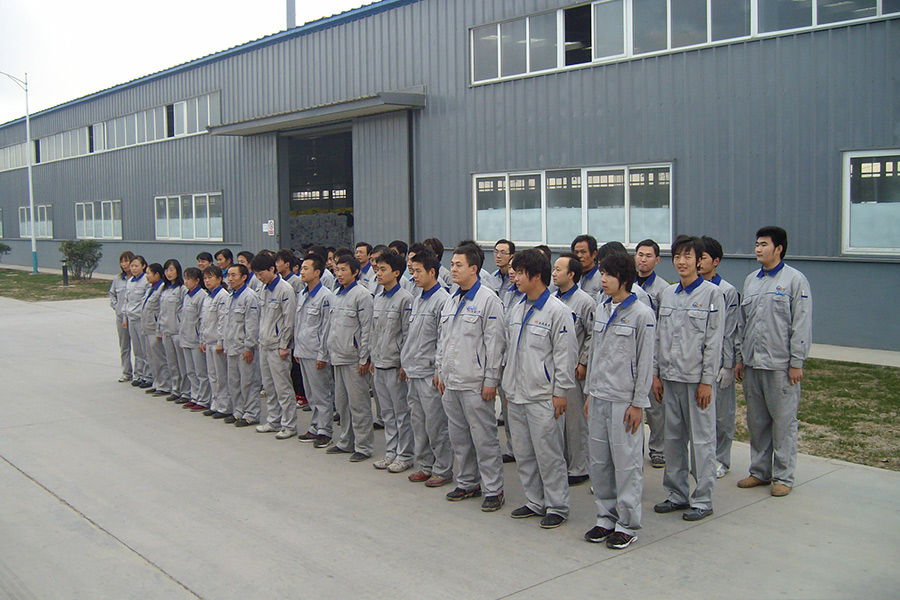
Established by the Jinwei Group, which has a manufacturing history dating back to 1979, Kingflex is a modern enterprise integrating R&D, manufacturing, and international trade. Located in Dacheng, China—a hub for green building materials development—our production facilities focus on energy-saving technologies.
With 5 automatic assembly lines, our manufacturing base has an annual production capacity exceeding 600,000 cubic meters. Over the last 16 years, Kingflex has supplied thermal and acoustic systems to projects in more than 66 countries.
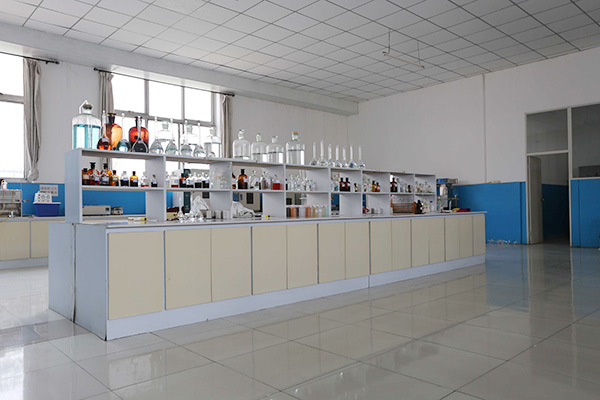
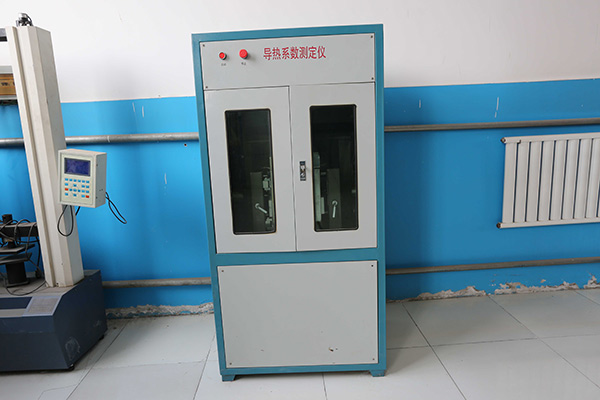
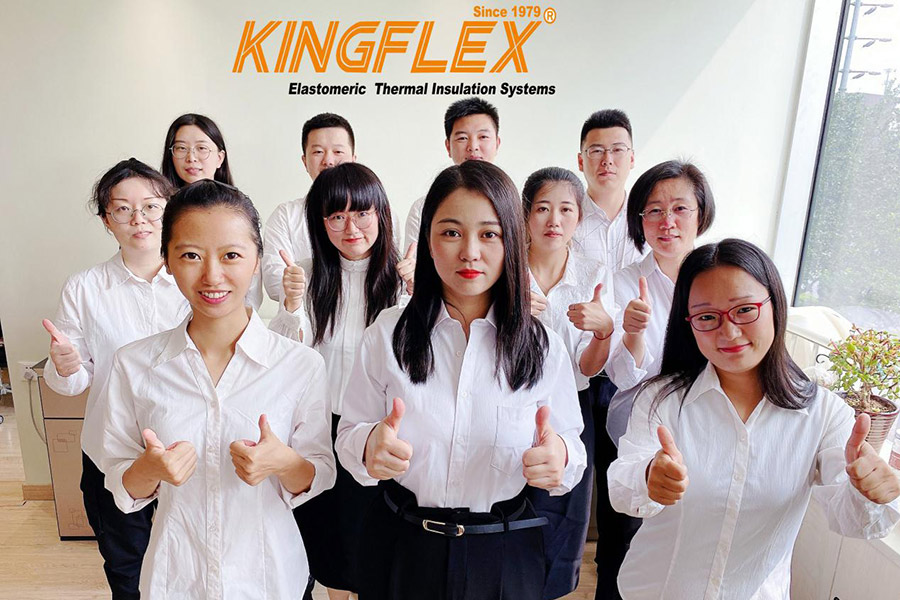
Our facility operates a testing lab staffed by 8 dedicated R&D engineers. We verify chemical formulations, density parameters, moisture resistance factors, and flame-retardant performance under simulated conditions. Our international sales team assists client partners with material take-offs, custom dimensions, and logistics coordination.

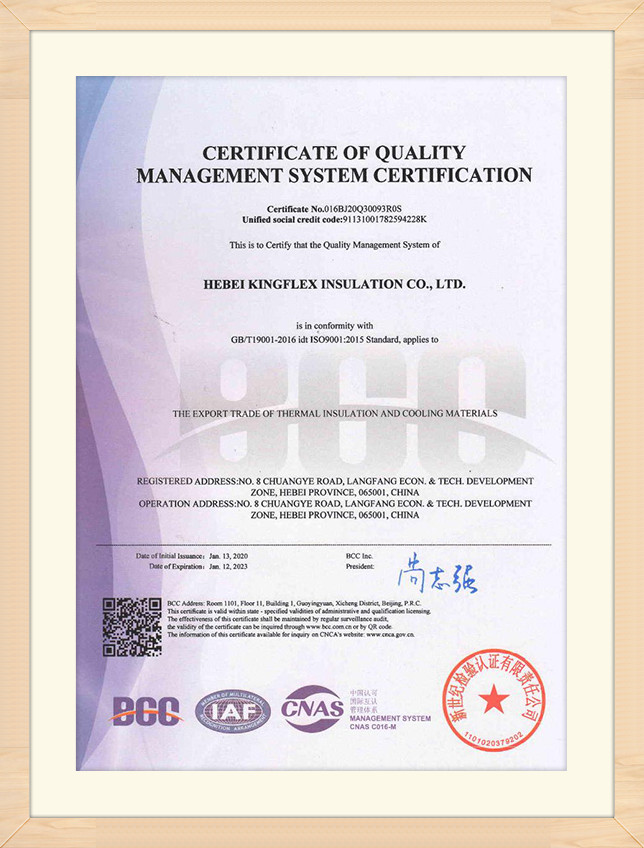
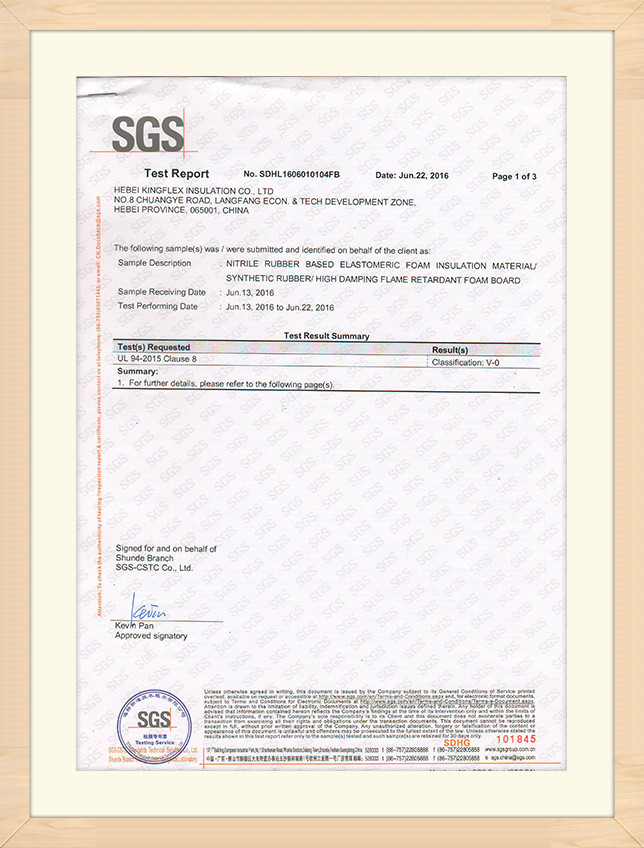
To serve international commercial markets, our elastomeric products are tested to comply with international regulatory and safety standards:


Providing industrial thermal control and noise reduction across diverse mechanical installations.
Acoustic energy inside fast-moving air streams can cause ventilation duct metalwork to vibrate, creating low-frequency noise. Installing flexible NBR/PVC elastomeric linings reduces air friction and isolates panel vibration, dampening noise transmission through the ductwork.
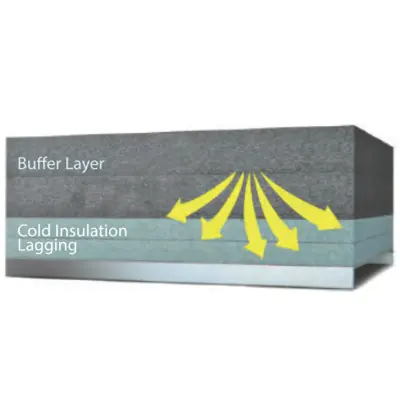
At extreme temperatures down to -200 °C, moisture ingress and ice formation are common issues. Kingflex cryogenic-grade closed-cell elastomer structures provide continuous vapor resistance, preventing corrosion under insulation (CUI) on liquefied gas piping systems.
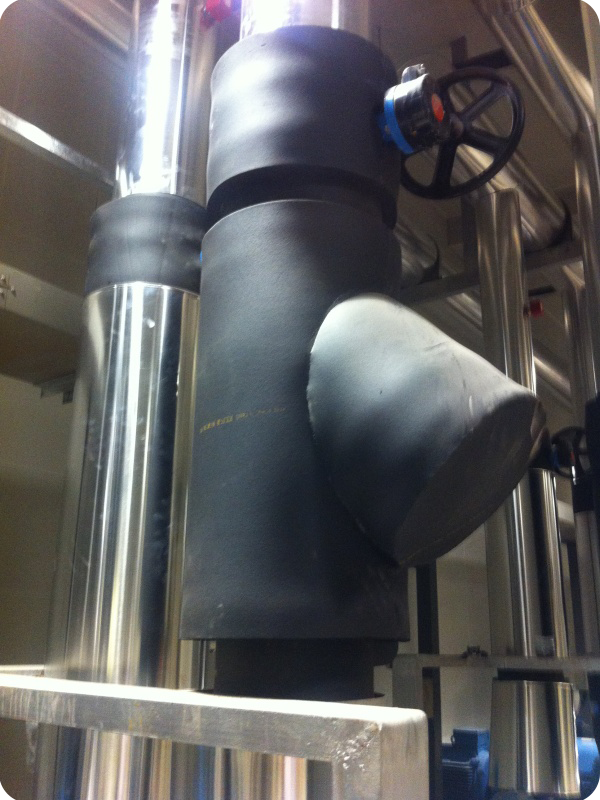
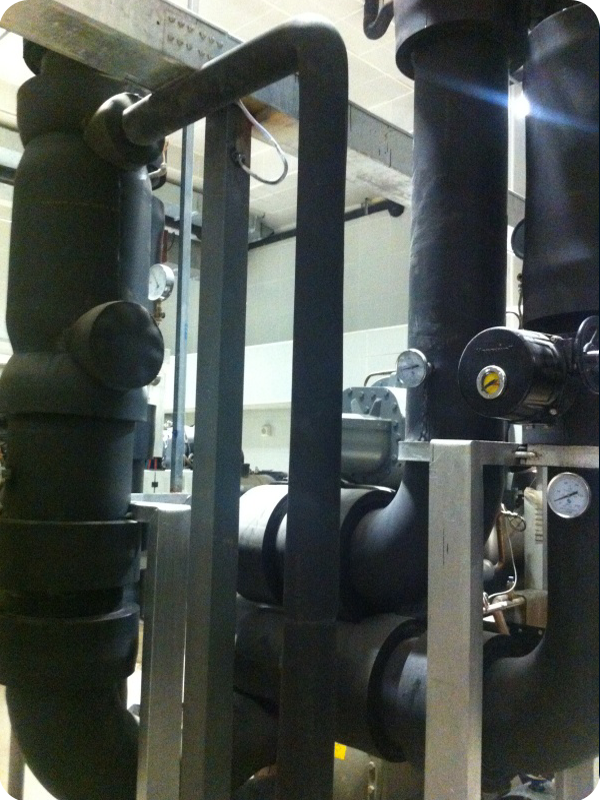
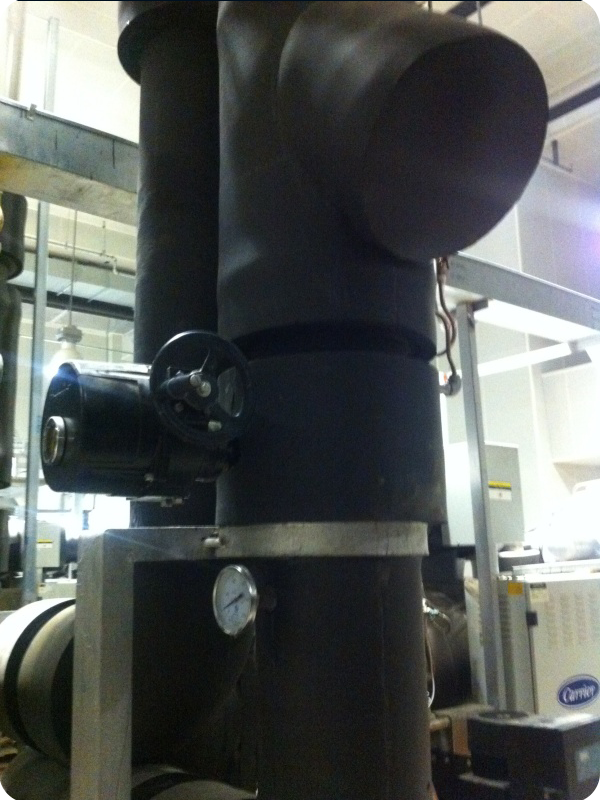
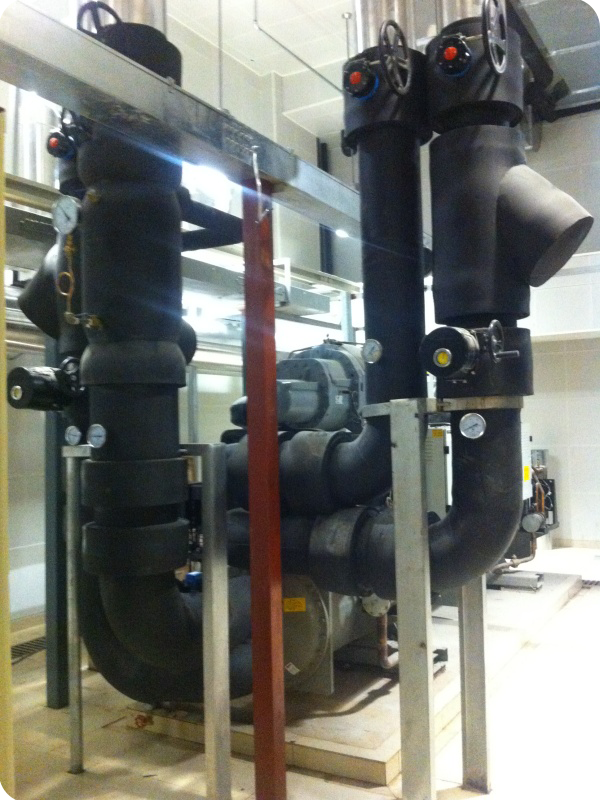
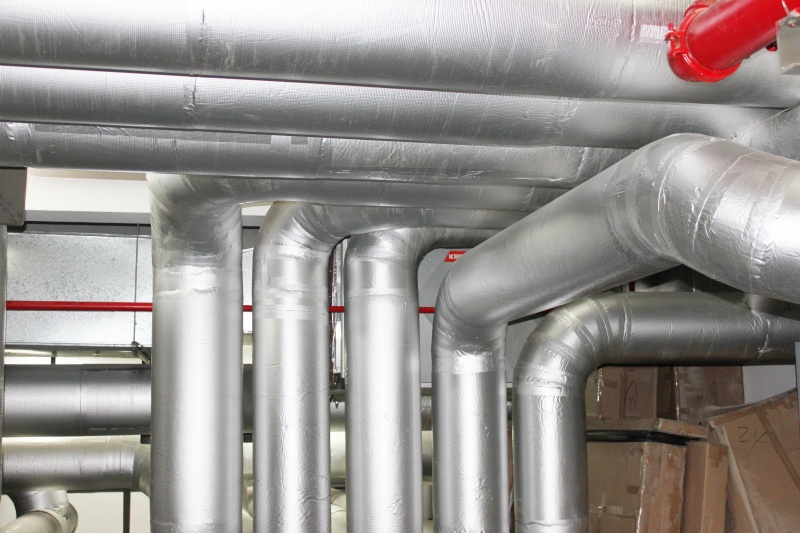
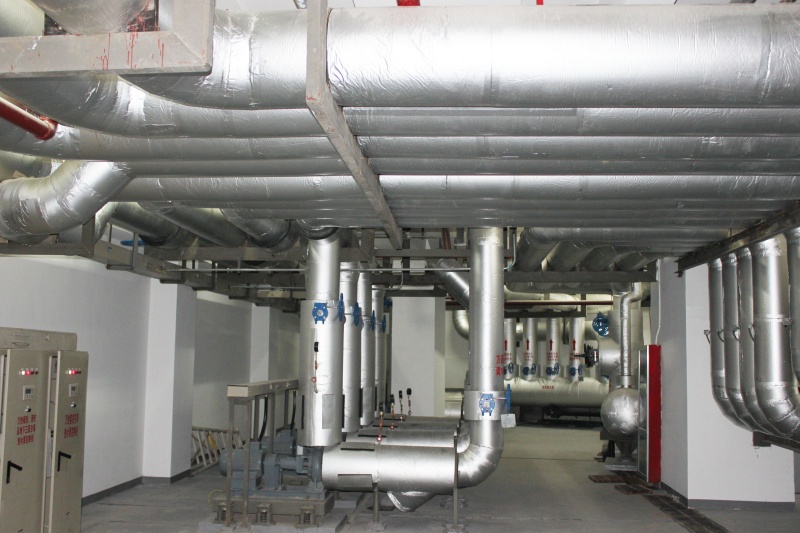
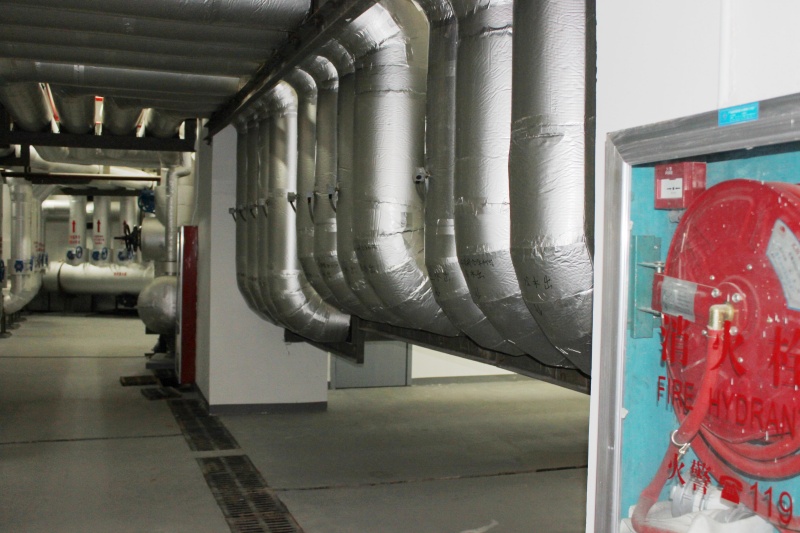
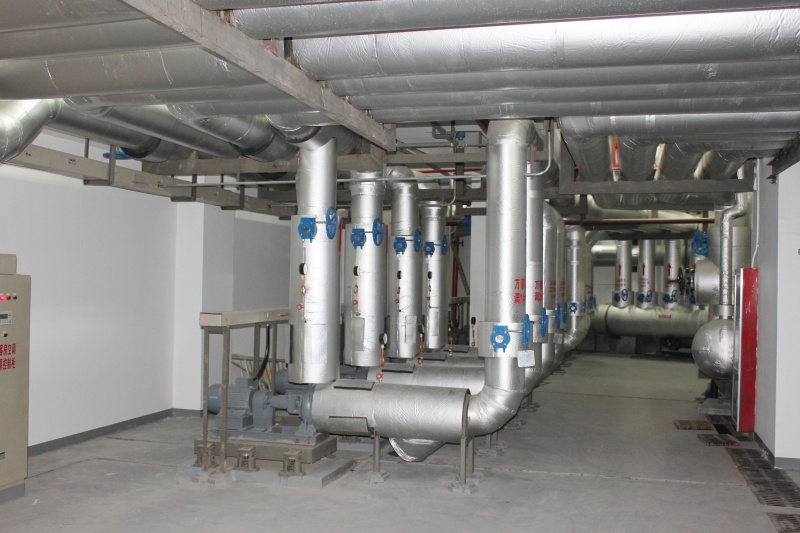
Chilled water loops and high-pressure drainage lines can generate noise in hotels, hospitals, and office complexes. Kingflex NBR/PVC tubing insulates these lines, preventing surface condensation and absorbing mechanical vibrations to control noise.

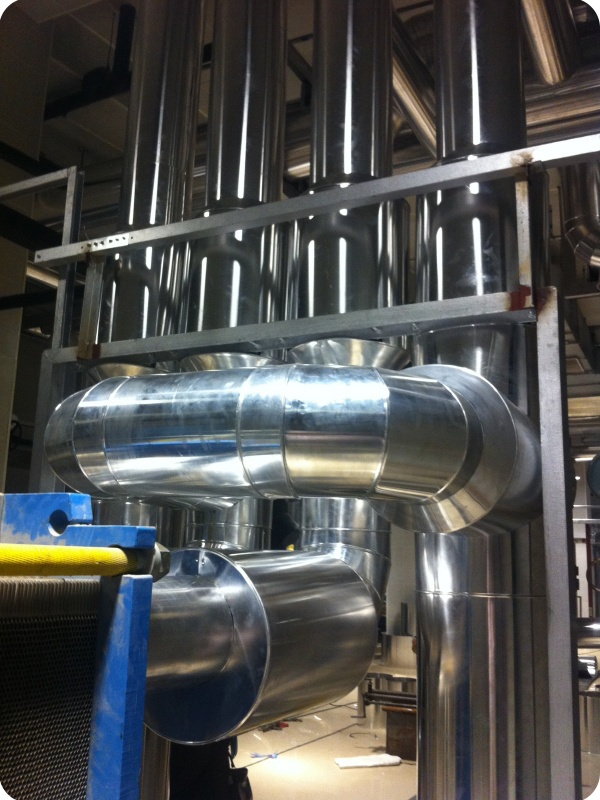
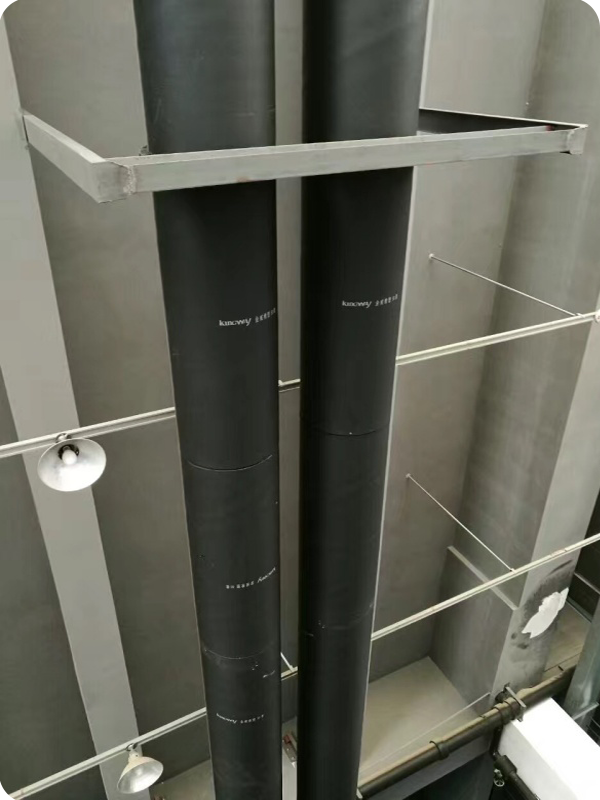
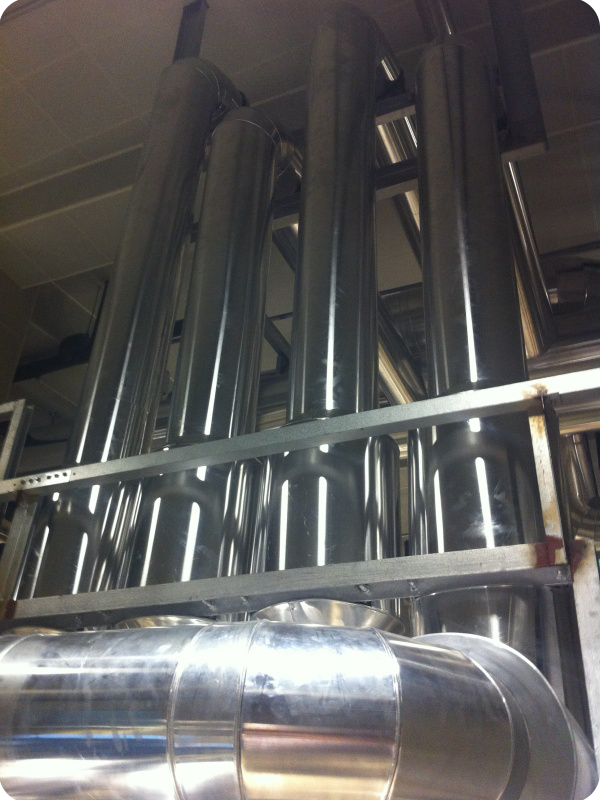
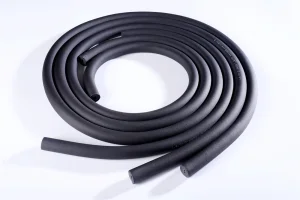
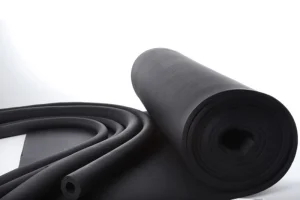
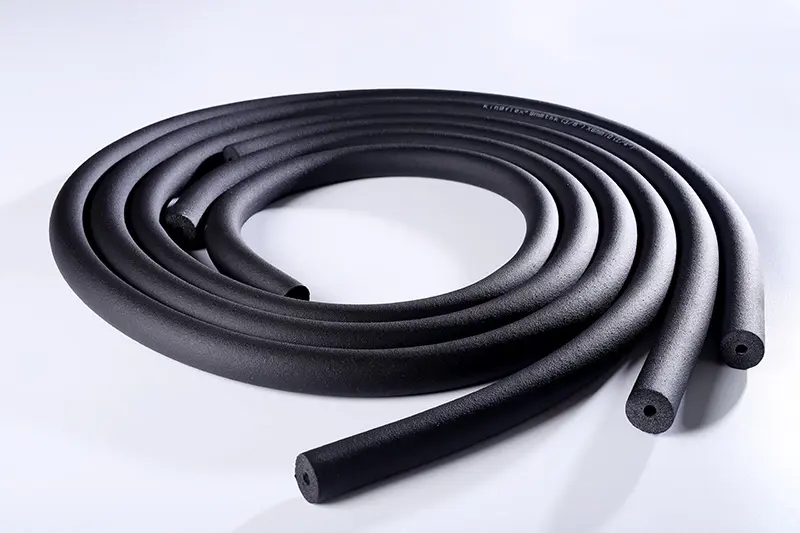
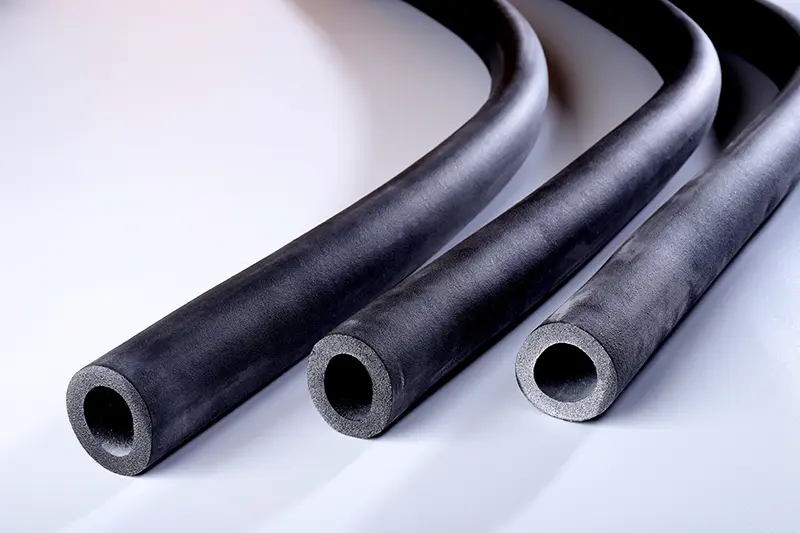
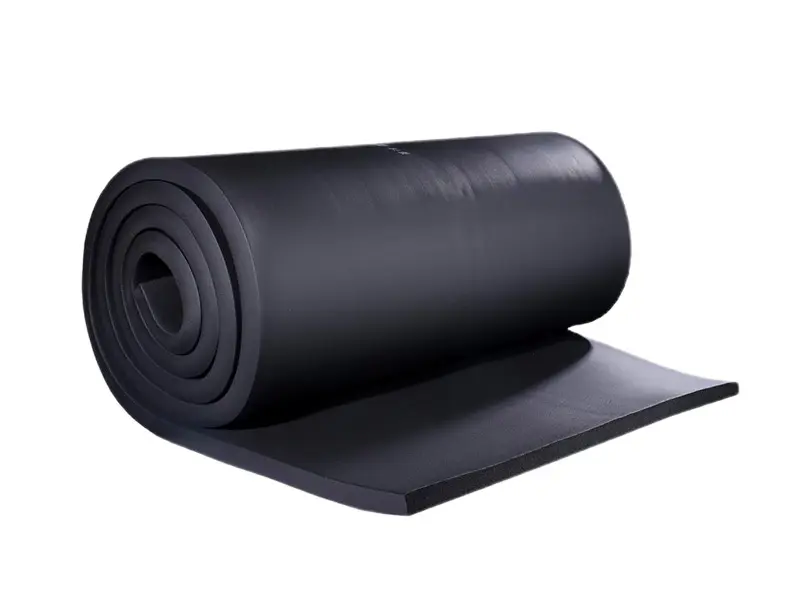
We manufacture a comprehensive array of standard and custom-molded elastomeric foam configurations. These products are formulated with an integrated vapor barrier, helping to prevent moisture intrusion and maintain consistent thermal conductivity.
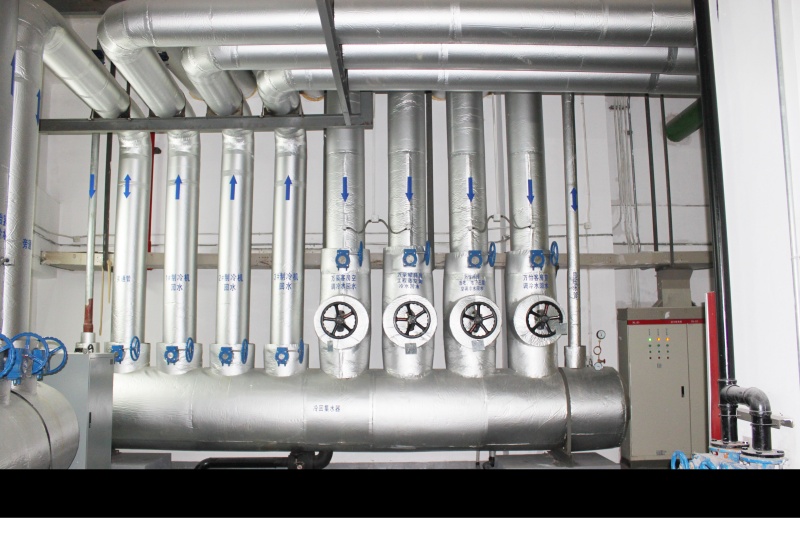


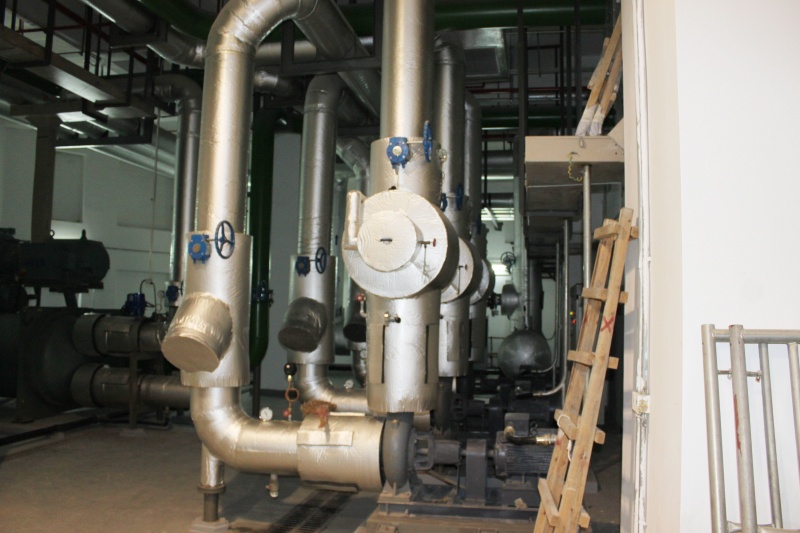
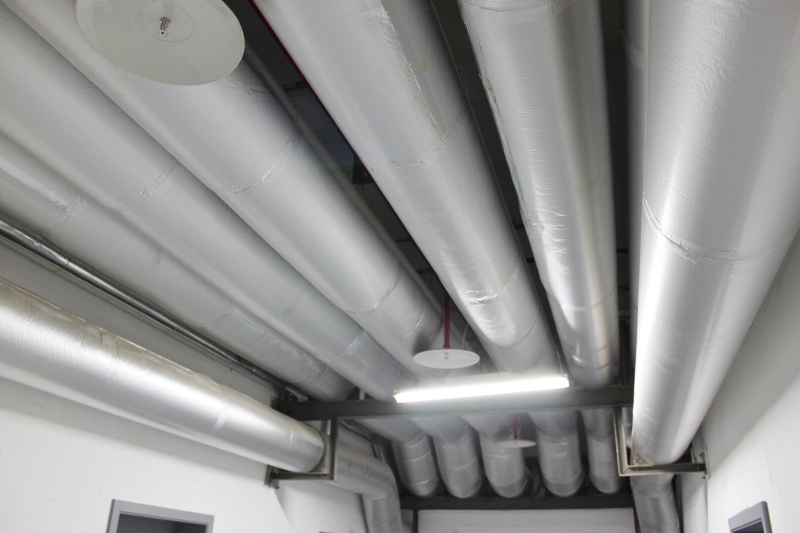

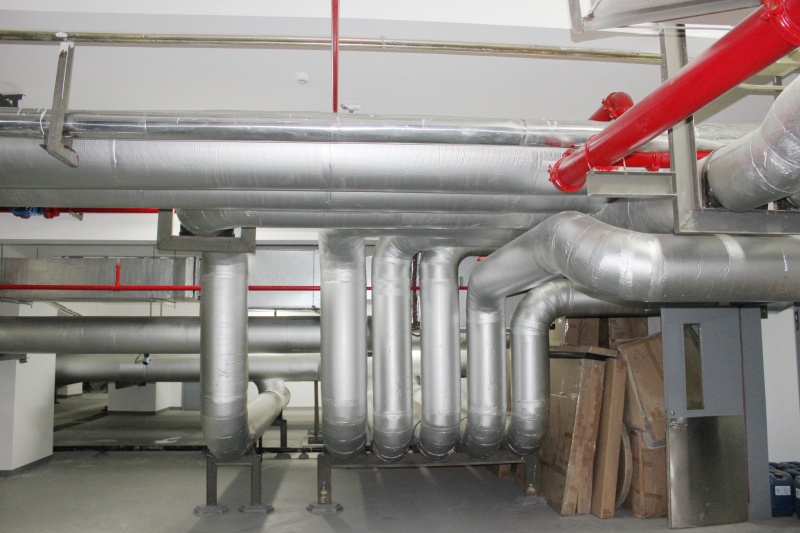
Transparent international partnerships supported by verifiable quality metrics, technical feedback, and ongoing supply relations.
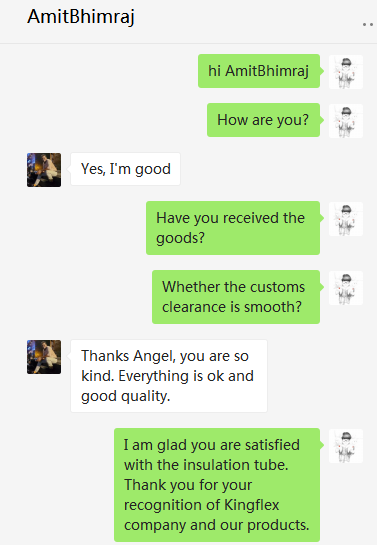
We maintain transparent communication channels with our international distributor and contractor network. Our sales engineers handle product inquiries, coordinate custom container configurations, and provide logistical status updates.
Below are communication transcripts documenting orders, specifications validation, and batch shipment verifications with international industrial buyers.





Technical answers to key questions regarding properties, certifications, and project applications.
A1: It is primarily used for insulating HVAC ductwork, commercial air conditioning pipes, building thermal structures, cold-storage industrial piping, and sound isolation. The material helps control temperature transfer and dampens mechanical vibration noise.
A2: Yes. Kingflex rubber foam insulation is formulated with built-in flame retardants, allowing it to meet international fire safety criteria (including BS 476 Part 6 & 7 Class 0/Class 1 and UL94 V-0 flame spread ratings). The material is self-extinguishing and will not fuel active fires.
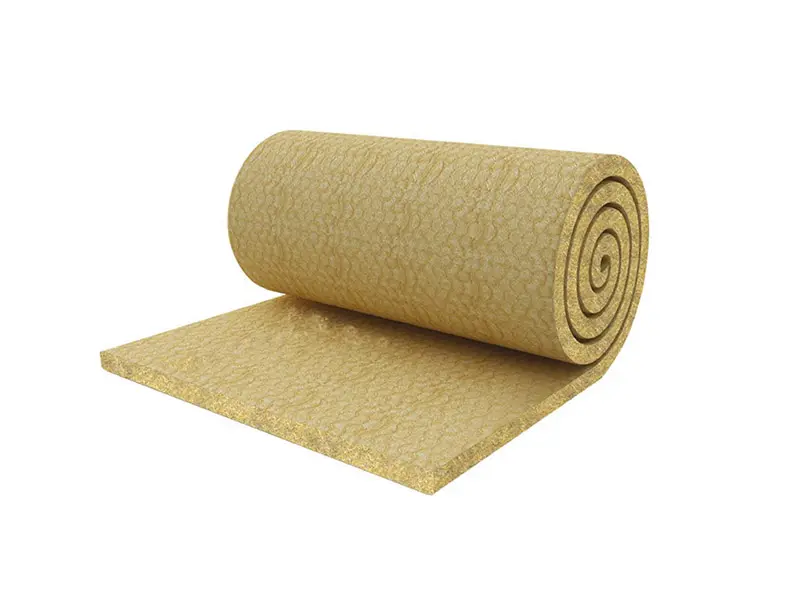
A3: NBR/PVC rubber foam is a flexible, closed-cell, moisture-proof material suitable for low-to-medium temperature piping (HVAC, cold lines, condensation control). Rock wool is a fibrous material with high high-temperature resistance, making it suitable for high-temperature steam lines and industrial furnace systems.
A4: Yes. We offer comprehensive OEM and ODM support. We can produce custom sheet thicknesses, pre-cut pipe inner diameters, custom outer facings (like aluminum foil or self-adhesive backings), and colors to match project requirements.
A5: Our products are certified under BS 476, CE, REACH, RoHS, UL94, and ASTM. This ensures compliance with structural safety, fire retardancy, and environmental standards for global building projects.
A6: Yes. We trace our manufacturing from raw chemical blending through vulcanization, extrusion, and final packaging. Each production run is cataloged with batch codes to verify compliance with physical and performance standards.
A7: We manufacture continuous sheet rolls in thicknesses ranging from 6mm to 50mm, which covers standard HVAC thermal insulation and industrial acoustic vibration damping needs.
A8: When installed according to manufacturer guidelines, the typical service life ranges from 10 to 15 years. Lifespan depends on exposure to environmental UV radiation, high physical wear, and chemical exposure.
Explore additional specialized thermal elastomeric products and structural rock wool solutions.
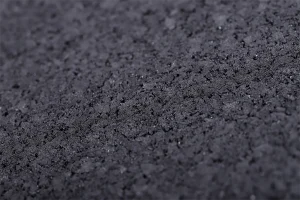
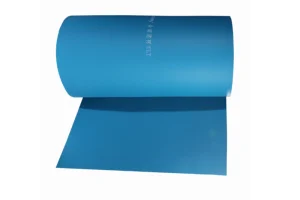
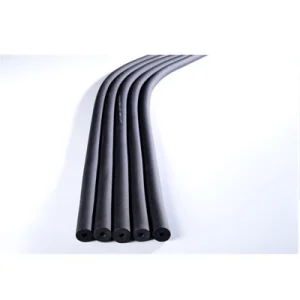
Specialized mineral fiber and reinforced elastomer configurations for high-performance applications.
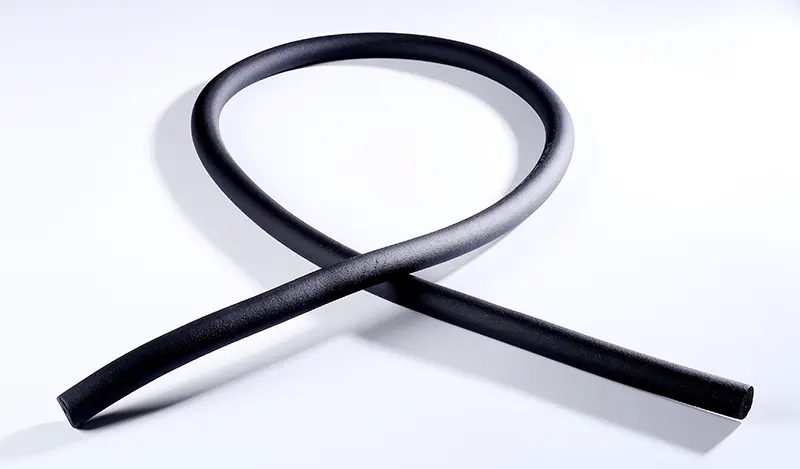





View our automated processes, inventory storage, and container transport configurations.






We aim to provide energy-saving insulation systems for industrial projects worldwide. By combining thermal protection, condensation prevention, and noise reduction into a single product range, we help partners meet modern engineering and environmental standards.
 Kingflex