Within the Norwegian construction, subsea, and maritime sectors, noise mitigation and thermal conservation are critical engineering challenges. Compliance with the strict Norwegian Building Regulation TEK17 (specifically Class C requirements under NS 8175) demands sound insulation products capable of high acoustic attenuation without compromising space or safety. Additionally, the harsh sub-zero temperatures of coastal ports like Bergen, Tromsø, and Stavanger necessitate mechanical structures that prevent thermal bridging and corrosion under insulation (CUI).
Kingflex Insulation provides engineered open-cell elastomeric rubber foam solutions designed for both acoustic absorption and thermal efficiency. Our materials deliver high sound transmission loss coefficients, superior moisture barriers, and long-lasting mechanical durability.

Engineered elastomeric foam materials targeted for high-performance sound absorption and HVAC installations across Norway.
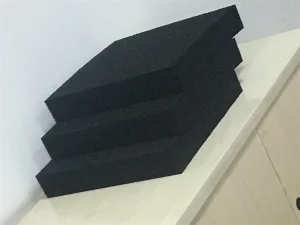
Flexible elastomeric foam optimized for acoustic damping in HVAC systems and bulkheads. Engineered to resist environmental degradation in harsh marine atmospheres.
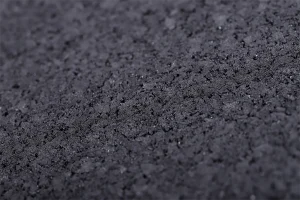
Engineered open-cell nitrile rubber designed to trap and dissipate high-frequency sound energy inside heavy ventilation ducts and technical rooms.
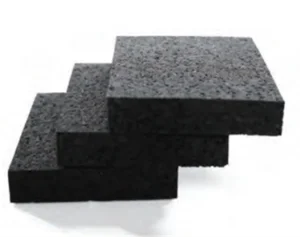
High-density NBRPVC composite panels providing dual-action thermal protection and sound attenuation for heavy machinery and commercial ship cabins.
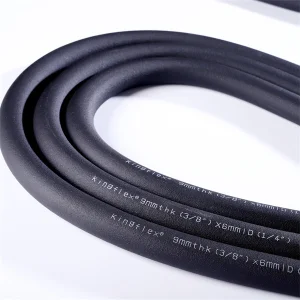
Elastomeric thermal insulation sleeves designed for extreme sub-zero conditions to protect municipal heating pipelines and chillers from heat loss and noise transmission.
Understanding localized application requirements, global production lines, and the industrial shift toward high-efficiency materials.
In Norway, structural acoustics and thermal insulation are heavily regulated. In addition to residential requirements, the offshore oil and gas industry in the North Sea, the fishing fleet, and high-tech aquaculture plants require insulation systems that can withstand extreme moisture, continuous vibration, and salty coastal air.
Standard mineral fiber and open fiberglass systems pose risk factors such as moisture absorption, mold growth, and structural sagging under vibration. High-density elastomeric rubber foams address these concerns. Their closed-cell structural variants prevent vapor ingress, while our engineered open-cell foams provide the tortuous path required to absorb high-frequency sounds from marine machinery and HVAC blowers.
Modern developers and marine shipyards in Norway are shifting away from heavy multi-layer mineral wool systems in favor of lightweight, flexible elastomeric structures. The key advantages include:
Whether in municipal infrastructure in Oslo or subsea pipeline landing facilities in Hammerfest, Kingflex soundproofing and insulation solutions are applied in several key areas:
Acoustic insulation of pump cabins, internal pipe lines, and engine rooms on offshore platforms, complying with NORSOK standards for sound control and structural dampening.
Integration with ventilation ducts in new passive buildings to meet energy conservation levels while suppressing mechanical hums and cross-talk inside duct paths.
Preventing external condensation and freezing of chemical processing lines and sub-zero glycol piping in seafood processing plants.
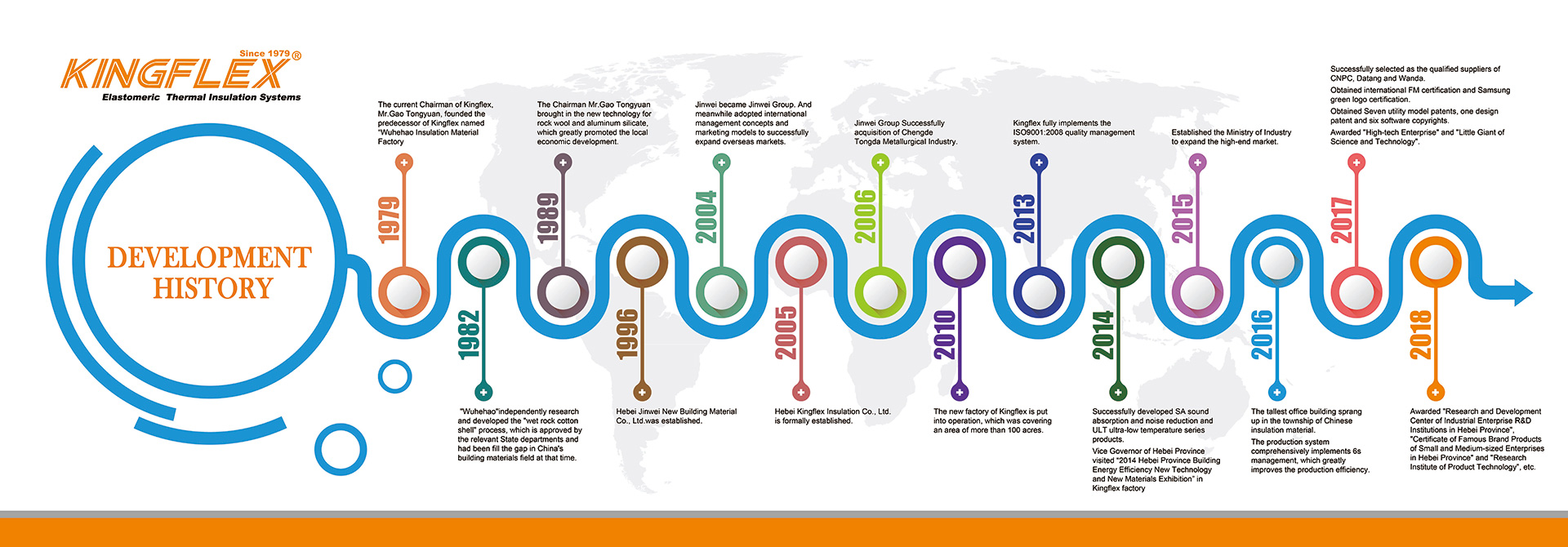
For Norwegian distributors, procurement officers, and engineering contractors, balancing structural performance and project budgets is crucial. Kingflex, based in Dacheng, China—a hub for green building materials development—addresses this with scale and efficiency.
Supported by the Jinwei Group, which brings over 40 years of industry experience, Kingflex operates five large-scale automated assembly lines. This setup delivers an annual production capacity of over 600,000 cubic meters. Our vertical integration and automated processing help us maintain consistent cell sizing, stable density control, and cost-effective distribution for large construction and industrial projects.
Technical parameters of Kingflex NBR/PVC elastomeric rubber foam insulation products.
| Performance Characteristic | NBR/PVC Elastomeric Foam Standard Value | Testing Reference Method | |
|---|---|---|---|
| Density Range | 40 - 55 kg/m³ | ASTM D1622 / EN 13467 | Controlled density optimal for sound dissipation and structural vibration damping. |
| Thermal Conductivity (λ) | ≤ 0.034 W/(m·K) at 0°C | ASTM C518 / EN 12667 | High thermal resistance minimizing cooling/heating losses. |
| Moisture Resistance Factor (μ) | ≥ 10,000 (Closed-cell variants) | EN 12086 / ASTM E96 | Resists vapor ingress, preventing water accumulation and corrosion. |
| Fire Safety Rating | Class 1 / Class 0 / V-0 | BS 476 Part 7 / UL 94 | Self-extinguishing behavior, minimizing smoke density in fire scenarios. |
| Service Temperature Limit | -40°C to 105°C (Cryogenic up to -196°C) | EN 14706 / ASTM C534 | Suitable for cold utility pipelines and thermal processing. |
| Acoustic Absorption Coeff. | Up to NRC 0.85 (Open-cell, 50mm) | ASTM C423 / ISO 354 | Designed for mechanical air duct noise control. |
Our comprehensive range of elastomeric sheets, rolls, and pre-formed pipe insulation systems.
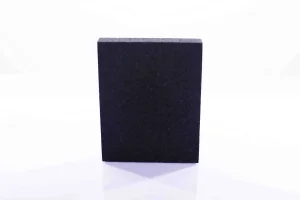
Ultra-thin 6mm open-cell sound absorber designed for drywalls, floor underlayments, and tight technical housings.
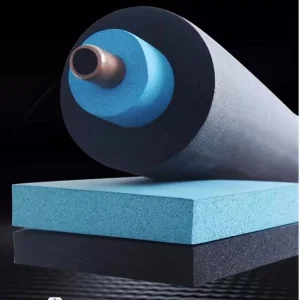
Cryogenic thermal barrier material engineered for industrial cooling and processing piping in deep-subsea facilities.
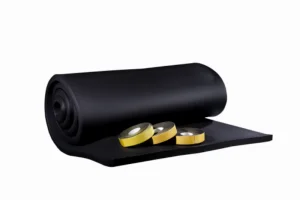
Rolls with built-in adhesive backings for quick application to sheet metal ducts and sound barriers.
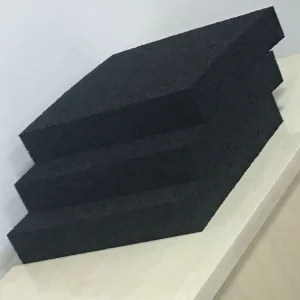
Flexible elastomeric sheeting with optimized open-cell structure for marine engine rooms and industrial enclosures.
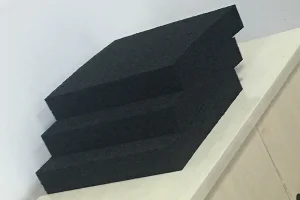
10mm acoustic foam insulation sheets designed for partition walls, underlayments, and ceiling soundproofing panels.
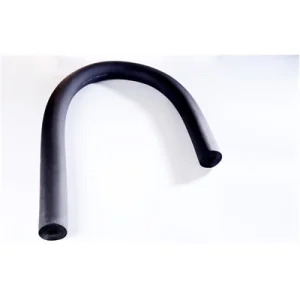
Kingflex piping insulation designed to reduce noise and prevent energy loss on thermal pipelines.
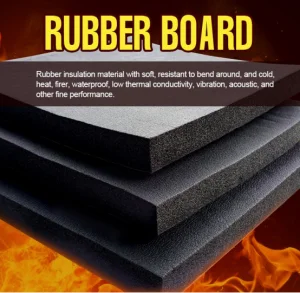
Thick, high-density elastomeric slabs designed for low-frequency sound dampening and machinery vibration damping.
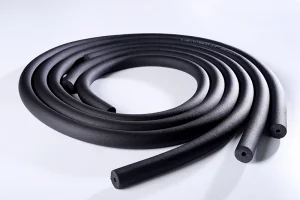
Closed-cell elastomeric piping insulation providing flame resistance and thermal control for chilled lines.
Critical insulation considerations for cold-climate and subsea plant designs.
In Norway's coastal areas, humidity levels are high. When pipelines carry chilled media, the surface temperature can drop below the dew point of the surrounding air, leading to condensation. If water penetrates the insulation layer, it reduces the material's thermal efficiency and can cause Corrosion Under Insulation (CUI) on carbon and stainless steel piping.
Kingflex closed-cell and hybrid open-cell elastomeric structures feature a high moisture resistance factor (μ ≥ 10,000), creating a built-in vapor barrier. This eliminates the need for separate vapor jackets, protecting mechanical structures from moisture and corrosion.
Airborne sound control requires materials with high absorption coefficients. In open-cell nitrile rubber configurations, sound waves enter the cell structure, where friction converts the acoustic energy into minor heat. When paired with high-density barriers, our systems help facilities meet the strict NS 8175 acoustics limits required for Norwegian workspaces and public venues.

Providing industrial insulation systems supported by modern quality assurance programs.
Kingflex Insulation Co., Ltd. manufactures thermal and acoustic insulation products. Our R&D and production facilities are based in Dacheng, China, a recognized manufacturing hub for green building materials.
We prioritize energy efficiency and resource conservation throughout our manufacturing processes. Kingflex provides comprehensive project support, from initial consultations and custom formulation to installation guidance and technical after-sales service.
Supported by the Jinwei Group, which was founded in 1979, we build on over 40 years of thermal manufacturing experience to deliver certified, reliable solutions for industrial projects.
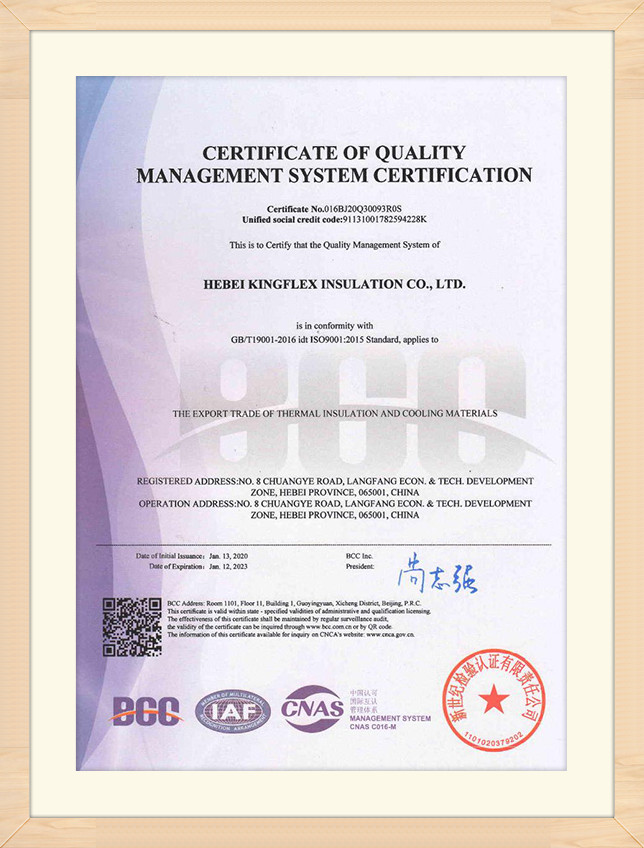
Our acoustic and thermal insulation systems undergo regular verification to comply with key international performance and environmental standards:
High-capacity automated extrusion lines maintain consistent density, dimensional stability, and uniform cell structures across large production batches.
Every production run is tested for thermal conductivity, density, flame spread, and water vapor permeability to ensure strict quality control.
Our packaging systems protect materials during sea transport, ensuring they arrive intact at major Norwegian ports like Oslo, Bergen, and Stavanger.
Our materials undergo regular testing in accredited laboratories to verify thermal and acoustic performance.
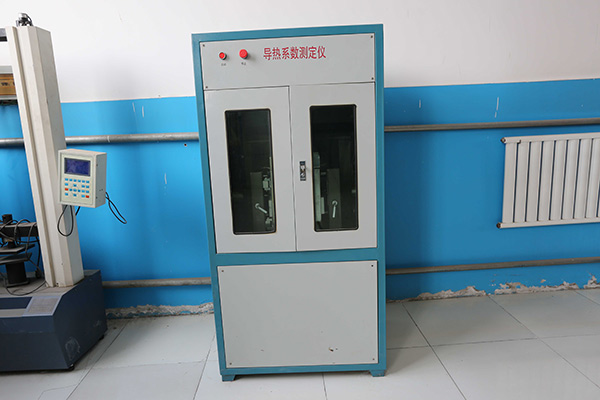
Acoustic Absorption Verification
Thermal Conductivity Test

Vapor Transmission Rating

Fire Rating Chamber
Frequently asked questions about technical specifications, compliance, and applications in Norway.
Contact our engineering sales team to request material samples, compliance certificates, or a custom price quote for your project.
Contact Our Engineering Office Kingflex