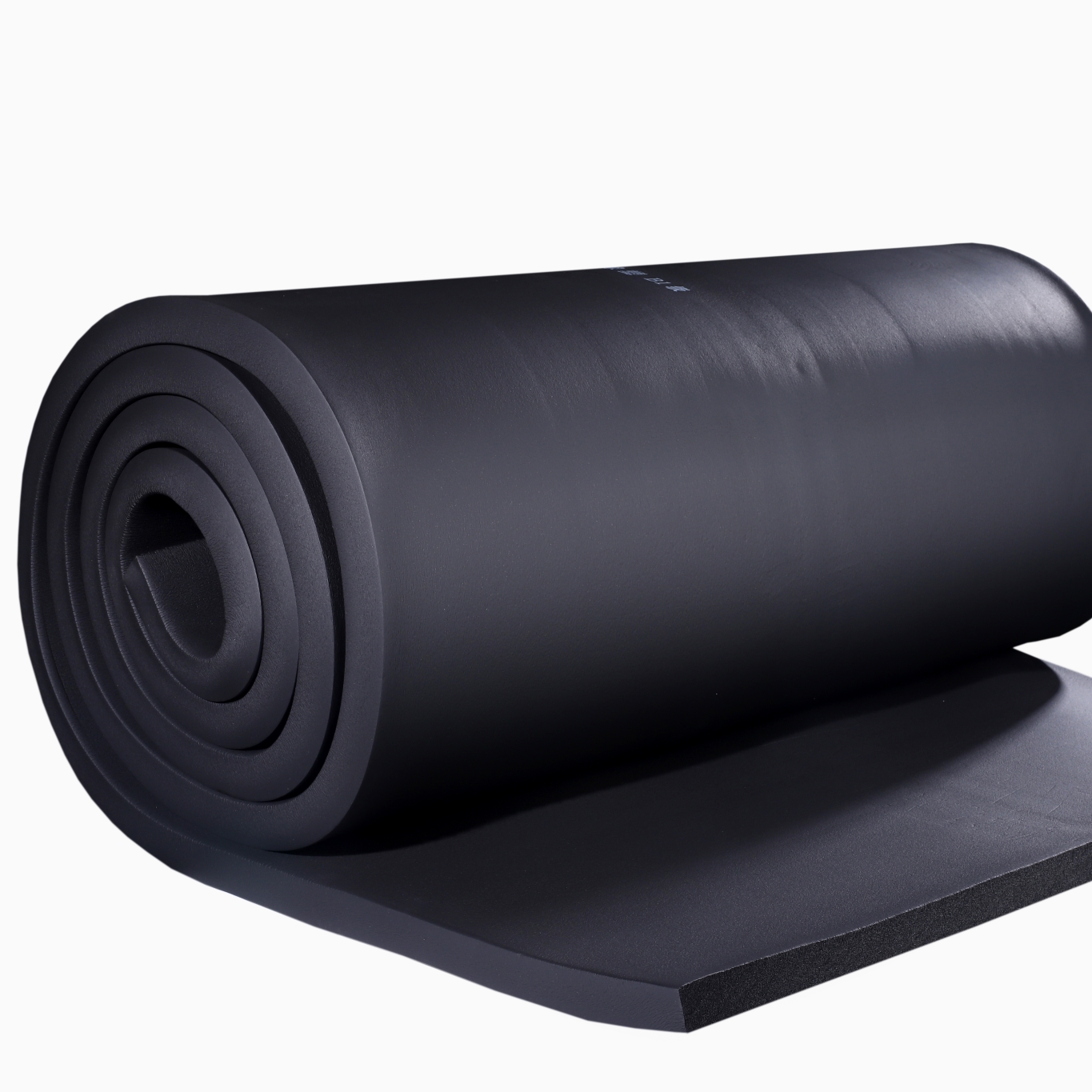
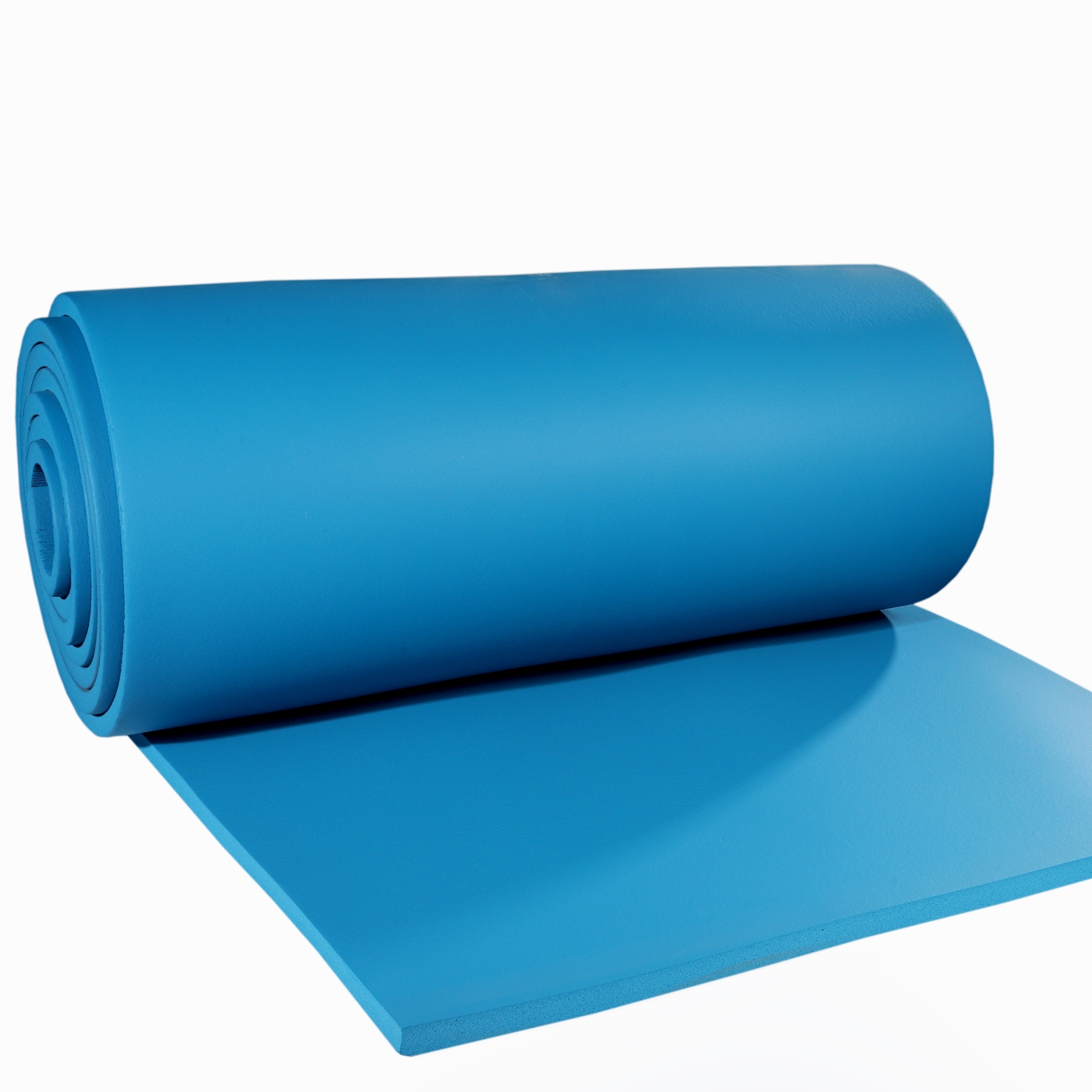
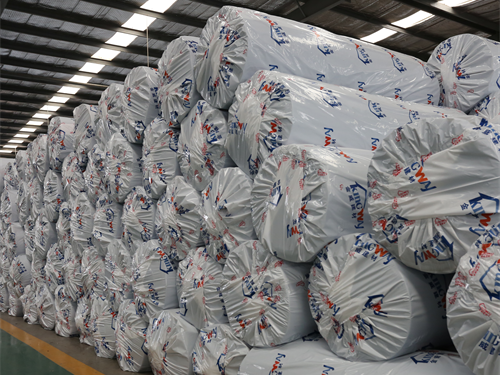
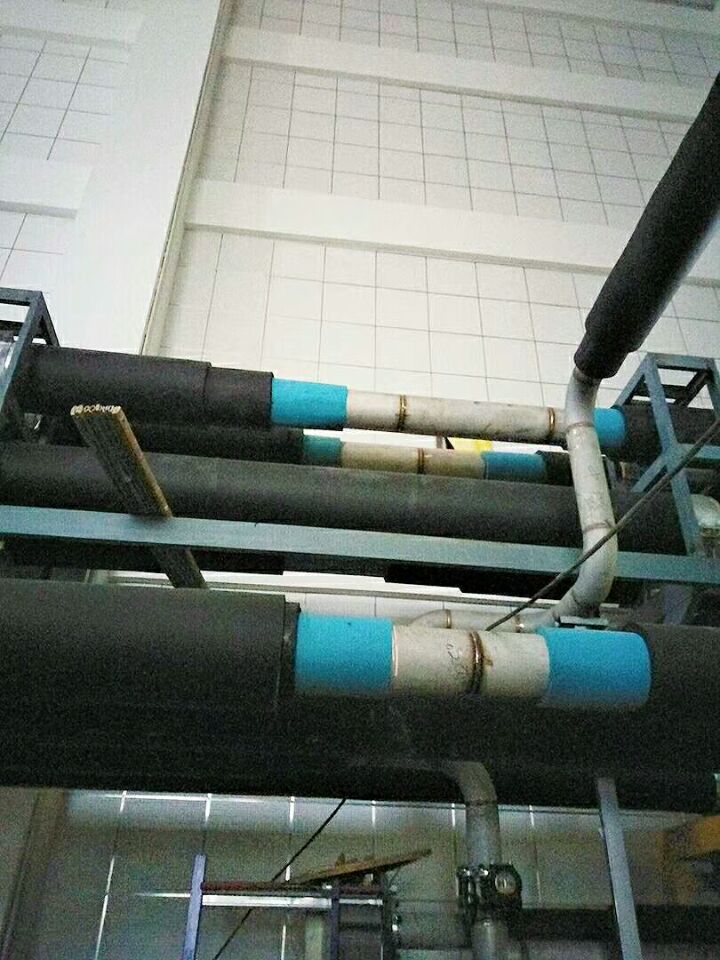
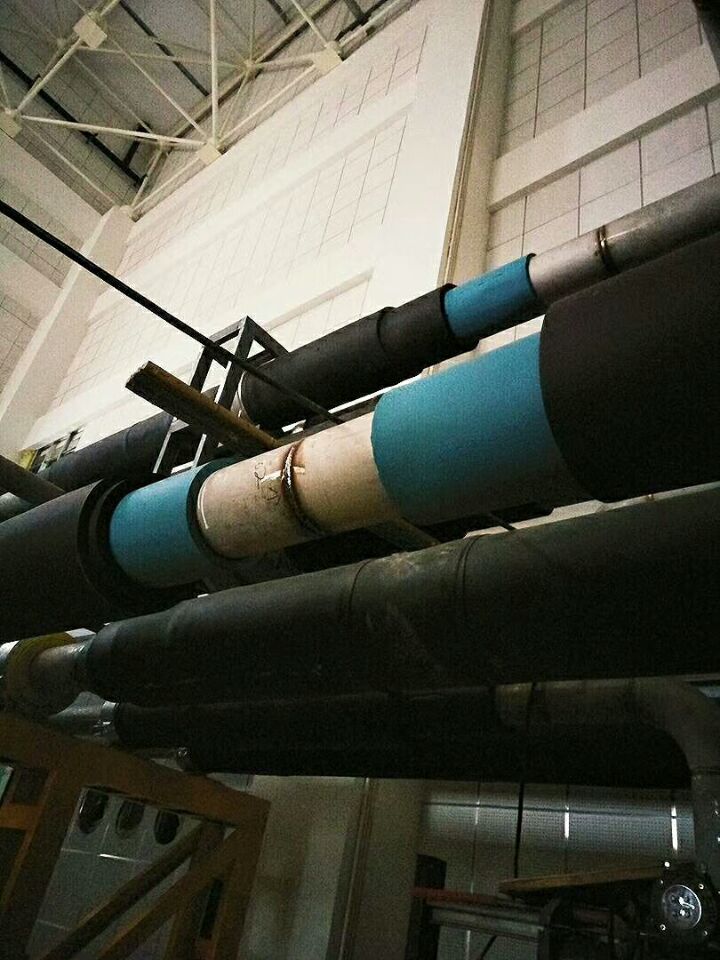
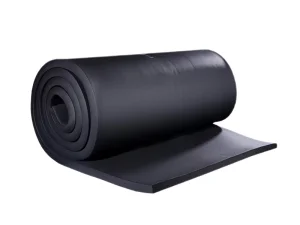
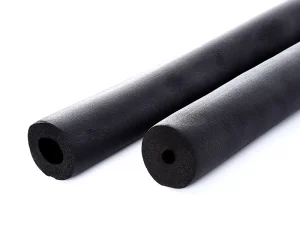
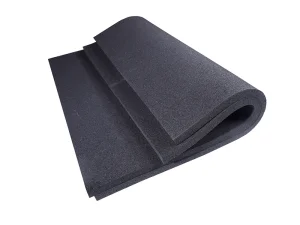
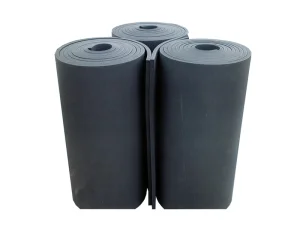
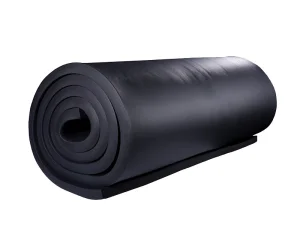
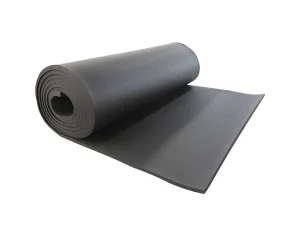
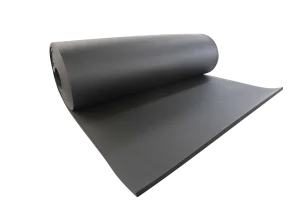
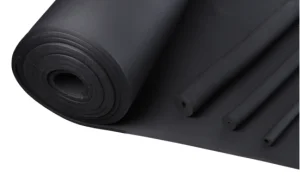
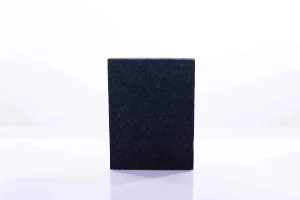
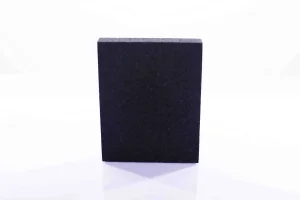
With each of the individual insulation materials used in our thermal insulation system comes with its own set of features and benefits, superior performance is achieved when optimally engineered together.
Resistance to water and water vapour ingress, plus an optimal system design that delivers long-term predictable thermal and acoustic stability and enhanced process performace.
Our insulation materials combine thermal and acoustic performance and can also be engineered with traditional insulation material for specific demands.
Flexible materials that do not crack, break or crumble and are resistant to vibration and mechanical abuse.
What is cryogenic insulation:
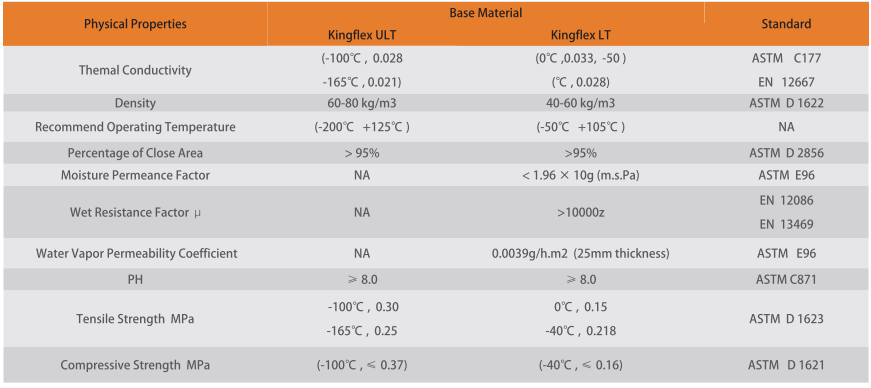
Cryogenic pipe insulation is needed on sub zero applications including ammonia refrigeration & LNG projects. Closed-cell, Dienes elastomeric rubber foam insulation system is a superior solution for cryogenic pipe installations. It is a great choice for ammonia refrigeration as these lines have to operate at a specific temperature range to maintain the process control throughout the system. These situations require high-performance cryogenic insulation that will:
Key Performance Requirements
Maintain its integrity in frigid temperatures
Absorb high-mechanical forces
Ensure superior low-thermal conductivity
Frequently Asked Questions
What are the primary benefits of combining individual thermal insulation materials?
By engineering individual insulation materials together in an optimal system design, you achieve superior performance that delivers long-term predictable thermal and acoustic stability, resistance to water/water vapour ingress, and enhanced process performance.
How does this insulation system handle mechanical vibration and physical impact?
The system utilizes highly flexible materials designed specifically to resist vibration and mechanical abuse. They do not crack, break, or crumble under mechanical stress, ensuring long-lasting physical integrity.
What is cryogenic insulation and when is it required?
Cryogenic insulation is specialized piping insulation designed for sub-zero applications. It is crucial for demanding projects such as ammonia refrigeration and LNG (Liquefied Natural Gas) installations.
Why is Closed-cell Dienes elastomeric rubber foam recommended for ammonia refrigeration?
Ammonia refrigeration lines must operate within highly specific temperature ranges to maintain process control. This closed-cell elastomeric system provides the superior thermal control needed to keep these systems operating safely and efficiently.
What are the three main tasks high-performance cryogenic insulation must achieve?
High-performance cryogenic insulation must maintain its material integrity in extremely frigid temperatures, absorb high mechanical forces, and ensure consistently low thermal conductivity.
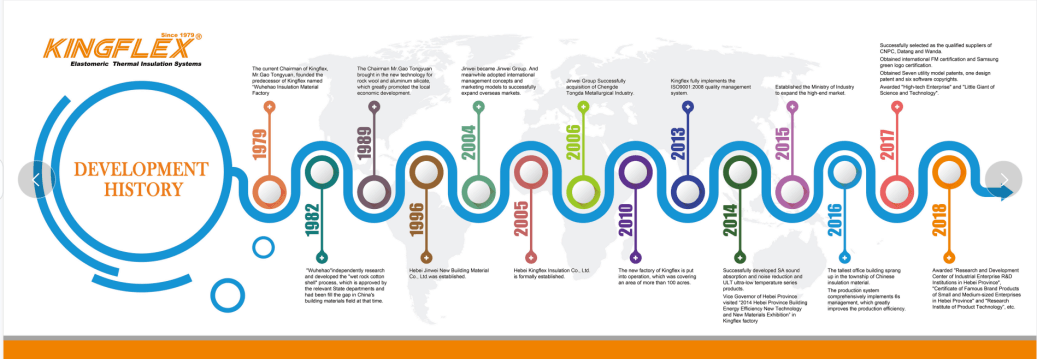
 Kingflex