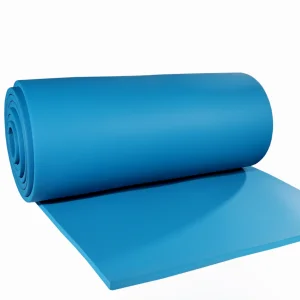
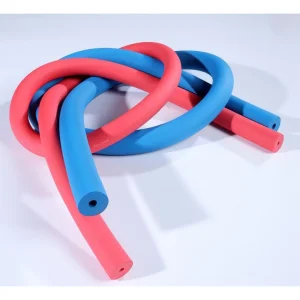
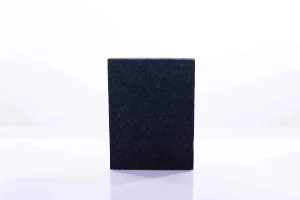
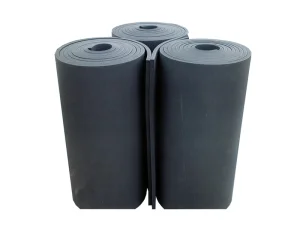
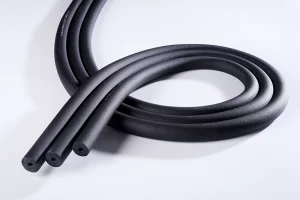
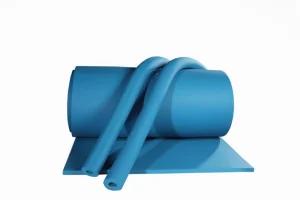
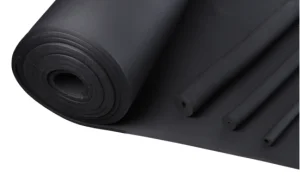
In the era of rapid carbon reduction initiatives, rising global energy costs, and stringent thermal regulations (such as ASHRAE 90.1 and EN 12828), building insulation is no longer just a commodity. It is a key element in reducing operating costs and optimizing energy efficiency. When contractors, developers, and HVAC professionals look at home insulation costs, they have to consider the long-term trade-offs between raw material prices, installation efficiency, and thermal performance.
China's insulation manufacturing sector has shifted from basic material supply to high-precision engineering. By combining advanced chemical formulations with highly automated production lines, manufacturers can offer competitive direct pricing without compromising performance standards. As a result, global procurement managers are increasingly turning to top-tier Chinese manufacturers to optimize their project costs.

The global insulation market is driven by several key factors: building energy codes, commercial and industrial expansion, and the growing demand for cold-chain infrastructure. Sourcing insulation from China involves assessing more than just the price per cubic meter. Modern procurement models take a holistic approach, looking at Total Cost of Ownership (TCO):
Global developers face stricter carbon taxes and building efficiency standards. High-performance elastomer insulation helps meet target R-values, preventing thermal bridging and significantly reducing HVAC energy usage over a building's lifecycle.
For large industrial and commercial operations, consistency is key. Procurers look for suppliers with ISO 9001, ISO 14001, CE, BS 476, and ASTM certifications. This ensures compliance across different regions and smooth customs clearance.
Geopolitical challenges and rising freight rates mean companies need resilient supply chains. China's integrated manufacturing hubs, like Dacheng, provide a complete vertical ecosystem—from raw chemicals to finished foam sheets.
At the center of China’s green building materials sector is Dacheng, home to Kingflex Insulation Co., Ltd. As a key player in this industrial hub, Kingflex combines research and development with large-scale production.
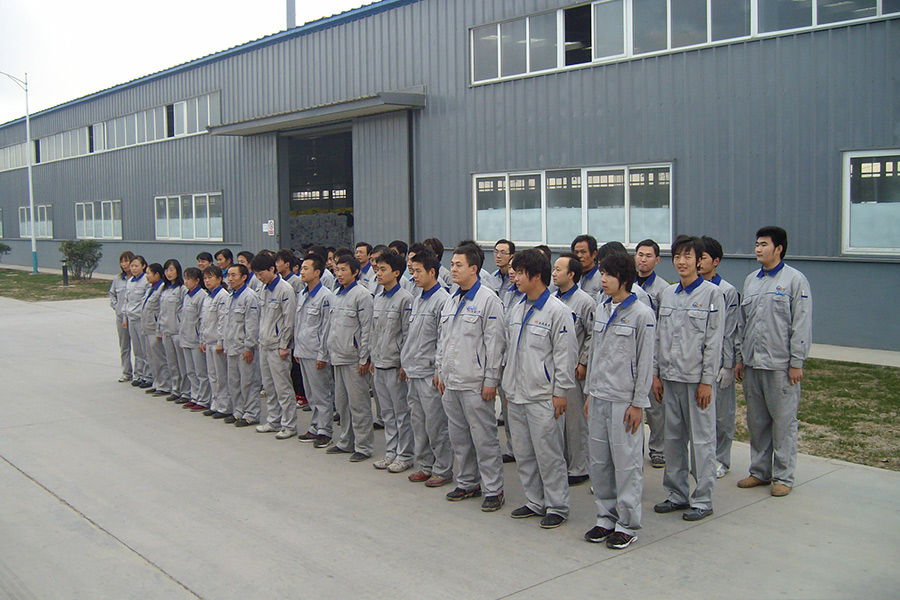
Established under the Jinwei Group (which dates back to 1979 and was the pioneer of northern China's insulation industry), Kingflex has grown to employ 230 workers, including 8 dedicated R&D engineers and 6 international trade specialists. This combination of experience and technical capacity allows us to offer specialized insulation solutions tailored to commercial HVAC, cryogenic processing, and residential projects worldwide.
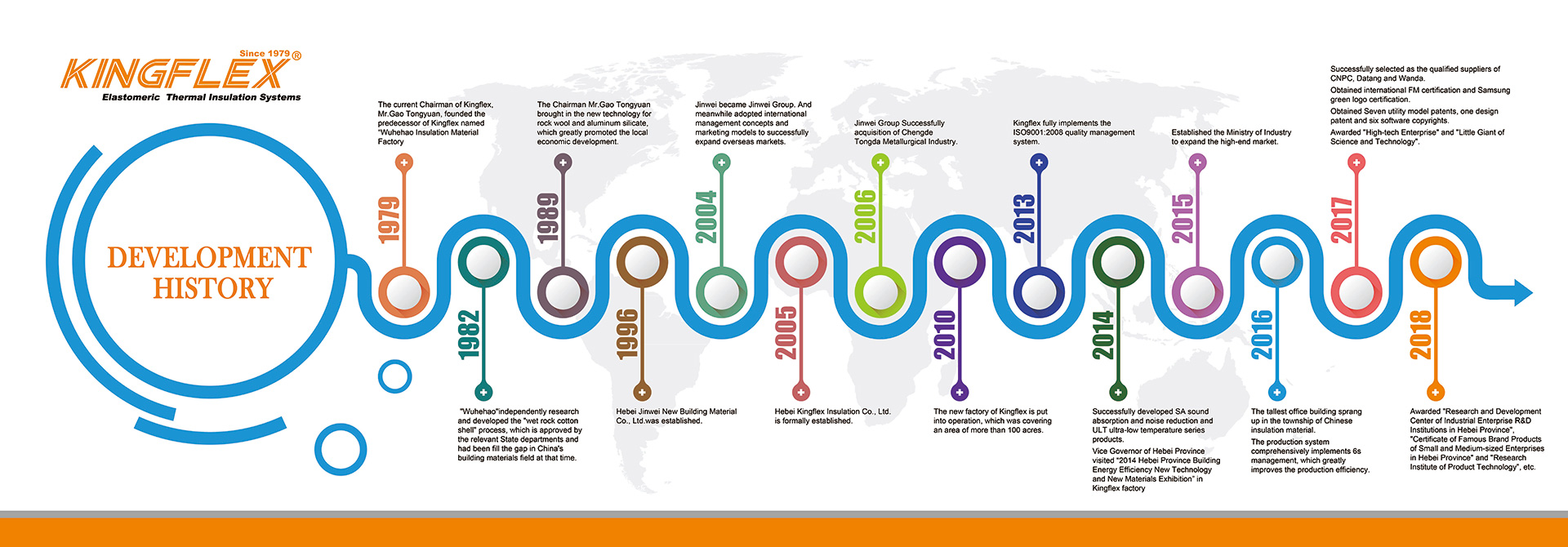
Rooted in Jinwei Group's 40-year foundation, Kingflex stands as an industry pillar in green thermal materials.
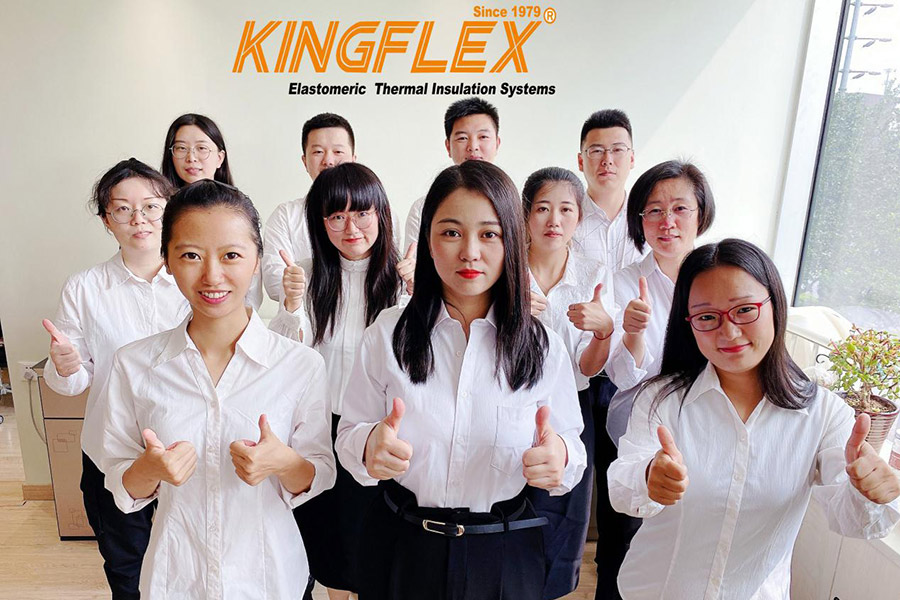
With 8 professional engineers in our R&D department, we continuously innovate elastomer and soundproofing solutions.
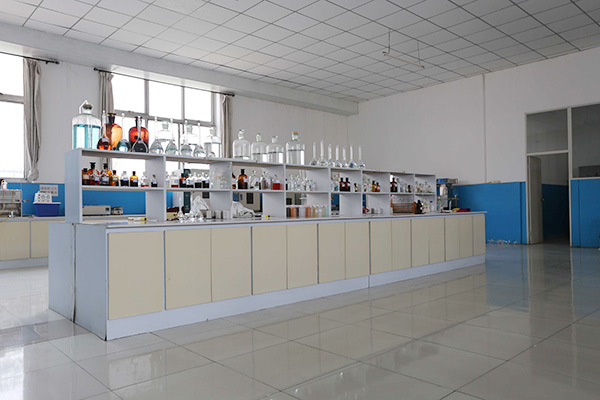
5 large-scale automated lines running continuously to ensure reliable, high-volume production for global demand.
Thermal conductivity ($\lambda$), moisture resistance ($\mu$), and fire safety ratings are the main technical factors that determine the cost-benefit ratio of insulation. When comparing materials like NBR/PVC elastomeric foam and rock wool, understanding these metrics helps you choose the right product for your application.
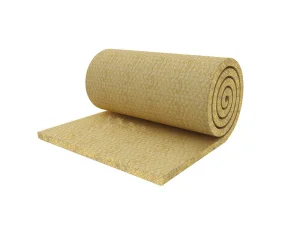
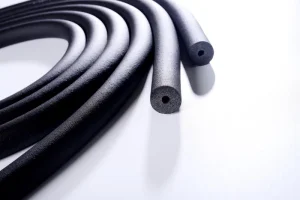
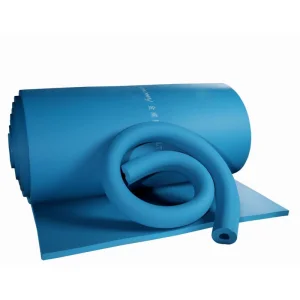
| Performance Metrics | NBR/PVC Elastomeric Rubber Foam | Rock Wool / Mineral Fiber Blanket |
|---|---|---|
| Thermal Conductivity ($\lambda$) | $\le 0.034$ W/m·K (at 0°C) - Highly efficient at low thickness | $\le 0.039$ W/m·K (at 25°C) - Good for high-heat environments |
| Structure | Closed-Cell (rate > 98%) - Resists moisture penetration | Open Fibers - Excellent sound absorption, requires vapor barrier |
| Moisture Resistance ($\mu$) | $\ge 10,000$ - Excellent water vapor prevention | N/A - Susceptible to moisture without cladding |
| Service Temperature | -40°C to +105°C (Up to -200°C for cryogenic series) | Up to +650°C - Ideal for fire isolation and high-heat pipes |
| Fire Safety Standard | BS 476 Part 7 Class 1, UL94 V-0, Class 0 Classifications | Non-combustible (Euroclass A1) |
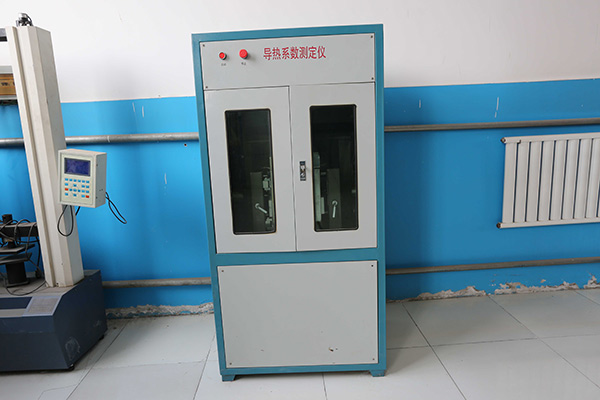
To ensure reliability and compliance with international standards, Kingflex maintains continuous quality control processes. Our materials undergo regular laboratory testing for thermal performance, fire resistance, and mechanical wear.

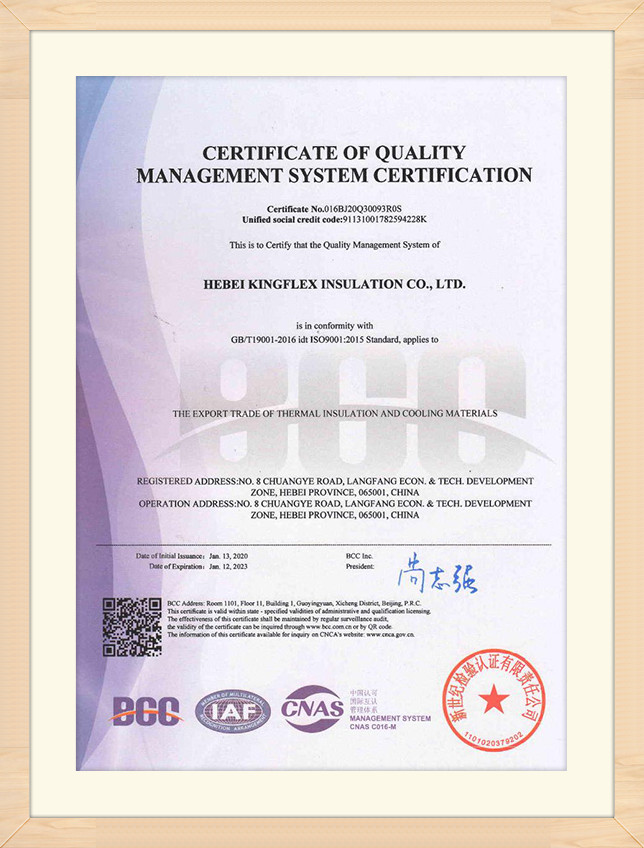


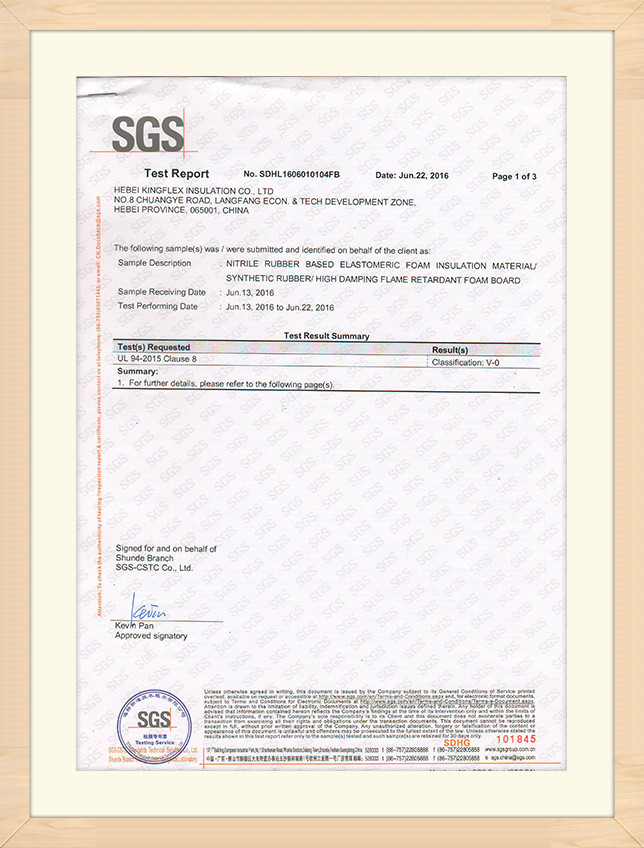

Elastomeric rubber foam is highly versatile and used across a range of commercial, industrial, and residential settings. Key applications include:
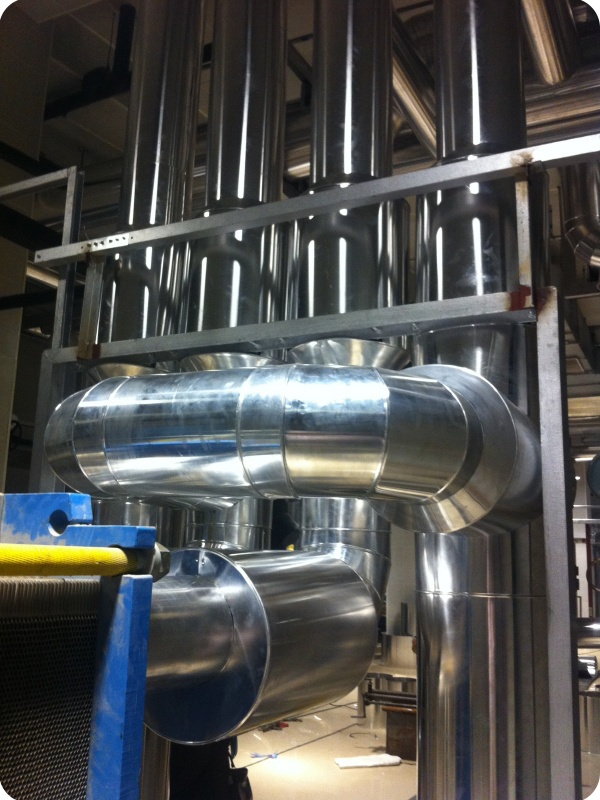
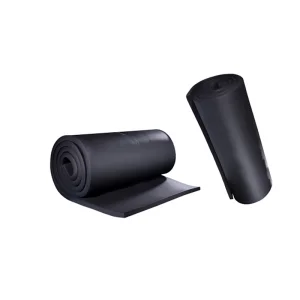
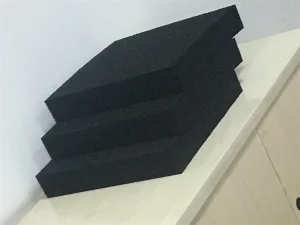
Used in retail centers, hotels, and office complexes. Applying NBR/PVC sheets to ventilation ducts helps maintain temperature control and reduces fan noise.
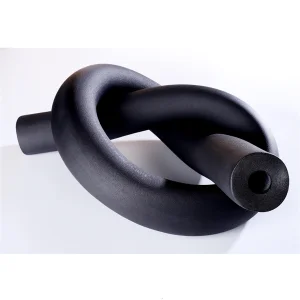
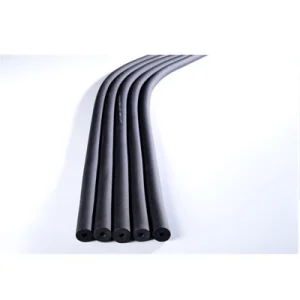
Prevents moisture buildup on chilled water lines in chemical plants and processing facilities. This helps protect carbon steel pipes from corrosion under insulation (CUI).
Specialized ultra-low temperature formulation keeps pipelines insulated down to -200°C. This helps maintain stable temperatures for liquid natural gas transport.
Kingflex insulation systems have been used in construction, petroleum, chemical, national defense, and aerospace projects globally. Here are some examples of our materials in use, along with feedback from international procurement clients:

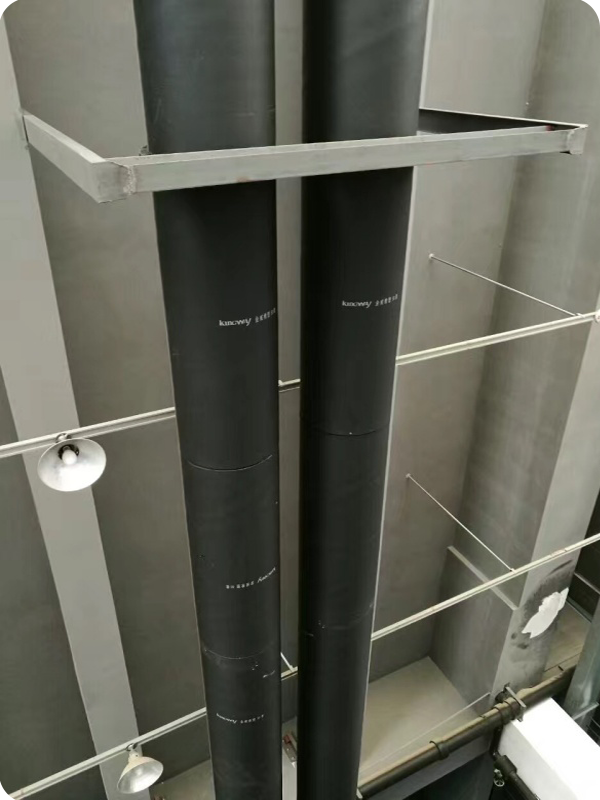
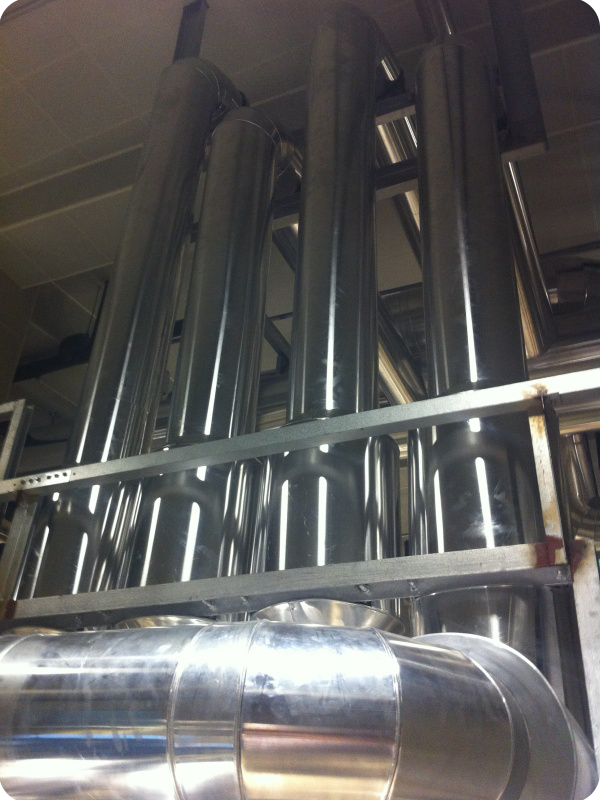
Transparency is a core part of our relationship with global clients. We share real-time updates from our factory floor to ensure clear communication:


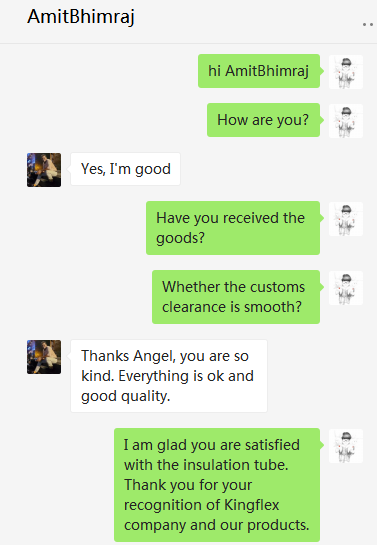

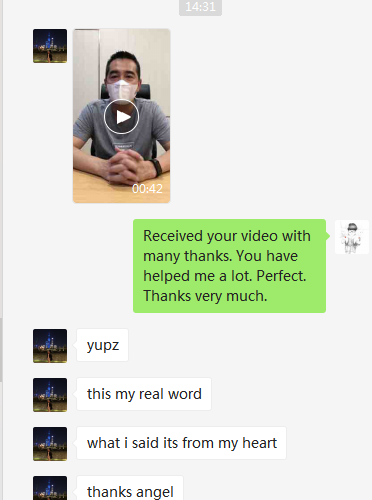
Here are answers to common questions about selecting, costing, and installing Kingflex elastomeric insulation materials:
 Kingflex