 Kingflex


The Global Industrial Significance of Chilled Water Pipe Insulation
In modern industrial and commercial environments, chilled water systems are the backbone of environmental control, process cooling, and computational thermal management. In hyperscale data centers, chemical processing plants, commercial complexes, and district cooling grids, water is continuously chilled to temperatures typically ranging from 4°C to 7°C (39°F to 45°F) and circulated through massive pipe networks. At these low temperatures, pipe surfaces remain well below the ambient dew point, creating an ongoing physical challenge: vapor drive and condensation.
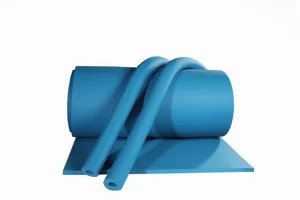
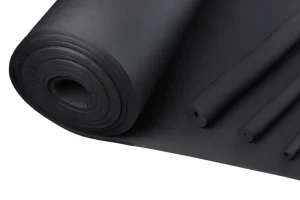
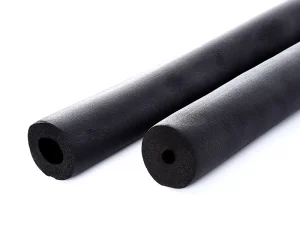
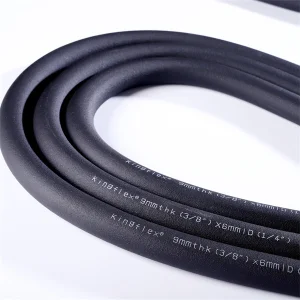
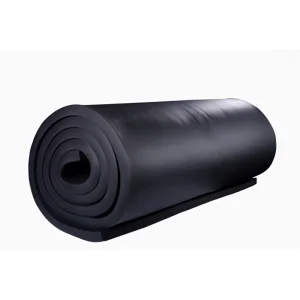
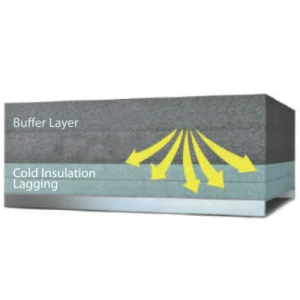
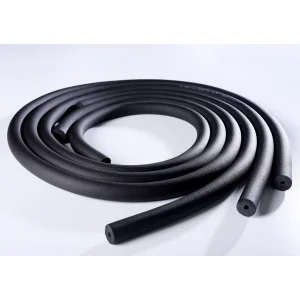
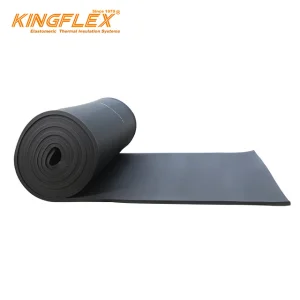
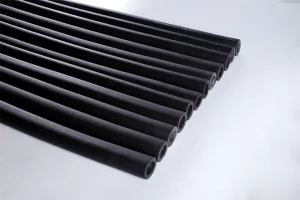
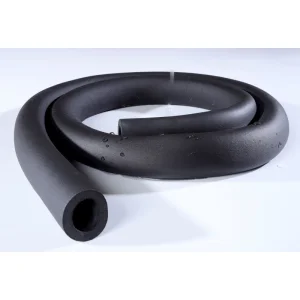
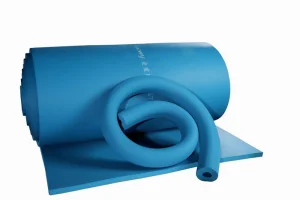
If left uninsulated or poorly insulated, these pipelines become sites of persistent condensation. Liquid water pooling on pipe surfaces causes systemic damage, including corrosion under insulation (CUI), structural wood rot, ceiling damage, mold growth, and a drastic loss in HVAC system efficiency. To prevent these failures, engineering teams rely on a strict Chilled Water Pipe Insulation Procedure utilizing high-performance, closed-cell elastomeric rubber foam materials. By implementing a high-density, low-thermal-conductivity barrier, operators can limit thermal energy gain, cut mechanical workload, and ensure system uptime.
SEO Insight & Semantic Value: Chilled water insulation is not simply about temperature maintenance; it is an engineered vapor barrier system. The thermodynamic drive for moisture to migrate from warm ambient air toward a cold metallic surface is constant. Only a highly continuous closed-cell matrix with a high moisture resistance factor (μ-value) can resist this drive long-term without degrading.
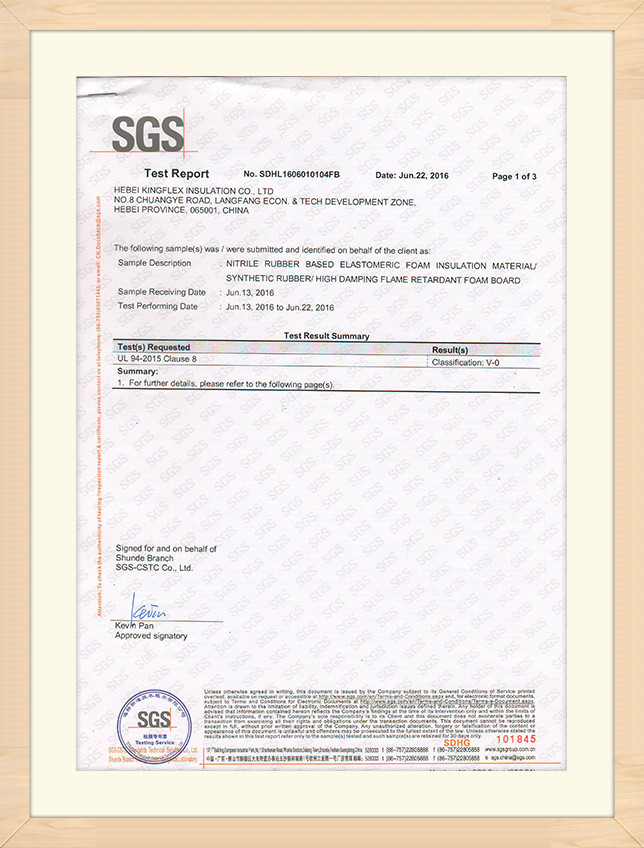
As global markets strive toward Net-Zero carbon emissions, building efficiency standards (such as ASHRAE 90.1, LEED, and local green building regulations) are dictating tighter tolerances on heat gains. This has shifted procurement priorities toward manufacturers capable of delivering highly uniform closed-cell densities and certified flame-retardant performance.