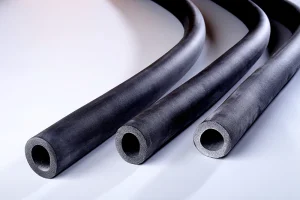
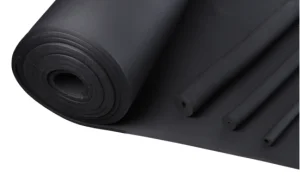
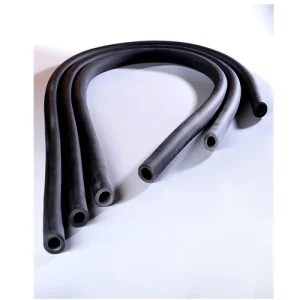
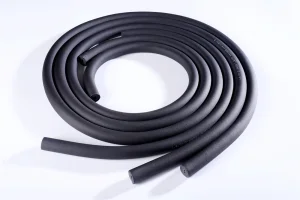
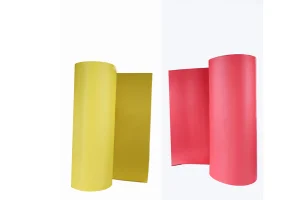
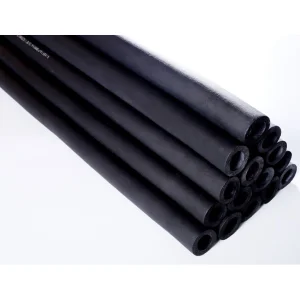
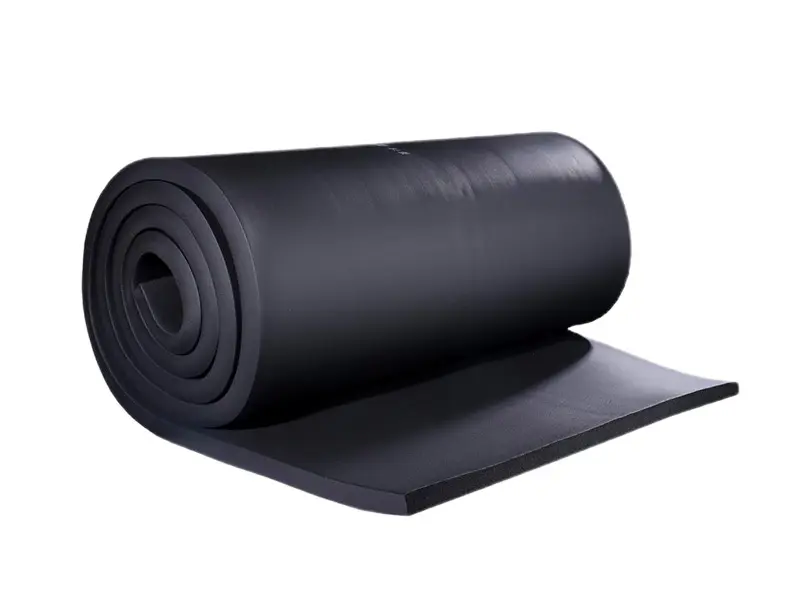
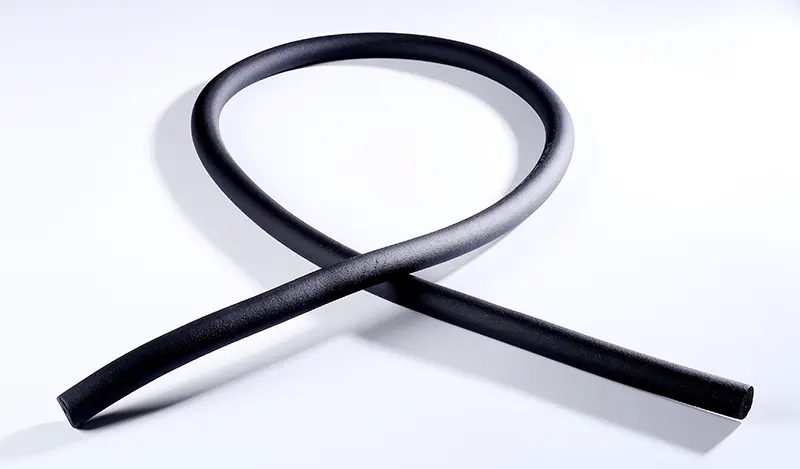
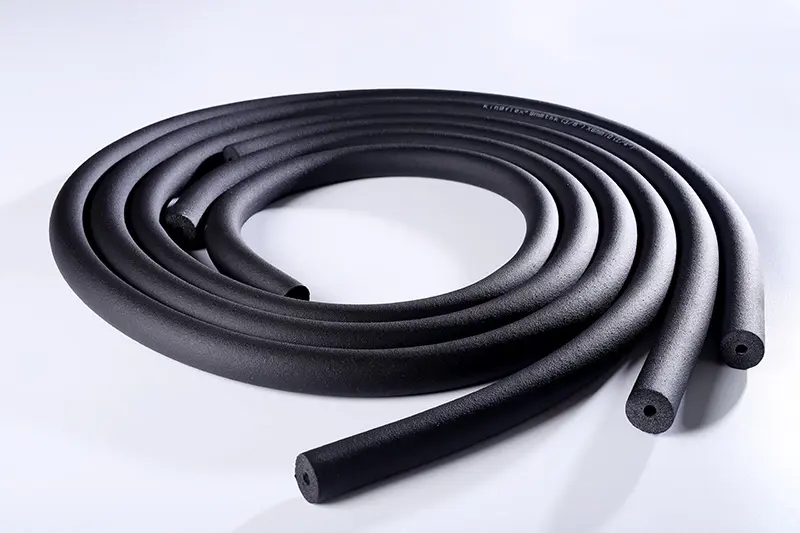
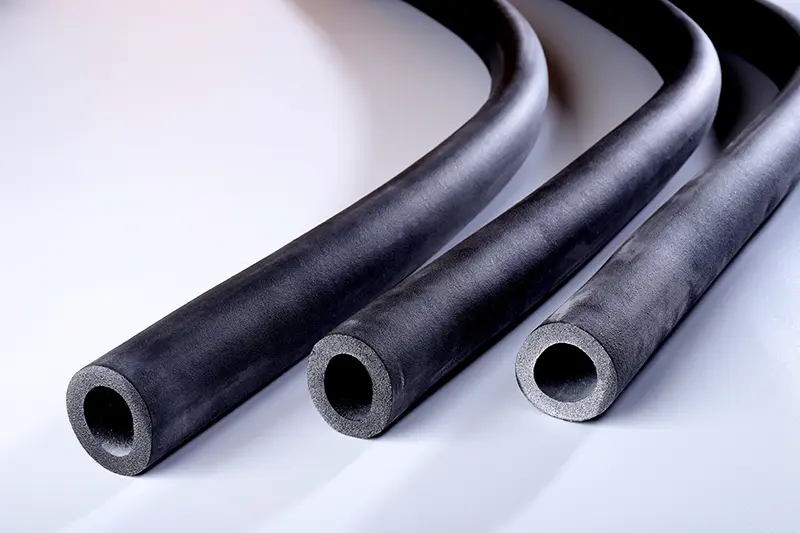
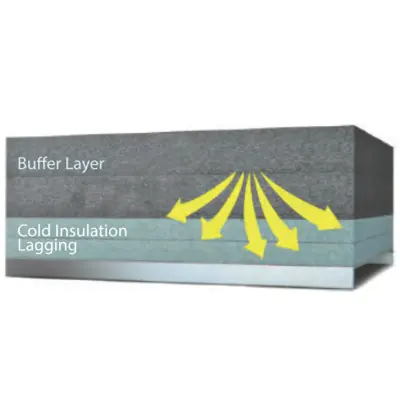
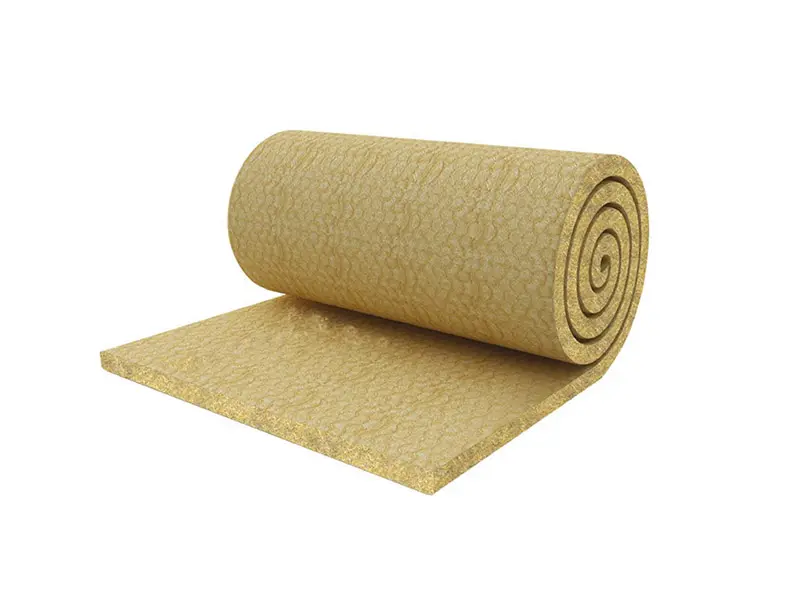
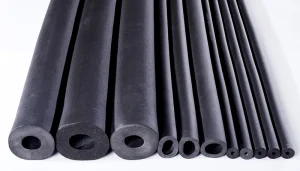
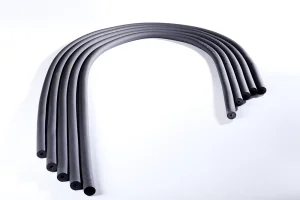
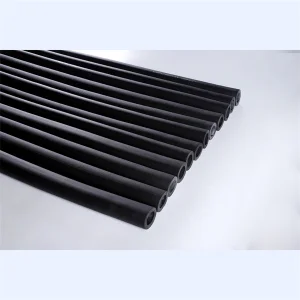
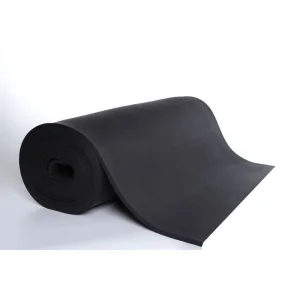
Explore our core selection of elastomeric foam rolls, soundproofing sheets, and specialized HVAC tubes designed for industrial, commercial, and residential energy efficiency.
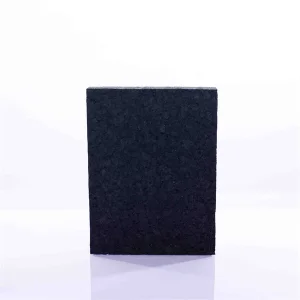
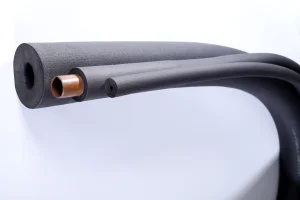
How the evolution of high-efficiency thermal insulation materials is reshaping engineering design and energy consumption across commercial and industrial infrastructures.
Modern building codes, HVAC engineering, and industrial process piping demands are shifting towards materials that provide long-term thermodynamic stability under fluctuating environmental conditions. Traditional fibrous insulation like glass or rock wool remains highly capable in high-temperature industrial pipelines, but for moderate and cryogenic temperatures, elastomeric closed-cell structures have become the global standard.
The primary advantage of closed-cell NBR/PVC elastomeric foam is its structural resistance to moisture infiltration. Moisture ingress is the leading cause of thermal degradation, reducing the insulation's efficiency and causing under-insulation corrosion (CUI). By trapping air inside millions of independent, microscopic, gas-filled bubbles, Kingflex elastomeric insulation achieves a extremely low moisture absorption rate and a water vapor diffusion resistance factor (μ value) exceeding 10,000.
Furthermore, standard closed-cell foams are evolving with bio-degradable components and zero ozone-depleting potential (Zero ODP) blowing agents. These eco-friendly compositions prevent environmental degradation while complying with strict regulations like REACH and RoHS.

Maintains low thermal conductivity (λ ≤ 0.035 W/(m·K) at 0°C) ensuring steady performance across wide temperature configurations from -40°C to 105°C.
Formulated with self-extinguishing flame retardants that meet international BS 476 (Class 0/1), UL94, and DIN 4102 fire safety regulations.
Outstanding compression resilience (>80%) that makes installation around complex pipeline valves, T-joints, and elbows seamless and efficient.
Key parameters for industrial purchasing agents, commercial developers, and HVAC distributors navigating quotes, material certifications, and pricing structures.
For large-scale enterprise procurement, focusing solely on the initial per-meter cost of thermal insulation tubes can lead to massive operational losses. Real cost efficiency lies in the Total Cost of Ownership (TCO), which is determined by the longevity of the materials, ease of installation, and maintenance overheads.
When requesting quotes, engineering buyers should prioritize materials with proven high resistance to moisture vapor. If moisture enters the insulation layer, the thermal resistance drops exponentially (by up to 75% for every 10% moisture content by volume). This leads to increased chiller runtimes, water condensation damage in ceiling voids, and costly pipe replacements.
Our standard pricelist structures are built directly on clear volume brackets, raw material indexes (NBR/PVC ratio), and performance enhancements (such as UV-resistant aluminum facing or double-sided self-adhesive tapes). Choosing a pre-faced lamination at the factory can reduce on-site labor installation times by up to 50%, representing significant labor savings in developed markets.
| Insulation Material | Thermal Conductivity (λ at 0°C) | Water Vapor Resistance (μ) | Fire Classification | Operating Temp Range |
|---|---|---|---|---|
| Kingflex Elastomeric NBR/PVC | ≤ 0.034 W/m·K | ≥ 10,000 | Class 0 (BS476 Pt 6/7) / UL94 V-0 | -40°C to 105°C |
| Rock Wool Insulation | ≤ 0.038 W/m·K | 1 (Requires vapor barrier) | Class A1 Non-combustible | Ambient to 650°C |
| Glass Wool Insulation | ≤ 0.036 W/m·K | 1 (Requires vapor barrier) | Class A1 Non-combustible | -120°C to 400°C |
| Polyethylene (PE) Foam | ≤ 0.038 W/m·K | ≥ 3,500 | Class B1/B2 | -80°C to 95°C |
How Jinwei Group and Kingflex Insulation leverage automation, scalable capacities, and modern quality systems to supply projects worldwide.
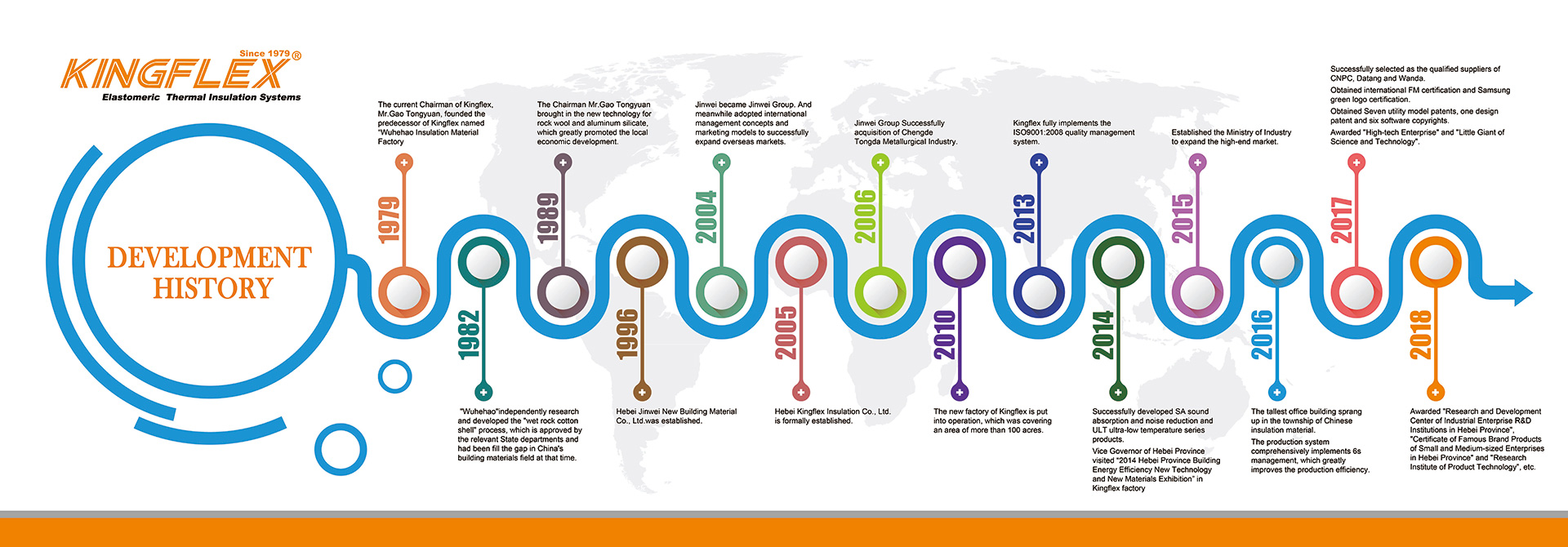
Founded by the Jinwei Group, which boasts over 40 years of manufacturing history since its establishment in 1979, Kingflex is the pioneer manufacturer of thermal insulation materials north of the Yangtze River. Operating in Dacheng, China—the recognized national capital of green building materials—our production base utilizes automated processes and continuous manufacturing methodologies to deliver high-quality products.
At present, the factory operates 5 large automatic assembly lines, generating an annual production capacity exceeding 600,000 cubic meters. This scale enables us to remain a designated production partner for critical energy conservation projects managed by the Ministry of Energy, the Ministry of Electric Power, and the Ministry of Chemical Industry.
Our dedicated staff consists of 230 factory professionals, 6 experienced international sales managers, and 8 senior R&D engineers who continuously refine the chemical formulations of our elastomeric and NBR foams to meet evolving regulatory frameworks across 66 countries.
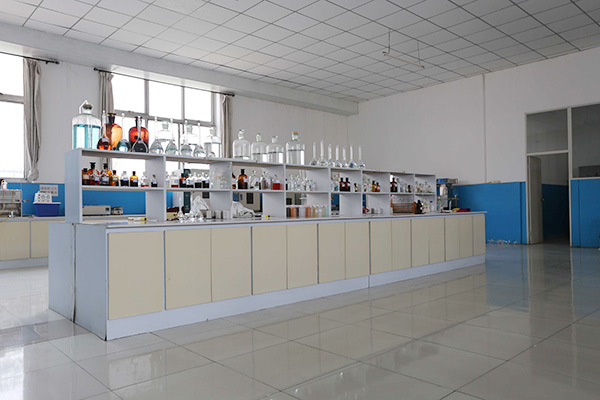
Rigorous test protocols and third-party certifications are central to our quality assurance, verifying that every batch maintains density, flame resistance, and structural integrity.

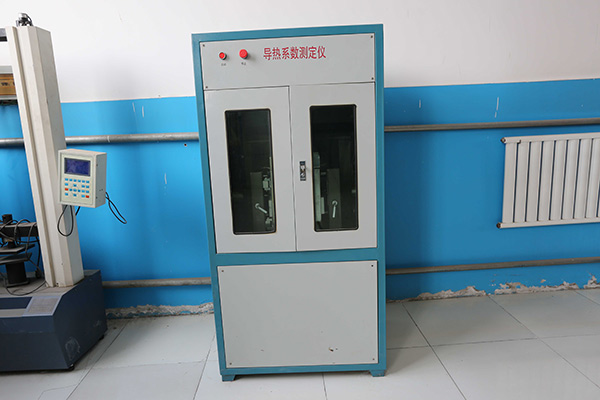
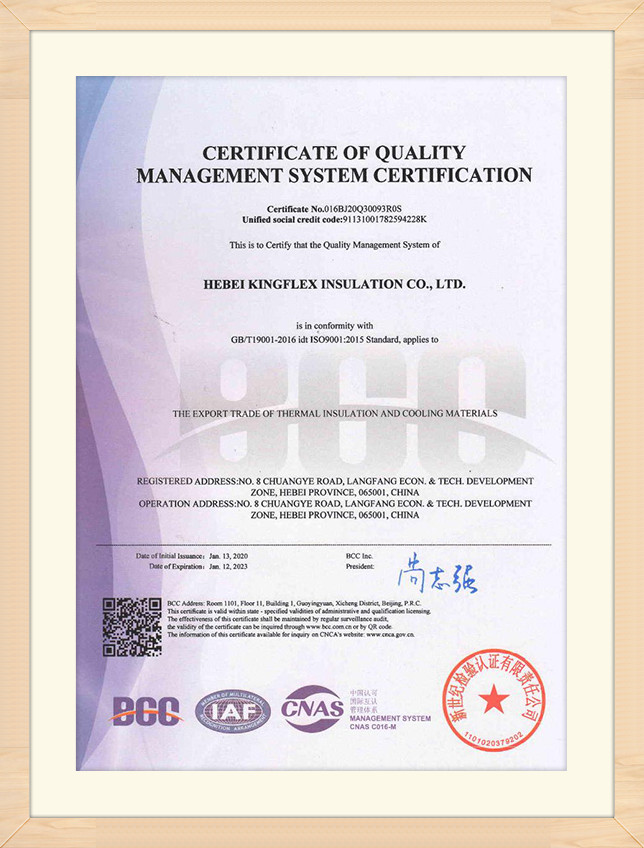


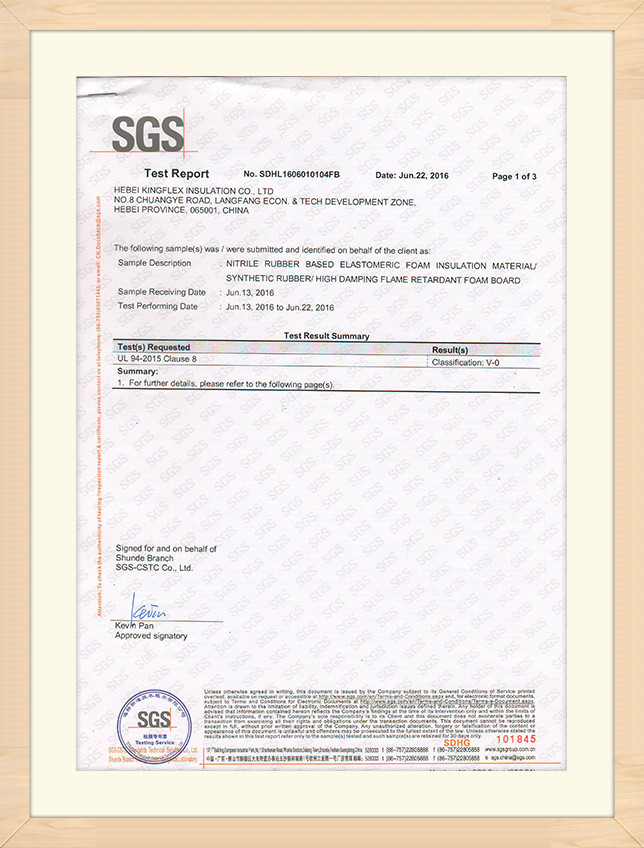
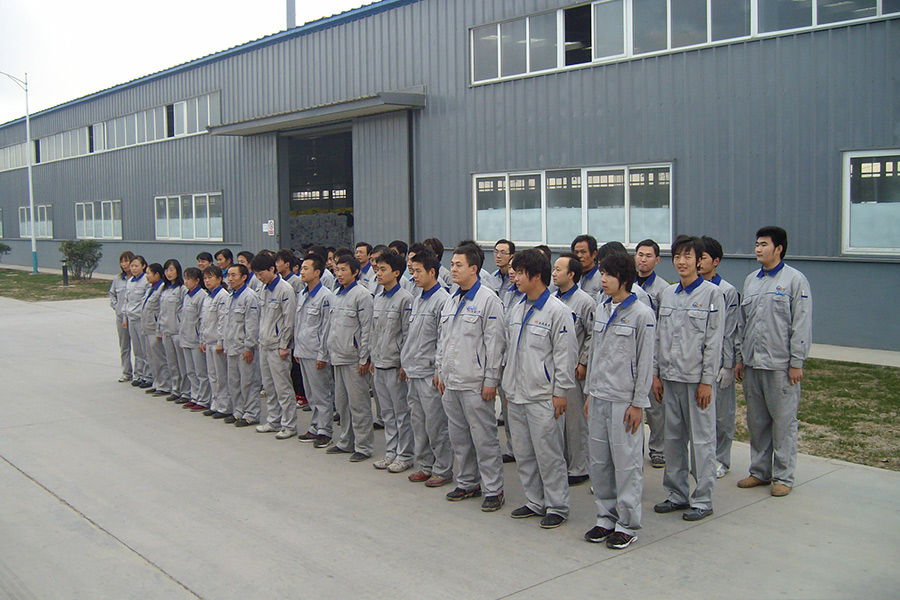
Proving reliability across complex commercial construction projects, cryogenic pipeline systems, and high-stakes industrial facilities.

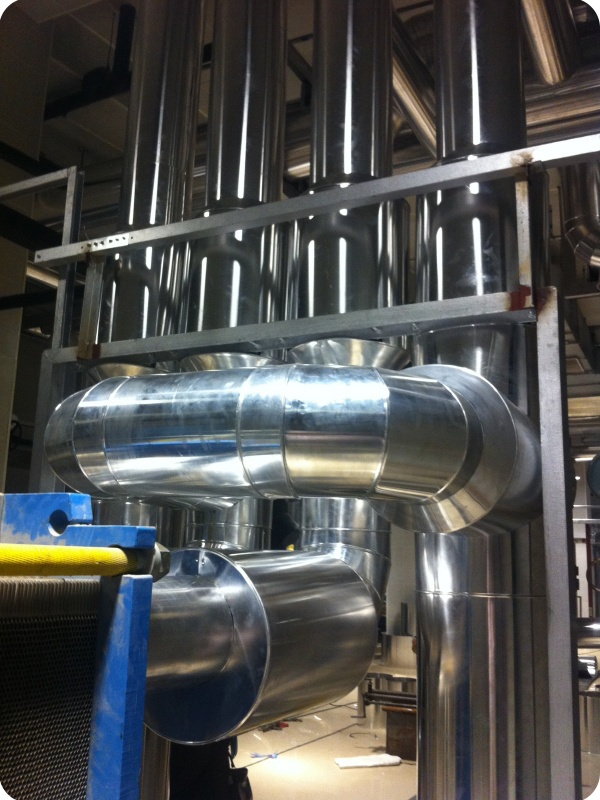
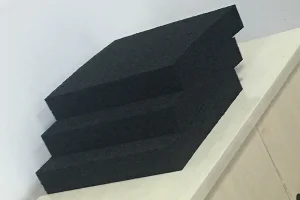
Ideal for central air conditioning air ducts, large-diameter chiller pipe lines, storage tanks, and acoustic partition panels. Ensures minimal thermal bridging and low thermal conductivity over a 15-year lifecycle.
1. Foams evenly and fully, closed-cell rate >98%
2. Stable long-term thermal conductivity due to dense cell structures
3. Compression resilience over 80% with simple shape retention
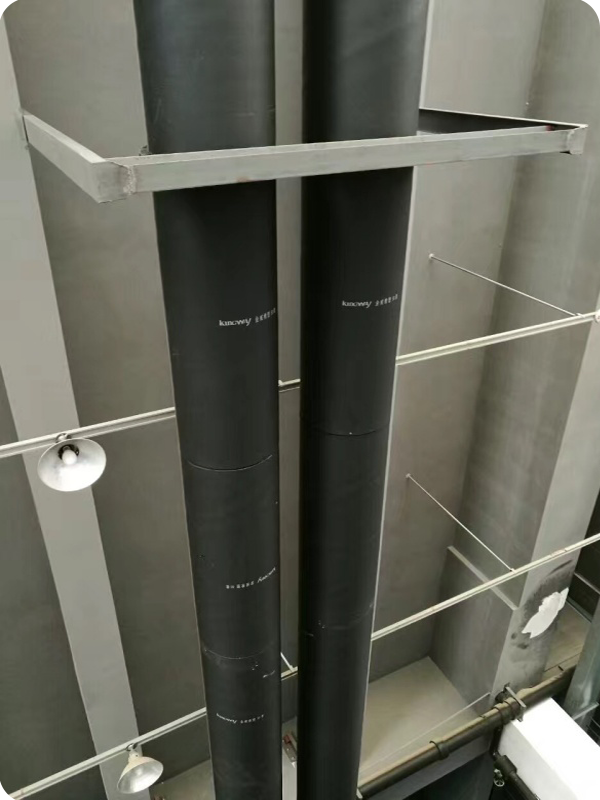
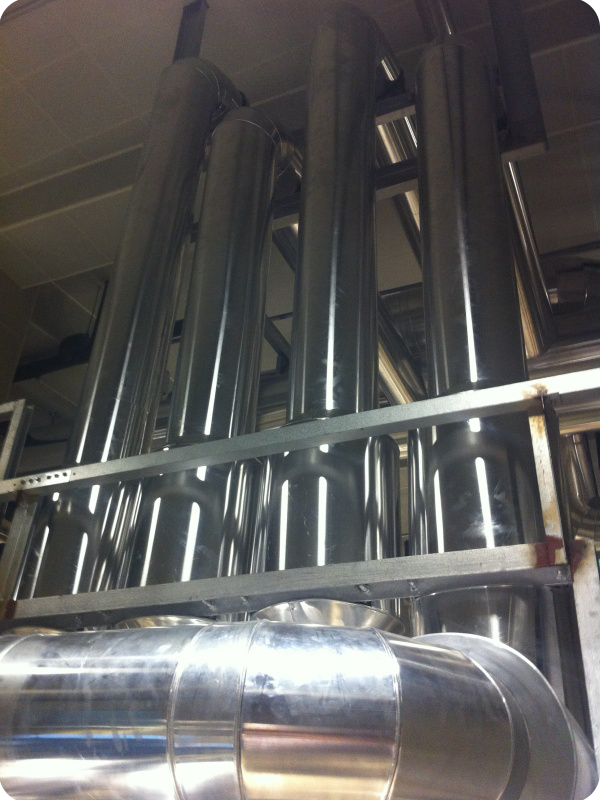
Extensively used in heating, ventilation, air conditioning (HVAC) pipework, copper tube lines, and solar hot water systems to eliminate heat loss, condensation, and freezing risks.
1. Factory extrusion ensures uniform density and consistent wall thickness
2. Extremely flexible for installation over piping bends and tight configurations
3. Highly resistant to chemical degradation and ambient weathering
Insights into our high-precision extrusion systems, automated chemical curing halls, and global dispatch operations.
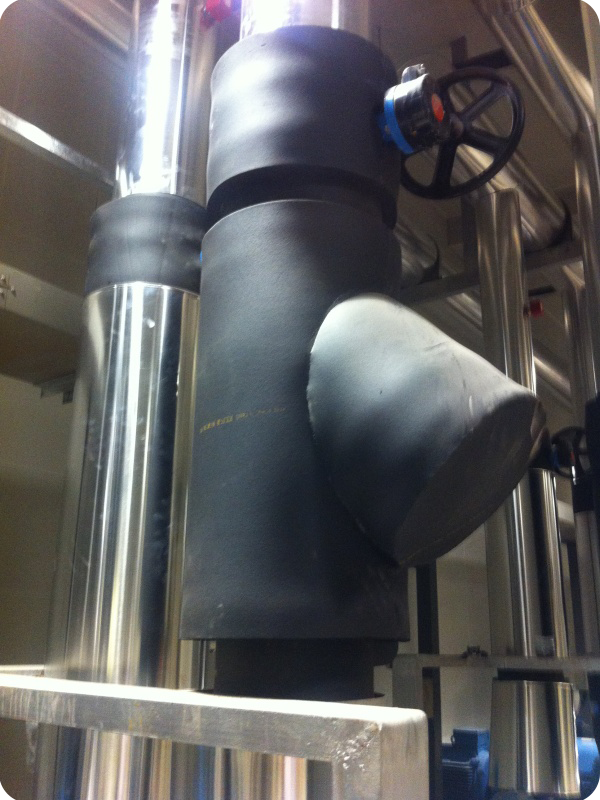
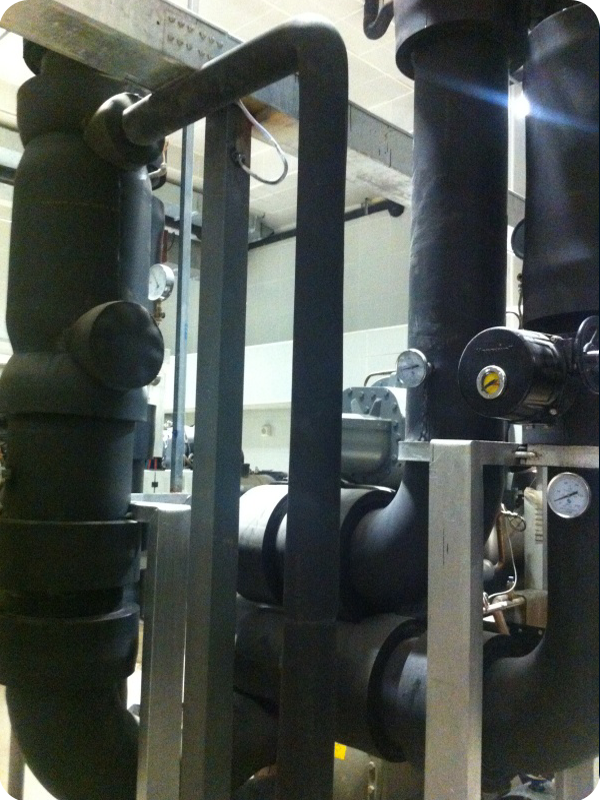
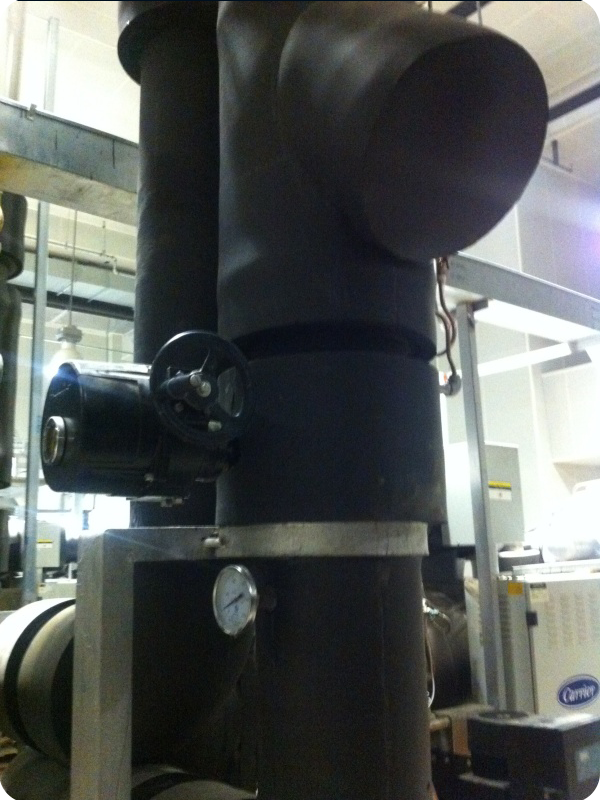
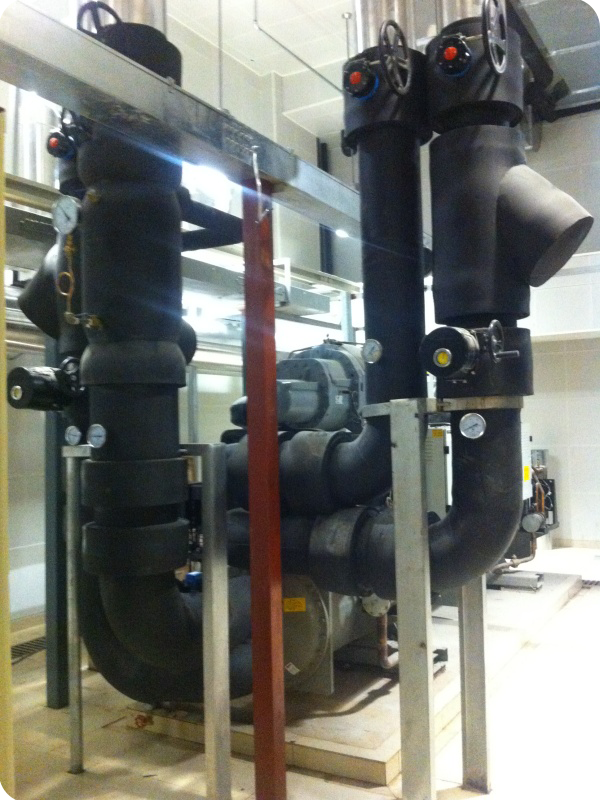
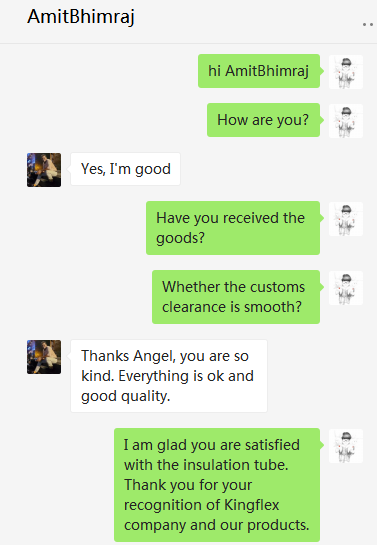
Transparency and authentic project communications demonstrate why procurement agents choose Kingflex for major projects.



Every commercial invoice and wholesale contract includes barcode tracking linked directly to the raw material batch. This ensures that QA specifications—ranging from density profiles to flame-spread ratios—can be verified on-site during installation and commissioning.
Comprehensive overview of NBR/PVC elastomeric foams, cryogenic systems, and traditional high-temperature rock wool insulation.
A closer look at Kingflex manufacturing lines, shipping logistics, global supply network, and product warehousing.
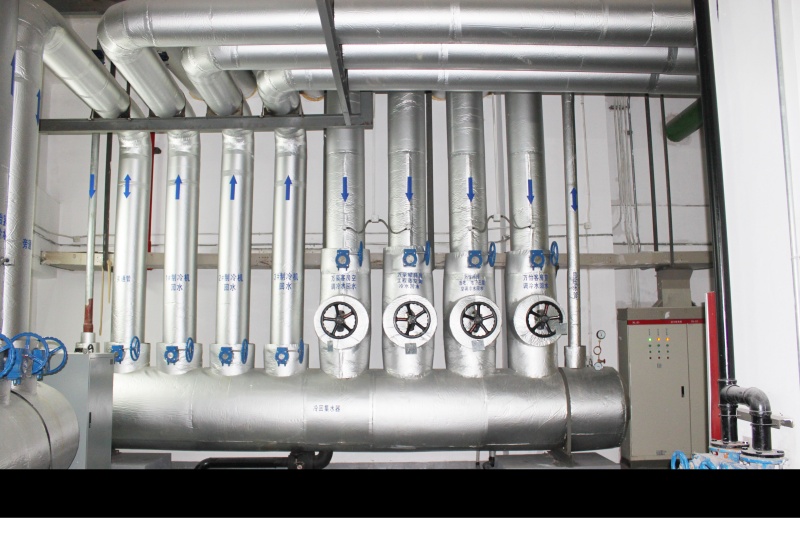


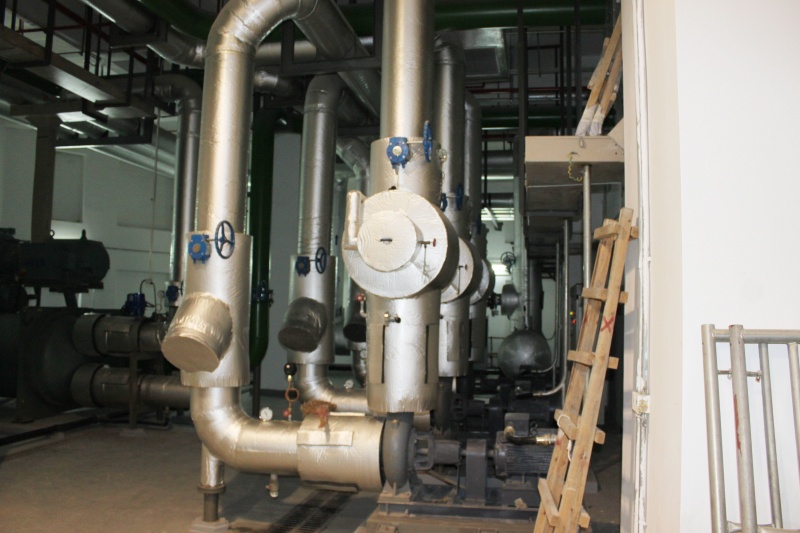
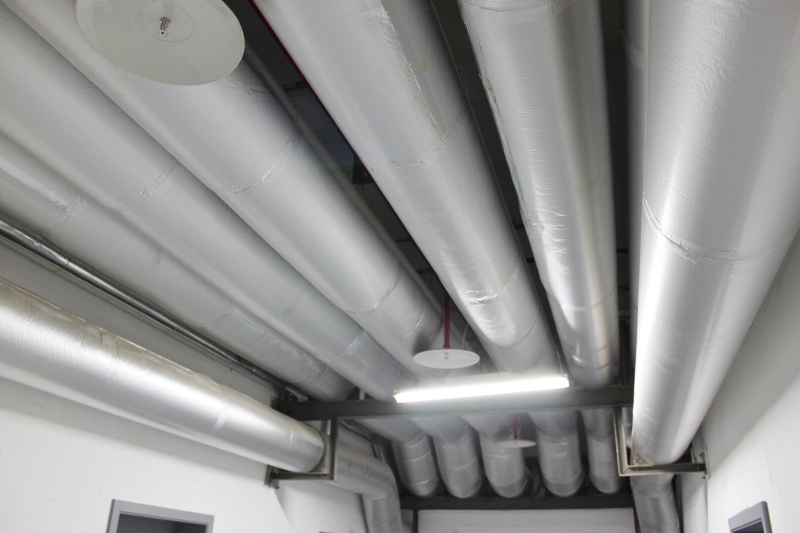

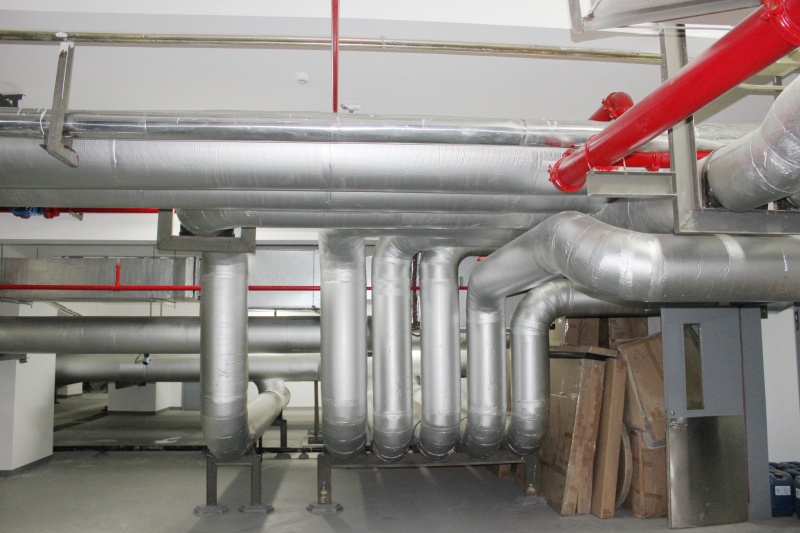
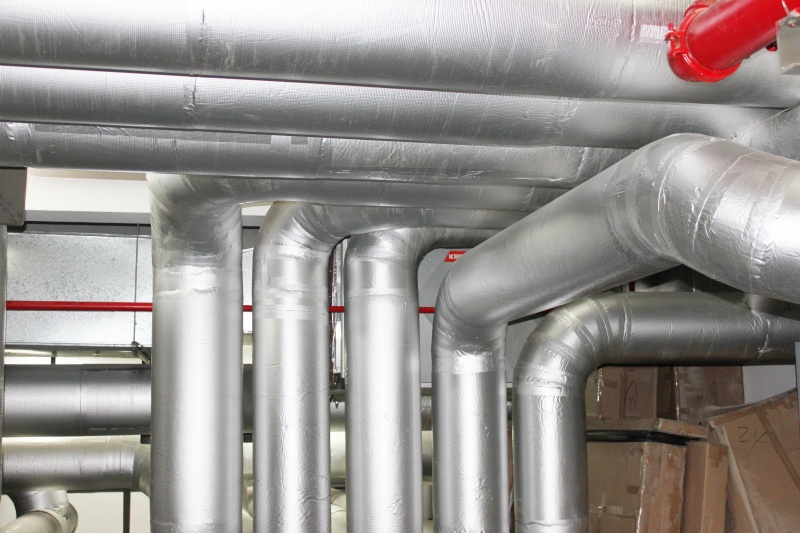
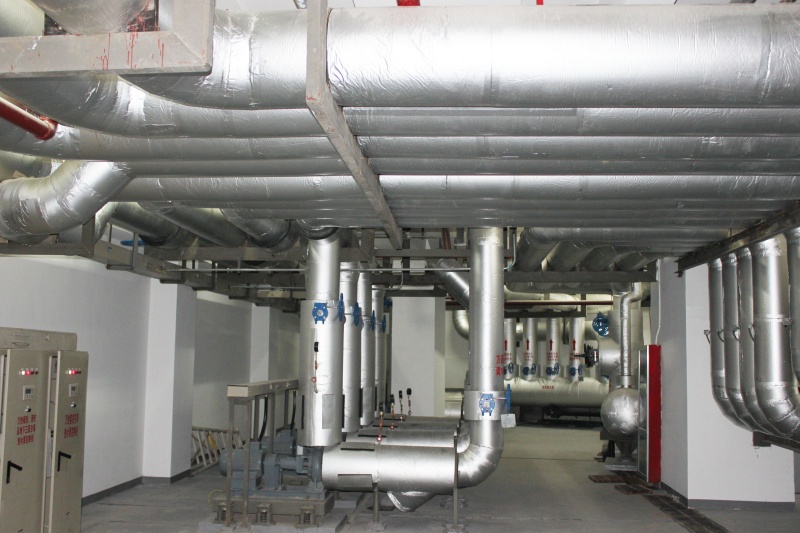
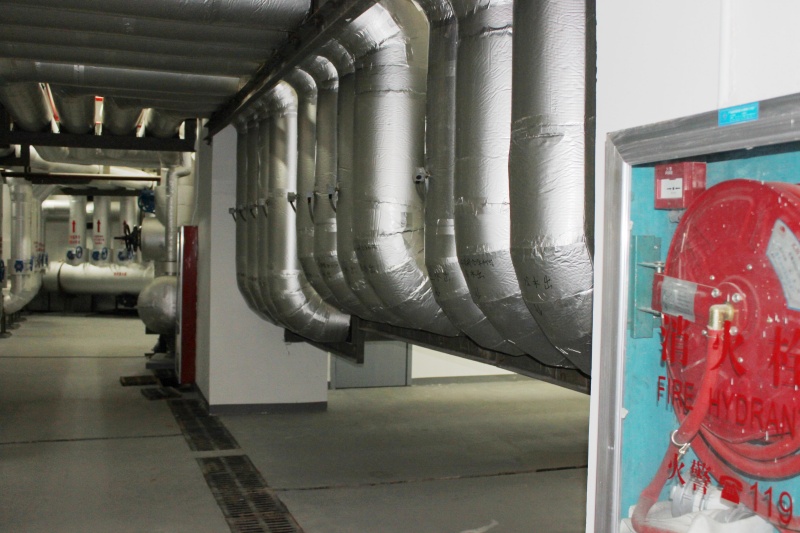
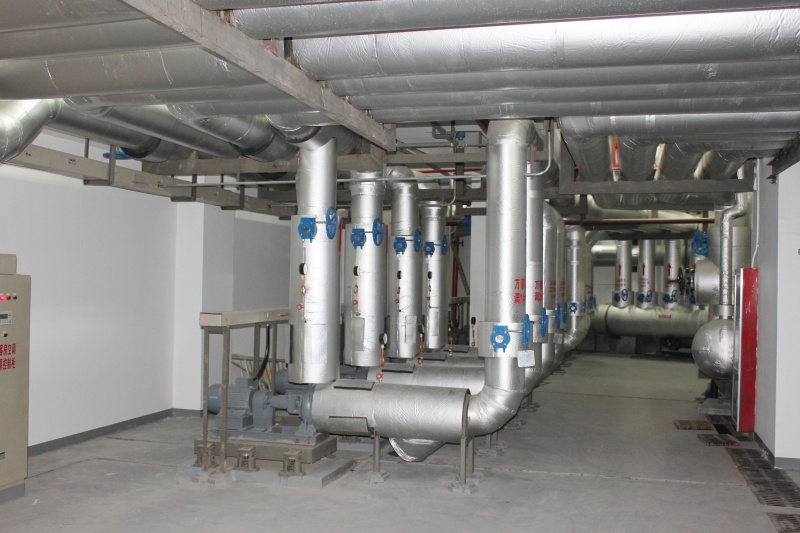

Visualizing Kingflex production capacity, shipping preparation, and project execution at scale.







Technical guidance and application engineering specifications for Kingflex thermal and acoustic insulation systems.
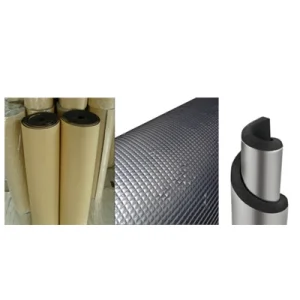
Explore our main selection of elastomeric insulation tubes, fire-rated insulation sheets, and specialized HVAC components with direct manufacturer pricing.
 Kingflex