Direct factory-to-site structural materials designed for French civil engineering and HVAC projects
An in-depth analysis of energy requirements, structural changes, and environmental standards governing glass wool deployment in France.
RE2020 Compliance Notice: Building regulations in France now demand strict Life Cycle Assessments (LCA) and lower carbon footprints. Our glass wool is formulated using up to 80% recycled glass content, reducing embodied carbon to meet French environmental thresholds seamlessly.
France is undergoing a profound structural transition in its building sector. With the implementation of the Réglementation Environnementale 2020 (RE2020), thermal performance criteria have evolved from simple energy consumption metrics to holistic greenhouse gas (GHG) emission calculations across a building's lifecycle. Thermal insulation materials like Glass Wool have become indispensable tools for structural engineers and architects aiming to satisfy these strict benchmarks.
The French market demands products with certified Environmental Product Declarations (FDES - Fiches de Déclaration Environnementale et Sanitaire). Our factories manufacture glass wool products utilizing state-of-the-art electric melting furnaces combined with localized post-consumer glass cullet recycling initiatives. This ensures our export lines present minimal embodied energy profiles, making them highly competitive for large-scale public and private bids in Île-de-France, Auvergne-Rhône-Alpes, and Provence-Alpes-Côte d'Azur.
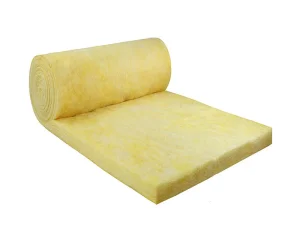
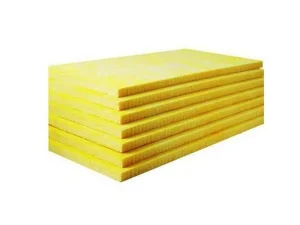
Glass wool insulation consists of flexible, inorganic, biosoluble glass fibers bound together by a thermosetting resin. This structure creates millions of microscopic air pockets that restrict convective heat transfer. For the French market, the technical requirements center on achieving the lowest possible thermal conductivity (λ-value) while ensuring maximum acoustic absorption.
Our standard manufacturing processes achieve a broad range of thermal conductivities, from λ = 0.032 W/(m·K) to 0.040 W/(m·K). The acoustic performance of our glass wool makes it highly suitable for partitioning walls in multi-family residential complexes under French acoustic regulations (Nouvelle Réglementation Acoustique - NRA).
Procuring industrial insulation materials from global factories requires careful planning, risk mitigation, and compliance validation. French contractors and procurement offices look for verified factory footprints, strict quality control protocols, and robust shipping support to major French ports such as Le Havre, Marseille-Fos, and Dunkerque.
Key procurement checklist for French builders includes:
A rigorous comparative analysis of Glass Wool, Rock Wool, and Elastomeric Rubber Foam to guide design and engineering decisions.
| Property / Material | High-Density Glass Wool Blanket | Rock Wool Structural Slab | Elastomeric Rubber Foam (NBR/PVC) |
|---|---|---|---|
| Thermal Conductivity (λ at 10°C) | 0.032 - 0.038 W/(m·K) | 0.035 - 0.040 W/(m·K) | 0.033 - 0.036 W/(m·K) |
| Euroclass Fire Classification | A1 / A2-s1, d0 (Non-combustible) | A1 (Non-combustible) | B-s3, d0 (Self-extinguishing) |
| Service Temp Range (°C) | -120°C to 400°C | -180°C to 650°C | -40°C to 105°C |
| Water Vapor Resistance (μ) | μ ≈ 1 (Requires vapor barrier) | μ ≈ 1 (Requires vapor barrier) | μ ≥ 7,000 (Built-in moisture shield) |
| Acoustic Loss (NRC) | 0.85 - 0.95 (Exceptional absorption) | 0.80 - 0.90 (Excellent sound dampening) | 0.40 - 0.60 (Moderate acoustic barrier) |
| Primary Target (France) | Drywalls, Roofs, HVAC Ducts | High-Temp Chimneys, Exterior Walls | Chilled Water Pipes, Low-Temp Process Lines |
Indicative pricing matrix based on density and thickness. Contact our sales department at Send Inquiry Now for exact bulk project rates.
| Product Type | Nominal Density (kg/m³) | Thickness (mm) | Facing Options | Est. Factory Price (EUR / m²) |
|---|---|---|---|---|
| Glass Wool Roll | 12 - 16 kg/m³ | 50 mm | Plain / FSK Foil | €1.10 - €1.60 |
| Glass Wool Roll | 16 - 24 kg/m³ | 100 mm | Alum. Foil / Glass Tissue | €2.30 - €3.10 |
| Glass Wool Board | 24 - 32 kg/m³ | 50 mm | Plain / Reinforced Foil | €2.05 - €2.80 |
| Glass Wool Board | 32 - 48 kg/m³ | 100 mm | Black Glass Tissue | €4.50 - €5.90 |
| NBR Rubber Foam Sheet | 40 - 55 kg/m³ | 9 - 25 mm | Self-Adhesive option | €3.20 - €7.50 |
A trusted global manufacturing partner of energy-saving solutions with over 40 years of continuous growth.
Kingflex Insulation Co., Ltd. is a professional manufacturing and trading combo for thermal insulation products. Our research, development, and production departments are located in Dacheng, China—a well-known capital of green building materials. As an energy-saving and environmentally friendly enterprise, we concentrate on design, research, development, production, and sales.
We prioritize energy efficiency and low emissions as our core values. We provide comprehensive insulation solutions, encompassing professional consultation, material design, system installation guidance, and dedicated post-sale support to advance the global green building materials market.
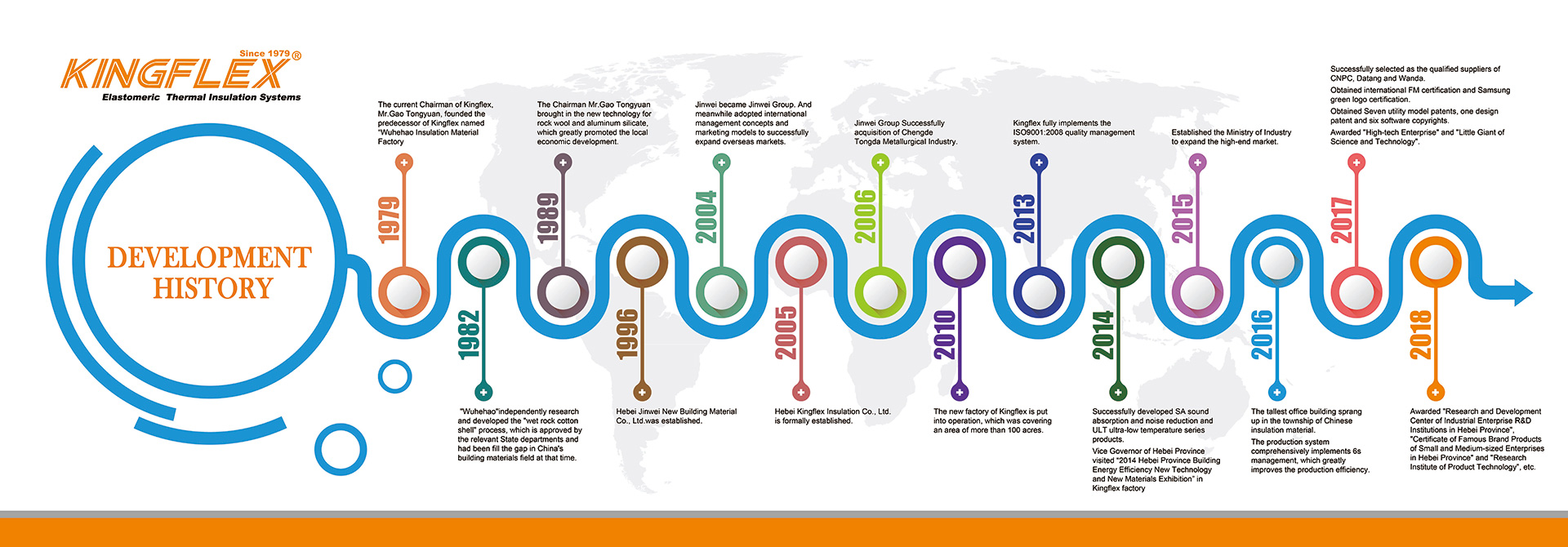
Kingflex is established by the Jinwei Group, which possesses more than 40 years of history. Established in 1979, Jinwei Group was the pioneer manufacturer of thermal insulation materials north of the Yangtze River, paving the way for thermal efficiency innovations.
Our staff members drive the quality of our service. The Kingflex team is a closely-knit group of experienced experts aligned with the vision of offering high-level support to global builders. Kingflex maintains 8 professional engineers in our R&D department, 6 international sales specialists, and 230 production personnel.

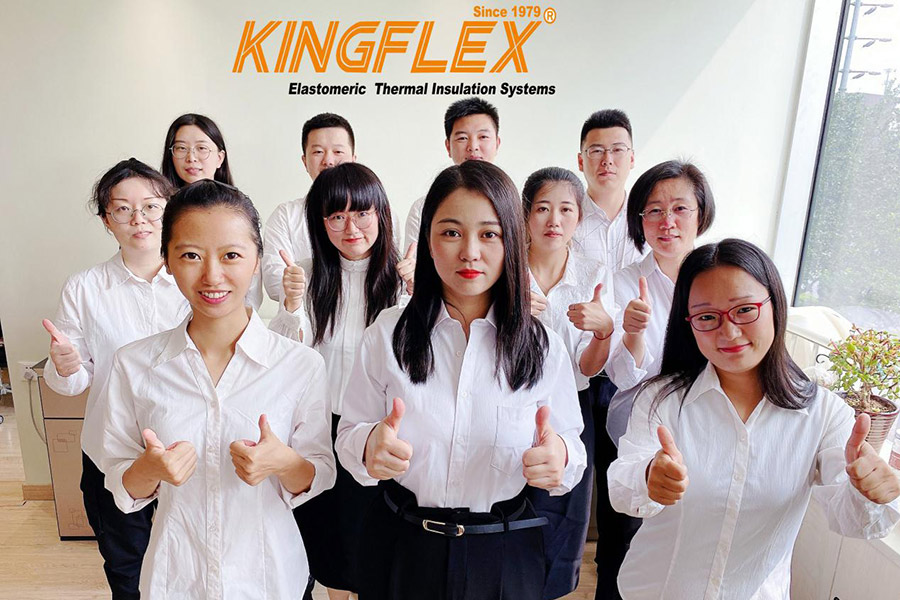
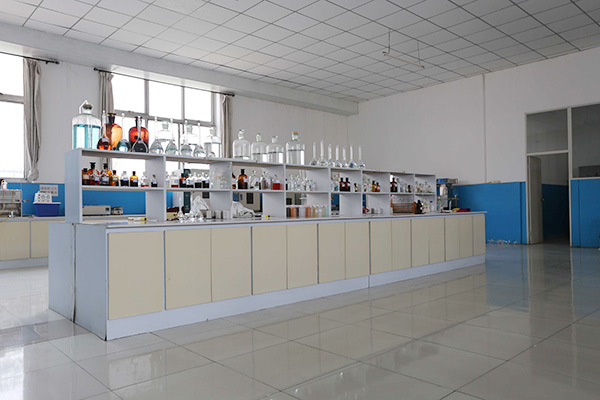

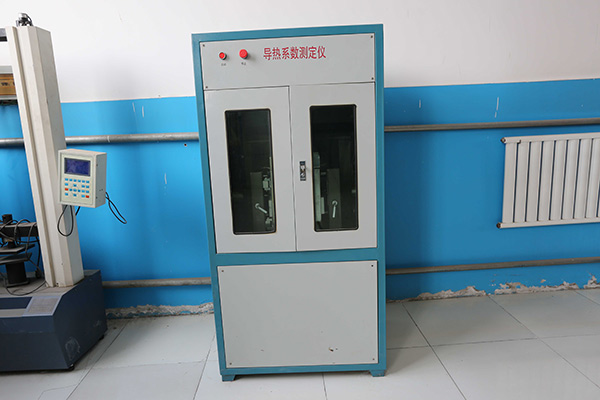
Production Capacity & Global Distribution: Kingflex runs 5 large automatic assembly lines, delivering an annual production capacity exceeding 600,000 cubic meters. We have served as a designated supplier for chemical, energy, and electric power sectors, exporting our structural insulation products to over 66 countries over the past 16 years.
Expert answers addressing regulatory, chemical, physical, and logistical aspects of importing structural insulation to France.
Explore some of our structural insulation installations, testing credentials, and project references.


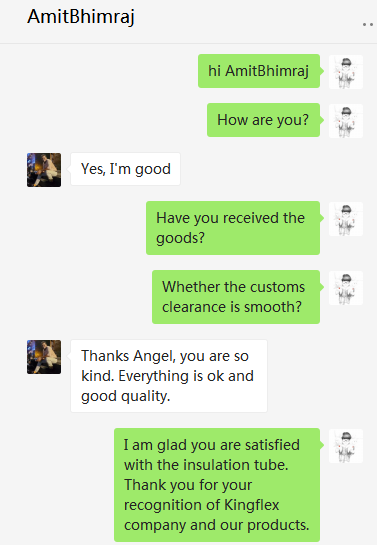

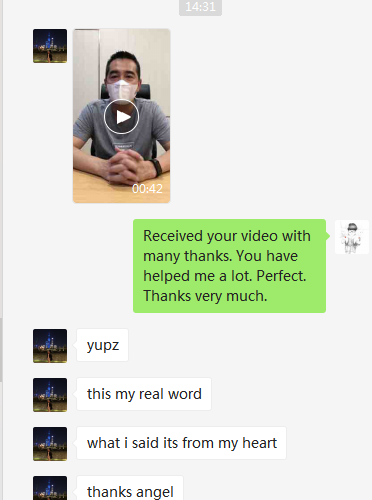
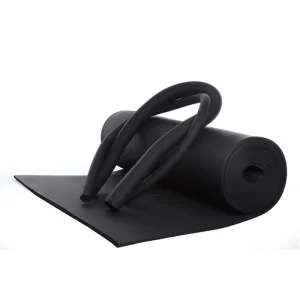
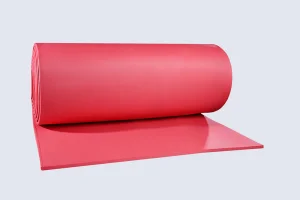
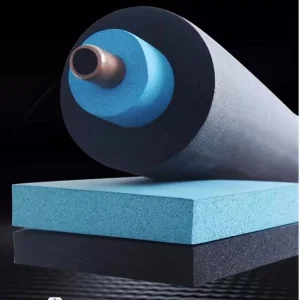
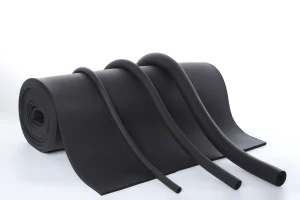
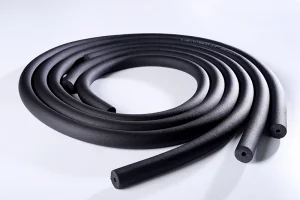
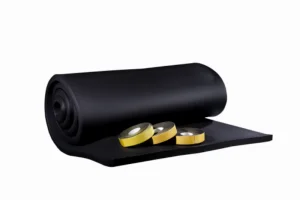
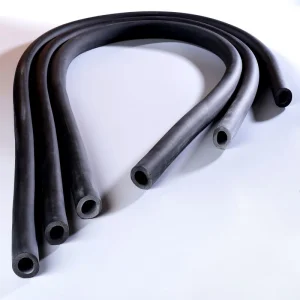
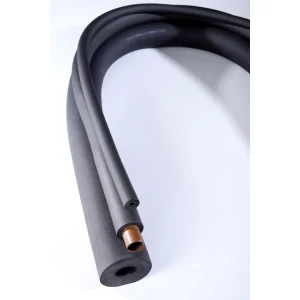
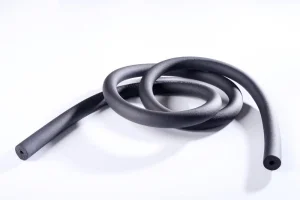
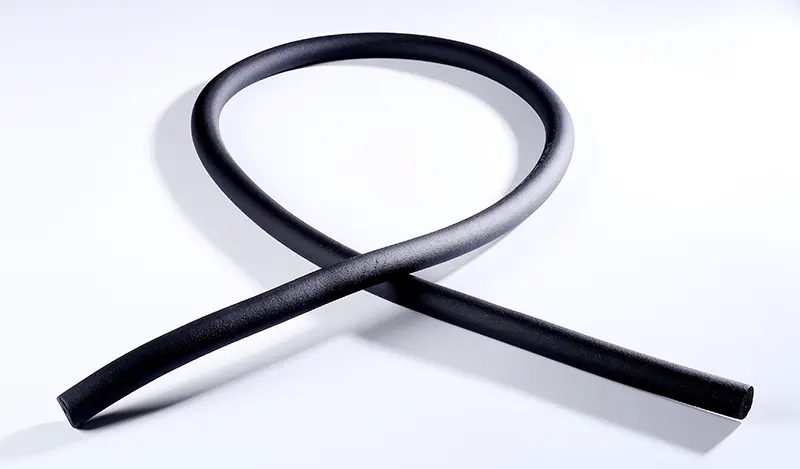
Typical Dimensions: Material: NBR/PVC | Thickness: 6mm-50mm | Density: 40-55kg/m³ | Service Temperature Range: -40℃ to 105℃.
Primary Advantages:
Common Applications in France:
Our production lines are audited against international standards to ensure reliability and safety.
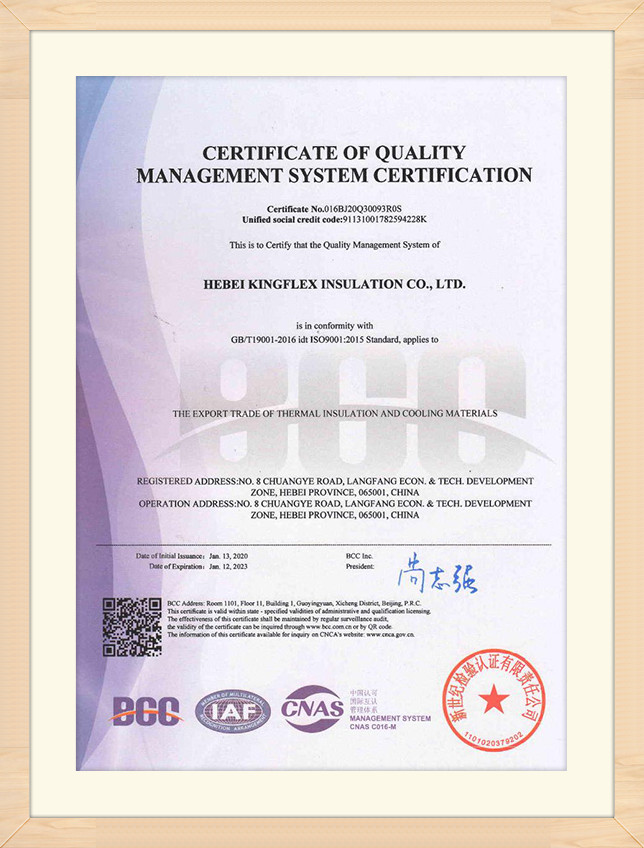


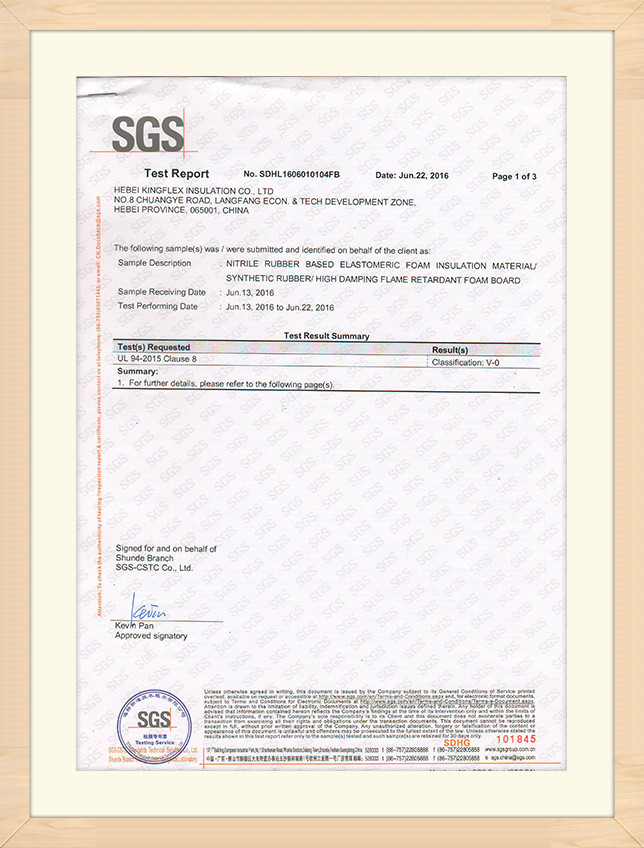
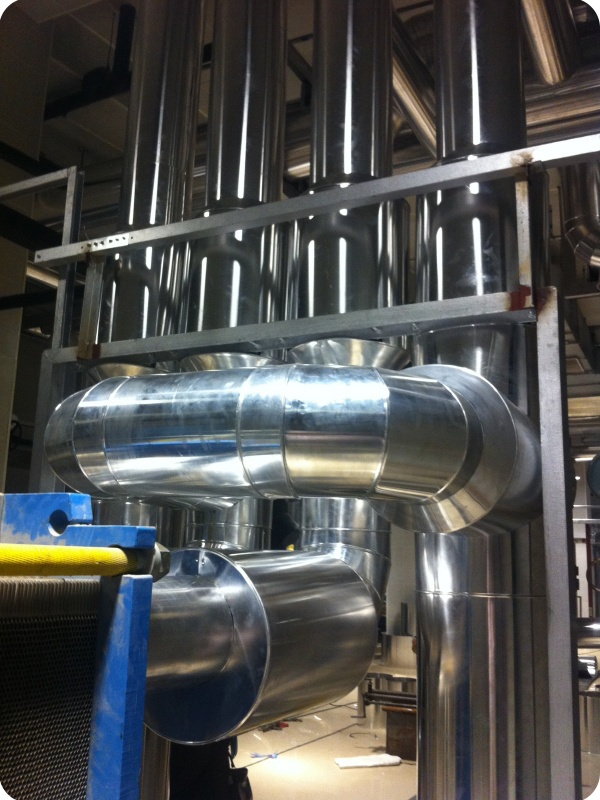
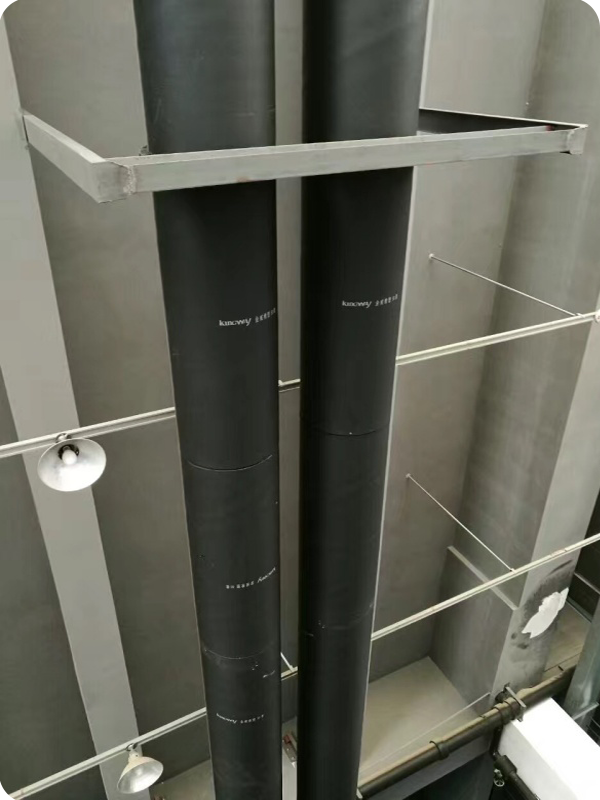
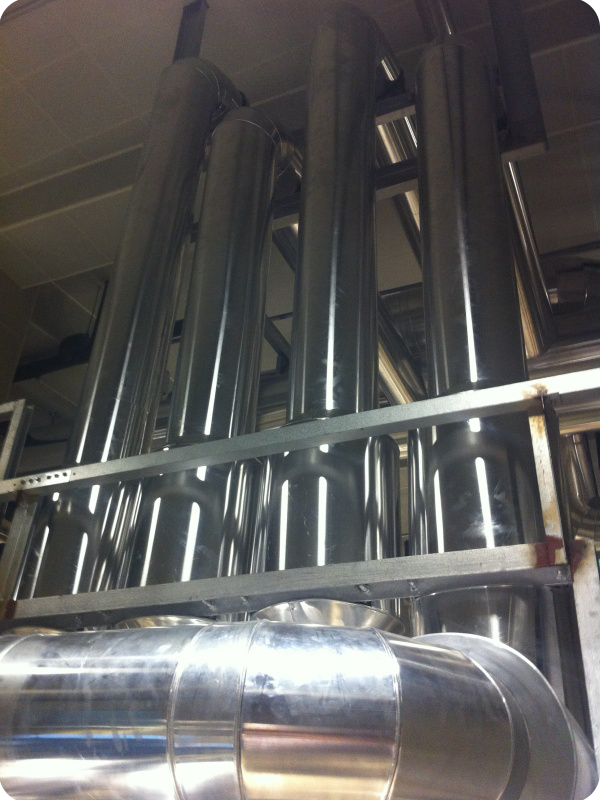
Photos from warehouse installations, HVAC piping projects, and acoustic partition work.

A comprehensive selection of thermal, cryogenic, and sound insulation materials built for industrial and residential specifications.
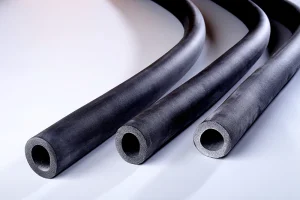
Including flexible elastomeric systems, corrosion-resistant tube lines, and structural rock wool options.
Consult with our structural engineering and sales specialists to receive a customized pricing structure, verified testing certificates, and flexible logistics packages.
Send Inquiry Now Kingflex