 Kingflex
1 / 1




| Dimension Specifications | |||||||
|---|---|---|---|---|---|---|---|
| Thickness | Width 1m | Width 1.2m | Width 1.5m | ||||
| Inches | mm | Size(L*W) | ㎡/Roll | Size(L*W) | ㎡/Roll | Size(L*W) | ㎡/Roll |
| 1/4" | 6 | 30 × 1 | 30 | 30 × 1.2 | 36 | 30 × 1.5 | 45 |
| 3/8" | 10 | 20 × 1 | 20 | 20 × 1.2 | 24 | 20 × 1.5 | 30 |
| 1/2" | 13 | 15 × 1 | 15 | 15 × 1.2 | 18 | 15 × 1.5 | 22.5 |
| 3/4" | 19 | 10 × 1 | 10 | 10 × 1.2 | 12 | 10 × 1.5 | 15 |
| 1" | 25 | 8 × 1 | 8 | 8 × 1.2 | 9.6 | 8 × 1.5 | 12 |
| 1 1/4" | 32 | 6 × 1 | 6 | 6 × 1.2 | 7.2 | 6 × 1.5 | 9 |
| 1 1/2" | 40 | 5 × 1 | 5 | 5 × 1.2 | 6 | 5 × 1.5 | 7.5 |
| 2" | 50 | 4 × 1 | 4 | 4 × 1.2 | 4.8 | 4 × 1.5 | 6 |
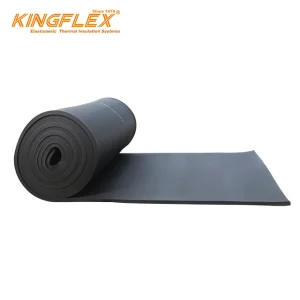
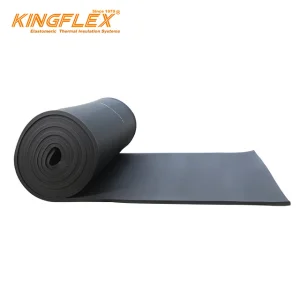
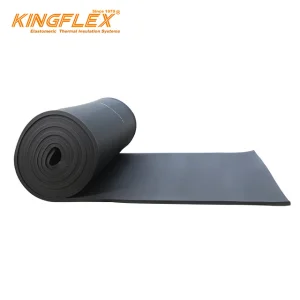
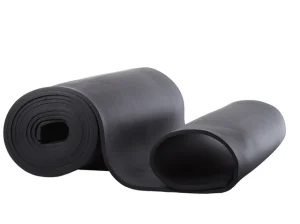
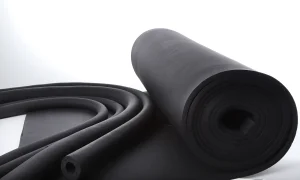
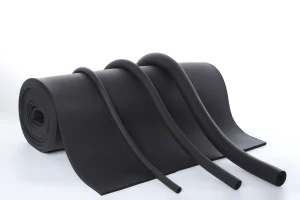
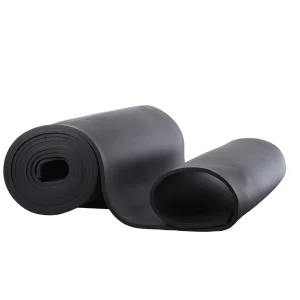
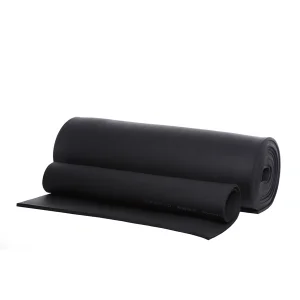
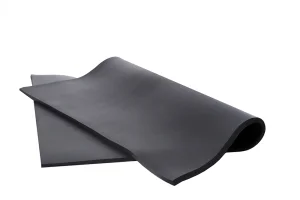
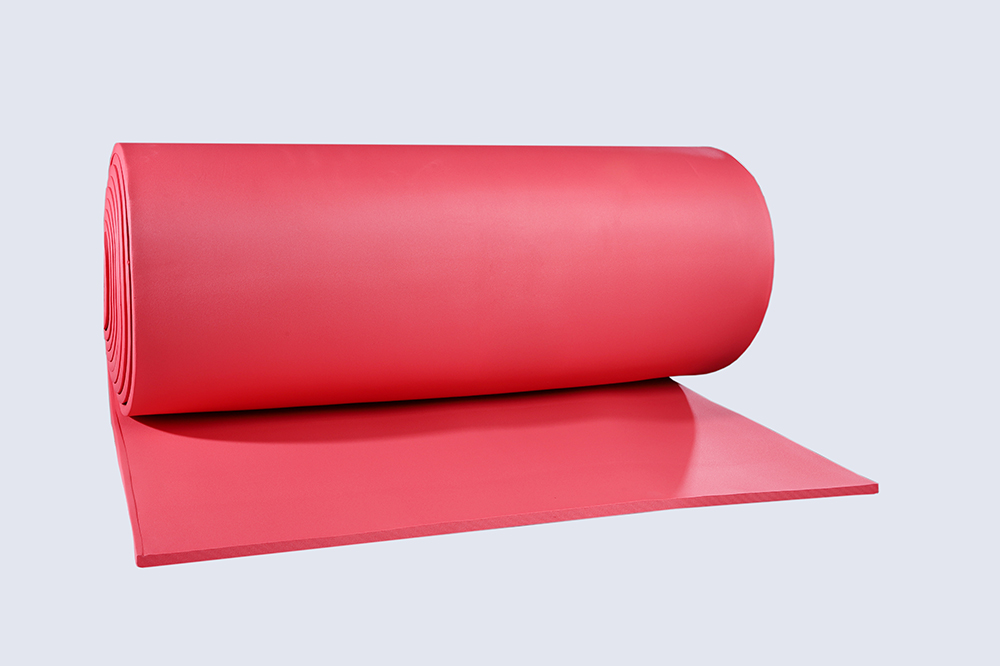
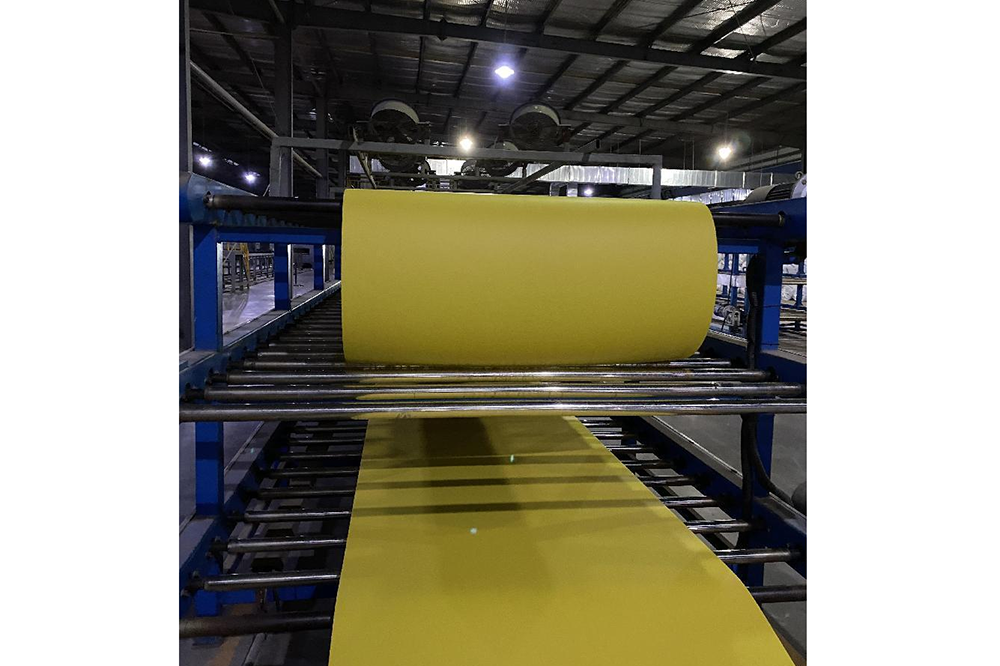
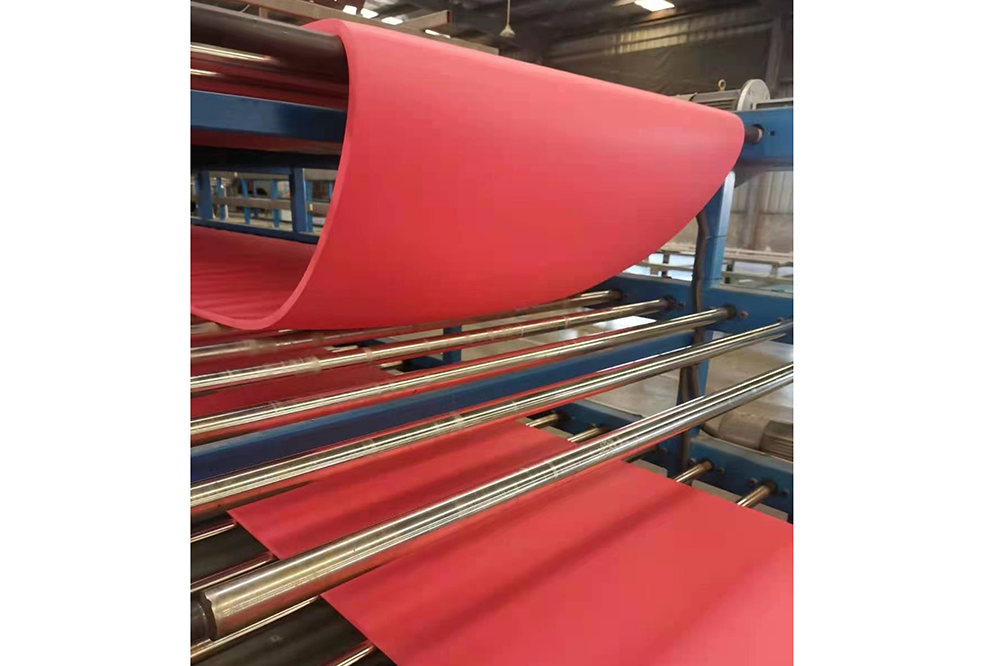
Colored rubber foam sheet has several features:
| Technical Data | |||
|---|---|---|---|
| Property | Unit | Value | Test Method |
| Temperature range | °C | (-50 - 110) | GB/T 17794-1999 |
| Density range | Kg/m3 | 45-65Kg/m3 | ASTM D1667 |
| Water vapor permeability | Kg/(m.s.pa) | ≤0.91×10 ﹣¹³ | DIN 52 615 / BS 4370 Part 2 1973 |
| μ | - | ≥10000 | - |
| Thermal Conductivity | W/(m.k) | ≤0.030 (-20°C) | ASTM C 518 |
| ≤0.032 (0°C) | |||
| ≤0.036 (40°C) | |||
| Fire Rating | - | Class 0 & Class 1 | BS 476 Part 6 part 7 |
| Flame Spread and Smoke Developed Index | - | 25/50 | ASTM E 84 |
| Oxygen Index | - | ≥36 | GB/T 2406,ISO4589 |
| Water Absorption, % by Volume | % | 20% | ASTM C 209 |
| Dimension Stability | - | ≤5 | ASTM C534 |
| Fungi resistance | - | Good | ASTM 21 |
| Ozone resistance | Good | GB/T 7762-1987 | |
| Resistance to U.V. and weather | Good | ASTM G23 | |

What are the main applications of colorful rubber foam sheets?
Colored rubber foam sheets are widely utilized for thermal insulation, protective cushioning, and padding. They are highly effective for insulating hot and cold water pipes to prevent energy loss and moisture condensation.
What temperature range can this rubber foam material withstand?
This material is engineered to operate efficiently within a temperature range of -50°C to 110°C, making it versatile for both cold and hot systems according to standard testing.
How does the closed-cell structure benefit insulation systems?
The closed-cell structure acts as a reliable barrier that prevents water vapor from penetrating the insulation. This reduces the risk of corrosion under insulation (CUI) and significantly extends the system's service life.
What is the fire rating and safety standard of this product?
The rubber foam sheet meets Class 0 and Class 1 fire ratings under BS 476 Part 6 & 7 testing. It also features a low flame spread and smoke development index (25/50 per ASTM E 84) and a high oxygen index (≥36).
Is this material resistant to environmental factors like U.V. and ozone?
Yes, technical evaluations show that the material exhibits good resistance to U.V. exposure, ozone degradation, weather aging, and fungal growth, ensuring reliable outdoor and indoor durability.
Why are the rubber foam sheets offered in different colors?
Apart from aesthetic value, the color coding helps easily distinguish and identify different piping networks, such as separating hot water pipes from cold water pipe systems.