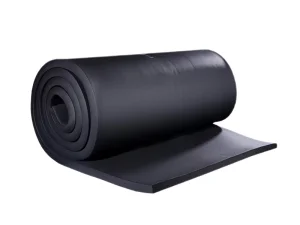
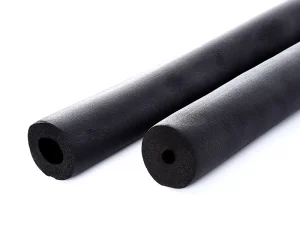
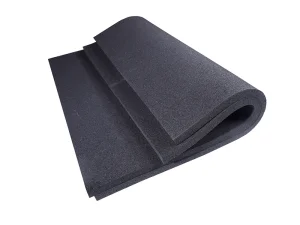
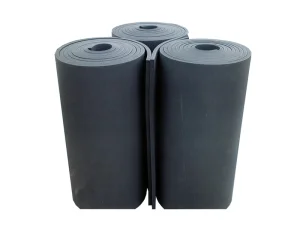
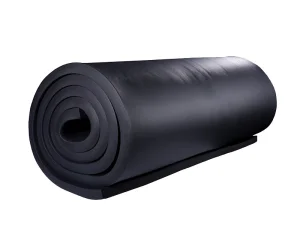
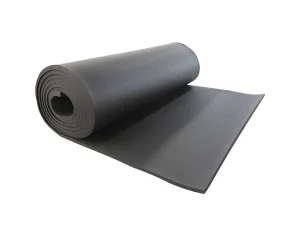
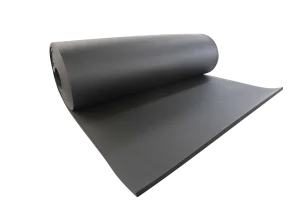
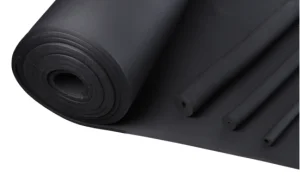
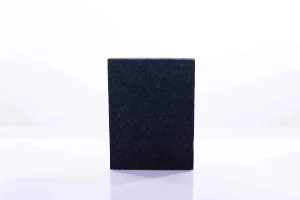
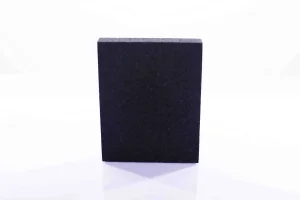
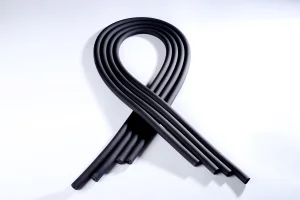
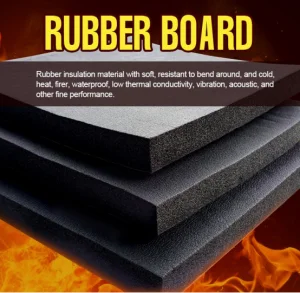
Engineered to deliver exceptional thermal performance, condensation prevention, and acoustic attenuation under the demanding Chicago weather conditions.
As a key industrial hub, Chicago experiences extreme seasonal shifts—from sub-zero winter temperatures to humid summer conditions. These fluctuations present unique challenges for HVAC systems, commercial piping, and building envelopes. Effective insulation requires materials with exceptional moisture-vapor control and consistent thermal resistance.
Standard materials often degrade when exposed to chronic condensation. Elastomeric NBR/PVC closed-cell foam insulation offers a reliable solution. By incorporating an integrated vapor barrier and maintaining a low thermal conductivity ($\lambda \le 0.034 \text{ W/m·K}$), it prevents condensation and protects systems from Corrosion Under Insulation (CUI) in industrial applications across Illinois.

Why modern engineering projects specify NBR/PVC over traditional mineral fibers.
The micro-cellular structure of elastomeric foam features a high density of closed cells (>98%), each containing trapped air that limits convective heat transfer. Unlike open-cell products or fibrous materials such as glass wool or rock wool, Kingflex elastomeric foam does not require an additional vapor barrier jacket. The material itself provides high resistance to water vapor transmission ($\mu \ge 10,000$), ensuring the thermal core remains dry and functional throughout its service life.
For commercial projects in the Chicago loop area, fire safety compliance is a critical requirement. Our NBR/PVC formulation is manufactured with specialized flame retardants, enabling it to meet standard fire protection criteria, including BS 476 Part 7 (Class 1) and ASTM E84 compliance (25/50 flame spread/smoke developed index). This performance profile is essential for modern ventilation shafts, hospital cleanrooms, and municipal high-rises.
| Physical Property | Standard Metric | Performance Value |
|---|---|---|
| Thermal Conductivity ($\lambda$) | ASTM C518 (at 0°C) | ≤ 0.034 W/(m·K) |
| Water Vapor Permeability | ASTM E96 | ≤ 1.96 × 10⁻¹¹ g/(Pa·s·m) |
| Fire Performance Rating | BS 476 Part 6 & 7 | Class 0 / Class 1 |
| Density Range | ASTM D1622 | 40 - 55 kg/m³ |
| Temperature Range limit | ASTM C411 | -40°C to +105°C |
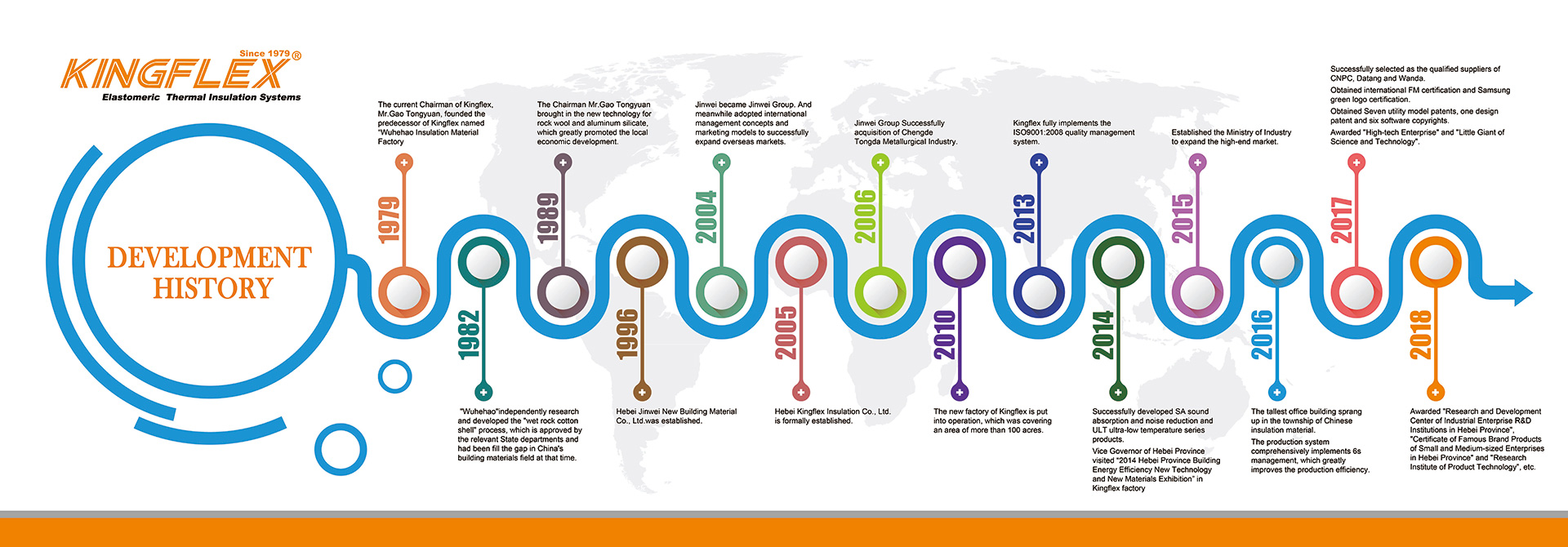
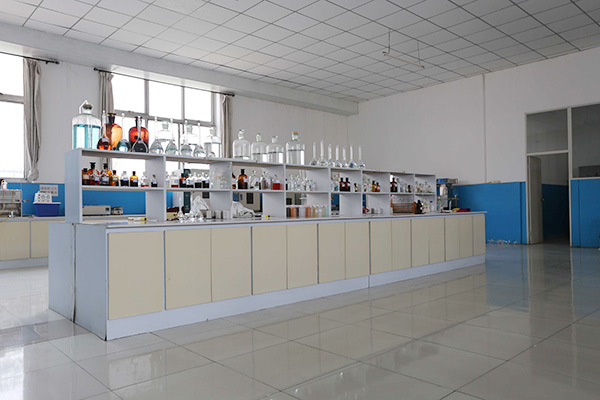
Kingflex Insulation Co., Ltd. is a dedicated manufacturing and trading group specializing in energy-saving thermal insulation materials. Our research, development, and primary production facilities are situated in Dacheng, China—a hub for advanced green-building material production.
Established by the Jinwei Group, which has been active in the insulation industry since 1979, Kingflex carries forward a 40-year legacy of manufacturing experience. We operate five automated assembly lines, yielding an annual capacity of over 600,000 cubic meters of high-density elastomeric products.
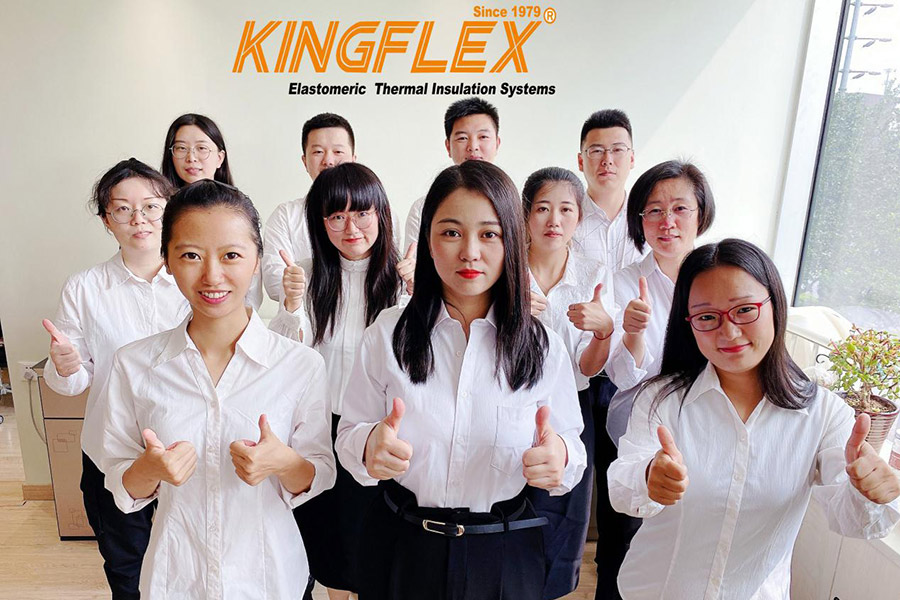
Our facility serves as a designated supplier for major regional ministries and international builders. With a team of 8 dedicated R&D engineers, 6 international logistics coordinators, and 230 technicians, we export high-grade insulation to more than 66 countries, ensuring full traceability from the raw material phase to final job site delivery.
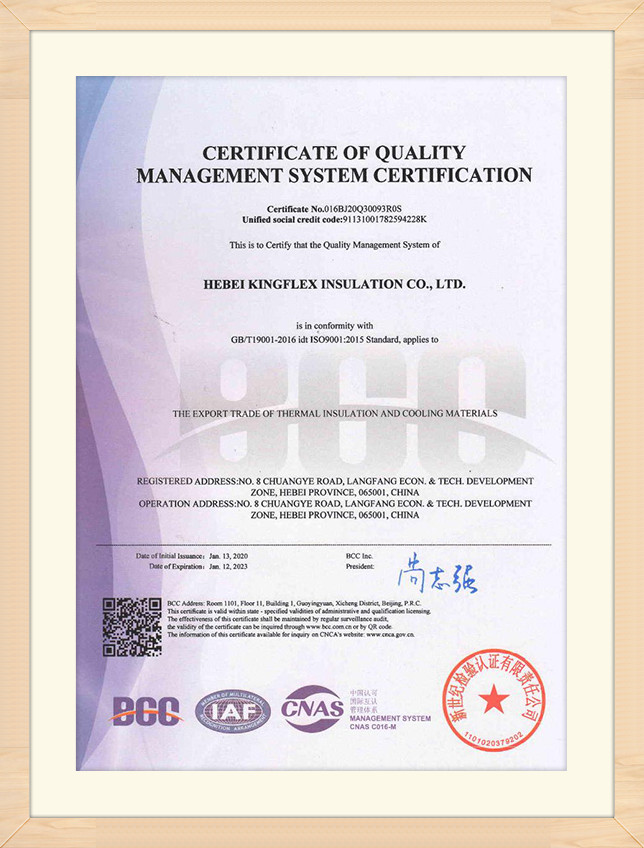
Third-party certified for high-risk applications in residential, municipal, and industrial plants.


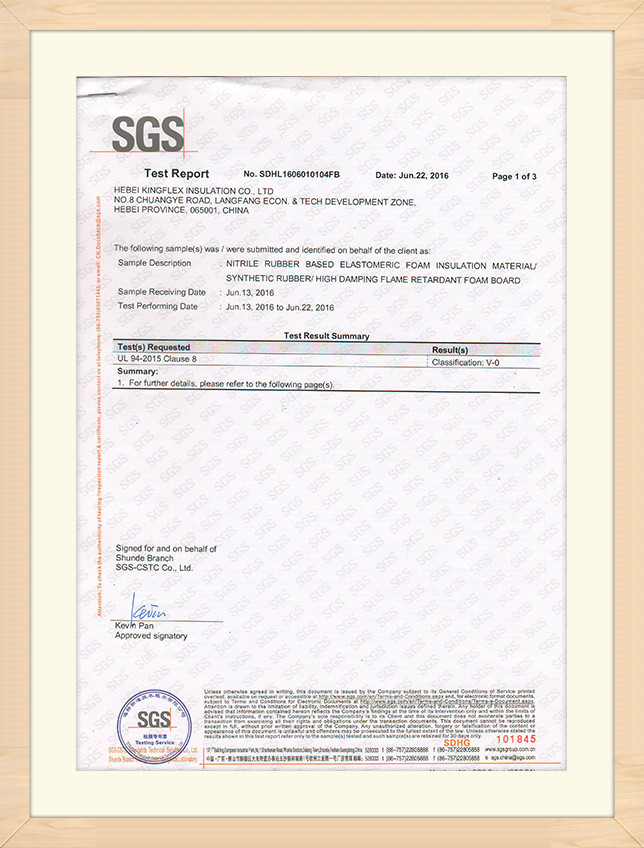
Different systems demand distinct insulation densities and dimensions. We customize wall thicknesses (ranging from 6mm up to 50mm) and sheet rolls with high-tack self-adhesive backing or protective aluminum cladding. This customization supports applications in cold-temperature logistics, cryogenic piping systems, and mechanical rooms exposed to harsh outdoor elements in the Chicago metro area.
Leveraging our production hubs in China allows us to optimize material costs, while our distribution partners in Chicago maintain local inventory. This configuration supports immediate deployment on major municipal and commercial building jobs, providing a balanced cost-to-performance ratio for procurement teams in Cook County.
Proven installations in high-rise mechanical rooms, chilled water plants, and district energy loops.

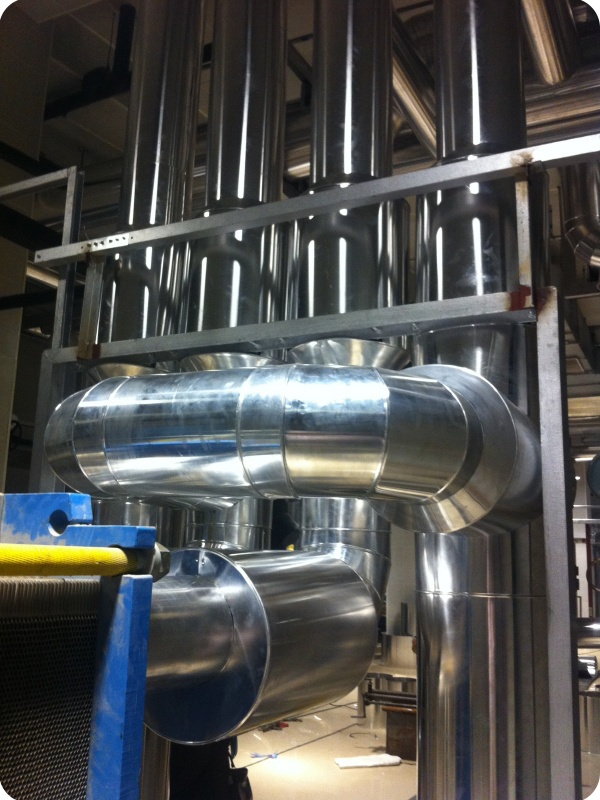
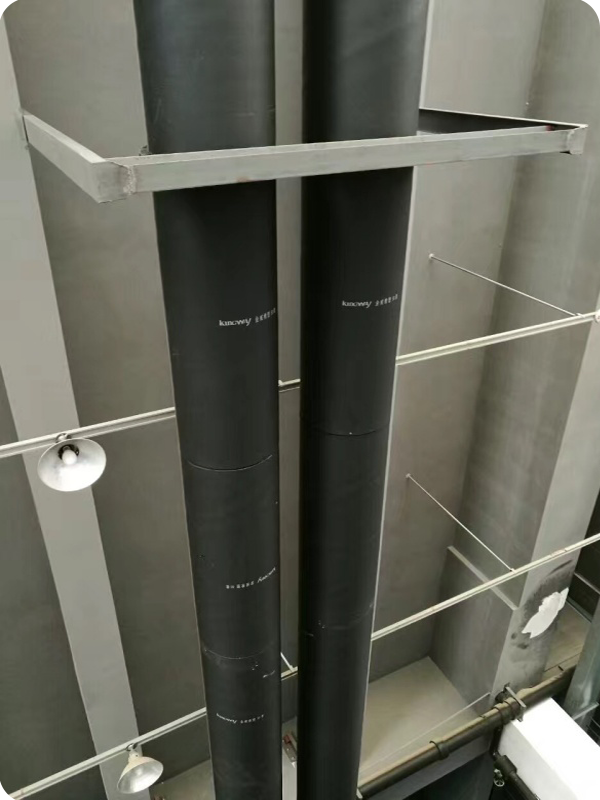
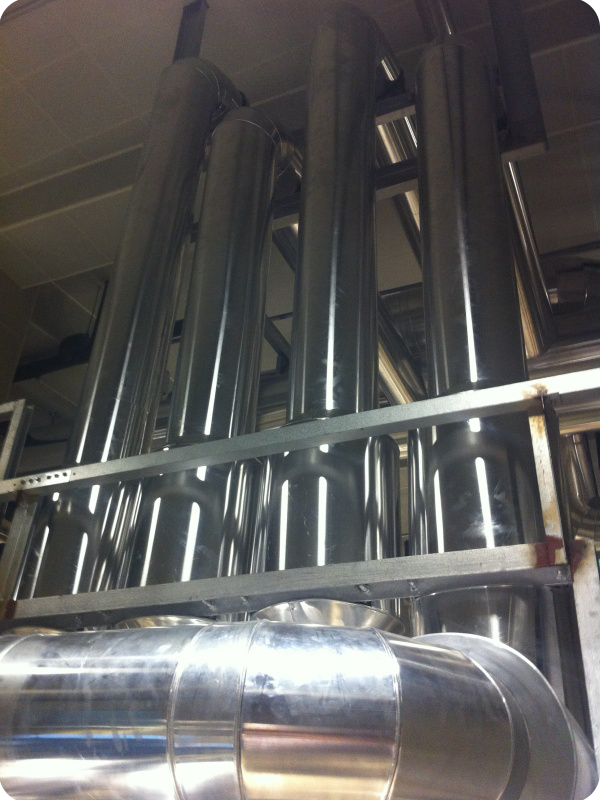
Material formulation based on premium NBR/PVC blend. Designed to accommodate standard sheet metal ducting and large diameter pipelines.
Engineered for direct installation on copper, steel, and multi-layer composite piping systems. Minimizes thermal bridging.
Deep-dive analysis of building codes, materials, and specification decisions.
Select your required configuration. Connect with our engineering department for bulk pricing, container logistics, and thermal analysis reports.
Need custom pricing, bulk orders, or specific technical assistance for Chicago HVAC code compliance?
Send Inquiry Now Kingflex