Premium architectural and mechanical grade acoustic elastomer insulations engineered to meet SFS standards.
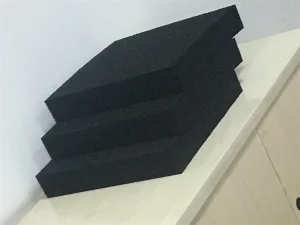
Specially formulated open-cell elastomer structure designed for low-frequency sound dampening and high-efficiency thermal lining in sub-zero climates.
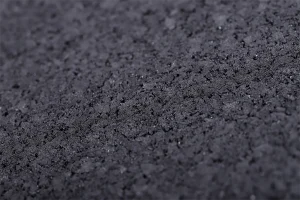
Engineered elastomeric compound providing dual function thermal control and maximum sound coefficient mitigation for municipal facilities.
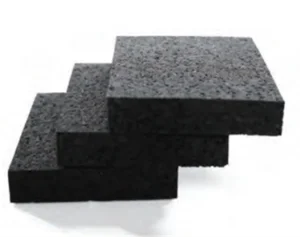
Resilient hybrid polymers engineered for structure-borne vibration isolation and industrial sound shielding under rigorous operation conditions.
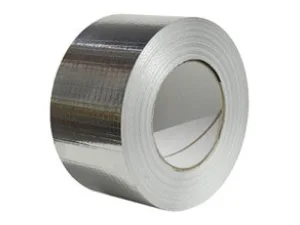
Reinforced foil backing with high-shear adhesive systems, guaranteeing long-term vapour barriers and joint sealing integrity.
A Comprehensive Guide to Decarbonized Building Practices, Thermal Integration, and Supply Chain Security in Finland's Soundproofing Market.
Finland's unique climatic framework poses severe challenges to civil and industrial design teams. With winters reaching sustained sub-zero temperatures, commercial projects demand robust mechanical systems (HVAC, district heating distribution, geothermal integration) operating at maximum capability. The physical laws of low-temperature thermodynamics dictate that mechanical equipment requires comprehensive thermal shielding to prevent heat dissipation and freezing hazards. However, an often-overlooked consequence of high-velocity airflow in commercial air handling systems and liquid movement in hydronic pipelines is structural noise transmission and airborn sound levels.
Architectural and construction projects in Finland are strictly regulated by the Finnish National Building Code (Ympäristöministeriön asetus rakennuksen ääniympäristöstä), which mandates low sound pressure levels within residential complexes, hospitals, and educational classrooms. A simple thermal insulation sleeve will not prevent the transmission of low-frequency rumble and structural vibration from heavy pump operations, compressor cycles, and fan operations. Thus, engineers must choose multifunctional acoustic insulation solutions. By integrating open-cell rubber foam structures, projects satisfy thermal requirements (low thermal conductivity, $\lambda \le 0.034\text{ W}/(\text{m}\cdot\text{K})$) and mechanical sound absorption standards simultaneously.
Building installations must comply with strict acoustic parameters. Class A and Class B acoustic performance ratings under standard SFS 5907 require dedicated vibration damping and airborne noise reduction. Specifying open-cell elastomeric panels with high noise reduction coefficients (NRC) prevents structural vibration transfer into the wooden frame architecture common in Finland's sustainable building sector.
Traditionally, thermal insulation and soundproofing were viewed as separate systems. Closed-cell rubber foam was specified for condensation prevention and cold preservation, while fiberglass, rock wool, or polyurethane foams were deployed for sound absorption. However, modern space constraints in building shafts, underground parking structures, and complex marine machinery spaces in Finnish shipyards do not allow for thick, multi-layered dual systems. The industry has shifted toward single-layer high-performance materials.
Our open-cell engineered elastomeric rubber represents a technological breakthrough in this space. By controlling the formulation and expansion process of the nitrile-butadiene rubber/polyvinyl chloride (NBR/PVC) matrix, we achieve an interconnecting cell structure. This path dampens acoustic waves via internal friction, while the cell borders maintain trapped air zones that limit thermal energy transfer. The result is a sound-absorbing board that does not suffer from the moisture absorption flaws of traditional open-cell foams.
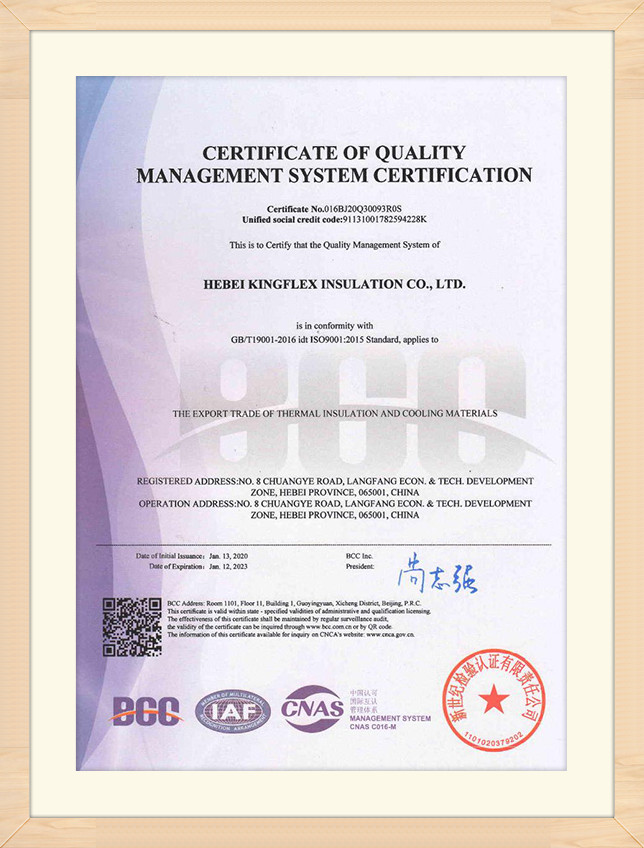
Global procurement directors sourcing sound absorption systems face complex compliance processes when delivering materials to Northern Europe. The EU regulatory landscape demands strict compliance. Products must bear the CE mark, proving third-party verified properties under European standard EN 14304 (Factory-made flexible elastomeric foam products). Environmental directives such as REACH (Registration, Evaluation, Authorisation and Restriction of Chemicals) and RoHS (Restriction of Hazardous Substances) mean that chemical compounds like halogenated flame retardants and heavy metals must be avoided or strictly controlled.
Additionally, fire safety compliance is a critical requirement in the commercial building sector. Under Euroclass standards (EN 13501-1), insulation materials are classified on their reaction to fire, smoke development, and flaming droplets. Our products are tested to meet Class B-s3, d0 parameters, ensuring they do not fuel fires or release high volumes of toxic smoke. This is particularly vital in closed subterranean configurations such as metro stations, deep bedrock tunnels, and marine vessel engine rooms.
Faced with shipping cost volatility, energy price fluctuations, and strict delivery timelines in the Baltic region, procurement divisions require deep supply chain stability. Kingflex Insulation Co., Ltd. addresses these requirements by deploying Factory 4.0 automation systems within our production departments. Operating 5 high-speed automatic assembly lines with a capacity exceeding 600,000 cubic meters annually, we ensure constant inventory availability, stable cellular structure formation, and fast production lead times.
Our manufacturing processes rely on digital recipe management and temperature-controlled foaming tunnels. This ensures that every production run achieves uniform density and cell size distribution, directly translating to stable mechanical insulation properties. Located in China's green-building material production zone in Dacheng, we leverage localized raw material access and efficient logistics channels to ship directly to European ports like Helsinki, Kotka, and Turku.
Formed within the Jinwei Group, which possesses over 40 years of industrial experience dating back to 1979, Kingflex is a pioneer in the thermal insulation industry. This heritage provides our engineers with the depth of knowledge required to design custom chemical formulations and provide technical support to overseas project sites.

Our localized solutions target Finland's key industrial sectors:
Marine & Offshore (Shipyards): Turku is a center for constructing advanced cruise liners. Soundproofing inside engine rooms, crew cabins, and ventilation lines is crucial for passenger comfort and SOLAS compliance. Our elastomeric cryogenic and thermal products deliver lightweight sound dampening and high fire performance.
Pulp, Paper & Biorefineries: Heavy industrial processing plants generate significant mechanical noise. Applying high-density acoustic insulation rolls directly onto processing pipelines and steam conduits protects staff hearing and reduces general plant noise emissions.
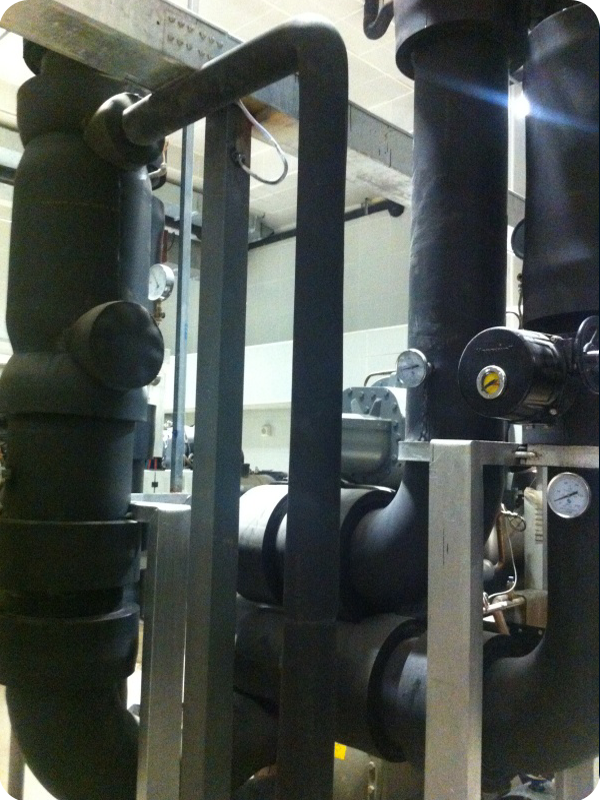
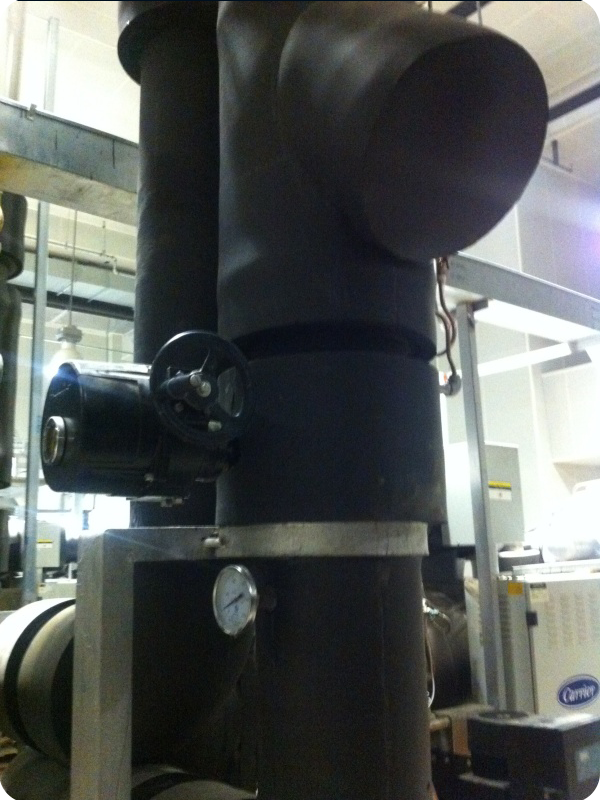
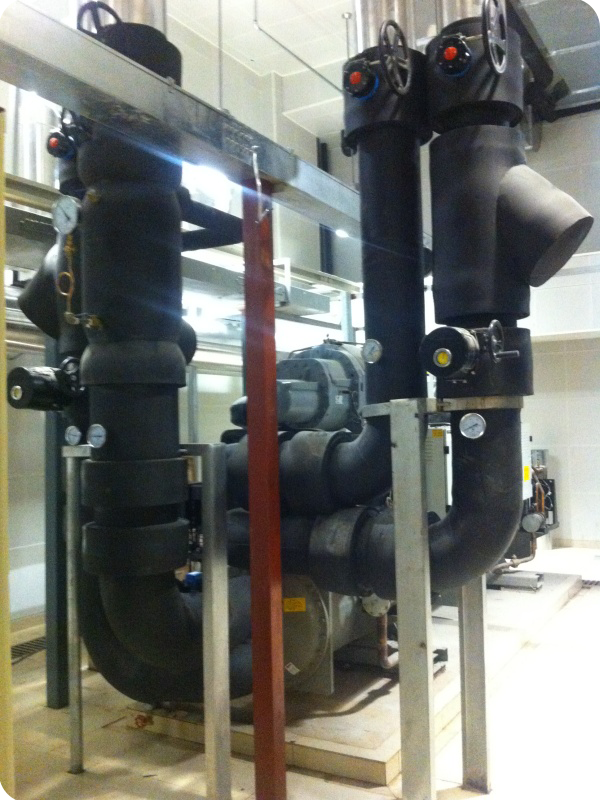
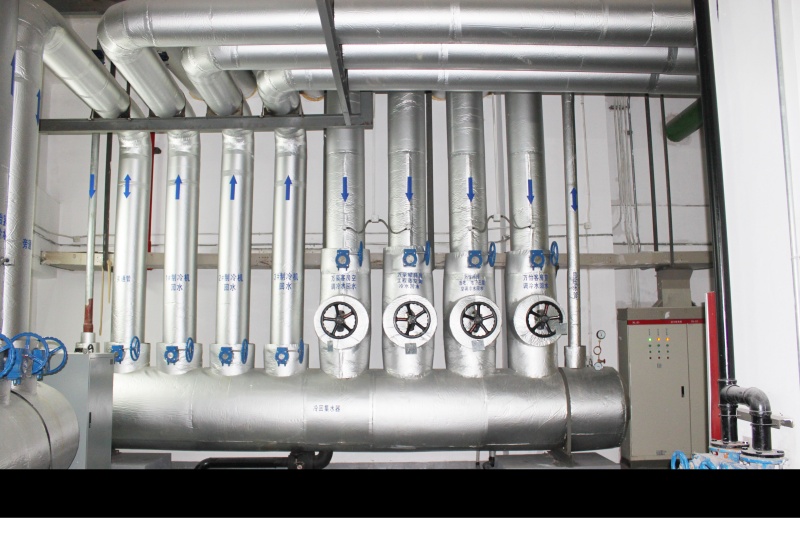
Sub-zero HVAC Systems: In cities like Helsinki, Tampere, and Oulu, district heating systems and mechanical heat recovery ventilation operate continuously. Our self-adhesive rubber insulation rolls and pre-formed tubes prevent condensation and thermal bridging while controlling air velocity noise.
Engineered values for professional HVAC design, thermodynamic modeling, and acoustic planning.
| Performance Characteristic | NBR/PVC Elastomeric Foam Value | Test Standard Compliance |
|---|---|---|
| Density | 40 - 55 kg/m³ | GB/T 6343 / ASTM D1622 |
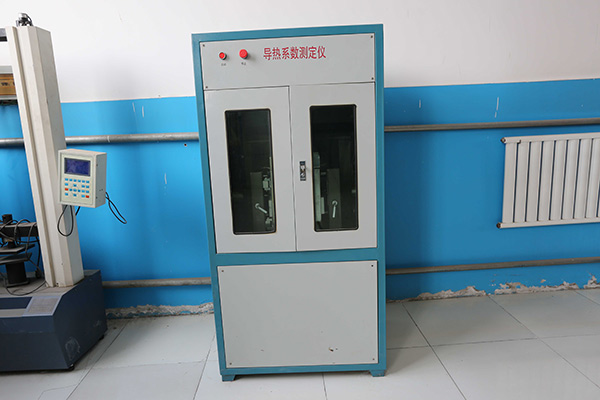
| Thermal Conductivity ($\lambda$) | $\le 0.034 \text{ W}/(\text{m}\cdot\text{K})$ at 0°C | GB/T 10294 / ASTM C518 |
| Water Vapor Permeability Resistance ($\mu$) | $\ge 10,000$ (Closed-cell core) | GB/T 17146 / ASTM E96 |
| Sound Absorption Coefficient (NRC) | 0.65 - 0.85 (Open-cell structured panels) | ISO 354 / ASTM C423 |
| Operating Temperature Limits | -40°C to +105°C | EN 14706 / ASTM C411 |
| Fire Performance Rating | Class 0 & Class 1 / Euroclass B-s3, d0 | BS 476 Part 6 & 7 / EN 13501-1 |
| Compression Resilience | > 80% recovery rate | ASTM D1667 |
A trusted global supplier of elastomeric and mineral fiber thermal and acoustic systems.
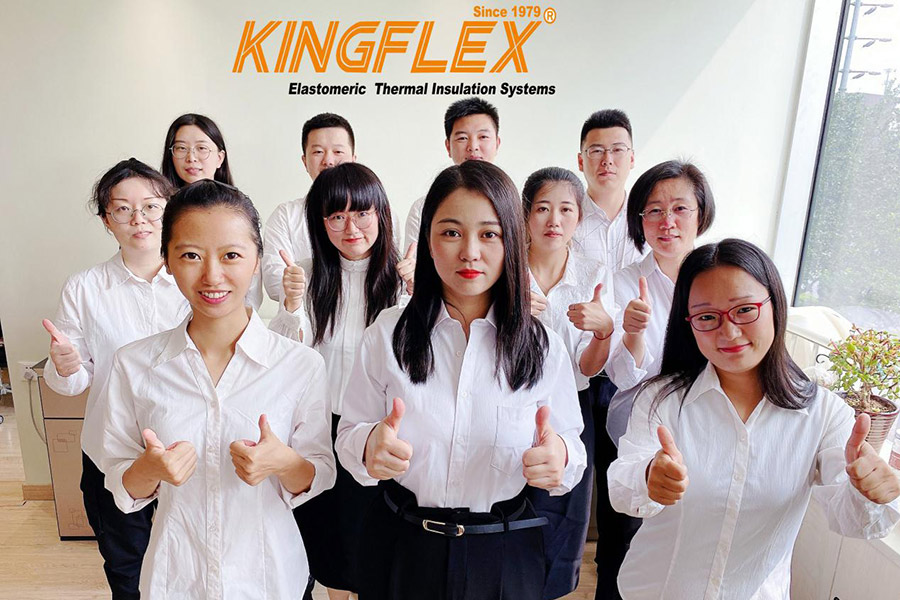
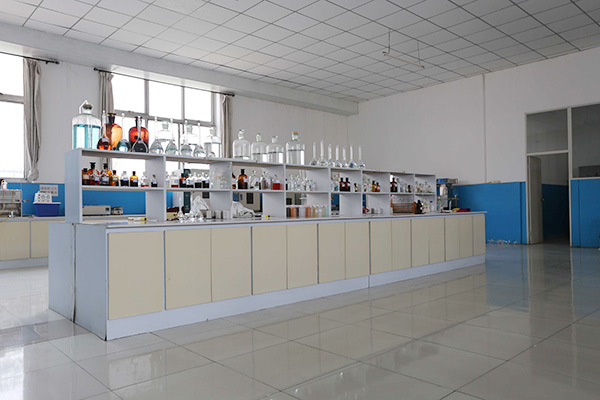
Kingflex Insulation operates on the principle that material innovation drives industrial efficiency. Our dedicated research and development department is staffed by eight expert material scientists and chemical engineers focused on acoustic structures, low-VOC adhesives, and cryogenic resistance formulations.
Our international sales division has years of logistics and certification experience, working alongside 230 manufacturing specialists to ensure prompt processing, strict testing, and safe loading of all exports.



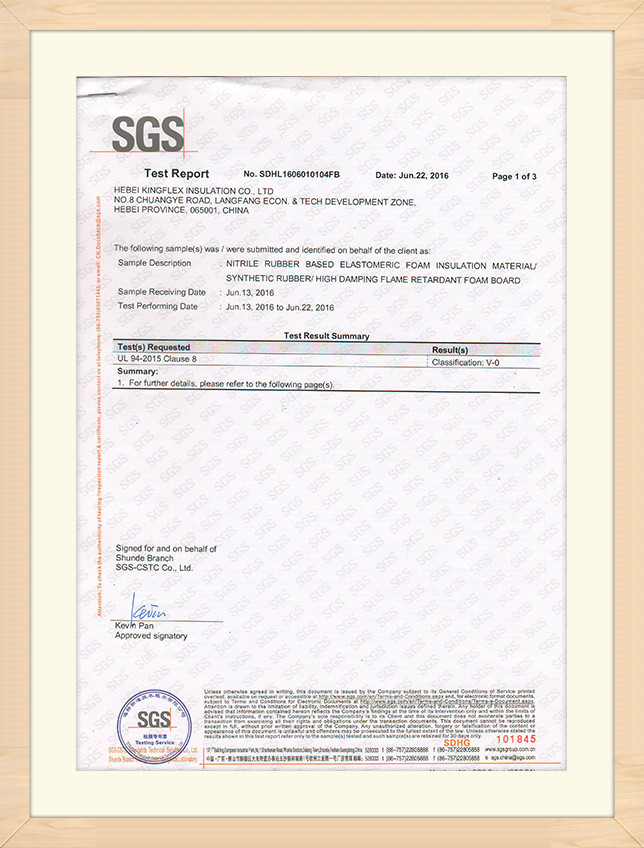
Explore our extensive inventory of elastomeric, cryogenic, and high-density acoustic insulation products.
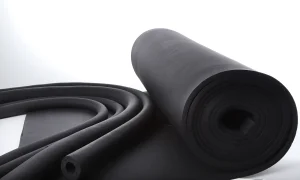
Flexible, closed-cell insulation sheets designed to prevent condensation and optimize energy efficiency in public sector structures.
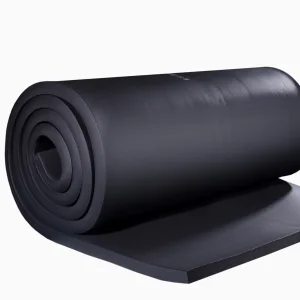
Advanced multi-layered elastomeric system designed for cold preservation of liquefied natural gas networks.
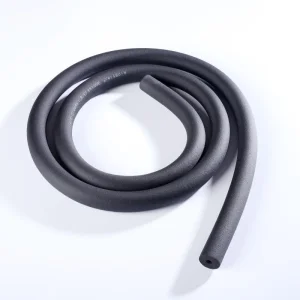
Versatile, thermal, and sound insulating foam solutions that meet strict building regulations for interior systems.
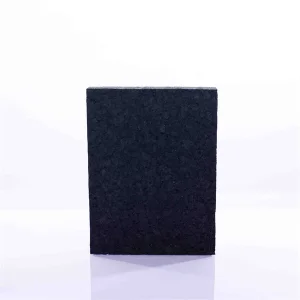
Engineered open-cell panels designed to absorb sound waves and control reverberation in public spaces.
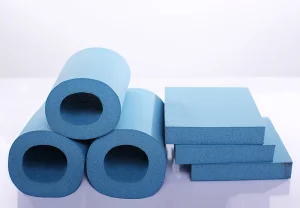
High-density elastomeric structure designed to withstand thermal shock and mechanical stress down to -200°C.
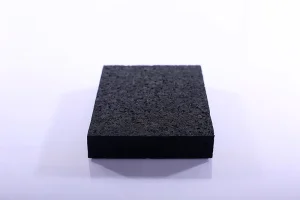
Architectural panels providing sound absorption and aesthetics for modern open-plan offices and municipal facilities.

Pre-applied adhesive backing reduces installation time while ensuring a strong bond on flat and curved metal ducting.
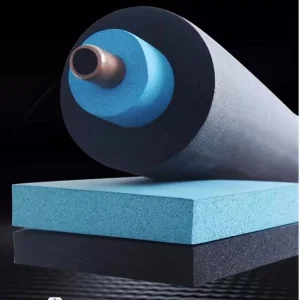
Resilient thermal and acoustic protection for cold media pipelines, preventing ice formation and corrosion under insulation.
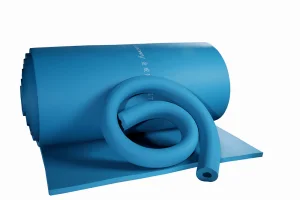
Highly stable formulation engineered for marine liquid gas carriers operating in Arctic conditions.
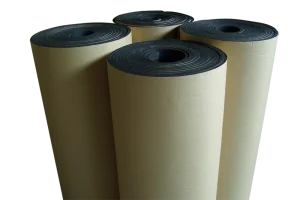
Fiber-free construction prevents dust release, making it ideal for pharmaceutical and semiconductor facilities.
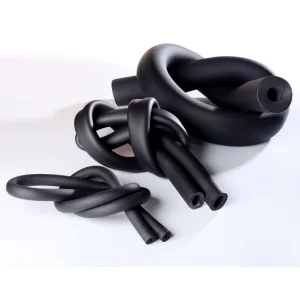
Pre-formed pipes designed to reduce thermal loss and piping noise in urban hot water circulation systems.
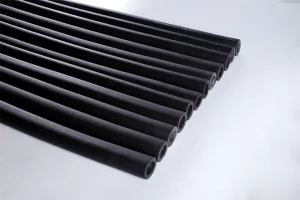
Extruded elastomeric piping sleeves designed to prevent freezing and condensation in cold climates.
Proven reliability across demanding infrastructure projects in the Baltic and globally.
Kingflex standard dimensions are engineered to match common international pipe sizing and duct designs. Manufactured from high-purity NBR/PVC compounds, these sheet rolls form an even cellular matrix. They offer low moisture absorption, long-term thermal conductivity stability, and excellent compression recovery (over 80%). This ensures the insulation retains its shape and performance under physical loading.
Ideal for central HVAC systems, walls, roofs, basement sound insulation, hotel plant rooms, and industrial processing conduits, our material provides reliable thermal and acoustic protection.

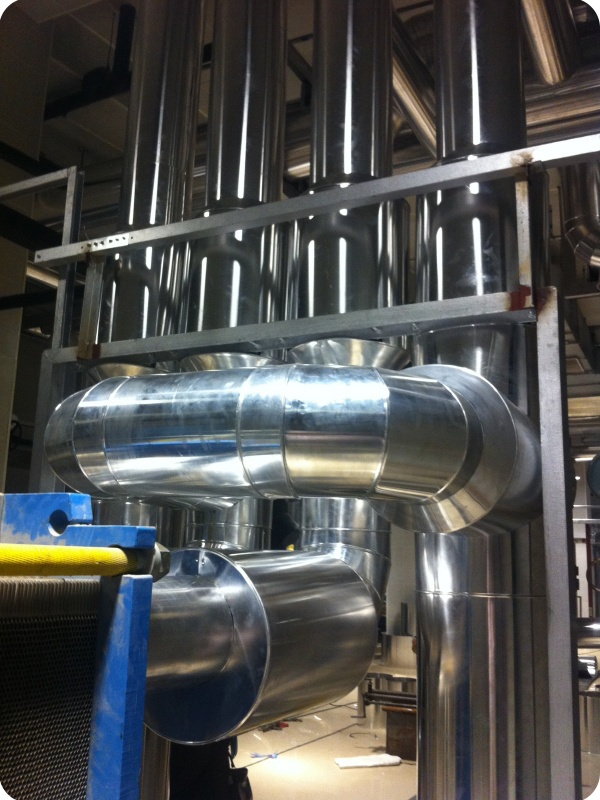
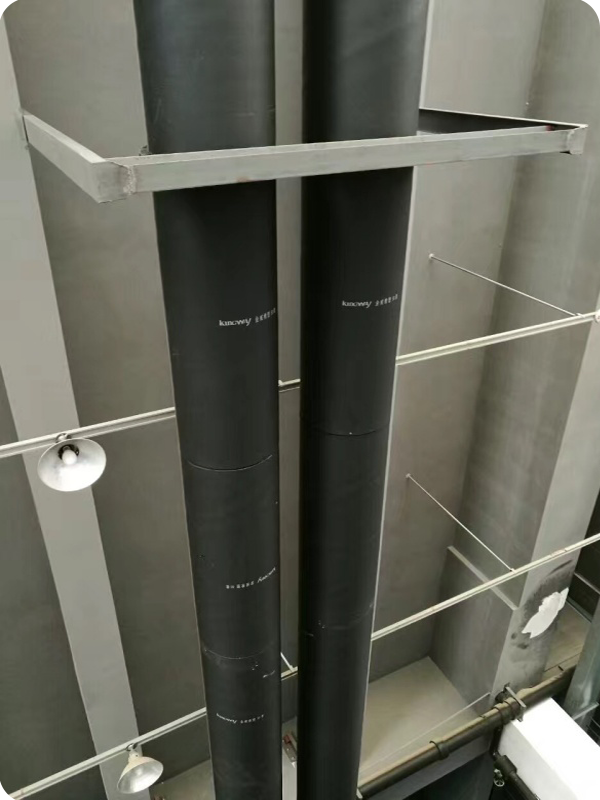
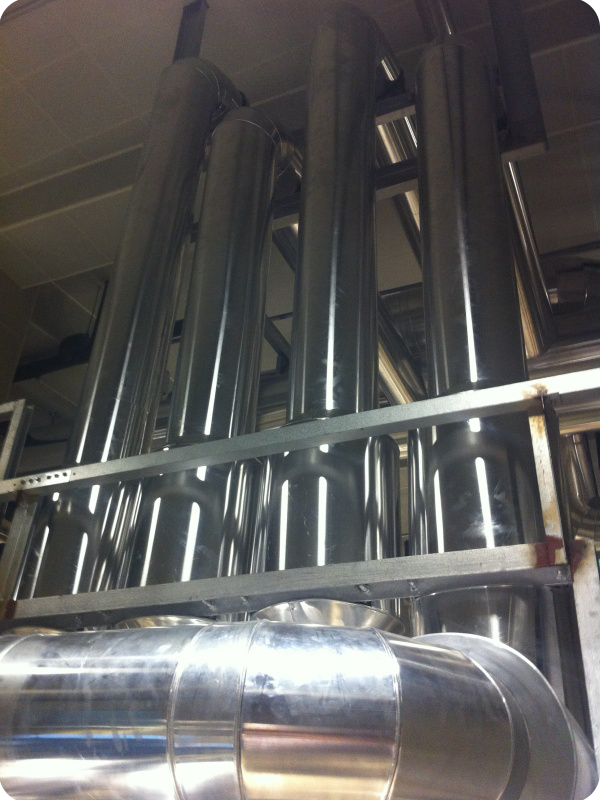
Our pre-formed rubber insulation pipes are designed for rapid installation on copper, steel, and plastic lines. Built with high moisture resistance ($\mu \ge 10,000$), they eliminate the need for additional vapor barriers in common HVAC setups.
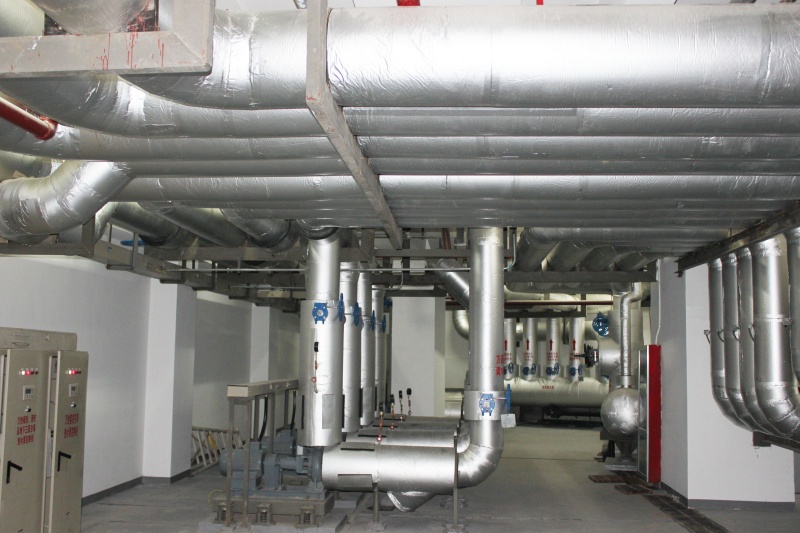
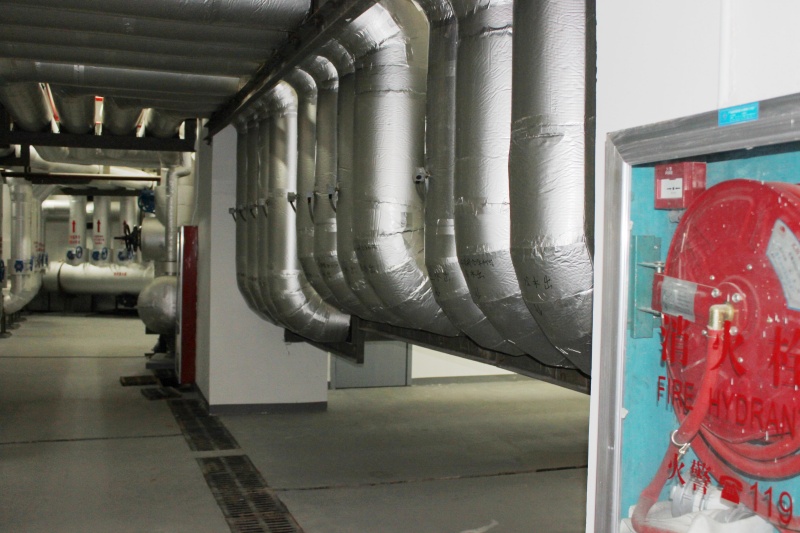
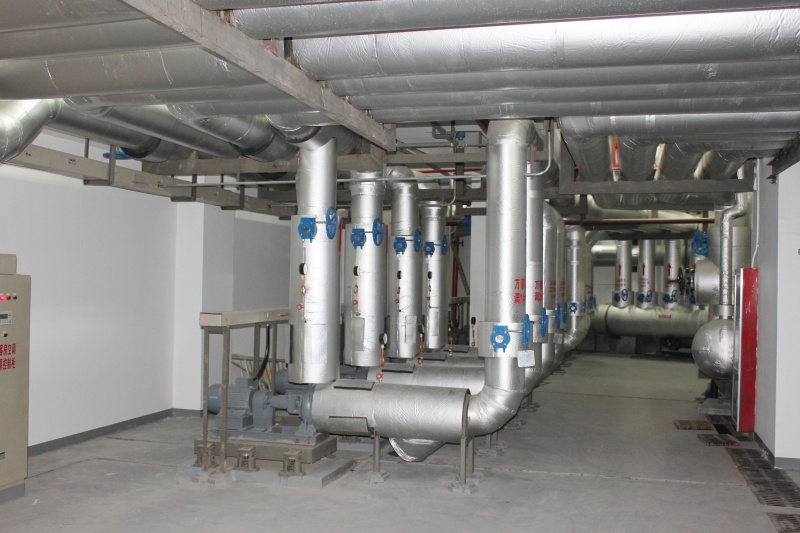
These pipes protect HVAC chilled and hot lines, solar thermal plumbing, hotel hot water distribution networks, and refrigeration lines from freezing, heat loss, condensation, and corrosion under insulation (CUI).
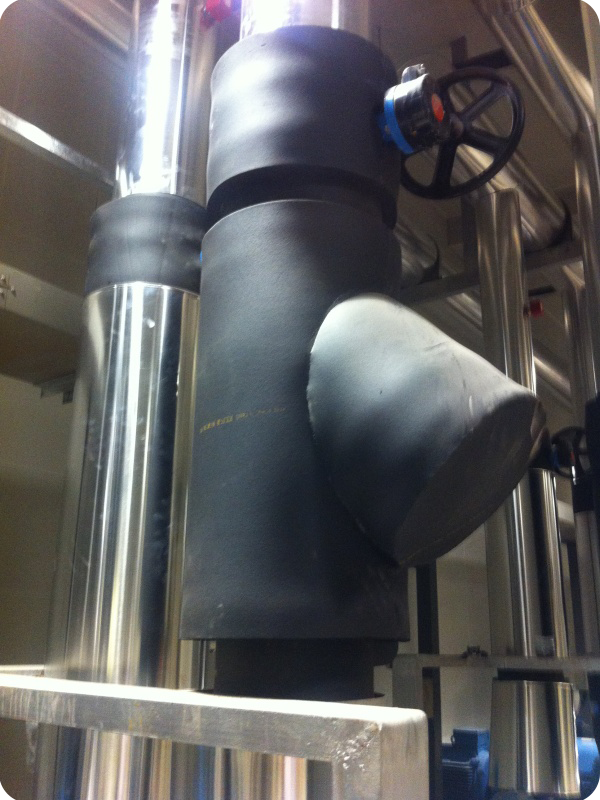


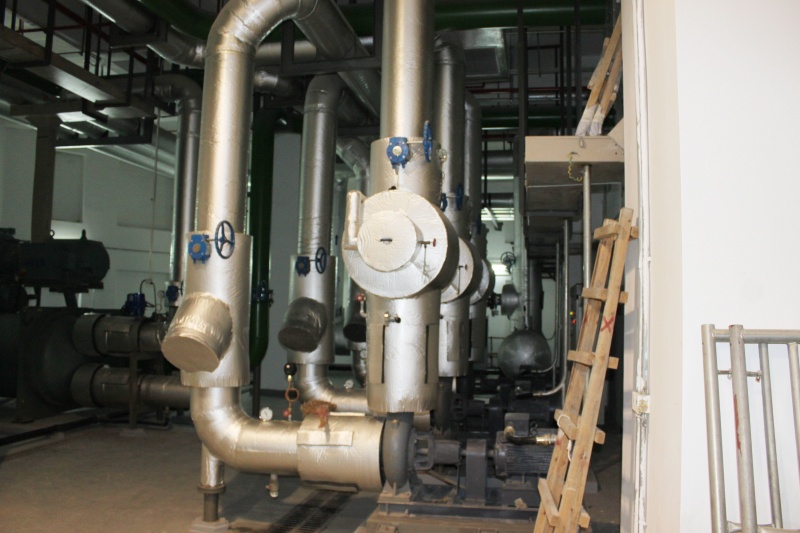
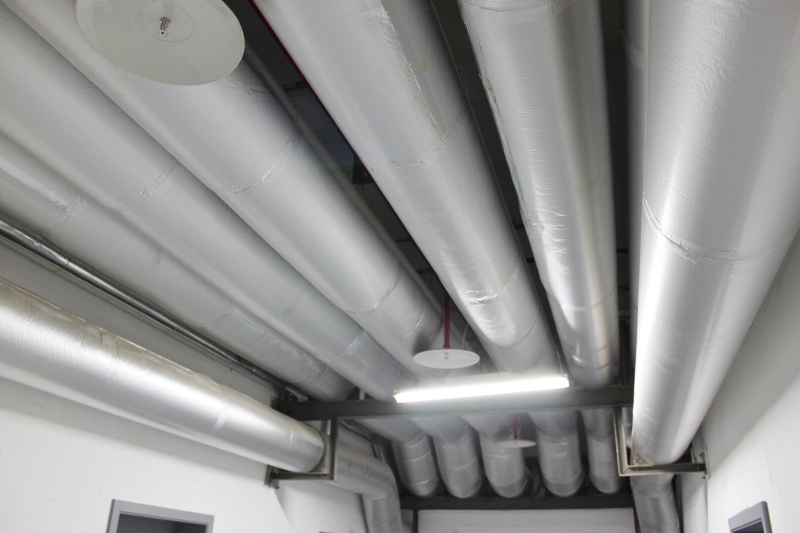

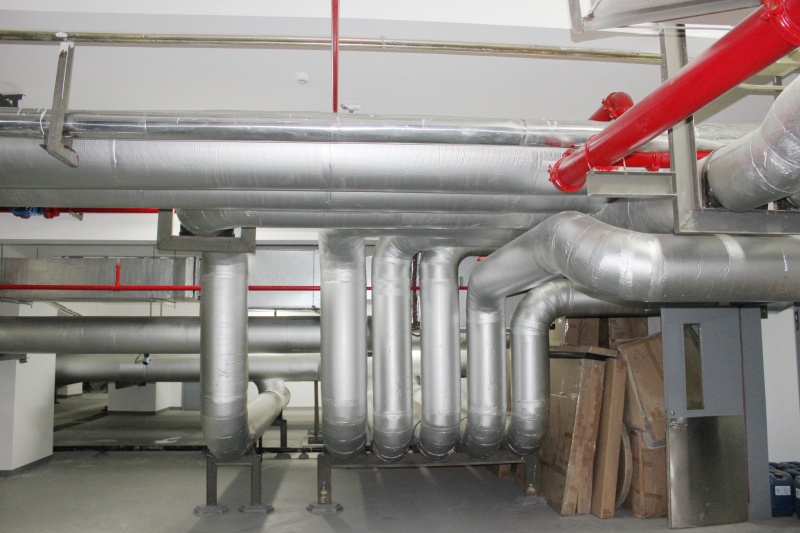
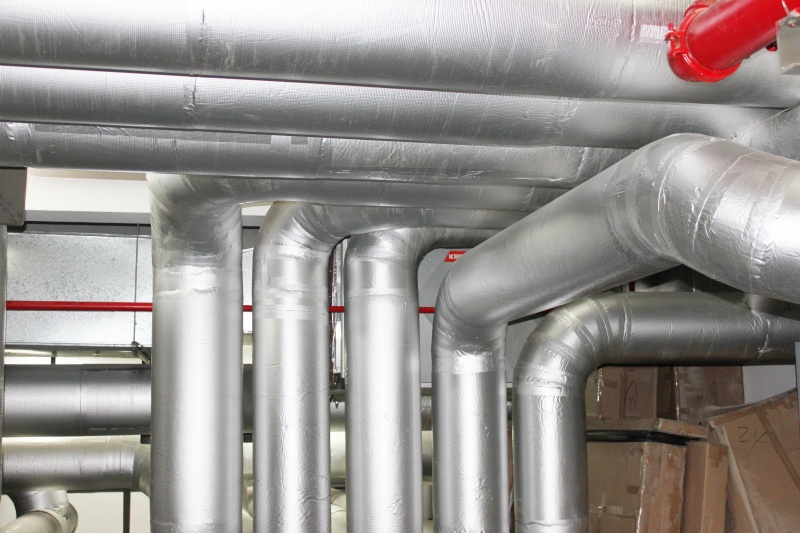
Technical guidance on selection, compliance, installation, and performance characteristics.
Get in touch with our engineering team for technical support, custom sizing quotes, and free sample shipments to Finland and other European destinations.
Send Inquiry Now Kingflex