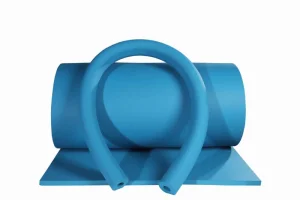
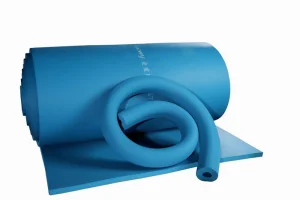
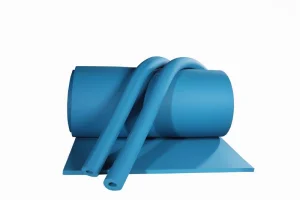
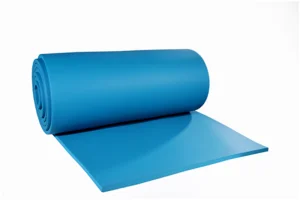
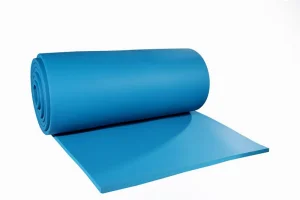
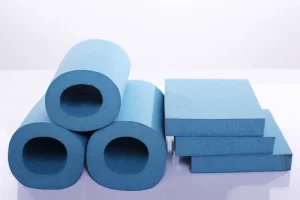
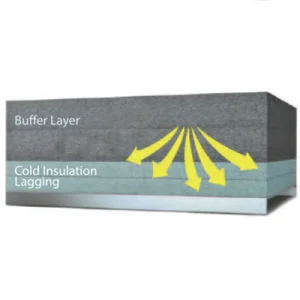
✓
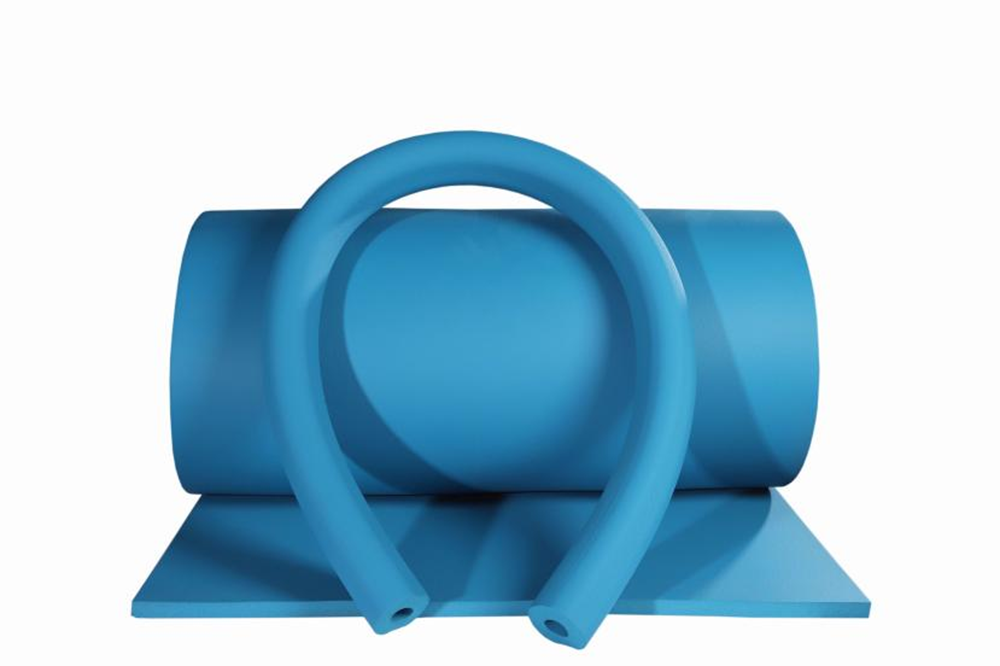
insulation that maintains its flexibility at very low temperatures down to -200℃ to +125℃
✓
reduces the risk of crack development and propagation.
✓
reduces the risk of corrosion under insulation
✓
protects against mechanical impact and shock
✓
low thermal conductivity
Cryogenic Rubber Foam is a reliable and effective solution for insulation in extreme cold environments. Its versatility, durability, and insulation properties make it a top choice for a wide range of industrial and commercial applications.
| Dimension |
| Inches |
mm |
Size (L*W) |
㎡/Roll |
| 3/4" |
20 |
10 × 1 |
10 |
| 1" |
25 |
8 × 1 |
8 |
| Property |
Base material |
Test Method |
| ULT |
LT |
| Thermal Conductivity |
-100°C, 0.028
-165°C, 0.021 |
0°C, 0.033
-50°C, 0.028 |
ASTM C177 |
| Density Range |
60-80Kg/m³ |
40-60Kg/m³ |
ASTM D1622 |
| Recommend Operation Temperature |
-200°C to 125°C |
-50°C to 105°C |
- |
| Percentage Of Close Areas |
>95% |
>95% |
ASTM D2856 |
| Moisture Performance Factor |
NA |
<1.96x10⁻¹¹ g/(m·s·Pa) |
ASTM E 96 |
| Wet resistance Factor μ |
NA |
>10000 |
EN12086
EN13469 |
| Water Vapor Permeability Coefficient |
NA |
0.0039g/h.m²
(25mm thickness) |
ASTM E 96 |
| PH |
≥8.0 |
≥8.0 |
ASTM C871 |
| Tensile Strength Mpa |
-100°C, 0.30
-165°C, 0.25 |
0°C, 0.15
-50°C, 0.218 |
ASTM D1623 |
| Compressive Strength Mpa |
-100°C, ≤0.3 |
-40°C, ≤0.16 |
ASTM D1621 |
Growth in the construction industry and many other industrial segments, combined with concerns over rising energy costs and noise pollution, is fueling market demand for thermal insulation.
What temperature range can this cryogenic rubber foam withstand?
The cryogenic insulation maintains its flexibility at extremely low temperatures, operating effectively in temperature ranges from -200℃ up to +125℃.
How does the foam insulation prevent corrosion?
It reduces the risk of corrosion under insulation (CUI) by utilizing a high-density, closed-cell structures exceeding 95% close areas, preventing external moisture from penetrating to the pipe surface.
What are the main mechanical advantages of using cryogenic rubber foam?
It protects industrial equipment against mechanical impacts and shocks, while significantly reducing the risk of crack development and propagation in harsh environments.
What is the difference between ULT and LT insulation types?
The ULT grade is designed for extreme cryogenic applications down to -200°C with lower thermal conductivity under super-cold temperatures, while the LT grade is optimized for cold environments down to -50°C.
Are the material properties tested against international standards?
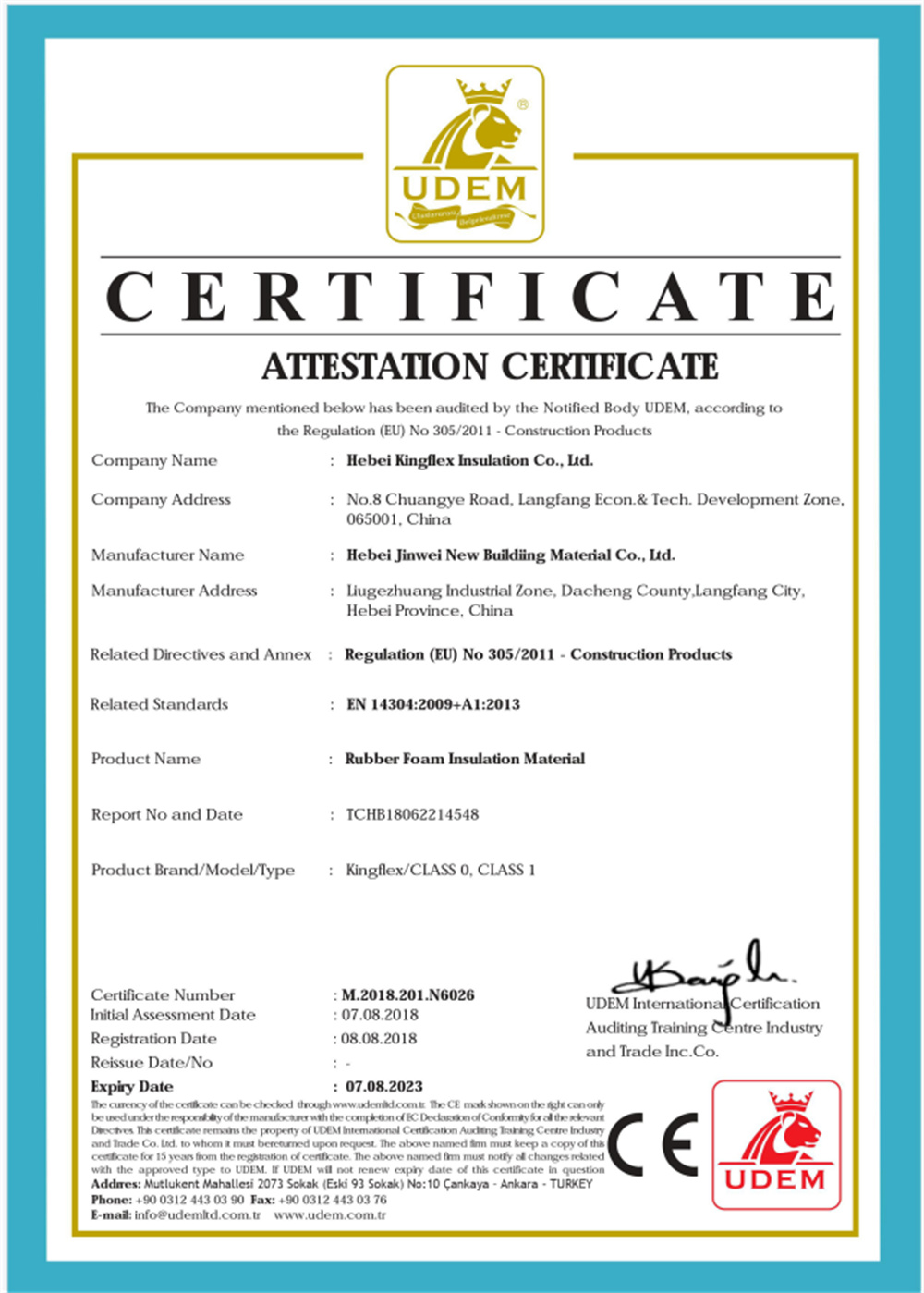
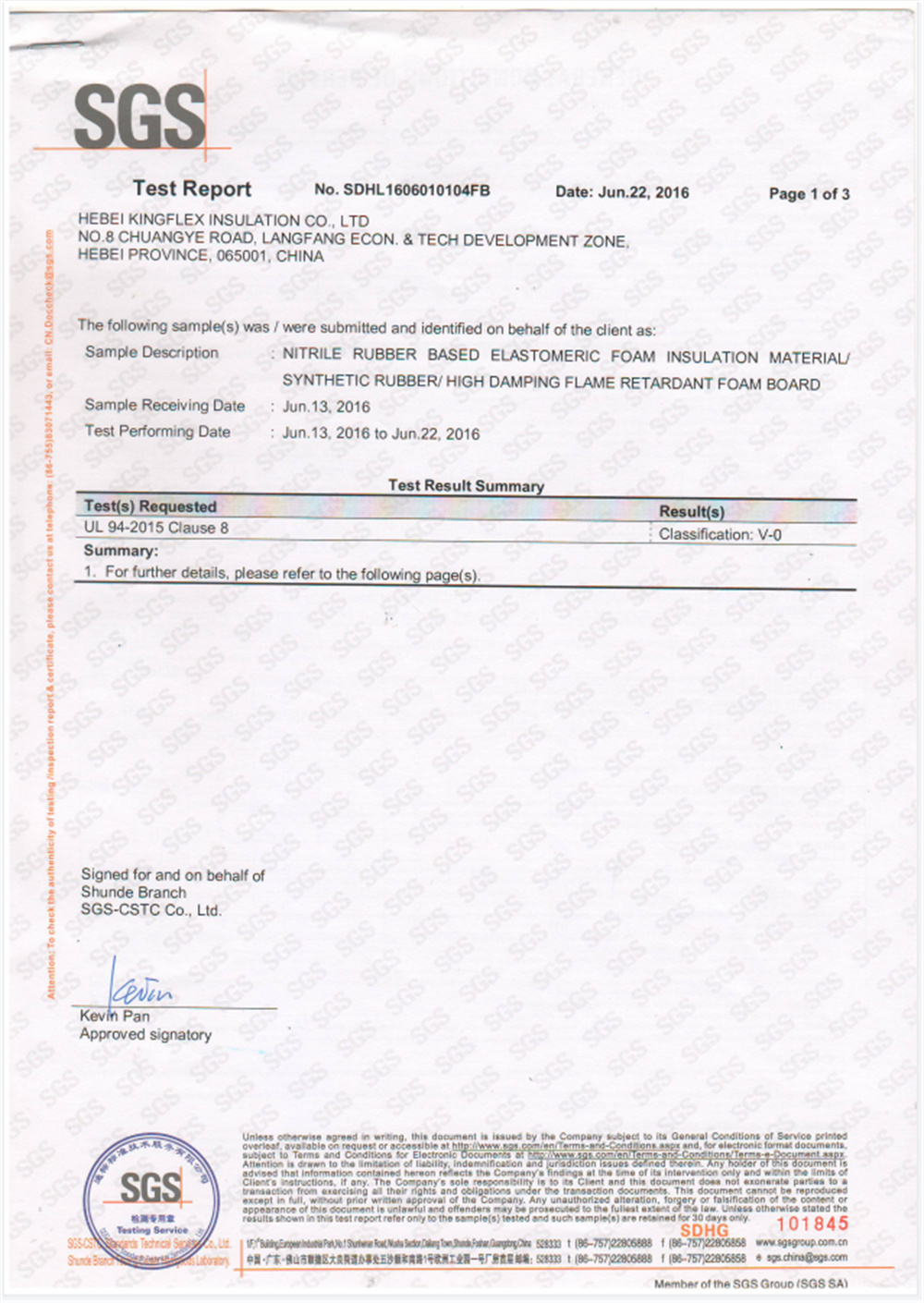
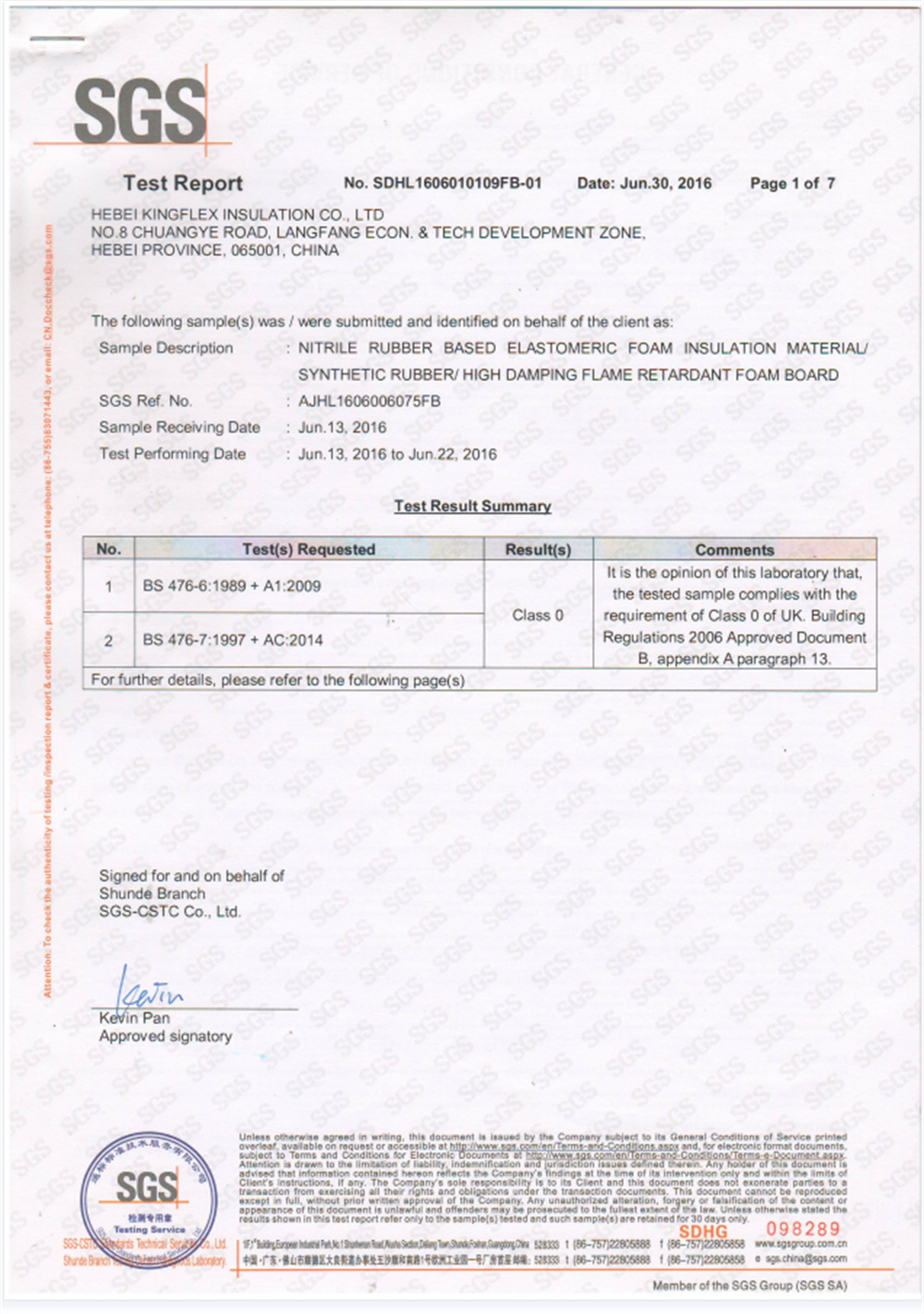
Yes, key properties like thermal conductivity, water vapor permeability, and density are rigorously tested using globally accepted standards including ASTM C177, ASTM D1622, and ASTM E 96.
 Kingflex