 Kingflex
1 / 2
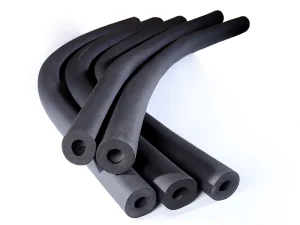
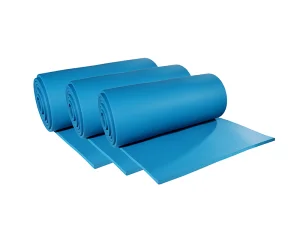
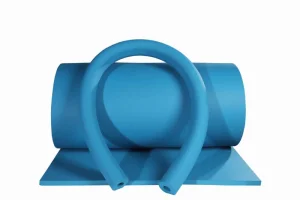
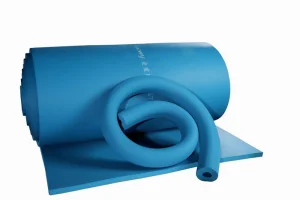
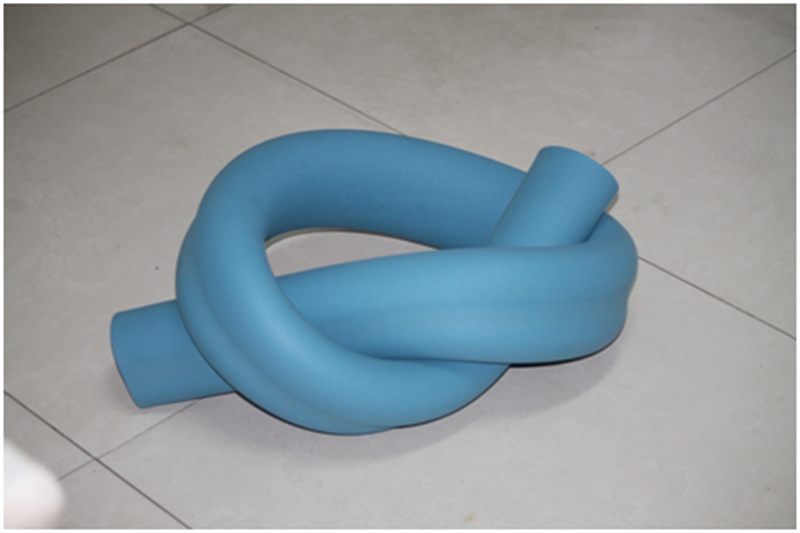
Flexible ULT insulation system does not need to install moisture barrier. Due to the unique closed cell structure and polymer blend formulation, LT low temperature elastomeric materials have been highly resistant to water vapor permeation.
This foamed material provides continuous resistance to moisture penetration throughout the thickness of the product. This feature of the product greatly extends the life of the entire cold insulation system and significantly reduces the risk of corrosion of the pipes under the insulation.
Flexible ULT insulation system does not require the use of fiber materials as expansion and expansion fillers. (This type of construction method is typical on rigid foam LNG pipes.)
On the contrary, it is only necessary to install the low temperature elastomeric material in each layer according to the recommended reserved length to solve the expansion joint problem required by the conventional system. The elasticity at low temperatures gives the material the characteristics of expansion and shrinkage in the longitudinal direction.

Does the flexible ULT insulation system require an external moisture barrier?
No, it does not. The system features a unique closed-cell structure and polymer blend formulation that makes the low-temperature elastomeric materials highly resistant to water vapor permeation without extra barriers.
How does this insulation system reduce pipe corrosion?
By providing continuous moisture penetration resistance throughout the product's entire thickness, it prevents water accumulation and significantly reduces the risk of corrosion under insulation (CUI).
Are fiber materials needed for the expansion joints in this system?
No. Unlike traditional rigid foam LNG pipe configurations, this flexible system eliminates the need for fiber materials as expansion fillers.
How is the expansion joint problem solved in this system?
It is solved simply by installing the low-temperature elastomeric material in each layer according to the recommended reserved length, utilizing the material's natural elasticity to expand and shrink.
What provides the expansion and shrinkage characteristics in the longitudinal direction?
The inherent elasticity of the elastomeric material at low temperatures allows it to naturally handle longitudinal contraction and expansion without structural damage.