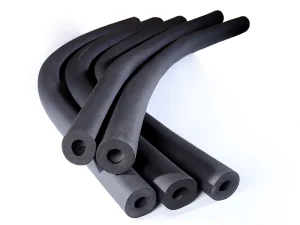
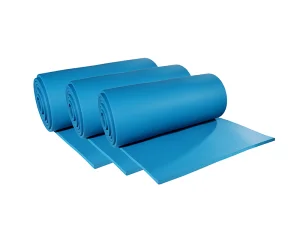
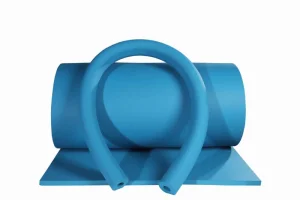
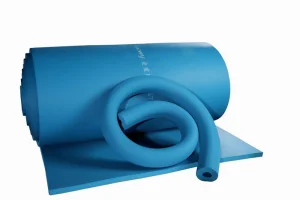
 Kingflex
1 / 2
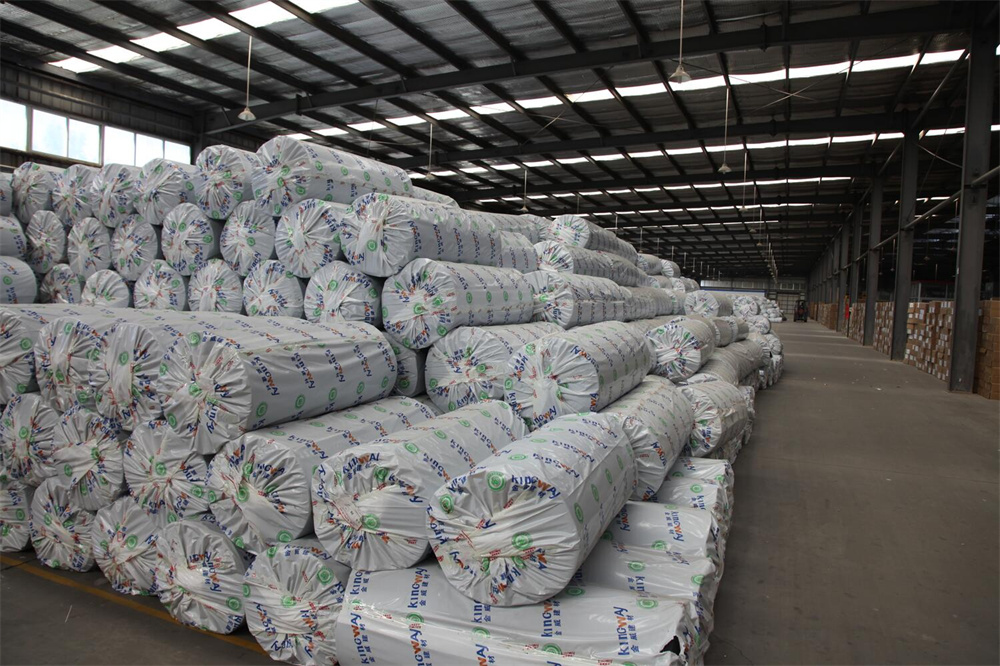
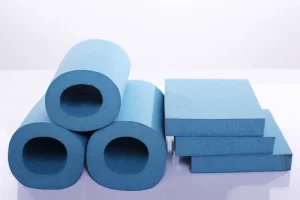
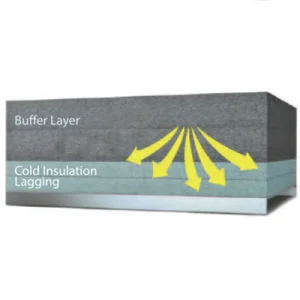
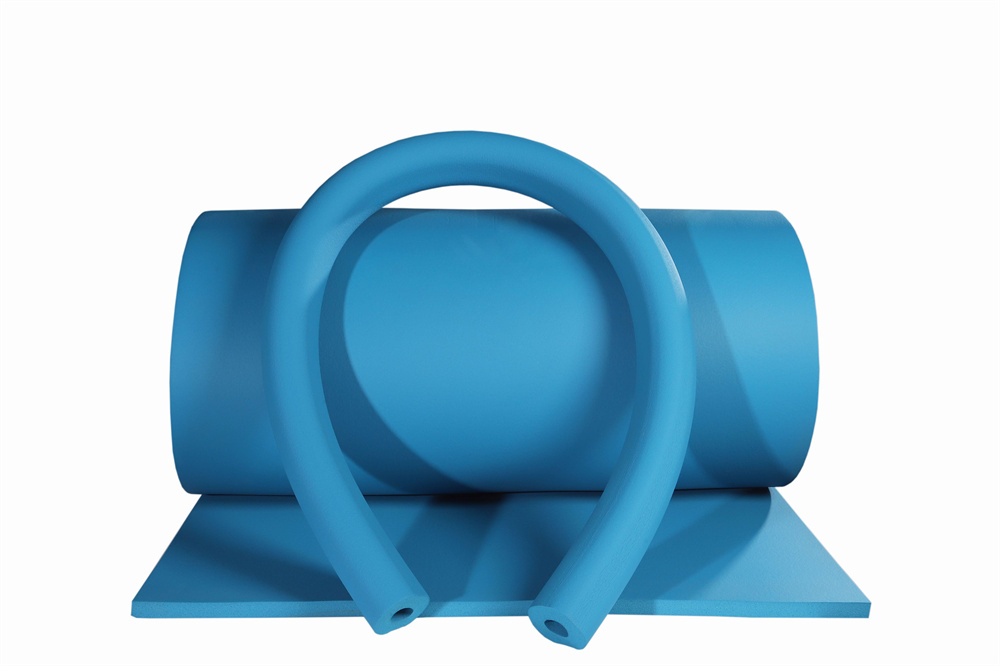
It is widely used in the production of liquefied natural gas (LNG), pipelines, petrochemicals industry, industrial gases, and agricultural chemicals and other piping and equipment insulation project and other heat insulation of cryogenic environment.
| ULT Cryogenic Insulation Technical Data | ||
|---|---|---|
| Property | Unit | Value |
| Temperature range | °C | -200 to +110 |
| Density range | Kg/m³ | 60-80 |
| Thermal Conductivity | W/(m·k) | ≤0.028 (-100°C) |
| ≤0.021 (-165°C) | ||
| Fungi resistance | - | Good |
| Ozone resistance | - | Good |
| Resistance to U.V. and weather | - | Good |

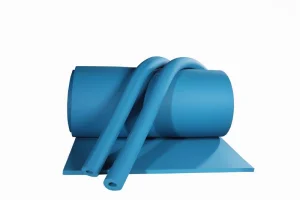
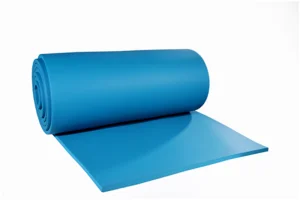
Cryogenic Rubber Foam is primarily used for thermal insulation in extremely cold environments. Standard applications include liquefied natural gas (LNG) production, cold storage tanks, industrial pipelines, petrochemical facilities, and gas processing equipment.
The material operates reliably within an extreme temperature range of -200°C to +110°C, making it ideal for cryogenic and extreme industrial cooling environments.
Due to its exceptionally low thermal conductivity (≤0.021 W/(m·k) at -165°C), it minimizes heat transfer, keeping cold storage systems running efficiently and significantly lowering overall energy consumption and costs.
Yes. Cryogenic Rubber Foam has excellent resistance to ozone, ultraviolet (U.V.) rays, weather conditions, and fungi, rendering it highly durable for both indoor and outdoor piping and equipment protection.
The density of the foam ranges between 60 to 80 Kg/m³, providing a lightweight structured layer that is easy to handle, cut, shape, and install in various configurations.
Yes, it is highly lightweight and flexible. It can be easily cut and custom-shaped to fit complex valves, joints, pipelines, and tank layouts, minimizing installation time and labor costs.