 Kingflex
1 / 2





| Thickness | Size (L*W) | ㎡/Roll | |
|---|---|---|---|
| Inches | mm | ||
| 3/4" | 20 | 10 × 1 | 10 |
| 1" | 25 | 8 × 1 | 8 |

Mission: More comfortable life, more profitable business through energy conservation.
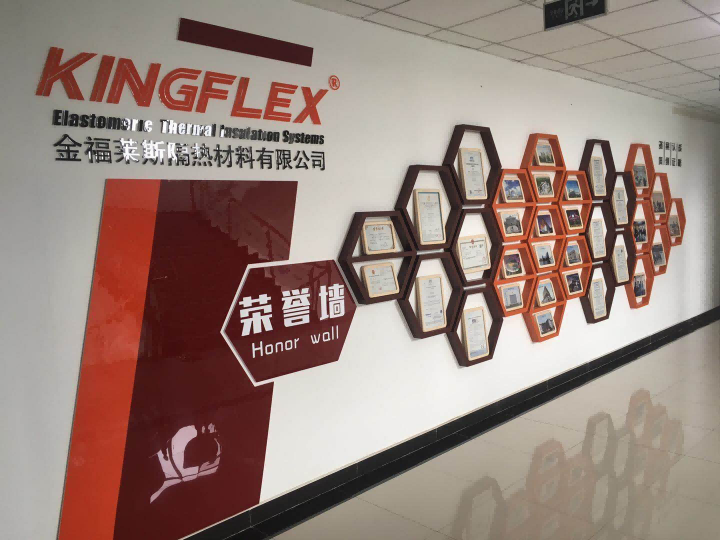
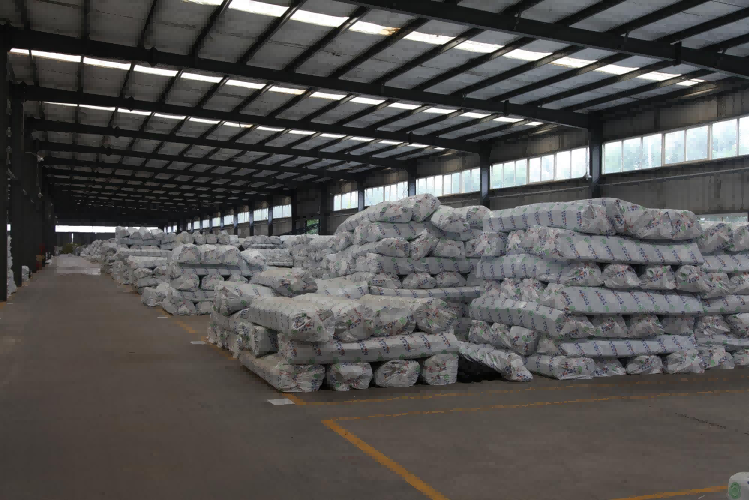
With 5 large automatic assembly lines and more than 600,000 cubic meters of annual production capacity, the enterprise is specified as the designated production plant of thermal insulation materials for the National Energy Department, Ministry of Electric Power, and Ministry of Chemical Industry.
| Main Property | ULT Grade | LT Grade | Test Method / Standard |
|---|---|---|---|
| Thermal Conductivity | -100°C: 0.028 -165°C: 0.021 |
0°C: 0.033 -50°C: 0.028 |
ASTM C177 |
| Density Range | 60-80 Kg/m³ | 40-60 Kg/m³ | ASTM D1622 |
| Recommend Operation Temp. | -200°C to 125°C | -50°C to 105°C | - |
| Percentage Of Close Areas | >95% | >95% | ASTM D2856 |
| Moisture Performance Factor | NA | <1.96x10 g(m.m.Pa) | ASTM E 96 |
| Wet resistance Factor (μ) | NA | >10000 | EN12086 / EN13469 |
| Water Vapor Permeability | NA | 0.0039g/h.m² (25mm thickness) | ASTM E 96 |
| PH | ≥8.0 | ≥8.0 | ASTM C871 |
| Tensile Strength (Mpa) | -100°C: 0.30 -165°C: 0.25 |
0°C: 0.15 -50°C: 0.218 |
ASTM D1623 |
| Compressive Strength (Mpa) | -100°C: ≤0.3 | -40°C: ≤0.16 | ASTM D1621 |
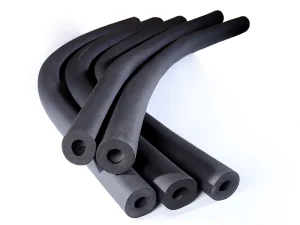
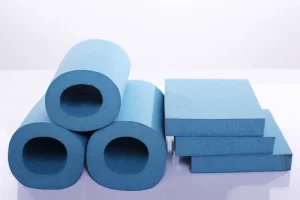
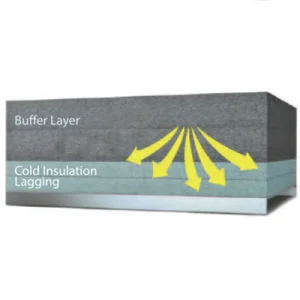
These materials feature a very low coefficient of thermal conductivity, lower density, and excellent elasticity under cryogenic environments. They prevent cracking, offer effective thermal insulation, and provide outstanding flame-retardant performance and moisture resistance for long-lasting durability.
The ULT Grade (Ultra-Low Temperature) is designed for critical operations ranging from -200°C to 125°C. The LT Grade (Low Temperature) is suitable for applications operating between -50°C to 105°C.
They are widely applied in key energy and industrial sectors including LNG systems, ethylene piping, coal chemical MOT, low-temperature storage tanks, FPSO unloading systems, platform piping, gas stations, nitrogen plants, and agricultural chemical production facilities.
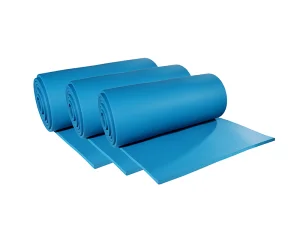
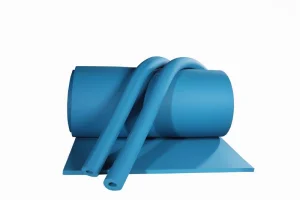
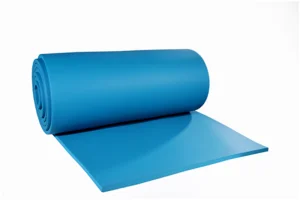
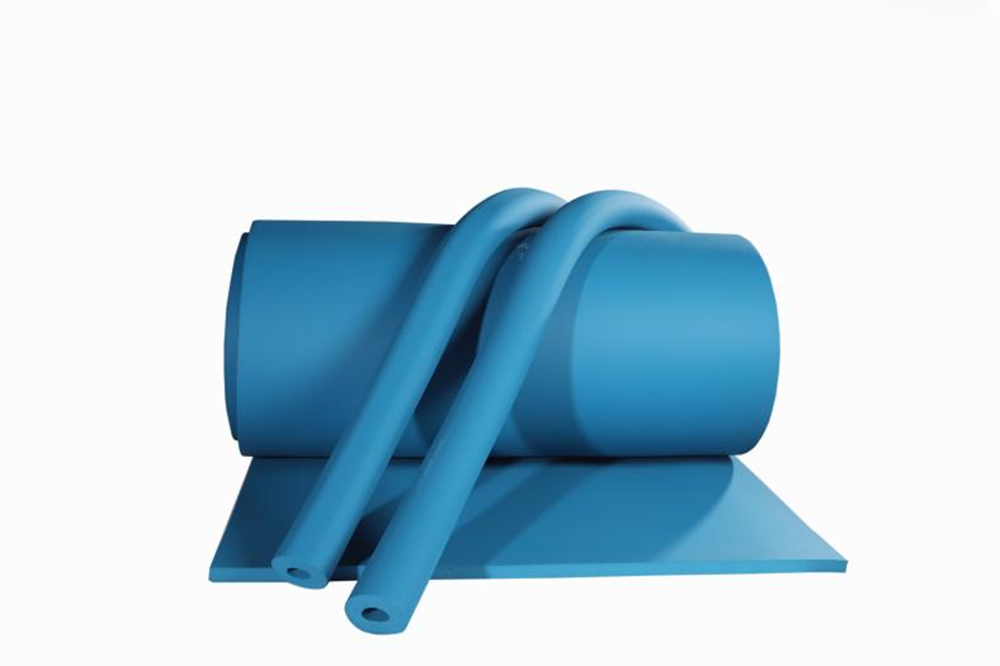
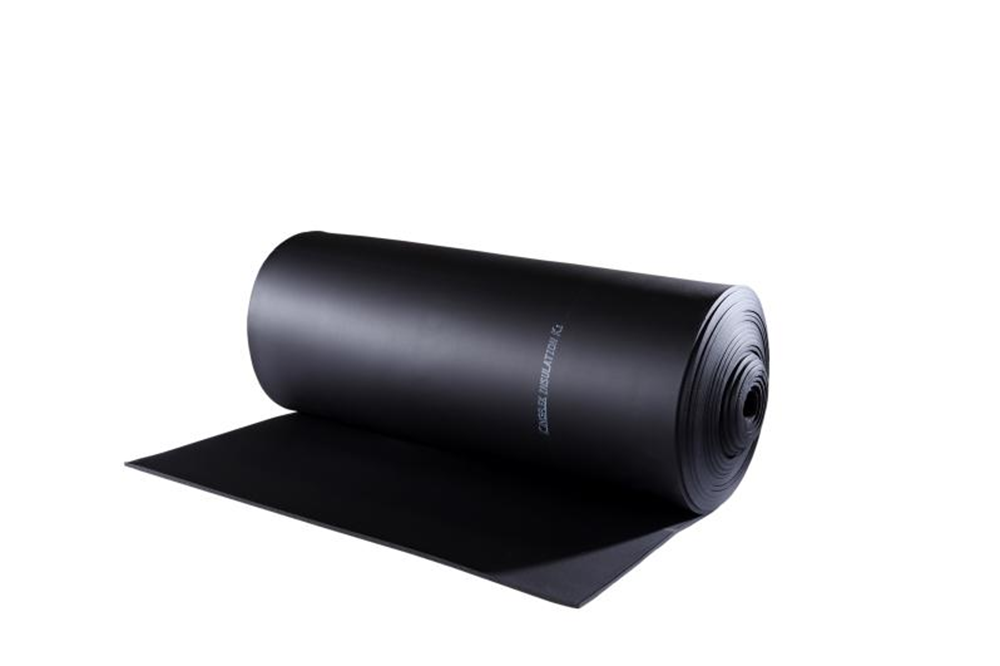
Standard thicknesses include 3/4" (20mm) and 1" (25mm). A 20mm thick roll has dimensions of 10m x 1m (10 ㎡/Roll), while a 25mm thick roll is sized at 8m x 1m (8 ㎡/Roll).
Both grades feature a closed cell structure exceeding 95% (tested under ASTM D2856). The LT grade has a wet resistance factor (μ) greater than 10,000 (tested under EN12086/EN13469), ensuring reliable protection against moisture ingress in cold operating environments.
The thermal conductivity values (such as 0.021 W/m·K at -165°C for the ULT grade and 0.028 W/m·K at -50°C for the LT grade) are officially measured and verified using the ASTM C177 standard test method.