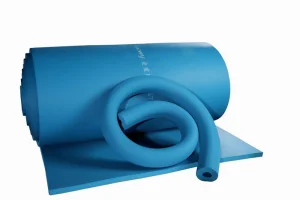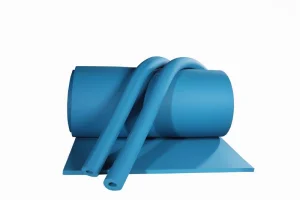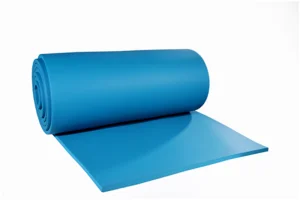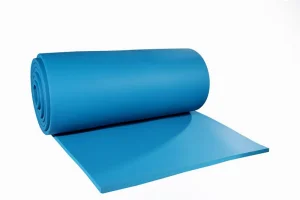
Wholesale Diolefin Flexible Rubber Foam Insulation Material For Cryogenic System Manufacturers, Factories

Application: LNG; Large-scale cryogenic storage tanks; PetroChina, SINOPEC ethylene project, Nitrogen plant; Coal chemical industry…

Product Description

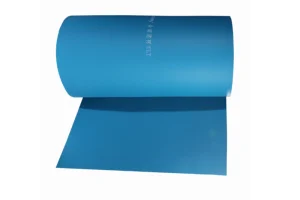
Product Dimensions
Dimension Specifications
Inches mm Size (L*W) ㎡/Roll
3/4" 20 10 × 1 10
1" 25 8 × 1 8

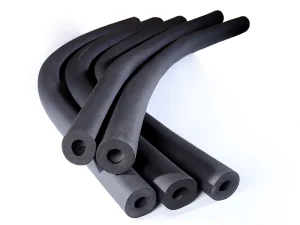
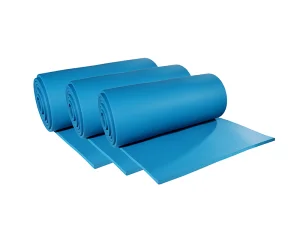
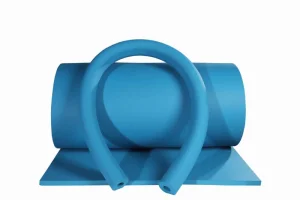
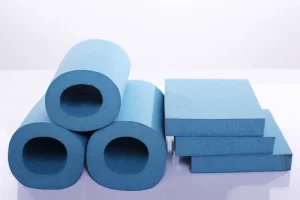
Main Material: ULT

Alkadiene polymer; color in Blue

Main Material: LT

NBR/PVC; color in Black

Production Capacity & Global Experience

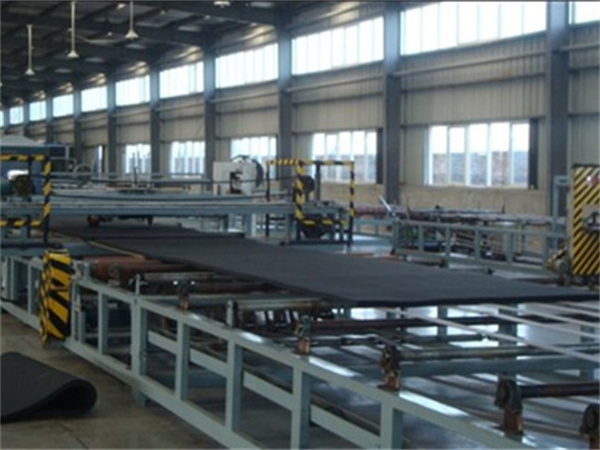
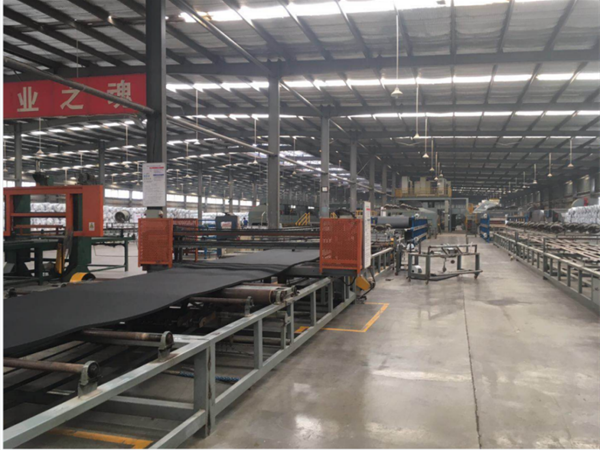
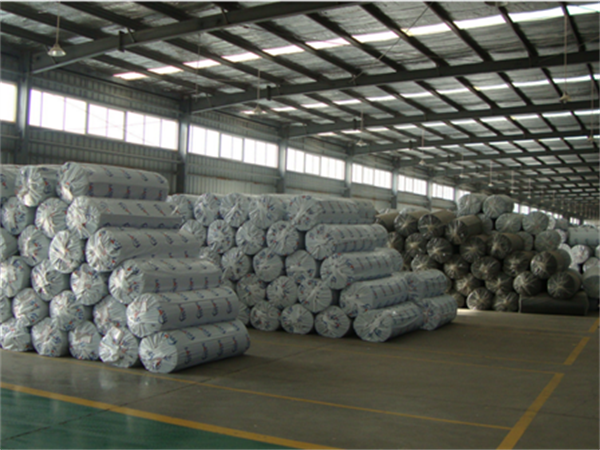
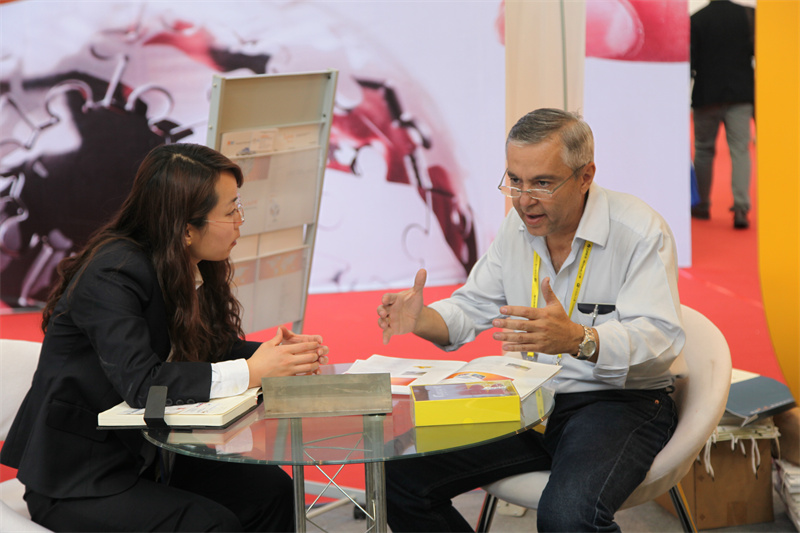
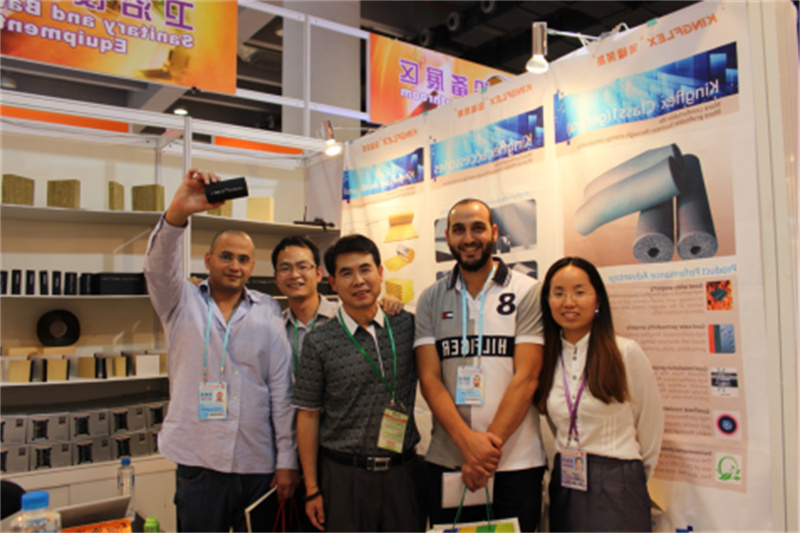
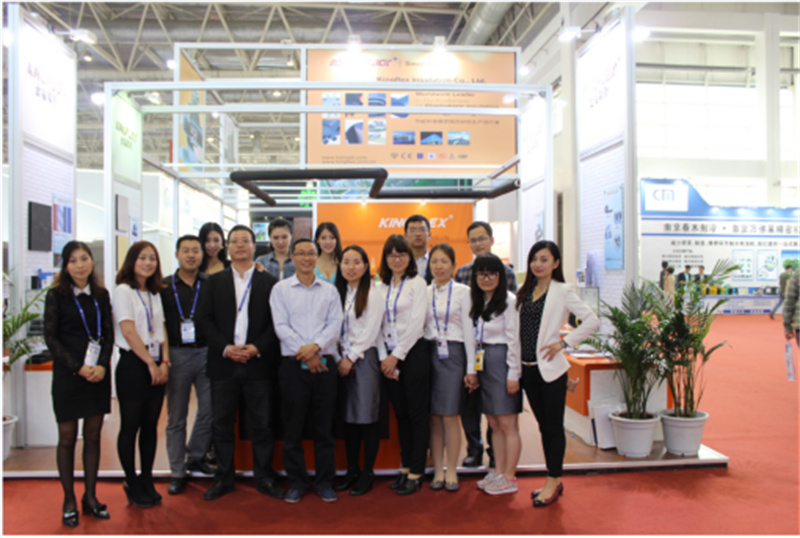
With 5 large automatic assembly lines, more than 600,000 cubic meters of annual production capacity, our group is specified as the designated production enterprise of thermal insulation materials for the National energy department, Ministry of electric power and Ministry of Chemical industry. We have been invited to participate in many related exhibitions at home and abroad. These exhibitions give us the opportunity to meet more and more friends and customers in related industries. Welcome all the friends to come and visit our factory!

Technical Properties
Property Base Material: ULT Base Material: LT Standard / Test Method
Thermal Conductivity -100°C: 0.028
-165°C: 0.021
0°C: 0.033
-50°C: 0.028
ASTM C177
Density Range 60-80Kg/m³ 40-60Kg/m³ ASTM D1622
Recommend Operation Temp -200°C to 125°C -50°C to 105°C -
Percentage Of Close Areas >95% >95% ASTM D2856
Moisture Performance Factor NA <1.96x10g(m.m.Pa) ASTM E 96
Wet resistance Factor μ NA >10000 EN12086 / EN13469
Water Vapor Permeability Coefficient NA 0.0039g/h.m² (25mm thickness) ASTM E 96
PH ≥8.0 ≥8.0 ASTM C871
Tensile Strength Mpa -100°C: 0.30
-165°C: 0.25
0°C: 0.15
-50°C: 0.218
ASTM D1623
Compressive Strength Mpa -100°C: ≤0.3 -40°C: ≤0.16 ASTM D1621
Key Advantages
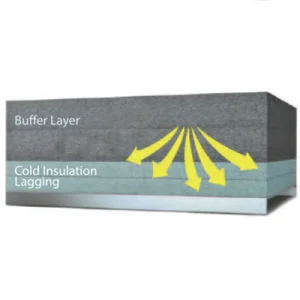
  • Impact & Vibration Resistance: The flexible ultra-low temperature adiabatic system has inherent impact resistance characteristics. Its cryogenic elastomer material effectively absorbs external machinery impacts and vibrations to protect the system structure.
  • Built-in Vapor Barrier: This key product feature significantly extends the lifespan of the entire cold insulation system and decreases the risk of pipe corrosion underneath the insulation.
  • Built-in Expansion Joint: The flexible ULT insulation system does not require additional fiber materials to act as expansion fillers, simplifying the system design.
Frequently Asked Questions
What are the primary materials used in the ULT and LT systems?
The main material for the ULT system is alkadiene polymer (colored in Blue), while the LT system is made of NBR/PVC (colored in Black).
What is the recommended operating temperature range for these systems?
The ULT system is designed for extreme settings, recommending an operation range of -200°C to 125°C. The LT system is suitable for operating conditions between -50°C to 105°C.
How does the built-in vapor barrier benefit the installation?
The built-in vapor barrier prevents moisture ingress, which extends the overall lifetime of the cold insulation system and significantly minimizes corrosion risk for the underlying pipes.
Are expansion fillers required during installation?
No. Thanks to the built-in expansion joint design of the flexible ULT system, additional fiber materials are not needed as expansion fillers.
How does the insulation system handle mechanical vibrations?
The system features a cryogenic elastomer material that naturally absorbs external impact and vibration energy, protecting the integrity of the overall structure.
What is the density range of the ULT and LT materials?
According to ASTM D1622 test standards, the density range for the ULT material is 60-80Kg/m³, and for the LT material, it is 40-60Kg/m³.

Related Products