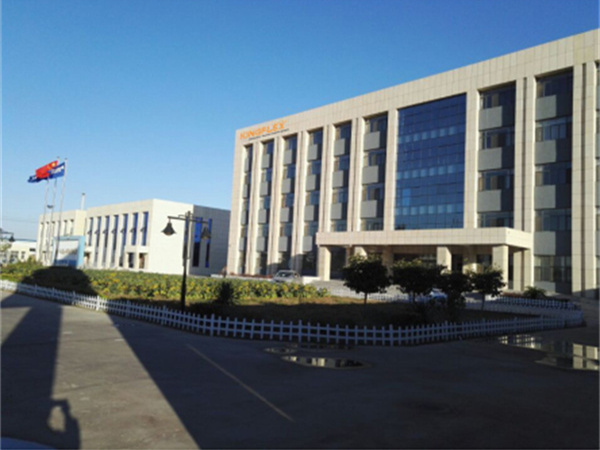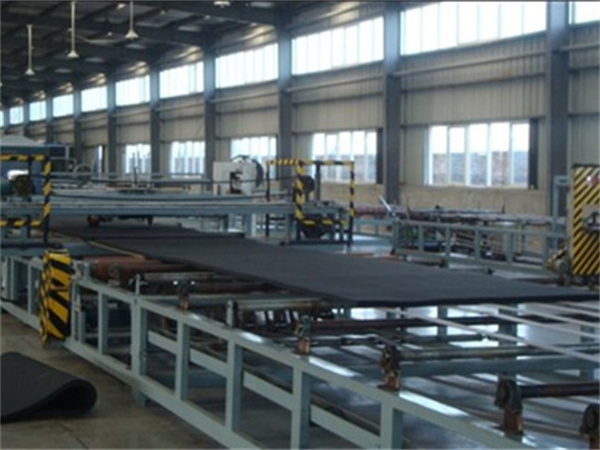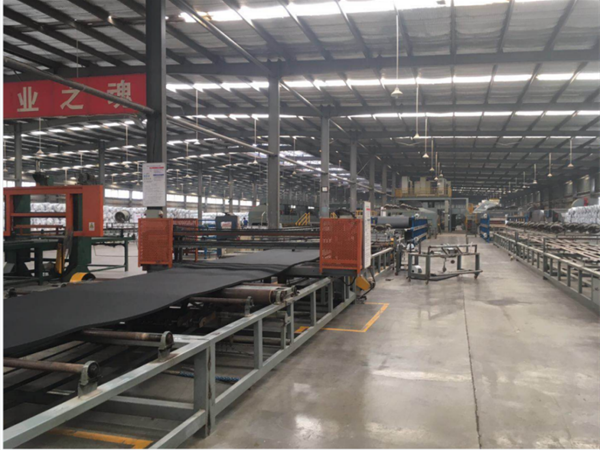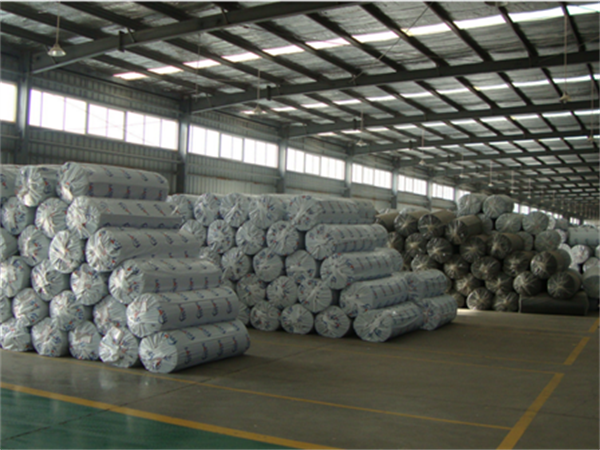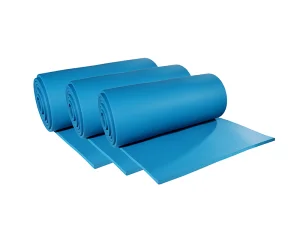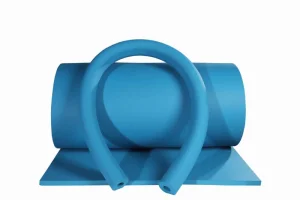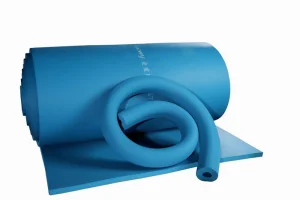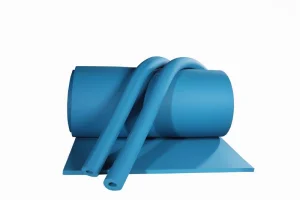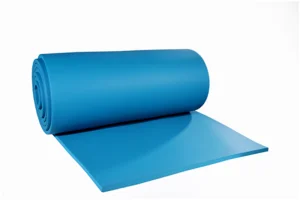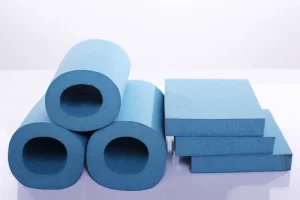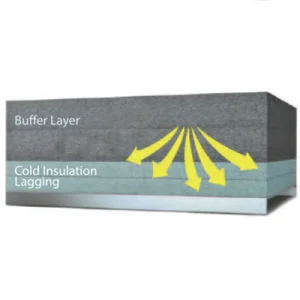
With closed-cell structure,Kingflex cryogenic insulation can be widely used in LNG; Large-scale cryogenic storage tanks; PetroChina, SINOPEC ethylene project, Nitrogen plant; Coal chemical industry…
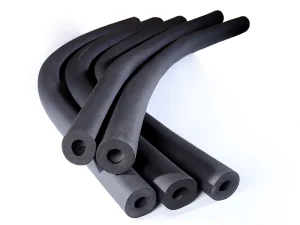
Main raw material: ULT—alkadiene polymer, Blue / LT—NBR/PVC, Black
1. No need build-in moisture barrier
Flexible ultra low temperature insulation system does not need to install moisture-proof layer. Due to its unique closed cell structure and polymer blend formulation, low temperature elastomeric foam material have been highly resistant to water vapor permeation. This foam material provides continuous resistance to moisture penetration throughout the entire thickness of the product.
2. No need Built-in expansion joint
Flexible ULT insulation system does not require the use of fiber materials as expansion and expansion fillers. (This type of construction method is typical on rigid foam LNG pipes.) On the contrary, it is only necessary to install the low temperature elastomeric material in each layer according to the recommended reserved length to solve the expansion joint problem required by the conventional system. The elasticity at low temperatures gives the material the characteristics of expansion and shrinkage in the longitudinal direction.
Frequently Asked Questions
What is the operating temperature range for the ULT insulation system?
The flexible ULT technical insulation system operates highly effectively within a temperature range of -200°C to +110°C.
Why does the ULT insulation system not require a built-in moisture barrier?
Thanks to its unique closed cell structure and custom polymer blend formulation, the low-temperature elastomeric foam material is highly resistant to water vapor permeation. It provides continuous moisture penetration resistance through the entire thickness of the product, removing the need for an extra moisture barrier.
How does the system resolve expansion joint issues without fiber fillers?
The low-temperature elasticity of the material enables natural longitudinal expansion and shrinkage. By installing the elastomeric material in layers matching the recommended reserved lengths, the system handles expansion issues without needing built-in fiber fillers.
What are the main raw materials used for the ULT and LT systems?
The main raw material for the ULT system (blue) is alkadiene polymer, and the LT system (black) uses a NBR/PVC blend.
How does the ULT system perform in terms of thermal conductivity?
The system exhibits excellent thermal performance, with thermal conductivity values of ≤0.028 W/(m.k) at -100°C and ≤0.021 W/(m.k) at -165°C.
Is the material resistant to environmental factors like U.V. or fungi?
Yes. The technical data indicates the system has good resistance to fungi, ozone, U.V. radiation, and general weathering, ensuring long-term durability in outdoor applications.