 Kingflex
1 / 2

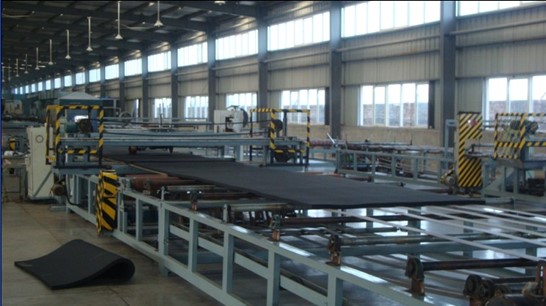
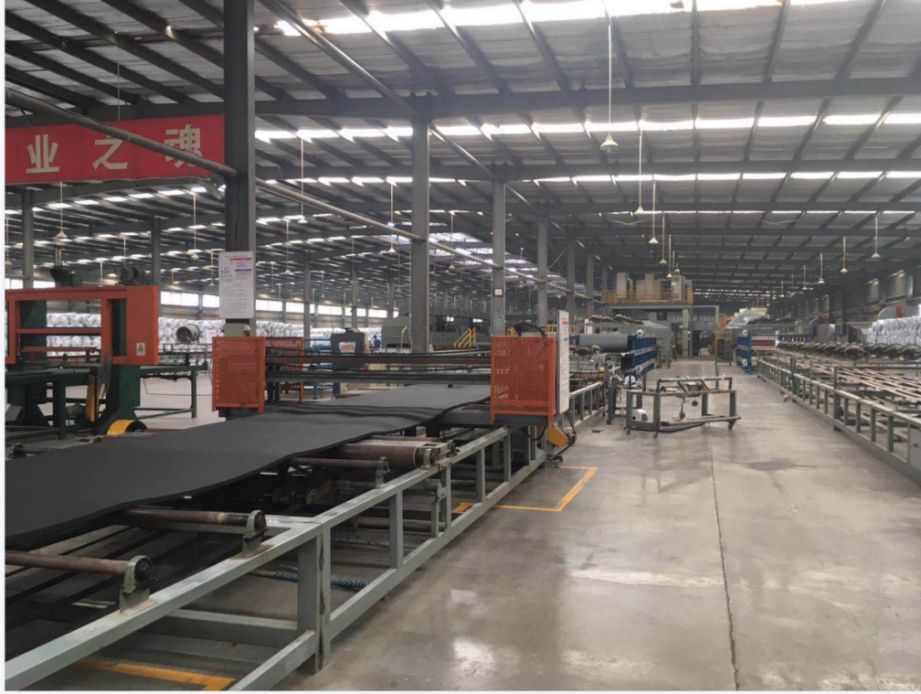
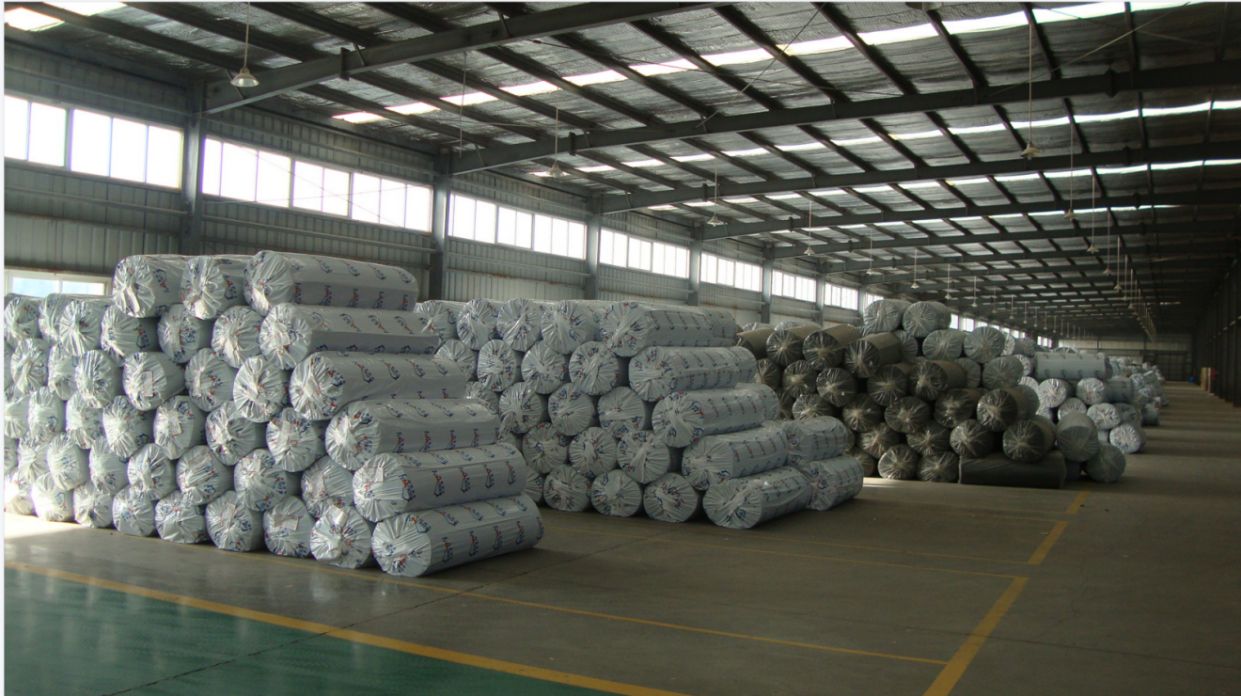
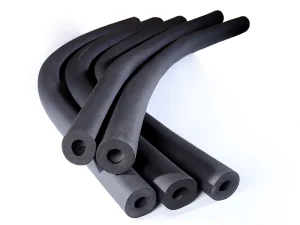
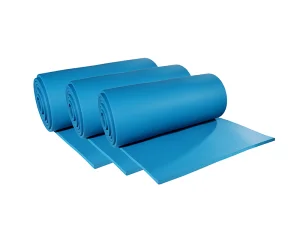
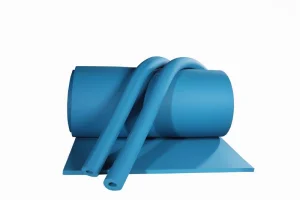
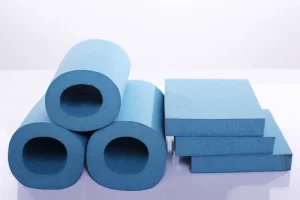
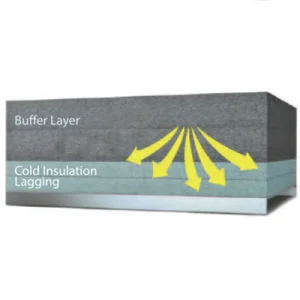
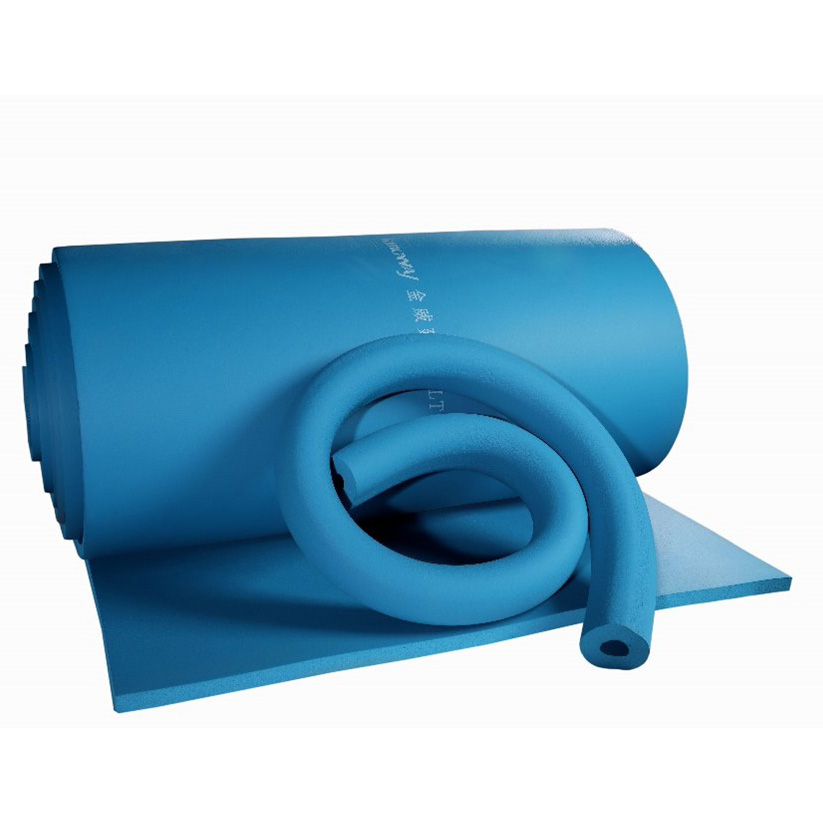
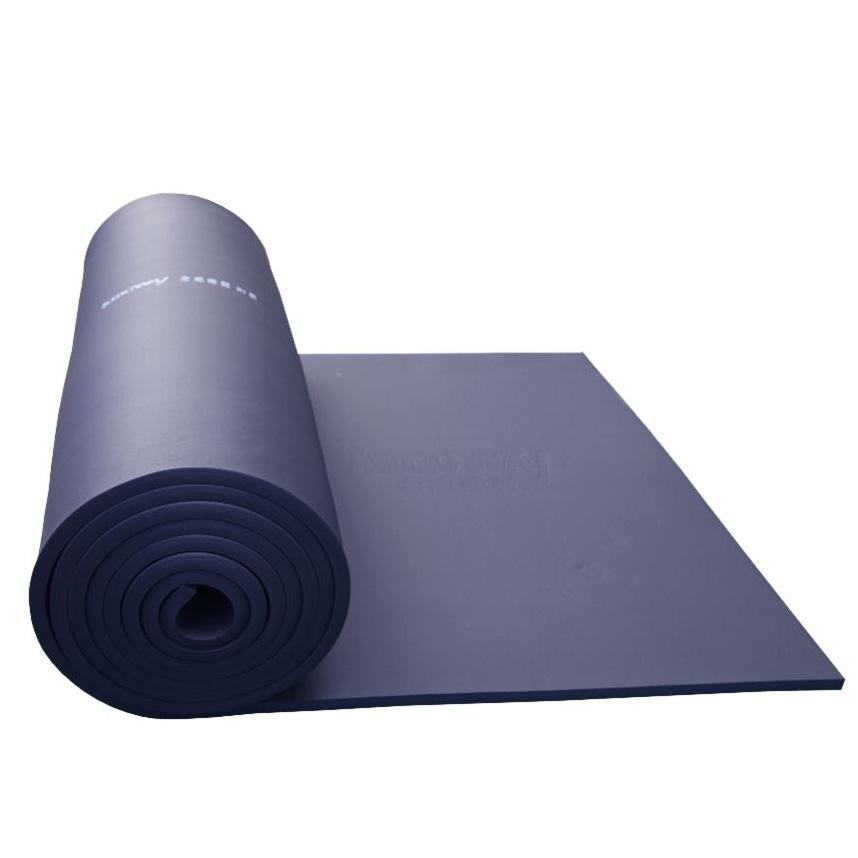
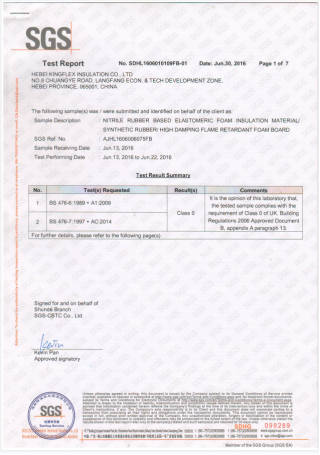
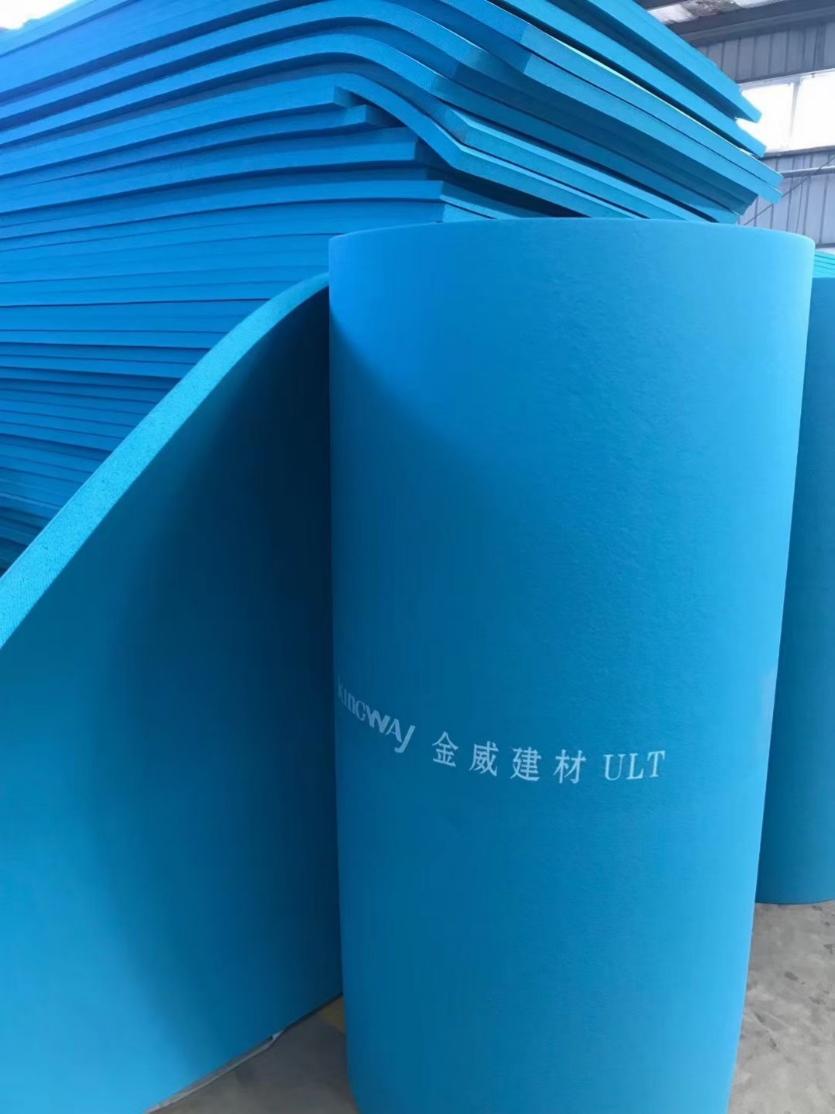
Cryogenic insulation multi-layer composite structures have excellent internal shock resistance. It is designed to meet the demands of low-temperature environments and is suitable for use in the oil and gas industry. This insulation solution provides exceptional thermal performance, reduces the risk of corrosion under insulation (CUI) and minimises the time needed for installation.
| ULT Technical Data | ||
|---|---|---|
| Property | Unit | Value |
| Temperature range | °C | (-200 to +110) |
| Density range | Kg/m³ | 60-80 |
| Thermal Conductivity | W/(m.k) | ≤0.028 (-100°C) |
| ≤0.021 (-165°C) | ||
| Fungi resistance | - | Good |
| Ozone resistance | - | Good |
| Resistance to U.V. and weather | - | Good |
Growth in the construction industry and many other industrial segments, combined with concerns over rising energy costs and noise pollution, is fueling market demand for thermal insulation.
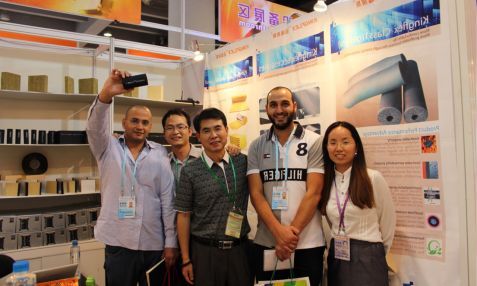


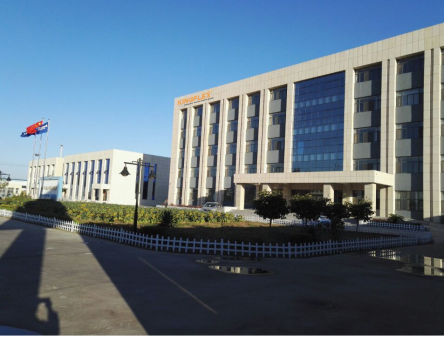
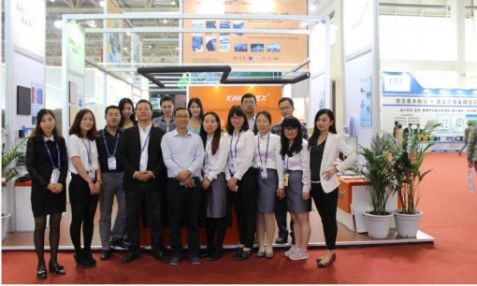
With product installations in over 60 countries, from major national stadiums to high rises in New York, Singapore, and Dubai, global projects benefit from these high-quality solutions. Participation in domestic and foreign exhibitions every year helps build close relationships with clients and partners worldwide.
It is specifically designed for low-temperature environments, making it ideal for the oil and gas industry, industrial gas piping, LNG systems, and other extreme cold applications.
The multi-layer composite structure provides an excellent vapor barrier and thermal shield, which prevents moisture ingress and drastically reduces the risk of corrosion under insulation.
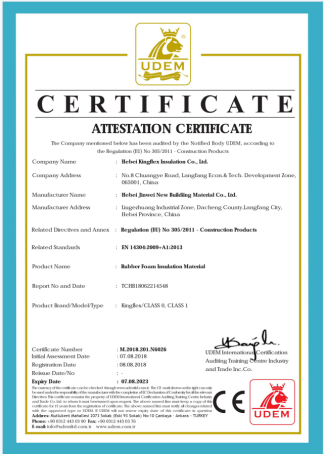
The ULT cryogenic insulation system is certified to operate reliably in extreme environments, with an effective service temperature range of -200°C to +110°C.
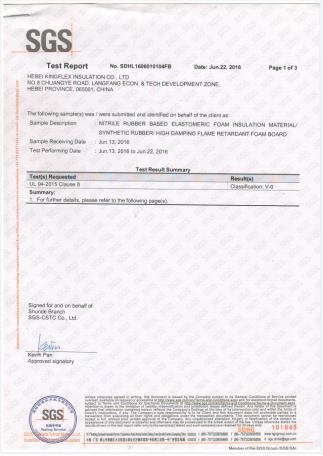
Yes, this insulation features good resistance to fungi growth, ozone degradation, UV radiation, and general weathering, ensuring long-term durability in outdoor installations.
The expansion of industrial sectors, combined with strict regulations on energy efficiency, rising operational costs, and the need for noise mitigation, is driving global demand for advanced insulation materials.