 Kingflex
1 / 2
High-Performance Thermal Protection
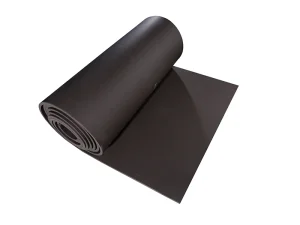
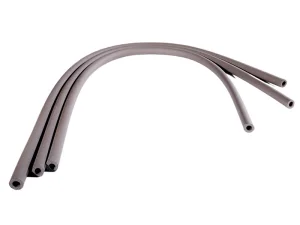
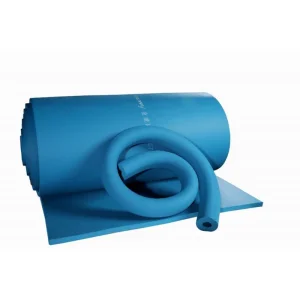
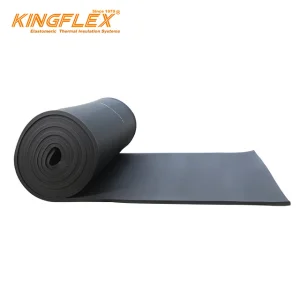
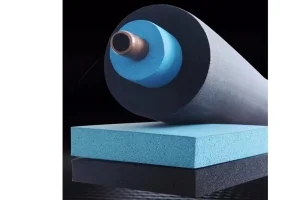
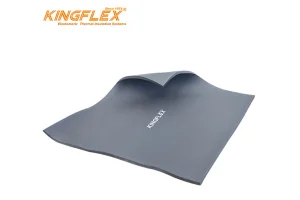
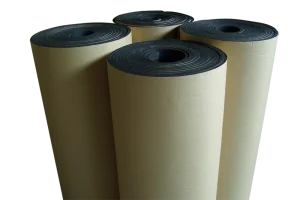
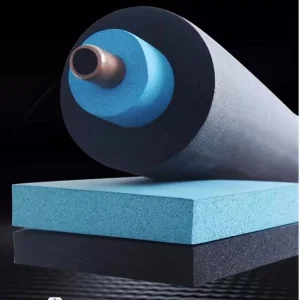
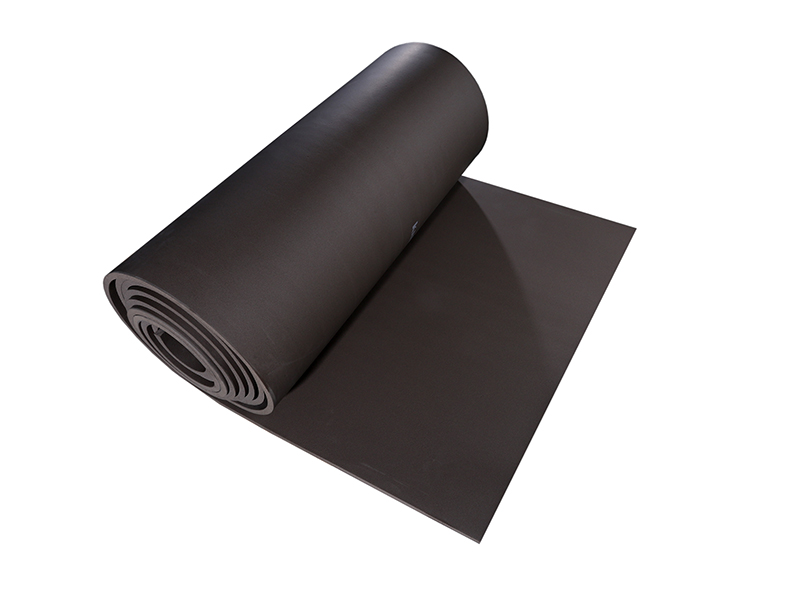
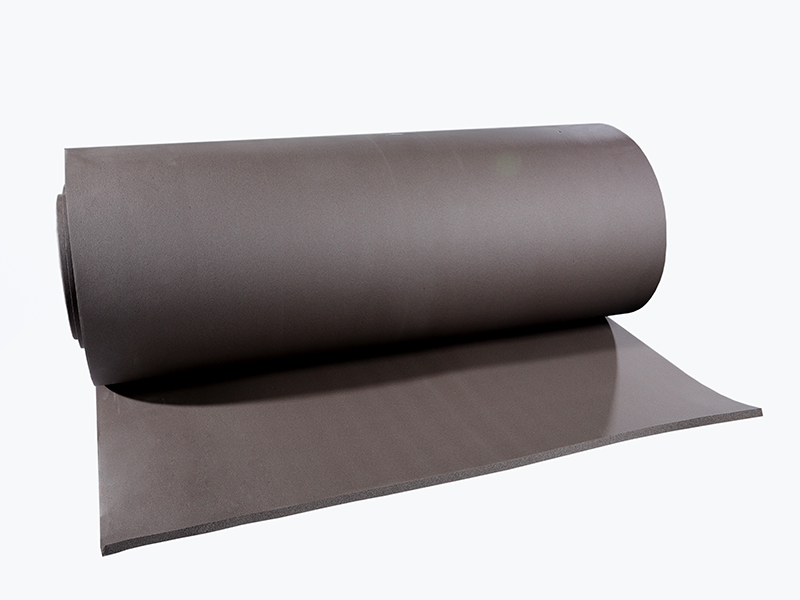
Halogen-free flexible closed-cell thermal insulation is used to insulate pipes, air ducts and vessels including fittings and flanges of industrial installations and building equipment. Halogen-free flexible closed-cell thermal insulation sheet roll is in dark grey color. Certified for use in marine environments, rail and military sectors. It is suitable to use on clean and server rooms.
Halogen-free flexible closed-cell thermal insulation sheet roll is factory-made flexible elastomeric foam, which meets the demand for insulation material with minimal smoke and toxic emissions in the event of a fire.
As a closed cell material, Halogen-free flexible closed-cell thermal insulation sheet roll provides exceptional water vapour resistance for long term thermal stability in heating, ventilation and air-conditioning (HVAC) applications and doesn’t contain halogens such as chloride and bromide and features all the properties which you can expect from a flexible insulation material, such as low thermal conductivity.
Halogen-free flexible closed cell thermal insulation provides insulation of pipes, ducts and vessels of air-conditioning, refrigeration and process equipment to prevent condensation and saves energy.
It is primarily used to insulate pipes, air ducts, and vessels, including fittings and flanges of industrial installations and building equipment.
This insulation is certified for use in highly demanding environments including marine environments, rail, and military sectors. It is also suitable for clean and server rooms.
It is engineered as a flexible elastomeric foam that meets strict fire safety demands, releasing minimal smoke and toxic emissions in the event of a fire.
The closed-cell structure provides exceptional water vapour resistance, ensuring long-term thermal stability in heating, ventilation, and air-conditioning (HVAC) systems.
No, this material does not contain halogens such as chloride and bromide. It retains all the expected features of a premium flexible insulation, including low thermal conductivity.
By providing robust thermal insulation for pipes, ducts, and vessels in air-conditioning and refrigeration equipment, it prevents temperature differentials that lead to condensation while saving energy.