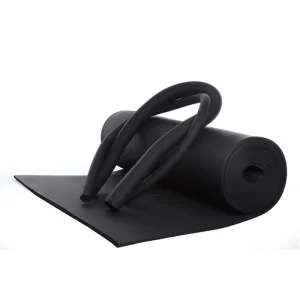
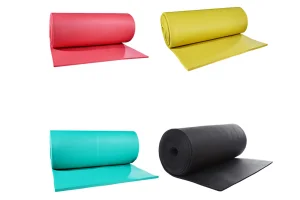
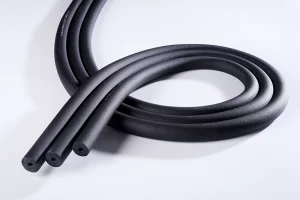
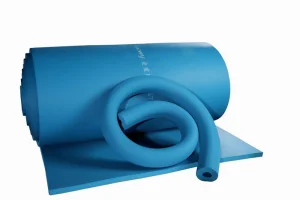
Explore our high-performance thermal, cryogenic, and soundproof insulation systems engineered for harsh industrial applications.
In modern commercial construction, petrochemical infrastructure, and marine environments, fire prevention is a critical design requirement. British Standard (BS) 476 establishes the core requirements for testing structural building components and materials for fire safety. When procuring thermal insulation, mechanical engineers and engineering consultants prioritize components tested under BS 476 Part 6 (Fire Propagation) and BS 476 Part 7 (Surface Spread of Flame) to ensure compliance with building regulations.
For industrial applications, BS 476 Class 0 and Class 1 standards represent a benchmark for flame retardancy. Material meeting Class 0 requirements exhibits low fire propagation properties and restricts surface spread of flame. This prevents vertical fire spread along HVAC pipes, riser shafts, and equipment rooms.
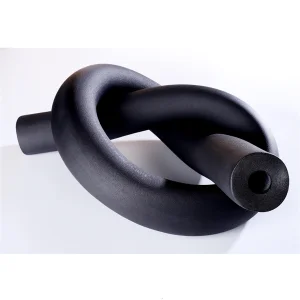
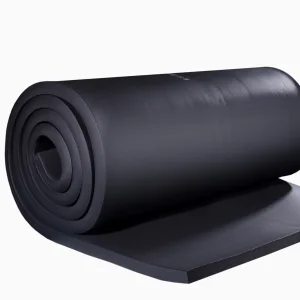
As a leading manufacturer of fire-rated insulation, Kingflex utilizes a closed-cell elastomeric structure that naturally limits thermal transition while incorporating specialized flame-retardant chemistries. This engineering ensures the insulation does not produce burning droplets or contribute to fire propagation.

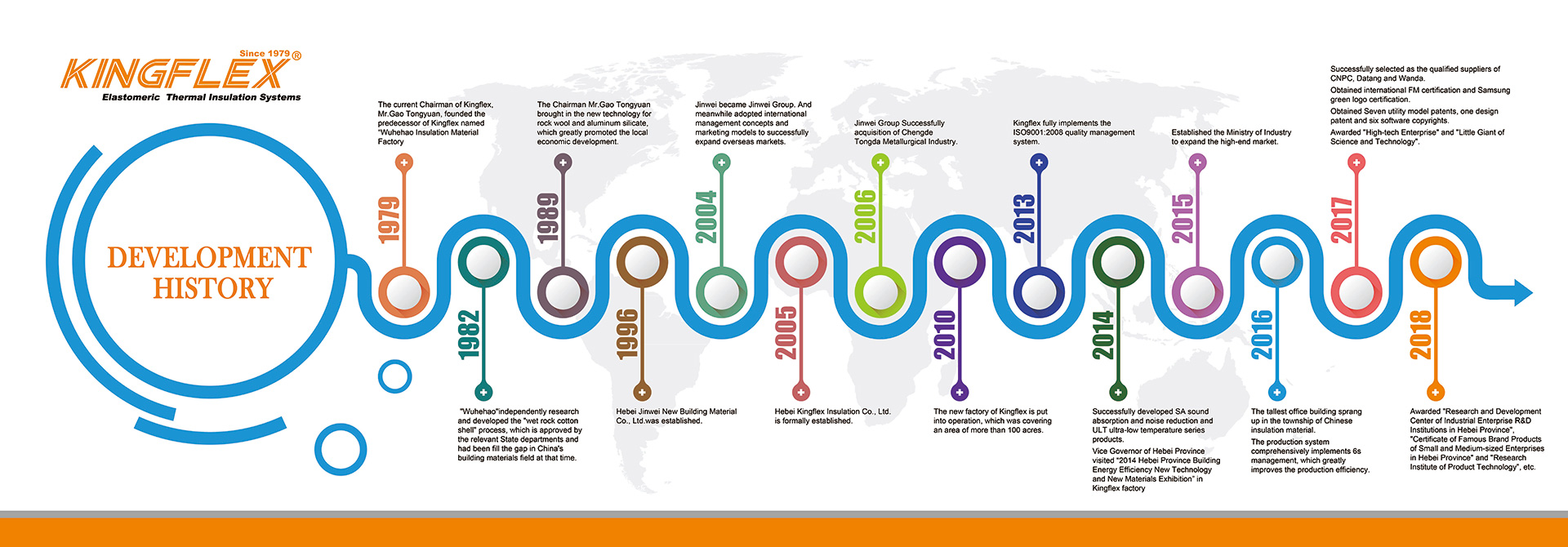
Kingflex Insulation Co., Ltd. operates a specialized manufacturing and trading configuration focused on advanced thermal insulation products. Headquartered in Dacheng, China, the facility serves as a production hub for green, energy-efficient building materials.
Established under the Jinwei/Kingway Group, which has been in operation since 1979, Kingflex holds a significant position in the thermal insulation industry north of the Yangtze River. The company's production facilities operate five automated extrusion and vulcanization lines, enabling an annual output exceeding 600,000 cubic meters. This production capacity enables consistent support for large-scale infrastructure projects.
Our facility is certified under key environmental and industrial quality standards, acting as an approved manufacturer for the Ministry of Energy and the Ministry of Chemical Industry. The production workforce includes eight dedicated R&D engineers and over 230 manufacturing staff, ensuring all finished goods meet global fire protection standards.
Selecting the correct elastomeric insulation requires evaluating parameters beyond basic thermal conductivity. Fire compliance, moisture resistance, and mechanical elasticity determine the product's operational lifespan in the field.
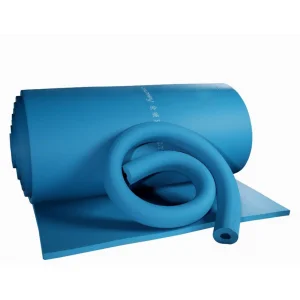
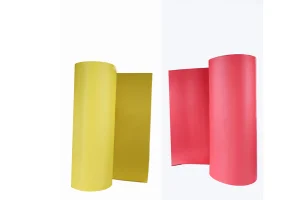
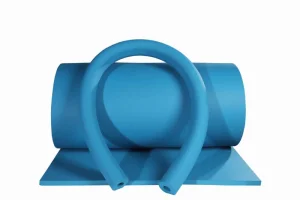
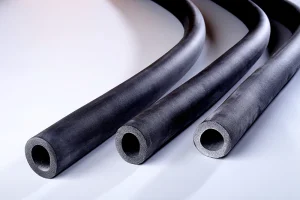
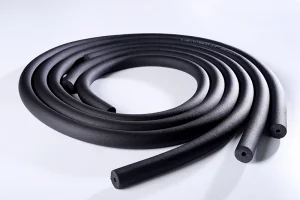
| Property Parameter | NBR/PVC Elastomeric Sheet Roll Specification | NBR/PVC Elastomeric Pipe/Tube Specification | Test Methods & Certification standards |
|---|---|---|---|
| Thickness Range | 6mm to 50mm (Customized variations supported) | 9mm to 40mm (Internal Diameter: 6mm - 114mm) | ASTM C534 / EN 822 |
| Thermal Conductivity (λ) | ≤ 0.034 W/(m·k) at 0°C | ≤ 0.034 W/(m·k) at 0°C | ASTM C518 / ISO 8301 |
| Fire Safety Compliance | BS 476 Part 6 (Class 0) & Part 7 (Class 1) | BS 476 Part 6 & Part 7 Class 0/1, UL94 V-0 | BS 476 / UL 94 / ASTM E84 |
| Service Temperature Range | -40°C to 105°C (Extreme low options available) | -40°C to 105°C | ASTM C411 |
| Closed-Cell Ratio | > 98% uniformly distributed cells | > 98% closed cellular composition | ASTM D2856 |
| Water Vapor Permeability | Moisture resistance factor (μ) ≥ 10,000 | Moisture resistance factor (μ) ≥ 10,000 | BS EN 12086 / ASTM E96 |
| Compression Resilience | Over 80% compression recovery factor | Over 80% compression recovery factor | ASTM D1667 |
To achieve the Class 0 rating, materials must meet strict criteria in testing:
By maintaining low flame spread and minimal heat propagation, Kingflex elastomeric foam helps protect mechanical pipe networks and limits fire development.
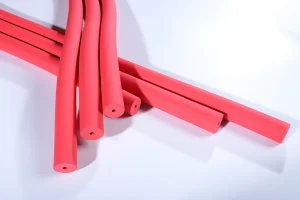
Kingflex elastomeric closed-cell foam provides thermal protection, condensation control, and sound attenuation across multiple sectors:
Commonly installed in HVAC air ducts, chiller lines, hot water pipes, and condensate drains. Its high moisture resistance factor (μ > 10,000) prevents mold growth, condensation drip, and thermal loss in high-humidity commercial structures.
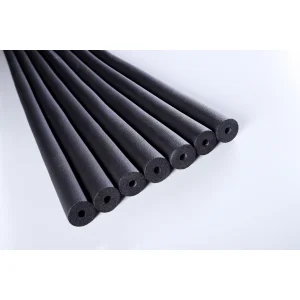
Designed for ultra-low temperature environments down to cryogenic levels. Our multi-layer cryogenic thermal systems are applied on LNG storage tanks, cold chain pipelines, and deep-freeze chemical processes to prevent thermal shock and external ice formation.
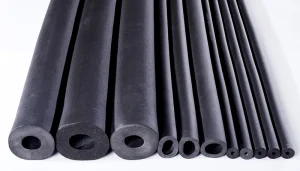
The open/closed cellular matrices in soundproof elastomeric foams damp mechanical vibrations and absorb structural sound waves. This is utilized in compressor rooms, industrial machine housings, and marine bulkheads.
Standard Dimension & Specifications:
Primary Practical Performance Benefits:
Standard Dimension & Specifications:
Primary Practical Performance Benefits:
Kingflex employs a structured testing program to verify compliance and product quality before distribution.
Our dedicated R&D department features 8 professional engineers testing parameters such as thermal conductivity, moisture absorption, smoke density, and flame spread. Continuous material tests evaluate elastomeric performance under accelerated aging conditions.
Every production batch is traceable from raw monomer input to the finished vulcanized sheet or tube, helping project managers verify compliance with technical specifications.
Kingflex materials comply with key global specifications, enabling usage in diverse international markets:
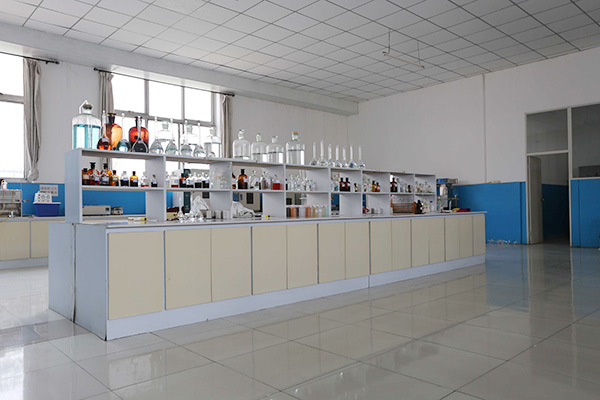

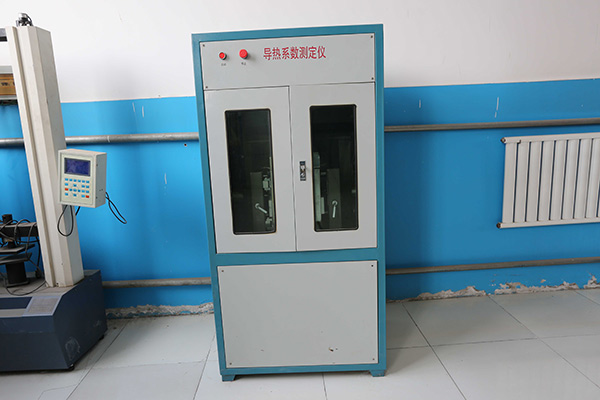
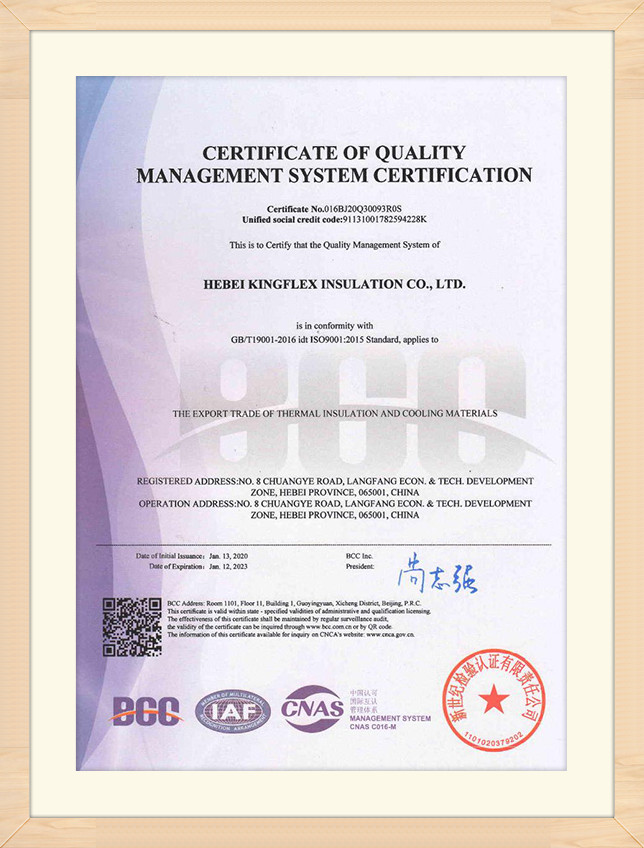


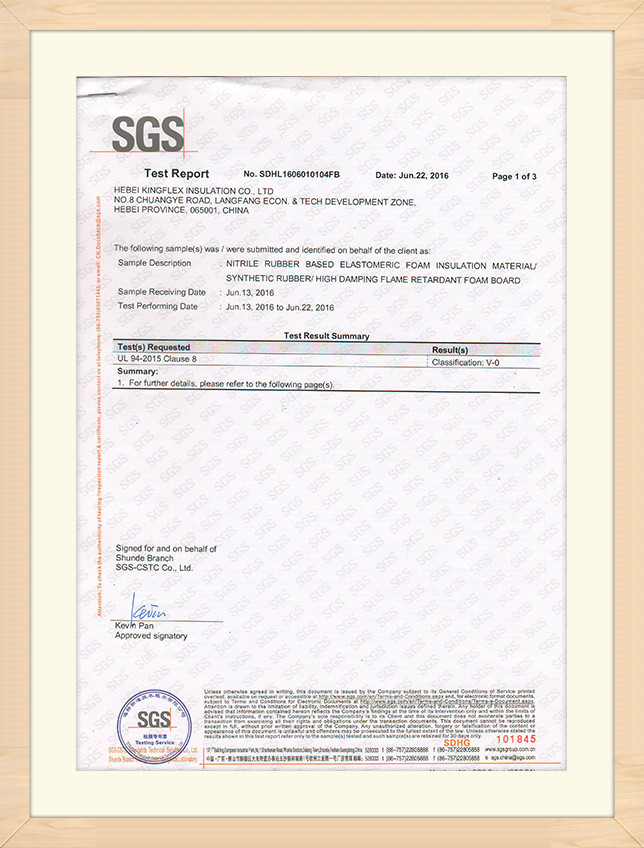
Kingflex insulation materials are distributed globally, with products shipped to more than 66 countries over the past 16 years.
We work with EPC contractors, industrial distributors, and mechanical builders across regions including the UK, Middle East, Southeast Asia, and South America. Key components of our logistics and support program include:
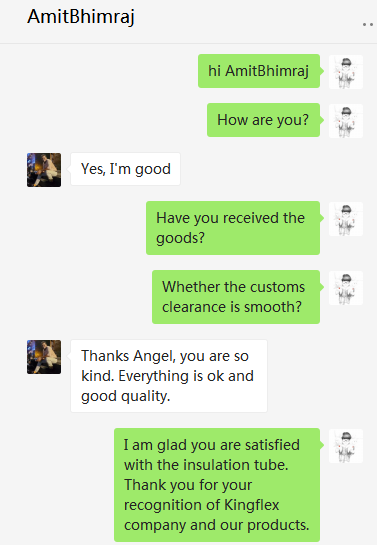
Customer communications verify our adherence to quality control:



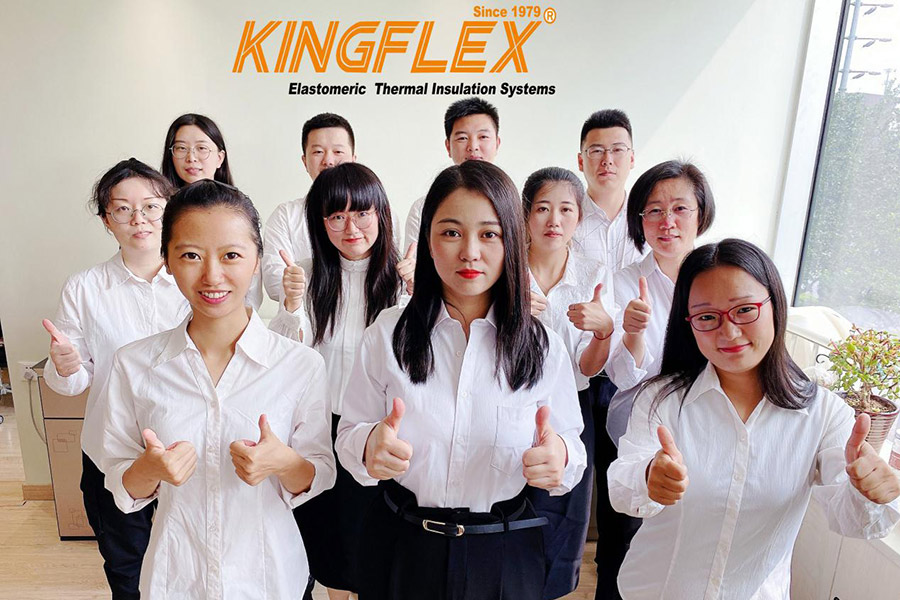
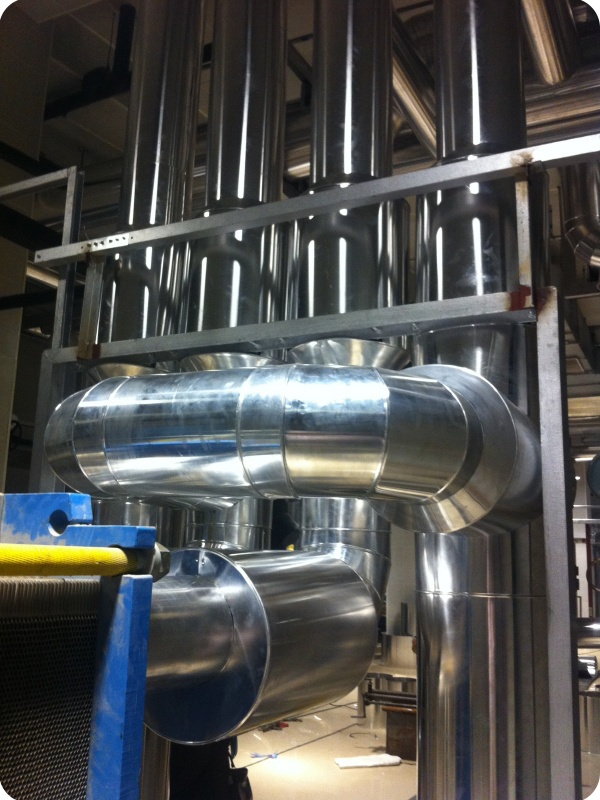
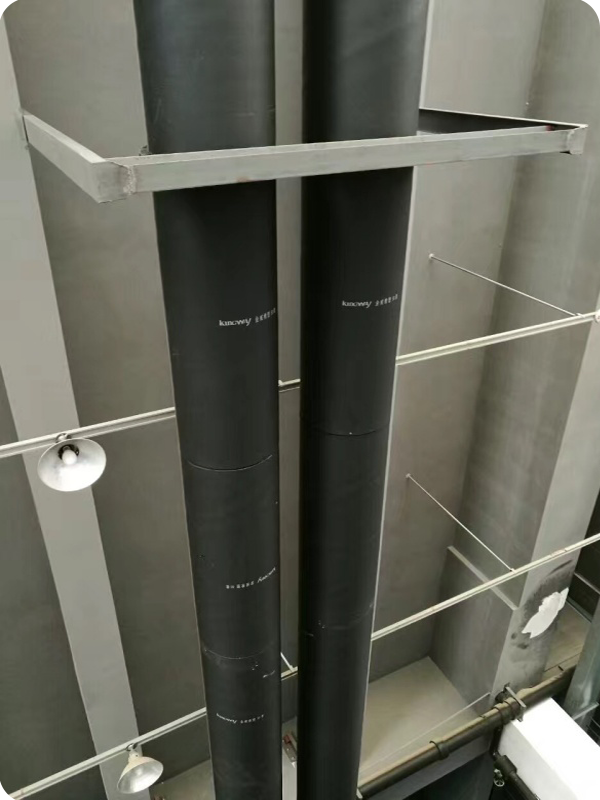
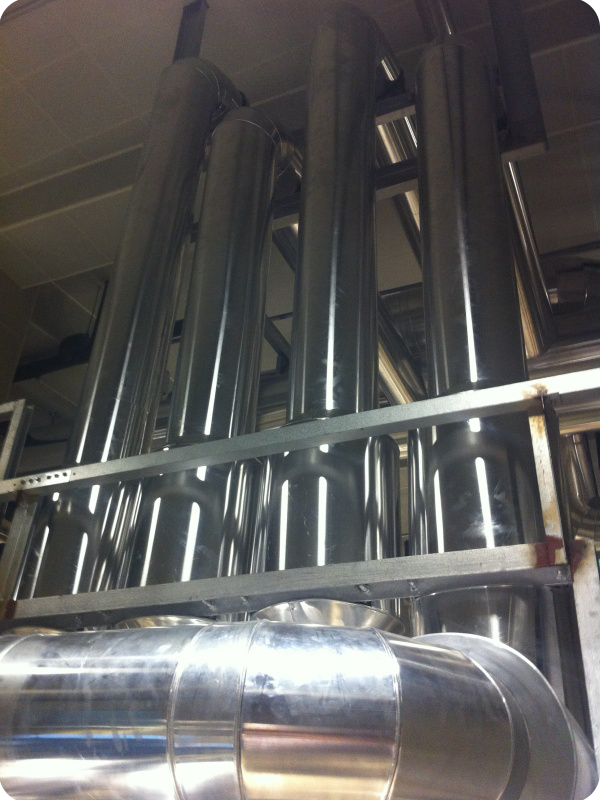
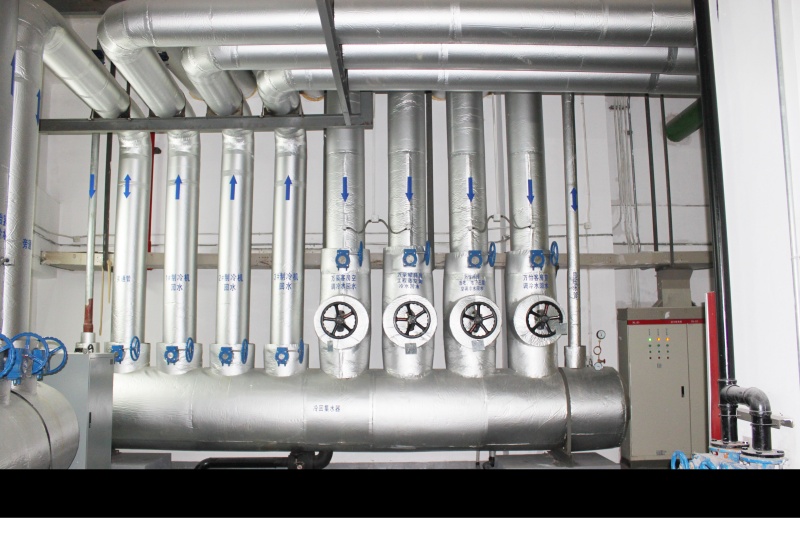
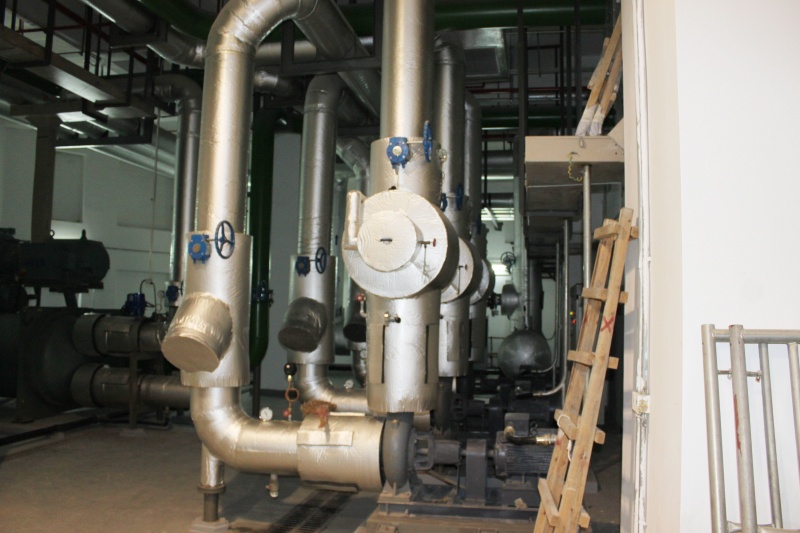
Kingflex insulation materials are applied in commercial buildings, industrial processing plants, and energy infrastructure.



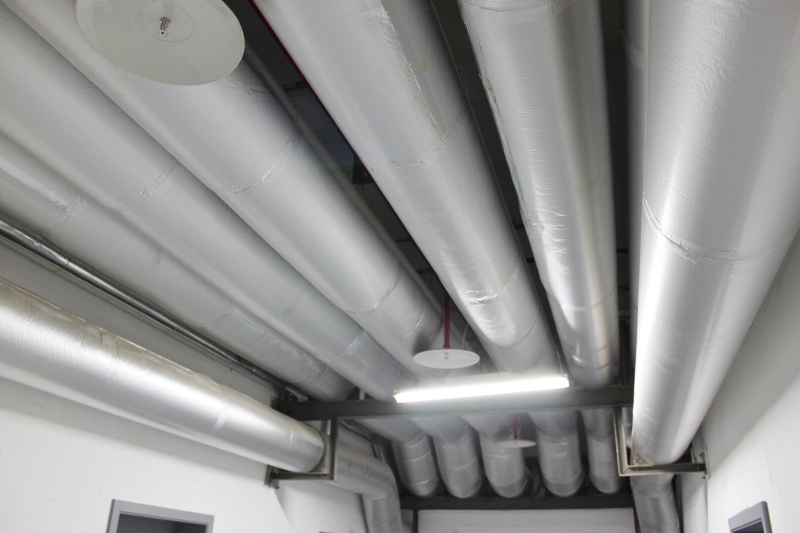

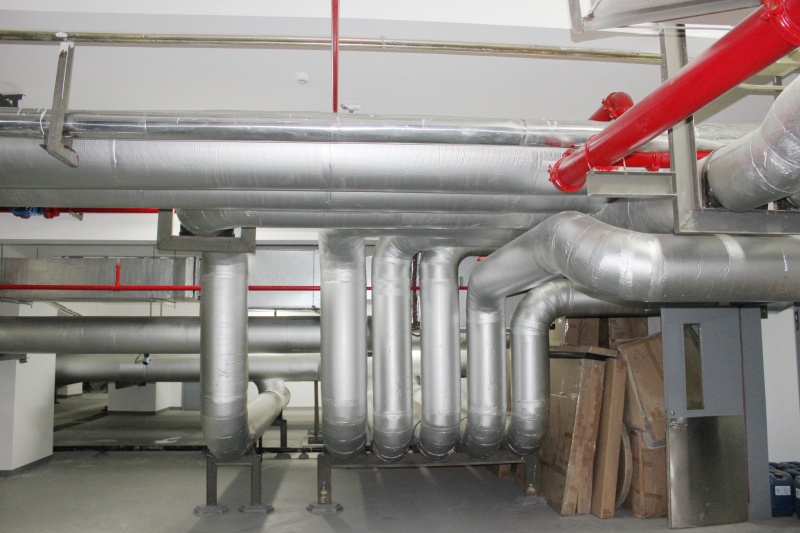
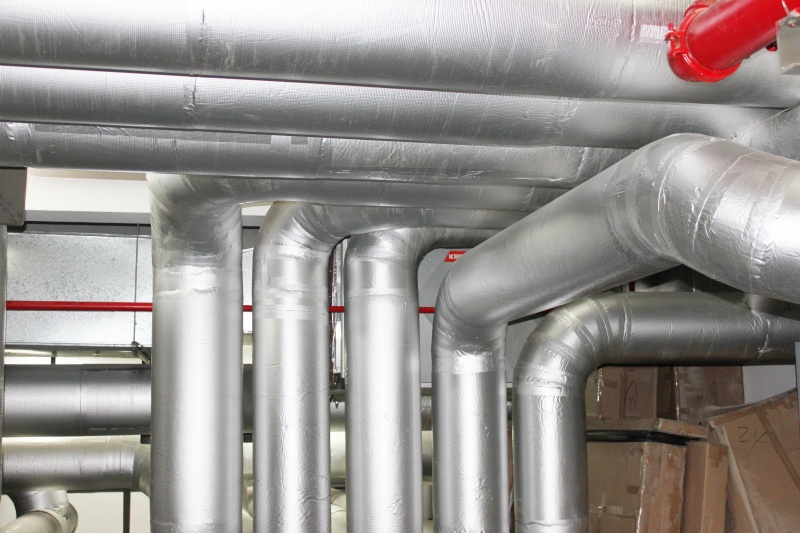
Expert answers regarding fire-rated elastomeric insulation applications, thermal performance, and compliance standards.
Select specialized materials for extreme low temperatures, acoustic dampening, and high-capacity HVAC piping layouts.
 Kingflex