Explore our high-performance closed-cell elastomeric insulation materials designed to safeguard AC copper tubes and optimize thermodynamic systems.

For split AC manufacturers, developers, and global distributors, understanding the China Cost of Copper Tube for Split AC requires looking far beyond simple commodity pricing. Copper linesets serve as the literal circulatory system of any direct expansion (DX) cooling system. The metallurgical integrity, thermal stability, and long-term durability of these tubes determine system COP (Coefficient of Performance) and the frequency of costly refrigerant leak recalls.
Global HVAC sourcing departments are currently facing unprecedented macroeconomic fluctuations. Driven by London Metal Exchange (LME) copper volatility, rising marine shipping rates, and evolving green energy building mandates, procurement agents must evaluate total-cost-of-ownership (TCO) models rather than superficial unit prices. In a standard split AC installation, a cheap copper lineset paired with poor-quality insulation can degrade thermal efficiency by up to 35% in high-humidity zones.
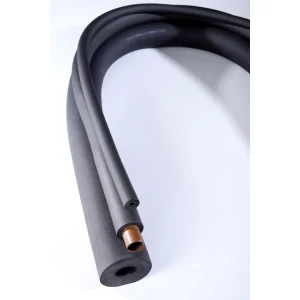
Premium copper tubing is only half of the thermodynamic equation. Without pairing with high-quality NBR/PVC closed-cell foam insulation, even C12200 grade deoxidized high phosphorus copper will suffer from external corrosion, excessive energy loss, and chronic condensation pooling. Leading manufacturers globally now source integrated lineset systems or qualify their insulation partners under strict E-E-A-T protocols to guarantee long-term system integrity.
To avoid installation failures and refrigerant pressure drops, sourcing departments must ensure that copper tubes conform to international manufacturing standards. Below are the structural criteria for commercial refrigeration and residential split AC setups:
| Standard Specification | Application Target | Material Quality Details |
|---|---|---|
| ASTM B280 | Air Conditioning & Refrigeration (ACR) Service | Min. 99.9% pure copper (C12200), cleaned and capped. |
| EN 12735-1 | European Standard for AC Piping | High pressure resistance, optimized for R410A / R32 refrigerants. |
| JIS H3300 | Japanese HVAC Industry Applications | Phosphorus-deoxidized copper, high corrosion tolerance. |
Why does China remain the primary hub for determining the benchmark cost of copper tube for split AC? The answer lies in massive industrial aggregation, highly streamlined raw material access, and advanced automated production engineering. Rather than operating in isolation, Chinese HVAC component suppliers operate inside cohesive manufacturing clusters where copper refining, extrusion, insulation foaming, and quality testing happen within close proximity.
At Kingflex Insulation Co., Ltd., we operate as a professional manufacturing and trading combo for thermal insulation products. Our R&D and production departments are located in Dacheng, China—widely recognized as the capital of energy-efficient green building materials. Kingflex operates 5 large automatic assembly lines, delivering an annual production capacity of over 600,000 cubic meters of high-density closed-cell insulation. This sheer scale allows us to buffer raw material cost hikes and pass along price advantages to HVAC developers and split AC factories globally.
By leveraging advanced automated extruders, we ensure that insulation thickness, inside diameter tolerances, and closed-cell density are completely uniform. This level of precision is vital for copper tube sleeves; a minor variation in insulation thickness can create micro-air gaps, triggering inner-pipe condensation and premature copper oxidation.
A copper tube for a split AC system is essentially a heat exchanger. When cold liquid refrigerant passes through the liquid line, or gas flows back through the suction line, any heat gain from the surrounding environment decreases the AC's efficiency. Furthermore, in humid conditions, the surface of uninsulated copper tubes falls below the dew point, causing immediate condensation. This condensation leads to water damage in walls, structural mold, and localized rust.
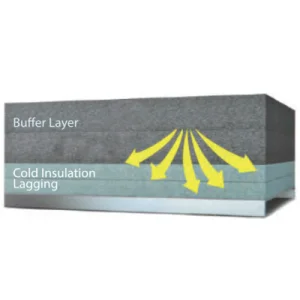
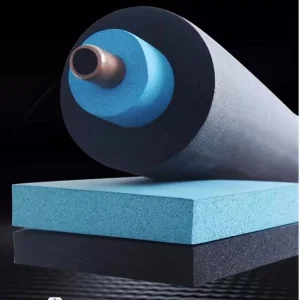
This is where the engineering synergy of Kingflex NBR/PVC elastomeric foam becomes crucial. By wrapping split AC copper tubing with our closed-cell rubber foam insulation, HVAC systems achieve optimal thermodynamic separation:
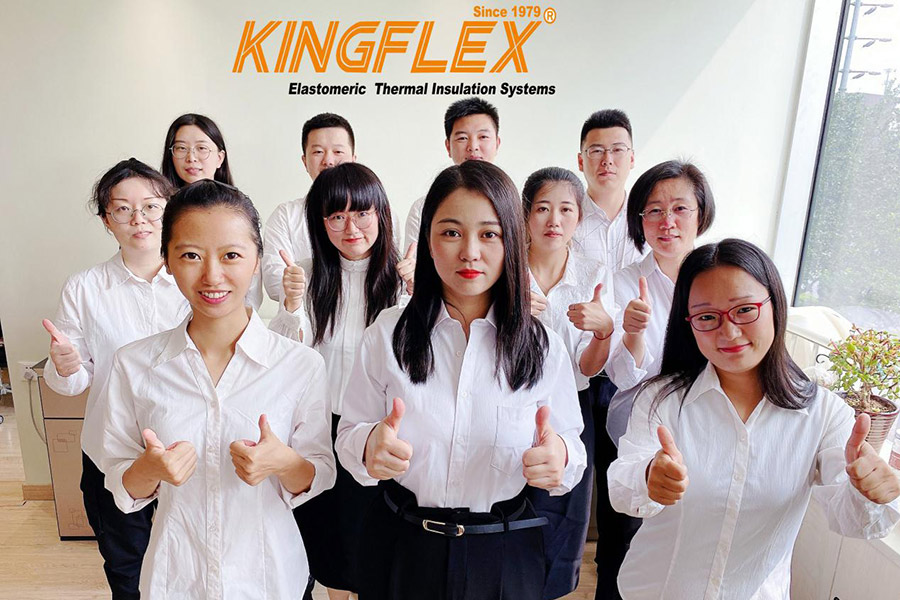
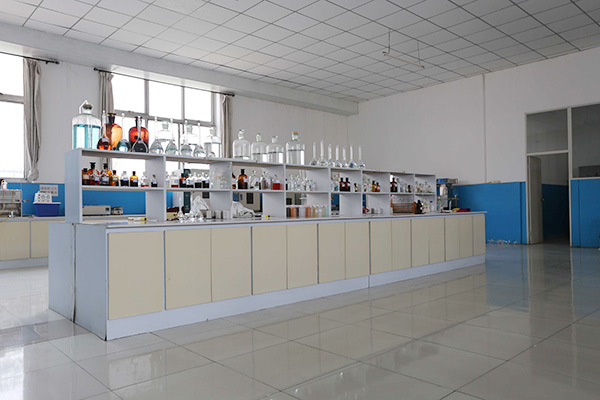

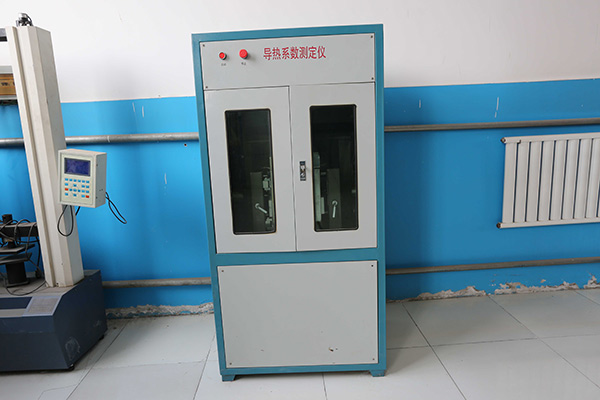
From architectural specifications in high-rise districts to high-demand industrial processing plants, AC copper tubes and insulation systems must adapt to highly specific environmental factors. A standard residential split AC lineset in a coastal area requires a totally different protection matrix compared to a cryogenic low-temperature pipeline system in a chemical plant.
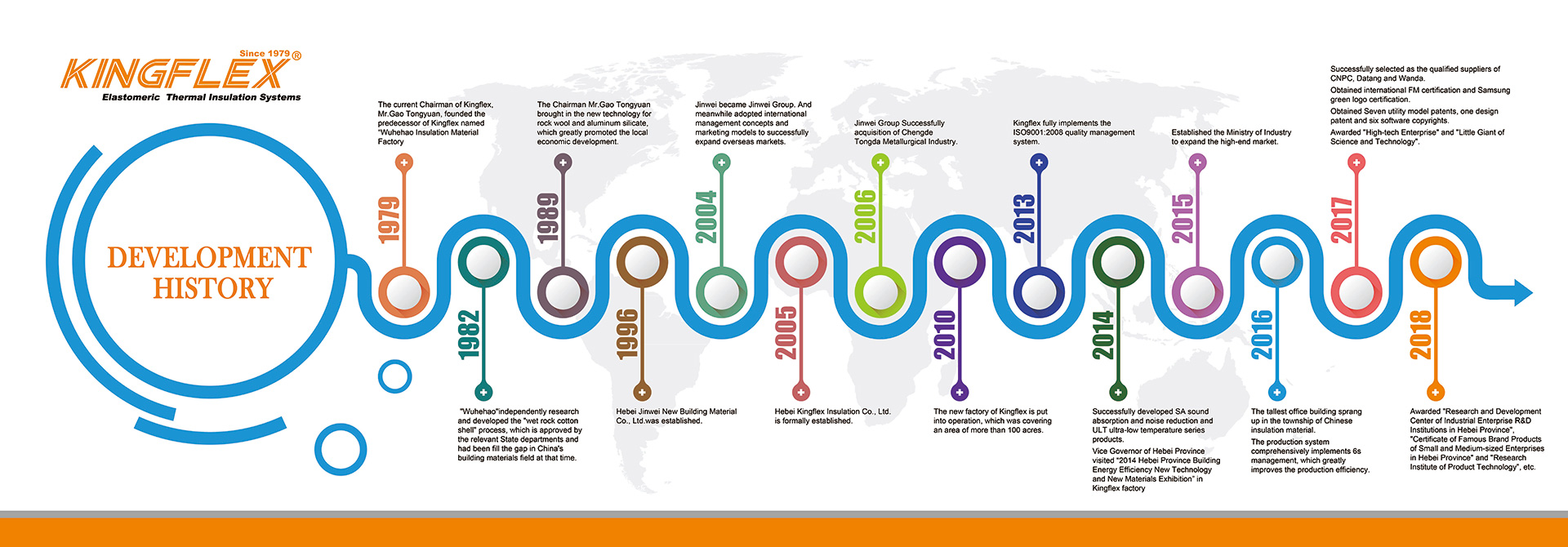
In international sourcing, trust is built on concrete timelines, verifiable certifications, and strict quality control. Kingflex is established by the Jinwei Group, which carries more than 40 years of manufacturing history. Founded in 1979, the group was the pioneer of thermal insulation materials north of the Yangtze River, paving the way for China's green building standards.
Jinwei Group established as the primary high-capacity thermal insulation manufacturing facility in Northern China.
Kingflex launched specialized NBR/PVC closed-cell automated assembly lines to cater specifically to global HVAC copper tube insulation demands.
Achieved complete compliance certification across major regulatory frameworks (BS 476 Part 6 & 7, CE, REACH, ROHS, UL94, and ASTM).
Exporting high-efficiency thermal insulation solutions to over 66 countries for industrial, commercial, and cryogenic applications.
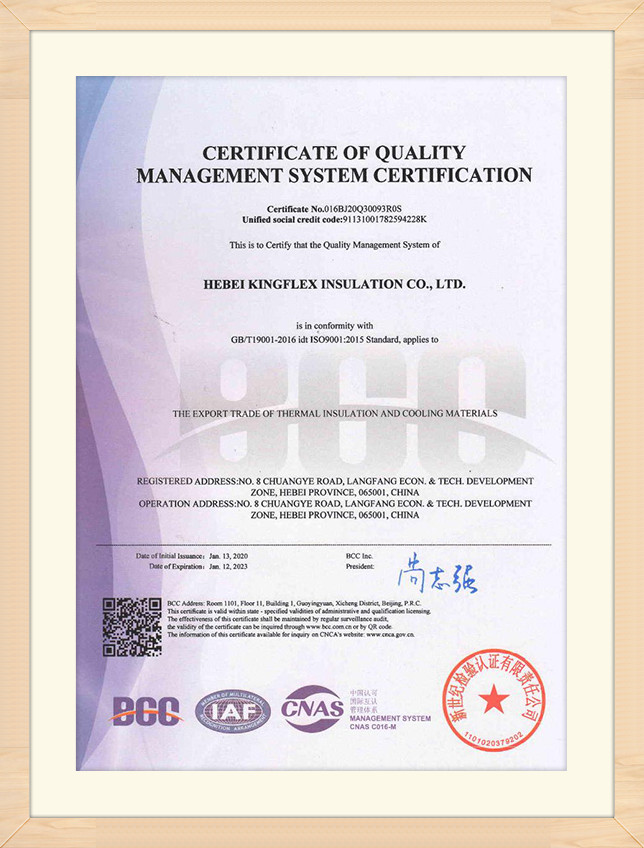


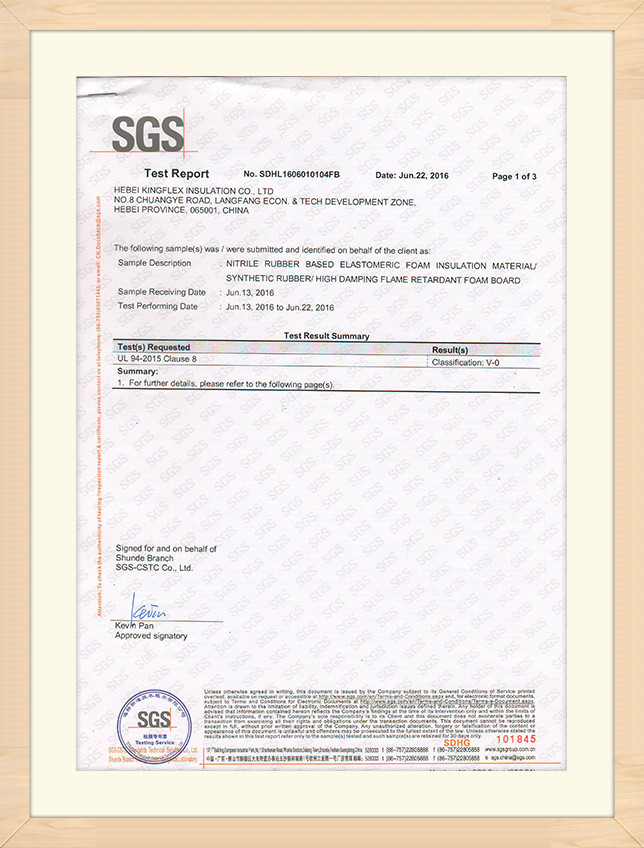
E-E-A-T requires raw evidence of successful project handovers and customer satisfaction. Our client-facing operations are backed by a dedicated team consisting of 8 R&D engineers, 6 international sales managers, and 230 skilled production employees. This robust structure enables us to provide rapid turnaround times and maintain complete traceability across all manufactured batches.
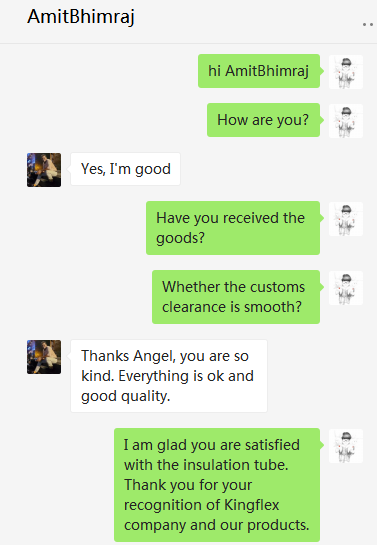
Below are authentic verified screenshots of daily communications, logistics confirmations, and quality sign-offs from our international buyers, proving our status as a reliable and transparent global partner:




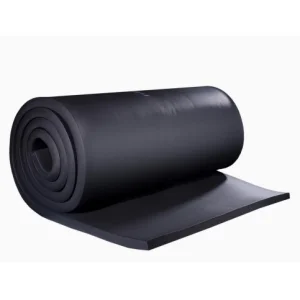
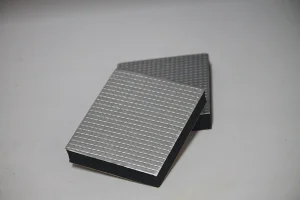
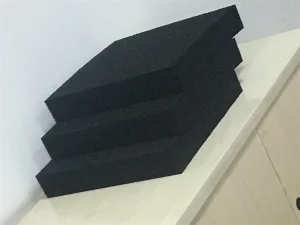
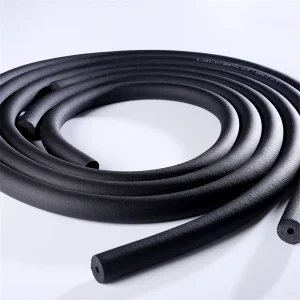
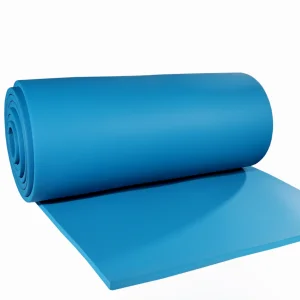
To help sourcing managers specify the correct materials for their split AC copper tubes, we detail our two main product lines below:

Standard Dimensions:
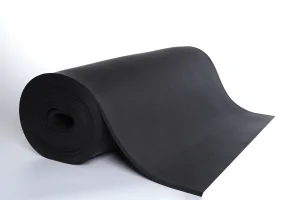
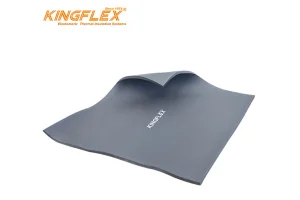
Material: NBR/PVC Blend
Thickness: 6mm - 50mm
Density Range: 40 - 55 kg/m³
Service Temperature Limit: -40℃ to 105℃
Key Advantages:
1. Foams evenly with a closed-cell rate exceeding 98% for reliable thermal performance.
2. Fully closed-cell matrix prevents moisture penetration and maintains stable long-term thermal conductivity.
3. Compression resilience ≥ 80% prevents flattening under structural load.
4. Self-extinguishing fire performance conforms to global safety standards.
Primary HVAC Applications:
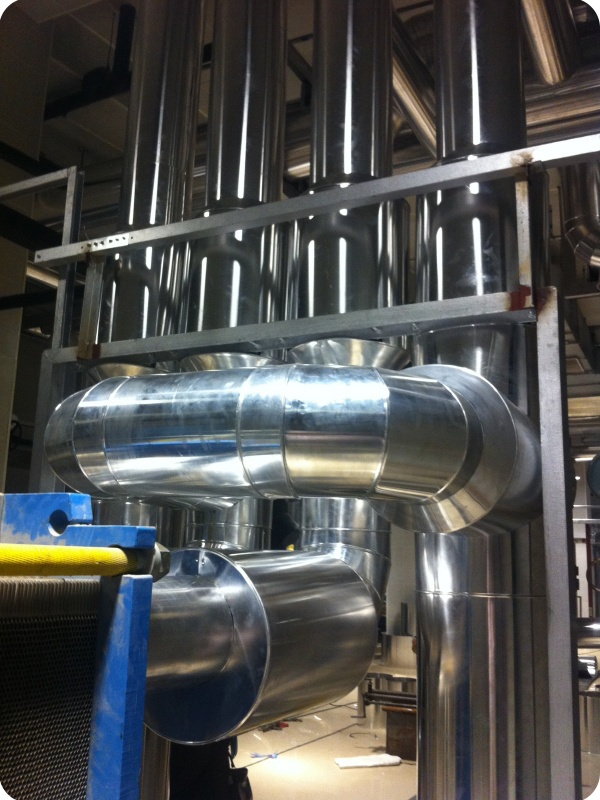
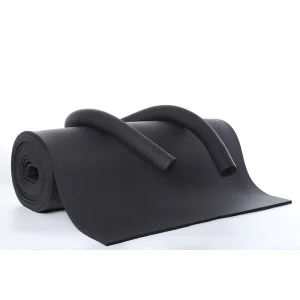
Excellent for central air conditioning air ducts, large-diameter headers, commercial refrigeration system piping, and high-capacity industrial liquid storage tanks.
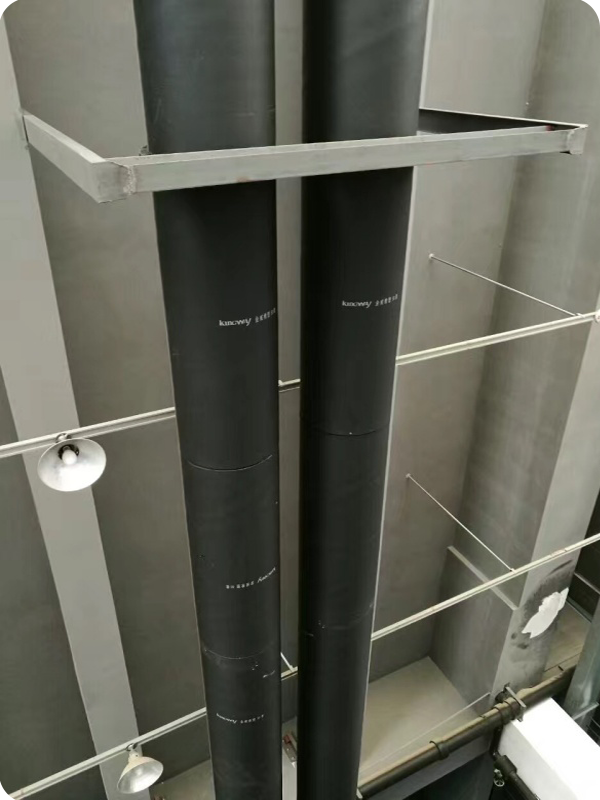
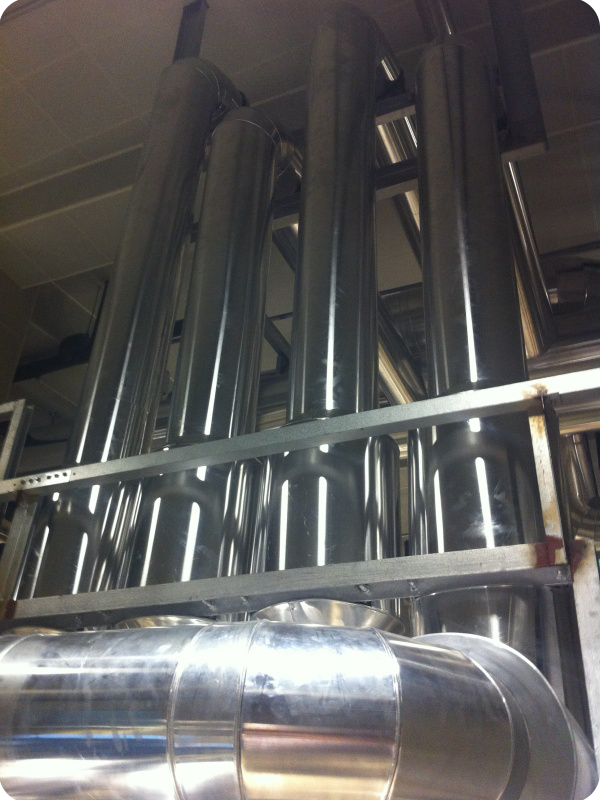
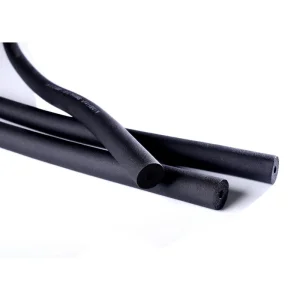
Standard Dimensions:
Material: NBR/PVC Blend
Thickness: 9mm - 40mm
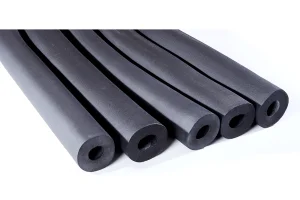
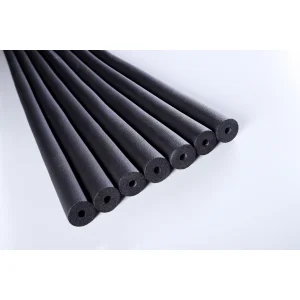
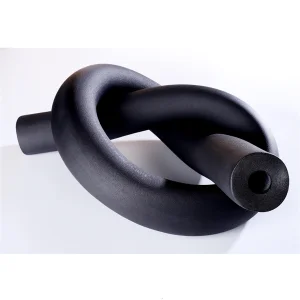
Inside Diameter (ID): 6mm - 114mm
Density Range: 40 - 55 kg/m³
Service Temperature Limit: -40℃ to 105℃
Key Advantages:
1. Precision inner core sizing fits perfectly over split AC copper linesets.
2. High-precision extrusion guarantees uniform wall thickness along the tube length.
3. Exceptional flexibility allows for easy installation around structural corners.
4. Dramatically reduces the risk of copper pipe freezing and cracking in sub-zero environments.
Primary HVAC Applications:
Specifically designed for split AC chilled/hot water lines, copper suction lines, VRF systems, residential air conditioner splits, and process chemical pipelines.
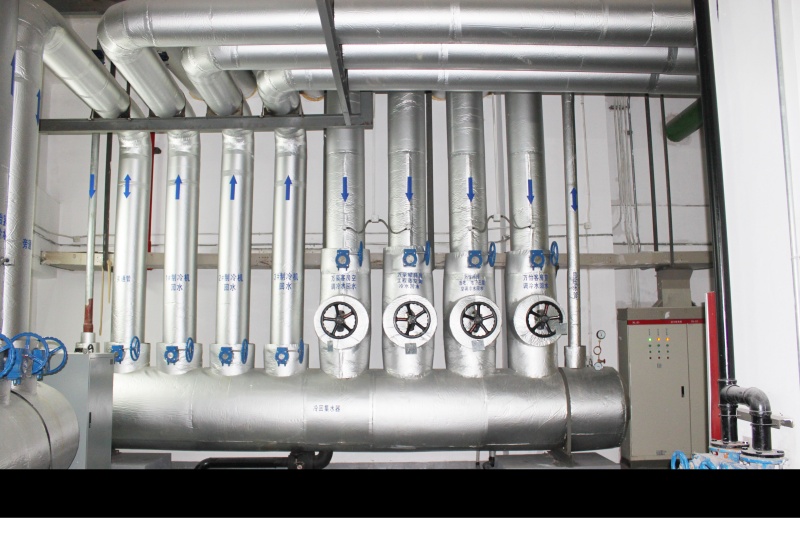
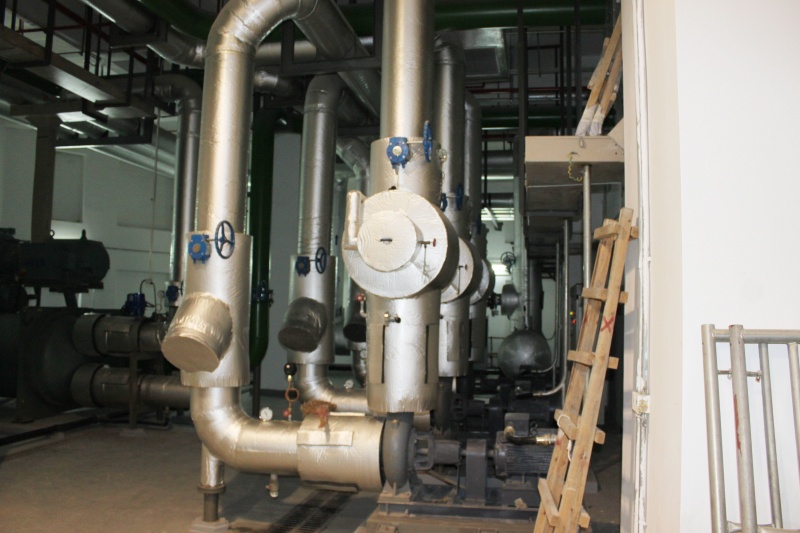
Kingflex products are specified in iconic architectural structures, industrial petrochemical complexes, and green-building designs worldwide.


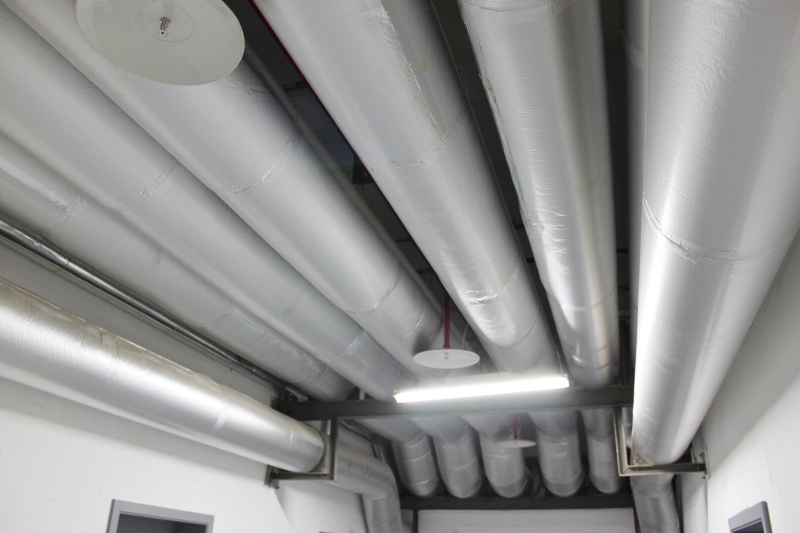

Expert answers to common questions about AC copper tubes, insulation materials, and procurement logistics.
Compare product solutions designed for standard HVAC installations, extreme cryogenic conditions, and high-noise environments.
 Kingflex