Explore our premium selection of elastomeric foam sheets, tubes, and specialized cryogenic piping insulation designed for global industrial infrastructures.
In modern industrial and commercial environments, the demand for high-performance insulation has shifted from traditional fibrous materials to advanced elastomeric structures. Traditionally, glass wool and rock wool were default choices. However, operations in critical environments—such as semi-conductor cleanrooms, pharmaceutical hubs, hospital HVAC configurations, and food processing lines—demand materials that present zero risks of particle shedding or fiber degradation.
Fibre-free thermal insulation represents a crucial evolutionary leap. Made primarily from synthetic rubbers (NBR/PVC copolymers), these products boast a fully closed-cell structure. By eliminating fibers, manufacturers protect indoor air quality (IAQ) and protect technicians from dermal and respiratory micro-irritations.
Over time, traditional mineral fibers absorb ambient moisture, causing a decline in thermal resistance. Closed-cell elastomeric foams, conversely, boast an incredibly high water vapor diffusion resistance factor (μ ≥ 10,000), meaning the insulation serves as its own built-in vapor barrier. This effectively prevents moisture-induced mold, microbial growth, and corrosion under insulation (CUI).

Procurement directors and engineers face strict regulatory frameworks and logistical constraints. The selection of a thermal insulation manufacturer is no longer solely about material costs; it is about overall compliance, manufacturing bandwidth, and material traceability.
Global architectural and marine environments require adherence to stringent fire-testing standards. Products must clear BS 476 Part 7 Class 1 and Part 6 Class 0, UL94 flammability assessments, and ASTM E84 standards for surface burning characteristics (Flame Spread Index < 25, Smoke Developed Index < 50).
To guard against product failures, developers demand components that possess total production line traceability. At Kingflex, every manufacturing run is cataloged, assuring raw chemical inputs match physical performance outputs.
Fibre-free rubber insulation contributes to structural energy efficiency. It is free from CFCs, HFCs, and HCFCs, promoting structural integrity without contributing to ozone depletion or greenhouse impacts.
Established under the parent canopy of the Jinwei Group, which holds over 40 years of industry experience since its foundation in 1979, Kingflex has grown from a regional pioneer into a prominent modern manufacturer of flexible elastomeric insulation north of the Yangtze River.
At our primary manufacturing plant in Dacheng—known as China's capital of green building materials—we combine production capacity with engineering R&D. Our production facilities include:
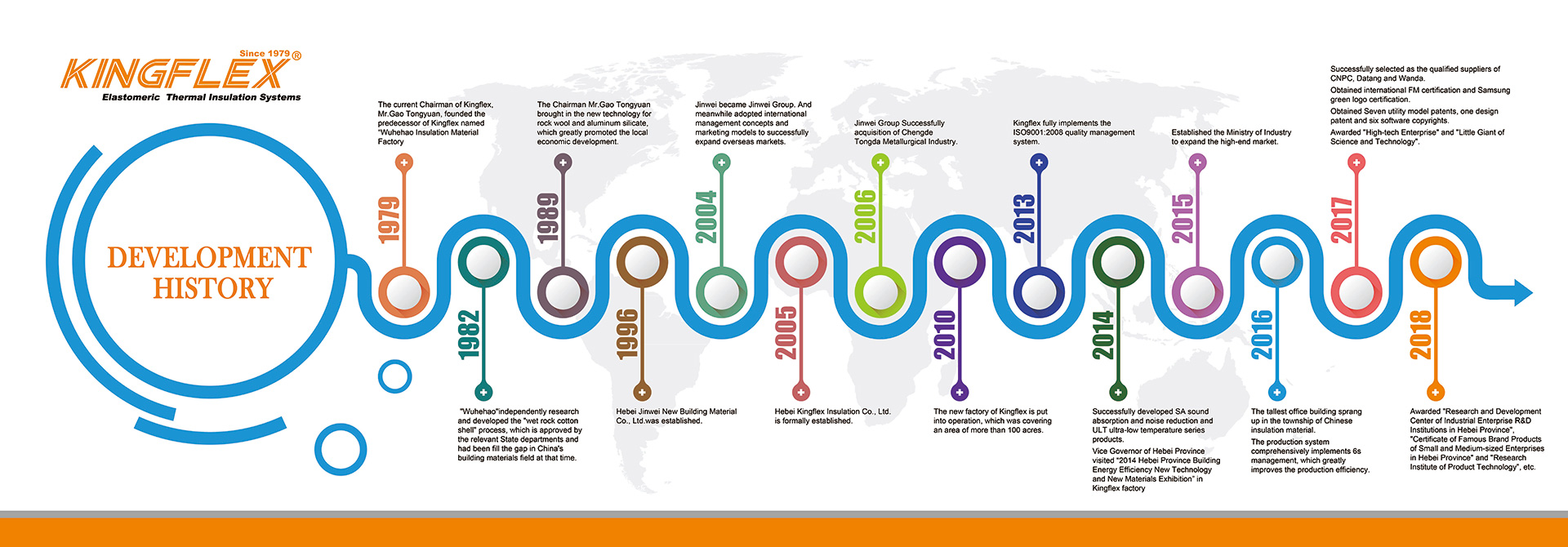
Our technical specifications reflect precise lab calculations. Explore standard configurations below for Kingflex NBR/PVC elastomeric foam products.
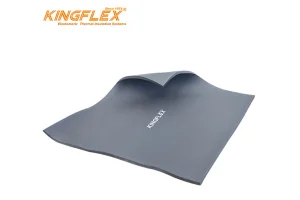
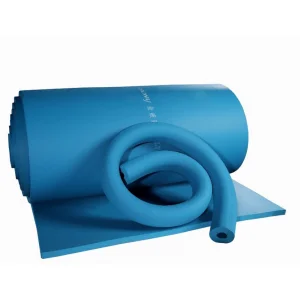
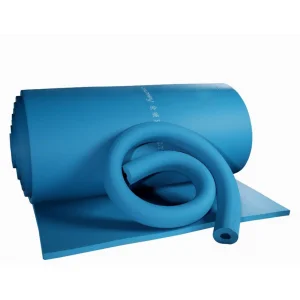
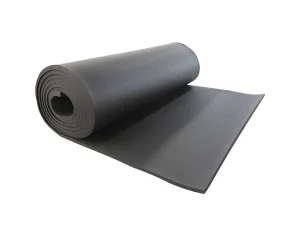
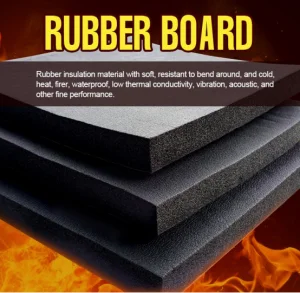
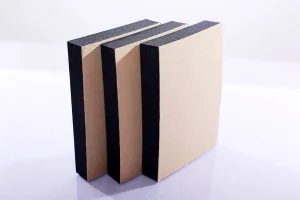
Ideal for large-diameter ducts, chillers, and flat architectural structures where continuous, seam-free insulation coverage is required.
| Parametric Attribute | Standard Value / Rating |
|---|---|
| Material Matrix | Premium Nitrile Butadiene Rubber / Polyvinyl Chloride (NBR/PVC) |
| Thickness Range | 6 mm to 50 mm (Custom increments supported) |
| Apparent Density | 40 kg/m³ to 55 kg/m³ |
| Service Temperature Limit | -40℃ to +105℃ (Cryogenic configurations available) |
| Closed Cell Ratio | Over 98% uniformly distributed cells |
| Compression Resilience | >80% recovery rate upon release |
| Flame Spread Rating | Self-extinguishing; BS 476 Class 0, UL94 V-0 Certified |
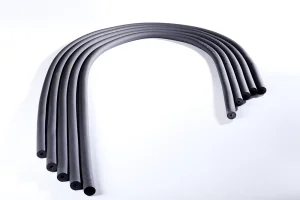
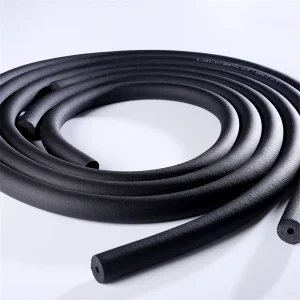
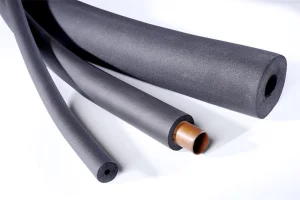
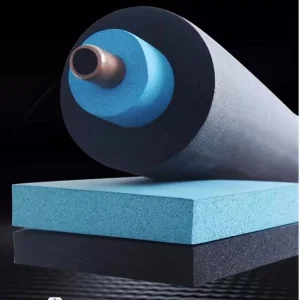
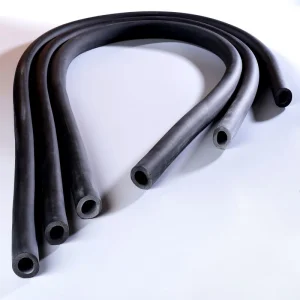
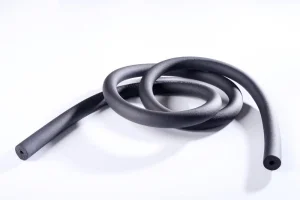
Pre-extruded tubes engineered to slide onto copper, steel, and iron pipes. Delivers insulation for HVAC chilled-water lines and cooling networks.
| Parametric Attribute | Standard Value / Rating |
|---|---|
| Material Matrix | High-density NBR/PVC copolymer blend |
| Wall Thickness | 9 mm to 40 mm |
| Internal Diameter (ID) | 6 mm to 114 mm |
| Apparent Density | 40 kg/m³ to 55 kg/m³ |
| Thermal Conductivity (λ) | ≤ 0.034 W/(m·K) at 0℃ |
| Moisture Resistance Factor | μ ≥ 10,000 (Built-in moisture protection) |
| Manufacturing Process | Continuous high-pressure gas extrusion and vulcanization |
Our specialized labs monitor critical material properties, including thermal conductivity, fire growth indices, and tensile recovery parameters, to maintain global standards.
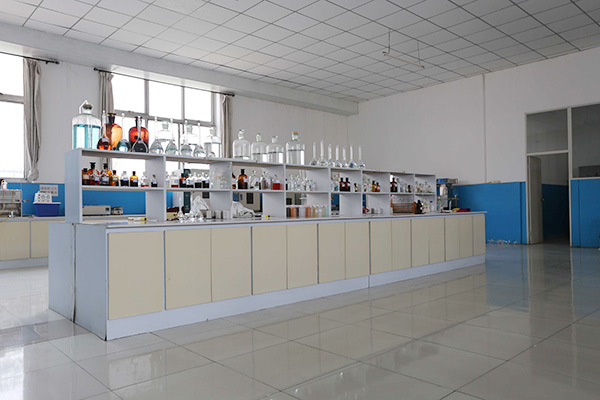

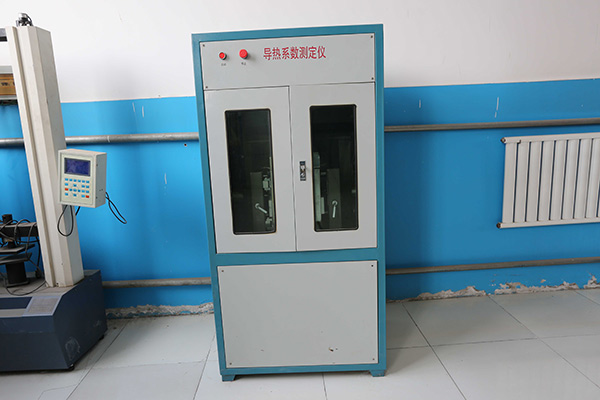
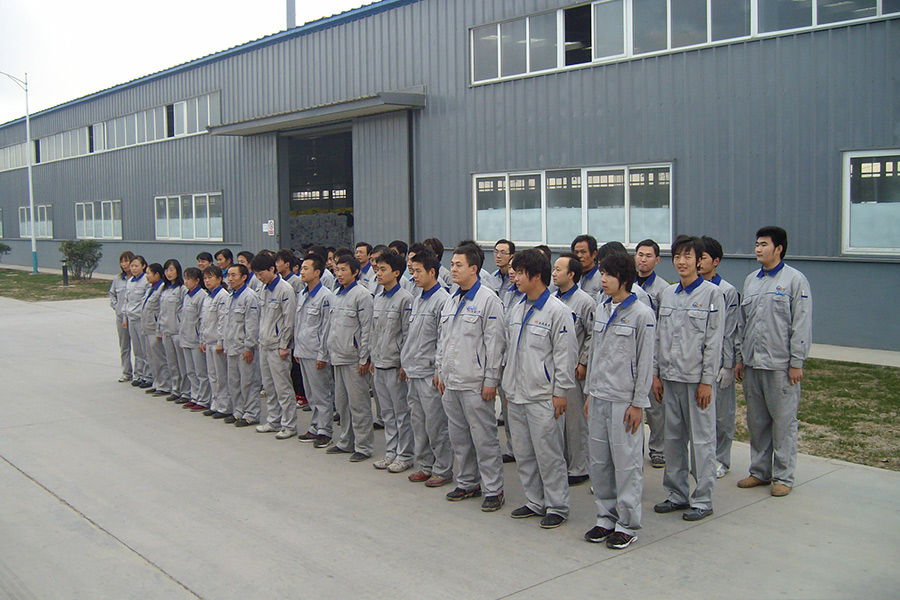
Our team includes 8 professional R&D engineers, 6 professional international sales associates, and over 230 production line workers. Kingflex leverages combined expertise to maintain quality standards across our 5 assembly lines, helping projects meet local design parameters.
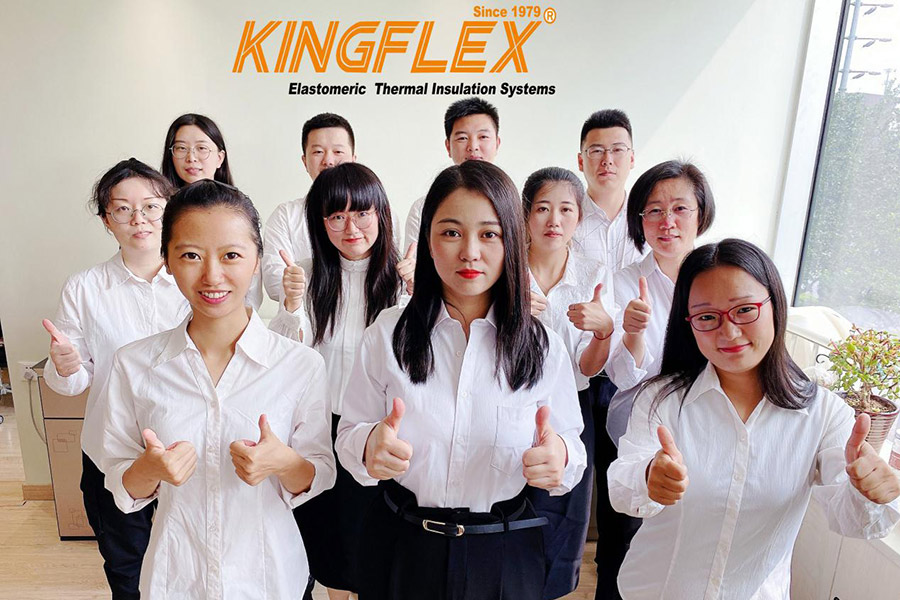
Our insulation is designed to perform in demanding scenarios. Below is how Kingflex NBR/PVC closed-cell structures meet localized operational requirements:
In humid commercial regions, cooling systems generate significant condensate. High-density Kingflex rubber insulation tubes are installed directly onto condensate pipework. Their high moisture resistance prevents dew-point condensation, preventing water damage to interior ceilings and walls.
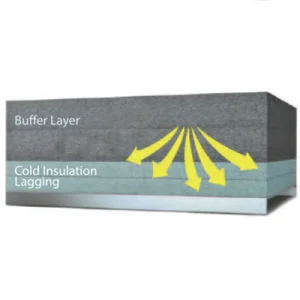
For chemical transport, LNG hubs, and pharmaceutical chill lines operating at temperatures as low as -40℃, we supply specialized ultra-low temperature elastomeric compounds. These materials prevent thermal intrusion, keeping industrial processes stable.
Particulate cleanliness is critical in micro-electronic fabs. Kingflex fibre-free insulation ensures no micro-fibers shed into cleanroom ventilation zones, keeping air handling units clean and maintaining ISO cleanroom classifications.
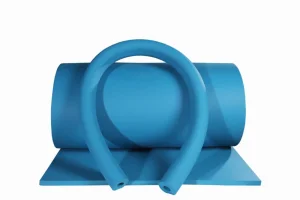
Installed inside mechanical equipment rooms, theatres, and hospitals, our 40mm sheet rolls dampen fan noise and structural vibrations. The closed-cell matrix absorbs sound frequencies while maintaining thermal efficiency.
With resistance to mild acids, oils, and chemical vapors, our elastomeric pipe insulation serves as a protective barrier on chemical production lines, guarding metal surfaces against structural corrosion.
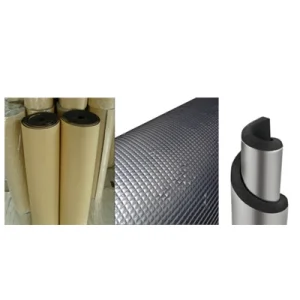
Sea air is highly corrosive. Kingflex rubber foam sheets, paired with aluminum foil cladding, withstand saltwater spray and UV exposure, protecting pipework on ships and offshore drilling rigs.
Our quality is backed by certified testing. Kingflex products carry approvals from international testing laboratories.
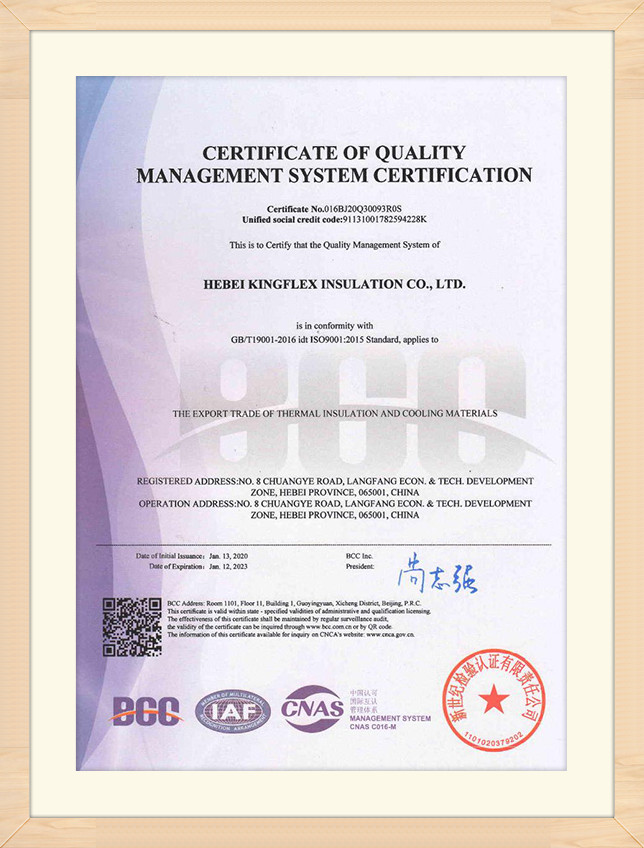


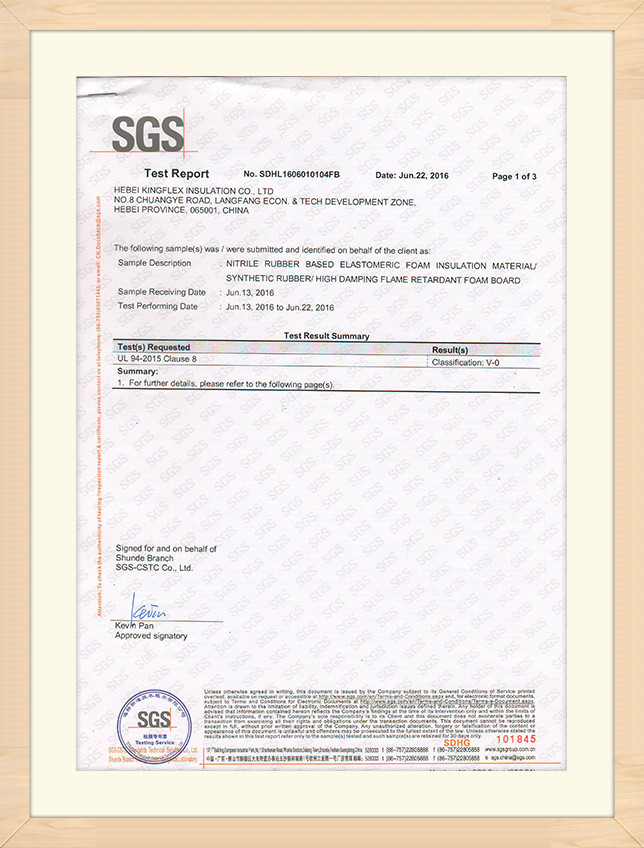
We work closely with global design agencies, EPC contractors, and mechanical engineering firms. Our 6-person international service department supports our clients from initial engineering specifications to final delivery, across 66 countries.

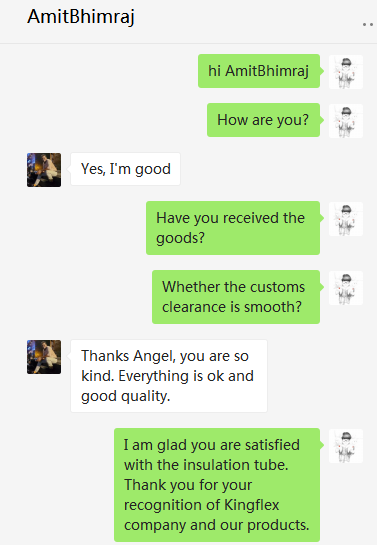
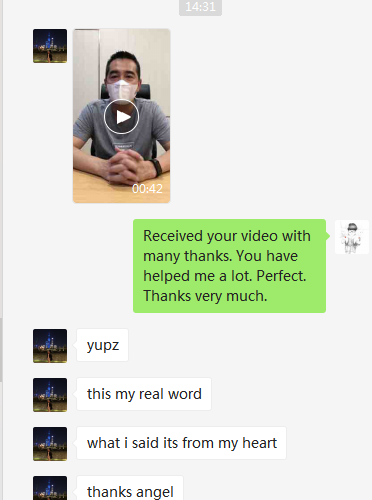
Our commitment to quality has earned us positive feedback from global procurement partners. Below are verify-verified screenshots of our communication and project coordination records, illustrating our commitment to client satisfaction.



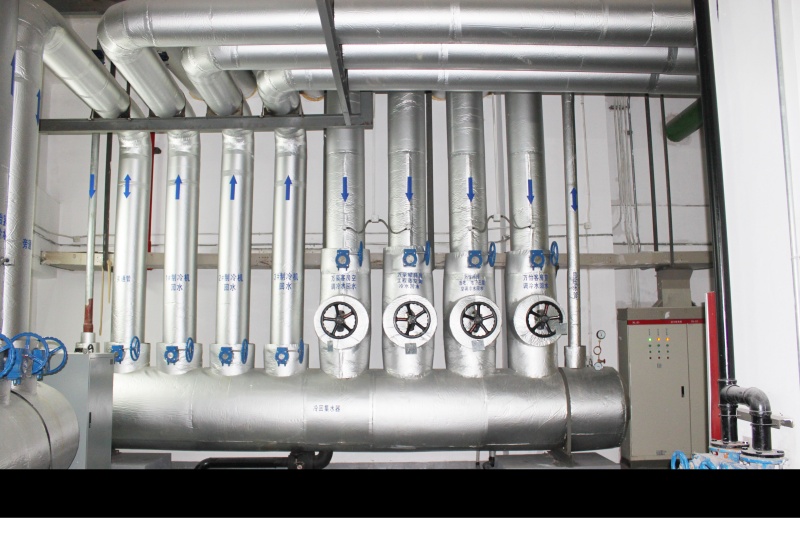
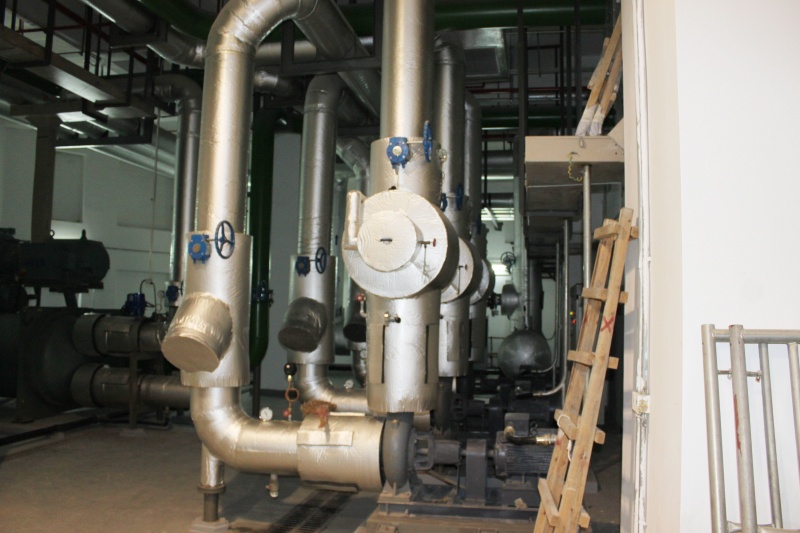
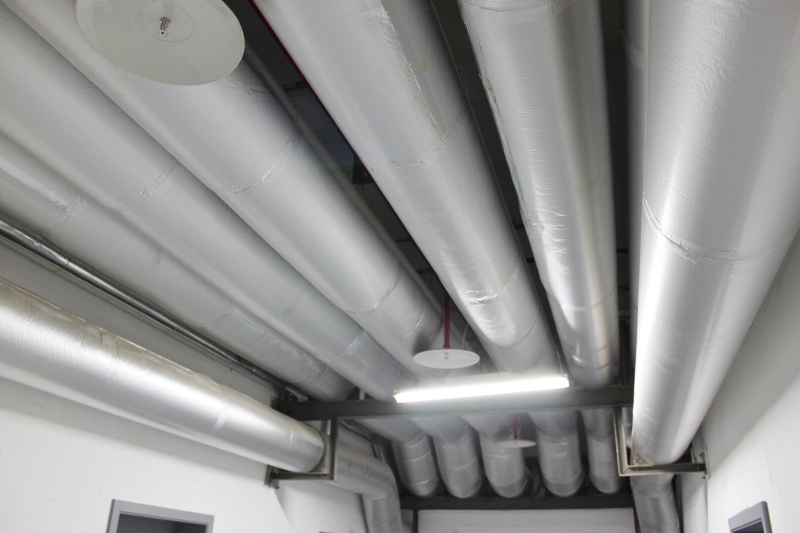
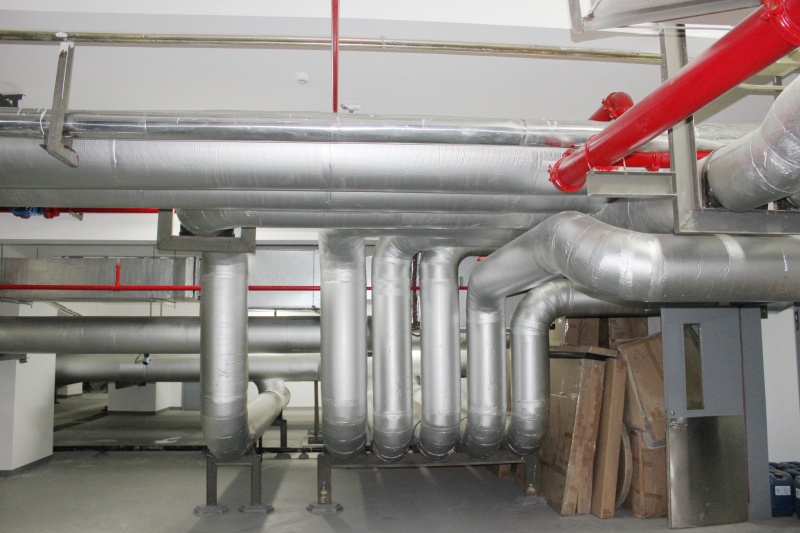
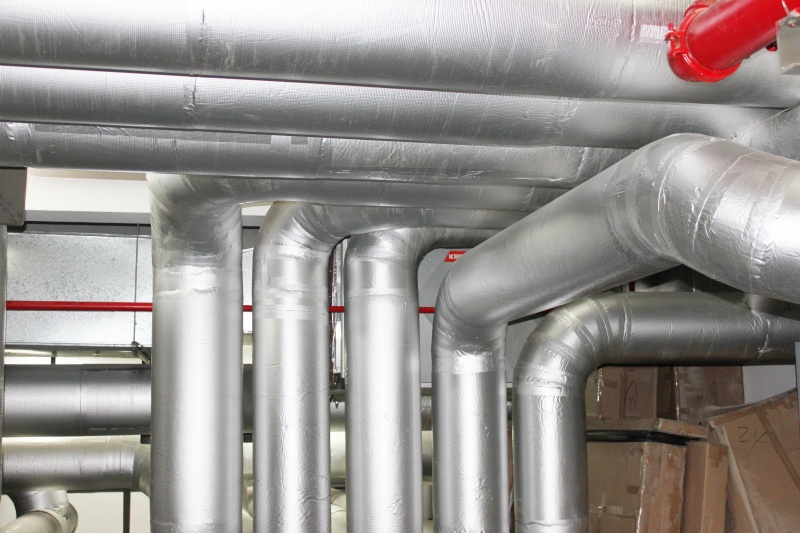
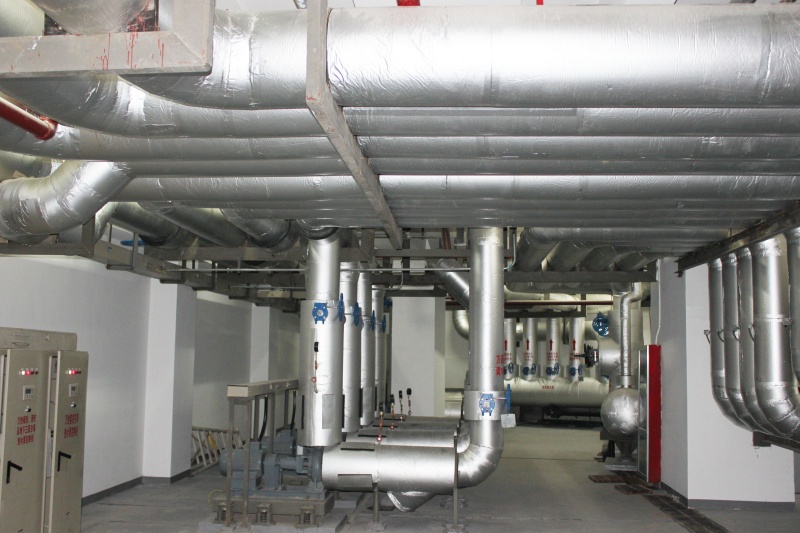
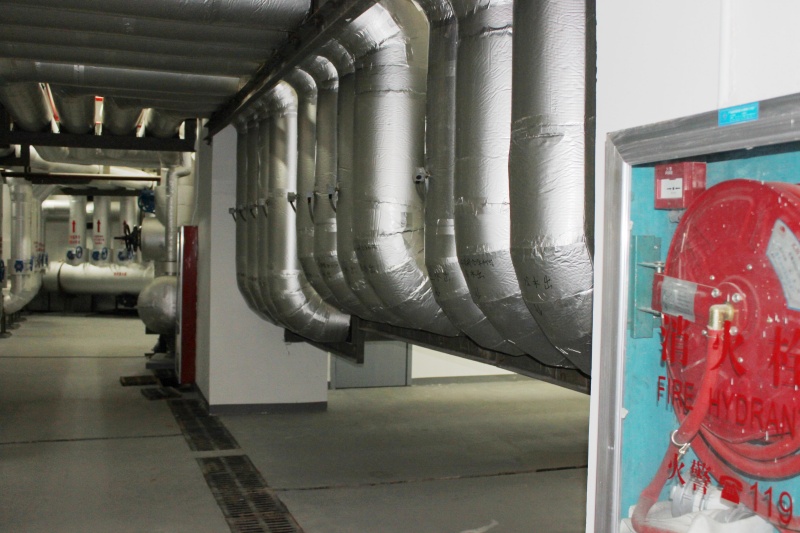
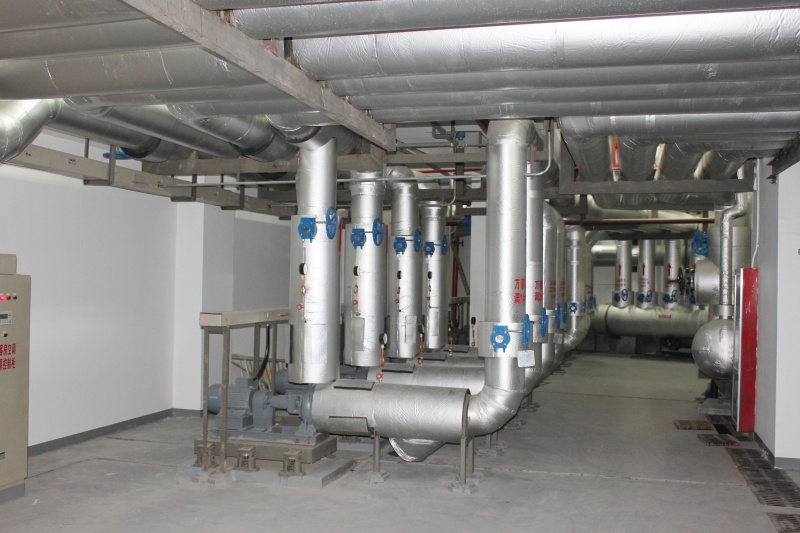
See our high-temperature, fibre-free thermal insulation systems in action across industrial and commercial facilities worldwide.

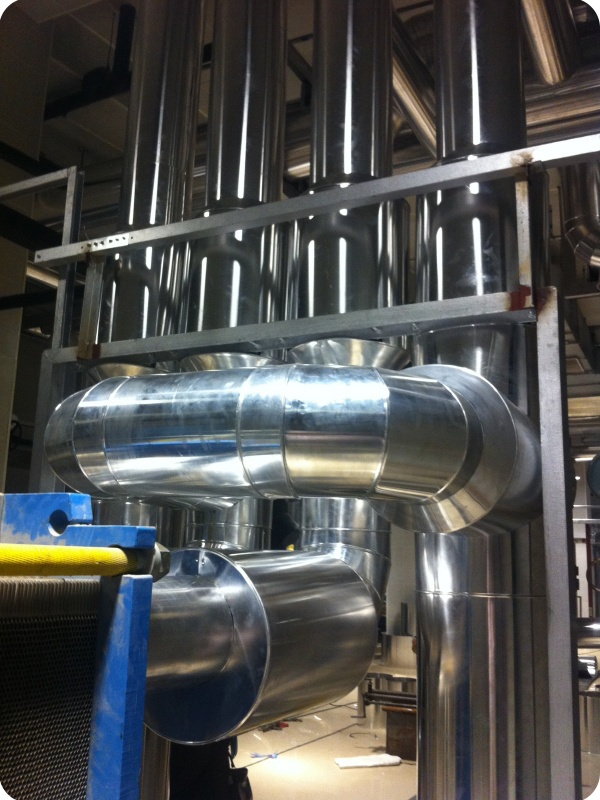
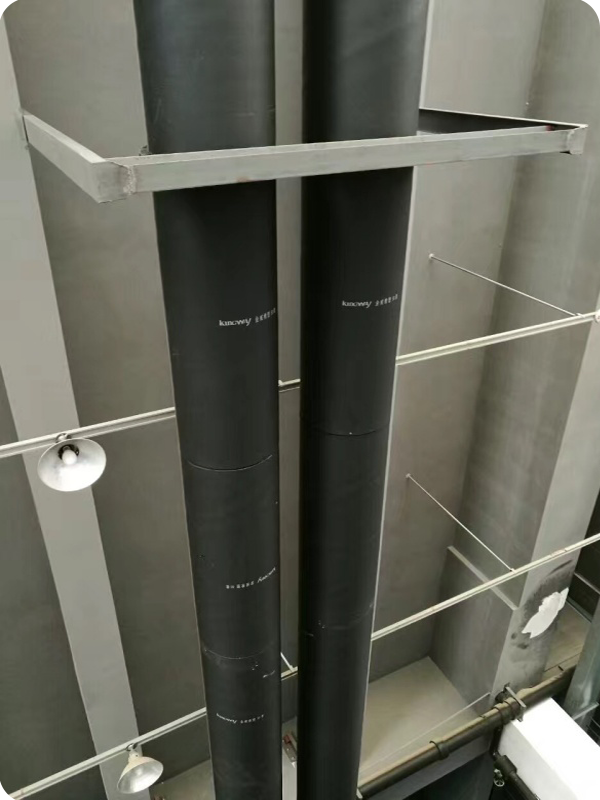
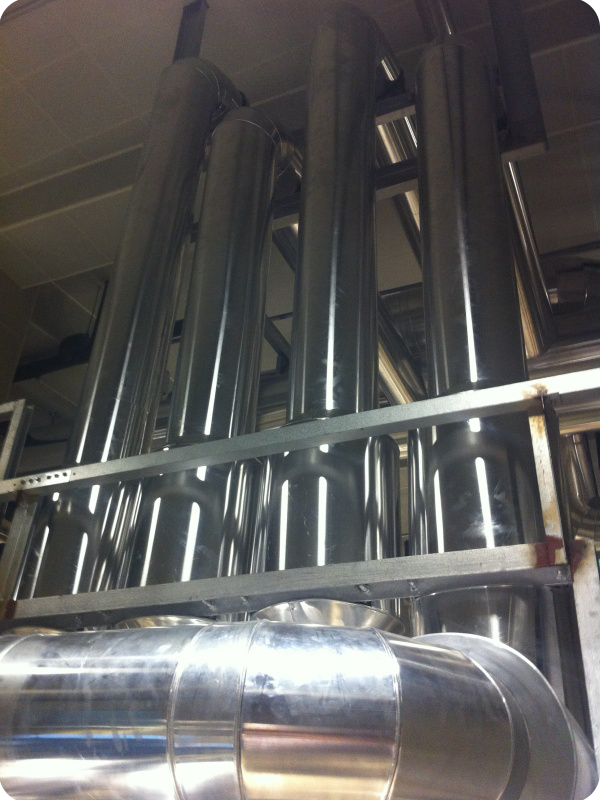
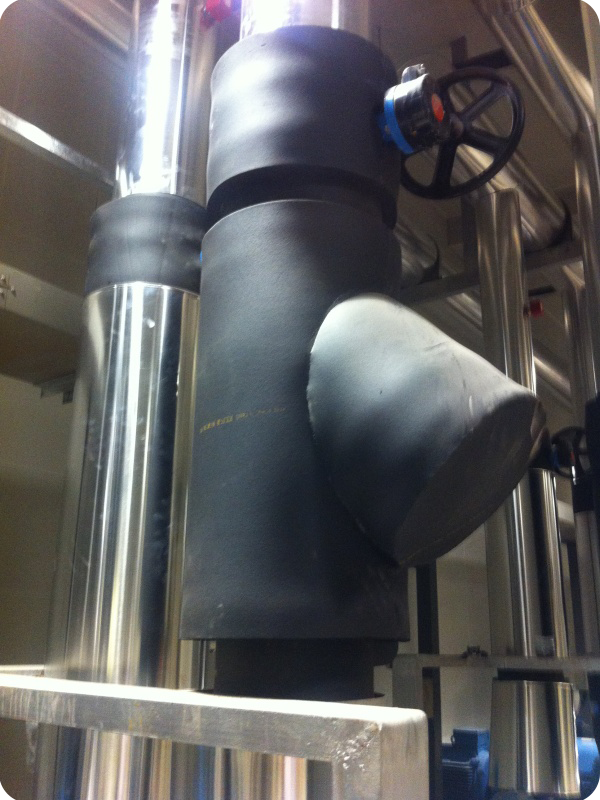
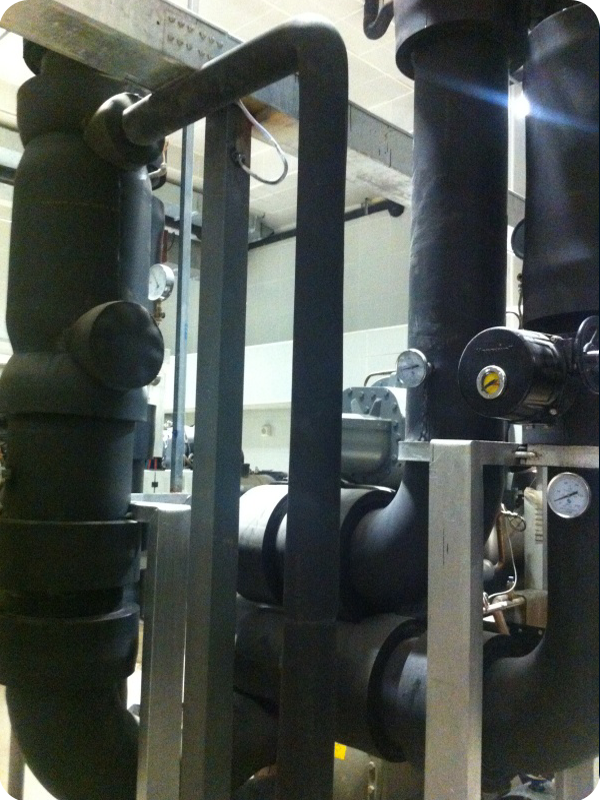
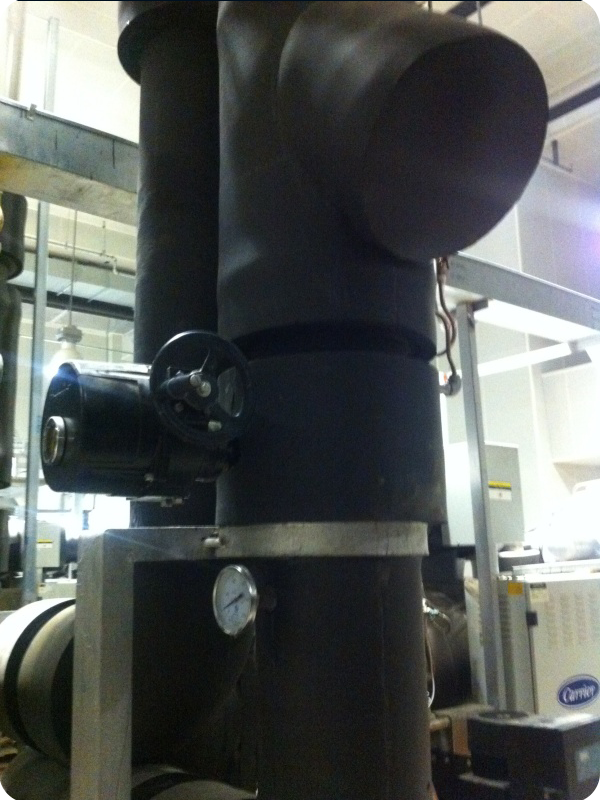
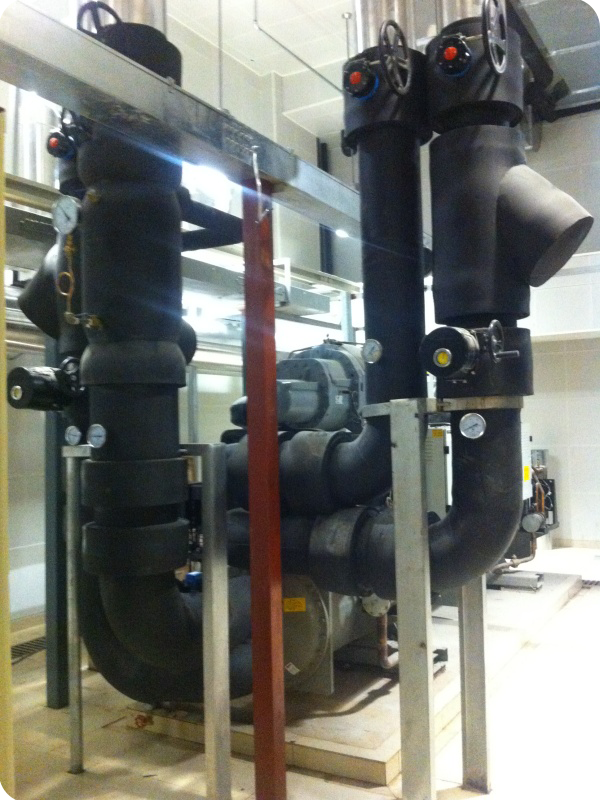
A photo tour of our Dacheng production facility, demonstrating our automated extrusion, curing, and packaging capacity.




Get authoritative answers on the applications, performance standards, and chemical properties of Kingflex elastomeric insulation systems.
It is mainly used for HVAC ducts, air conditioning pipes, building thermal insulation, industrial pipeline cold insulation, and sound insulation. Because of its closed-cell matrix, it resists moisture ingress and prevents condensation on cold pipe surfaces, making it suitable for cleanrooms and environments where airborne fibers are prohibited.
Yes, our rubber foam insulation products are fire retardant, meeting international safety standards such as BS 476 Part 6 & 7 (Class 0 and Class 1), CE, UL94 (V-0 rating), and ASTM standards. The rubber compound features fire-retardant additives that help prevent flame spread and self-extinguish once the fire source is removed.
Rubber foam is flexible, closed-cell, and moisture-proof, suitable for HVAC and building insulation. It does not release airborne fibers, protecting indoor air quality. Rock wool is a fibrous, open-cell material designed for high-temperature industrial pipelines. While rock wool handles higher temperatures, it requires an external vapor barrier to prevent moisture accumulation.
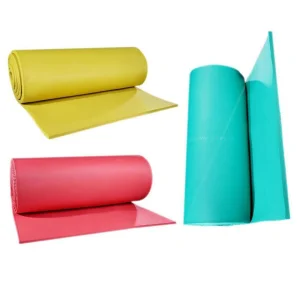
Yes, we support comprehensive OEM services. We can customize dimensions, thicknesses (from 6mm up to 50mm), colors (for color-coded pipelines), and backing adhesive layers or aluminum foil facings to meet specific project guidelines.
Our products have passed BS 476, CE, REACH, ROHS, UL94, ASTM, and other international certifications. This ensures compliance with regional environmental, building safety, and chemical control codes worldwide.
Yes, Kingflex maintains strict batch-code traceability across our production lines. Every roll and pipe shipment can be traced back to its raw material formulations, production date, line number, and quality control inspector sign-off.
We produce standard sheet rolls in thicknesses ranging from 6mm to 50mm. Thicker options can be engineered or laminated depending on thermal gradient requirements and ambient relative humidity constraints.
Under recommended operating temperatures (-40℃ to +105℃) and standard indoor conditions, our rubber foam products have an expected service life of 10 to 15 years. Outdoors, when coated with protective paint or clad in aluminum foil, they maintain performance against UV exposure and weather conditions.
Compare our specialized rubber foam and mineral wool solutions for higher temperature limits and heavy industrial shielding.
For applications exceeding +105℃, we offer alternative mineral-based and structural board options:
Kingflex Insulation provides technical consultations, customized product runs, and global delivery. Contact our international sales team for technical queries and pricing.
 Kingflex