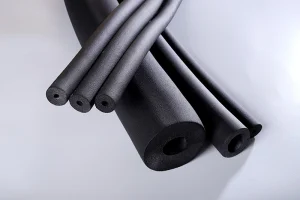
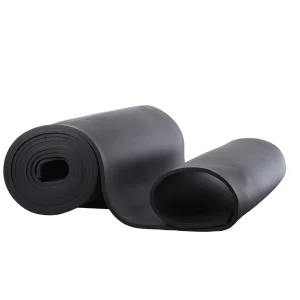
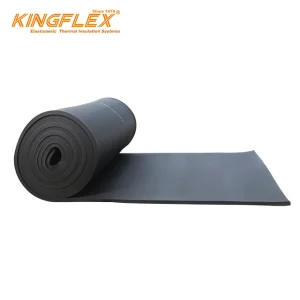
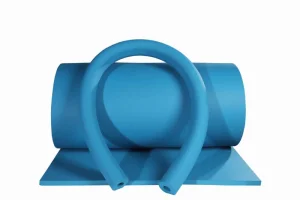
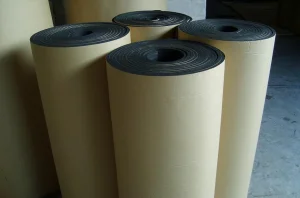
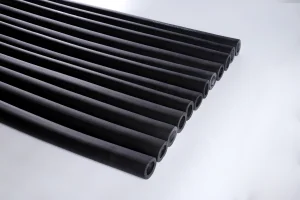
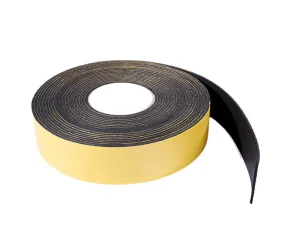
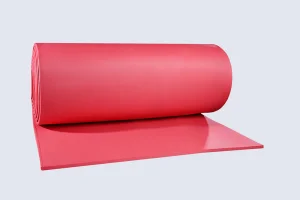
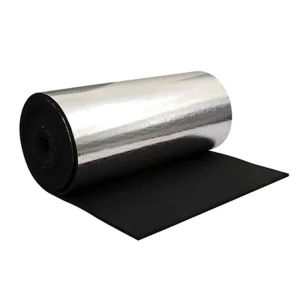
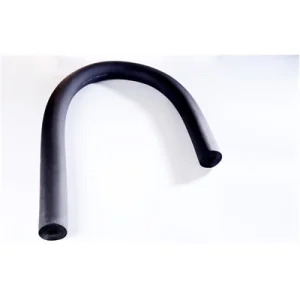
Engineered to meet stringent international standards, our high-density elastomeric rubber foams deliver superior thermal insulation, sound dampening, and corrosion resistance for commercial applications.
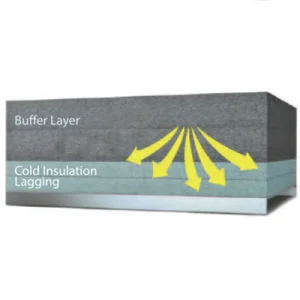
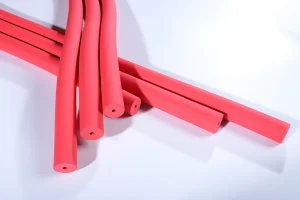
Sourcing thermal insulation for Australian infrastructure, commercial HVAC, and heavy industry requires strict adherence to localized compliance codes. At Kingflex Insulation Co., Ltd., our closed-cell elastomeric rubber foam solutions are manufactured specifically to meet the performance criteria outlined in AS/NZS 4859.1 (Thermal insulation materials for buildings) and Australia's National Construction Code (NCC).
Our products provide outstanding low-temperature capabilities and optimal thermal conductivity (λ ≤ 0.034 W/m·K at 0°C), minimizing energy loss across long-run ductwork and piping systems. Australia's varying climate zones—ranging from the high relative humidity of Queensland to the dry, intense solar radiation of Western Australia—require insulation that resists moisture ingress. With an exceptional resistance to water vapor transmission (water vapor permeability factor μ ≥ 10,000), Kingflex elastomerics eliminate condensation risks and prevent Under-Insulation Corrosion (UIC), safeguarding critical mechanical installations.

Strictly tested for fire indices—including low spread of flame, limited smoke development index, and self-extinguishing properties that meet NCC commercial building standards.
Our completely closed-cell structure blocks air and moisture contact with steel, copper, or PVC piping, completely eliminating rust and oxidation risks.
Accurate thermal resistance calculations tailored for specifiers and project engineers to facilitate quick building approval pathways in Australia.
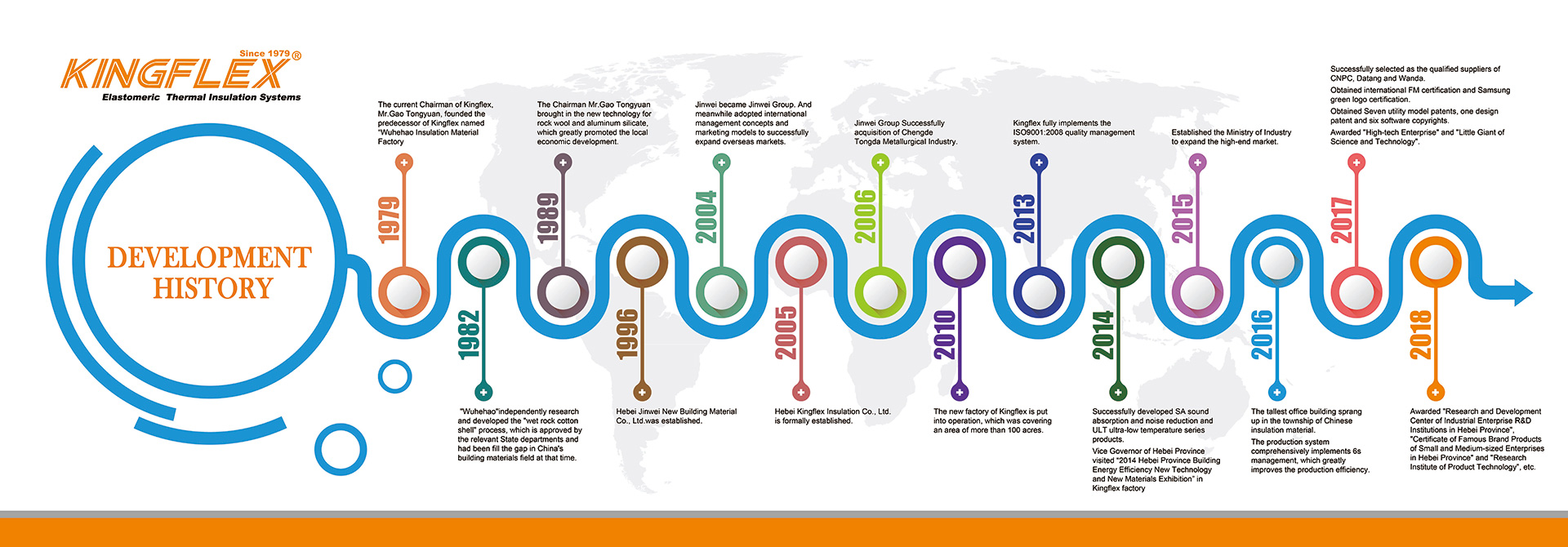
Operating from the capital of green-building materials in Dacheng, China, Kingflex has built a strong manufacturing foundation under the Jinwei Group, which possesses over 40 years of industry experience. Established in 1979 as a pioneer in northern thermal insulation production, Jinwei Group has scaled Kingflex into an integrated R&D and supply chain powerhouse.
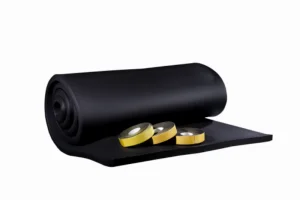
Our state-of-the-art facility features 5 massive fully automated extrusion and foaming lines, capable of yielding over 600,000 cubic meters annually. This scale allows us to deliver high volumes on short notice, ensuring Australian project managers maintain momentum on tight construction timelines. Whether you require standard dimensions or custom specifications ranging from 6mm to 50mm, our machinery ensures consistent cell structure and thickness control.
Annual Production Capacity
Manufacturing Heritage
Global Export Footprint
R&D Engineers on Site
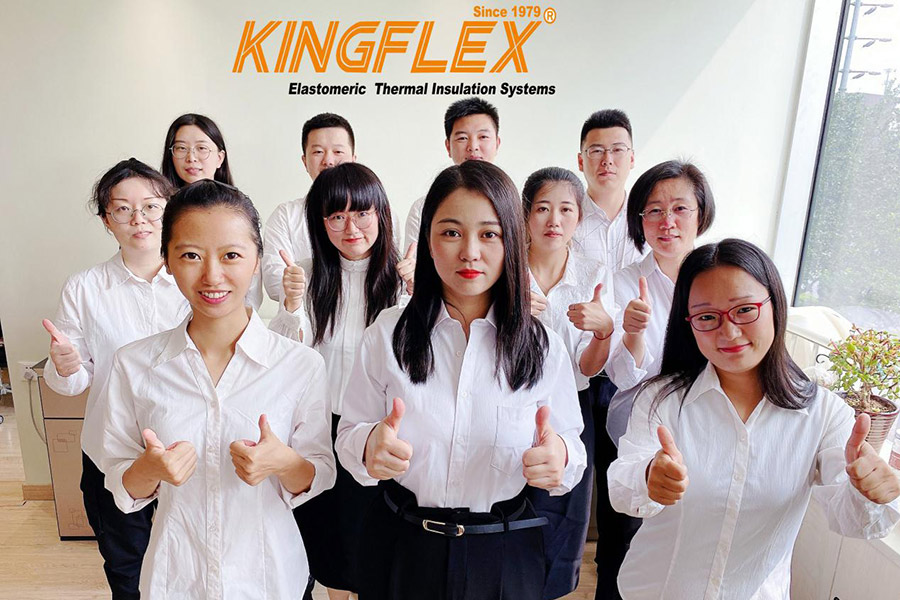
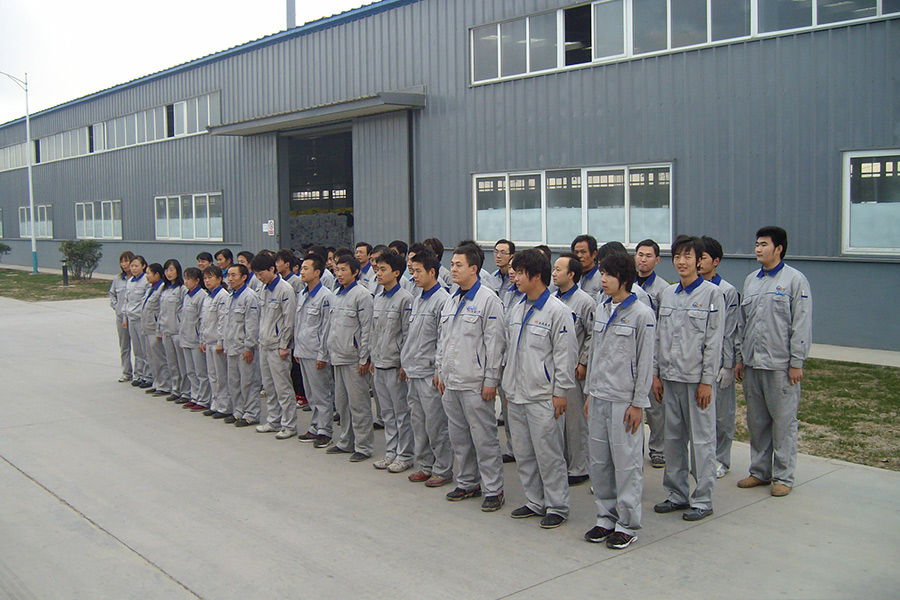
Quality assurance at Kingflex is not just a checkbox; it is fully integrated into our operational workflow. Our team is a close-knit group of experts committed to delivering exceptional service and consistent quality. With 8 professional R&D engineers, 6 international sales experts, and 230 production personnel, every production run is closely monitored for consistency.
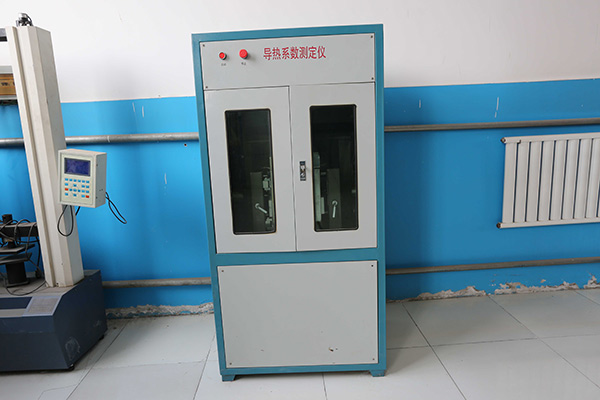
Importantly, all materials leave the factory with complete traceability. From raw materials to the final container dispatch, each roll and pipe contains batch numbering linked directly to our internal lab reports. This gives Australian project specifiers absolute confidence that the materials installed on-site match the quality levels certified in our product data sheets.
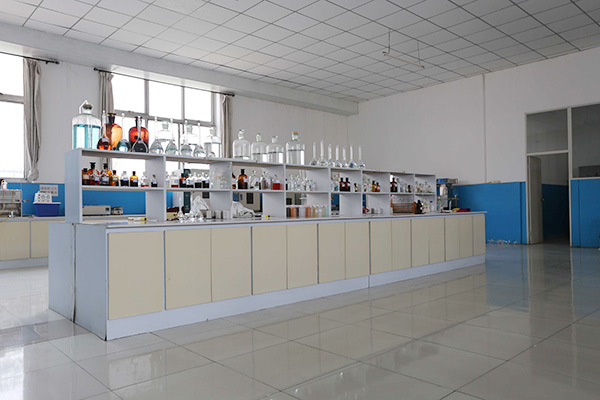
Our raw materials and manufacturing methods are calibrated to support continuous performance under extreme ambient heat and pressure variables.



A technical comparison to assist design specifiers in selecting the appropriate insulation materials based on project demands.
| Performance Metrics | NBR/PVC Elastomeric Rubber Foam | Rock Wool / Glass Wool | Phenolic Foam |
|---|---|---|---|
| Cellular Structure | Highly uniform, closed-cell (>98%) | Open fibrous matrix structure | Primarily closed-cell, brittle |
| Moisture Ingress Risk | Extremely low; hydrophobic nature | High; absorbs water and requires jackets | Medium; absorbs minimal moisture |
| Thermal Conductivity (λ) | 0.034 W/m·K (Ideal for chilled lines) | 0.038 - 0.045 W/m·K | 0.022 - 0.028 W/m·K |
| Installation Flexibility | High flexibility; easily cuts around complex joints | Rigid or semi-rigid; fiber shedding | Rigid sections; prone to cracking |
| Service Temperature Limit | -40℃ to +105℃ (Deep cryogenic range supported) | Up to +650℃ (Best for high-heat steam) | -180℃ to +120℃ |
| Health & Safety | Dust-free, fiber-free, VOC compliant | Loose fibers; requires respiratory protection | Dusty during cutting; acidic discharge danger |
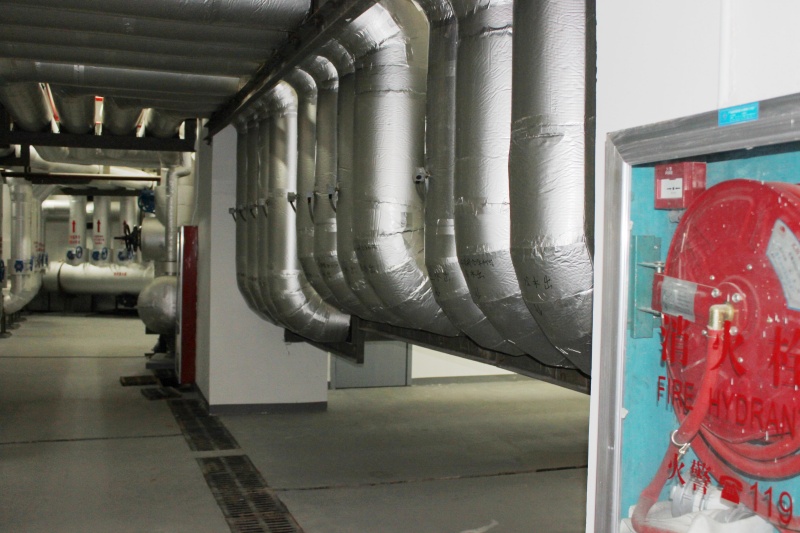
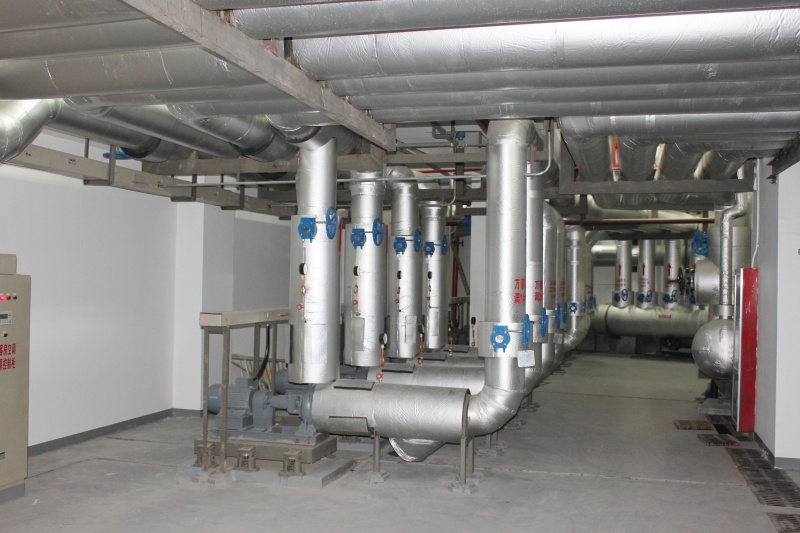
From commercial high-rises in Sydney to remote LNG developments in the Pilbara, our materials are engineered for diverse environments.
Ideal for ventilation ducts, chilled water supply pipes, and equipment rooms in hospitals, shopping malls, and airports where clean air quality and low acoustic profiles are mandatory.
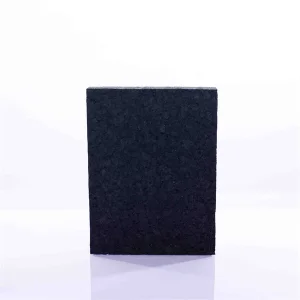
Our open-cell Kingflex acoustic panels isolate structure-borne and airborne noises inside mechanical shafts, plant rooms, and sub-floor areas, improving indoor environment quality.
Providing high-efficiency insulation for industrial process piping, ammonia refrigeration plants, solar loop piping, and cryogenic systems down to deep sub-zero ranges.

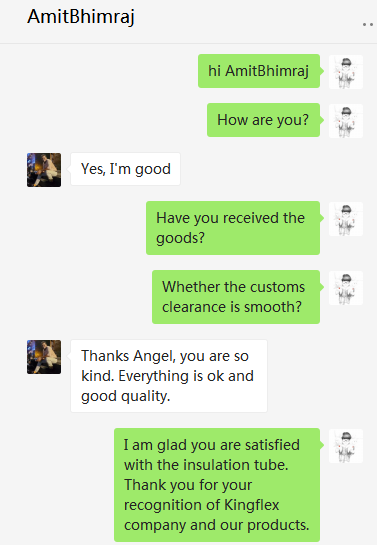
Our relationship with global partners is built on transparent communication, reliable technical specifications, and delivery execution. We consistently provide high-quality packaging and container utilization to save logistics costs for our overseas clients.
Below are real-world design details, product packaging logs, and shipping confirmations that demonstrate our capacity to support demanding delivery schedules to Oceanian and Asian ports.


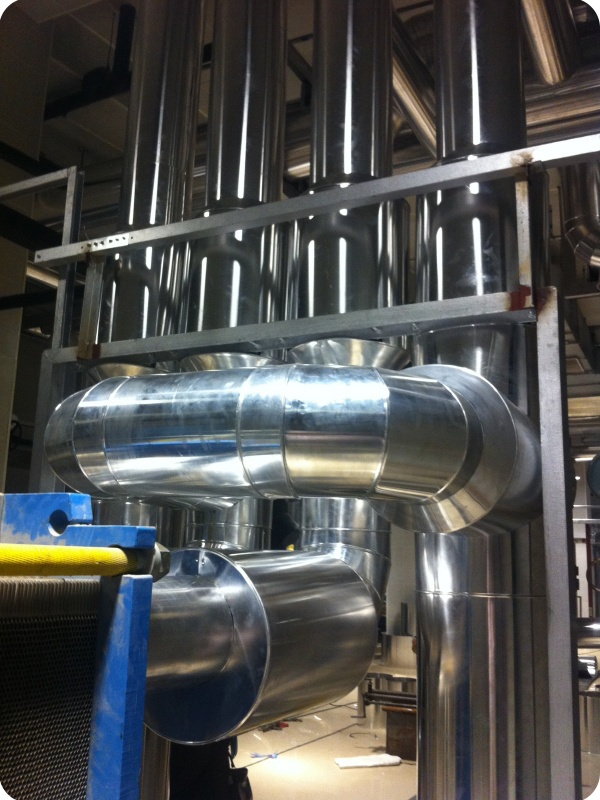
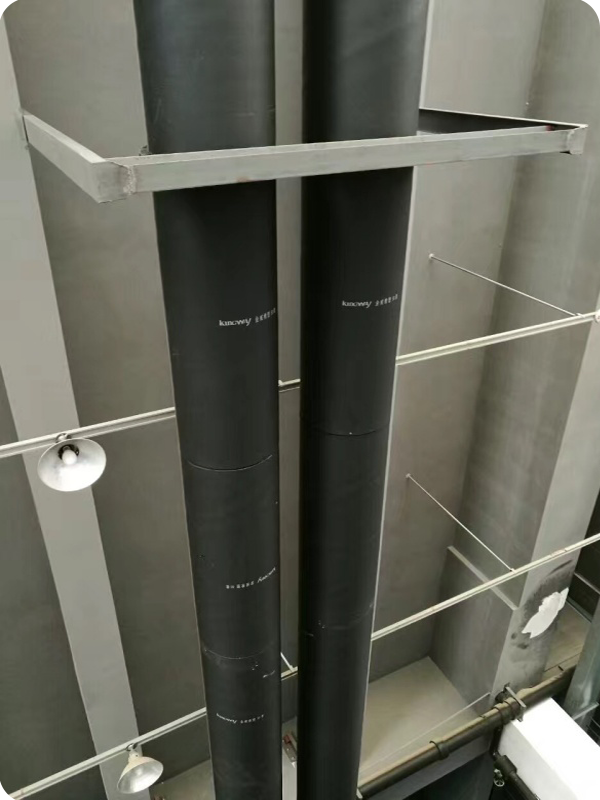
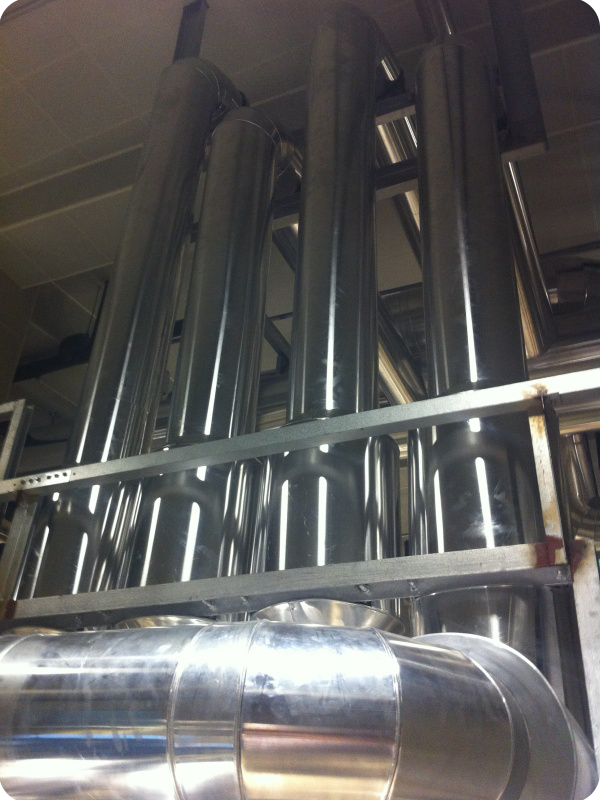
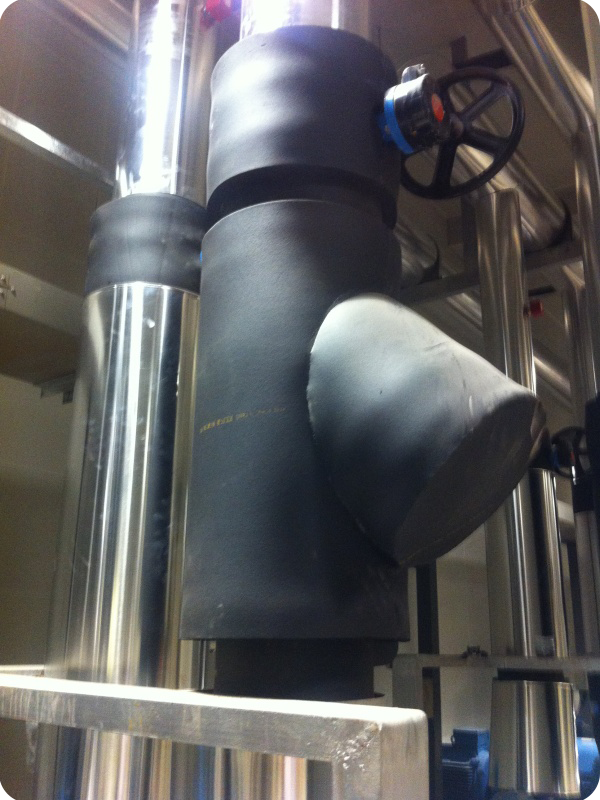
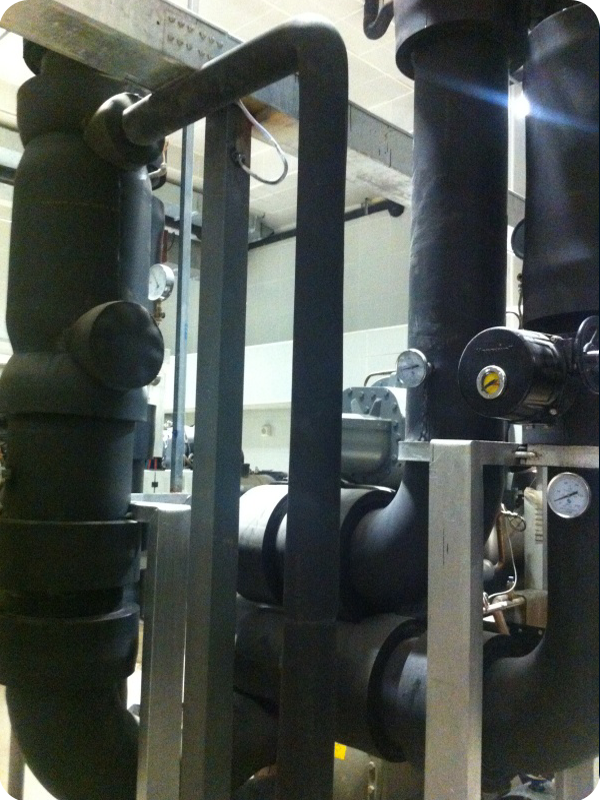
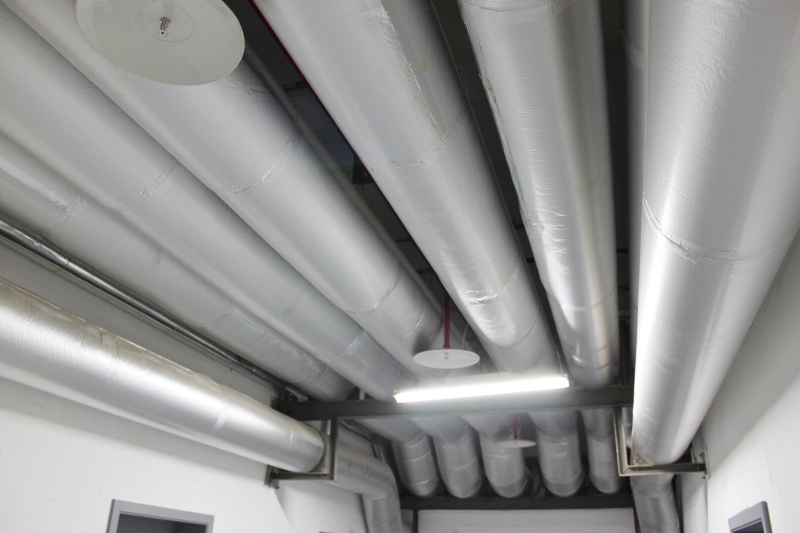
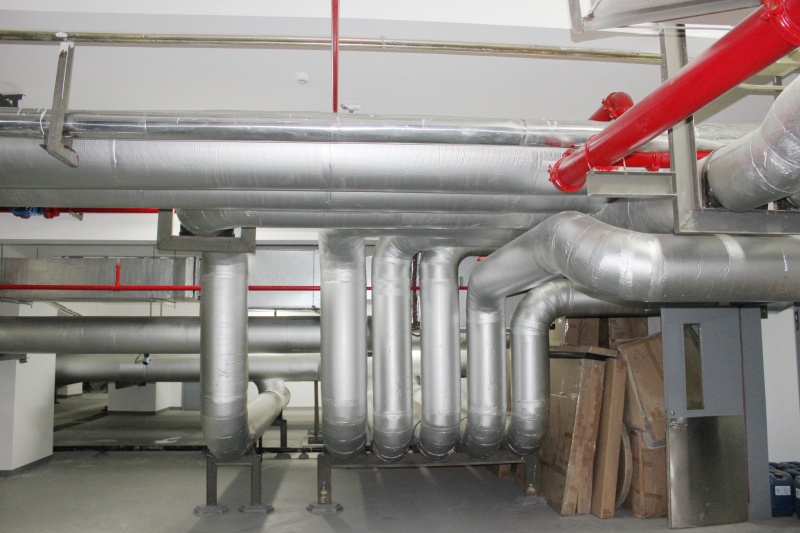
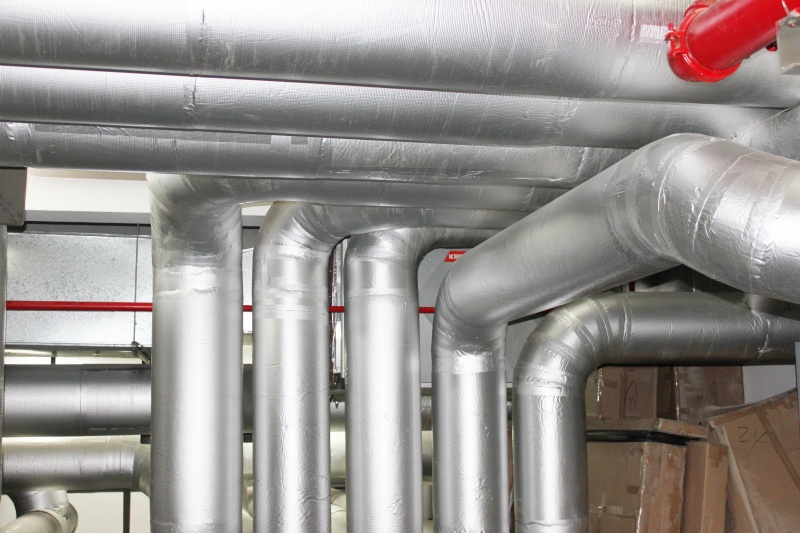
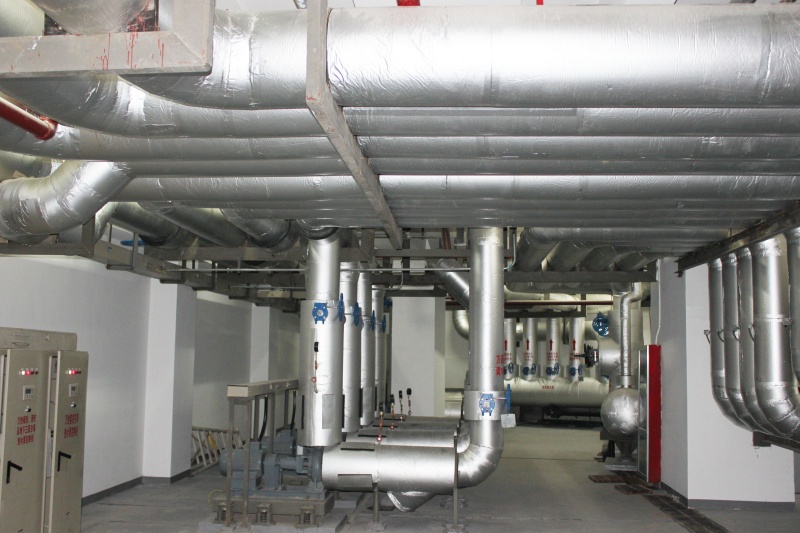
Explore how Kingflex insulation is applied across real-world commercial and industrial infrastructure installations worldwide.
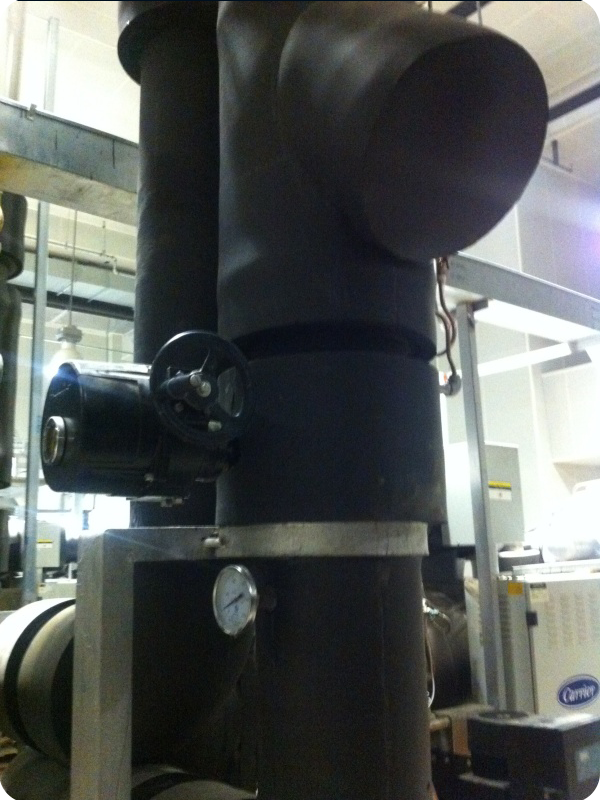
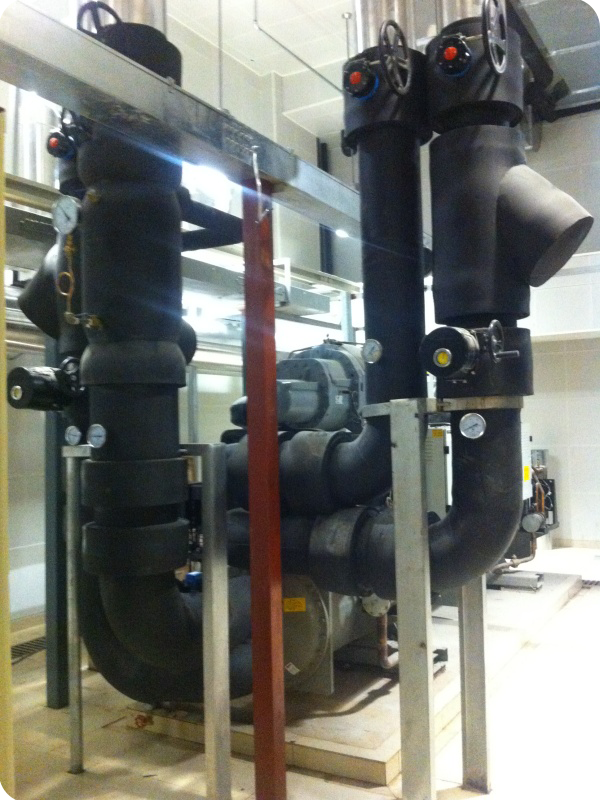
Essential insights on procurement, standards compliance, and performance variables for commercial projects.
It is primarily used for commercial HVAC ducts, air conditioning piping networks, building thermal insulation barriers, industrial pipeline cold insulation systems, and acoustic sound dampening modules inside central mechanical plant rooms.
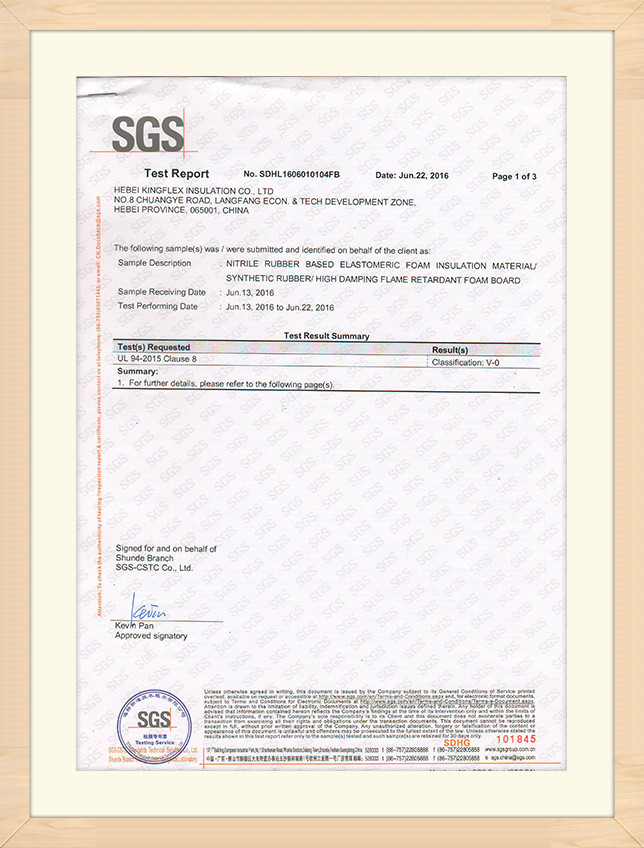
Yes. Our high-end rubber foam materials achieve Class 0 and Class 1 flame-retardant performance ratings under British Standard (BS 476 Parts 6 & 7). They are self-extinguishing and fully compliant with international building safety codes.
Rubber foam is a flexible, closed-cell material that provides natural moisture resistance, making it ideal for chilled lines and anti-condensation applications without requiring an external vapor jacket. Rock wool is a fibrous, open-structure material suited for extremely high temperatures and high-fireproof structural requirements but requires protection against moisture absorption.
Yes, we offer comprehensive OEM and ODM support. We can customize sheet thicknesses (6mm to 50mm), pipe inner diameters (6mm to 114mm), densities, back adhesive systems, and foil facings based on your project specifications.
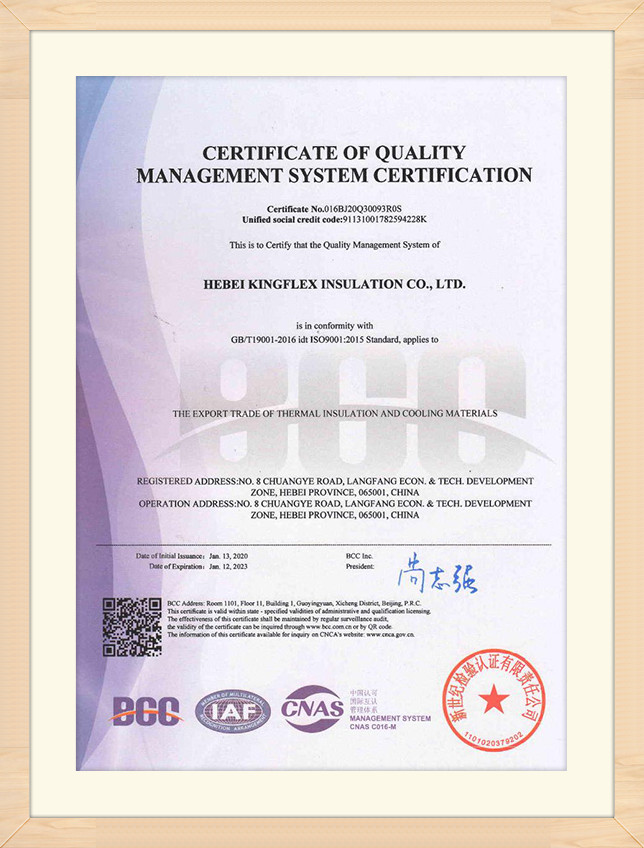
Kingflex products are certified under BS 476, CE, REACH, RoHS, UL94, and ASTM. This guarantees compliance with quality and environmental standards globally, including the Australian NCC framework.
Yes. Every production run has fully traceable batch codes. We trace every stage from chemical raw material blending, foaming, and cutting down to individual packaging and shipping containers.
Our specialized continuous foaming lines produce sheet rolls in thicknesses ranging from 6mm to 50mm, maintaining consistent cell structure across all sizes.
Under typical indoor and outdoor operating conditions—provided there is correct installation and adequate UV shielding where necessary—the operational lifetime is approximately 10 to 15 years.
Our Dacheng facility is designed to meet strict bulk output targets while maintaining high quality standards.
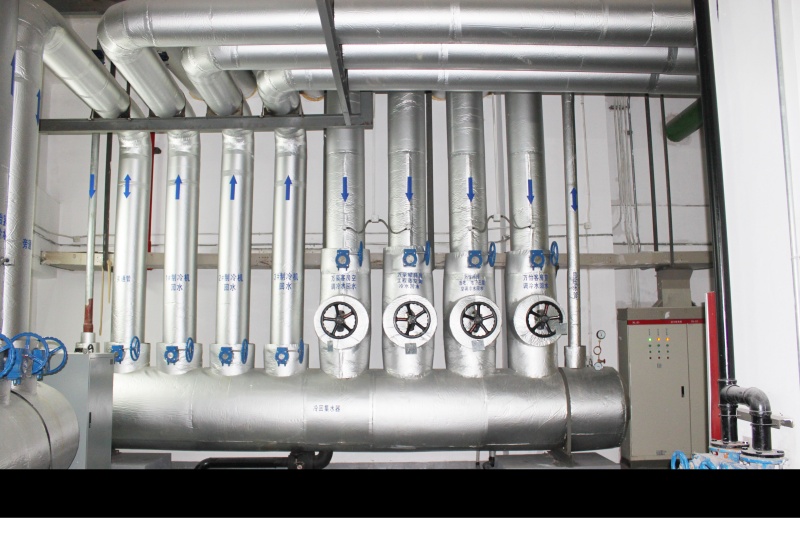


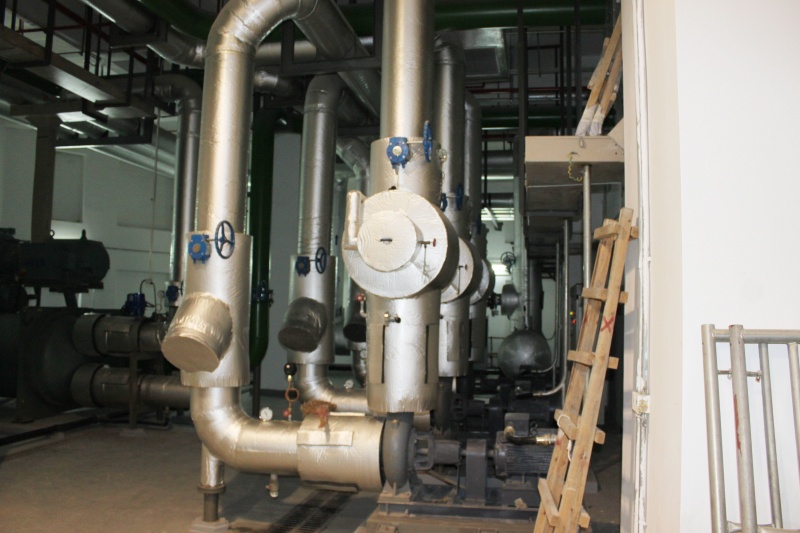


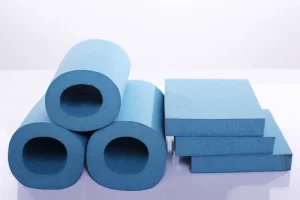
Discover our range of specialized elastomeric sheets, multi-layered tapes, and cryogenic protection systems designed for high-performance thermal insulation.
 Kingflex