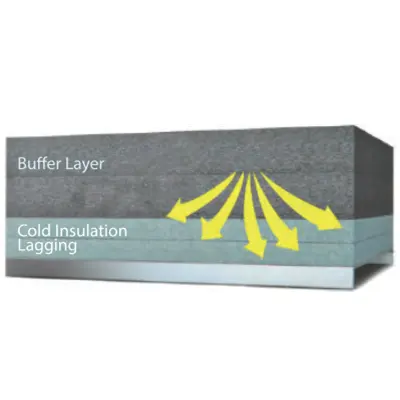
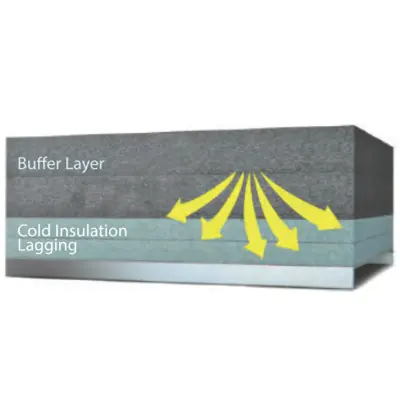
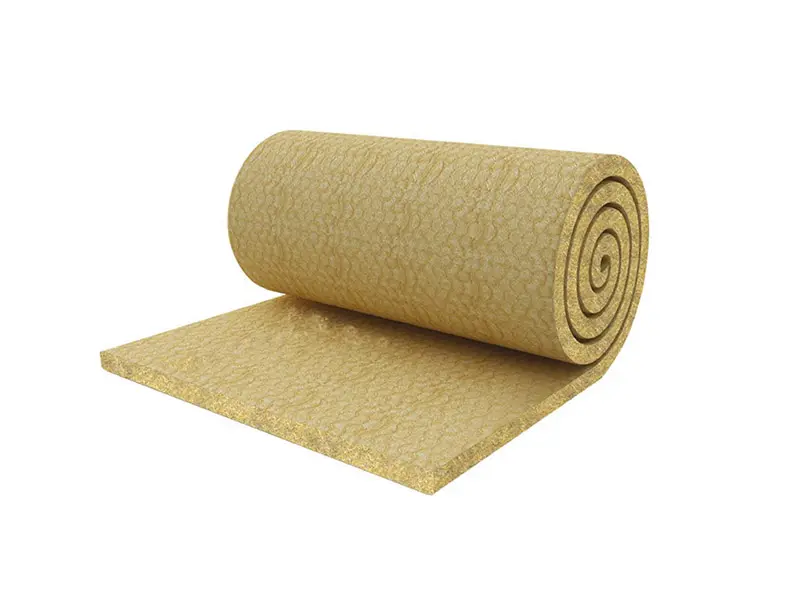
Select and request factory quotes for advanced elastomeric foam and rock wool materials.
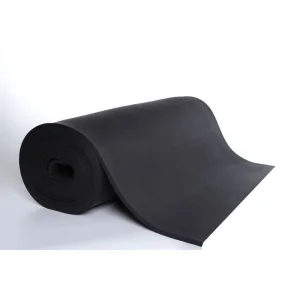
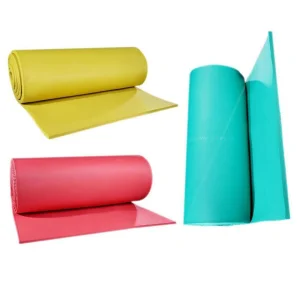
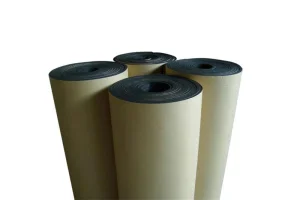
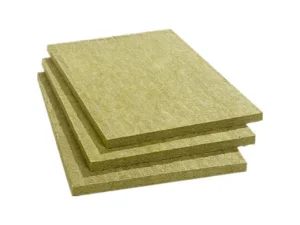
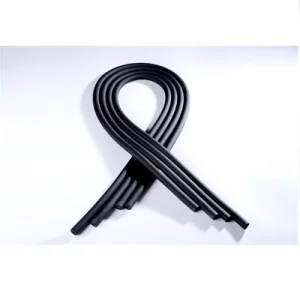
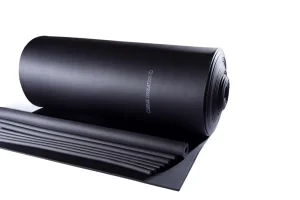
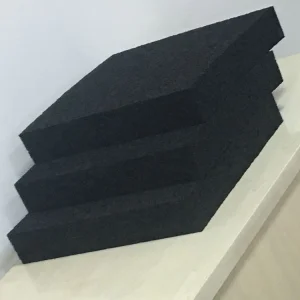
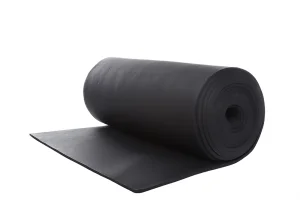
In modern building infrastructure, mechanical installations, and thermodynamic engineering, calculating the cost of insulation per square foot is not merely a line item—it dictates the long-term energy efficiency and operational economy of global enterprise projects. Procurement directors must weigh initial capital expenditure (CAPEX) against lifelong operational expenditure (OPEX) savings, driven by thermodynamic efficiency.
Purchasing directly from Chinese tier-1 manufacturers like Kingflex Insulation Co., Ltd. offers a calculated balance of structural cost reduction and technical compliance. Our products provide uniform cellular structures, superior moisture vapor resistance, and long-term dimensional stability, keeping cost-per-square-foot ratios highly competitive while maintaining structural integrity.
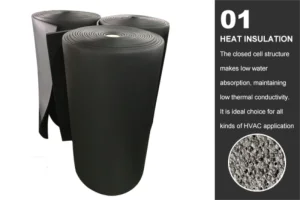
Determining the cost of insulation per square foot requires optimizing thickness to prevent condensation and minimize thermal flux. Selecting a precise closed-cell NBR/PVC matrix prevents moisture migration, securing thermal conductivity values ($\lambda \le 0.034 \text{ W/(m}\cdot\text{K)}$ at 0°C) across decades of operational cycling.
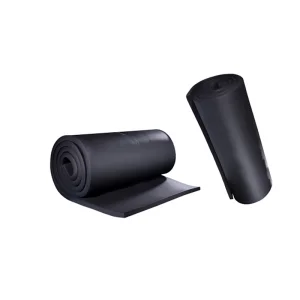
Industrial insulation requirements vary by environment, temperature range, and mechanical loads. Below is a engineering comparison of NBR/PVC rubber foam sheets and Rock Wool boards produced at our Dacheng manufacturing facilities:
| Technical Metric | Kingflex NBR/PVC Rubber Foam | Industrial Grade Rock Wool Board |
|---|---|---|
| Structural Composition | Elastomeric closed-cell polymer matrix | Inorganic basaltic mineral fiber block |
| Service Temperature | -40°C to +105°C (-200°C for cryogenic ranges) | Up to +650°C (High-heat processing) |
| Thermal Conductivity | ≤ 0.034 W/(m·K) at 0°C | ≤ 0.040 W/(m·K) at 25°C |
| Moisture Permeability | μ ≥ 10,000 (Built-in vapor barrier) | Highly permeable (Requires external cladding) |
| Fire Safety Rating | BS 476 Part 7 Class 1, UL94 V-0 | Class A1 Non-combustible |
| Acoustic Performance | Excellent structure-borne noise damping | High airborne sound absorption rates |
Operating five automated extrusion and vulcanization lines allows Kingflex to balance pricing and performance. Our Dacheng manufacturing plant features:
Discover how Kingflex delivers industrial-grade insulation globally.

Kingflex Insulation Co., Ltd. is a specialized manufacturing and trading consortium focused on high-performance thermal insulation products. Our research, development, and primary production divisions are located in Dacheng, China—a hub for green building materials.
Operating with a focus on energy conservation, we provide comprehensive insulation services including technical consultation, customized R&D, structural engineering guidance, and global post-sale assistance.
Kingflex was established by the Jinwei Group, which possesses over 40 years of industry experience. Founded in 1979, Jinwei Group was a pioneer in manufacturing thermal insulation materials north of the Yangtze River, establishing a foundation of production expertise.
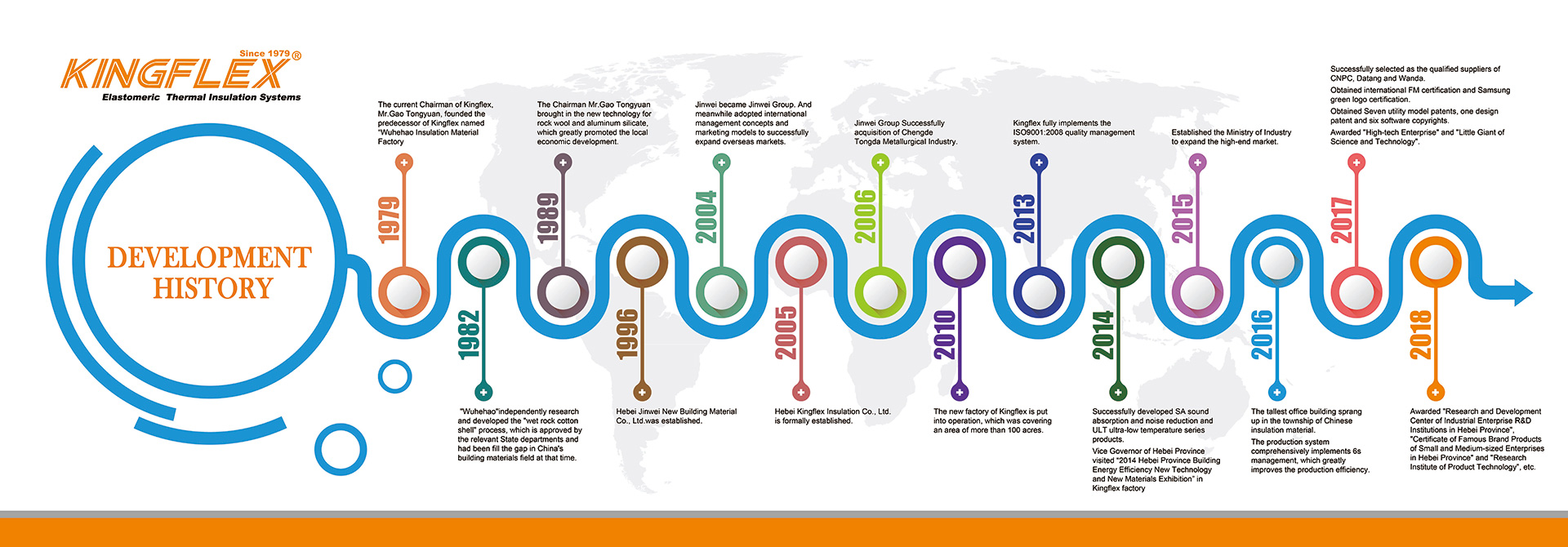
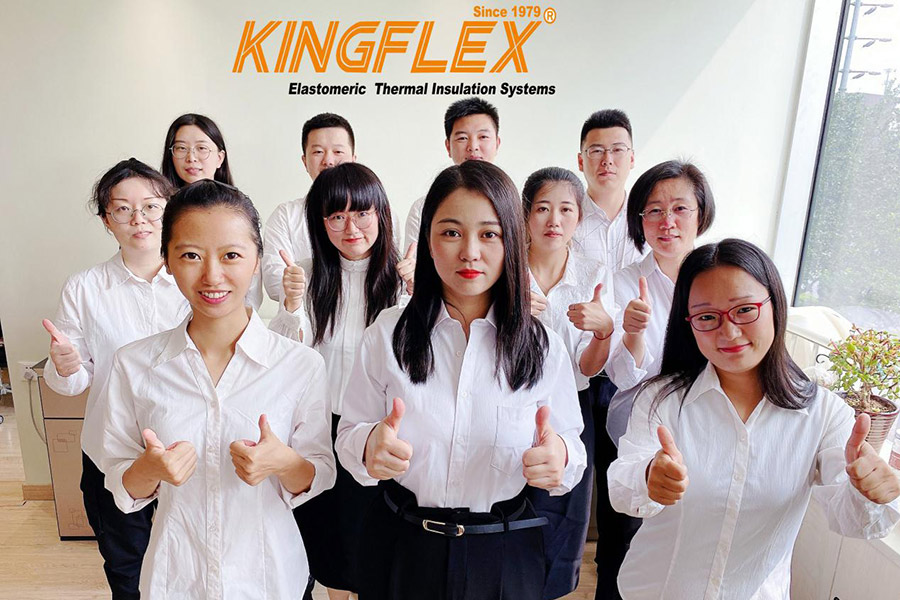
Our workforce operates with a shared goal of delivering reliable service to our clients. The Kingflex organization includes 8 professional R&D engineers, 6 international trade specialists, and a production force of over 230 workers.
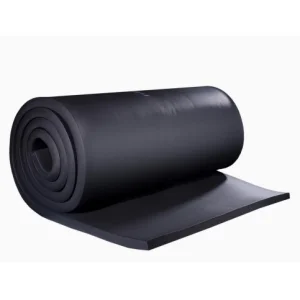
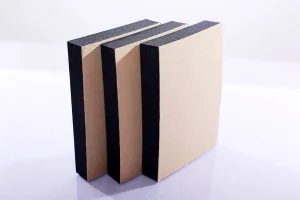
Standard structural dimensions and physical behavior profiles for sheets and pipes.
Standard Dimensions & Parameters:
1. Uniform expansion with a closed-cell rate exceeding 98% for consistent thermal performance.
2. Low moisture absorption, helping maintain stable thermal conductivity over time.
3. Compression resilience rating above 80%.
4. Self-extinguishing fire performance for building installations.
Used for central air conditioning duct systems, sound attenuation panels in mechanical rooms, cleanroom ceiling systems, roof assemblies, and industrial storage tanks.
Standard Dimensions & Parameters:
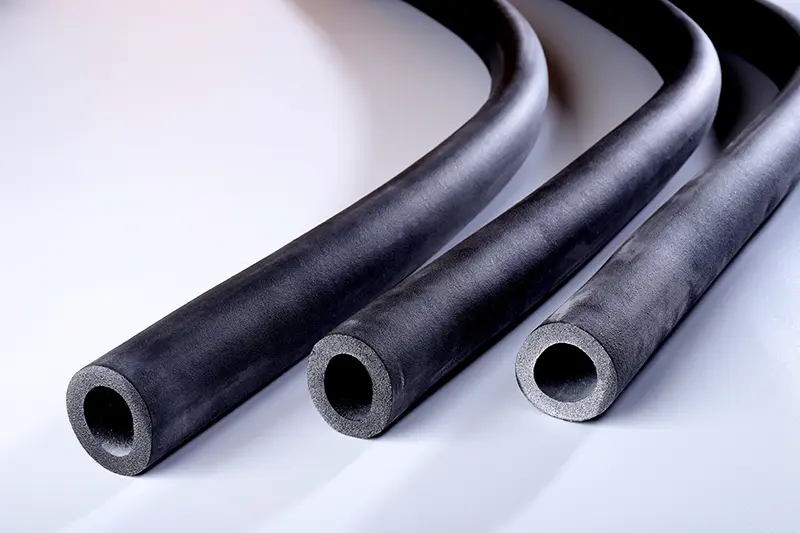
1. Uniform cellular structures protect process lines from heat gain or loss.
2. Coated inner cores ease installation on long pipe runs.
3. Flexible construction helps damp structural vibration.
4. Built-in moisture barrier reduces risk of under-insulation corrosion (CUI).
Installed on chilled water circuits, hot water plumbing, refrigeration copper lines, high-pressure steam distribution systems, and chemical process piping.
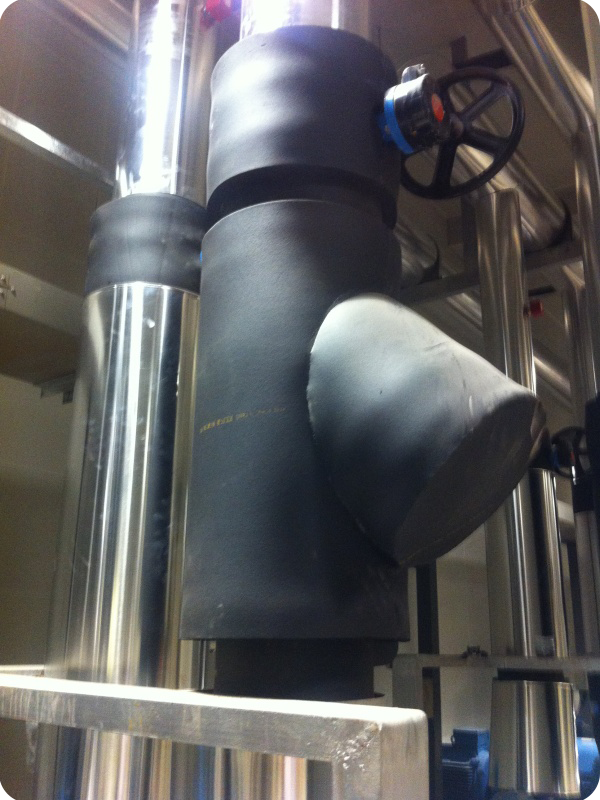
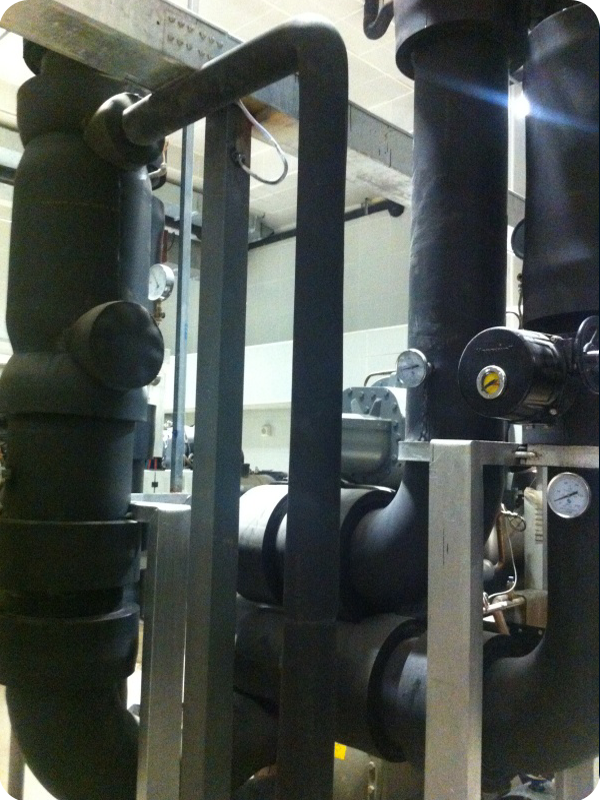
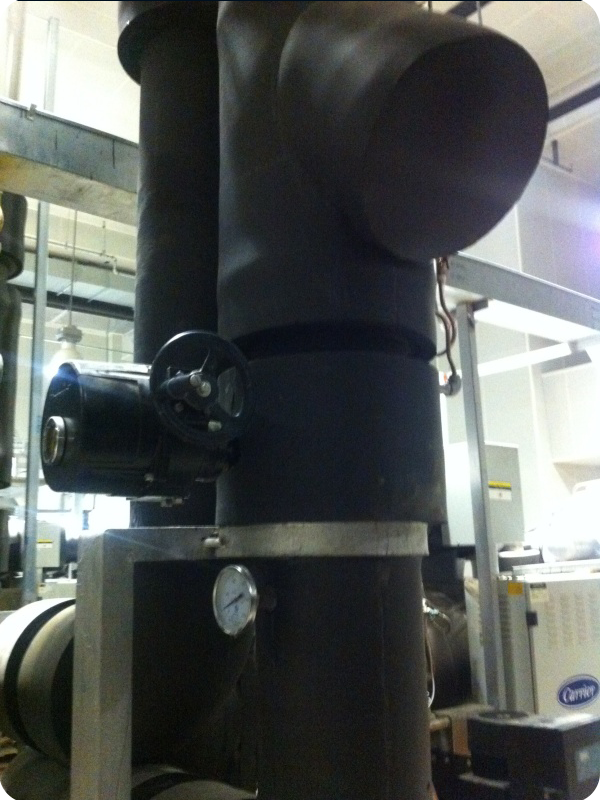
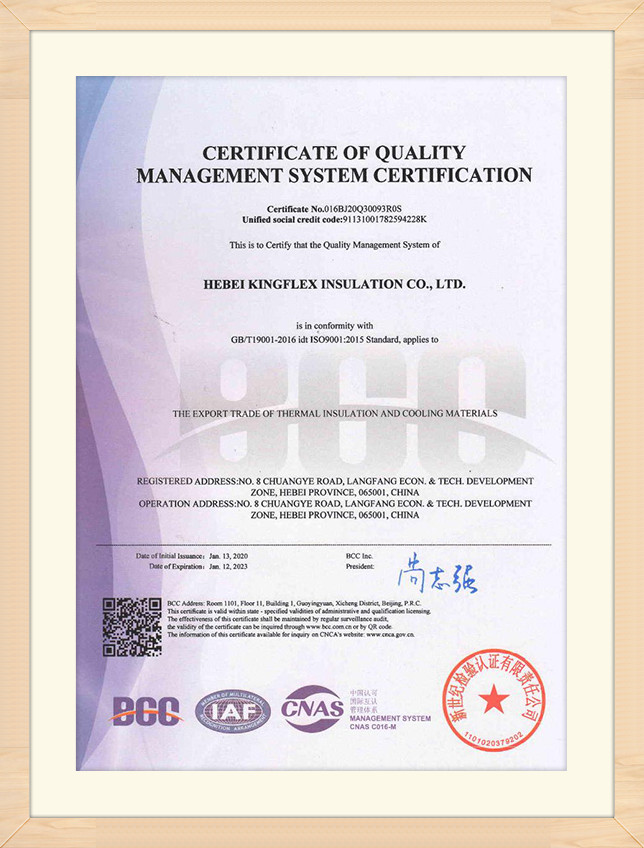
Our commitment to international standards and testing protocols.
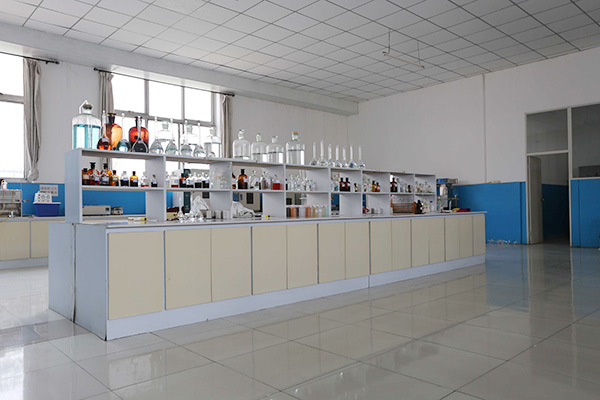
Measuring material performance using guarded hot plate apparatus to verify lambda values.

Evaluating plasticizers and blowing agents to optimize closed-cell structures.
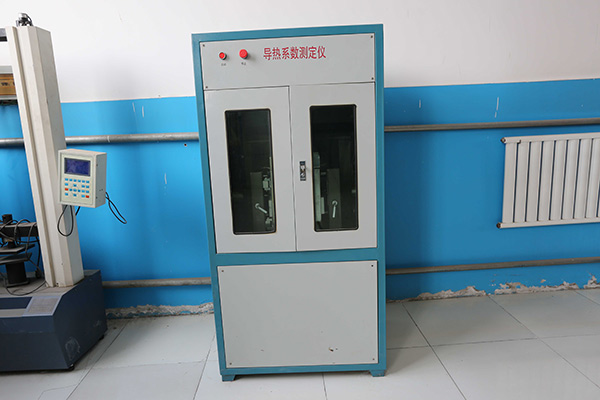
Developing low-smoke additives to satisfy global fire safety requirements.


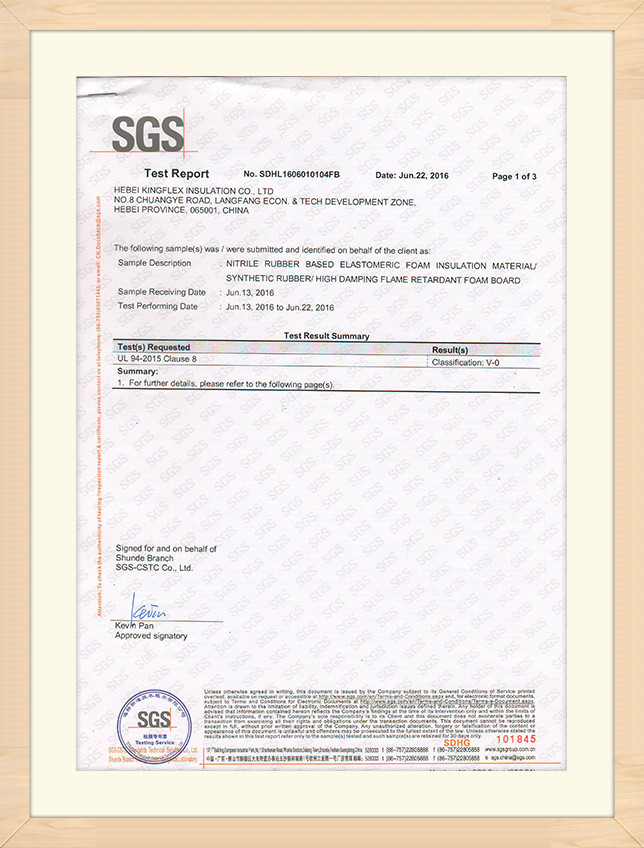
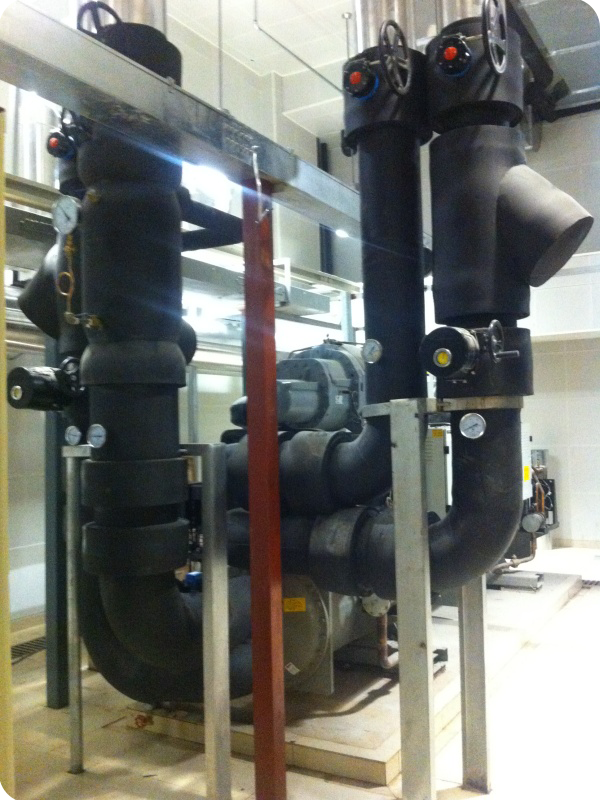
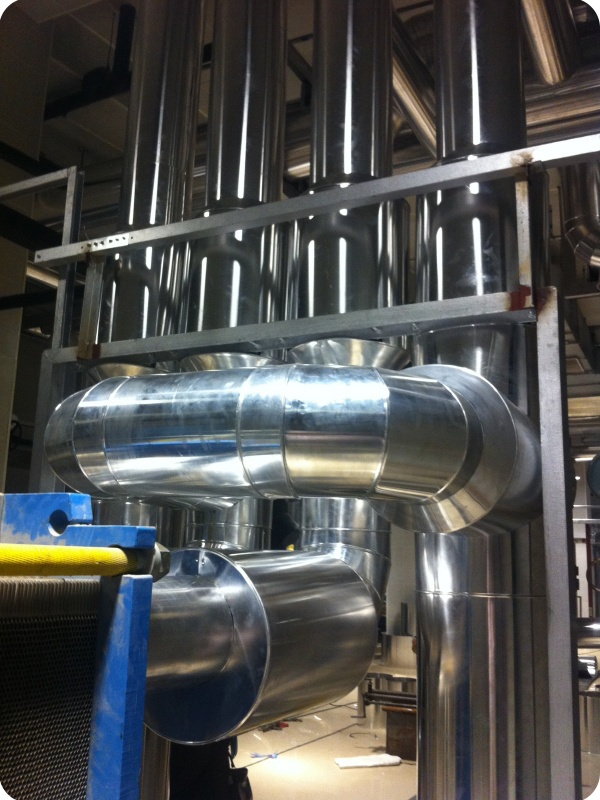
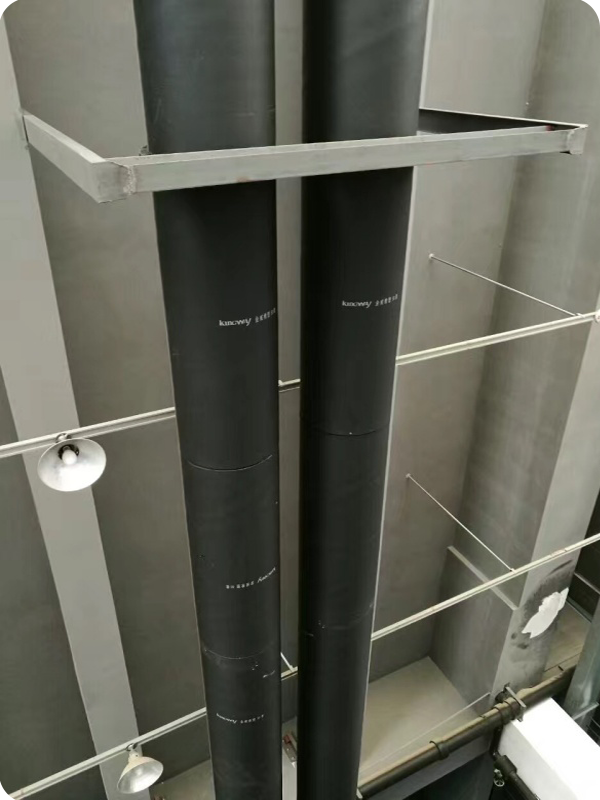
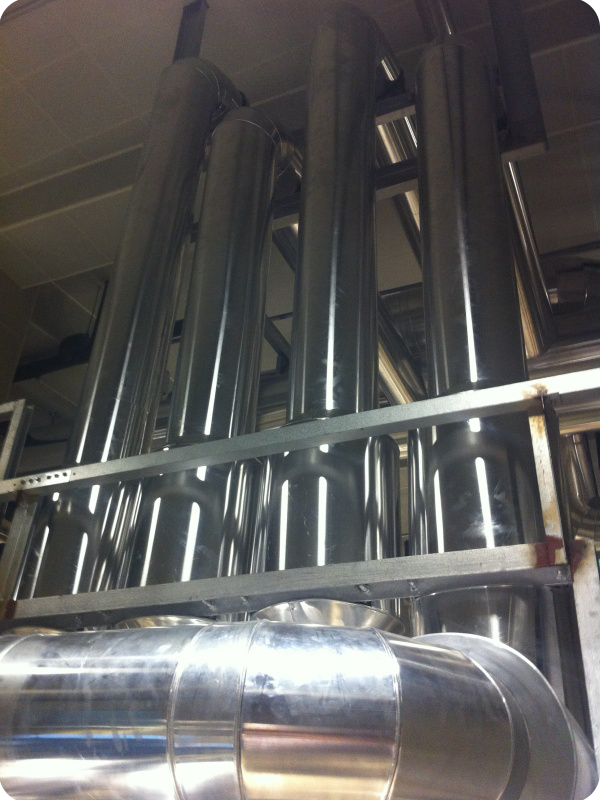
View case sites and client communications for our materials.



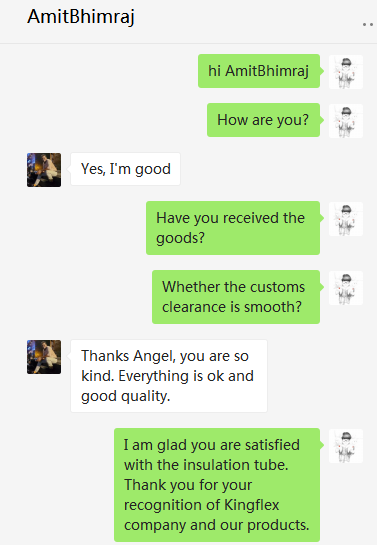


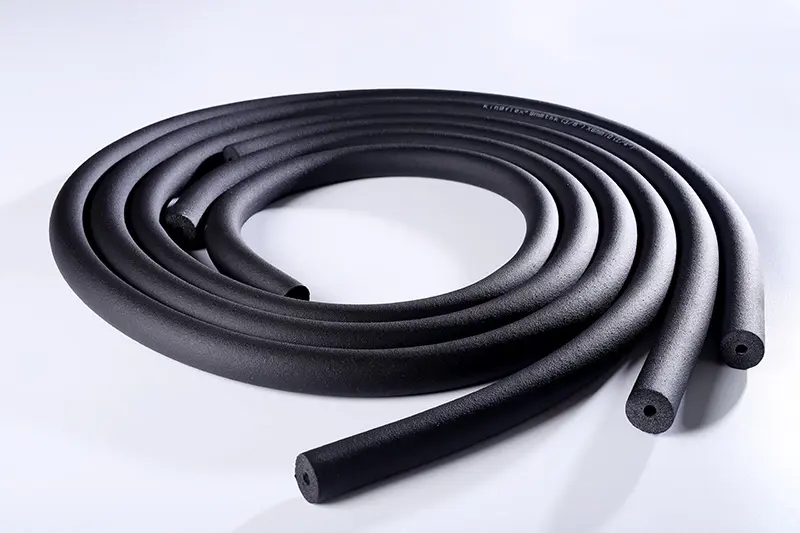
Inside our Dacheng production lines and finished product inventory.
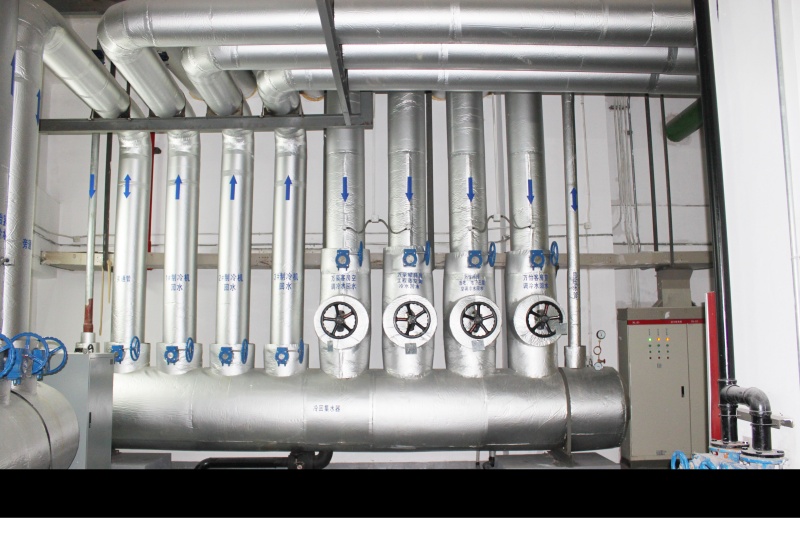


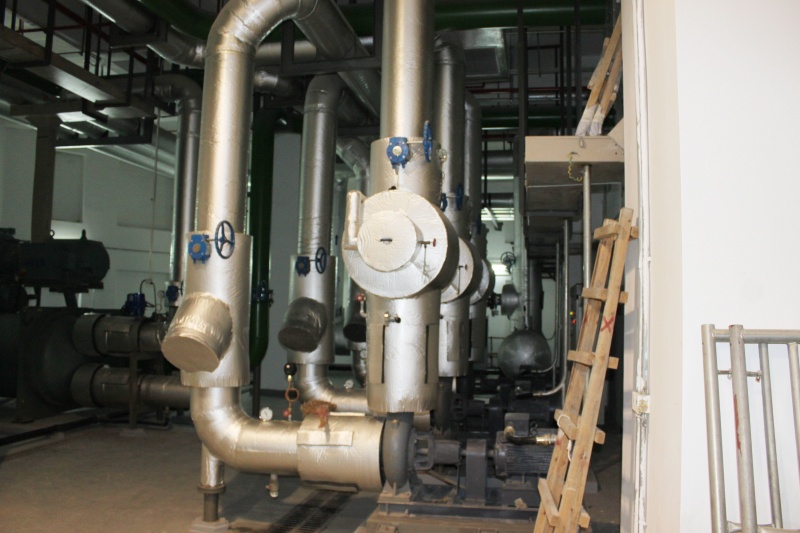
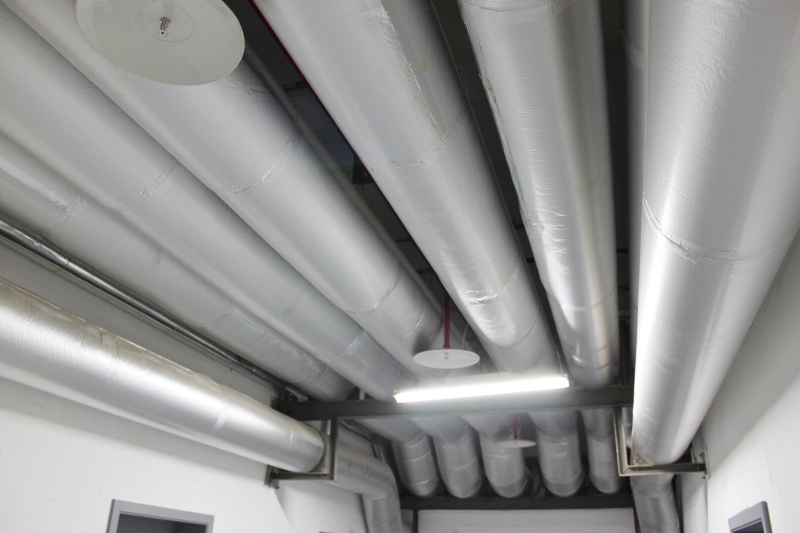

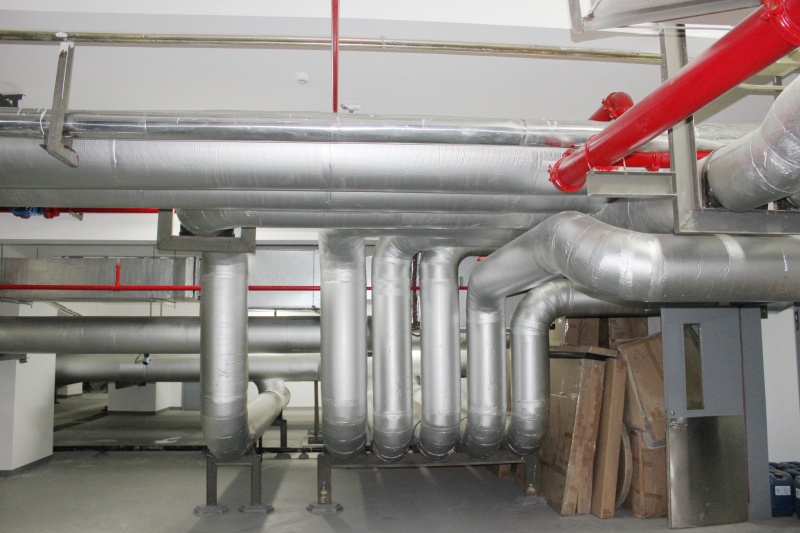
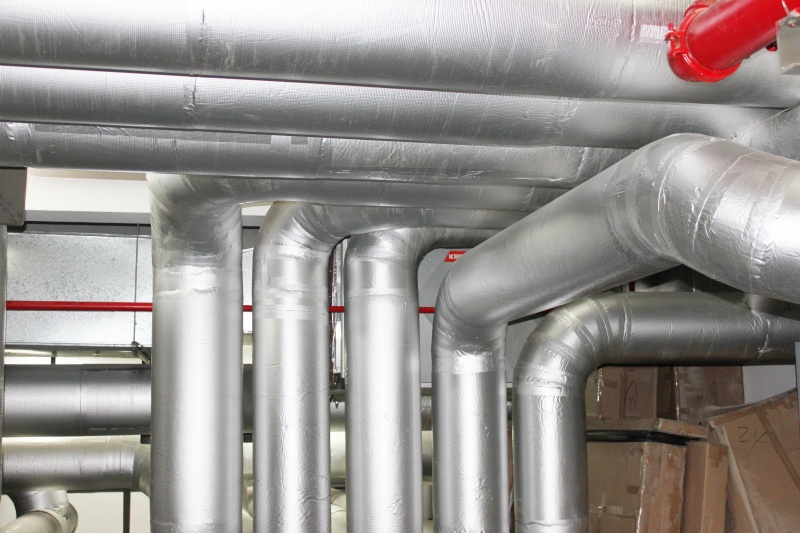
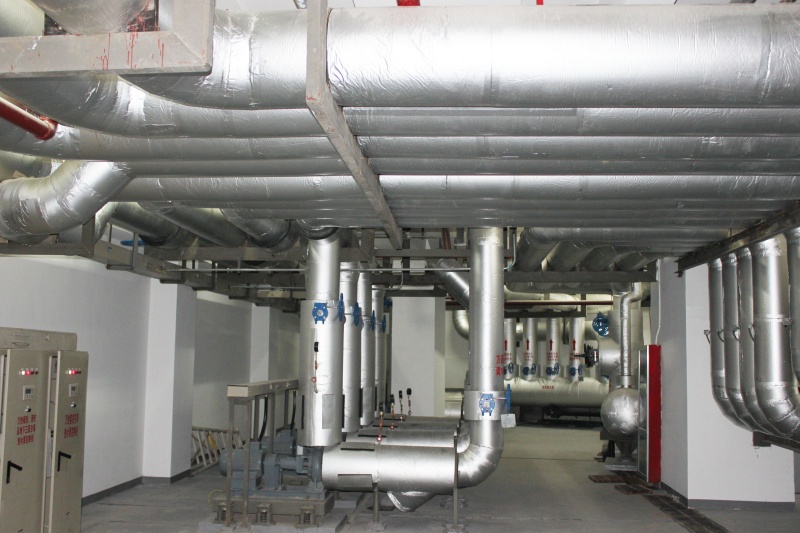
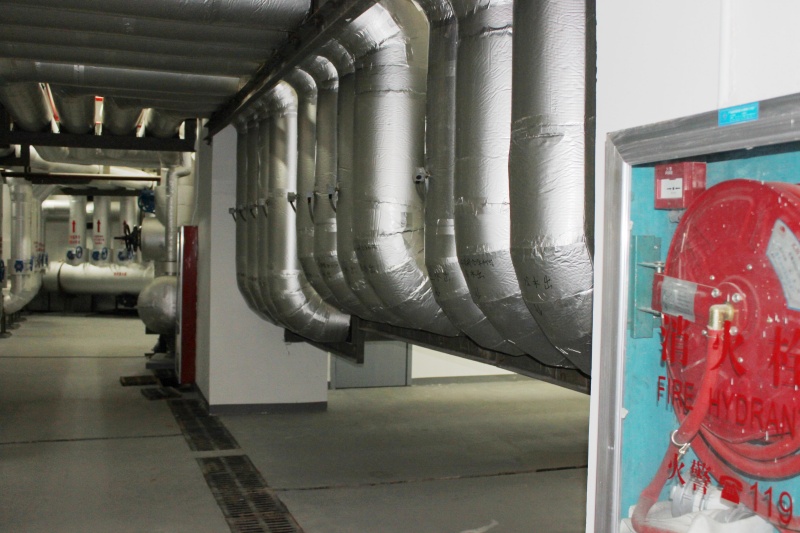
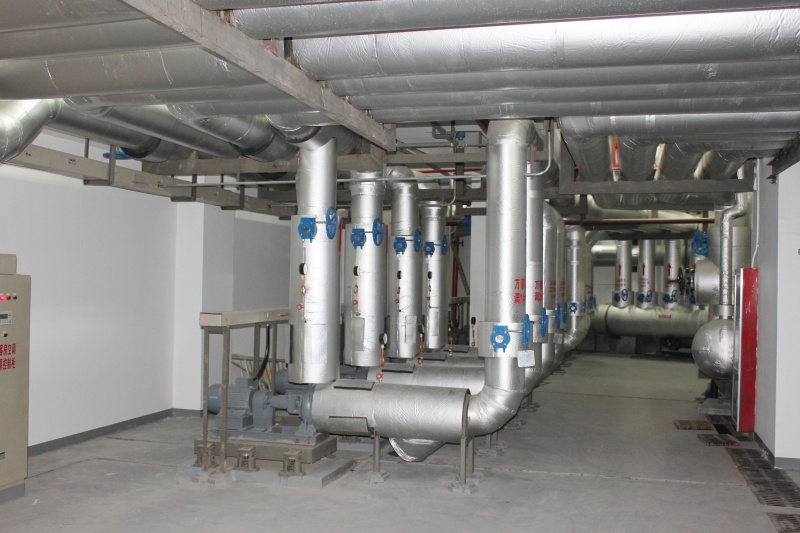

View additional products and systems below.
Industrial insulation requirements are evolving beyond simple thermal control. Modern engineering projects require integrated solutions that address environmental protection, energy security, fire safety, and acoustic performance.
In hot climates, district cooling networks distribute chilled water through large-diameter underground piping systems. Standard insulation options are susceptible to moisture ingress and subsequent thermal degradation. Kingflex's high-density elastomeric foam is designed to resist water vapor absorption, protecting the system from condensation and maintaining thermal efficiency over the operating lifespan of the network.
Data centers require reliable thermal management to support continuous server operations. Chilled water loops must be insulated with materials that do not release particulates or organic compounds into the cleanroom airflow. Kingflex NBR/PVC insulation is fiber-free, dust-free, and has low volatile organic compound (VOC) emissions, helping to support clean indoor environments.
Processing and transport of cryogenic liquids require insulation systems that can withstand extreme temperature differentials down to -200°C. Kingflex modified rubber foams maintain flexibility under cryogenic conditions, accommodating thermal expansion cycles without cracking.
Our research and development efforts are focused on the following areas to meet changing industry requirements:
Expert technical answers regarding materials selection, certifications, and procurement optimization.
Review our full range of elastomeric foams and acoustic panels.
 Kingflex