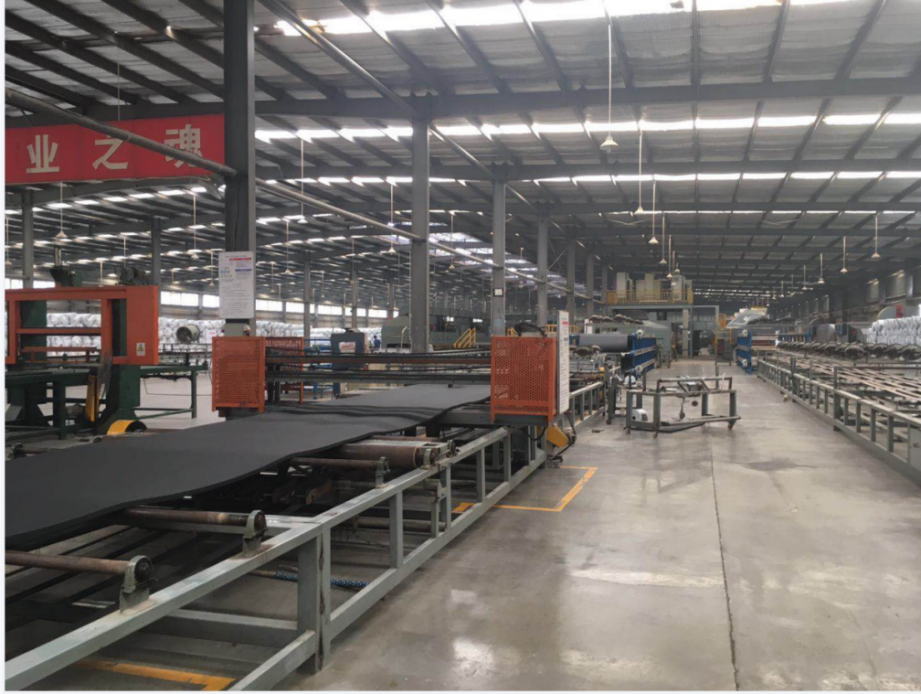
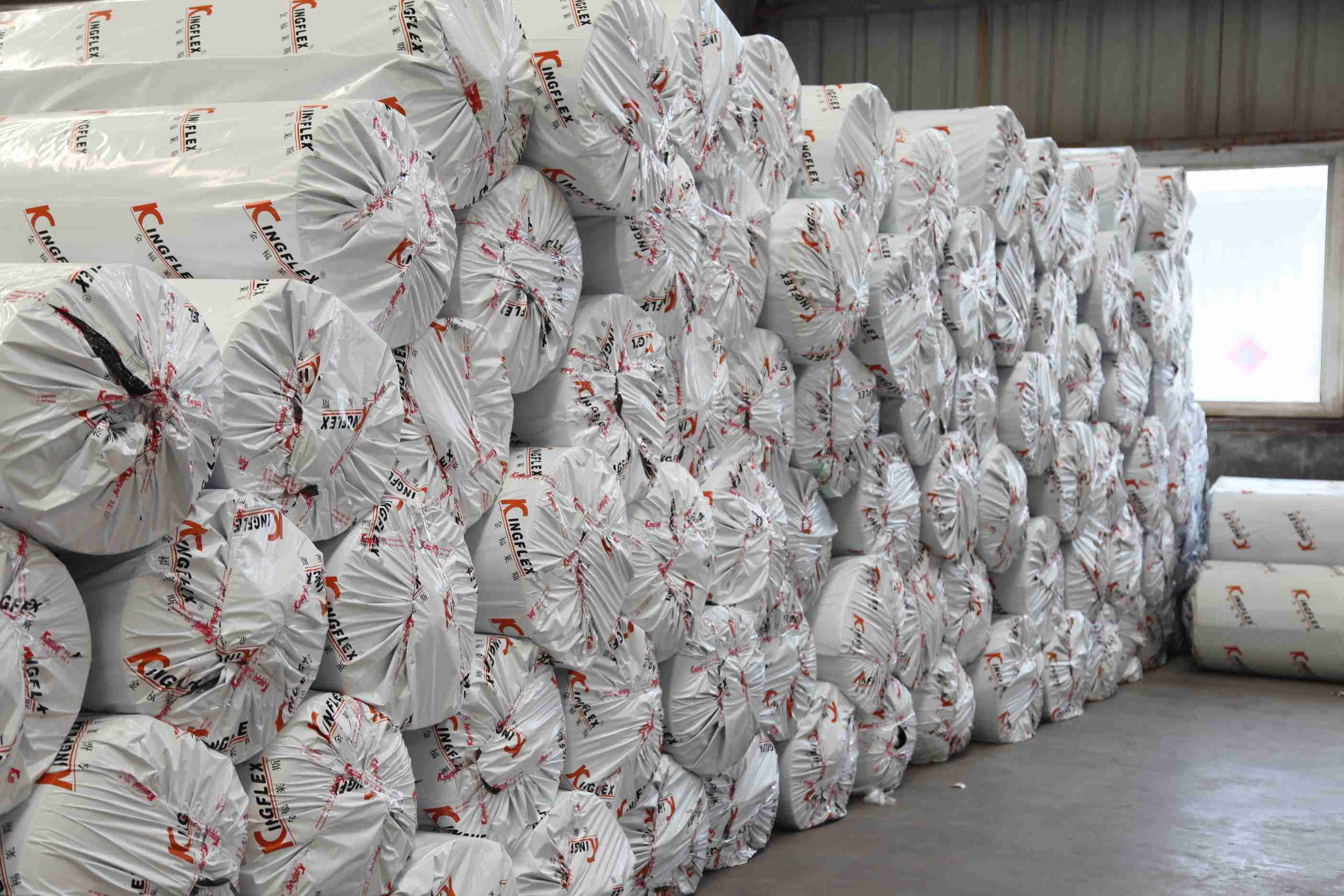
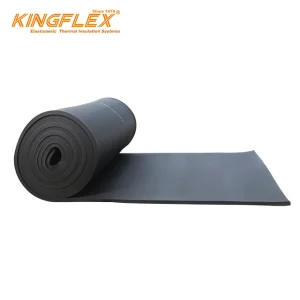
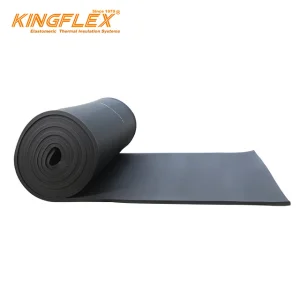
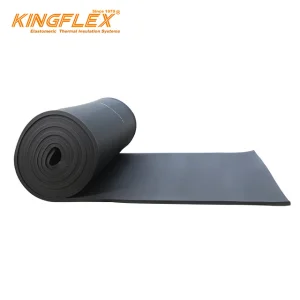
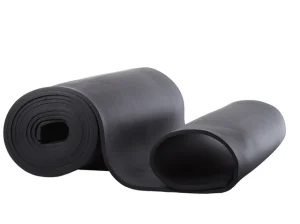
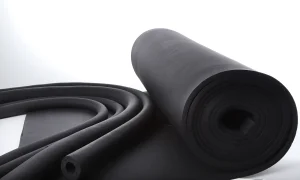
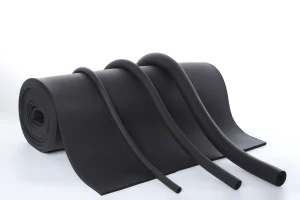
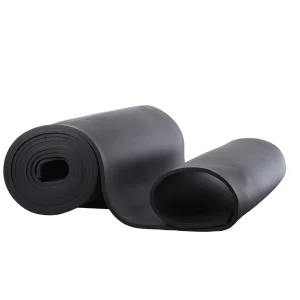
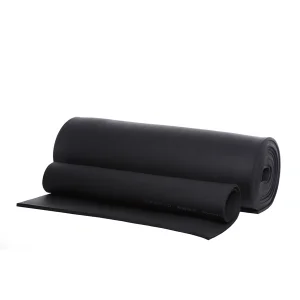
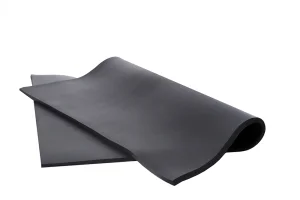
Rubber foam insulation material is soft heat-insulating, heat-preservation and energy conservation materials made with advanced technology and advanced full-automatic continuous production line imported from abroad, using polyvinyl Chloride (NBR,PVC) as main raw materials and other high quality auxiliary materials through foaming and so on special procedure.
Technical Performance Data
| Property |
Unit |
Value |
Test Method |
| Temperature range |
°C |
(-50 - 110) |
GB/T 17794-1999 |
| Density range |
Kg/m³ |
45-65Kg/m³ |
ASTM D1667 |
| Water vapor permeability |
Kg/(m.s.pa) |
≤0.91×10 ﹣¹³ |
DIN 52 615 / BS 4370 Part 2 1973 |
| μ |
- |
≥10000 |
- |
| Thermal Conductivity |
W/(m.k) |
≤0.030 (-20°C) |
ASTM C 518 |
| ≤0.032 (0°C) |
| ≤0.036 (40°C) |
| Fire Rating |
- |
Class 0 & Class 1 |
BS 476 Part 6 part 7 |
| Flame Spread and Smoke Developed Index |
- |
25/50 |
ASTM E 84 |
| Oxygen Index |
- |
≥36 |
GB/T 2406, ISO4589 |
| Water Absorption, % by Volume |
% |
20% |
ASTM C 209 |
| Dimension Stability |
- |
≤5 |
ASTM C534 |
| Fungi resistance |
- |
Good |
ASTM 21 |
| Ozone resistance |
Good |
GB/T 7762-1987 |
| Resistance to U.V. and weather |
Good |
ASTM G23 |
Frequently Asked Questions
What are the primary raw materials of this rubber foam insulation material?
The primary raw materials used are polyvinyl chloride (NBR/PVC), combined with other high-quality auxiliary materials, processed via advanced continuous foaming technology.
What is the operating temperature range for this insulation?
This material operates efficiently within a wide temperature range of -50°C to 110°C, tested in compliance with standard GB/T 17794-1999.
How does the closed cell structure benefit the insulation performance?
The closed cell structure acts as an effective barrier against water vapor penetration, preventing moisture absorption and extending the overall service life of the insulation.
What fire safety certifications does this insulation material have?
It achieves a Class 0 & Class 1 fire rating according to BS 476 Part 6 & Part 7, and has a flame spread and smoke developed index of 25/50 under ASTM E 84 testing.
Is this material suitable for irregular pipe shapes and complex installations?
Yes. Because of its highly flexible nature, it can be easily cut and fitted to accommodate various complex shapes and structures, making installation fast and simple.
What is the thermal conductivity rating of the material?
The thermal conductivity is rated at ≤0.030 W/(m.k) at -20°C, ≤0.032 W/(m.k) at 0°C, and ≤0.036 W/(m.k) at 40°C under the ASTM C 518 standard.
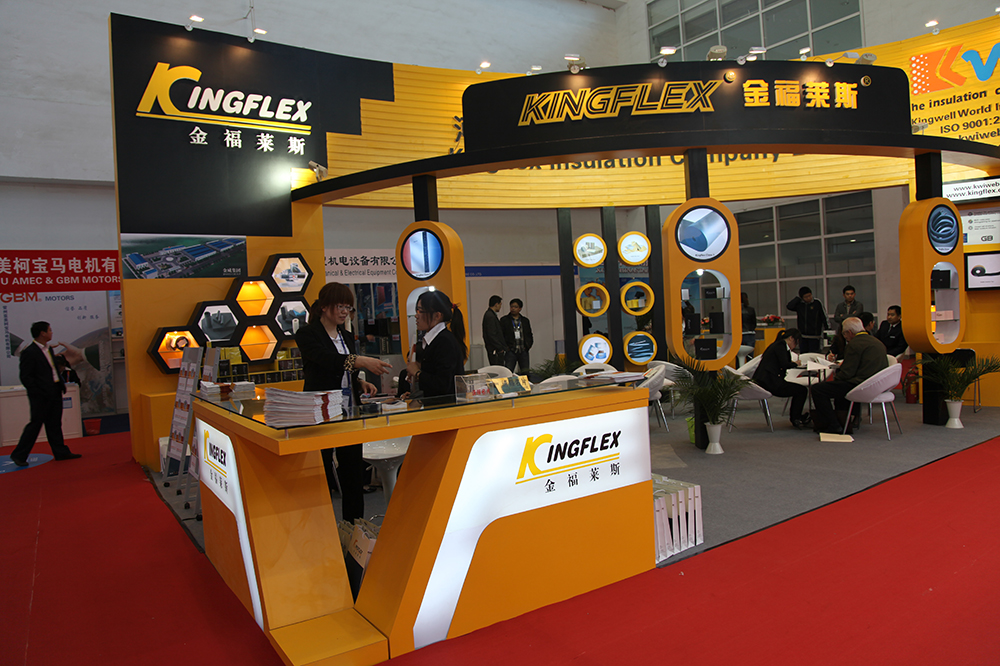
 Kingflex