Direct from China's leading production hub - Dacheng Green Building Materials Capital
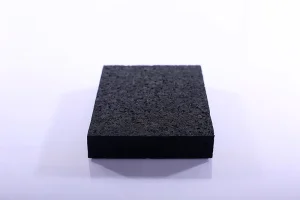
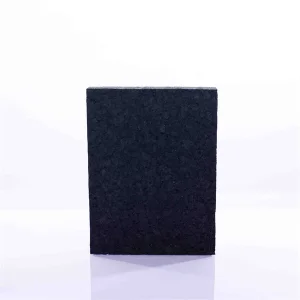
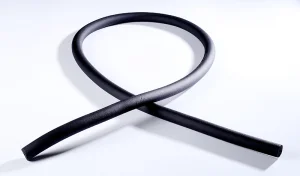
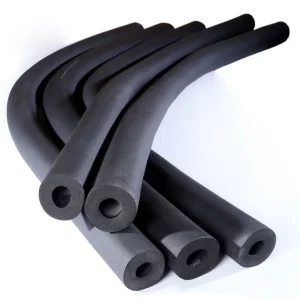
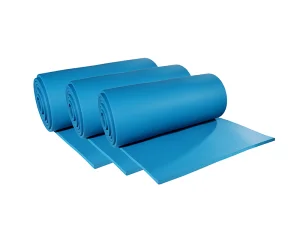
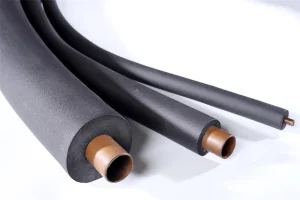
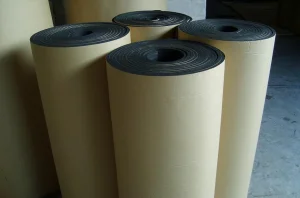
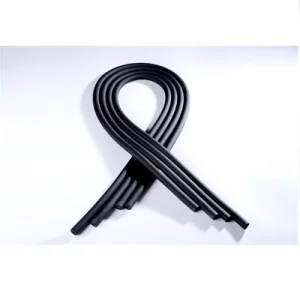
Thermal insulation in modern architecture and industrial processes is no longer just about regulating ambient temperatures; it is a critical strategy for energy preservation, system longevity, and environmental sustainability. Closed-cell Nitrile Butadiene Rubber (NBR) insulation, widely referred to under the NBR/PVC elastomeric matrix banner, stands at the absolute forefront of this technological curve. Designed with an extremely tight closed-cell cellular configuration (>98% cell closure rate), these materials act as an impenetrable barrier to heat flow, liquid ingress, and vapor transmission.
The global demand for elastomeric nitrile rubber insulation is experiencing unprecedented structural growth. Spurred by strict net-zero carbon mandates across Europe, North America, and the Asia-Pacific region, mechanical engineers and procurement teams are optimizing their supply chains. The primary factor driving procurement decisions is finding a reliable Nitrile Rubber Insulation Price List that balances high-tier E-E-A-T performance parameters with competitive volume pricing.
China has solidified its position as the global hub for manufacturing high-quality elastomeric insulation. Specifically, Dacheng County in Hebei Province stands as the recognized "capital of green building materials," hosting advanced clusters of R&D labs and automated manufacturing facilities. The capability to manufacture massive volumes under rigorous quality controls permits Chinese suppliers to distribute materials that meet stringent international certifications—such as BS 476, CE, REACH, ROHS, UL94, and ASTM—at a fraction of the cost of localized Western brands. This unique price-performance dynamic makes the procurement of Chinese NBR insulation sheet rolls and tube piping highly lucrative for global infrastructure projects.
Understanding a manufacturer's pricelist requires exploring the technical variations in the production cycle. Raw elastomeric rubber formulation, chemical foaming agents, and fire-retardant additives are the primary cost factors. Density plays a huge role; standard HVAC applications require a balanced density of 40-55 kg/m³ to achieve maximum thermal resistance without compromising mechanical flexibility. Higher densities are required for industrial heavy-duty piping and underground services, shifting the cost matrix upward.
Additionally, fire compliance significantly dictates pricing structures. Class 0 ratings (under British Standard 476 Parts 6 and 7) require higher percentages of halogenated or non-halogenated flame retardants, representing a premium pricing bracket compared to Class 1 or standard builder-grade pipes. Selecting the right supplier involves navigating these specific parameters to prevent paying for over-engineered solutions while ensuring zero compromises on building codes and fire safety regulations.
To assist system engineers in selecting materials, the table below provides a comparative analysis of NBR Elastomeric Rubber Foam relative to other common insulation materials in the market:
| Insulation Material | Service Temperature | Thermal Conductivity (at 0°C) | Vapor Permeability (μ) | Fire Performance Rating |
|---|---|---|---|---|
| Kingflex NBR/PVC Rubber | -40°C to +105°C | ≤ 0.034 W/m·K | ≥ 10,000 | BS 476 Class 0, UL 94 V-0 |
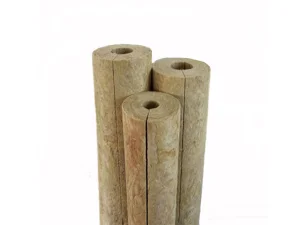
| Rock Wool (Industrial) | Up to +650°C | ≤ 0.039 W/m·K | 1 (Requires Jacket) | Non-combustible (Class A1) |
| Glass Wool | -18°C to +400°C | ≤ 0.036 W/m·K | 1 (Requires Jacket) | Non-combustible (Class A1) |
| Polyolefin (PE) Foam | -80°C to +95°C | ≤ 0.037 W/m·K | ≥ 5,000 | UL 94 HF-1 |
The technical roadmap for Kingflex products centers on two clear milestones: environmental sustainability and structural durability. Traditional elastomers use organic blowing agents that release volatile organic compounds (VOCs). The industry trend is steering rapidly toward completely halogen-free, low-smoke, and non-toxic materials. The next generation of Kingflex NBR foam is formulated to emit negligible levels of acid gas during fire scenarios, securing safe installations in high-density areas such as airports, subways, and pediatric medical wards.
Additionally, industrial internet of things (IIoT) sensors are now being tested directly beneath insulation systems to monitor CUI (Corrosion Under Insulation). This requires rubber foams to have high thermal stability up to +120°C and improved resistance to chemical cleaning agents. The development of hybrid NBR/PVC blends with integrated vapor barriers represents the next standard phase of industrial pipeline insulation.

Kingflex Manufacturing Facility in Dacheng, China.
Expert configurations for optimal mechanical system performance

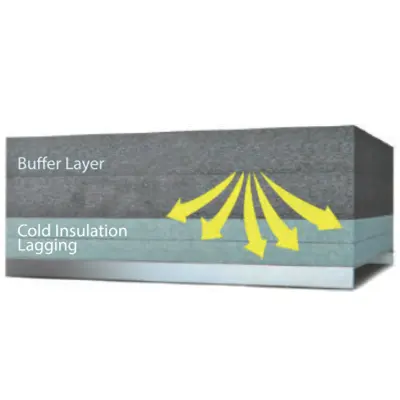
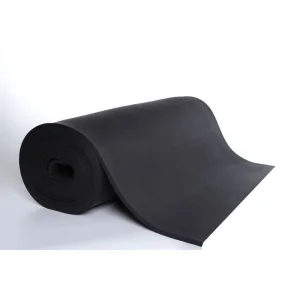
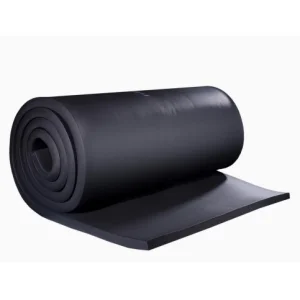
Ideal for large surface areas like rectangular air conditioning ducts, large industrial process vessels, storage tanks, and mechanical plant machinery.
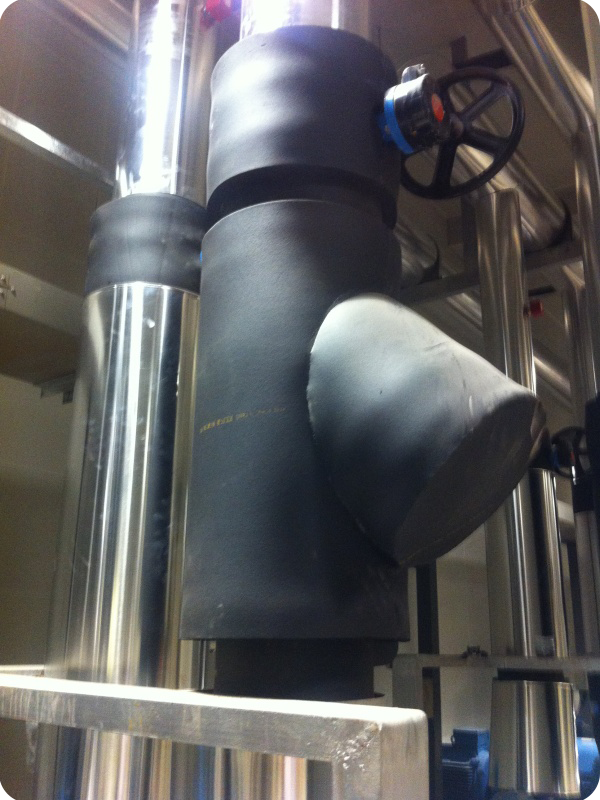
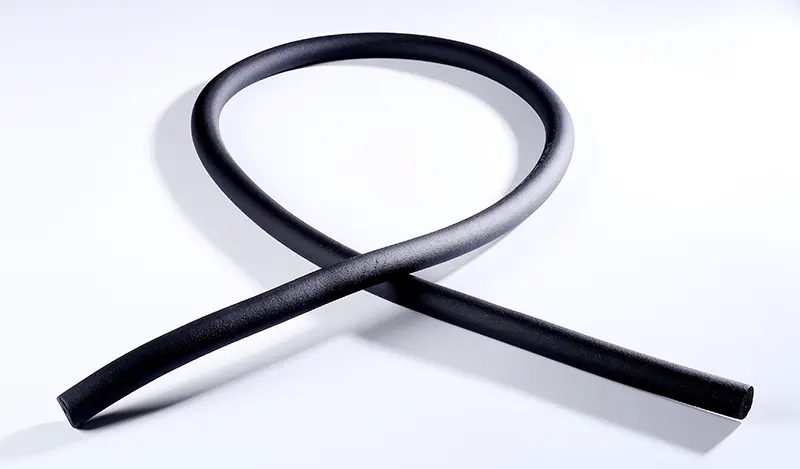
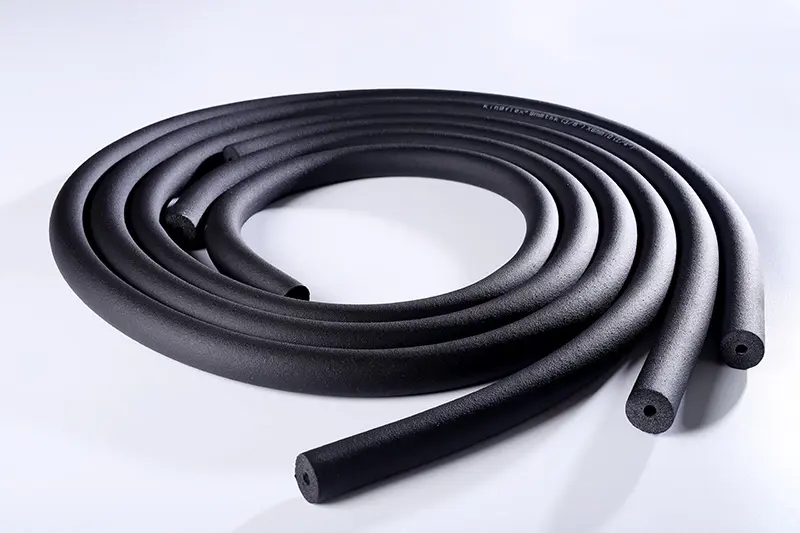
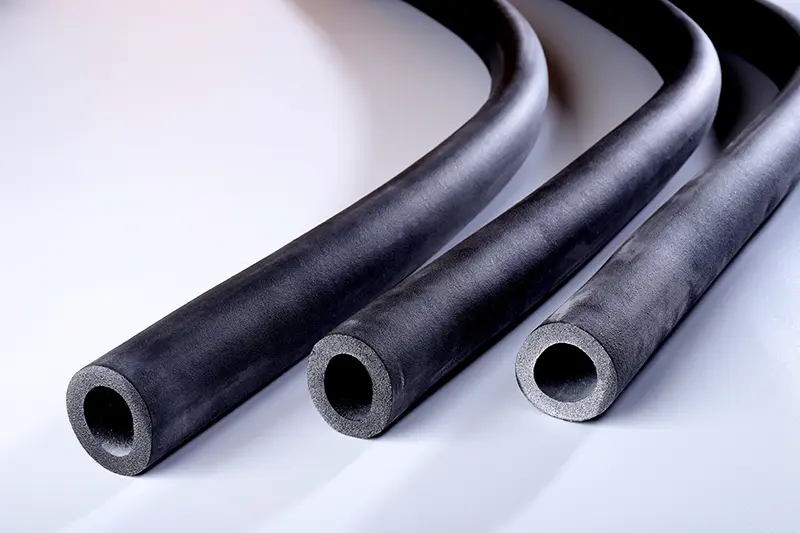
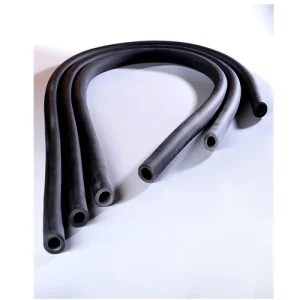
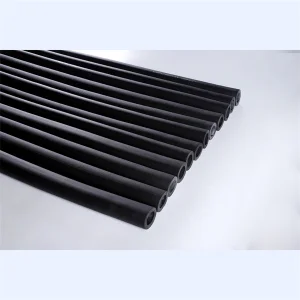
Specially extruded for quick sleeving onto copper, steel, and plastic domestic or industrial system pipelines. Minimizes thermal losses and limits line vibration.
Built upon the legacy of the Jinwei Group (Est. 1979)
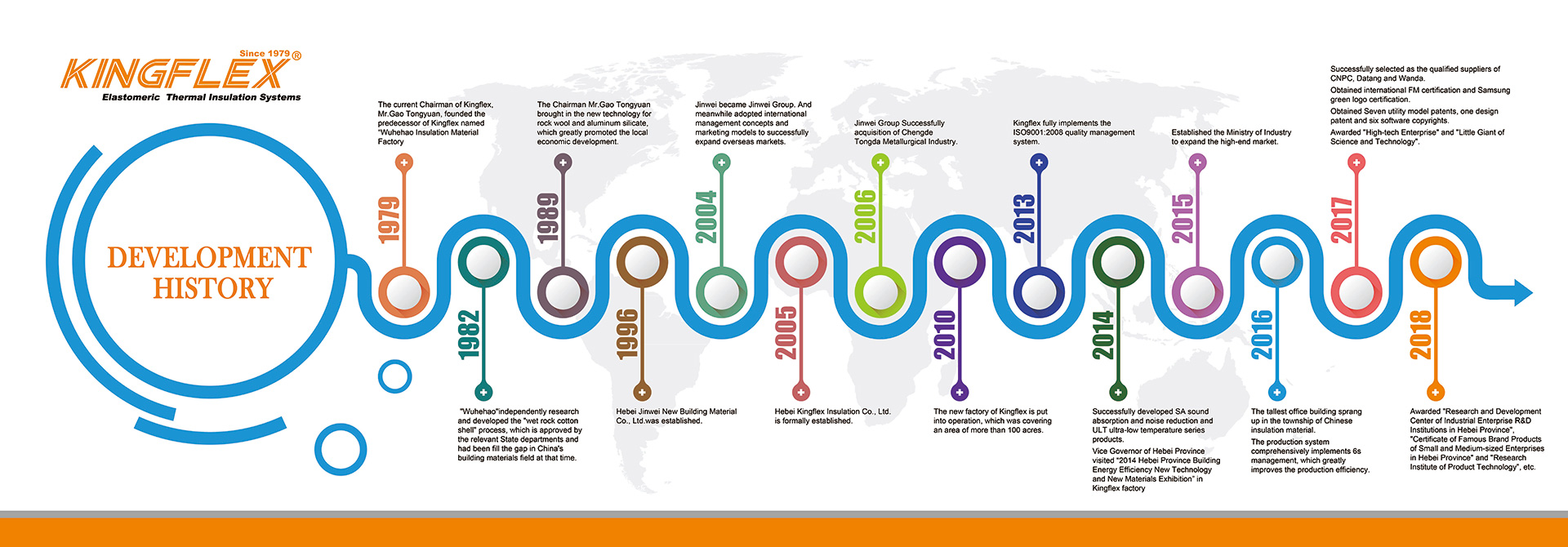
Established under the umbrella of the Jinwei Group, Kingflex was built upon roots dating back to 1979. We were the pioneering manufacturer of thermal insulation materials located north of the Yangtze River. This history provides us with generational expertise in chemical blending and thermal efficiency engineering.
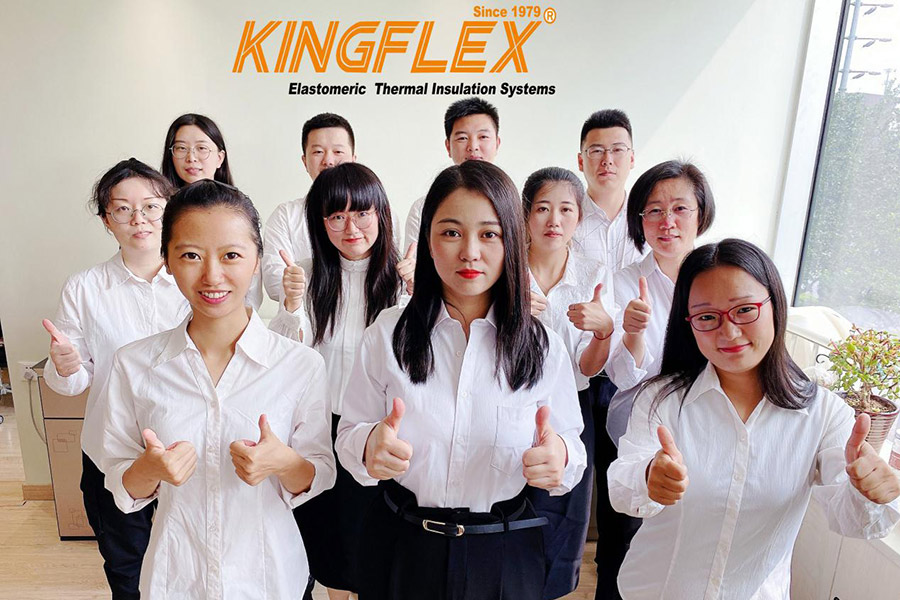
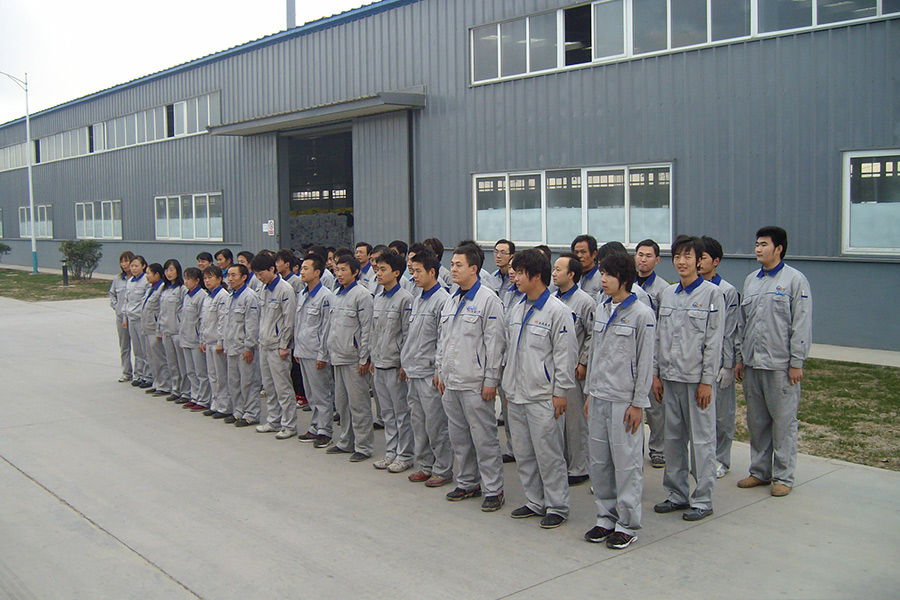
A tight-knit, talented team of 230 manufacturing specialists, 6 international customer support representatives, and 8 highly qualified R&D engineers working continuously to innovate new formulations and maintain top-tier system engineering standards.
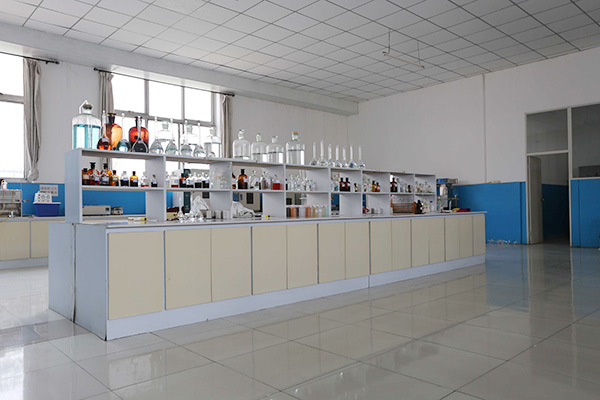
Equipped with 5 fully automated continuous extrusion assembly lines, producing over 600,000 m³ annually. Designated as an approved insulation enterprise by the Ministry of Energy, Ministry of Chemical Industry, and Ministry of Electric Power.
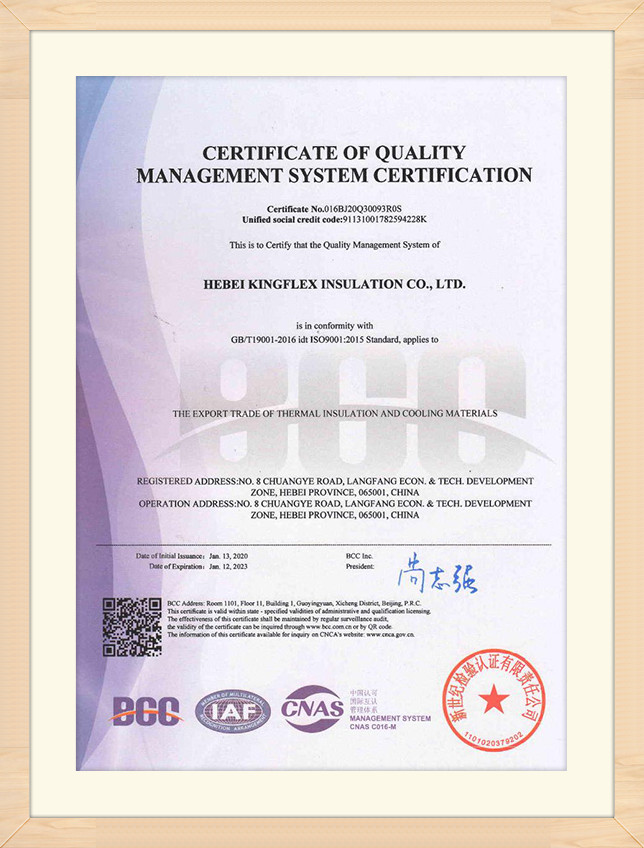
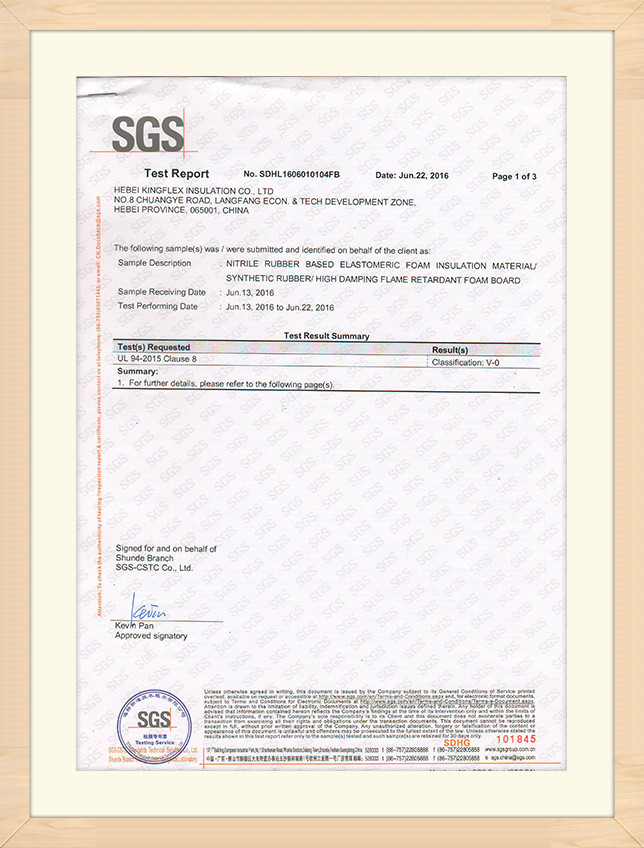
Where uncompromising quality is verified and tracked

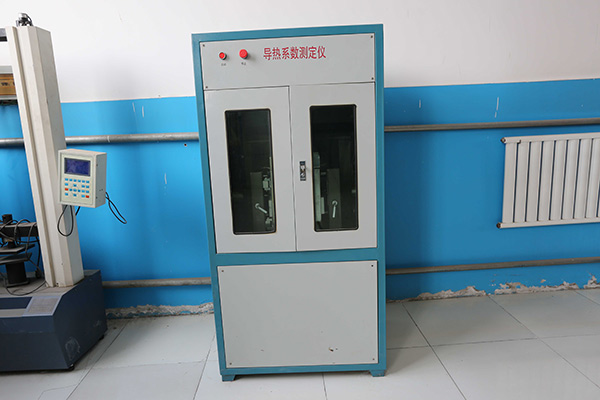



Optimized for structural integrity, energy efficiency, and safety
NBR elastomeric rubber foams operate as macro solutions across a multitude of high-stress scenarios:
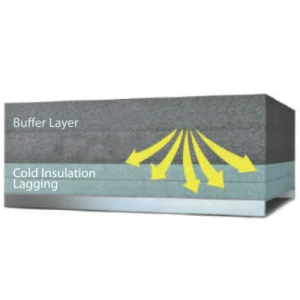
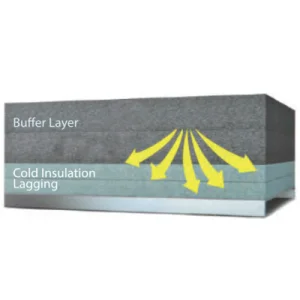
In humid conditions, condensation on the outer surface of metal chilled water pipes causes continuous water dripping, causing drywall damage and structural degradation. With a vapor barrier performance rating (μ) exceeding 10,000, Kingflex insulation functions as an active prevention layer, rendering external vapor barrier jackets unnecessary.
Liquid nitrogen and LNG terminal piping systems operate down to -200°C. Standard rubber foam experiences severe thermal shock and embrittlement. Kingflex cryogenic systems use custom multi-layered elastic NBR polymers configured to remain flexible, preventing line cracking and massive thermal leaks.
Hotels, multi-family residences, and healthcare facilities require low mechanical hums. Open-cell and specialized sound-absorbing sheets damp sound waves from ducts and mechanical rooms, lowering decibel emissions to within green-building standard requirements.
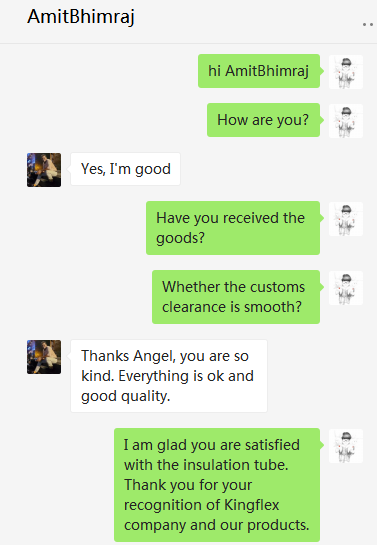
Our commitment to global delivery is verified by transparent communications and high customer retention. Below are actual screenshots demonstrating our active project collaboration and product quality confirmations:




Premium NBR & Mineral Wool Solutions
Clear, direct, and authoritative information regarding NBR/PVC elastomeric structures
5 Automated Assembly Lines Running 24/7 to Deliver 600,000+ Cubic Meters Annually





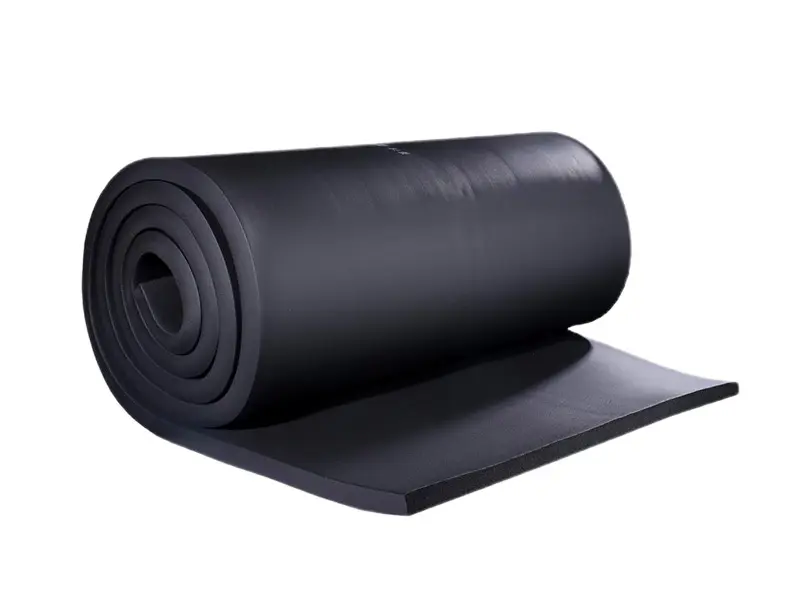
Heavy-duty systems configured for critical thermal performance
 Kingflex