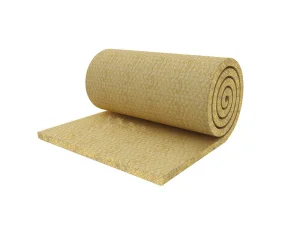
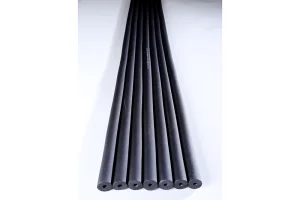
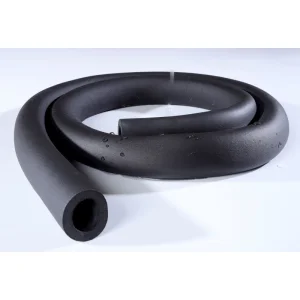
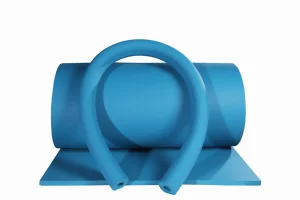
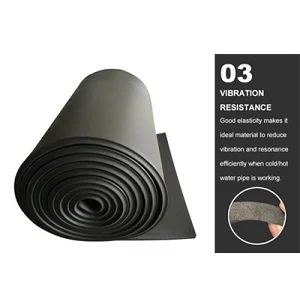
Explore our foundational range of elastomeric, rock wool, and thermal barrier systems engineered for demanding global projects.
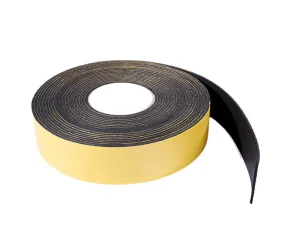
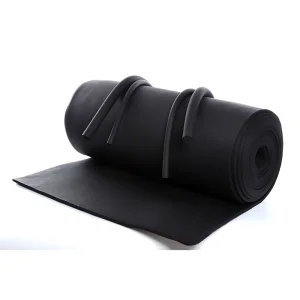
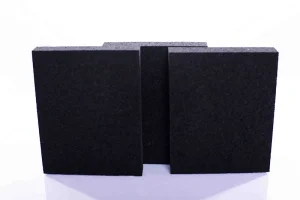
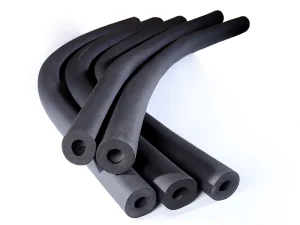
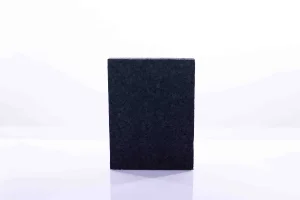
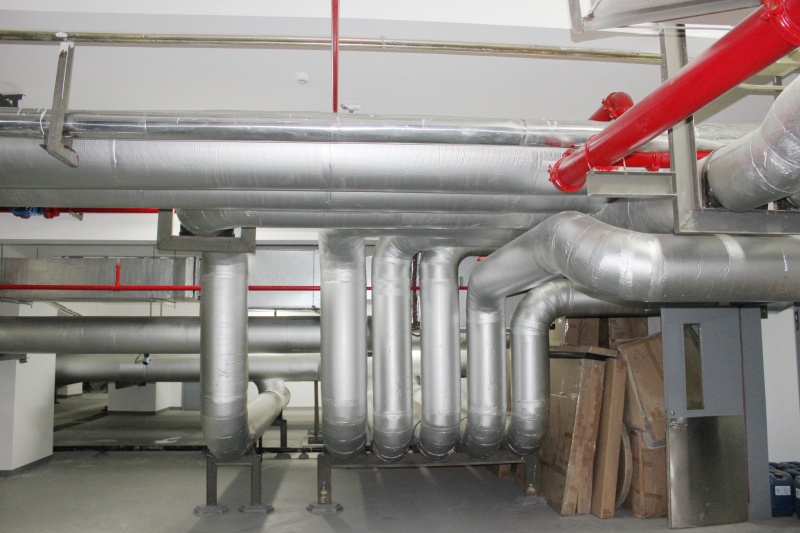
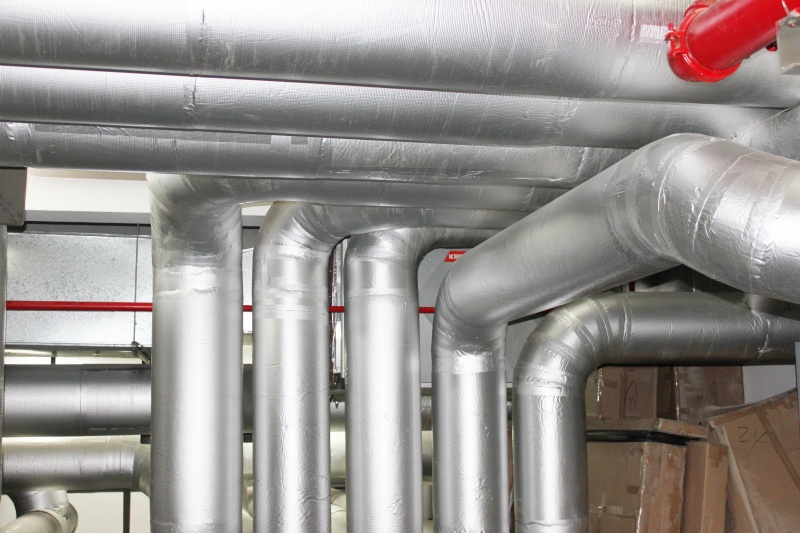
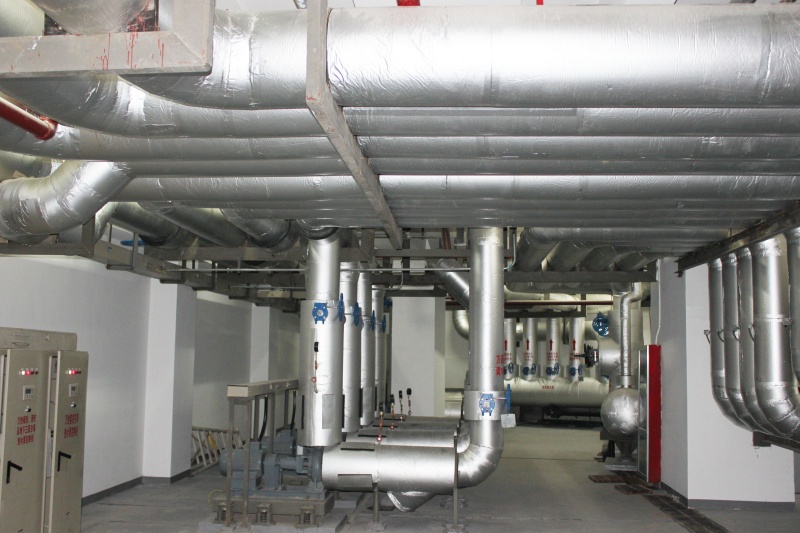
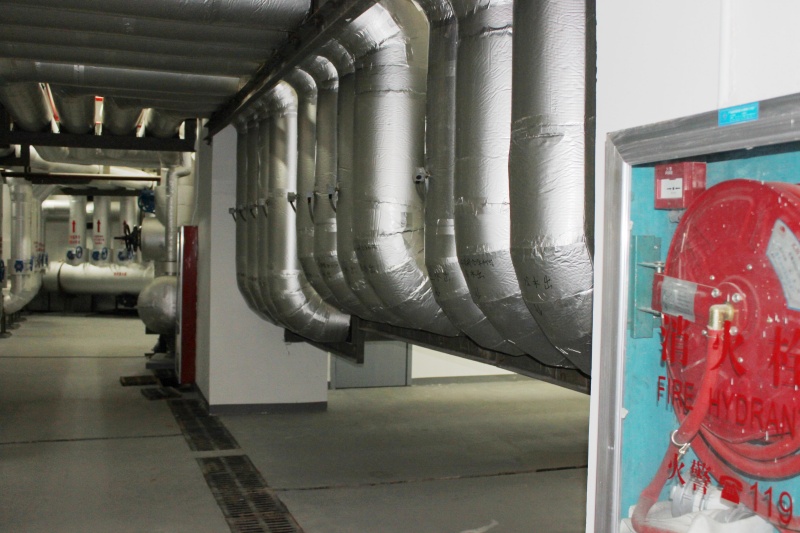
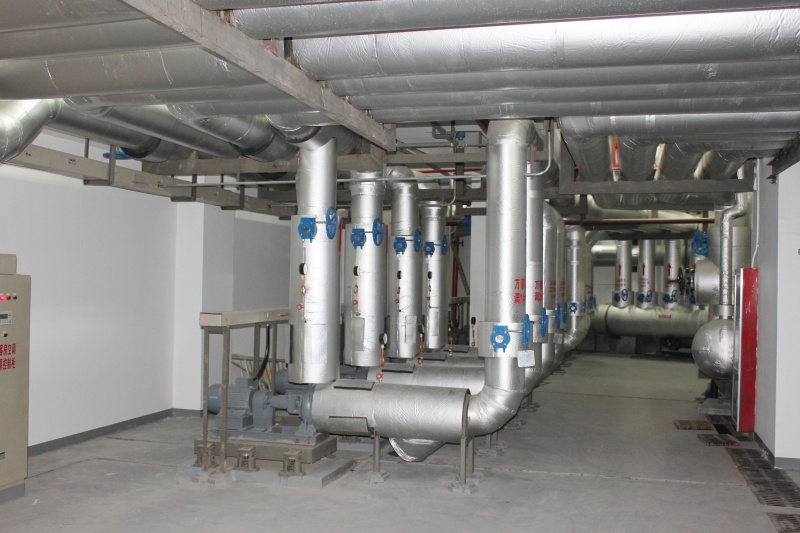
In modern industrial and building services engineering, control of thermal transmission and condensation is paramount to system longevity and operational efficiency. Aluminium foil pipe insulation represents a critical technological composite designed to mitigate thermal bridging, moisture vapor transmission, and mechanical degradation in HVAC, plumbing, cryogenic, and process piping systems.
At the core of this system is the synergy between the protective cladding—a multi-layer laminated aluminium foil foil jacket—and a high-performance thermal insulation substrate (typically closed-cell elastomeric NBR/PVC foam or high-density mineral rock wool). This combination achieves what bare materials cannot: a near-zero vapor permeance index alongside outstanding radiant heat reflectivity.
By leveraging an aluminum outer layer with low emissivity (ε ≈ 0.05), the jacket reflects up to 95% of radiant heat. Concurrently, the thick closed-cell core prevents conductive heat gain or loss. This composite structure is vital in high relative humidity environments where condensation control is critical to prevent Corrosion Under Insulation (CUI).
The efficiency of foil-clad pipe insulation relies heavily on the substrate material. Kingflex Insulation designs systems incorporating two primary cores:
The lamination process uses industrial flame-retardant adhesives to bond the aluminium foil directly to the insulation base. This prevents delamination under thermal expansion and contraction cycles, preserving the vapor barrier integrity.
| Physical Property | NBR/PVC Elastomeric Foam Core | Rock Wool Core | Aluminium Foil Jacket Layer |
|---|---|---|---|
| Thermal Conductivity (λ) | ≤ 0.034 W/m·K at 0℃ | ≤ 0.036 W/m·K at 25℃ | N/A (Radiant Barrier) |
| Vapor Permeability (μ) | ≥ 10,000 | 1.0 (requires barrier) | ∞ (Theoretical Zero Permeance) |
| Fire Safety Rating | Class 0 / Class 1 (BS 476) | Non-combustible Class A1 | Flame Spread Index ≤ 25 |
| Temperature Range | -40℃ to +105℃ | -120℃ to +650℃ | Up to +150℃ (adhesive limit) |
| Emissivity (ε) | 0.90 | N/A | 0.05 (Highly Reflective) |
Industrial piping operates under diverse conditions. Standard solutions fail when exposed to high humidity, UV degradation, chemical attack, or physical impact. Aluminium foil pipe insulation addresses these challenges across several key sectors:
District Cooling and HVAC Systems: In large commercial projects, chilled water pipelines are highly susceptible to condensation. Moist air contacting cold surfaces causes condensation, leading to mold growth, water damage, and system degradation. The foil barrier stops vapor movement, while the elastomeric core limits heat gain.
Cryogenic & Low-Temperature Systems: Liquid nitrogen, LNG, and refrigeration systems operate below -100°C. In these environments, moisture drive is intense. Standard insulation can become saturated with ice, destroying its thermal properties. Our specialized foil-faced systems maintain critical low temperatures without ice buildup.
Maritime & Coastal Processing: Marine environments expose piping to high humidity and salt spray. Pure rubber foam can suffer UV damage and mechanical wear. Laminated aluminium foil shields the core from UV degradation, ozone, and salt-laden air, extending the service life of piping on offshore rigs and vessels.

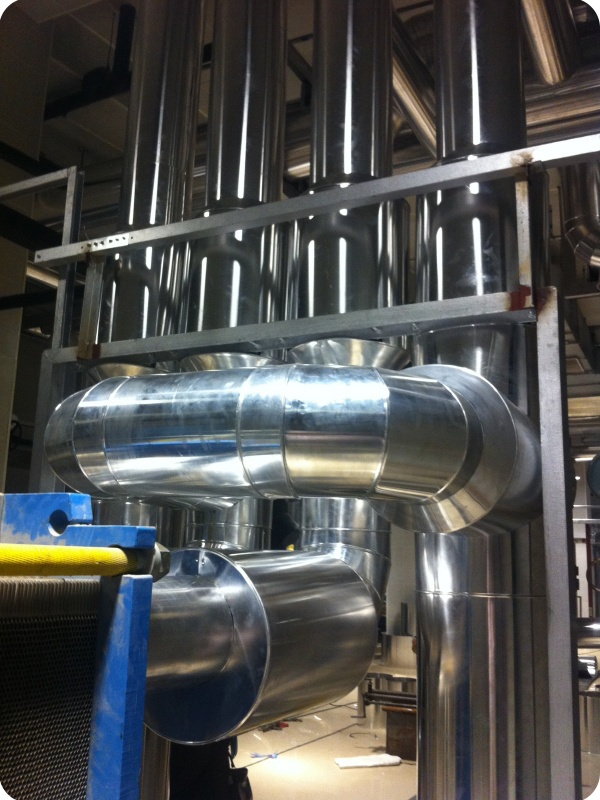
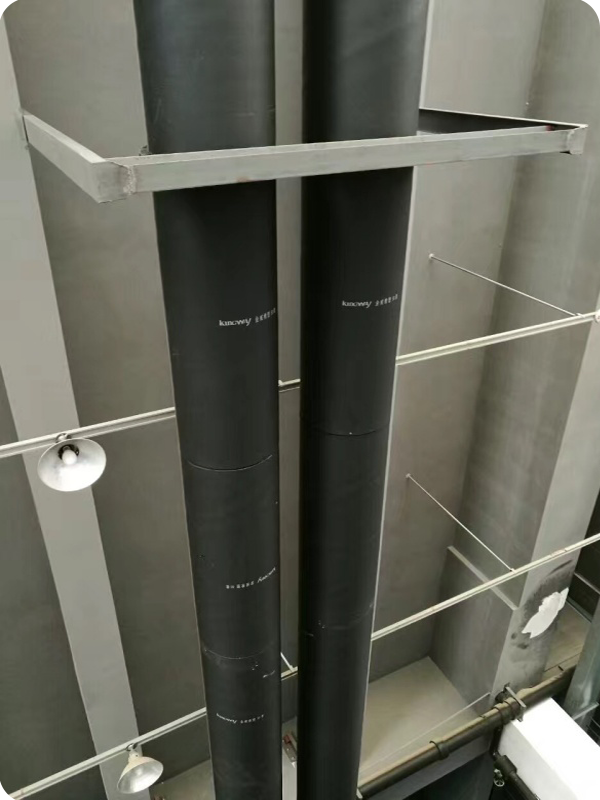
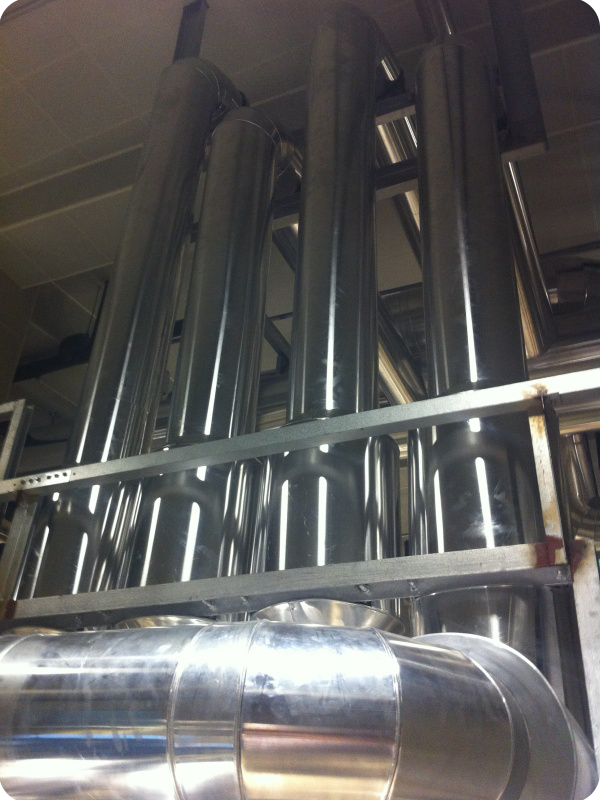
Global procurers look to Chinese manufacturers like Kingflex for high-performance insulation systems because of their integrated supply chain advantages:
Over 40 years of manufacturing experience, driving innovation in thermal control and energy efficiency.
Kingflex Insulation Co., Ltd. is a manufacturing and trading group specializing in advanced thermal insulation systems. Our production and research facility is located in Dacheng, China, a major hub for green building materials. Kingflex operates with a focus on energy conservation, reduction in consumption, and environmental responsibility.
Established by the Jinwei Group, which has a 40-year history dating back to 1979, we were the first thermal insulation manufacturer north of the Yangtze River. Today, we supply thermal insulation, acoustic control, and cold-conservation solutions to global contractors, distributors, and engineering firms.
Our team includes 8 R&D engineers, 6 international sales specialists, and 230 production personnel, enabling us to handle large-scale custom manufacturing projects (OEM/ODM).

Every batch of elastomeric foam and aluminium cladding features complete raw material traceability, ensuring consistency in production quality.
Our products meet international certification requirements including BS 476 Parts 6 & 7, CE, REACH, RoHS, UL94, and ASTM.
Five automatic production lines provide high volume capacities, designed to meet the requirements of ministries of energy, power, and chemicals globally.
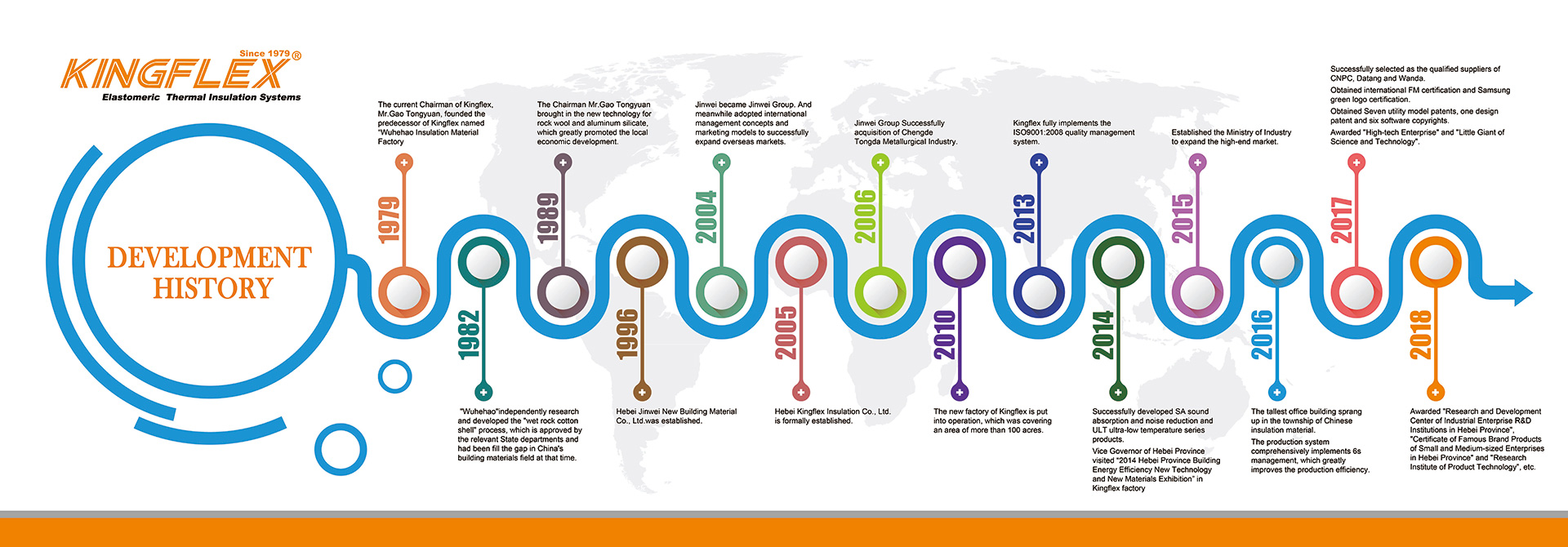
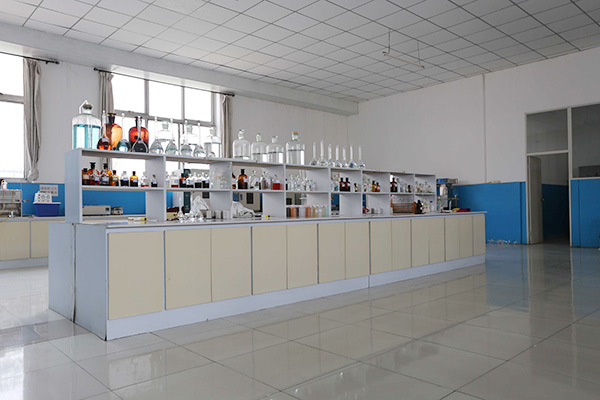

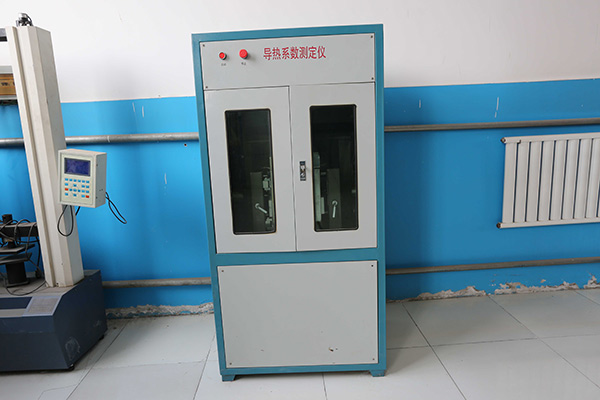
To maintain performance across varying operating environments, Kingflex runs a dedicated R&D center staffed by eight engineers. The facility conducts regular checks on thermal conductivity, closed-cell ratios, moisture resistance, and fire safety compliance.
Our lamination line coats the base insulation with reinforced aluminium foil, improving mechanical strength and preventing tearing during installation. The resulting composite layer provides physical protection against impact and weather exposure, reducing maintenance costs.
By monitoring density parameters (40-55 kg/m³ for NBR/PVC cores) and ensuring consistent adhesive bonds, we deliver insulation solutions built to endure high stress, thermal movement, and physical impact.
Our commitment to quality is backed by international certifications and verified test reports from global authorities.
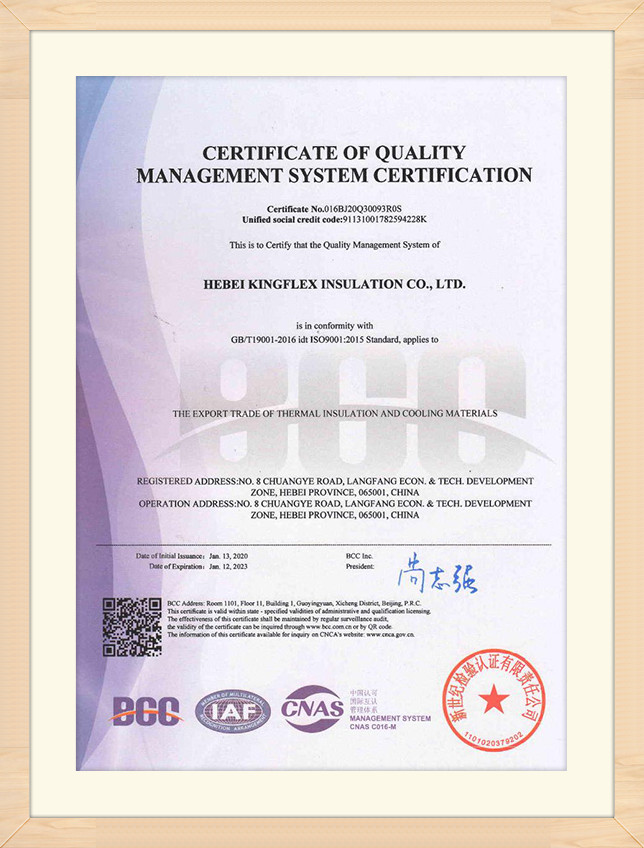


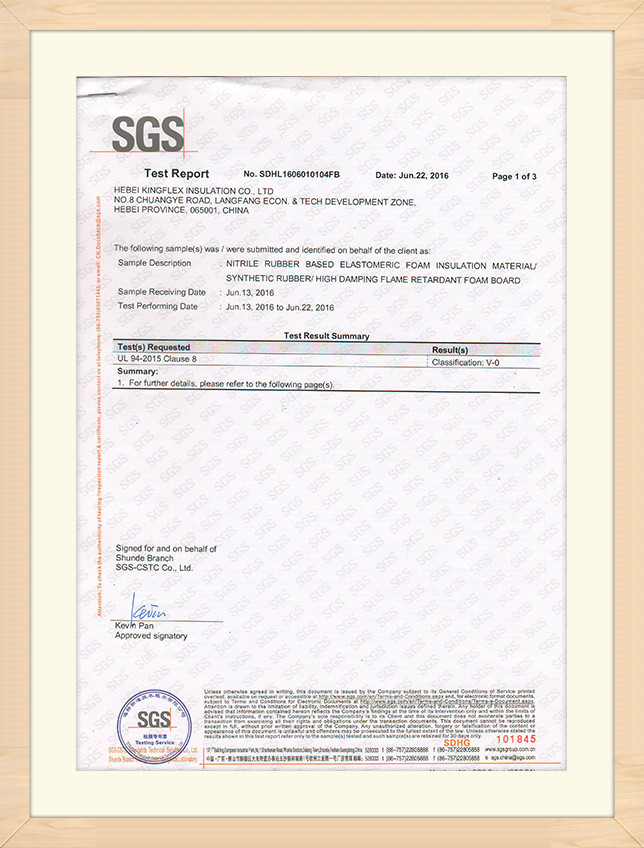
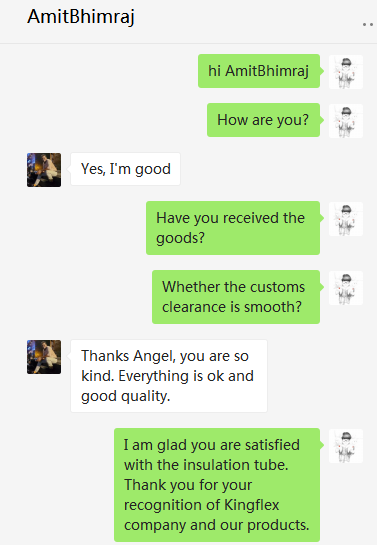
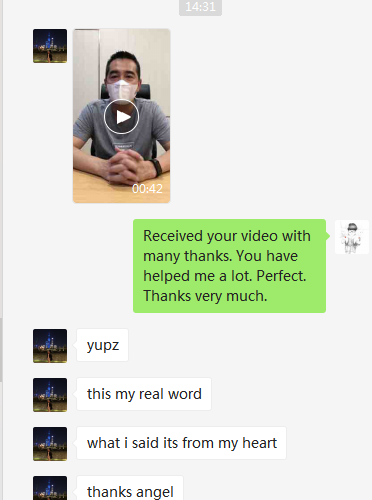
Transparency is key to our customer service. Here are real project communication logs showing orders and project coordination.
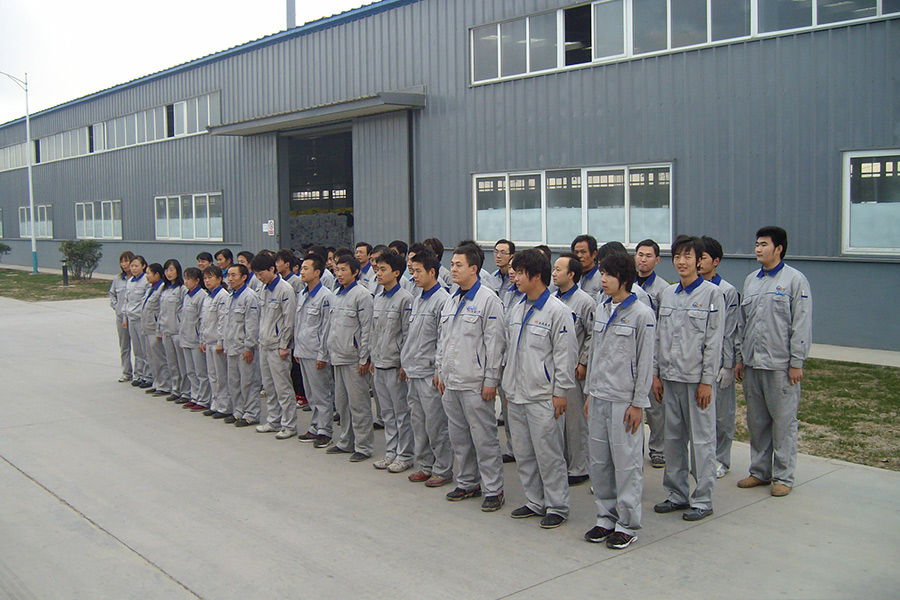



Take a virtual tour through our modern Dacheng manufacturing facilities, exhibiting pure efficiency and automation.
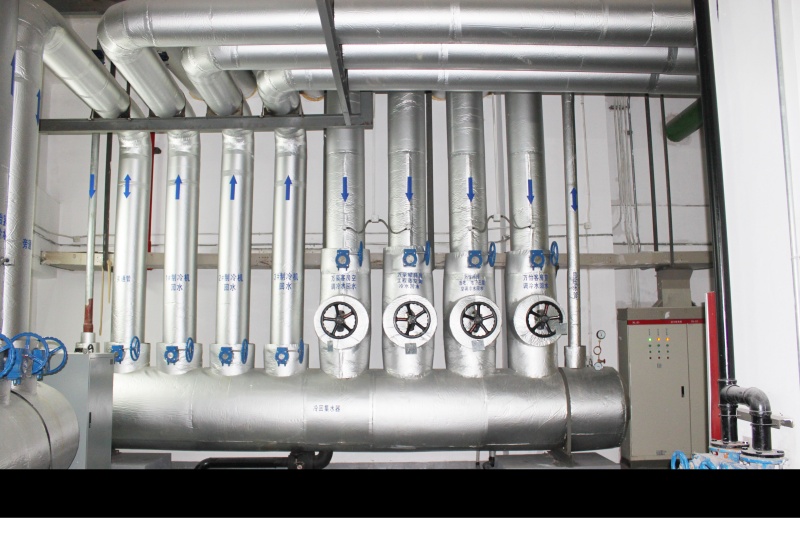


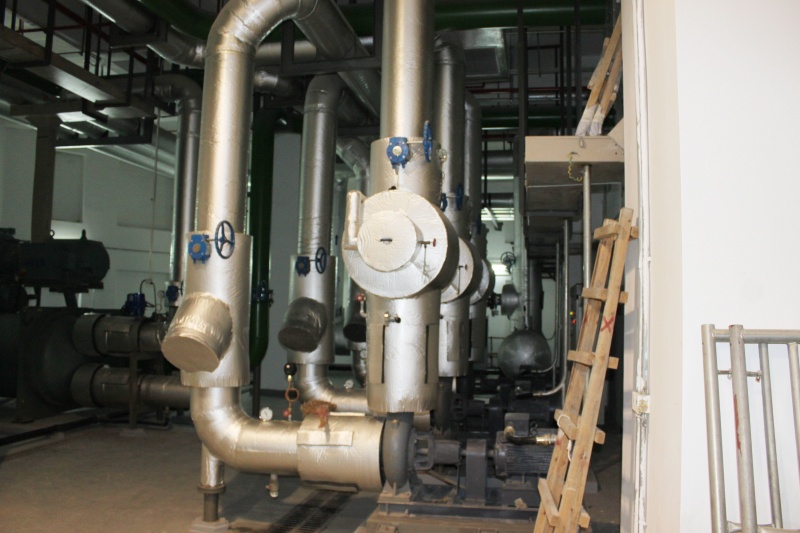
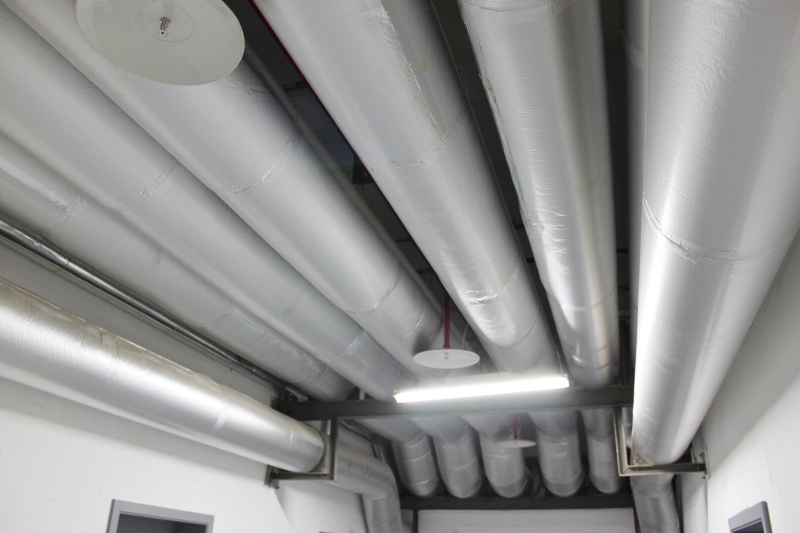


Detailed technical information and sourcing guidance for engineers, procurement managers, and distributors.
A selection of products, packaging, and logistical operations showing our daily output and global deliveries.





Explore detailed listings for rubber foam rolls, pre-insulated tubes, and low-temperature thermal sleeves.
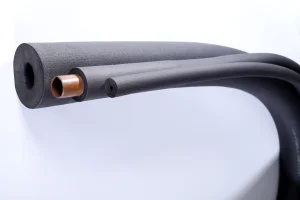
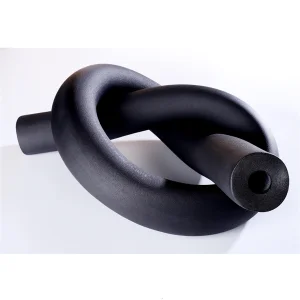
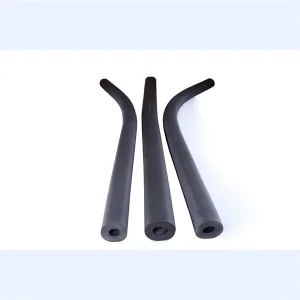
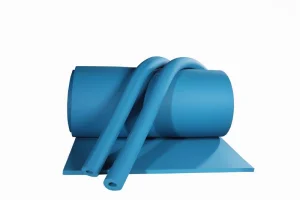
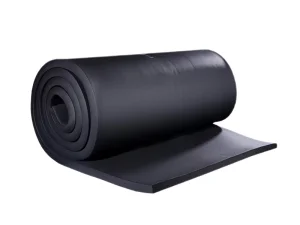
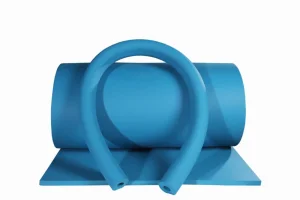
Technical reference data for elastomeric NBR/PVC sheets and pre-formed tubes used in our lamination processes.
Substrate Specifications:
Key Advantages:
Substrate Specifications:
Key Advantages:
 Kingflex