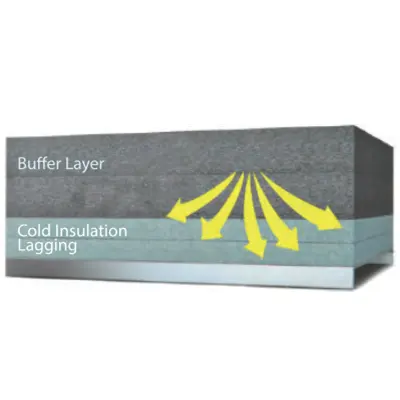
In central HVAC design, chilled water systems operating between 4°C (40°F) and 7°C (45°F) represent a constant condensation threat. Without precise thermal insulation, ambient relative humidity forces moisture load onto cold metallic piping surfaces. Condensation leads to structural dripping, micro-biological growth, oxidation of pipes, and massive efficiency drops. Proper thickness selection is not merely about thermal barrier capacity—it is a critical mechanical calculation that prevents the outer surface temperature of the insulation from falling below the ambient dew point.
Why Elastomeric NBR/PVC Rubber Foam is the Standard: Closed-cell elastomeric foam features a high resistance to water vapor transmission ($\mu \ge 10,000$). Traditional open-fiber systems like fiberglass rely heavily on external vapor barrier foils. If the outer jacket punctures, the entire fiberglass matrix absorbs water, increasing its thermal conductivity ($\lambda$) exponentially. Conversely, closed-cell materials feature thousands of independent barriers, ensuring that even if surface damage occurs, the internal system remains structurally dry and thermally efficient.
Determining the correct insulation thickness relies on localized ambient variables. Mechanical engineers calculate thickness based on:
To calculate the minimum required thickness ($x$) to prevent condensation on a flat surface, engineers use the following heat transfer equilibrium equation:
For cylindrical pipes, the log-mean area difference requires a radial heat transfer calculation. As pipe diameters increase, the surface area changes, necessitating precise thickness tables. The table below represents standardized wholesale recommendations based on typical ambient operating parameters (25°C ambient temperature at varying humidity levels).
| Pipe Nominal Diameter (DN) | Insulation Thickness (70% RH) | Insulation Thickness (80% RH) | Insulation Thickness (85% RH - High Humidity) |
|---|---|---|---|
| DN15 (1/2") to DN25 (1") | 9 mm | 13 mm | 19 mm |
| DN32 (1-1/4") to DN50 (2") | 13 mm | 19 mm | 25 mm |
| DN65 (2-1/2") to DN100 (4") | 19 mm | 25 mm | 32 mm |
| DN125 (5") to DN200 (8") | 25 mm | 32 mm | 40 mm |
| DN250+ (10"+) & Flat Surfaces | 32 mm | 40 mm | 50 mm |
Manufactured using state-of-the-art continuous vulcanization and foaming technology, Kingflex insulation products deliver premium physical properties:
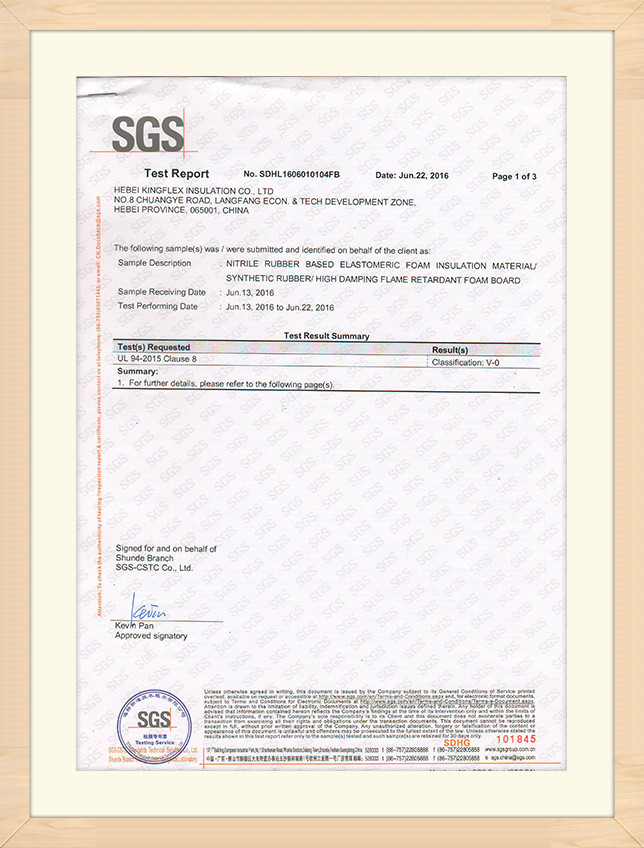
Class 0 & Class 1 fire-rated under BS 476, UL94, and ASTM, providing self-extinguishing safety metrics on vertical fire tests.
High resistance to moisture ingress prevents standard NBR matrix rot, ensuring stable insulation coefficients over 15+ years.
Over 80% compression recovery rate preserves its circular shape at pipe hangers, avoiding localized insulation crushing.
The Dacheng industrial cluster in Hebei province, China, is known globally as the capital of energy-saving construction materials. As a primary manufacturer in this region, Kingflex Insulation Co., Ltd. operates at the forefront of quality control and cost-efficiency. By purchasing from a direct China factory, global buyers secure:
Different geographic zones require distinct engineering adaptations for chilled water piping.
High Relative Humidity Climates (e.g., Southeast Asia, Central America): In cities like Singapore, Bangkok, or Panama City, average humidity levels routinely cross 85-90% RH. Standard 19mm insulation runs a major risk of exterior condensation. For these zones, our engineers recommend a minimum thickness of 25mm to 32mm of Kingflex NBR/PVC elastomeric tube on standard pipes, backed by an outer moisture seal.
District Cooling Systems (GCC Region): Large-scale central cooling systems in Dubai, Doha, and Riyadh run pipelines across exposed outdoor service chases. Ambient temperatures frequently hit 50°C. For these outdoor installations, rubber foam insulation requires UV-reflective cladding (such as aluminum, PVC, or specialized mastic coating) to prevent outdoor degradation, with thermal insulation calculations adjusted for solar radiation load.
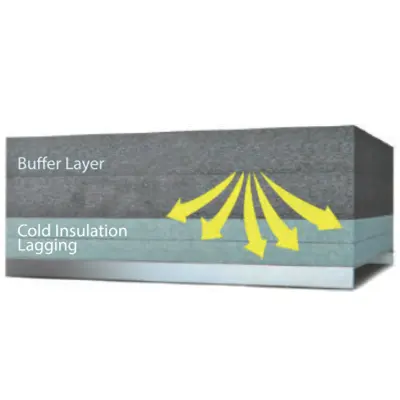
Ultra-Low Temperature (ULT) & Cryogenic Terminals: For LNG liquid lines and chemical processing setups running below -50°C to -196°C, we provide flexible cryogenic insulation systems consisting of multiple layered elastomeric sheets to prevent stress cracking and structural pipe failure.

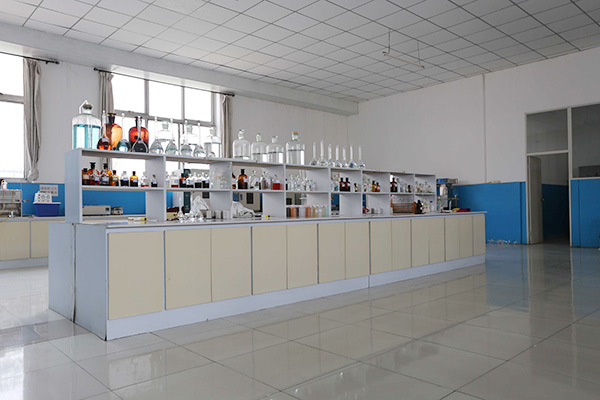
Our State-of-the-Art Dacheng Manufacturing Facility for Elastomeric Foams
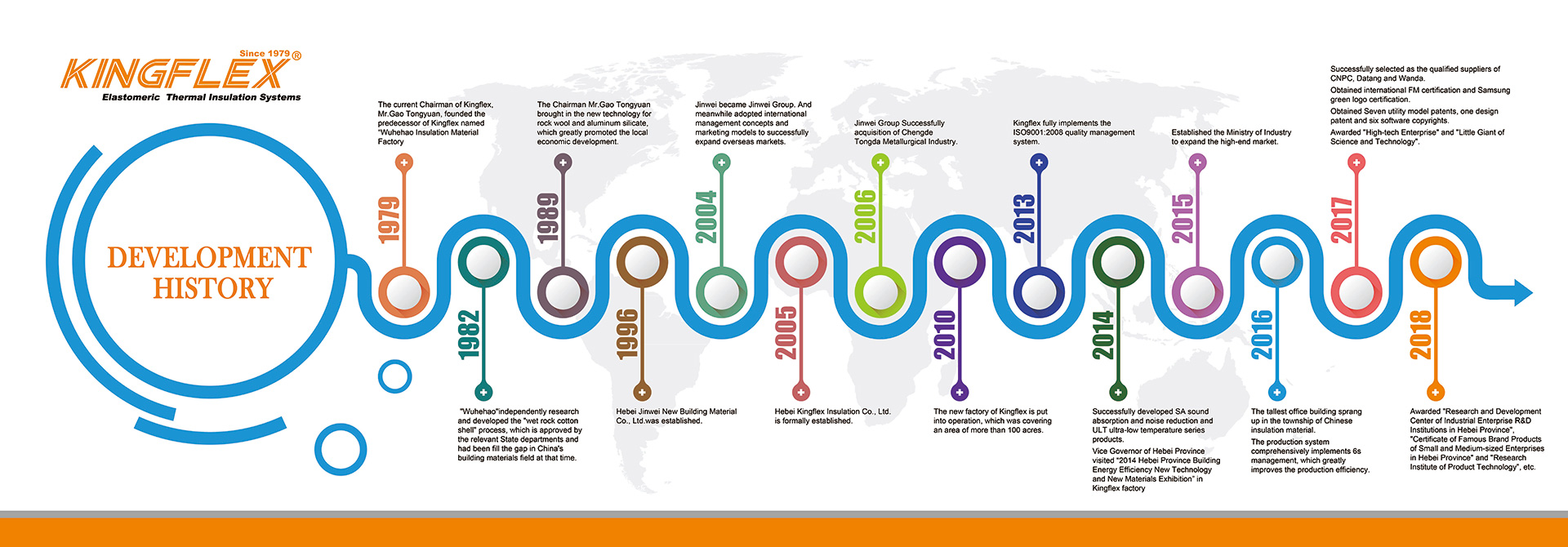
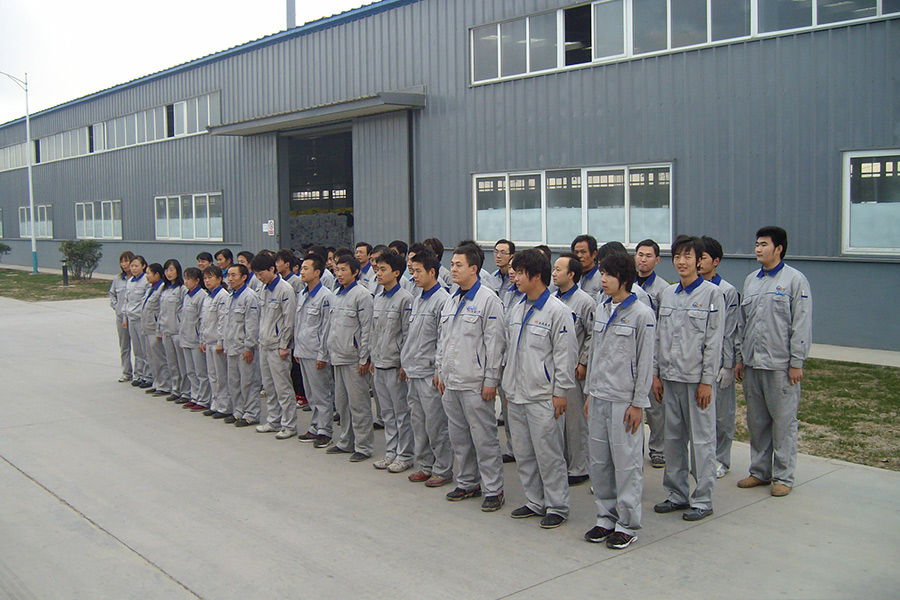
Established under the legendary Jinwei Group, which has served the thermal insulation industry since 1979, Kingflex has built a 40-year foundation of material science expertise. We were among the first production plants in Northern China to receive official designation and procurement approvals from the Ministry of Energy, the Ministry of Electric Power, and the Ministry of Chemical Industry.
We employ 230 manufacturing operators, 6 international sales consultants, and 8 dedicated research engineers. Whether a project requires bespoke dimensional thicknesses, pre-cut adhesive lining sheet rolls, or specific sound damping certifications, our plant adapts to supply high-spec configurations directly.

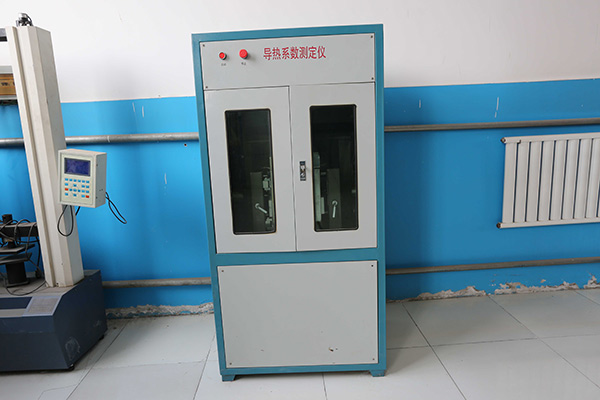
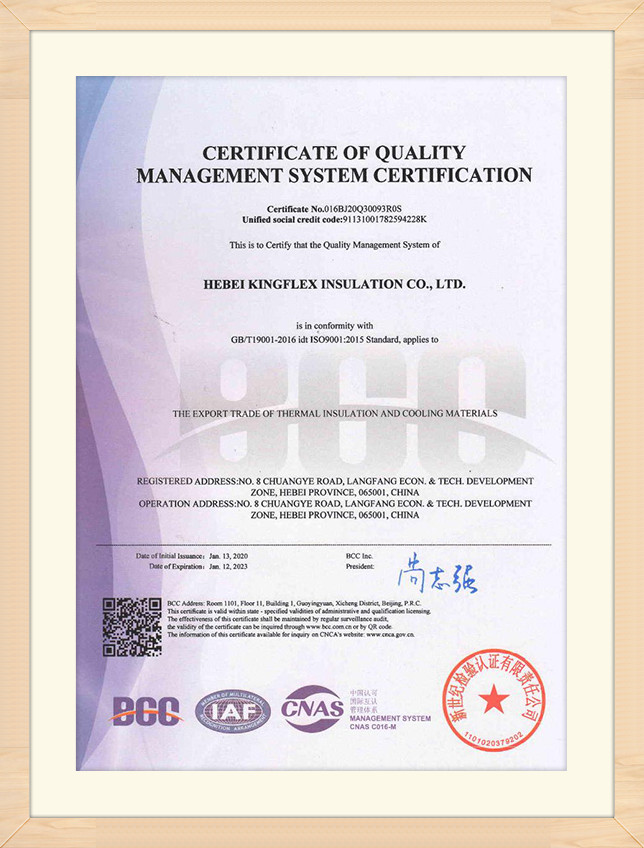
To maintain export viability across highly regulated zones, we constantly invest in third-party product testing. Our products undergo periodic checks to ensure full traceability from raw polymer blending to final curing. Kingflex insulation holds the following international credentials:



B2B buyers, including engineering contractors, wholesale importers, and MEP partners, require seamless shipping schedules. At Kingflex, we maximize packing volumes inside 40HQ containers by offering nested pipe sizing (putting smaller diameter tubes inside larger ones) to reduce ocean freight rates by up to 30%.
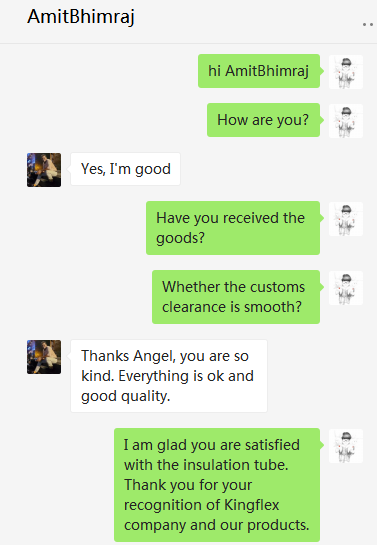
Every order includes digital mill test certificates, material safety data sheets, and custom barcode labels for logistics tracing. Through verified communication platforms, our customer service team shares production milestones, raw material preparation schedules, and container loading details.




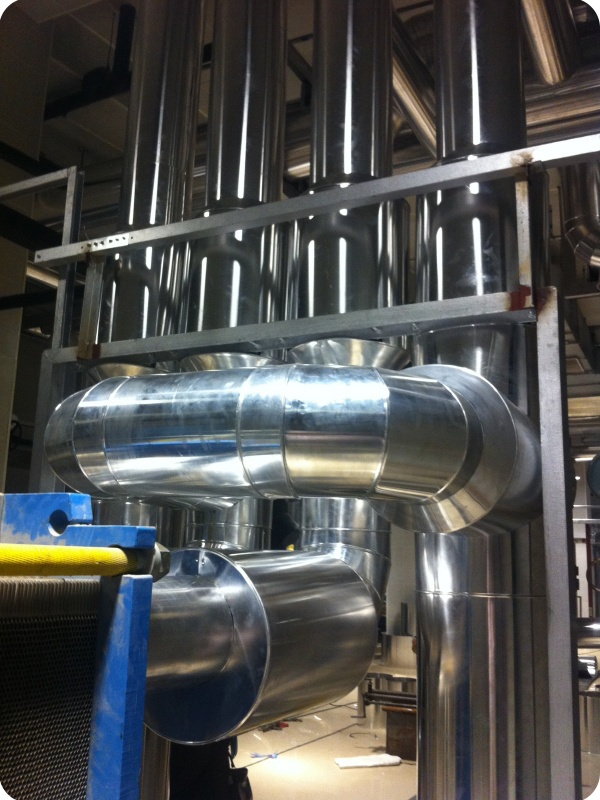
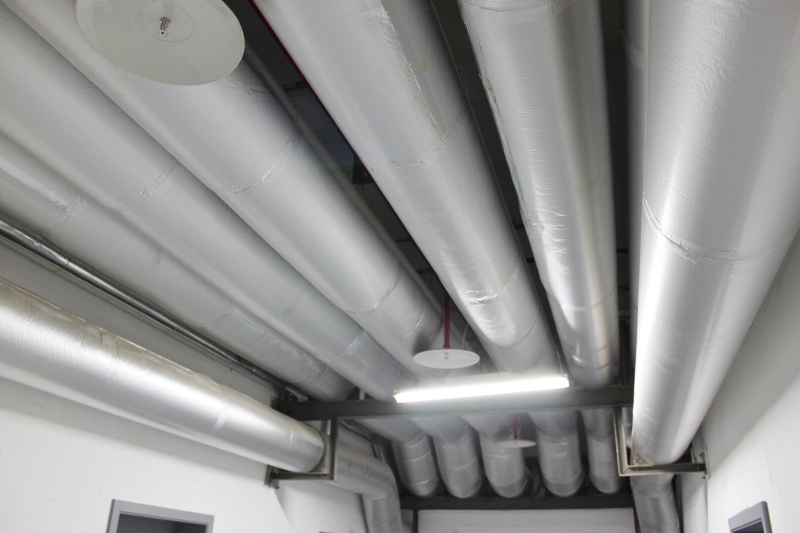
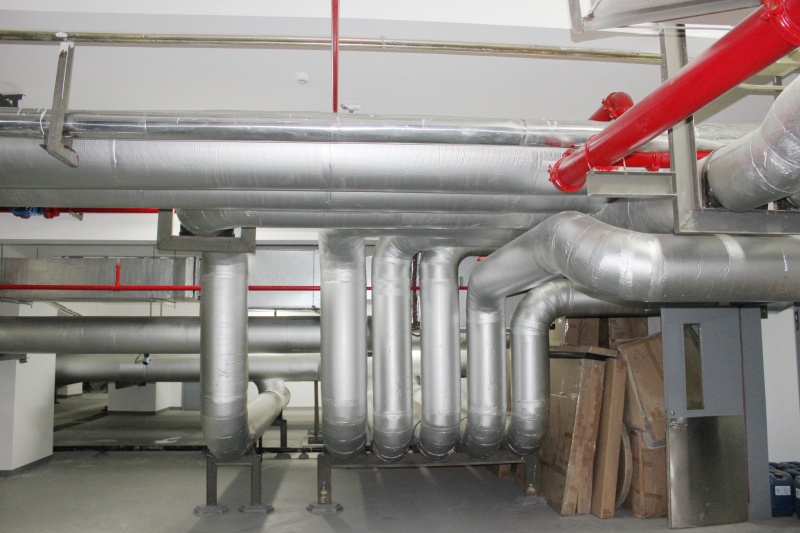
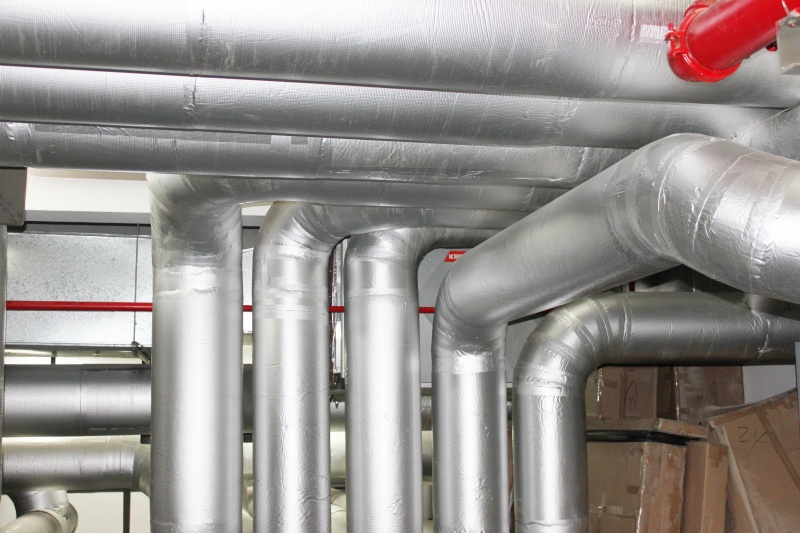
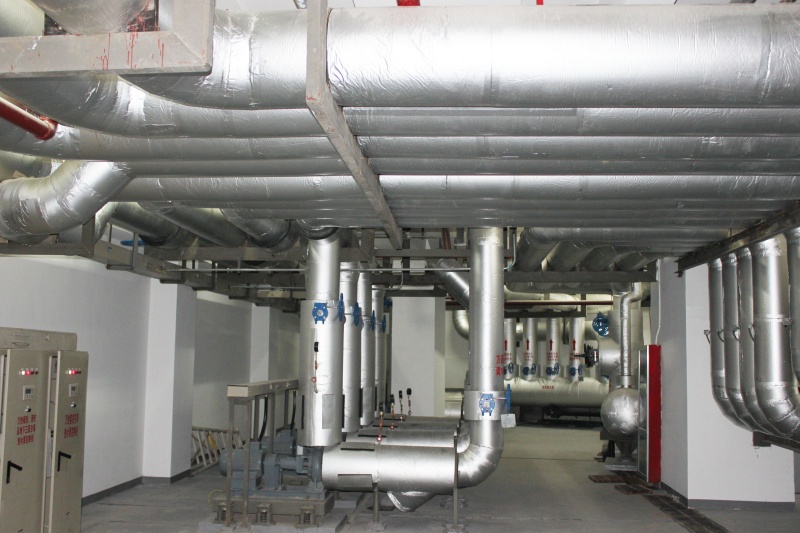
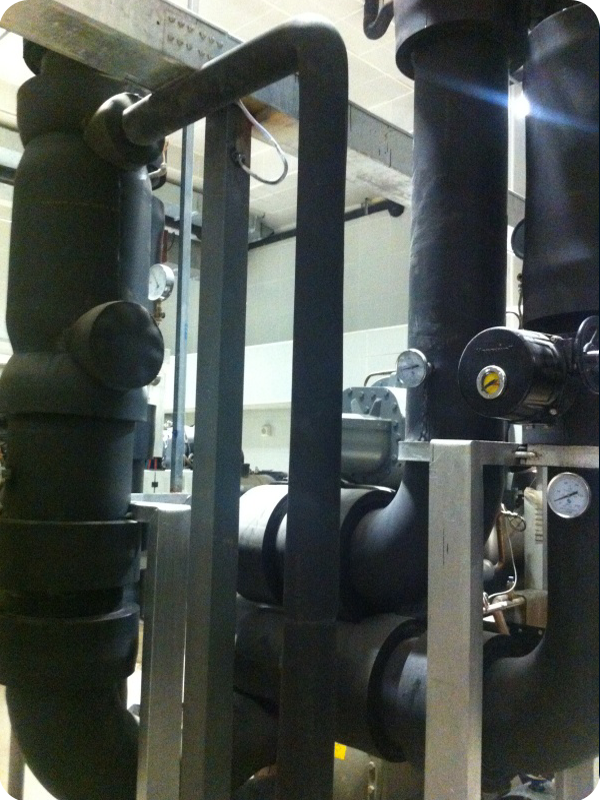
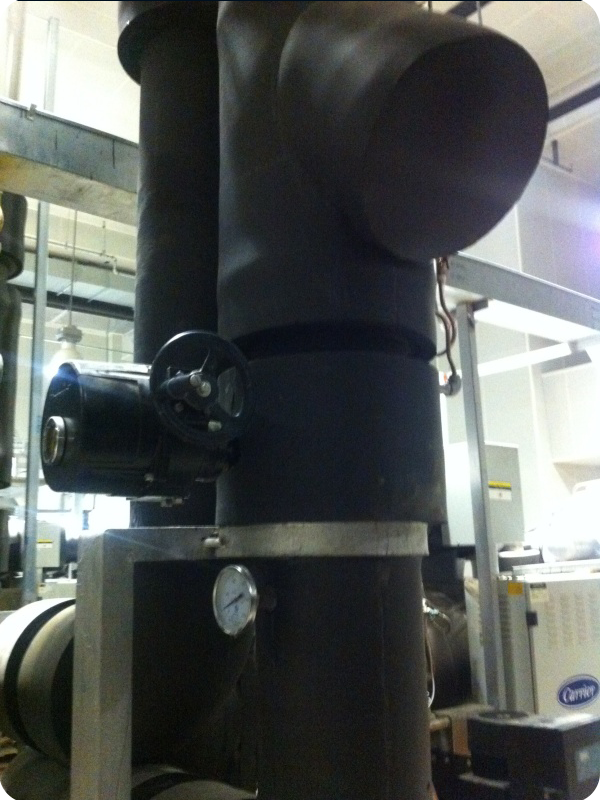
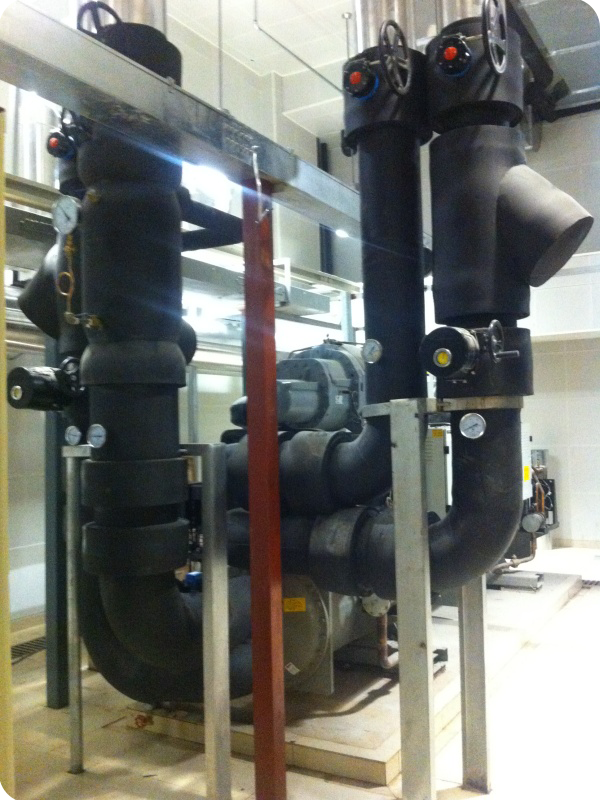
Kingflex rubber foam insulation sheets and tubes are designed for easy cutting, splicing, and sealing during installation. Below are project photographs showing actual applications on commercial air handlers, central cooling piping networks, sound absorption walls, and plant equipment rooms.

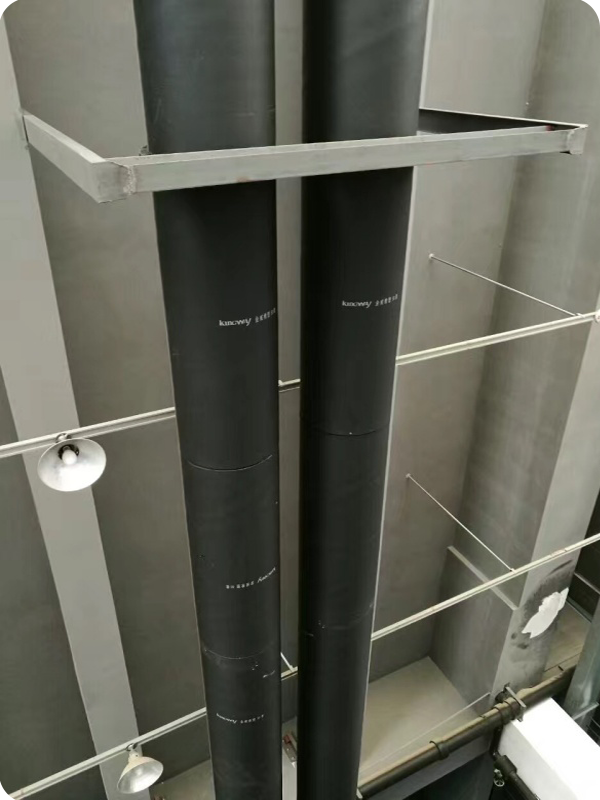
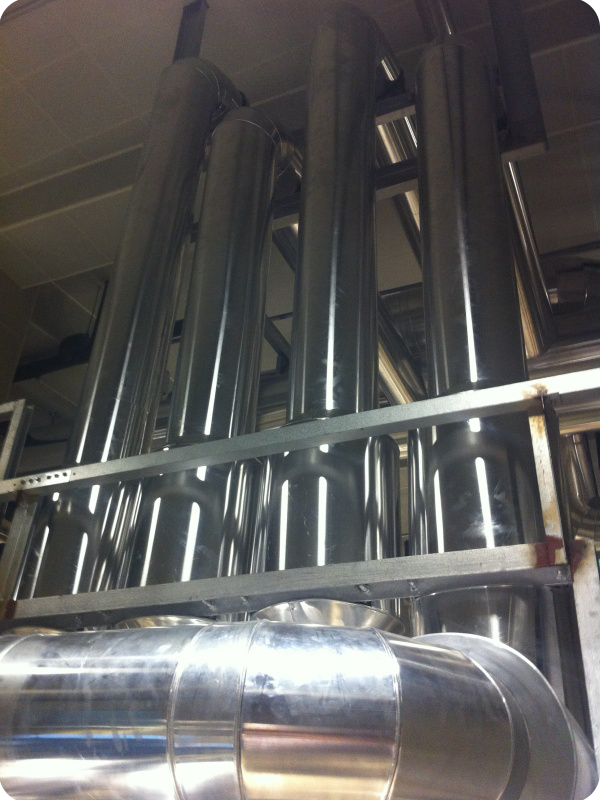
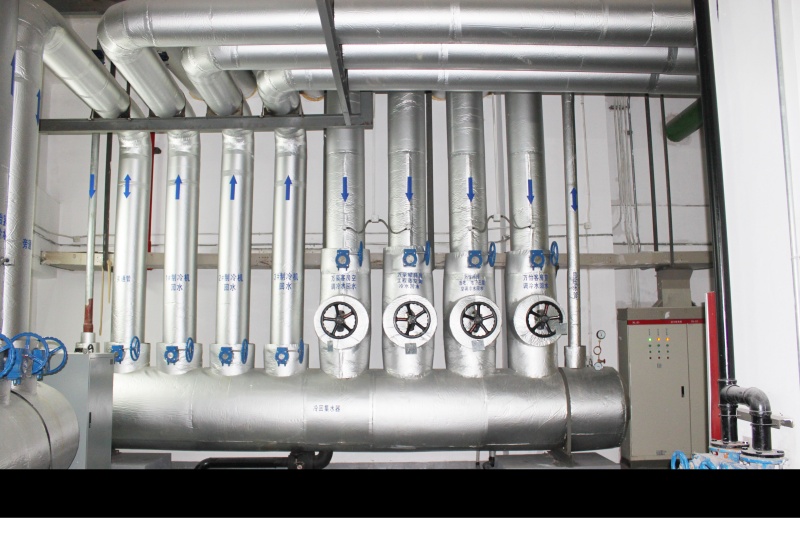


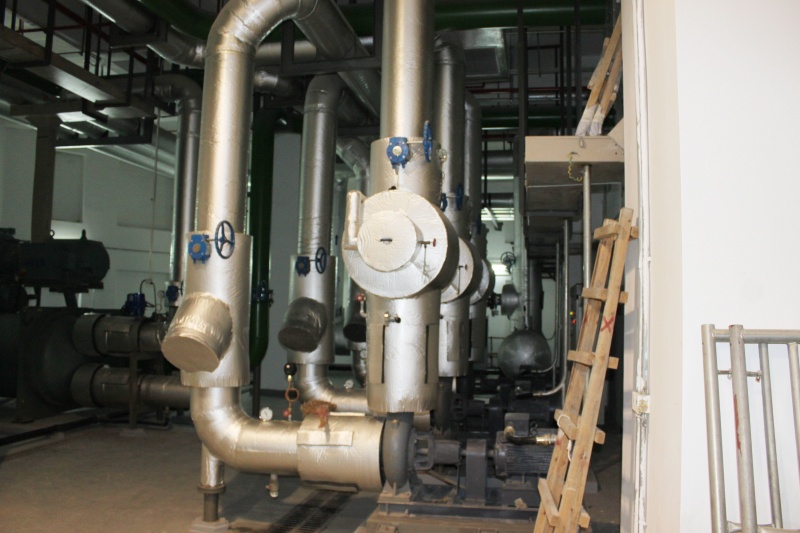

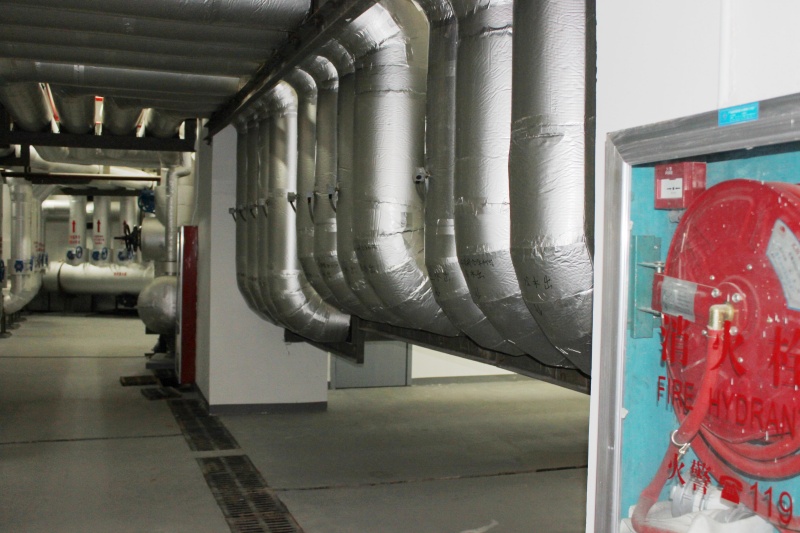
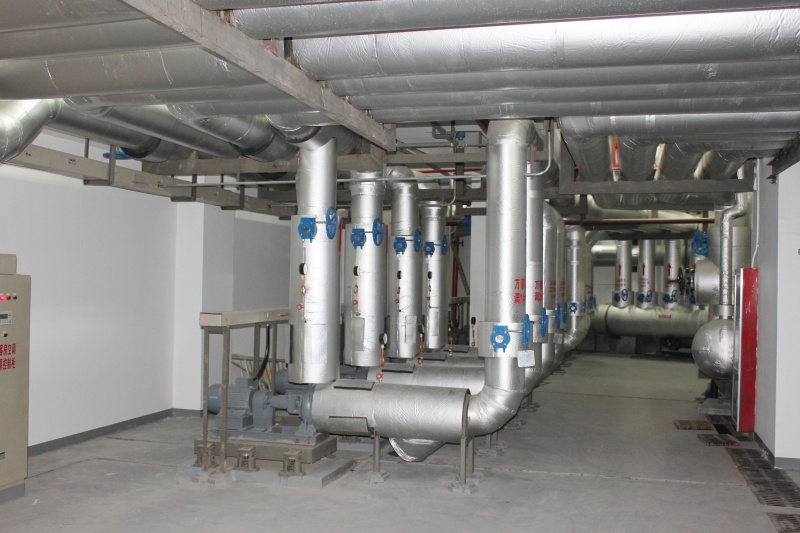

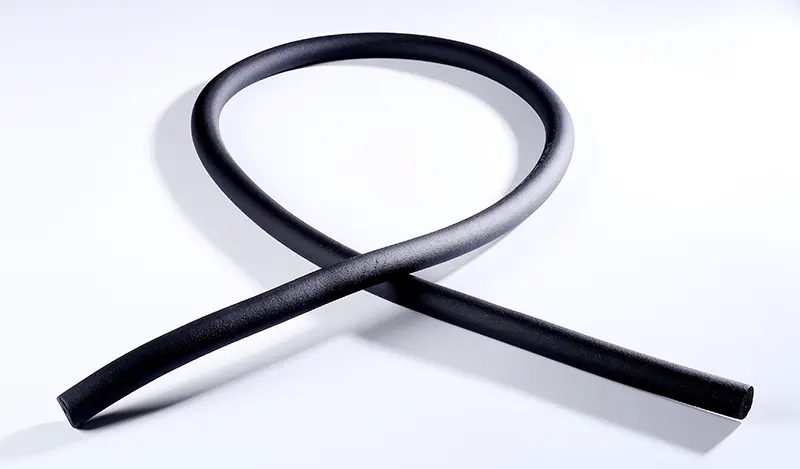
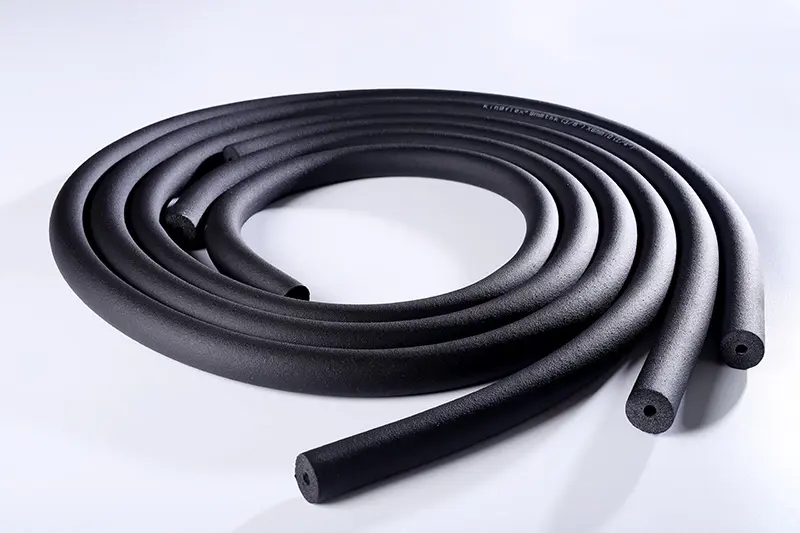
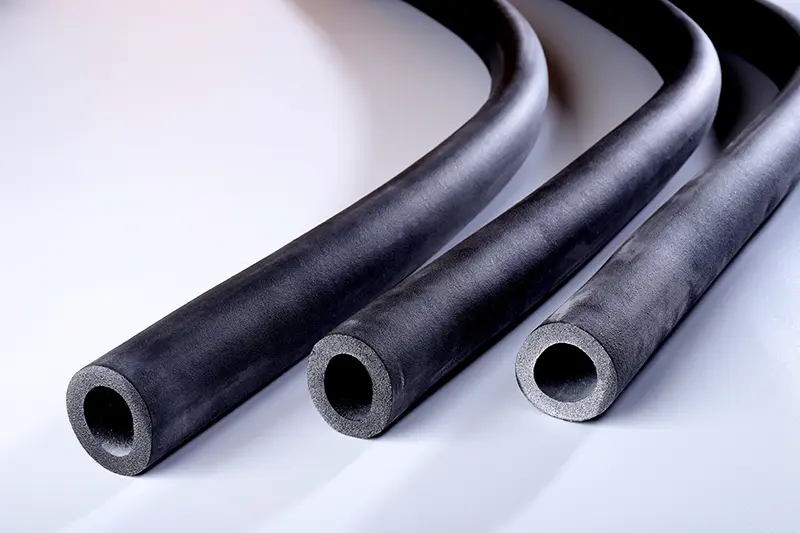
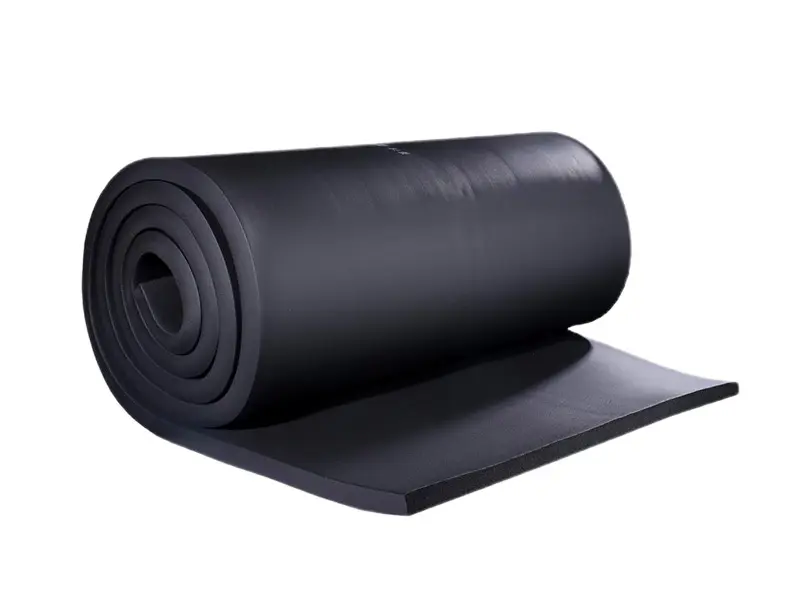
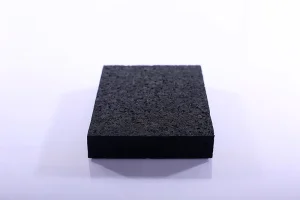
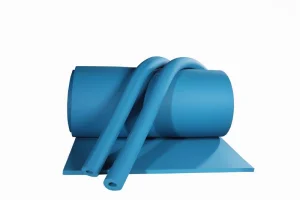
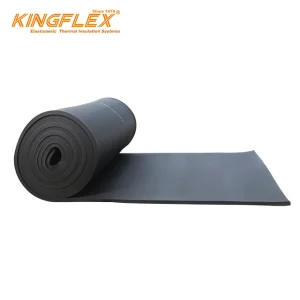
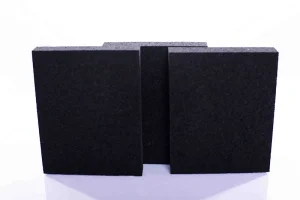
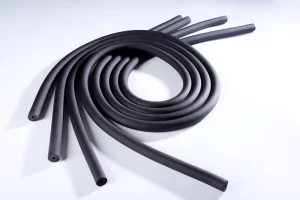
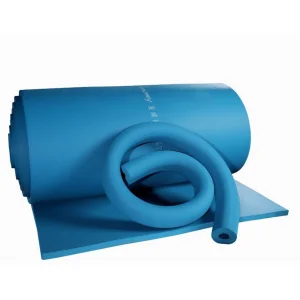
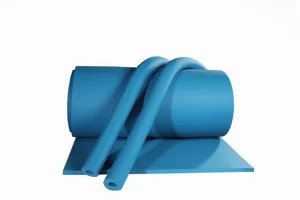
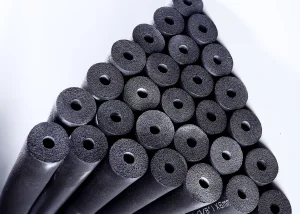
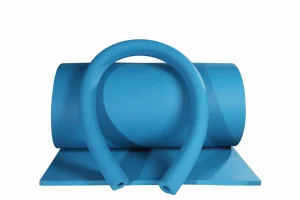
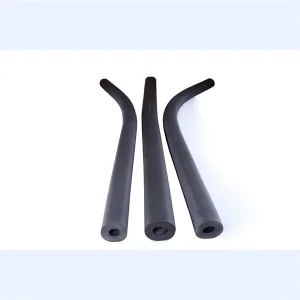
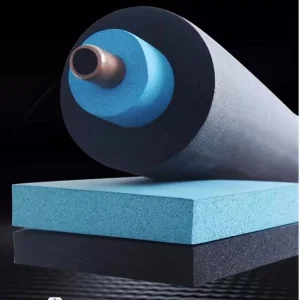
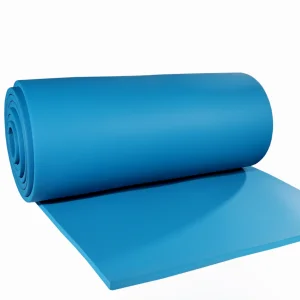
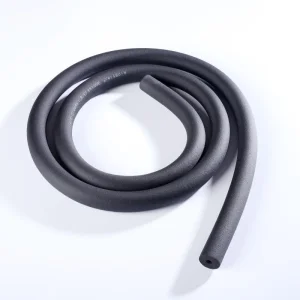
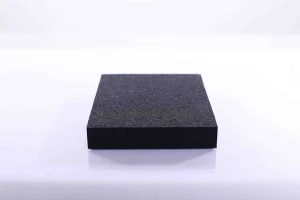
We provide two main forms of NBR/PVC elastomeric rubber foam insulation products: Black Rubber Foam Insulation Sheet Rolls (ideal for wide duct structures, large chiller evaporators, and large diameter tanks) and Black Rubber Foam Insulation Pipes (designed for standard copper and steel HVAC tubes).
These rolls are formulated to withstand mechanical fatigue and ambient thermal shifts. Available with a factory-applied self-adhesive grid scrim and protective release backing.
| Material Base | NBR/PVC Elastomeric Foam |
| Available Thickness | 6mm, 9mm, 13mm, 19mm, 25mm, 32mm, 40mm, 50mm |
| Density Matrix | 40 - 55 kg/m³ |
| Service Temp. Range | -40°C to 105°C (-40°F to 221°F) |

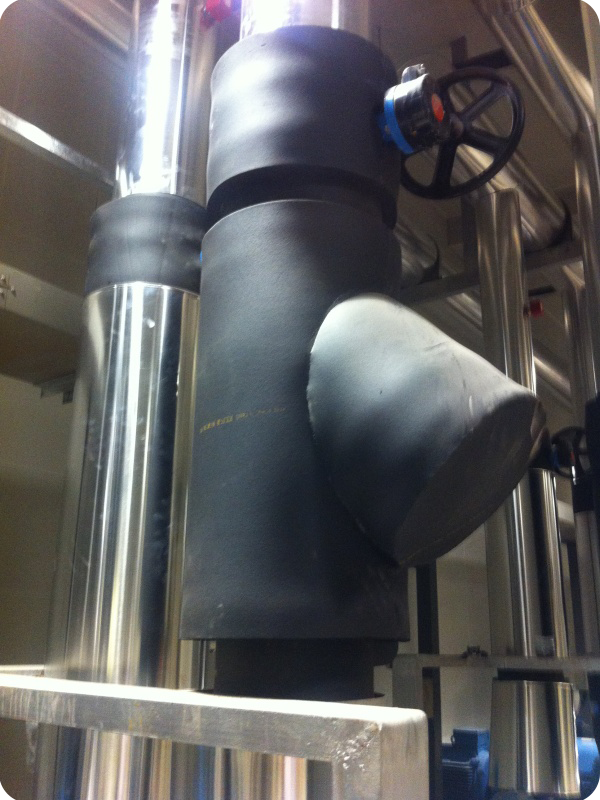
Pre-slit or un-slit cylindrical tubes designed to slide easily onto copper lines during install, or split and seal on existing systems.
| Material Base | NBR/PVC Elastomeric Foam |
| Available Thickness | 9mm, 13mm, 19mm, 25mm, 32mm, 40mm |
| Internal Diameter (ID) | 6mm to 114mm |
| Density Matrix | 40 - 55 kg/m³ |



 Kingflex