Explore our premium factory-direct solutions engineered for extreme thermal control, condensation prevention, and structure protection.
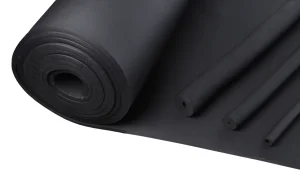
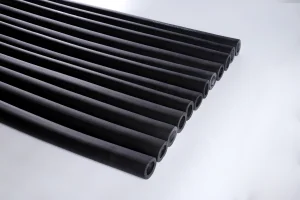
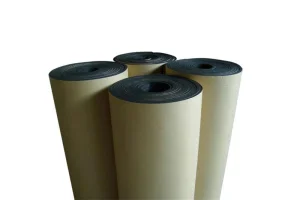
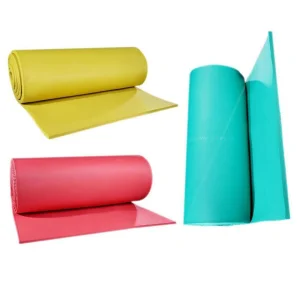
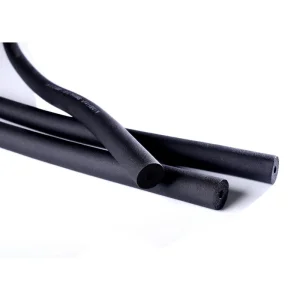
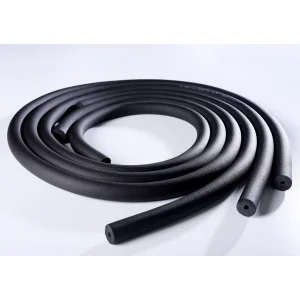
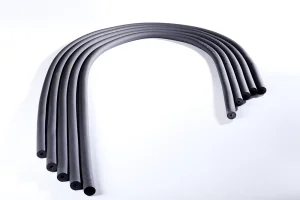
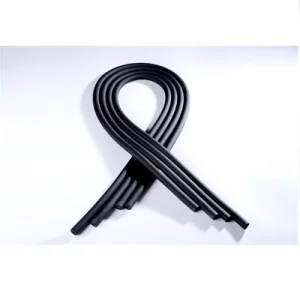
Powering the energy infrastructure of tomorrow with sophisticated low-temperature thermal control systems.
In the modern industrial landscape, the processing, transport, and storage of liquefied gases have grown exponentially. Substances such as Liquefied Natural Gas (LNG) at -162°C, Ethylene at -103.7°C, Liquid Nitrogen at -195.8°C, and Liquid Oxygen at -182.96°C require robust systems to preserve extreme low temperatures and prevent structural thermal gains. This is where cryogenic pipe insulation plays a crucial commercial role.
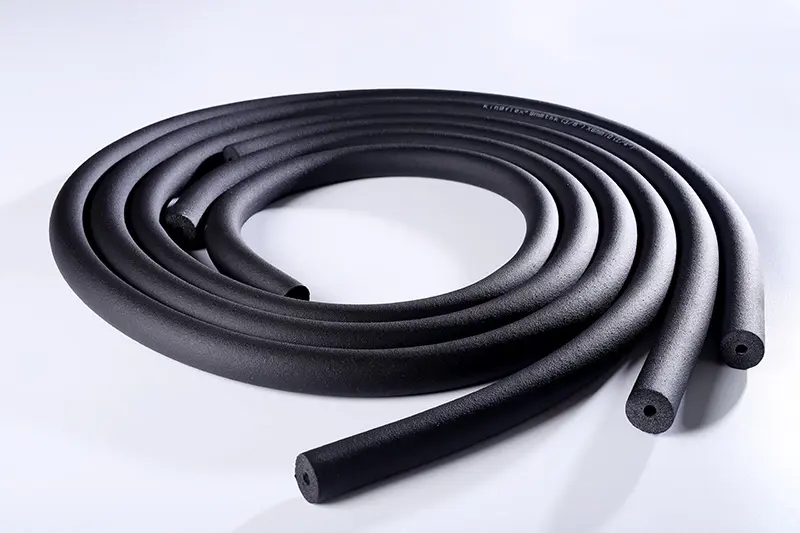
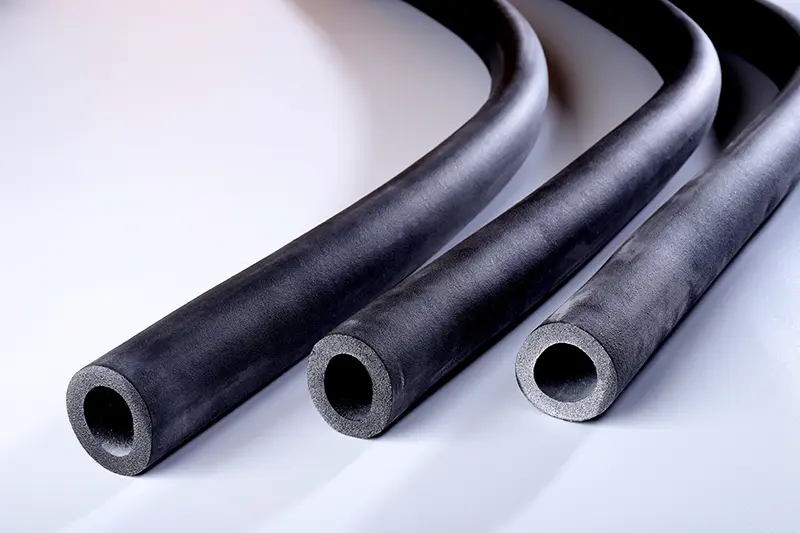
Due to the massive temperature differential between the inside of a cryogenic pipeline and the surrounding environment, ordinary thermal insulation material fails within weeks due to rapid moisture ingress and condensation freezing. A freeze-thaw cycle within open-cell materials quickly damages the structural integrity of the pipeline, causing micro-cracking and massive energy loss. Thus, modern industrial specifiers mandate closed-cell elastomeric rubber foam solutions (such as Kingflex’s specialized cryogenic grade). These systems prevent the migration of water vapor, resist structural stress from thermal expansion and contraction, and significantly optimize operational energy efficiency.
Globally, strict regulatory frameworks like the ASTM, CE, BS 476, and UL94 dictate that any mechanical insulation systems deployed in industrial complexes must exhibit exceptional fire resistance and thermal durability. The worldwide transition toward clean fuels and petrochemical derivatives has led to unprecedented demand for specialized, high-capacity insulation factories that can supply custom-engineered, certified, and traceably manufactured elastomeric materials at wholesale scale.

Kingflex Insulation Co., Ltd. represents a premium, high-tech manufacturing and trading configuration dedicated to the engineering of high-performance thermal insulation products. Located within Dacheng, China—widely regarded as the capital of energy-efficient green-building materials—our operation seamlessly integrates core concepts of energy savings, consumption reduction, and technological innovation.
As an environmentally responsible enterprise, Kingflex does not merely sell products; we formulate complex insulation strategies. From initial consultation and custom material research and development to dynamic manufacturing pipelines, technical installation guidance on-site, and professional after-sales inspection, we support our clients throughout the lifecycle of their engineering infrastructure. Our production outputs serve as critical components in construction, HVAC, global energy logistics, and heavy industrial processing facilities.
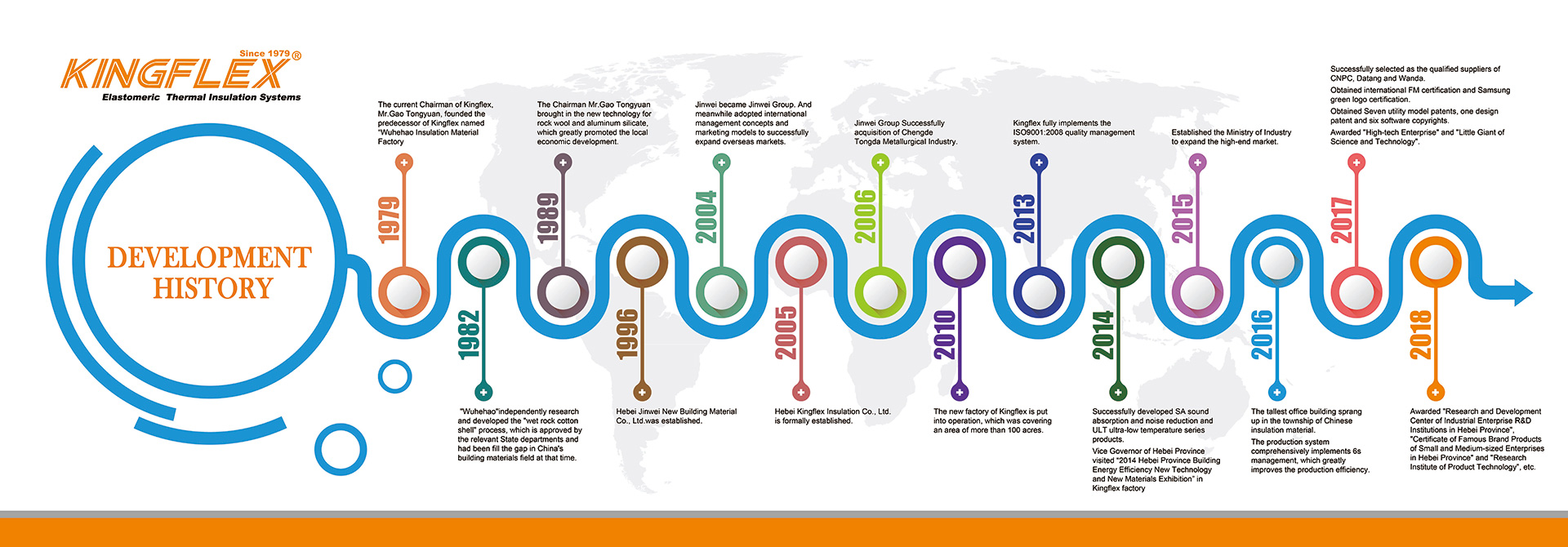
Established under the umbrella of the Jinwei Group, Kingflex inherits over 40 years of pioneering technical lineage. Founded originally in 1979, the Jinwei Group achieved acclaim as the very first manufacturer of high-caliber thermal insulation materials north of the Yangtze River. Decades of focused process development and materials science engineering have allowed us to scale from traditional insulation components to state-of-the-art cryogenic closed-cell elastomeric systems designed for extreme industrial projects.
This historical strength guarantees that every square meter of elastomer produced within our facilities carries the hallmark of verified chemical stability, structural consistency, and reliable flame-retardant chemistry that has protected global pipelines for decades.
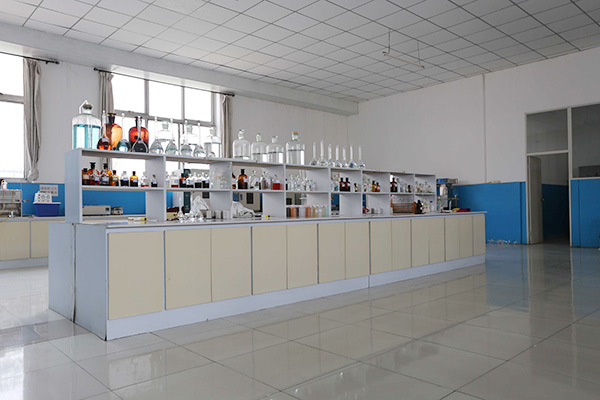
Uncompromising material quality, backed by automatic assembly configurations and certified research.
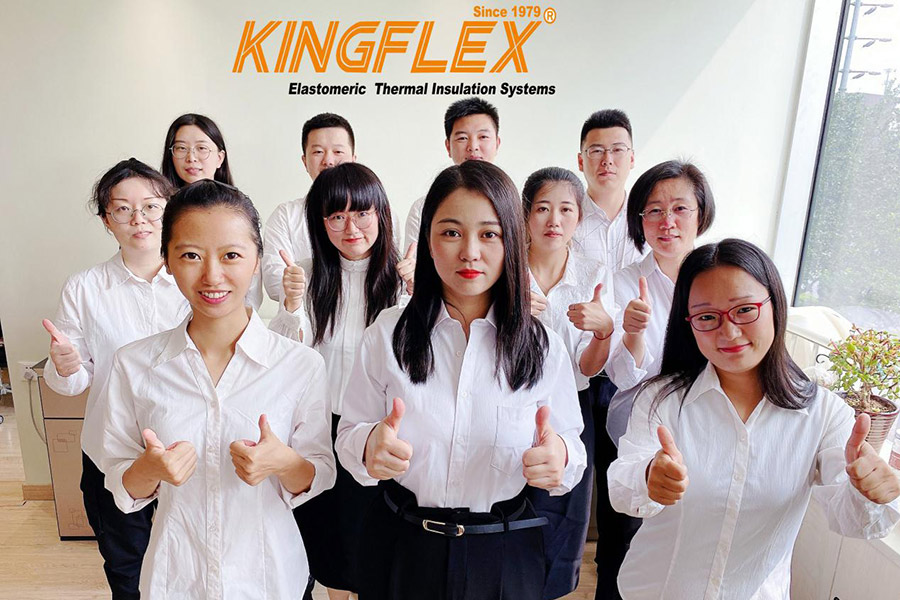
A product is only as good as the minds and systems that engineer it. Kingflex maintains a highly integrated workforce where research meets large-scale production capability. In our specialized R&D Department, eight professional insulation materials engineers work to optimize chemical formulations, focusing on maintaining low thermal conductivity at cryogenic temperatures, maximizing fire safety parameters, and minimizing smoke emission toxicity.
Our international support system consists of 6 dedicated sales engineers specialized in logistics, custom sizing requests, and country-specific compliance codes. They interface directly with our production facility, where 230 skilled operators run our automated factory floor. With 5 high-speed, fully automated assembly lines operating simultaneously, Kingflex supplies an annual production volume exceeding 600,000 cubic meters. This immense operational scale has earned Kingflex designation as a key material supplier by the Ministry of Energy, the Ministry of Electric Power, and the Ministry of Chemical Industry.

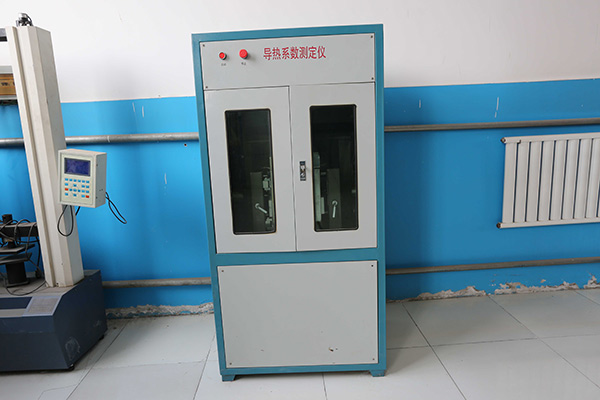
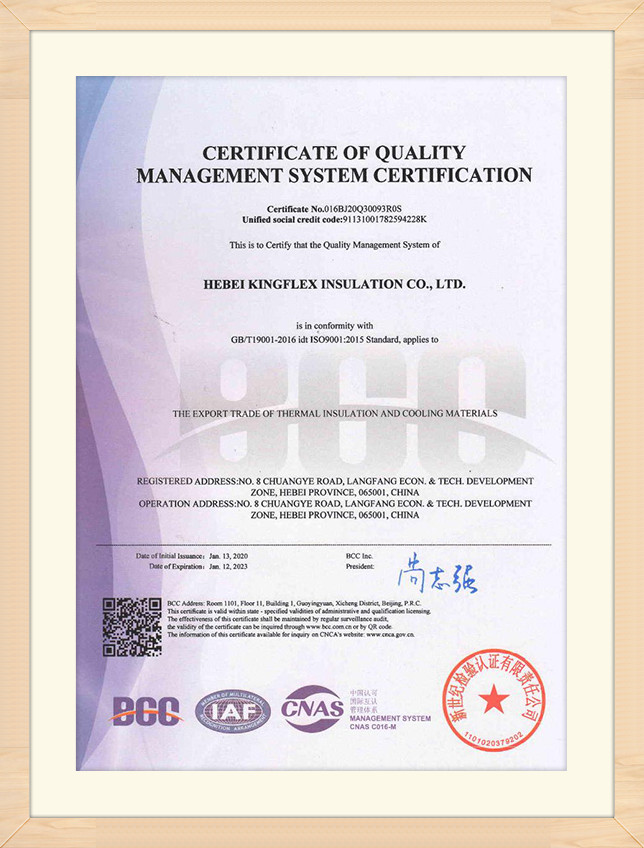


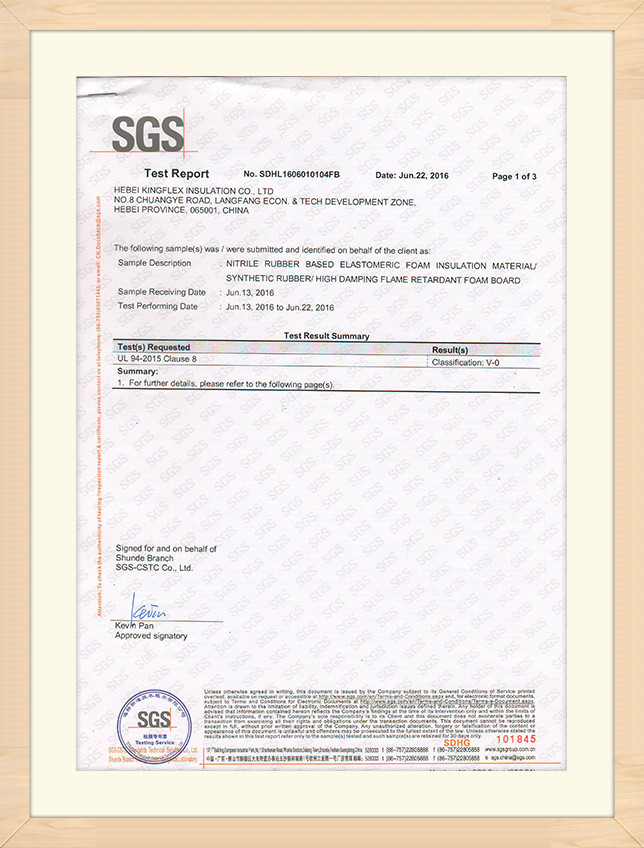
Comprehensive engineering limits, dimensions, and operational characteristics of Kingflex elastomeric systems.
Tailored systems addressing specific insulation requirements across key global industrial sectors.
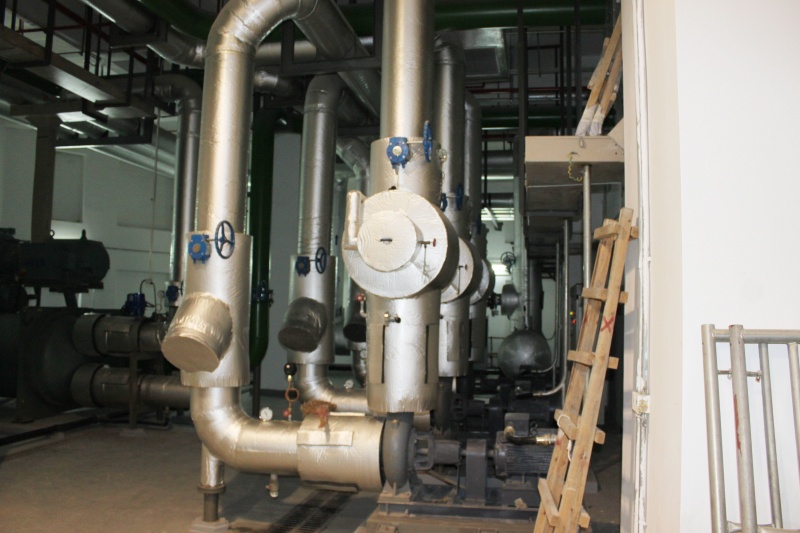
For transport pipelines transferring Liquefied Natural Gas (-162°C) from tankers to storage facilities. Here, multi-layered Kingflex elastomeric systems function as a flexible barrier against severe thermal expansion stress while maintaining complete protection from ice build-up and structural vapor ingress.
In processing environments handling sub-zero ethylene lines, moisture ingress causes Corrosion Under Insulation (CUI). Kingflex's closed-cell elastomer serves a dual purpose: providing high thermal resistance and blocking water vapor pathway to prevent corrosion on stainless and carbon steel pipes.
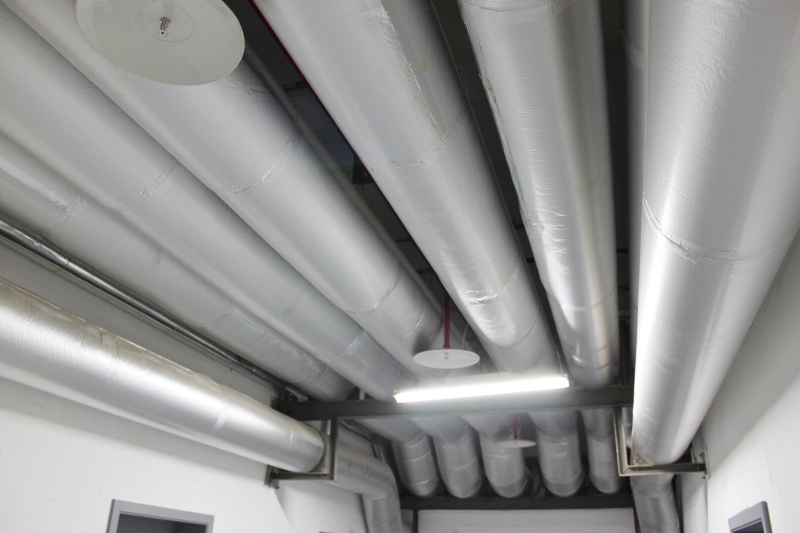
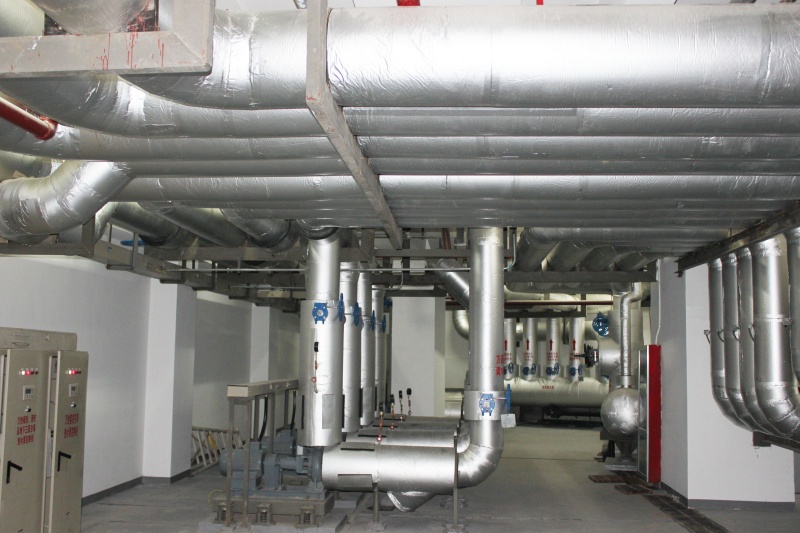
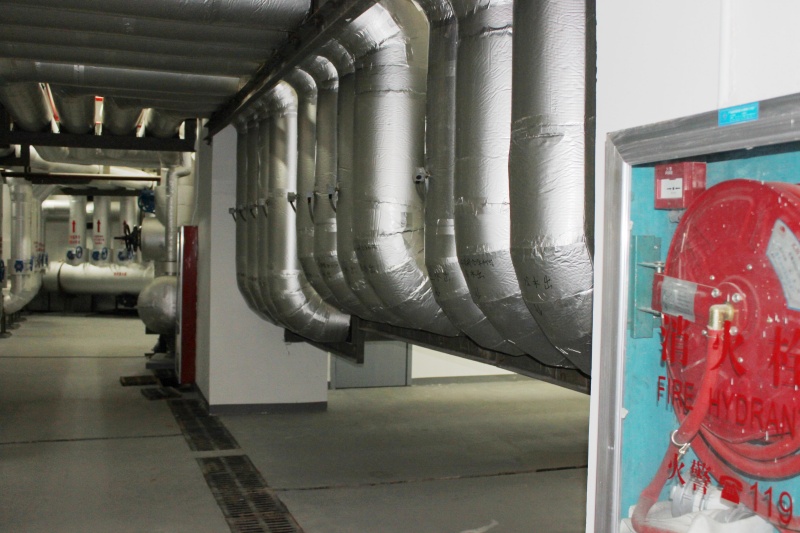
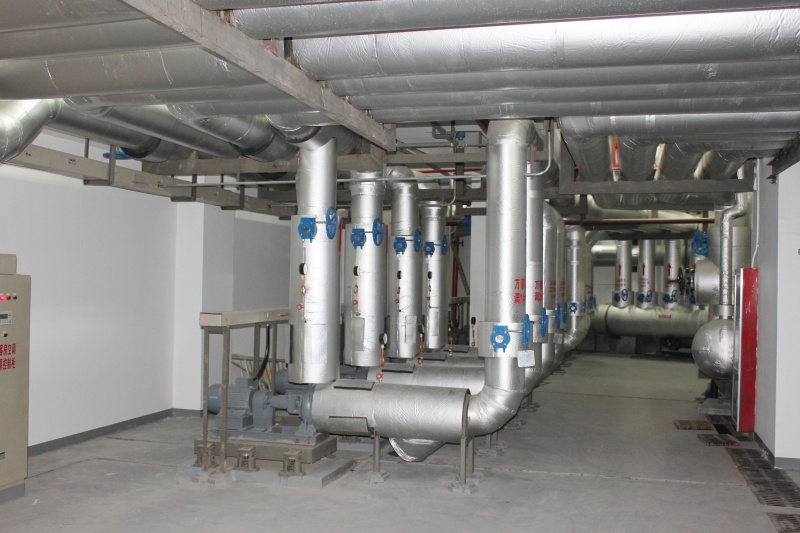
Used in large public structures, commercial complexes, and hospitality zones. Elastomeric materials prevent condensation on cold HVAC pipes, maintaining indoor air quality by preventing mold formation and minimizing thermal losses across complex mechanical layouts.
For insulation of cooling plants and refrigeration loops within shipping vessels and transit systems. These environments require materials that resist moisture absorption, vibration, and marine salinity while optimizing cargo preservation.
Pioneering the next generation of industrial insulation technology with smart systems and advanced chemistry.
The industrial insulation market is shifting rapidly to meet global ESG (Environmental, Social, and Governance) standards. At Kingflex, our technical roadmap focuses on three main developments to enhance industrial energy efficiency:
By investing in these advanced material options, Kingflex helps global buyers transition to next-generation cryogenic structures that offer lower maintenance costs and longer service lifespans.
Verified projects and direct feedback highlighting our reliability in industrial settings.
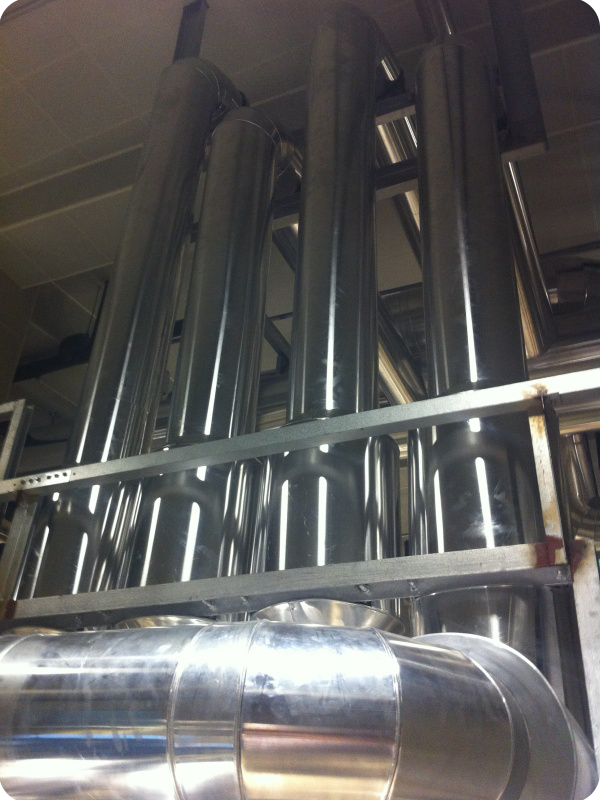
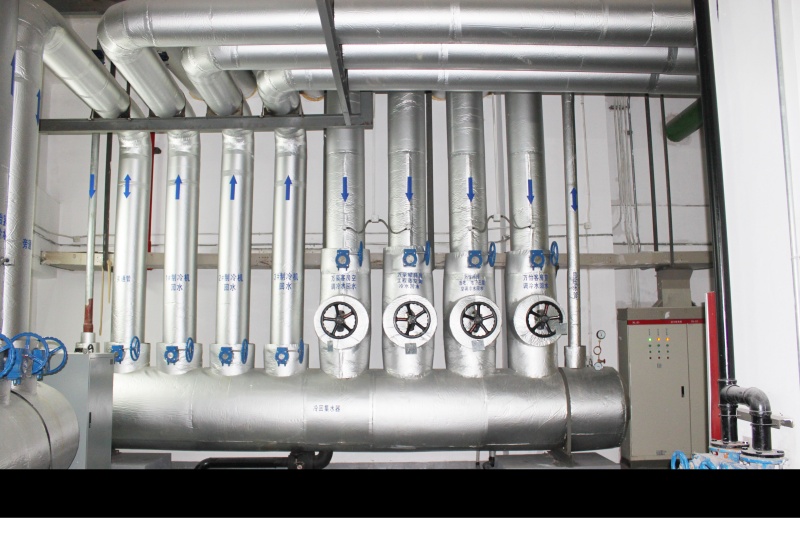
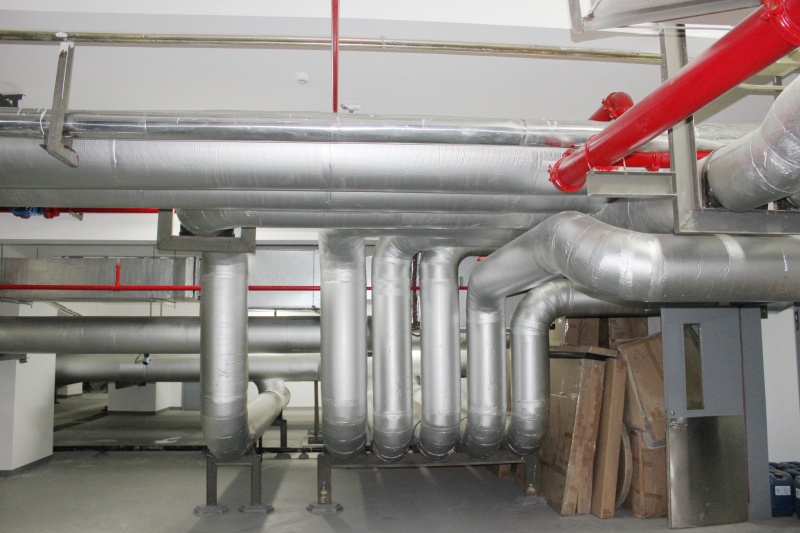
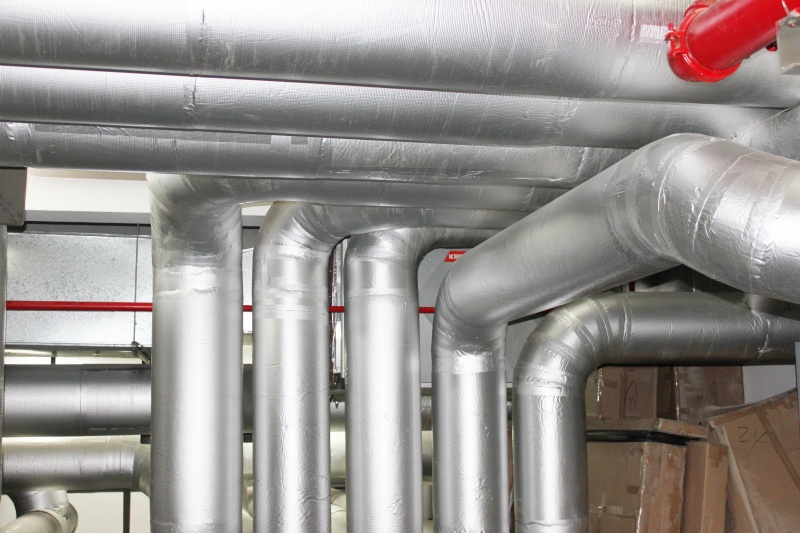
Our products are deployed globally in heavy chemical facilities, regional gas terminals, and commercial structures. These high-visibility projects rely on our insulation to protect pipelines from corrosion and thermal gains under tough environmental conditions.

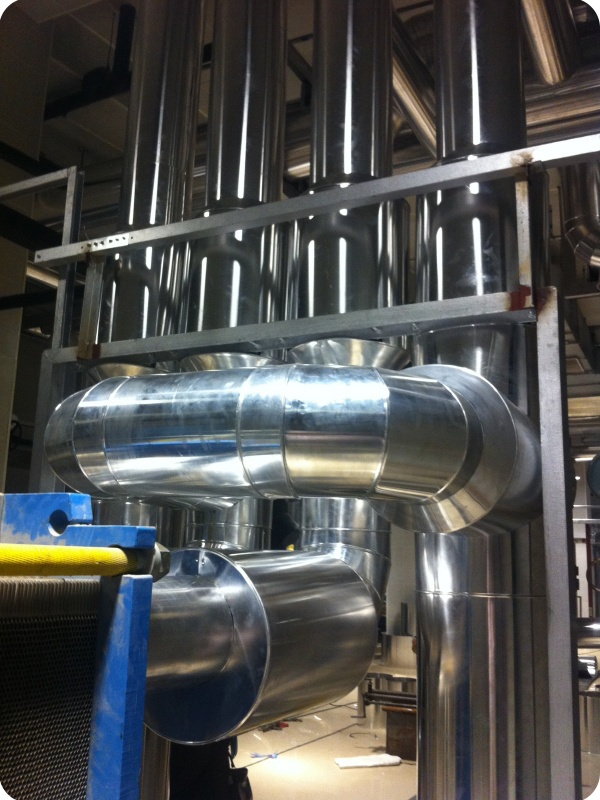
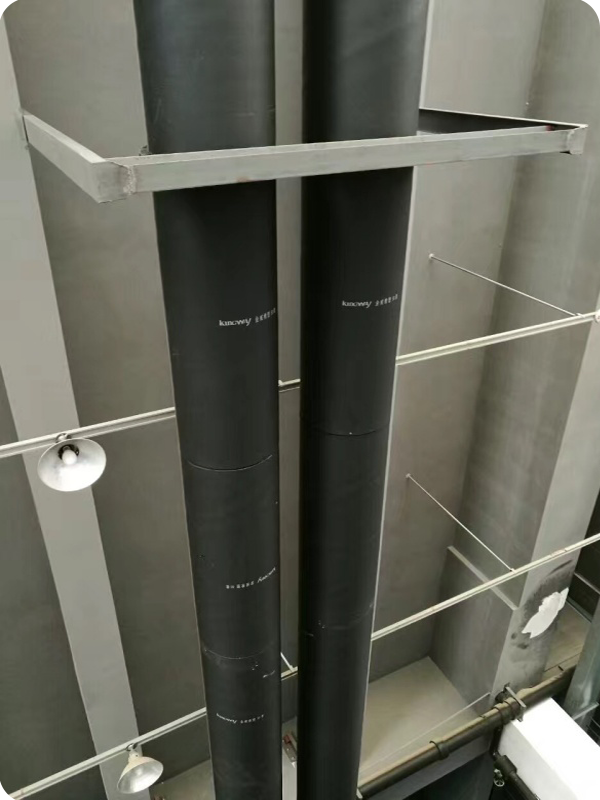
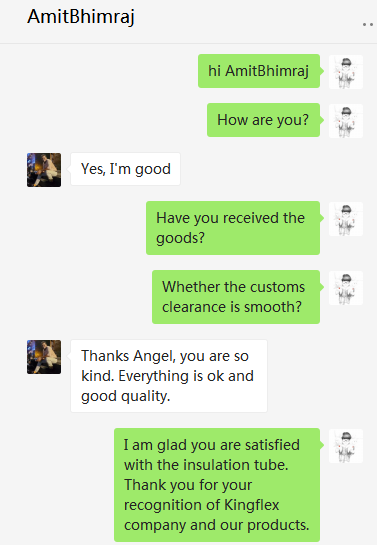
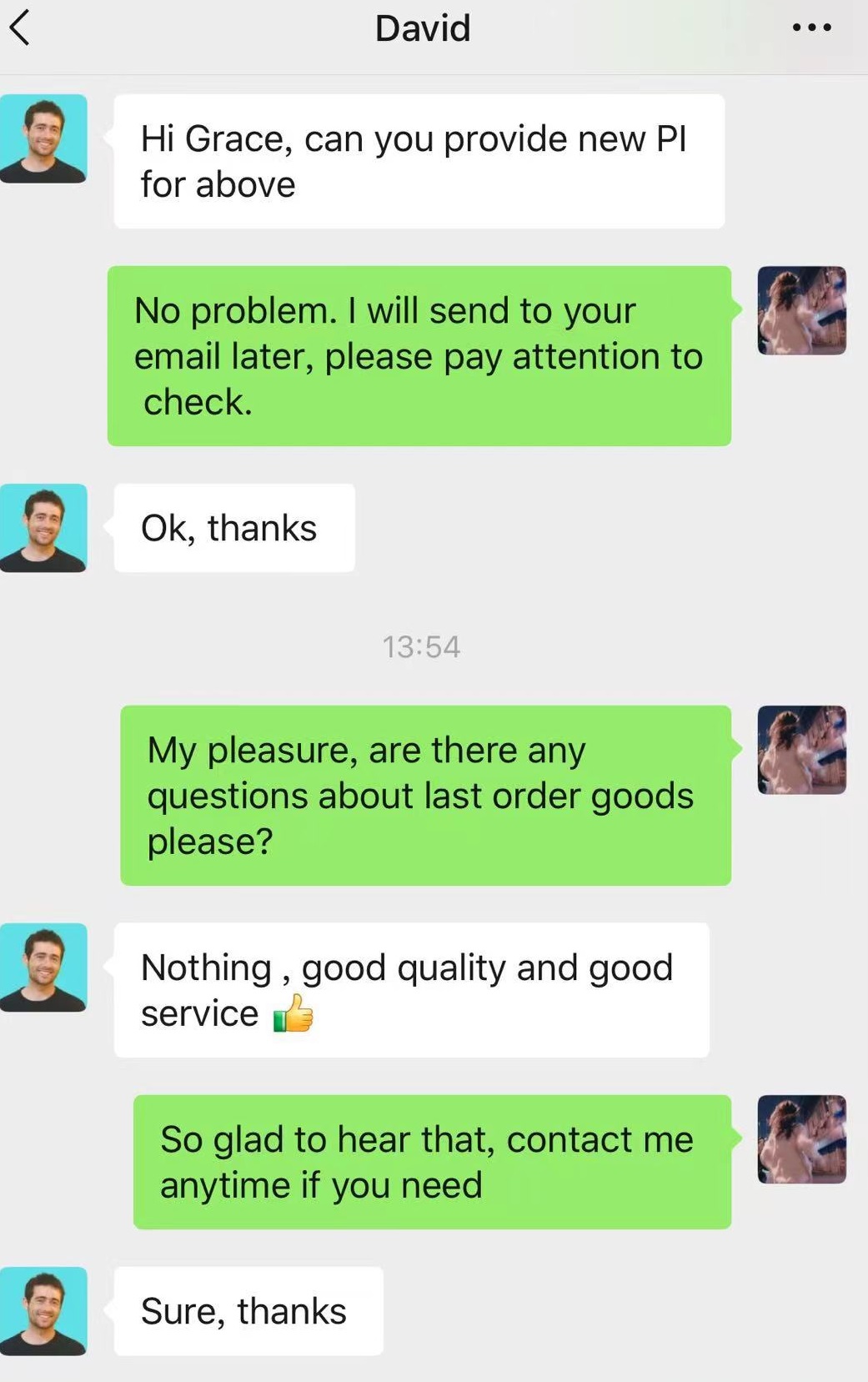
We maintain transparent, long-term partnerships with engineering clients globally. These communications show our attention to product quality, custom specifications, and traceably managed industrial orders.






Detailed engineering answers to common technical inquiries regarding elastomeric cryogenic insulation.
It is mainly used for HVAC ducts, air conditioning pipes, building thermal insulation, industrial pipeline cold insulation, and sound insulation. Its closed-cell structure is especially effective at preventing condensation and energy losses on lines carrying chilled media.
Yes, our rubber foam insulation products are flame retardant, meeting strict safety standards for building and industrial projects. They comply with international fire testing specifications, including BS 476 Part 7 Class 1 and Class 0 certifications, and are self-extinguishing when exposed to fire.
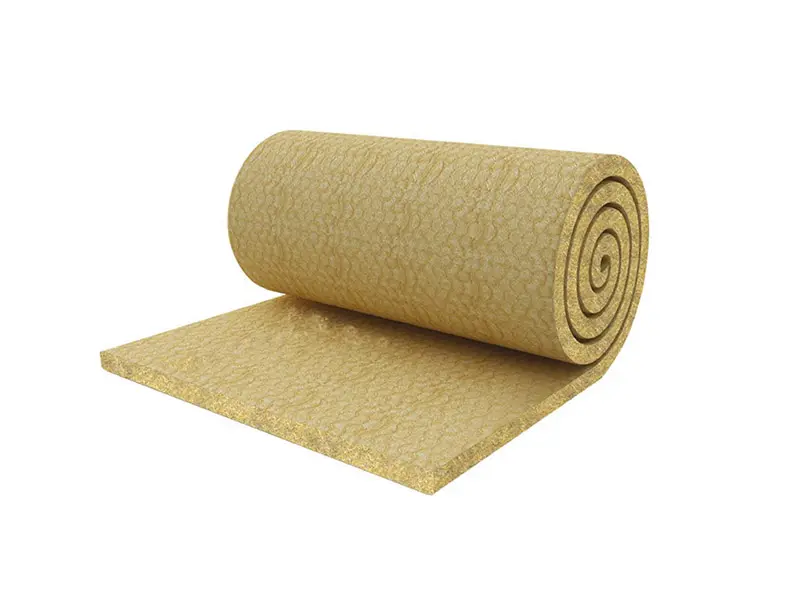
Rubber foam is flexible, closed-cell, and highly moisture-resistant, making it ideal for HVAC, refrigeration, and cold-line applications. In contrast, rock wool is highly temperature-resistant and fireproof, which makes it better suited for high-temperature industrial pipelines. Rubber foam does not require an external vapor barrier to prevent water ingress, whereas rock wool generally does.
Yes, we support comprehensive OEM and custom fabrication services. We can manufacture customized thicknesses, internal diameters, colors, and densities to match specific project specifications and thermal requirements.
Our products have passed BS 476, CE, REACH, ROHS, UL94, ASTM, and other international certifications. This guarantees compliance with global environmental, safety, and performance standards across diverse industrial sectors.
Yes, Kingflex products have traceability. Each production run is documented with a unique batch tracking number. This allows us to trace raw materials, production line conditions, operator details, and lab QA test parameters for every order.
We can produce rubber foam insulation sheets and rolls in thicknesses ranging from 6mm to 50mm, providing options for both basic light condensation control and thicker multi-layer industrial cold insulation.
The standard service life is about 10 to 15 years. This duration depends on proper installation, environmental factors, and exposure to UV radiation or mechanical wear. Using proper outdoor jacketing can extend the lifespan of the insulation.
CUI typically happens when moisture gets trapped between the insulation material and the pipe surface. Because Kingflex rubber foam has a closed-cell ratio exceeding 98%, it prevents water vapor from migrating toward the pipe surface. The material acts as its own vapor barrier, keeping the metal surface dry and significantly reducing the risk of corrosion.
Complete your design with our high-durability elastomeric sheets, tubes, and specialized industrial accessories.
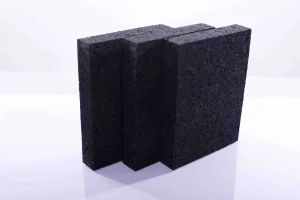
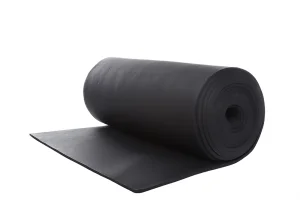
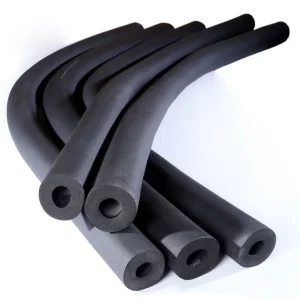
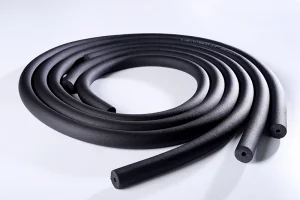
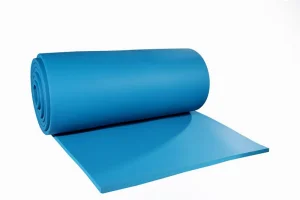
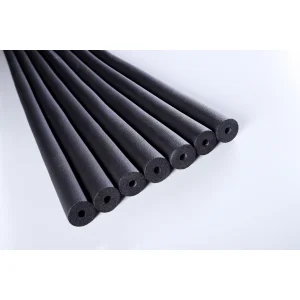
Technical thermal elements manufactured for specific project requirements.
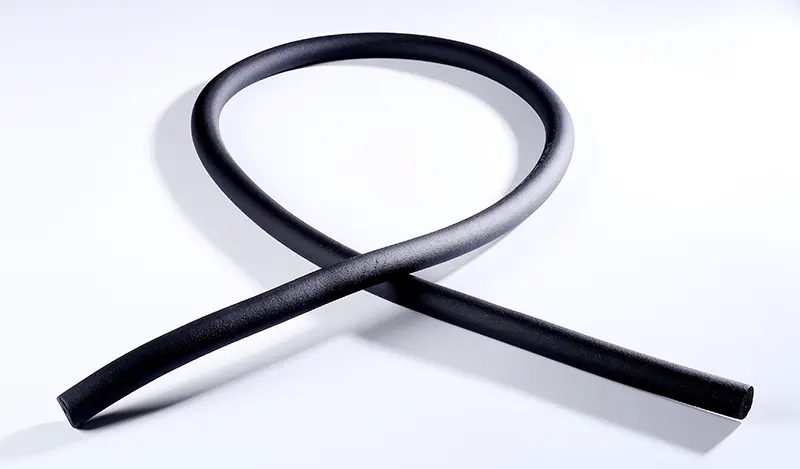





 Kingflex