Explore our highly specified closed-cell structures engineered to control thermal conductivity and moisture permeability in demanding industrial applications.
An institutional breakdown of materials, technology, and engineering standards for sub-zero temperature conservation.
Managing thermal dynamics at cryogenic states—ranging from -40°C down to liquid nitrogen (-196°C) and helium temperatures—requires a sophisticated understanding of mechanical properties and gas-barrier configurations. Uncontrolled heat transfer is the primary failure mode of cryogenic piping, storage vessels, and gas processing equipment. When insulation fails, condensation quickly leads to ice formation, accelerating corrosion under insulation (CUI) and driving catastrophic thermal loss.
Traditional open-cell structures fail under cryogenic loads due to atmospheric moisture migration. Because cold temperature areas represent extreme low-pressure regions for gaseous water vapor, moisture from the ambient air is continuously drawn toward the metal substrate. Under these environments, only materials with a high moisture resistance factor (µ ≥ 10,000) and an integrated closed-cell density can guarantee stability over a multi-decade operational lifespan.
Modern elastomeric structures, such as Alkadiene Rubber Foam and modified NBR/PVC (Nitrile-Butadiene Rubber / Polyvinyl Chloride) materials, provide the structural balance required for cryogenic flexibility. At extremely low temperatures, polymers tend to reach their glass transition temperature (Tg), becoming brittle and cracking under vibration or thermal contraction stress.
By blending specific plasticizers and cross-linked elastomers, Kingflex has pushed the operational boundary of flexible insulation down to -40℃ (and even lower when paired with composite multi-layer setups). The high density of 40-55 kg/m³ combined with a closed-cell configuration exceeding 98% keeps thermal conductivity extremely low (λ ≤ 0.034 W/m·K at 0°C) while maintaining structural flexibility.
| Property Parameter | NBR/PVC Elastomeric Foam Spec | Alkadiene Cryogenic Foam Spec | Test Standard Compliance |
|---|---|---|---|
| Density Range | 40 - 55 kg/m³ | 45 - 60 kg/m³ | ASTM D1622 / GB/T 6343 |
| Operating Temp Range | -40°C to +105°C | -200°C to +125°C (Engineered) | ASTM C411 / EN 14706 |
| Thermal Conductivity (λ) | ≤ 0.034 W/(m·K) at 0°C | ≤ 0.032 W/(m·K) at -50°C | ASTM C177 / EN 12667 |
| Closed-Cell Rate | ≥ 98% | ≥ 99% | GB/T 10799 |
| Moisture Resistance (μ) | ≥ 10,000 | ≥ 15,000 | BS EN 12086 / ASTM E96 |
| Fire Safety Rating | Class 0 / Class 1 | V-0 / Class B-s1, d0 | BS 476 Part 7 / EN 13501-1 |
Understanding the raw supply chain advantages, technology integration, and economic infrastructure of Dacheng, China.
Located in Dacheng, China—the capital of energy-saving materials—our factories benefit from a localized, fully integrated petrochemical and polymer raw material supply chain. This minimizes production downtime and logistics friction.
Operating five massive, continuous automated assembly lines ensures consistent density distribution and cell configuration. By standardizing process chemistry, we achieve an annual volume of over 600,000 m³ with zero batch-to-batch deviation.
All Kingflex products feature built-in manufacturing traceability codes. Raw material inputs, heat treatments, foaming pressure, and quality-control lab tests are systematically logged, matching institutional project requirements.
Industrial developers and engineering procure-construct (EPC) contractors require high reliability when designing cryogenic piping and pressure vessel insulation systems. Our insulation systems are configured to meet specific demands across these sectors:
Over 40 years of continuous growth. A combined trading and manufacturing powerhouse leading the global green-building insulation market.

Located in Dacheng, China, operating automated high-volume continuous foaming machinery.
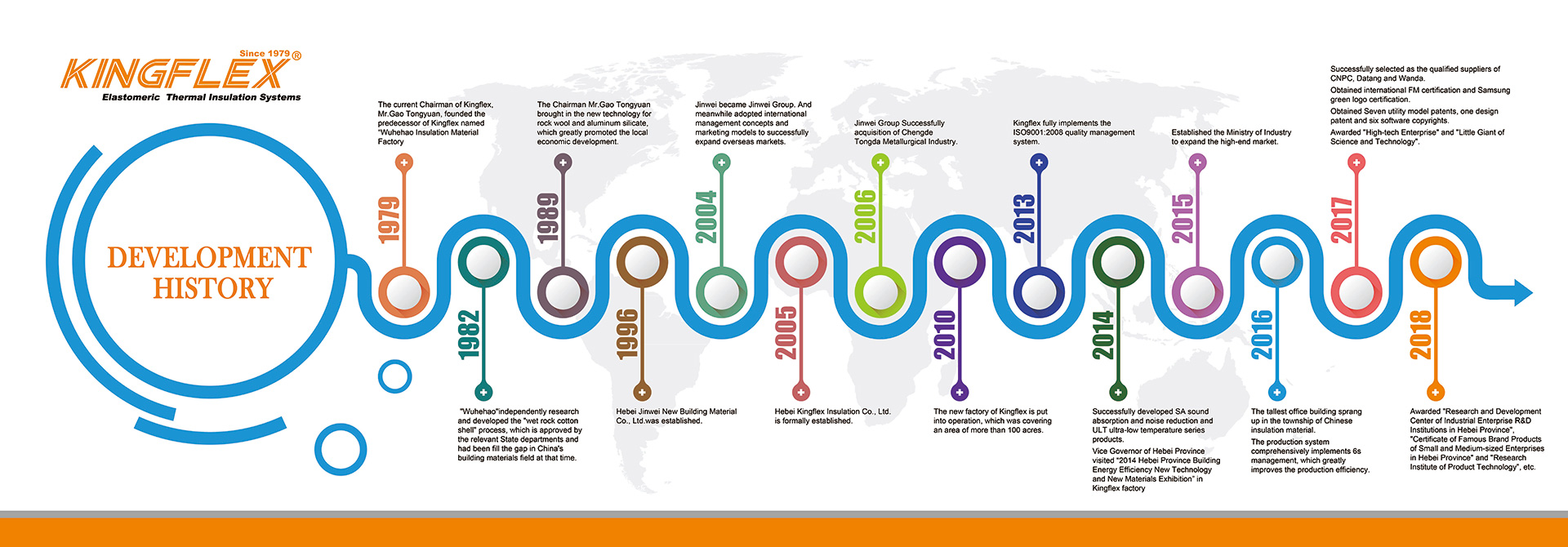
Formed by the Jinwei Group (Est. 1979), boasting over four decades of thermal insulation heritage.
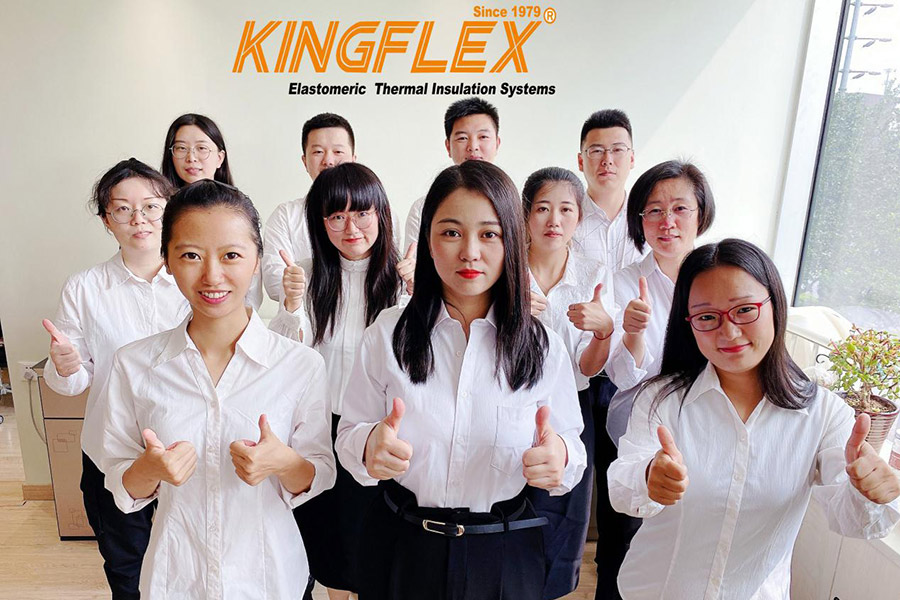
Run by 8 professional engineers focusing on molecular density formulation and fire-retardant chemistry.
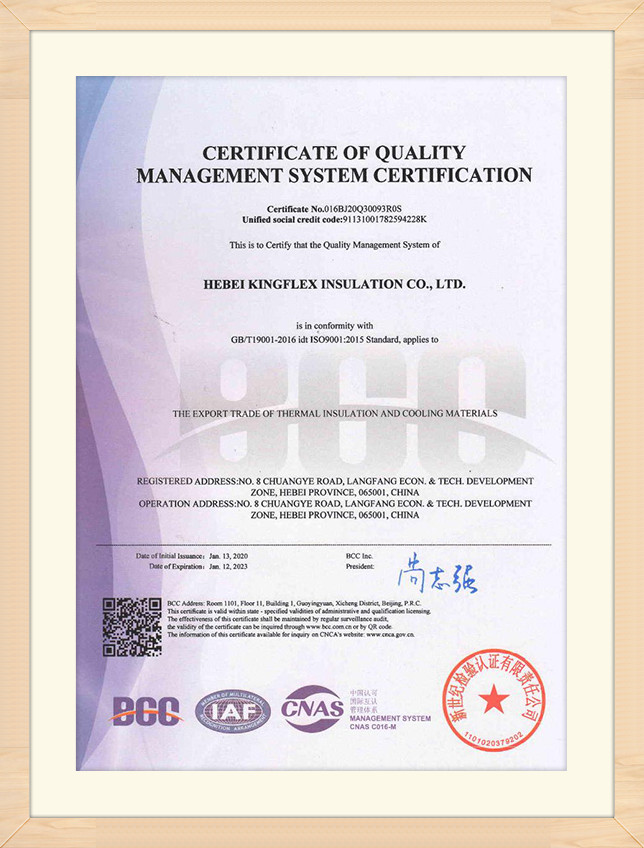


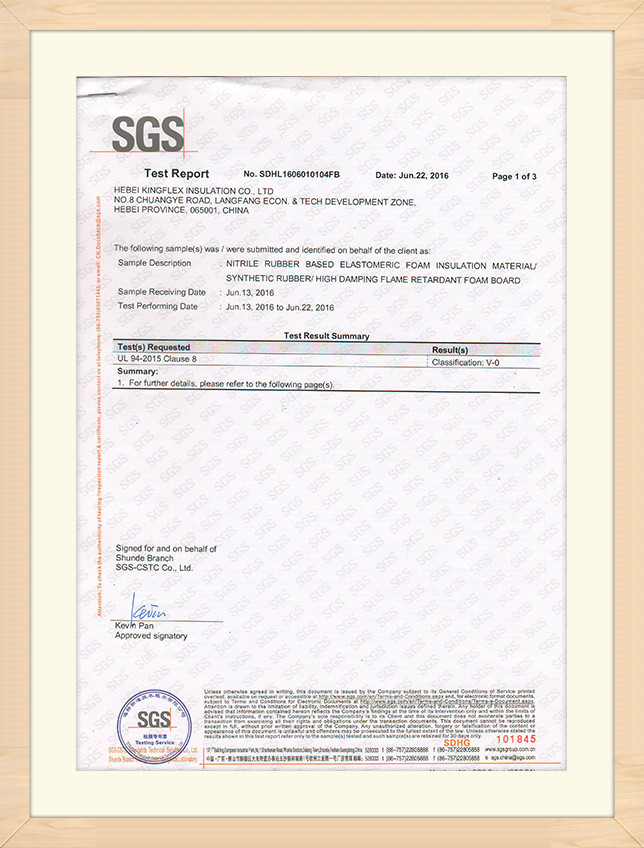
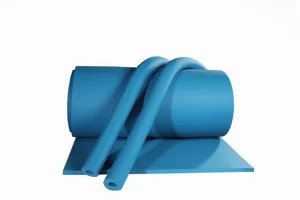
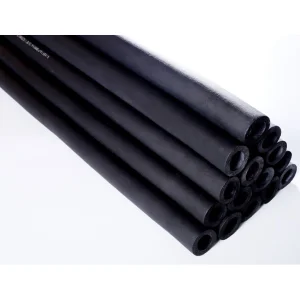
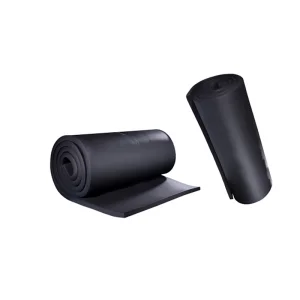
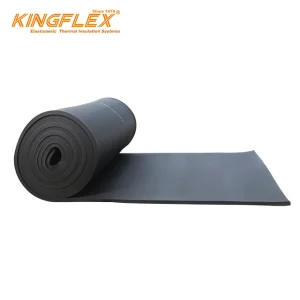
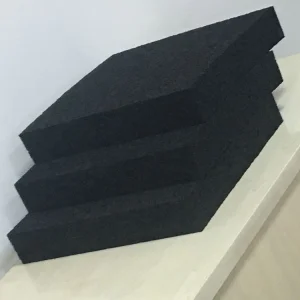
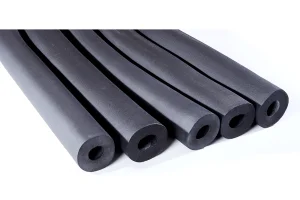
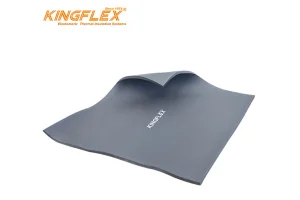
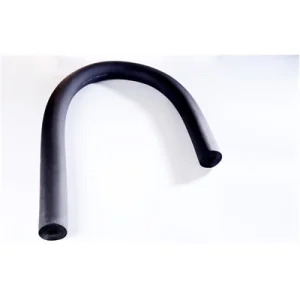
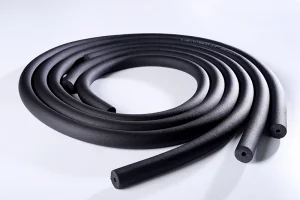
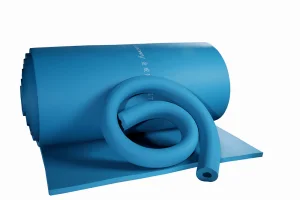
Explore structural standards and dimension limits for both sheet rolls and pre-formed elastomeric pipe covers.

1. Even cell expansion with >98% total closed-cell configuration.
2. High mechanical compression resilience (exceeding 80% recovery).
3. Self-extinguishing fire performance (conforms to BS 476 Class 0 and ASTM E84).
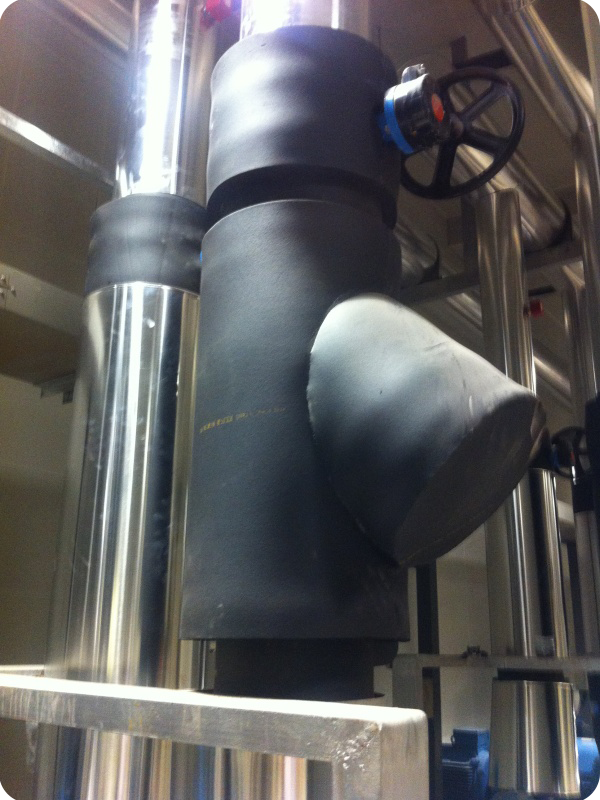
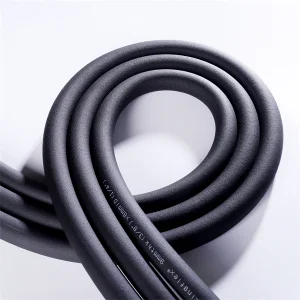
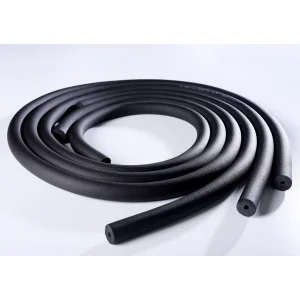
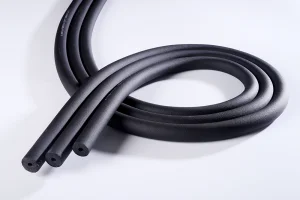
1. Factory-extruded tubes simplify installation over pipelines.
2. Strong moisture resistance protects systems from condensation and corrosion.
3. Eliminates seam gaps to prevent heat loss at critical joints.
Get expert insights on thermal performance, system maintenance, and industry safety standards.
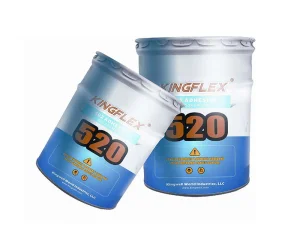
Explore our full line of acoustic solutions, thermal piping accessories, and mineral fiber systems.
 Kingflex