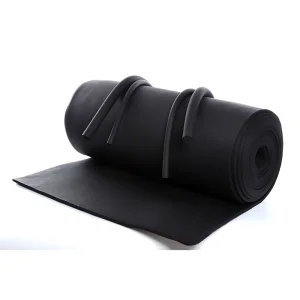
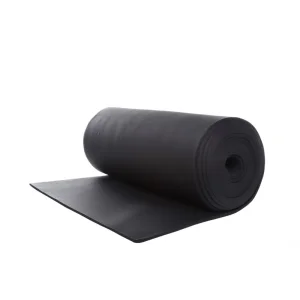
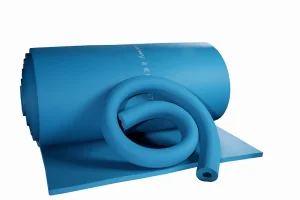
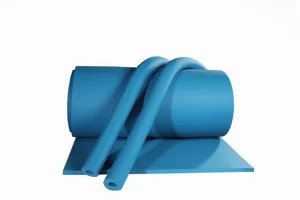
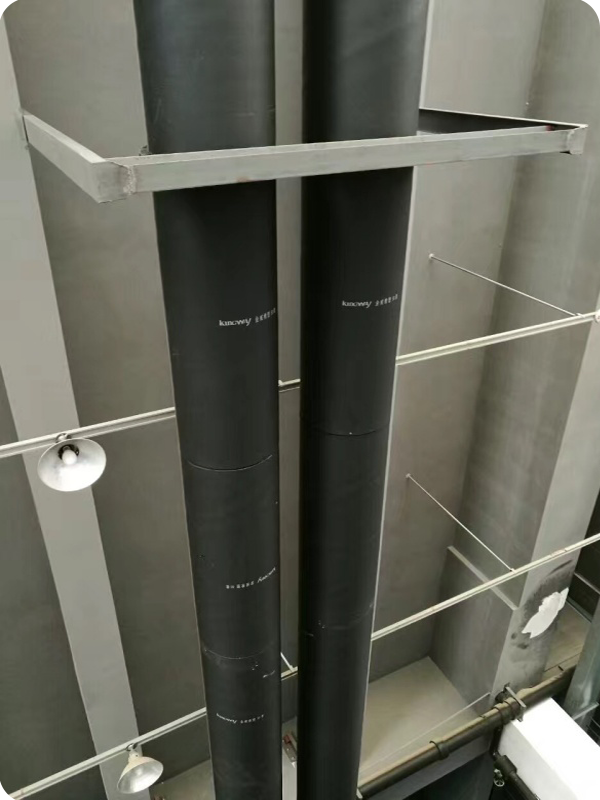
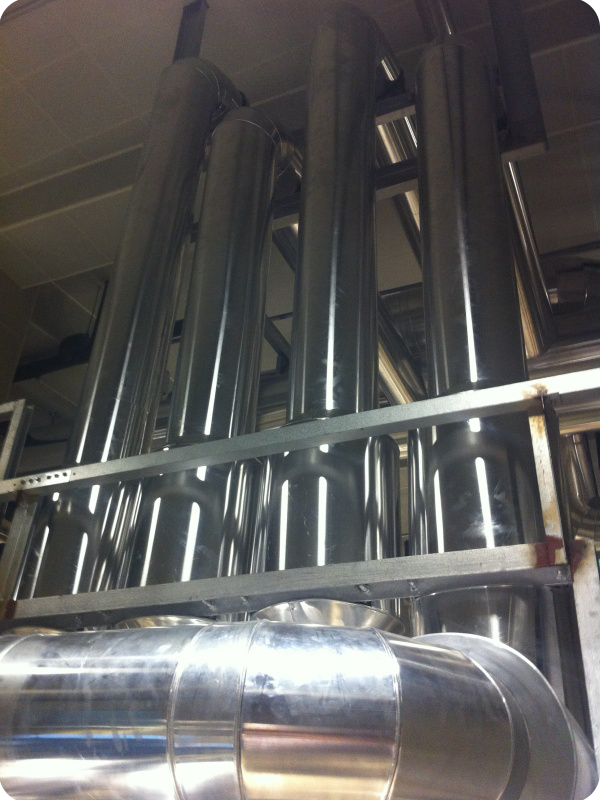
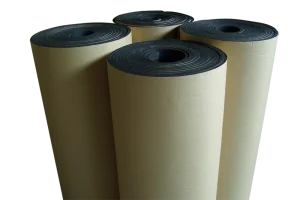
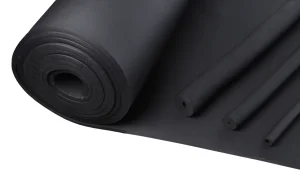
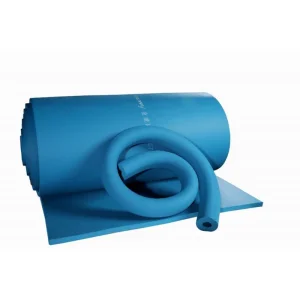
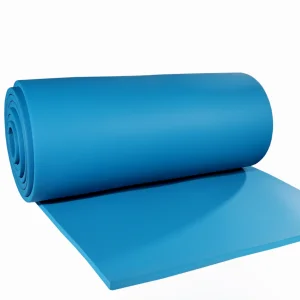
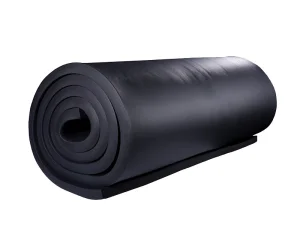
Engineered rubber foam sheet rolls and pipes designed for severe HVAC, building, and industrial applications. Browse our top bulk solutions below.
Modern industrial plants, commercial megastructures, and low-temperature logistics hubs require insulation systems that transcend basic heat-barriers. Today's procurement managers face escalating challenges: building codes demand stringent flame retardancy, ESG targets require energy-efficient materials, and critical HVAC installations require zero moisture permeability to prevent corrosion under insulation (CUI).
As a leading engineered thermal insulation partner, we address these procurement priorities with structural, closed-cell materials designed to maximize efficiency over long operational life-cycles.

A comprehensive analysis of insulation advancements, focusing on the paradigm shifts in polymer foam technologies.
The standard formulations of Nitrile Butadiene Rubber (NBR) and Polyvinyl Chloride (PVC) have evolved to offer high mechanical resistance and structural flexibility. Modern polymer technology ensures that cell sizes remain homogeneous (under 100 microns) and the closed-cell ratio exceeds 98%. This reduces thermal conductivity, increases vapor resistance ($\mu$-value), and prevents micro-fracturing during thermal cycle swings.
Fire safety compliance is non-negotiable. Modern elastomeric insulation utilizes non-halogenated flame retardants and synergistic smoke suppressants. Under exposure to direct flame, our products develop a stable, carbonized barrier that starves the core of oxygen. This properties allow compliance with global standards, including BS 476 Part 7 Class 1, UL94 V-0, and European EN 13501-1 classification.
Traditional fibrous insulation materials (such as mineral wool or fiberglass) act as sponges when the protective outer jacket is compromised. Moisture absorption leads to rapid oxidation of underlying carbon steel or stainless steel piping. High-performance closed-cell elastomeric structures, like Kingflex systems, are naturally hydrophobic. They provide a continuous moisture barrier directly on the pipe wall, minimizing structural failure risks.
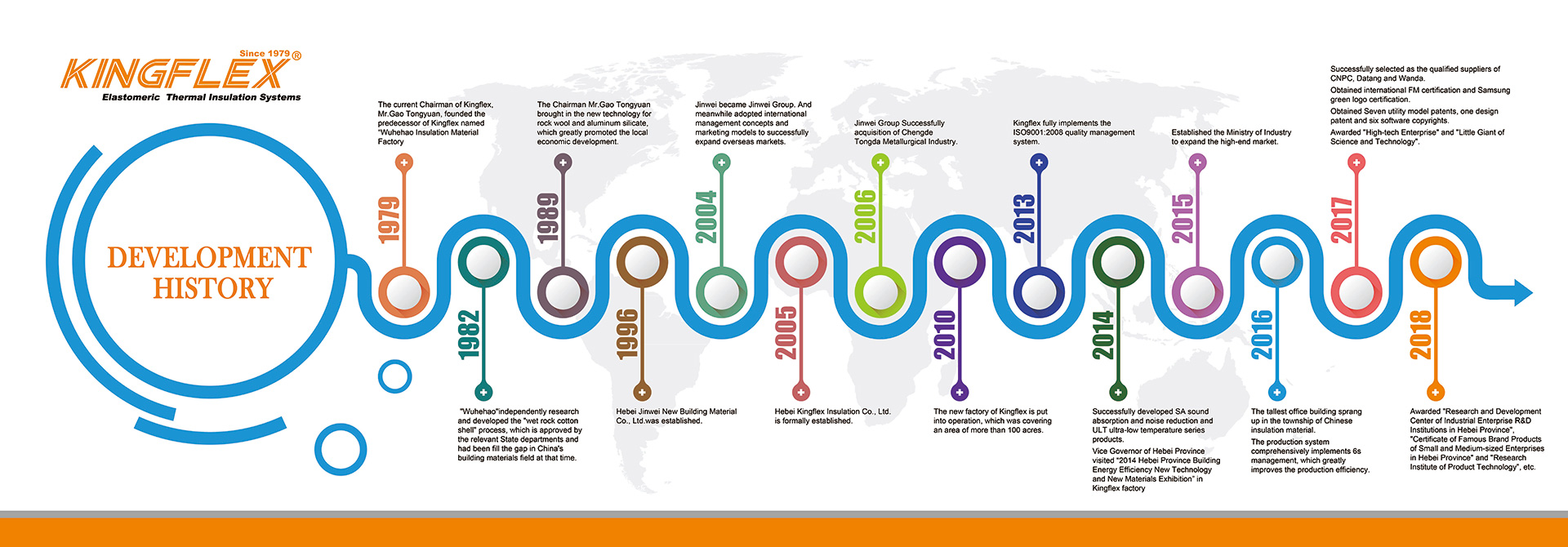
Kingflex Insulation Co., Ltd. is a professional manufacturing and trading combo for thermal insulation products. Our research, development, and production hub is located in the well-known capital of green building materials in Dacheng, China. As an energy-saving, environmentally friendly enterprise, we specialize in the R&D, manufacture, and global distribution of premier elastomeric insulation systems.
Guided by our core concept of energy saving and consumption reduction, Kingflex provides holistic solutions through consulting, customized R&D, expert installation guidance, and dedicated post-sale support. We lead the advancement of the global energy conservation industry.
Our History & Heritage: Kingflex was established by the Kingway Group (originally Jinwei Group), boasting over 40 years of industry experience. Founded in 1979, the group was the first major manufacturer of thermal insulation materials north of the Yangtze River, paving the way for advanced modern insulation systems.
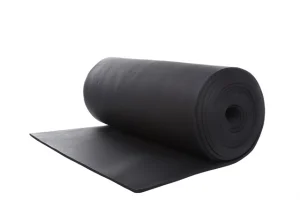
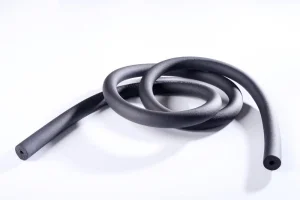
Compare standard parameters of our two primary product categories: Elastomeric Foam Sheets and Pre-formed Pipes.
| Insulation Type | Core Material Formulation | Thickness Range | Density Range | Thermal Conductivity (λ) | Working Temp Limit |
|---|---|---|---|---|---|
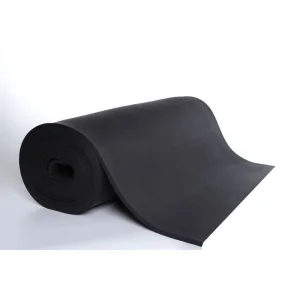
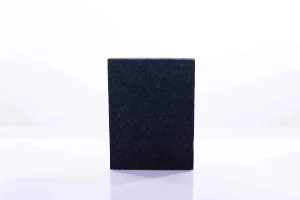
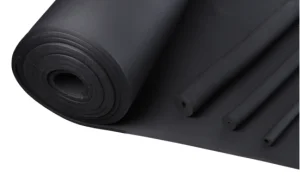
| Black Rubber Foam Sheet Roll | Elastomeric NBR/PVC Polymer | 6mm - 50mm | 40 - 55 kg/m³ | ≤ 0.034 W/(m·K) at 0°C | -40°C to +105°C |
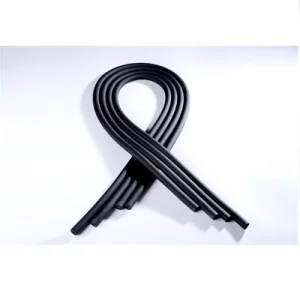
| Black Rubber Foam Pipe / Tube | Elastomeric NBR/PVC Polymer | 9mm - 40mm (ID: 6mm - 114mm) | 40 - 55 kg/m³ | ≤ 0.034 W/(m·K) at 0°C | -40°C to +105°C |
| Cryogenic ULT Insulation System | Advanced Alkadiene Blend | Custom Layered (20mm+) | 50 - 65 kg/m³ | ≤ 0.028 W/(m·K) at -150°C | -200°C to +105°C |
Our dedicated R&D department houses 8 professional engineers, running continuous material tests under dynamic temperature variations and pressure simulation chambers.
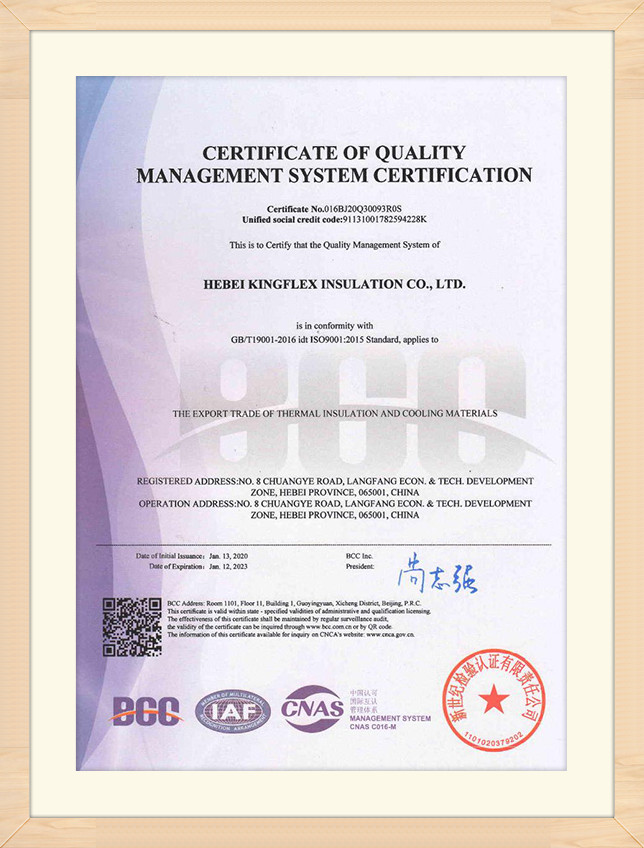
Approved for high-spec engineering projects worldwide. Complies with BS 476, CE, REACH, RoHS, UL94, and ASTM performance and environmental parameters.
Every single batch produced across our 5 automatic assembly lines is marked and logged, allowing complete raw material and testing phase traceability.
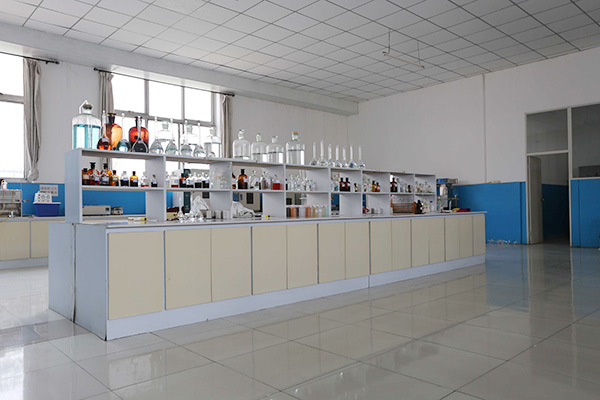
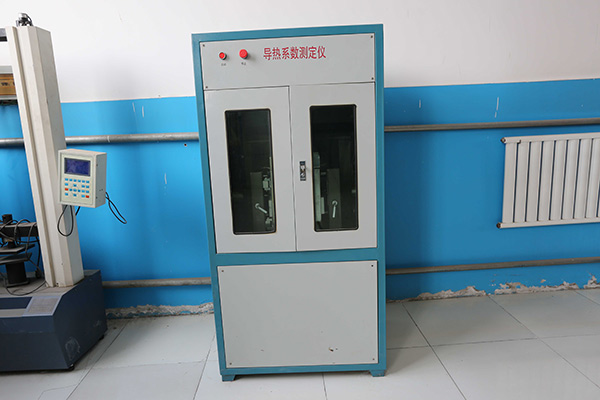
Inside our testing facility, material analysis rooms, and international certification credentials.
We believe transparent communication forms the bedrock of supply reliability. Kingflex ensures every batch of rubber foam is fully traceable, with test parameters verified before dispatch. We regularly share manufacturing status, loading reports, and real-time transit status directly with procurement agents to eliminate typical supply chain blind spots.


Expert answers to the most common structural, mechanical, and regulatory queries regarding elastomeric foam systems.
A1: Elastomeric rubber foam is a flexible, closed-cell insulation designed to prevent heat gain/loss and condensation control in HVAC systems, chilled water lines, refrigeration piping, and building mechanical units. Due to its non-fibrous nature, it is widely utilized in sensitive areas like hospitals, cleanrooms, and schools where indoor air quality (IAQ) is paramount.
A2: Yes. Kingflex rubber foam is engineered with self-extinguishing flame-retardant chemistry. The material meets the BS 476 Part 7 Class 1 standard, achieves UL94 V-0 flame-retardancy, and conforms to key international structural fire codes, preventing vertical flame spread and reducing toxic smoke emission.
A3: Rubber foam is highly flexible, features a closed-cell physical matrix, and acts as an inherent moisture vapor barrier. It is preferred for cold applications (chilled water, refrigeration) to prevent condensation and CUI. Rock wool (mineral wool) is a fibrous, open-celled structure suited for extremely high-temperature industrial steam systems and structural fire partitioning where water ingress is not a primary concern.
A4: Yes, we provide full OEM and custom fabrication support. We customize sheet dimensions, pre-cut pipe inner diameters, apply dynamic adhesive backing layers, and laminate protective jackets (e.g., aluminum foil or tough protective glass fabrics) to meet custom engineering designs.
A5: Our materials are certified under BS 476, CE, REACH, RoHS, UL94, and ASTM. This guarantees compliance with toxic chemical limitations and mechanical standards across Europe, the Americas, Asia-Pacific, and Middle Eastern markets.
A6: Yes. Every single production run is marked with digital manufacturing lot codes. These codes link directly to our quality control reports, identifying batch raw materials, environmental test values during processing, and shipping quality control checks.
A7: We produce rubber foam sheet rolls in standardized thicknesses ranging from 6mm up to 50mm. Dual-layer composite techniques allow us to engineer custom profiles for specialized high-performance industrial designs.
A8: Under normal indoor and outdoor ambient operational conditions (when properly installed and UV-jacketed outdoors), the projected active service life of Kingflex rubber foam insulation systems is 10 to 15 years.
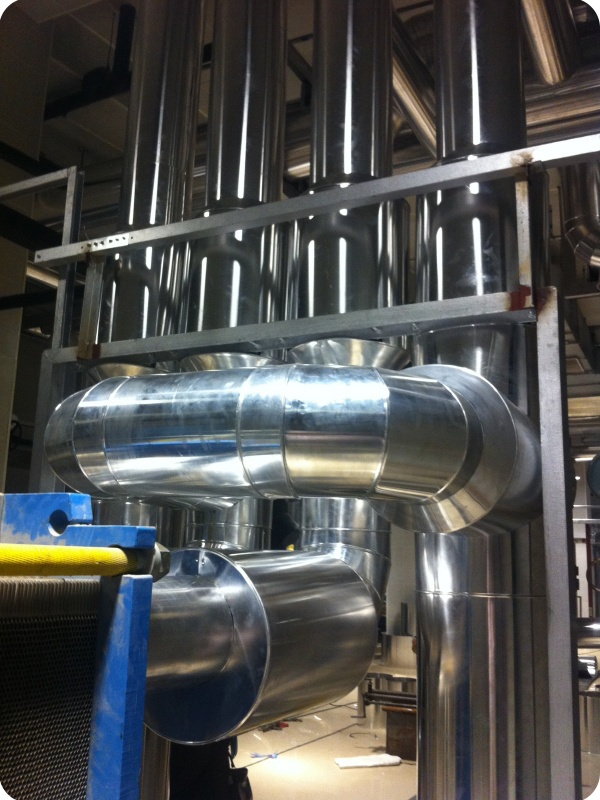
Providing global mechanical installations with advanced thermal, acoustic, and anti-condensation engineering.
Explore our targeted product range including NBR self-adhesives, acoustic foam systems, and cryogenic insulation.
A photographic archive of our 600,000 m³ capacity facility, tracking automated processes from raw mixing to packaging.
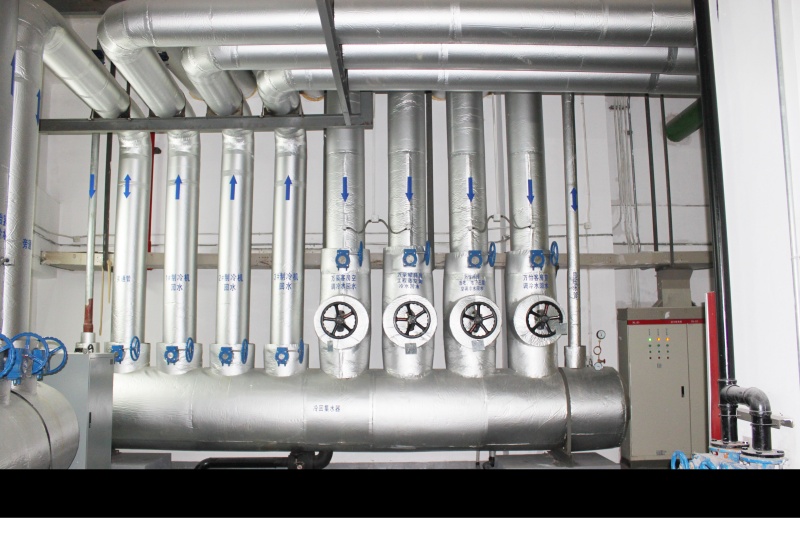


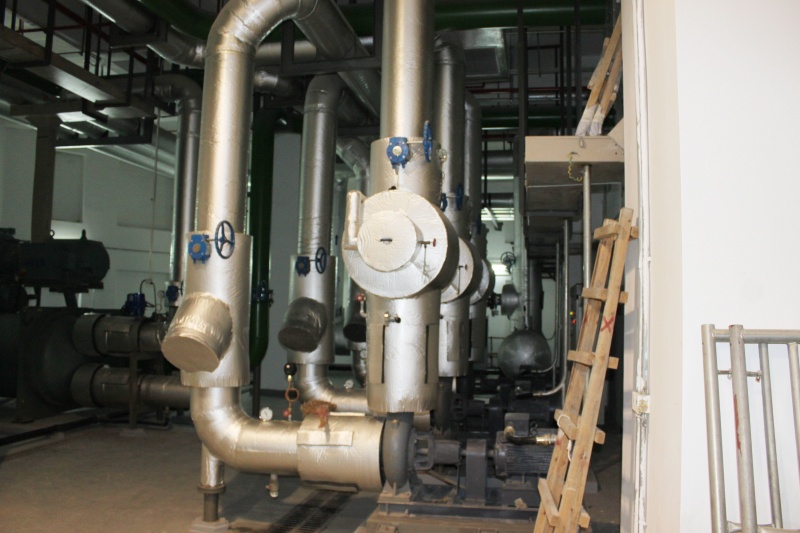
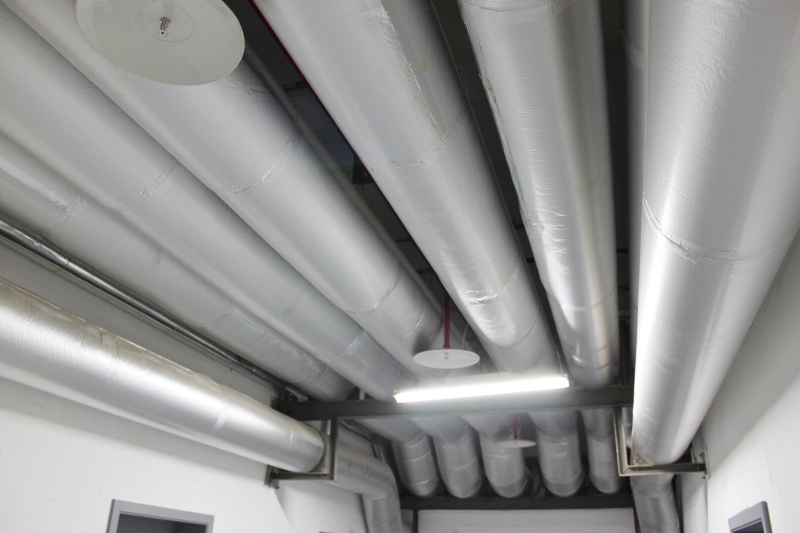

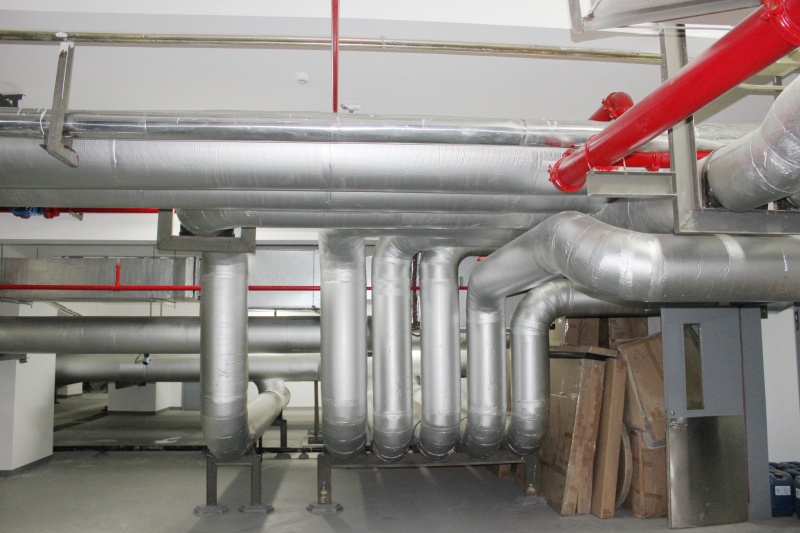
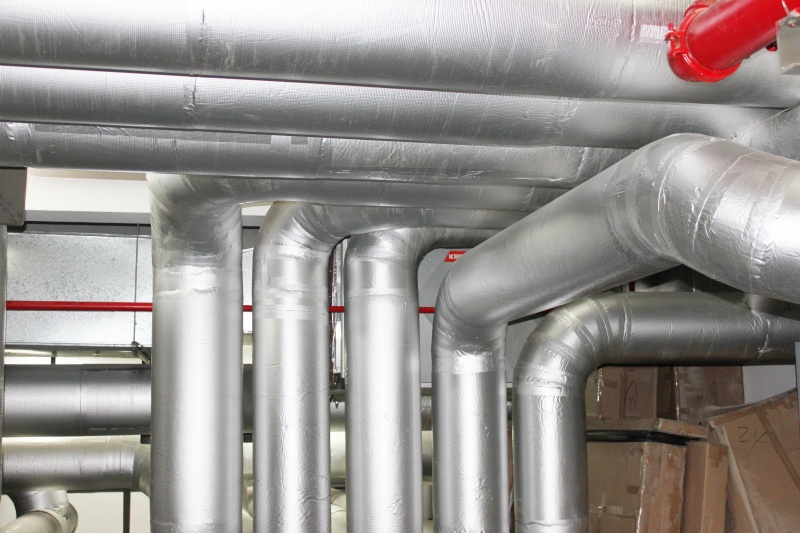
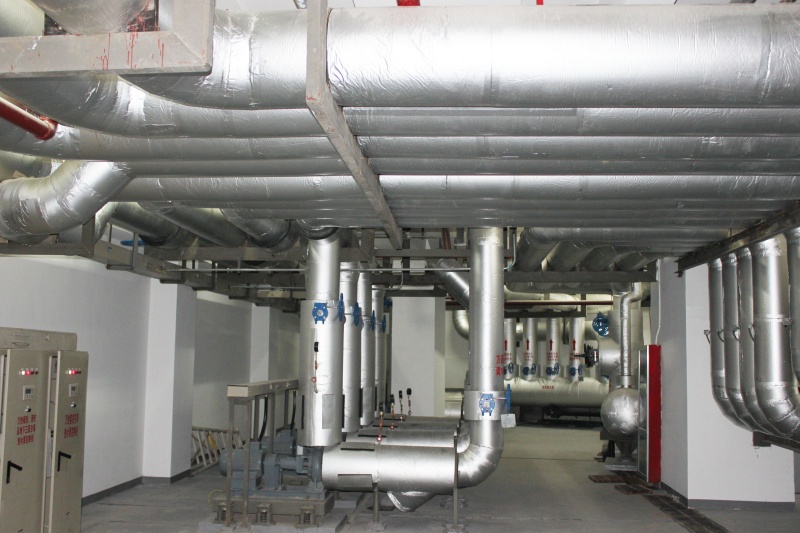
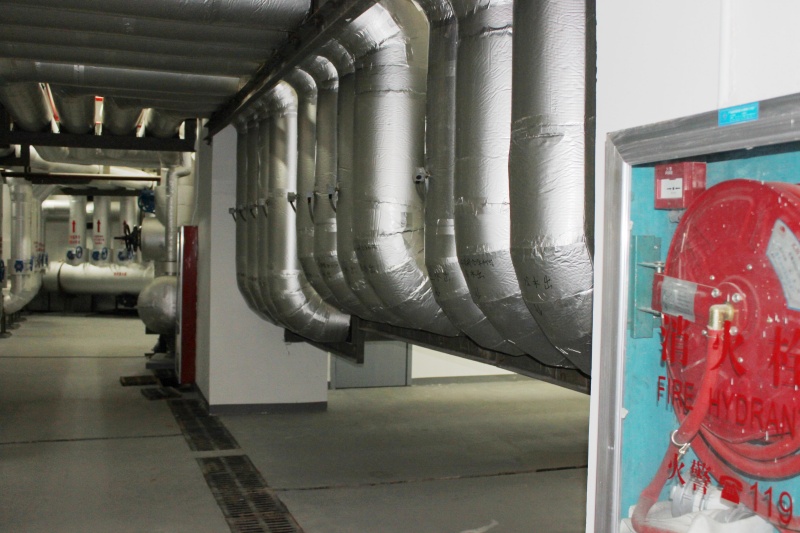
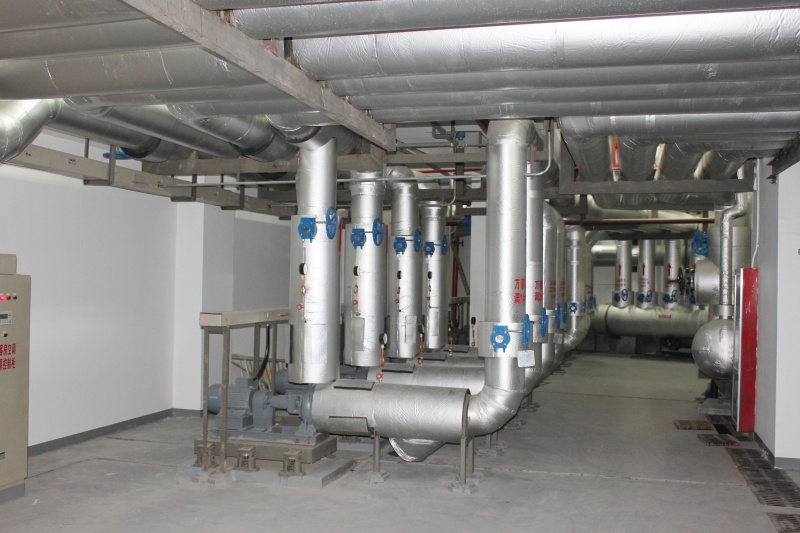

In addition to NBR/PVC elastomeric rubber foam, our engineering lines manufacture complementary insulation products to provide single-source solutions for diverse mechanical designs.
Closed-cell sheets, rolls, pre-slit tubes, self-adhesive tapes, and cryogenic multi-layer systems.
Lightweight wraps, sound-dampening acoustic batts, and high-temp glass wool boards.
High-density mineral boards, fireproof blankets, and pre-formed high-temperature pipe sections.
 Kingflex